Expanding an operating factory is one of the most complex challenges in industrial construction. In many manufacturing environments, stopping production is not an option because downtime leads to lost revenue, delayed orders, and supply chain disruptions. For this reason, engineers must carefully plan every step of a project that requires factory expansion without shutdown. The goal is to increase capacity while keeping existing operations running safely and efficiently.
Modern industrial facilities often rely on continuous production lines, automated systems, and tightly scheduled logistics. Interrupting these processes can affect not only the factory itself but also customers, suppliers, and transportation networks. Because of this, expansion projects must be designed with extreme precision, especially in large plants built with steel structural systems where equipment, cranes, and utilities are already integrated into the building.
A well-planned expansion strategy allows new structures to be built alongside existing ones, connected gradually, and activated only when construction is complete. This approach requires careful structural planning, phased construction, and detailed coordination between engineers, contractors, and factory management. When done correctly, factory expansion without shutdown makes it possible to grow production capacity while maintaining full operational continuity.
Why Expanding a Factory Without Stopping Production Is Challenging
Expanding an industrial facility while it remains in operation introduces multiple engineering, safety, and logistical challenges. Unlike new construction projects on empty land, expansion projects must work around existing structures, active machinery, and ongoing production processes. Without proper planning, construction activities can interfere with operations, create safety hazards, or damage critical equipment.
Continuous Production Requirements
Many factories operate around the clock, especially in industries such as steel processing, manufacturing, energy equipment, and heavy machinery production. These facilities often run multiple shifts and depend on uninterrupted workflows. Any shutdown, even for a short time, can result in significant financial losses.
Because of this, factory expansion without shutdown requires construction work to be scheduled around production activities. Engineers must ensure that building work does not block material flow, crane operation, or access routes used by workers and vehicles.
Safety Risks During Construction
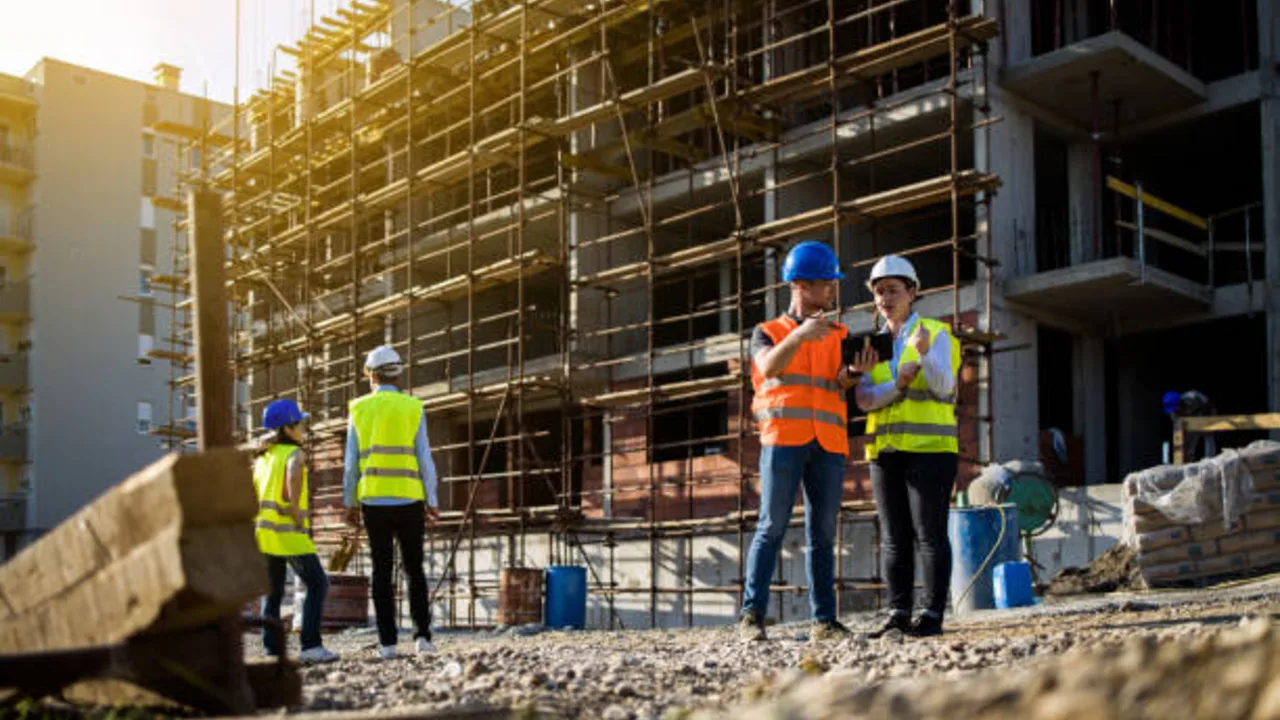
Construction inside or next to an active factory creates safety risks that do not exist in normal building projects. Workers, machines, and construction crews may share the same environment. Dust, noise, vibration, and moving equipment must all be controlled carefully.
Temporary barriers, protective structures, and clear separation zones are usually required to keep production staff safe while construction is in progress. Safety planning is therefore a critical part of any project involving factory expansion without shutdown.
Space Limitations in Existing Plants
Many industrial sites have limited available land. Expansion must often take place within the same property, next to existing buildings, or even connected directly to the current structure. This creates restrictions on crane access, material storage, and construction equipment movement.
Engineers must evaluate the existing layout carefully before starting the design. In many cases, the expansion must be built in stages, using a phased expansion approach to avoid interfering with daily operations.
Structural Compatibility Issues
Another major challenge is ensuring that the new structure is compatible with the existing building. Differences in foundation type, column spacing, roof height, and crane systems can make direct connection difficult.
When planning factory expansion without shutdown, structural engineers must analyze the original building drawings and verify load capacity, connection details, and structural tolerances. In steel industrial buildings, this process is easier than in concrete structures, but it still requires precise design.
When Factory Expansion Becomes Necessary
Factory expansion projects usually occur when production demand grows beyond the capacity of the existing facility. Instead of building a completely new plant, many companies prefer to extend the current factory in order to save cost, maintain logistics efficiency, and keep existing equipment in operation.
Production Capacity Increase
One of the most common reasons for expansion is the need to increase production output. As orders grow, the existing production lines may no longer be sufficient. Adding new bays, extending the workshop, or building additional storage space allows the factory to handle higher volumes without relocating.
In these situations, factory expansion without shutdown is essential because production must continue while the new space is being constructed.
New Equipment Installation
Modern manufacturing often requires upgrading to larger or more advanced machines. New equipment may require additional floor space, higher roof clearance, or stronger structural support.
Instead of modifying the existing building, engineers often design an extension that can accommodate the new machines. A phased expansion plan allows installation to occur without interrupting current production.
Warehouse and Logistics Growth
As production increases, the need for storage, loading areas, and internal logistics space also grows. Factories may need additional warehouse buildings, truck loading bays, or material handling zones.
Expanding logistics space while the plant remains operational requires careful planning of vehicle routes, temporary storage areas, and construction access. This makes factory expansion without shutdown a key requirement in many industrial projects.
Regulatory or Safety Upgrades
Sometimes expansion is not driven by production demand but by safety regulations or operational improvements. New ventilation systems, fire safety requirements, or environmental controls may require additional space or structural modifications.
In these cases, shutting down the factory may not be possible, especially for facilities that provide critical products. Engineers must therefore design expansion solutions that allow the building to be upgraded while it remains in service.
Key Engineering Principles for Factory Expansion Without Shutdown
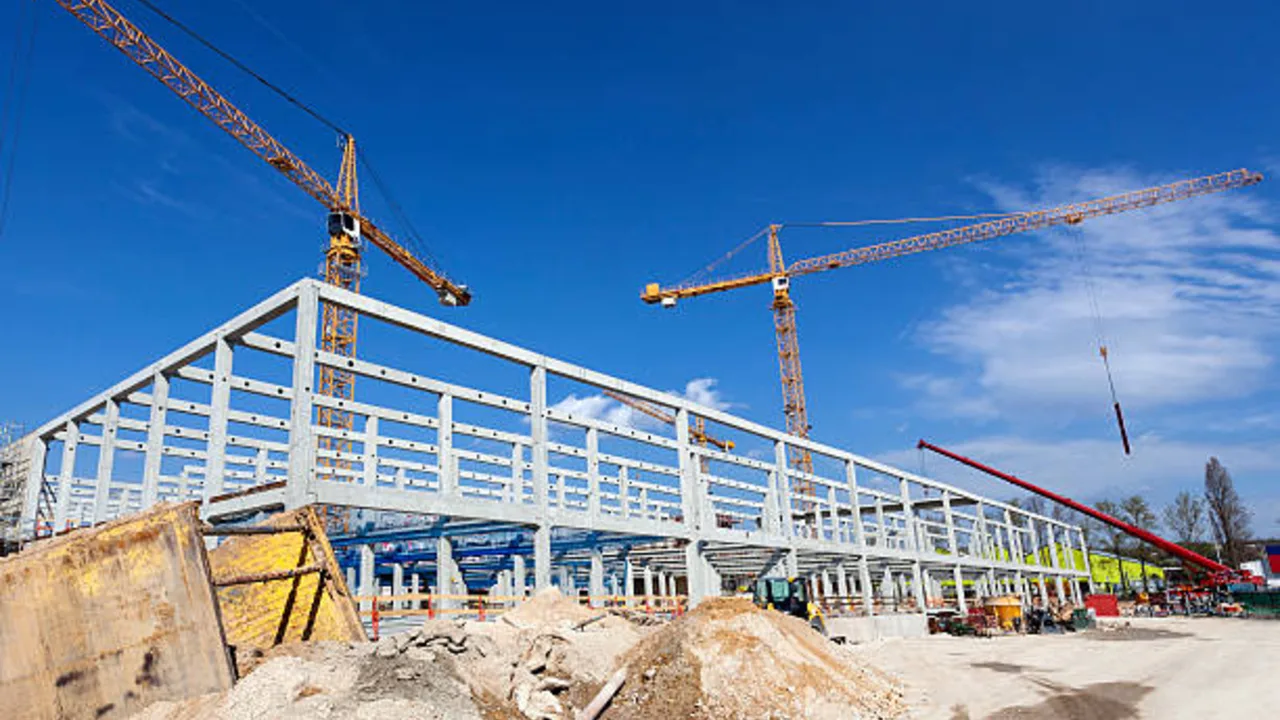
Successful factory expansion without shutdown depends on careful engineering planning and a construction strategy that minimizes interference with existing operations. Unlike new construction projects, expansion work must be integrated into a live production environment. Engineers must consider structural safety, workflow continuity, and construction efficiency at the same time.
Several key principles are commonly used in industrial projects to ensure that expansion can be completed while the factory continues to operate.
Phased Expansion Strategy
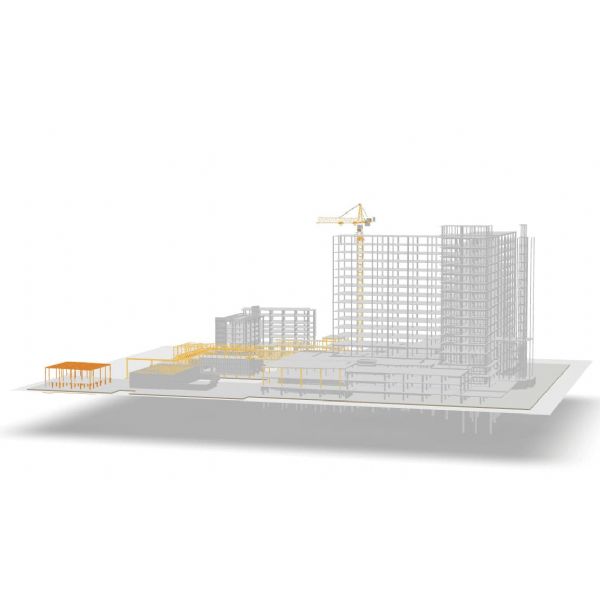
One of the most important methods used in industrial construction is the phased expansion approach. Instead of building the entire extension at once, the project is divided into multiple stages. Each stage is designed so that construction can proceed without affecting the active production areas.
In a typical phased expansion, new structural frames are built outside the existing building first. After the new structure is completed and enclosed, internal connections are created gradually. This allows the factory to continue running while the new space is prepared for operation.
Using a phased expansion strategy greatly reduces risk and makes factory expansion without shutdown possible even in large industrial plants.
Independent Structural Zones
Another important design concept is separating the new structure from the existing building during the early construction stages. By creating independent structural zones, engineers can build the extension without transferring loads or vibrations to the operating facility.
Independent foundations, columns, and roof systems allow construction work to proceed safely. Once the new structure is fully completed, connection points can be installed in a controlled manner. This method is especially effective in steel buildings, where bolted connections allow flexible assembly.
Temporary Protection Structures
During expansion work, temporary structures are often required to protect the existing factory from dust, weather, and construction hazards. These may include temporary walls, protective roofing, or safety barriers that separate the construction area from production zones.
Temporary protection systems are essential when the expansion is directly connected to the existing building. They help maintain safe working conditions for factory employees while construction crews continue their work nearby.
Proper use of temporary structures is a critical factor in achieving safe factory expansion without shutdown.
Separate Construction Access Routes
In active factories, construction vehicles and workers cannot interfere with daily operations. For this reason, expansion projects usually include separate access routes for construction equipment, material delivery, and lifting operations.
Dedicated access roads, temporary gates, and isolated work zones allow the construction team to operate independently from the production staff. This reduces the risk of accidents and helps maintain normal workflow inside the plant.
Planning separate access routes is a standard requirement in projects involving factory expansion without shutdown.
Designing Expansion for a Modern Steel Factory
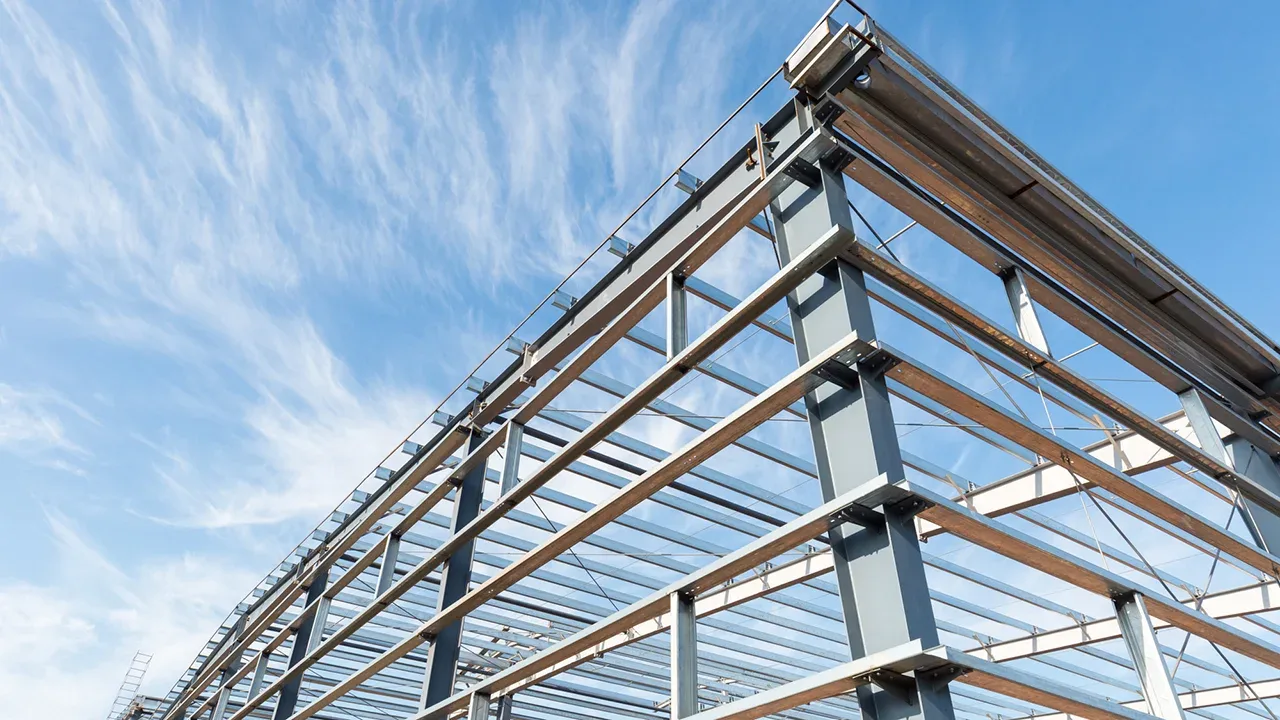
Steel structure buildings are particularly suitable for expansion projects because of their flexibility, speed of installation, and ability to connect new structures to existing frames. In many industrial projects, steel systems make it possible to extend the building without major disruption to current operations.
When planning an expansion for a modern steel structure factory building, engineers must ensure that the new structure matches the existing layout while also allowing future growth.
Advantages of Steel Structures for Expansion
Steel structures offer several advantages when a factory needs to be expanded. Prefabricated components can be manufactured off-site and delivered ready for installation, reducing construction time inside the factory area.
Because steel members are assembled using bolts and precise connections, the extension can be built quickly with minimal noise and vibration. This makes steel construction ideal for projects that require factory expansion without shutdown.
Modular Frame Extension
Most industrial steel buildings are designed using modular frames with regular column spacing. This modular design makes it easier to extend the structure by adding new bays that follow the same grid pattern.
Engineers can design additional frames that align with the existing structure, allowing the building to grow without changing the original layout. Modular extension is one of the most efficient ways to complete an expansion while the factory remains in operation.
Matching Column Grid and Span
When extending an existing factory, the new structure must match the original column spacing, roof height, and span length. If the structural grid does not align correctly, connecting the two buildings may require complex modifications that could interrupt production.
Careful measurement and structural analysis are required before expansion begins. In many cases, engineers will review original drawings and perform site inspections to ensure compatibility. Proper grid matching is essential for smooth factory expansion without shutdown.
Roof and Wall Integration
Connecting the new building to the existing factory requires precise integration of roof and wall systems. During this process, the factory must remain protected from rain, dust, and temperature changes.
Engineers often design connection details that allow the new structure to be enclosed first, before openings are created in the existing wall. This sequence prevents exposure of the production area and allows work to continue safely.
Good roof and wall integration planning is one of the key factors that makes factory expansion without shutdown successful.
Phased Expansion Methods Used in Industrial Projects
Different factories require different expansion methods depending on site conditions, building layout, and production requirements. Engineers choose the most suitable method to ensure that construction can proceed while the plant remains operational.
Side Extension
A side extension is the most common method used in industrial projects. The new building is constructed next to the existing factory, and the connection is made only after the new structure is completed.
This approach allows most construction work to take place outside the active production area, making it one of the safest ways to achieve factory expansion without shutdown.
End-Bay Extension
In some factories, expansion is done by extending the building at one end. Additional structural bays are added following the same column grid and roof design.
End-bay extension works well in steel buildings because the frame system can be extended in a straight line. This method allows production to continue in the original bays while new ones are being built.
Vertical Expansion
When land space is limited, factories may expand vertically by adding mezzanine floors or additional levels. This type of expansion requires careful structural analysis to ensure that the existing foundation and columns can support the new load.
Vertical expansion is more complex but can still be completed without shutdown if the work is done in phases and temporary supports are used.
Separate Building Connection
Another common method is building a completely separate structure first, then connecting it to the existing factory later. This allows almost all construction work to be completed without entering the operating building.
Once the new structure is finished, openings can be created to link the two buildings. This method is often used when strict production continuity is required.
Temporary Relocation Zones
In some cases, small parts of the production line may need to be moved temporarily to allow construction work to proceed. Engineers may design temporary work areas inside the factory so that production can continue while expansion is underway.
This approach requires detailed planning but can be very effective for large projects involving factory expansion without shutdown.
Construction Safety During Factory Expansion
Safety management is one of the most critical aspects of any project involving factory expansion without shutdown. Because construction work takes place near active production lines, the risk level is higher than in normal building projects. Engineers must ensure that both construction workers and factory employees can operate safely at all times.
Proper safety planning includes physical separation, environmental control, and strict coordination between the construction team and factory management. Without these measures, expansion work could interrupt production or create dangerous working conditions.
Dust and Noise Control
Construction activities such as cutting, drilling, and welding can generate dust and noise that may affect production equipment and workers. Sensitive machines, especially in precision manufacturing plants, must be protected from contamination.
Temporary walls, sealed partitions, and localized ventilation systems are often used to isolate the construction area. These measures help maintain a stable working environment while allowing expansion work to continue. Effective environmental control is essential for safe factory expansion without shutdown.
Worker Separation Zones
Clear separation between construction zones and production zones is required to prevent accidents. Workers operating machinery should not share the same pathways with construction crews or material transport vehicles.
Safety barriers, marked walkways, and restricted access areas are commonly used to control movement inside the facility. In large factories, separate entrances for construction teams may also be required.
Establishing well-defined separation zones helps maintain safety and ensures that factory expansion without shutdown can proceed smoothly.
Equipment Protection
Existing machines, cranes, and electrical systems must remain fully operational during expansion. Construction work must not damage cables, pipelines, or structural components that are already in use.
Protective covers, temporary supports, and vibration control methods are often used to prevent accidental damage. In heavy industrial plants, even small structural movement can affect equipment alignment, so careful monitoring is necessary.
Protecting existing equipment is a key requirement for successful factory expansion without shutdown.
Fire and Electrical Safety
Expansion work often involves welding, cutting, and installation of new electrical systems. These activities increase the risk of fire or electrical accidents, especially in factories that handle flammable materials.
Engineers must design temporary fire protection systems, safe cable routing, and emergency access paths. Fire-resistant barriers and strict safety procedures are usually required when working inside an operating factory.
Strong safety planning ensures that factory expansion without shutdown can be completed without compromising plant safety.
Structural Design Considerations for Expansion Projects
Structural engineering plays a decisive role in any expansion project. The new building must connect to the existing structure without causing instability, excessive load, or misalignment. This requires detailed analysis of the original design and careful planning of new structural elements.
When expansion is performed on a steel structure factory building, the flexibility of steel systems makes it easier to add new frames, but proper engineering is still required to ensure safety and performance.
Foundation Compatibility
Before starting construction, engineers must verify whether the existing foundation can support additional loads. In many cases, the expansion will have its own independent foundation to avoid affecting the original structure.
Separate foundations allow construction to proceed without transferring vibration or stress to the operating building. This approach is commonly used in projects that require factory expansion without shutdown.
Load Transfer Planning
When two structures are connected, loads must be transferred safely between them. If the connection is not designed correctly, differential movement may occur, leading to cracks, misalignment, or structural damage.
Engineers often use expansion joints, sliding connections, or flexible joints to allow slight movement between old and new structures. These details help maintain stability while the factory continues to operate.
Crane System Extension
Many industrial factories use overhead crane systems that run along the length of the building. When the factory is expanded, the crane runway beams may also need to be extended.
This requires precise alignment so that the crane can move smoothly from the old section to the new one. In steel buildings, crane system extension can often be completed in stages, allowing production to continue during installation.
Proper crane integration is an important part of factory expansion without shutdown.
Utility System Relocation
Industrial buildings contain complex utility systems, including power lines, compressed air, water pipes, and ventilation ducts. During expansion, these systems may need to be moved or extended.
Engineers must plan utility relocation carefully to avoid interrupting production. Temporary systems may be installed to keep the factory running while new connections are built.
Careful utility planning ensures that factory expansion without shutdown can be completed without affecting daily operations.
Material Selection for Expansion Without Shutdown
Choosing the right materials can significantly reduce construction time and minimize disruption to production. Prefabricated and lightweight components are often preferred because they allow fast installation and require less on-site work.
Material selection is therefore an important factor in achieving efficient factory expansion without shutdown.
Prefabricated Steel Components
Prefabricated steel structures are widely used in industrial expansion projects. Structural members are manufactured in the factory and delivered ready for assembly, reducing the amount of cutting and welding required on site.
Fast installation reduces noise, dust, and vibration, which makes prefabricated steel ideal for expansion projects in operating factories.
Bolted Connections vs Welding
Bolted connections are generally preferred over welding when expanding an existing factory. Bolting is faster, safer, and produces less heat and smoke, which is important when working near active equipment.
Using bolted connections also makes it easier to assemble new frames in stages, supporting the phased construction approach required for factory expansion without shutdown.
Lightweight Roof Systems
Lightweight roofing materials reduce the load on the existing structure and allow faster installation. Sandwich panels and metal roofing systems are commonly used because they provide insulation, durability, and quick assembly.
Fast roof installation helps protect the factory interior sooner, allowing production to continue without interruption.
Fast Installation Wall Panels
Wall systems that can be installed quickly are essential for expansion projects. Pre-insulated panels and modular cladding systems allow the building to be enclosed in a short time.
Once the new structure is sealed, internal connection work can be done safely. This sequence is often used to achieve successful factory expansion without shutdown.
Project Example: Factory Expansion Planning Using Steel Structure System
A real industrial project demonstrates how proper structural planning makes it possible to support future growth without interrupting production. One example is the
steel structure factory project in Cambodia, a modern industrial facility designed with a rigid frame steel system to provide high efficiency, flexible layout, and long-term expandability.
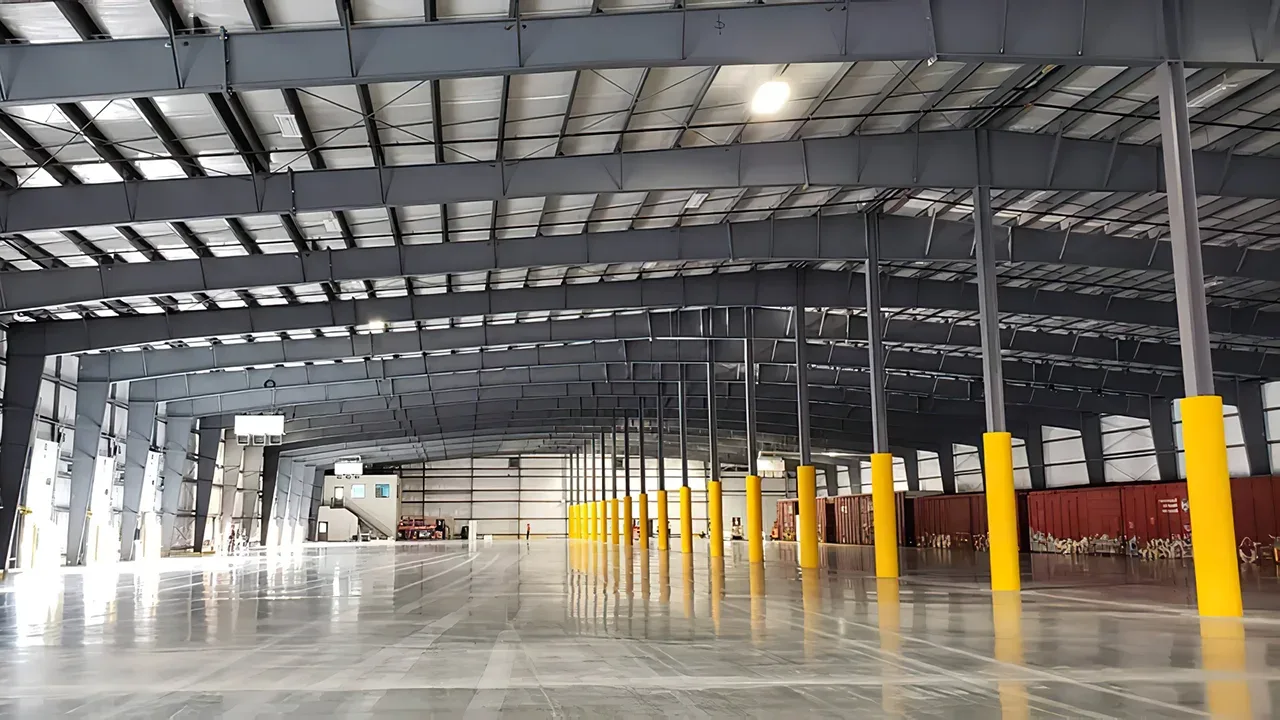
The project used approximately 1,200 tons of structural steel and adopted a total rigid frame configuration, allowing large clear-span interior spaces and unobstructed production zones. This type of structural system is especially suitable for factories that may require future modification or expansion, because new bays can be added without major changes to the original frame. :contentReference[oaicite:0]{index=0}
In projects where future growth is expected, engineers often plan the structural grid, column spacing, and foundation layout in advance so that additional workshop areas can be connected later. This approach makes factory expansion without shutdown much easier, since new structural zones can be constructed independently and connected only after completion.
Steel structural systems are particularly effective for phased construction. Because components are prefabricated and assembled using bolted connections, new frames can be erected beside an operating building with minimal vibration and limited interference to existing equipment. This allows production lines, crane systems, and logistics routes to remain active during construction.
In a modern steel structure factory building, expansion is often completed by adding new bays following the same structural module as the original building. By maintaining the same span, roof height, and column grid, engineers can integrate the new structure smoothly while keeping the existing facility fully operational.
Projects like the Cambodia factory show that careful engineering, modular steel design, and phased construction strategy make it possible to increase production capacity without shutting down the plant. With proper planning, factory owners can expand step by step while maintaining safety, efficiency, and continuous operation.
Future Trends in Industrial Factory Expansion

As industrial production becomes more advanced, factory expansion methods are also evolving. Modern projects increasingly focus on flexibility, modular construction, and digital planning tools that make it easier to grow facilities without stopping production.
Modular Factories
Many modern factories are designed with future expansion in mind. Modular structural systems allow additional bays or buildings to be added without major redesign.
This approach makes future factory expansion without shutdown much easier and reduces long-term construction cost.
Expandable Structural Systems
Engineers now design steel structures with connection points prepared for future extension. Columns, beams, and crane systems can be extended without modifying the original frame.
Expandable structural systems are becoming standard in large industrial plants.
Digital Planning and Simulation
3D modeling and digital simulation allow engineers to plan expansion work in detail before construction begins. These tools help identify conflicts, safety risks, and workflow problems in advance.
Digital planning greatly improves the success rate of projects involving factory expansion without shutdown.
AI Construction Scheduling
Advanced scheduling software and AI tools can optimize construction sequences so that work is performed at the safest and least disruptive time.
These technologies allow expansion projects to be completed faster while keeping production running.
Conclusion
Expanding an operating factory is a complex engineering task that requires careful planning, precise structural design, and strict safety control. With the right strategy, it is possible to increase production capacity without interrupting daily operations.
By using phased construction, modular steel structures, and detailed safety planning, engineers can successfully complete factory expansion without shutdown even in large industrial facilities. Modern steel building systems provide the flexibility needed to connect new structures to existing ones while maintaining stability and efficiency.
For industrial companies that need to grow without losing productivity, properly designed expansion projects offer the best solution for long-term development.