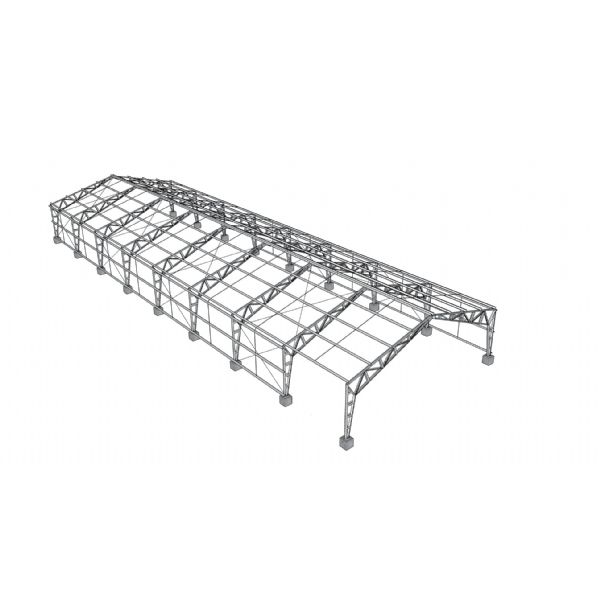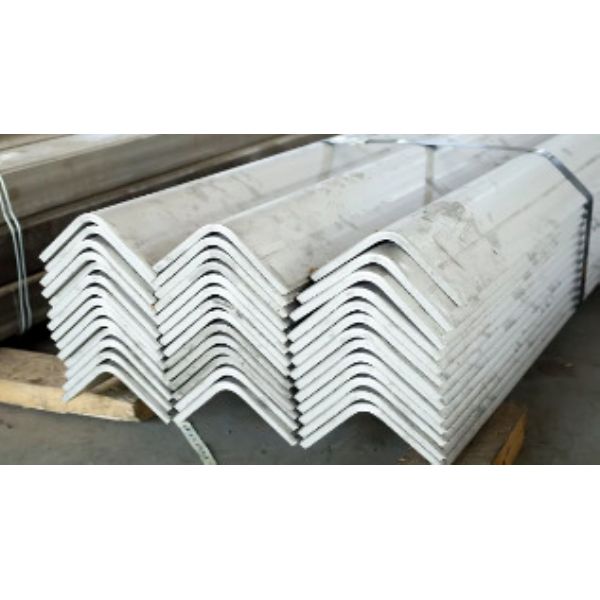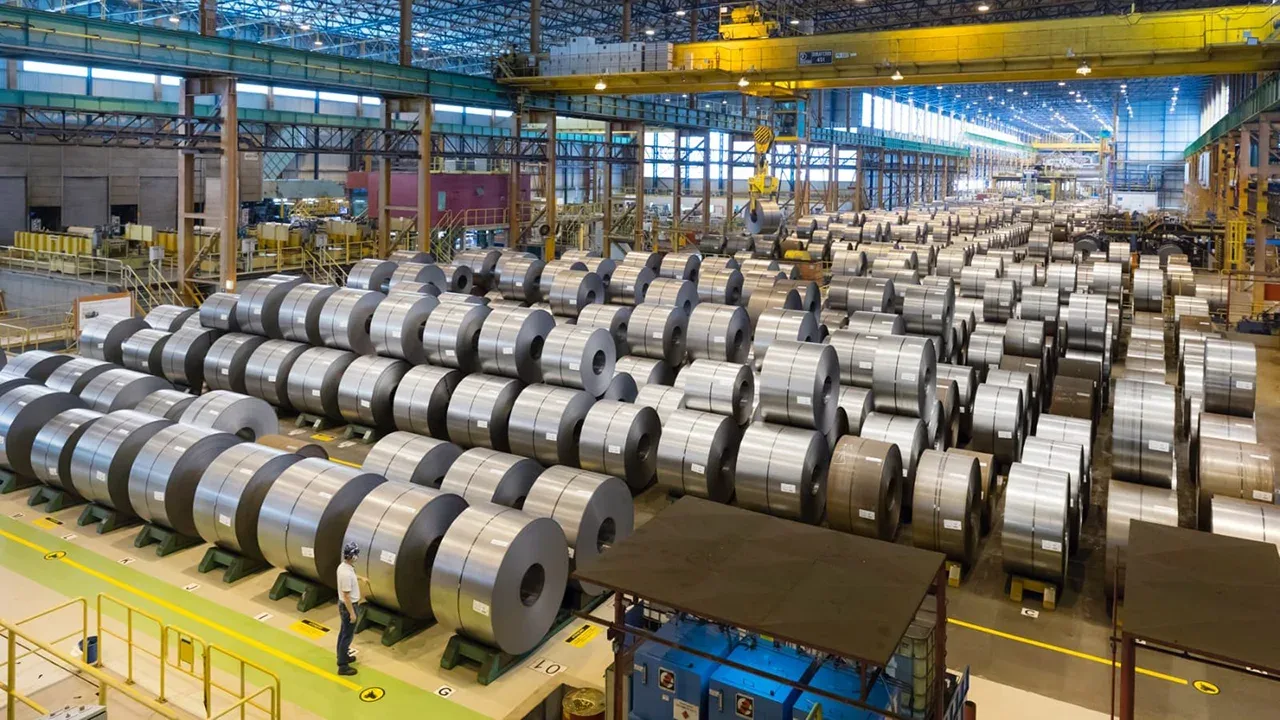
Project handover is one of the most important stages in industrial construction. In large manufacturing facilities, the completion of the building does not mean the project is finished. Before the factory can operate safely, a complete set of factory project handover documents must be delivered to the owner. These documents confirm that the structure, equipment, and systems were built according to the design, tested correctly, and meet all safety and quality requirements.
In modern industrial projects, especially in large steel buildings, documentation plays a critical role in long-term operation. A factory may operate for decades, and during that time maintenance, repair, and future expansion will depend on accurate records. Without proper factory project handover documents, even a well-built facility can become difficult to manage, unsafe to modify, or expensive to maintain.
Steel factories usually involve complex structural systems, heavy equipment, crane installations, electrical networks, and fire protection systems. Because of this complexity, the number of required documents is much higher than in ordinary buildings. Every stage of fabrication, installation, inspection, and testing must be recorded. These records form the official project file that will be used throughout the life of the factory.
Modern engineering standards require that documentation be prepared during construction, not after completion. As-built drawings, inspection reports, material certificates, and testing results must all be collected before the final handover. Proper preparation of factory project handover documents ensures that the owner receives a fully verified building that can be operated safely from day one.
Why Project Handover Documentation Is Critical in Factory Construction
In industrial construction, documentation is not only a formality. It is a technical requirement that ensures the building can be operated, maintained, and inspected correctly. Large factories contain structural systems, mechanical equipment, and safety installations that must be fully documented before the project is accepted.
Without complete factory project handover documents, the owner may not know the exact specifications of the building, which can create serious problems during operation. For this reason, international construction standards require that documentation be reviewed and approved before final handover.
Legal Responsibility After Construction
After a factory project is completed, responsibility for the building is transferred from the contractor to the owner. This transfer cannot happen without proper documentation. The handover file proves that the construction was completed according to contract requirements, technical drawings, and safety regulations.
If any problem occurs later, the factory project handover documents are the official reference used to determine responsibility. Missing or incomplete documents can create disputes between the contractor, the owner, and the insurance company.
Because industrial factories are high-value assets, proper documentation is essential for legal protection.
Operation and Maintenance Depend on Documents
A factory cannot be operated efficiently without accurate technical records. Maintenance teams need drawings, specifications, and inspection reports to understand how the building was constructed.
For example, when repairing a roof beam, the maintenance engineer must know the steel grade, connection type, and design load. Without factory project handover documents, this information may not be available.
In large industrial buildings, incorrect maintenance can cause structural damage or safety hazards. Complete documentation ensures that repairs and modifications are done correctly.
Safety Compliance Requirements
Industrial factories must follow strict safety regulations. Fire systems, electrical installations, crane systems, and structural components must all meet code requirements. During project completion, inspectors verify these systems and record the results.
The verification reports become part of the factory project handover documents. Without them, the building may not receive approval for operation.
In many countries, a factory cannot start production until all handover documents have been submitted and approved by authorities.
Importance in Large Industrial Buildings
Documentation becomes even more important in large factories because the structure is more complex. Long-span steel frames, heavy equipment loads, and multiple utility systems require detailed records.
In small buildings, missing documents may cause inconvenience. In large industrial plants, missing documents can stop production or create safety risks.
For this reason, factory project handover documents are considered a critical part of the construction process, not just an administrative task.
Types of Documents Required for Factory Project Handover
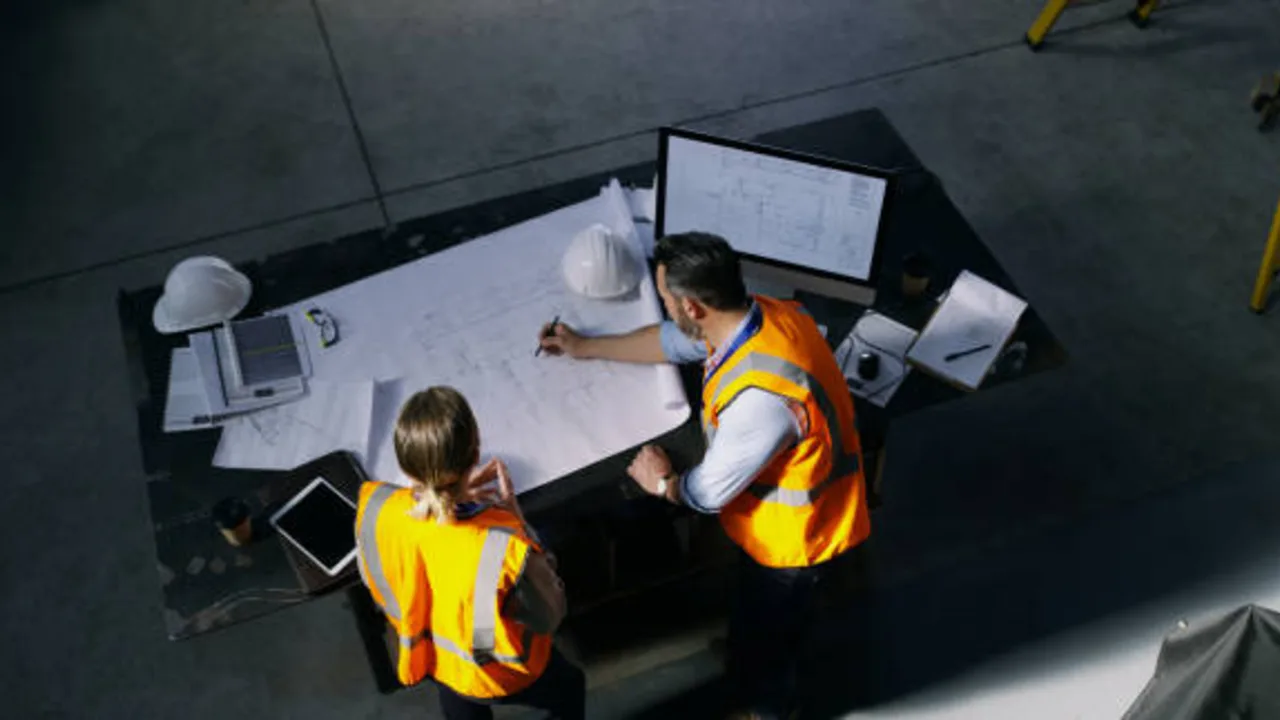
Industrial factory projects require many different types of documents. These documents cover design, fabrication, installation, testing, and inspection. Together they provide complete proof that the building was constructed according to the approved plan.
The exact list of factory project handover documents may vary depending on the project, but most steel factory projects require the following categories.
As-Built Drawings
As-built drawings show the final condition of the building after construction. They include all changes made during the project and represent the actual structure that was installed.
These drawings are essential for future maintenance, repair, and expansion. In steel factories, even small changes in column spacing or beam size must be recorded.
As-built drawings are one of the most important factory project handover documents.
Structural Calculation Reports
Structural reports confirm that the building was designed to support all required loads. These reports include load calculations, design standards, and verification results.
For steel factories, calculations may include crane loads, wind loads, seismic loads, and equipment loads.
These reports prove that the structure is safe and meet engineering requirements.
Material Certificates
All structural materials must be certified. Steel, bolts, welding materials, and coatings must have mill test certificates or quality reports.
Material certificates confirm that the products meet the required standards and specifications.
Without these certificates, the quality of the structure cannot be verified, so they are always included in factory project handover documents.
Welding Inspection Reports
Steel structures rely heavily on welding. Every weld must be inspected according to the required standard.
Inspection reports may include visual inspection, ultrasonic testing, or magnetic testing. These records confirm that the weld quality meets design requirements.
Because welding quality affects structural safety, these reports are critical handover documents.
Installation Records
During construction, installation work must be recorded. This includes bolt tightening, alignment checks, and structural assembly.
Installation records prove that the building was erected correctly and according to the approved method.
These records are especially important in large steel factories where structural accuracy affects crane operation and equipment installation.
Equipment Manuals
Industrial factories contain many mechanical and electrical systems that must be operated according to manufacturer instructions. Equipment manuals are therefore an essential part of factory project handover documents. These manuals provide information about installation, operation, maintenance, and troubleshooting.
Typical manuals may include crane systems, ventilation units, electrical panels, fire protection equipment, and lifting devices. Without proper manuals, the maintenance team may not know the correct procedure for servicing or repairing the equipment.
Providing complete manuals ensures that the factory can operate safely and efficiently after handover.
Testing and Commissioning Reports
Before a factory can be handed over, all systems must be tested. Testing confirms that the building and equipment work as designed. These tests may include structural inspection, electrical testing, fire system testing, and equipment commissioning.
The results of these tests are recorded in commissioning reports. These reports prove that the building is ready for operation and meets all technical requirements.
Testing reports are required in almost every industrial project and form a key part of factory project handover documents.
Quality Control Documents
Quality control records show that construction was performed according to the required standard. These documents include inspection checklists, approval forms, and site reports.
Quality documents cover fabrication, installation, coating, welding, and structural alignment. They provide evidence that the contractor followed the approved procedures.
In large steel projects, quality control files may be very large, but they are necessary to complete the handover process.
As-Built Documentation in Steel Factory Projects
As-built documentation is one of the most important parts of factory project handover documents. These drawings and records show the actual condition of the building after construction, including all modifications made during the project.
Because industrial projects often change during construction, the final building may not be exactly the same as the original design. As-built documents ensure that the owner has accurate information for future use.
Difference Between Design Drawing and As-Built
Design drawings show the planned structure, but as-built drawings show the real structure that was constructed. During fabrication and installation, changes may occur due to site conditions, equipment layout, or engineering adjustments.
If these changes are not recorded, future repairs or modifications may be unsafe. As-built drawings make sure that every structural member, connection, and system is documented correctly.
For this reason, as-built drawings are always required in factory project handover documents.
Why As-Built Is Required for Maintenance
Maintenance teams rely on accurate drawings to perform repairs. When a beam must be replaced or a pipe must be relocated, the engineer must know the exact dimensions and materials.
Without as-built drawings, maintenance work may damage other systems or reduce structural safety.
In large factories, maintenance is continuous, so correct documentation is essential for long-term operation.
Structural Changes During Construction
During construction, it is common for changes to occur. Equipment positions may change, foundation levels may be adjusted, or structural members may be modified.
All these changes must be recorded in the final documents. If the real structure is different from the drawing, the owner must know the correct information.
Factory project handover documents must always reflect the final installed condition.
Importance in Long-Span Steel Buildings
Long-span steel factories require precise structural information. Small differences in beam size, connection detail, or column position can affect load distribution.
Because of this, as-built documentation is especially important in large steel buildings. Accurate records allow engineers to evaluate the structure safely if future expansion or modification is needed.
Without proper documentation, even a strong building can become difficult to maintain.
Quality Control Documents Required for Steel Structures
Steel factory construction involves many fabrication and installation steps. Each step must be inspected and recorded. Quality control documents prove that the structure meets the required standards.
These records are a major part of factory project handover documents and are usually required before final acceptance.
Mill Test Certificates
Mill test certificates confirm the chemical composition and mechanical properties of steel materials. These certificates prove that the steel meets the required grade.
Each batch of steel used in the factory must have a certificate. Without it, the structural quality cannot be verified.
Mill certificates are always included in the handover file.
Welding Procedure Qualification
Before welding begins, the welding procedure must be approved. The procedure defines the welding method, materials, and inspection requirements.
Qualification records confirm that the welding process is suitable for the structure.
Because welding quality affects safety, these records are required in factory project handover documents.
Bolt Torque Records
High-strength bolts are commonly used in steel factory construction. These bolts must be tightened to the correct torque.
Torque records confirm that installation was done properly. Incorrect bolt tension can reduce structural strength, so these records are important for safety.
In large factories with many connections, bolt records are a standard part of the handover file.
Coating and Painting Reports
Steel structures must be protected against corrosion. Coating reports show the type of paint, thickness, and inspection results.
These reports are important because corrosion protection affects the life of the building.
Industrial factories often operate in harsh environments, so coating records are required in factory project handover documents.
Inspection Checklists
Inspection checklists record each stage of fabrication and installation. Inspectors verify dimensions, alignment, weld quality, and material condition.
Checklists provide proof that every step was completed according to specification.
Without inspection records, the owner cannot confirm that the building was constructed correctly.
Handover Documents for Mechanical and Electrical Systems
In modern industrial factories, structural work is only one part of the project. Mechanical, electrical, and utility systems are equally important for operation. Because these systems are complex and interconnected, they require detailed records during project completion. These records form a major portion of factory project handover documents and are necessary before the building can be put into service.
Mechanical and electrical documentation ensures that every system can be operated safely, maintained correctly, and inspected when needed. Without these records, troubleshooting and repair can become very difficult.
Electrical System Documentation
Electrical drawings and reports must be included in the handover file. These documents show cable routing, panel locations, load capacity, grounding systems, and protection devices.
Electrical documentation allows maintenance teams to understand the power distribution inside the factory. In large industrial buildings, incorrect electrical work can cause serious safety hazards, so complete records are required.
Testing reports for insulation resistance, grounding, and system load are usually included as part of factory project handover documents.
HVAC and Ventilation Documents
Ventilation and air handling systems are essential in most factories. These systems control temperature, remove dust, and maintain air quality.
Handover documents should include layout drawings, equipment specifications, airflow calculations, and testing results. These records allow operators to maintain the system and verify performance.
Without proper HVAC documentation, factory operation may not meet safety or environmental requirements.
Fire Protection System Reports
Fire protection is one of the most strictly regulated systems in industrial buildings. Sprinklers, fire alarms, extinguishers, and emergency exits must all be tested and approved.
Inspection reports, installation drawings, and test certificates must be included in factory project handover documents. Authorities often require these documents before allowing the factory to operate.
Proper fire system documentation is critical for both safety and legal approval.
Crane System Certification
Many steel factories use overhead cranes for material handling. Crane systems must be inspected and certified before use.
Handover documents usually include load test reports, alignment checks, installation drawings, and manufacturer certificates.
Because crane operation affects structural load, these records are especially important in long-span buildings.
Utility System Drawings
Factories contain many utility systems such as compressed air, water supply, drainage, gas, and communication lines. These systems must be fully documented.
Utility drawings show pipe routes, connection points, and equipment locations. Without these drawings, future maintenance or modification can be difficult.
Utility documentation is always included in factory project handover documents for industrial projects.
Documentation Requirements in Modern steel structure factory Projects
Modern industrial buildings require much more documentation than older projects. Large-span structures, heavy equipment, and strict safety regulations make accurate records essential. In a modern steel structure factory, every structural component, system, and inspection must be documented before final handover.
Complete factory project handover documents allow the owner to operate the building with confidence. They also make future expansion, repair, and inspection possible without risk.
Why Steel Factories Need Detailed Records
Steel factories often use long-span frames, crane systems, and heavy equipment. Because of this, the structure must be precisely designed and installed.
Detailed records help engineers understand how the building was constructed. If any modification is required, the engineer must know the exact dimensions, materials, and connection details.
Without accurate factory project handover documents, future work may damage the structure or create safety problems.
Future Expansion Requires Accurate Documents
Many factories are designed for future expansion. New bays, additional cranes, or extra equipment may be installed later.
To make these changes safely, engineers must review the original documents. As-built drawings, calculation reports, and material certificates are required to verify structural capacity.
Complete documentation makes expansion easier and safer.
Maintenance Depends on Correct Drawings
Industrial buildings require regular maintenance. Roof panels, structural members, and mechanical systems must be inspected and repaired over time.
Maintenance work depends on correct drawings. If the documents are missing, the maintenance team may not know the correct specification.
Proper factory project handover documents ensure that the building can be maintained for many years.
International Project Requirements
In international projects, documentation requirements are even stricter. Many countries require detailed handover files before issuing operation permits.
Standards such as ISO, EN, or AISC often require full inspection records and certified drawings.
Because steel factories are high-value industrial assets, documentation must meet international standards before the project can be accepted.
Common Problems Caused by Missing Handover Documents
Incomplete documentation can create serious problems after construction. Even if the building was built correctly, missing records can make operation difficult.
For this reason, factory project handover documents must always be prepared carefully before final acceptance.
Maintenance Difficulty
Without proper drawings and reports, maintenance teams may not know how the building was constructed. This can make repair work slow and expensive.
In steel factories, incorrect maintenance may also affect structural safety.
Safety Risk
Missing inspection records can create safety risks. If the quality of welding, bolts, or materials cannot be verified, the owner cannot be sure that the building is safe.
Safety systems also require documentation. Without fire system reports or electrical test records, the building may not meet regulations.
Delay in Factory Operation
Many factories cannot start production until handover documents are approved. If documents are missing, the owner may not receive operation permission.
This can delay production and cause financial loss.
Insurance Problems
Insurance companies often require handover documentation before providing coverage. If the building does not have complete records, insurance claims may be rejected.
Factory project handover documents protect both the owner and the contractor.
Legal Disputes
When problems occur after construction, documents are used to determine responsibility. Missing records may lead to disputes between the contractor and the owner.
Proper documentation helps avoid conflict and proves that the project was completed correctly.
Standard Procedure for Factory Project Handover
Project handover should follow a clear procedure to make sure all documents are complete and correct. This process ensures that the owner receives a fully verified building.
Document Collection
During construction, all reports, drawings, and certificates should be collected and organized. Waiting until the end of the project can cause missing files.
Continuous document control makes the final handover easier.
Verification and Review
Before handover, the contractor and engineer must review all documents. Each file must match the actual construction.
Incorrect or missing records must be corrected before submission.
Owner Approval
The owner reviews the factory project handover documents to confirm that the project meets contract requirements.
Only after approval can the project move to final acceptance.
Final Handover Meeting
A formal handover meeting is usually held to transfer responsibility from the contractor to the owner.
During this meeting, the final document package is delivered.
Archive and Storage
After handover, documents must be stored safely. Many projects now use digital files so that records can be accessed easily in the future.
Proper storage ensures that the documents remain available throughout the life of the factory.
Project Example — Steel Factory Handover Documentation
In a large industrial project completed by XTD Steel Structure, the factory building used a long-span steel frame system designed for heavy production equipment. Because the project involved complex structural work, crane installation, and multiple utility systems, the handover documentation package was extensive.
The factory project handover documents included full as-built drawings, structural calculation reports, welding inspection records, material certificates, coating reports, and equipment manuals. Mechanical and electrical systems were also tested, and commissioning reports were prepared before the final inspection.
During the final stage, all documents were reviewed together with the owner and the engineer. After verification, the project was officially handed over, allowing the factory to begin operation without delay.
This example shows that complete documentation is essential in any steel structure factory project. Proper factory project handover documents ensure safe operation, easier maintenance, and reliable long-term performance.
Future Trends in Factory Project Documentation
Documentation methods in industrial construction are changing rapidly. Modern projects are moving from paper files to digital systems that are easier to manage and store.
Digital Handover Files
Many projects now deliver documents in digital format. This allows faster access and easier sharing between owner, contractor, and maintenance team.
BIM-Based As-Built Models
Building Information Modeling (BIM) allows the owner to receive a 3D model of the factory. This model contains structural, mechanical, and electrical information.
BIM models are becoming part of factory project handover documents in modern projects.
Cloud Document Storage
Cloud storage allows documents to be accessed from anywhere. This makes maintenance and inspection easier, especially for large factories.
Smart Maintenance Systems
Some modern factories connect documentation with maintenance software. Engineers can check drawings, reports, and inspection history directly from the system.
This improves safety and reduces downtime.
Conclusion
Project handover documentation is a critical part of industrial construction. In large steel factories, the building cannot be operated safely without complete records.
Factory project handover documents include drawings, certificates, inspection reports, and system manuals. These documents prove that the building was constructed correctly and meets all requirements.
In modern steel structure factory projects, proper documentation ensures safe operation, easier maintenance, and reliable performance for many years.
Handover Documents for Mechanical and Electrical Systems
In modern industrial factories, structural work is only one part of the project. Mechanical, electrical, and utility systems are equally important for operation. Because these systems are complex and interconnected, they require detailed records during project completion. These records form a major portion of factory project handover documents and are necessary before the building can be put into service.
Mechanical and electrical documentation ensures that every system can be operated safely, maintained correctly, and inspected when needed. Without these records, troubleshooting and repair can become very difficult.
Electrical System Documentation
Electrical drawings and reports must be included in the handover file. These documents show cable routing, panel locations, load capacity, grounding systems, and protection devices.
Electrical documentation allows maintenance teams to understand the power distribution inside the factory. In large industrial buildings, incorrect electrical work can cause serious safety hazards, so complete records are required.
Testing reports for insulation resistance, grounding, and system load are usually included as part of factory project handover documents.
HVAC and Ventilation Documents
Ventilation and air handling systems are essential in most factories. These systems control temperature, remove dust, and maintain air quality.
Handover documents should include layout drawings, equipment specifications, airflow calculations, and testing results. These records allow operators to maintain the system and verify performance.
Without proper HVAC documentation, factory operation may not meet safety or environmental requirements.
Fire Protection System Reports
Fire protection is one of the most strictly regulated systems in industrial buildings. Sprinklers, fire alarms, extinguishers, and emergency exits must all be tested and approved.
Inspection reports, installation drawings, and test certificates must be included in factory project handover documents. Authorities often require these documents before allowing the factory to operate.
Proper fire system documentation is critical for both safety and legal approval.
Crane System Certification
Many steel factories use overhead cranes for material handling. Crane systems must be inspected and certified before use.
Handover documents usually include load test reports, alignment checks, installation drawings, and manufacturer certificates.
Because crane operation affects structural load, these records are especially important in long-span buildings.
Utility System Drawings
Factories contain many utility systems such as compressed air, water supply, drainage, gas, and communication lines. These systems must be fully documented.
Utility drawings show pipe routes, connection points, and equipment locations. Without these drawings, future maintenance or modification can be difficult.
Utility documentation is always included in factory project handover documents for industrial projects.
Documentation Requirements in Modern steel structure factory Projects
Modern industrial buildings require much more documentation than older projects. Large-span structures, heavy equipment, and strict safety regulations make accurate records essential. In a modern steel structure factory, every structural component, system, and inspection must be documented before final handover.
Complete factory project handover documents allow the owner to operate the building with confidence. They also make future expansion, repair, and inspection possible without risk.
Why Steel Factories Need Detailed Records
Steel factories often use long-span frames, crane systems, and heavy equipment. Because of this, the structure must be precisely designed and installed.
Detailed records help engineers understand how the building was constructed. If any modification is required, the engineer must know the exact dimensions, materials, and connection details.
Without accurate factory project handover documents, future work may damage the structure or create safety problems.
Future Expansion Requires Accurate Documents
Many factories are designed for future expansion. New bays, additional cranes, or extra equipment may be installed later.
To make these changes safely, engineers must review the original documents. As-built drawings, calculation reports, and material certificates are required to verify structural capacity.
Complete documentation makes expansion easier and safer.
Maintenance Depends on Correct Drawings
Industrial buildings require regular maintenance. Roof panels, structural members, and mechanical systems must be inspected and repaired over time.
Maintenance work depends on correct drawings. If the documents are missing, the maintenance team may not know the correct specification.
Proper factory project handover documents ensure that the building can be maintained for many years.
International Project Requirements
In international projects, documentation requirements are even stricter. Many countries require detailed handover files before issuing operation permits.
Standards such as ISO, EN, or AISC often require full inspection records and certified drawings.
Because steel factories are high-value industrial assets, documentation must meet international standards before the project can be accepted.
Common Problems Caused by Missing Handover Documents
Incomplete documentation can create serious problems after construction. Even if the building was built correctly, missing records can make operation difficult.
For this reason, factory project handover documents must always be prepared carefully before final acceptance.
Maintenance Difficulty
Without proper drawings and reports, maintenance teams may not know how the building was constructed. This can make repair work slow and expensive.
In steel factories, incorrect maintenance may also affect structural safety.
Safety Risk
Missing inspection records can create safety risks. If the quality of welding, bolts, or materials cannot be verified, the owner cannot be sure that the building is safe.
Safety systems also require documentation. Without fire system reports or electrical test records, the building may not meet regulations.
Delay in Factory Operation
Many factories cannot start production until handover documents are approved. If documents are missing, the owner may not receive operation permission.
This can delay production and cause financial loss.
Insurance Problems
Insurance companies often require handover documentation before providing coverage. If the building does not have complete records, insurance claims may be rejected.
Factory project handover documents protect both the owner and the contractor.
Legal Disputes
When problems occur after construction, documents are used to determine responsibility. Missing records may lead to disputes between the contractor and the owner.
Proper documentation helps avoid conflict and proves that the project was completed correctly.
Standard Procedure for Factory Project Handover
Project handover should follow a clear procedure to make sure all documents are complete and correct. This process ensures that the owner receives a fully verified building.
Document Collection
During construction, all reports, drawings, and certificates should be collected and organized. Waiting until the end of the project can cause missing files.
Continuous document control makes the final handover easier.
Verification and Review
Before handover, the contractor and engineer must review all documents. Each file must match the actual construction.
Incorrect or missing records must be corrected before submission.
Owner Approval
The owner reviews the factory project handover documents to confirm that the project meets contract requirements.
Only after approval can the project move to final acceptance.
Final Handover Meeting
A formal handover meeting is usually held to transfer responsibility from the contractor to the owner.
During this meeting, the final document package is delivered.
Archive and Storage
After handover, documents must be stored safely. Many projects now use digital files so that records can be accessed easily in the future.
Proper storage ensures that the documents remain available throughout the life of the factory.
Project Example — Steel Factory Handover Documentation
In a large industrial project completed by XTD Steel Structure, the factory building used a long-span steel frame system designed for heavy production equipment. Because the project involved complex structural work, crane installation, and multiple utility systems, the handover documentation package was extensive.
The factory project handover documents included full as-built drawings, structural calculation reports, welding inspection records, material certificates, coating reports, and equipment manuals. Mechanical and electrical systems were also tested, and commissioning reports were prepared before the final inspection.
During the final stage, all documents were reviewed together with the owner and the engineer. After verification, the project was officially handed over, allowing the factory to begin operation without delay.
This example shows that complete documentation is essential in any steel structure factory project. Proper factory project handover documents ensure safe operation, easier maintenance, and reliable long-term performance.
Future Trends in Factory Project Documentation
Documentation methods in industrial construction are changing rapidly. Modern projects are moving from paper files to digital systems that are easier to manage and store.
Digital Handover Files
Many projects now deliver documents in digital format. This allows faster access and easier sharing between owner, contractor, and maintenance team.
BIM-Based As-Built Models
Building Information Modeling (BIM) allows the owner to receive a 3D model of the factory. This model contains structural, mechanical, and electrical information.
BIM models are becoming part of factory project handover documents in modern projects.
Cloud Document Storage
Cloud storage allows documents to be accessed from anywhere. This makes maintenance and inspection easier, especially for large factories.
Smart Maintenance Systems
Some modern factories connect documentation with maintenance software. Engineers can check drawings, reports, and inspection history directly from the system.
This improves safety and reduces downtime.
Conclusion
Project handover documentation is a critical part of industrial construction. In large steel factories, the building cannot be operated safely without complete records.
Factory project handover documents include drawings, certificates, inspection reports, and system manuals. These documents prove that the building was constructed correctly and meets all requirements.
In modern steel structure factory projects, proper documentation ensures safe operation, easier maintenance, and reliable performance for many years.
Handover Documents for Mechanical and Electrical Systems
In modern industrial factories, structural work is only one part of the project. Mechanical, electrical, and utility systems are equally important for operation. Because these systems are complex and interconnected, they require detailed records during project completion. These records form a major portion of factory project handover documents and are necessary before the building can be put into service.
Mechanical and electrical documentation ensures that every system can be operated safely, maintained correctly, and inspected when needed. Without these records, troubleshooting and repair can become very difficult.
Electrical System Documentation
Electrical drawings and reports must be included in the handover file. These documents show cable routing, panel locations, load capacity, grounding systems, and protection devices.
Electrical documentation allows maintenance teams to understand the power distribution inside the factory. In large industrial buildings, incorrect electrical work can cause serious safety hazards, so complete records are required.
Testing reports for insulation resistance, grounding, and system load are usually included as part of factory project handover documents.
HVAC and Ventilation Documents
Ventilation and air handling systems are essential in most factories. These systems control temperature, remove dust, and maintain air quality.
Handover documents should include layout drawings, equipment specifications, airflow calculations, and testing results. These records allow operators to maintain the system and verify performance.
Without proper HVAC documentation, factory operation may not meet safety or environmental requirements.
Fire Protection System Reports
Fire protection is one of the most strictly regulated systems in industrial buildings. Sprinklers, fire alarms, extinguishers, and emergency exits must all be tested and approved.
Inspection reports, installation drawings, and test certificates must be included in factory project handover documents. Authorities often require these documents before allowing the factory to operate.
Proper fire system documentation is critical for both safety and legal approval.
Crane System Certification
Many steel factories use overhead cranes for material handling. Crane systems must be inspected and certified before use.
Handover documents usually include load test reports, alignment checks, installation drawings, and manufacturer certificates.
Because crane operation affects structural load, these records are especially important in long-span buildings.
Utility System Drawings
Factories contain many utility systems such as compressed air, water supply, drainage, gas, and communication lines. These systems must be fully documented.
Utility drawings show pipe routes, connection points, and equipment locations. Without these drawings, future maintenance or modification can be difficult.
Utility documentation is always included in factory project handover documents for industrial projects.
Documentation Requirements in Modern steel structure factory Projects
Modern industrial buildings require much more documentation than older projects. Large-span structures, heavy equipment, and strict safety regulations make accurate records essential. In a modern steel structure factory, every structural component, system, and inspection must be documented before final handover.
Complete factory project handover documents allow the owner to operate the building with confidence. They also make future expansion, repair, and inspection possible without risk.
Why Steel Factories Need Detailed Records
Steel factories often use long-span frames, crane systems, and heavy equipment. Because of this, the structure must be precisely designed and installed.
Detailed records help engineers understand how the building was constructed. If any modification is required, the engineer must know the exact dimensions, materials, and connection details.
Without accurate factory project handover documents, future work may damage the structure or create safety problems.
Future Expansion Requires Accurate Documents
Many factories are designed for future expansion. New bays, additional cranes, or extra equipment may be installed later.
To make these changes safely, engineers must review the original documents. As-built drawings, calculation reports, and material certificates are required to verify structural capacity.
Complete documentation makes expansion easier and safer.
Maintenance Depends on Correct Drawings
Industrial buildings require regular maintenance. Roof panels, structural members, and mechanical systems must be inspected and repaired over time.
Maintenance work depends on correct drawings. If the documents are missing, the maintenance team may not know the correct specification.
Proper factory project handover documents ensure that the building can be maintained for many years.
International Project Requirements
In international projects, documentation requirements are even stricter. Many countries require detailed handover files before issuing operation permits.
Standards such as ISO, EN, or AISC often require full inspection records and certified drawings.
Because steel factories are high-value industrial assets, documentation must meet international standards before the project can be accepted.
Common Problems Caused by Missing Handover Documents
Incomplete documentation can create serious problems after construction. Even if the building was built correctly, missing records can make operation difficult.
For this reason, factory project handover documents must always be prepared carefully before final acceptance.
Maintenance Difficulty
Without proper drawings and reports, maintenance teams may not know how the building was constructed. This can make repair work slow and expensive.
In steel factories, incorrect maintenance may also affect structural safety.
Safety Risk
Missing inspection records can create safety risks. If the quality of welding, bolts, or materials cannot be verified, the owner cannot be sure that the building is safe.
Safety systems also require documentation. Without fire system reports or electrical test records, the building may not meet regulations.
Delay in Factory Operation
Many factories cannot start production until handover documents are approved. If documents are missing, the owner may not receive operation permission.
This can delay production and cause financial loss.
Insurance Problems
Insurance companies often require handover documentation before providing coverage. If the building does not have complete records, insurance claims may be rejected.
Factory project handover documents protect both the owner and the contractor.
Legal Disputes
When problems occur after construction, documents are used to determine responsibility. Missing records may lead to disputes between the contractor and the owner.
Proper documentation helps avoid conflict and proves that the project was completed correctly.
Standard Procedure for Factory Project Handover
Project handover should follow a clear procedure to make sure all documents are complete and correct. This process ensures that the owner receives a fully verified building.
Document Collection
During construction, all reports, drawings, and certificates should be collected and organized. Waiting until the end of the project can cause missing files.
Continuous document control makes the final handover easier.
Verification and Review
Before handover, the contractor and engineer must review all documents. Each file must match the actual construction.
Incorrect or missing records must be corrected before submission.
Owner Approval
The owner reviews the factory project handover documents to confirm that the project meets contract requirements.
Only after approval can the project move to final acceptance.
Final Handover Meeting
A formal handover meeting is usually held to transfer responsibility from the contractor to the owner.
During this meeting, the final document package is delivered.
Archive and Storage
After handover, documents must be stored safely. Many projects now use digital files so that records can be accessed easily in the future.
Proper storage ensures that the documents remain available throughout the life of the factory.
Project Example — Steel Factory Handover Documentation
In a large industrial project completed by XTD Steel Structure, the factory building used a long-span steel frame system designed for heavy production equipment. Because the project involved complex structural work, crane installation, and multiple utility systems, the handover documentation package was extensive.
The factory project handover documents included full as-built drawings, structural calculation reports, welding inspection records, material certificates, coating reports, and equipment manuals. Mechanical and electrical systems were also tested, and commissioning reports were prepared before the final inspection.
During the final stage, all documents were reviewed together with the owner and the engineer. After verification, the project was officially handed over, allowing the factory to begin operation without delay.
This example shows that complete documentation is essential in any steel structure factory project. Proper factory project handover documents ensure safe operation, easier maintenance, and reliable long-term performance.
Future Trends in Factory Project Documentation
Documentation methods in industrial construction are changing rapidly. Modern projects are moving from paper files to digital systems that are easier to manage and store.
Digital Handover Files
Many projects now deliver documents in digital format. This allows faster access and easier sharing between owner, contractor, and maintenance team.
BIM-Based As-Built Models
Building Information Modeling (BIM) allows the owner to receive a 3D model of the factory. This model contains structural, mechanical, and electrical information.
BIM models are becoming part of factory project handover documents in modern projects.
Cloud Document Storage
Cloud storage allows documents to be accessed from anywhere. This makes maintenance and inspection easier, especially for large factories.
Smart Maintenance Systems
Some modern factories connect documentation with maintenance software. Engineers can check drawings, reports, and inspection history directly from the system.
This improves safety and reduces downtime.
Conclusion
Project handover documentation is a critical part of industrial construction. In large steel factories, the building cannot be operated safely without complete records.
Factory project handover documents include drawings, certificates, inspection reports, and system manuals. These documents prove that the building was constructed correctly and meets all requirements.
In modern steel structure factory projects, proper documentation ensures safe operation, easier maintenance, and reliable performance for many years.