Steel Factory Design for Mixed Heavy and Light Equipment
Modern industrial buildings rarely operate with a single type of machinery. Most factories today combine heavy production equipment, light assembly lines, storage systems, and moving material handling devices inside the same building. Because of this, proper mixed equipment factory design has become an essential part of industrial engineering. When different types of loads exist in one facility, the structure must be planned carefully to handle load variation without compromising safety, efficiency, or future flexibility.
In traditional industrial construction, buildings were often designed with uniform structural capacity across the entire floor area. However, modern manufacturing environments require more complex layouts. Heavy machines may be placed next to light equipment, cranes may move across long spans, and storage areas may change over time. If the structural system is not designed for load variation, local overstress, vibration problems, or structural deformation may occur.
Steel structures are widely used in industrial buildings because they allow flexible layout planning, long spans, and easy reinforcement in selected areas. In a well-planned mixed equipment factory design, engineers divide the building into zones, assign structural capacity according to equipment load, and allow space for future changes. This approach improves safety, reduces construction cost, and makes the building suitable for long-term operation.
Large industrial projects often use a zoned structural strategy where heavy equipment areas, crane zones, and light production areas are designed differently. This prevents unnecessary overdesign while ensuring that critical areas have enough strength. When load variation is considered from the beginning, the factory can operate efficiently without structural risk.
Why Mixed Equipment Creates Structural Challenges
Industrial factories that contain both heavy and light equipment present unique engineering challenges. Unlike simple buildings where loads are uniform, mixed-use factories must support different types of forces acting at the same time. These forces may include static loads from machines, dynamic loads from moving equipment, vibration from production lines, and impact from material handling systems.
If the structure is designed without considering load variation, some parts of the building may become overstressed while other parts remain underused. This imbalance can increase construction cost, reduce safety, and limit future expansion.
Heavy vs Light Load Zones
One of the main difficulties in mixed equipment factory design is the difference between heavy and light load areas. Heavy machines such as presses, furnaces, or large CNC equipment may require strong foundations, reinforced beams, and higher floor capacity. In contrast, light assembly lines or packaging areas may need much less structural strength.
Designing the entire building for the highest load would increase material cost unnecessarily. Instead, engineers divide the factory into load zones, where each area is designed according to its actual requirement. This zoning approach allows safe operation while keeping the structure efficient.
Dynamic vs Static Loads
Industrial buildings must support both static and dynamic loads. Static loads come from equipment weight, storage racks, and structural components. Dynamic loads come from moving cranes, forklifts, conveyors, and rotating machines.
Dynamic loads can create additional stress, vibration, and fatigue in structural members. If these effects are not considered, connections may loosen, beams may deflect, and equipment alignment may be affected.
A correct mixed equipment factory design includes analysis of dynamic load effects and provides additional stiffness where needed.
Uneven Load Distribution
In many factories, equipment is not placed evenly across the floor. Some areas may carry very heavy loads while others remain almost empty. Uneven load distribution can cause differential deflection, stress concentration, and foundation problems.
Steel structures make it possible to adjust column spacing, beam size, and floor thickness according to load requirements. By planning the structure based on load variation, engineers can prevent local overstress and improve long-term performance.
Future Equipment Changes
Factory layouts rarely stay the same for many years. New machines may be installed, production lines may change, and storage areas may be expanded. If the building was not designed for future load variation, modifications may become expensive or unsafe.
Modern mixed equipment factory design always considers future changes. Engineers may add reserve capacity, provide flexible structural grids, or design independent zones that can be upgraded later without affecting the entire building.
Understanding Load Variation in Industrial Buildings
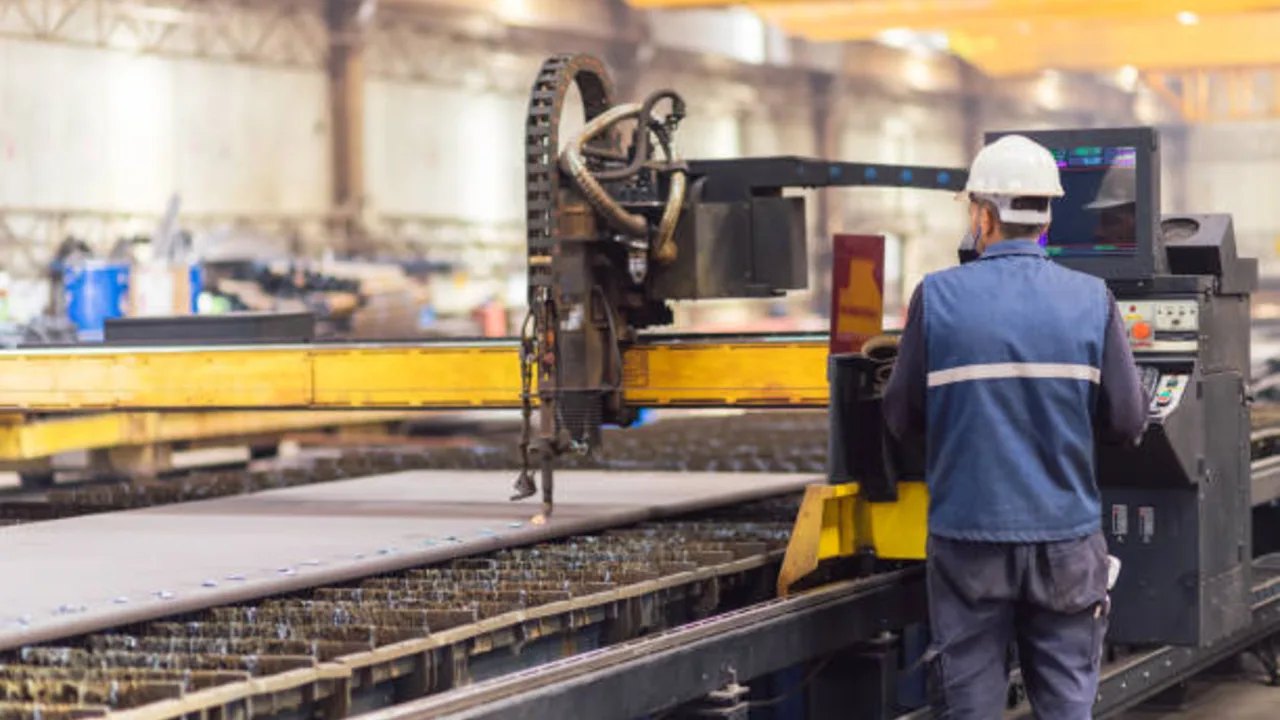
In industrial construction, load variation is one of the most important factors affecting structural safety and long-term performance. Different types of equipment create different load patterns, and these loads may change over time as production requirements evolve. A proper mixed equipment factory design must identify all possible load conditions and ensure that the structure can support them safely without excessive deformation or stress concentration.
Load variation in factories is not limited to equipment weight. It also includes moving loads, vibration, impact forces, and temporary loads during maintenance or installation. If these conditions are ignored during design, structural problems may appear after the factory begins operation.
Point Load vs Distributed Load
Industrial equipment may apply load in different ways. Some machines create point loads, where a large force is concentrated on a small area. Examples include heavy presses, injection machines, or equipment supported by small base plates. These loads require strong local reinforcement in the floor and foundation.
Other equipment creates distributed loads, such as storage racks, assembly lines, or conveyor systems. These loads are spread across a larger area and usually require less reinforcement.
In mixed equipment factory design, engineers must calculate both point load and distributed load conditions to determine the correct structural capacity for each zone.
Moving Equipment Loads
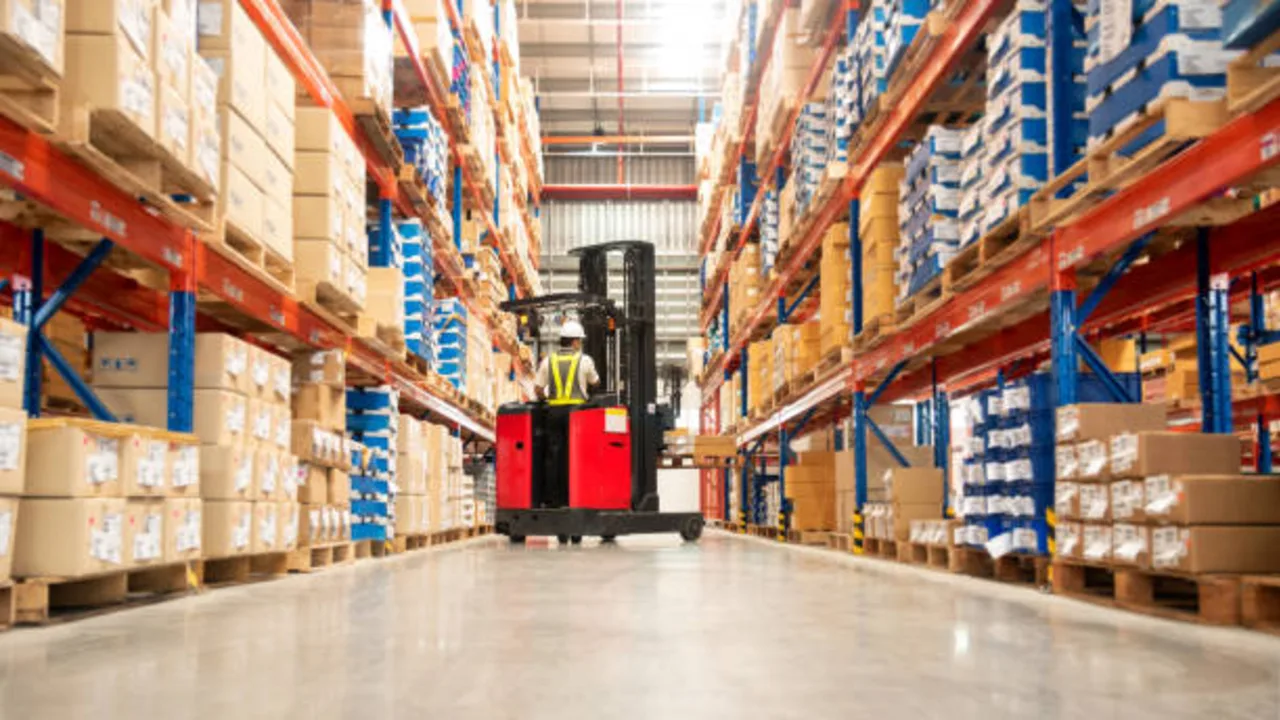
Many factories use forklifts, automated guided vehicles, and transport systems that move continuously inside the building. These moving loads create dynamic stress on the floor and structure. Unlike static loads, moving loads can cause repeated fatigue, especially in long-span steel buildings.
The design must consider wheel load, travel path, braking force, and vibration. Floor thickness, beam stiffness, and slab reinforcement must be selected carefully to prevent cracking or deformation.
Proper planning for moving loads is an essential part of safe mixed equipment factory design.
Crane and Hoist Loads
Overhead cranes are common in industrial factories, especially where heavy materials must be moved. Crane loads are not only vertical but also include horizontal forces during acceleration, braking, and lifting.
Crane runway beams, columns, and connections must be designed to resist these forces. In buildings with mixed equipment, crane zones usually require stronger structural members than light production areas.
If crane loads are not separated from light-load zones, the entire building may become unnecessarily heavy. Load zoning helps maintain efficiency while ensuring safety.
Machine Vibration Effects
Some industrial machines produce continuous vibration during operation. This vibration can affect the structural system, equipment alignment, and even worker safety. High-speed rotating machines, compressors, and stamping equipment may create dynamic forces that travel through the floor and frame.
In mixed equipment factory design, vibration-sensitive equipment may require isolated foundations or reinforced structural areas. Steel structures allow this flexibility because different bays can be designed with different stiffness levels.
Controlling vibration is important not only for structural safety but also for production accuracy.
Floor vs Roof Load Differences
In many factories, floor loads are much higher than roof loads. Heavy machines, storage, and vehicles act on the floor, while the roof mainly carries its own weight, rain, and maintenance loads. However, roof areas may also include equipment such as HVAC systems, pipelines, or suspended platforms.
Because of these differences, structural members must be designed separately for floor and roof requirements. Long-span roof systems may require stiffness control to prevent deflection, while floor systems may require high local strength.
Understanding these differences helps engineers create a balanced mixed equipment factory design that is both safe and economical.
Engineering Principles for Mixed Equipment Factory Design
Designing a factory with both heavy and light equipment requires careful structural planning from the earliest stage. Engineers must define load zones, choose appropriate structural systems, and ensure that the building can adapt to future changes. A successful mixed equipment factory design combines strength, flexibility, and efficiency without unnecessary material use.
Modern industrial projects usually follow several key engineering principles to handle load variation safely.
Load Zoning Strategy
Load zoning means dividing the factory into different structural areas based on equipment weight and function. Heavy equipment zones, crane zones, storage areas, and light production areas are designed separately.
This approach prevents overdesign in light-load areas while ensuring that heavy-load zones have enough strength. Load zoning also makes it easier to modify the factory later without changing the entire structure.
In large industrial projects, load zoning is one of the most important methods used in mixed equipment factory design.
Independent Structural Bays
Another important strategy is dividing the building into independent structural bays. Each bay can be designed with different beam size, column spacing, or floor capacity.
Independent bays allow heavy equipment to be installed in one area without affecting the rest of the building. This also makes future expansion easier because new bays can be added without changing the original structure.
Steel buildings are especially suitable for this method because their modular frames can be adjusted easily.
Reinforced Equipment Areas
Heavy machines often require special reinforcement in the floor, foundation, and supporting structure. Engineers may increase slab thickness, add extra beams, or design isolated foundations for equipment.
Reinforced areas ensure that heavy loads do not cause excessive deflection or cracking. At the same time, lighter areas can use standard structural sections to reduce cost.
Selective reinforcement is a key technique in mixed equipment factory design.
Flexible Structural Layout
Industrial buildings must remain useful for many years, even when production changes. A flexible layout allows equipment to be moved or replaced without major structural modification.
Flexible design may include regular column grids, open spans, and reserve capacity in critical members. Steel structures are ideal for this because they allow easy modification and extension.
Planning flexibility from the beginning helps prevent expensive reconstruction later.
Allowance for Future Load Increase
Factories often increase production over time. New machines, additional cranes, or heavier storage systems may be installed in the future. If the structure has no reserve capacity, upgrading the building may be difficult.
Engineers may include safety margins, stronger columns, or additional connection points so that future load variation can be handled safely.
Providing allowance for future change is an important principle of modern mixed equipment factory design.
Understanding Load Variation in Industrial Buildings
In industrial construction, load variation is one of the most important factors affecting structural safety and long-term performance. Different types of equipment create different load patterns, and these loads may change over time as production requirements evolve. A proper mixed equipment factory design must identify all possible load conditions and ensure that the structure can support them safely without excessive deformation or stress concentration.
Load variation in factories is not limited to equipment weight. It also includes moving loads, vibration, impact forces, and temporary loads during maintenance or installation. If these conditions are ignored during design, structural problems may appear after the factory begins operation.
Point Load vs Distributed Load
Industrial equipment may apply load in different ways. Some machines create point loads, where a large force is concentrated on a small area. Examples include heavy presses, injection machines, or equipment supported by small base plates. These loads require strong local reinforcement in the floor and foundation.
Other equipment creates distributed loads, such as storage racks, assembly lines, or conveyor systems. These loads are spread across a larger area and usually require less reinforcement.
In mixed equipment factory design, engineers must calculate both point load and distributed load conditions to determine the correct structural capacity for each zone.
Moving Equipment Loads
Many factories use forklifts, automated guided vehicles, and transport systems that move continuously inside the building. These moving loads create dynamic stress on the floor and structure. Unlike static loads, moving loads can cause repeated fatigue, especially in long-span steel buildings.
The design must consider wheel load, travel path, braking force, and vibration. Floor thickness, beam stiffness, and slab reinforcement must be selected carefully to prevent cracking or deformation.
Proper planning for moving loads is an essential part of safe mixed equipment factory design.
Crane and Hoist Loads
Overhead cranes are common in industrial factories, especially where heavy materials must be moved. Crane loads are not only vertical but also include horizontal forces during acceleration, braking, and lifting.
Crane runway beams, columns, and connections must be designed to resist these forces. In buildings with mixed equipment, crane zones usually require stronger structural members than light production areas.
If crane loads are not separated from light-load zones, the entire building may become unnecessarily heavy. Load zoning helps maintain efficiency while ensuring safety.
Machine Vibration Effects
Some industrial machines produce continuous vibration during operation. This vibration can affect the structural system, equipment alignment, and even worker safety. High-speed rotating machines, compressors, and stamping equipment may create dynamic forces that travel through the floor and frame.
In mixed equipment factory design, vibration-sensitive equipment may require isolated foundations or reinforced structural areas. Steel structures allow this flexibility because different bays can be designed with different stiffness levels.
Controlling vibration is important not only for structural safety but also for production accuracy.
Floor vs Roof Load Differences
In many factories, floor loads are much higher than roof loads. Heavy machines, storage, and vehicles act on the floor, while the roof mainly carries its own weight, rain, and maintenance loads. However, roof areas may also include equipment such as HVAC systems, pipelines, or suspended platforms.
Because of these differences, structural members must be designed separately for floor and roof requirements. Long-span roof systems may require stiffness control to prevent deflection, while floor systems may require high local strength.
Understanding these differences helps engineers create a balanced mixed equipment factory design that is both safe and economical.
Engineering Principles for Mixed Equipment Factory Design
Designing a factory with both heavy and light equipment requires careful structural planning from the earliest stage. Engineers must define load zones, choose appropriate structural systems, and ensure that the building can adapt to future changes. A successful mixed equipment factory design combines strength, flexibility, and efficiency without unnecessary material use.
Modern industrial projects usually follow several key engineering principles to handle load variation safely.
Load Zoning Strategy
Load zoning means dividing the factory into different structural areas based on equipment weight and function. Heavy equipment zones, crane zones, storage areas, and light production areas are designed separately.
This approach prevents overdesign in light-load areas while ensuring that heavy-load zones have enough strength. Load zoning also makes it easier to modify the factory later without changing the entire structure.
In large industrial projects, load zoning is one of the most important methods used in mixed equipment factory design.
Independent Structural Bays
Another important strategy is dividing the building into independent structural bays. Each bay can be designed with different beam size, column spacing, or floor capacity.
Independent bays allow heavy equipment to be installed in one area without affecting the rest of the building. This also makes future expansion easier because new bays can be added without changing the original structure.
Steel buildings are especially suitable for this method because their modular frames can be adjusted easily.
Reinforced Equipment Areas
Heavy machines often require special reinforcement in the floor, foundation, and supporting structure. Engineers may increase slab thickness, add extra beams, or design isolated foundations for equipment.
Reinforced areas ensure that heavy loads do not cause excessive deflection or cracking. At the same time, lighter areas can use standard structural sections to reduce cost.
Selective reinforcement is a key technique in mixed equipment factory design.
Flexible Structural Layout
Industrial buildings must remain useful for many years, even when production changes. A flexible layout allows equipment to be moved or replaced without major structural modification.
Flexible design may include regular column grids, open spans, and reserve capacity in critical members. Steel structures are ideal for this because they allow easy modification and extension.
Planning flexibility from the beginning helps prevent expensive reconstruction later.
Allowance for Future Load Increase
Factories often increase production over time. New machines, additional cranes, or heavier storage systems may be installed in the future. If the structure has no reserve capacity, upgrading the building may be difficult.
Engineers may include safety margins, stronger columns, or additional connection points so that future load variation can be handled safely.
Providing allowance for future change is an important principle of modern mixed equipment factory design.
Structural Design in Modern factory steel structure Buildings
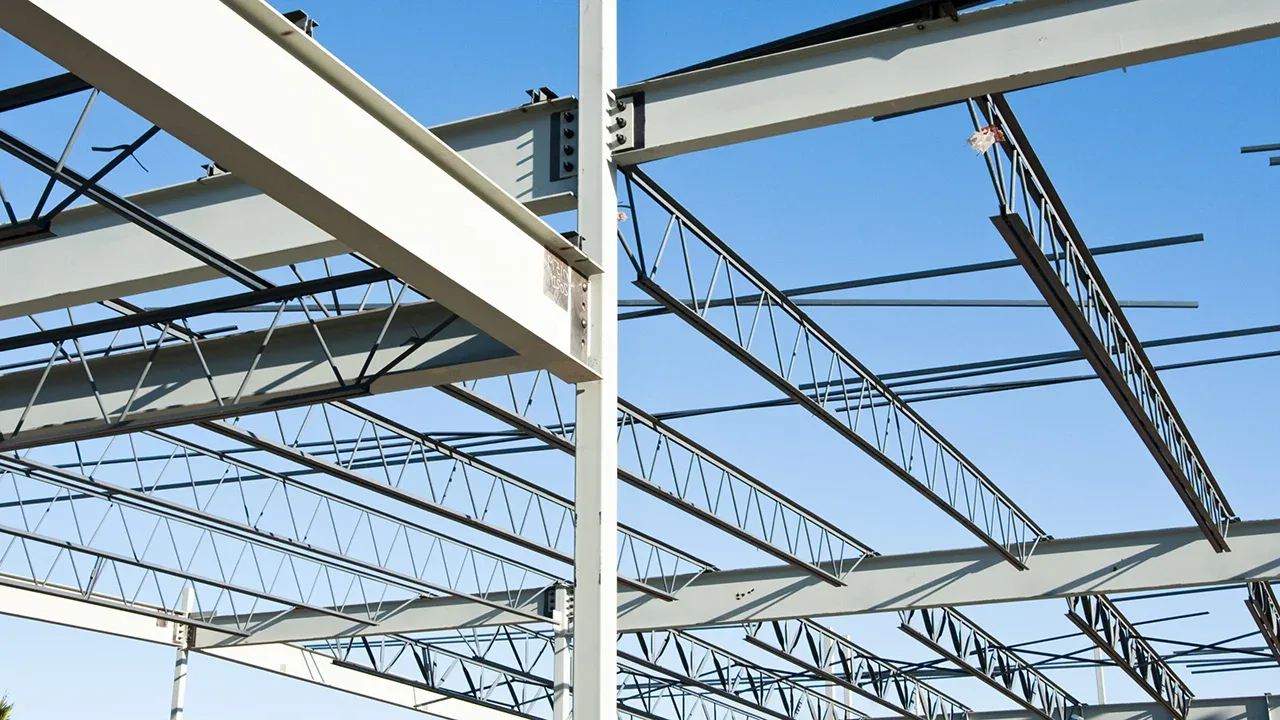
Steel structural systems are widely used in industrial construction because they allow flexible layouts, long spans, and easy reinforcement in selected areas. In buildings where heavy and light equipment must operate together, steel construction provides the adaptability required for safe mixed equipment factory design. Engineers can adjust column spacing, beam size, and foundation strength according to load variation without changing the entire building.
In a modern factory steel structure, the structural system is planned together with equipment layout, crane system, and production flow. This integrated design ensures that heavy loads are supported properly while lighter zones remain efficient and economical.
Advantages of Steel Structure for Mixed Loads
Steel structures allow different parts of the building to have different strength levels. Heavy equipment zones can use stronger beams and columns, while light production areas can use standard sections. This flexibility makes steel ideal for mixed equipment factory design.
Prefabricated steel components also allow precise control of structural dimensions, which helps maintain correct alignment for machines and crane systems.
Column Grid Planning
Column grid spacing is one of the most important decisions in factory design. Heavy equipment may require shorter spans and stronger beams, while light areas can use wider spacing.
By adjusting the column grid according to load variation, engineers can optimize both safety and cost. Steel structures allow this adjustment easily because frame spacing can be changed without affecting the entire building.
Long Span vs Short Span Areas
Some parts of the factory may need long-span space for crane operation or material handling, while other areas may need stronger floors for heavy machines. These different requirements must be balanced carefully.
Long spans reduce the number of columns but increase beam size. Short spans increase support but reduce structural stress. In mixed equipment factory design, both systems are often used in the same building.
Integration with Crane Systems
Factories that use overhead cranes require special structural design. Crane beams must be strong enough to support lifting loads and dynamic forces. Columns supporting crane beams usually require reinforcement.
When cranes operate in only part of the building, the structure should be designed so that crane loads do not affect light-load areas. This zoning improves efficiency and prevents unnecessary cost.
Foundation Design for Heavy Equipment
Heavy machines often require special foundations that are separate from the main floor slab. These foundations may include thicker concrete, additional reinforcement, or vibration isolation systems.
Separating heavy equipment foundations from the general floor helps control load variation and prevents structural damage.
Proper foundation planning is essential in any mixed equipment factory design.
Common Mistakes in Mixed Equipment Factory Design
Design errors often occur when factories are planned without considering load variation. These mistakes may not appear during construction but can cause serious problems during operation.
Understanding common mistakes helps engineers avoid structural risk.
Uniform Design for Non-Uniform Loads
One of the most common mistakes is designing the entire factory with the same structural capacity. Heavy equipment areas may become unsafe, or light areas may become unnecessarily expensive.
Load zoning should always be used in mixed equipment factory design.
Ignoring Equipment Upgrade
Factories often change production equipment after construction. If the structure has no reserve capacity, new machines may overload the floor or beams.
Designing for future load increase helps avoid costly modification later.
Insufficient Floor Strength
Industrial floors must support heavy machines, vehicles, and storage loads. If slab thickness or reinforcement is insufficient, cracking or settlement may occur.
Floor design must consider both static and moving loads.
Improper Crane Beam Design
Crane loads are often underestimated. If crane beams or connections are not strong enough, vibration and fatigue may damage the structure.
Crane zones should always be designed separately from light equipment areas.
No Load Zoning
Without load zoning, structural members may be overstressed in some areas and underused in others. This reduces safety and increases cost.
Zoning is one of the most important principles in mixed equipment factory design.
Design Methods to Handle Load Variation Safely
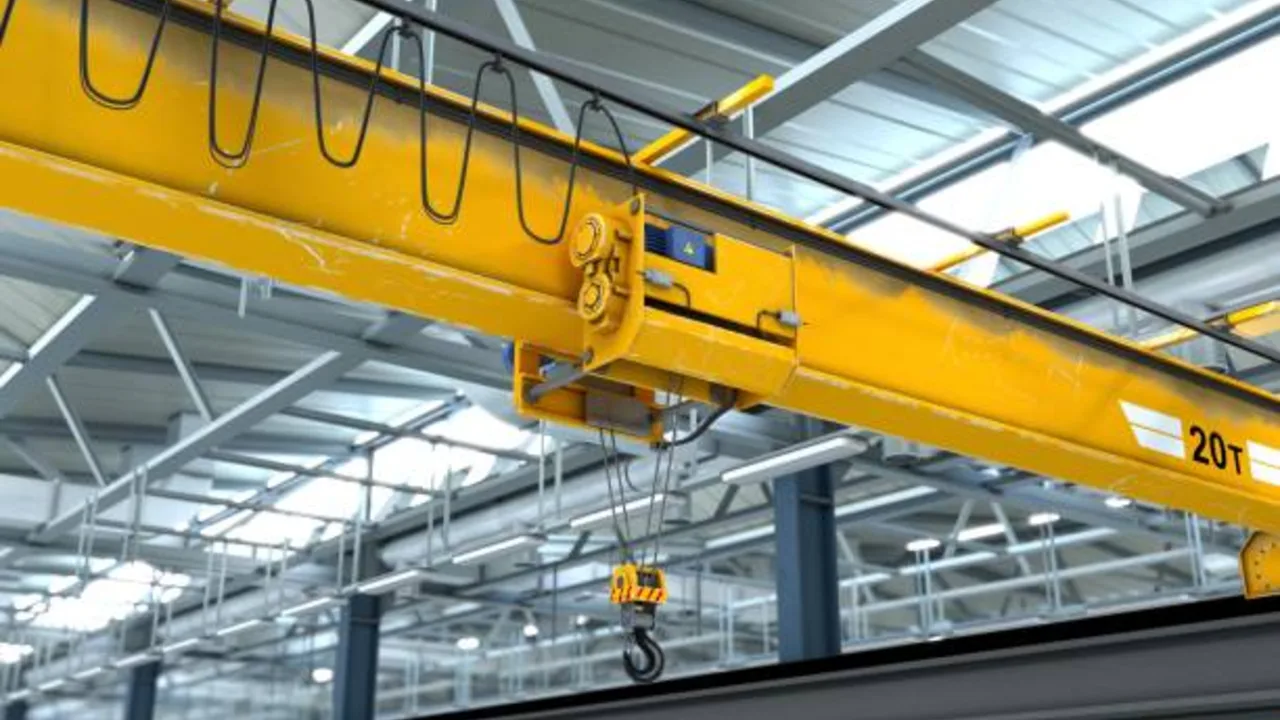
Engineers use several proven methods to ensure that buildings with mixed equipment remain safe and efficient.
Separate Structural Zones
The building can be divided into zones based on equipment type. Each zone is designed with the required strength and stiffness.
This allows heavy and light equipment to operate in the same factory without structural conflict.
Heavy Equipment Pads
Special concrete pads or isolated foundations can be used for heavy m*achines. These pads transfer load directly to the foundation without affecting the surrounding floor.
This method controls load variation and prevents structural damage.
Strengthened Columns and Beams
Columns and beams in heavy-load areas can be designed stronger than those in light-load zones. Steel structures allow this adjustment easily.
Selective strengthening improves safety without increasing overall cost.
Expansion-Ready Design
Factories often need expansion in the future. Structural systems should allow additional machines, cranes, or storage without major modification.
Providing reserve capacity and modular frames makes future upgrades easier.
Monitoring and Safety Factors
Modern factories may include monitoring systems to detect excessive load or vibration. Safety factors are also used in design to allow for unexpected load variation.
These methods improve reliability in mixed equipment factory design.
Real Project: Mixed Equipment Factory Design in Anhui Feixi Industrial Park
A practical example of mixed equipment factory design can be seen in the Anhui Feixi New Energy Vehicle Intelligent Industrial Park project completed by XTD Steel Structure. This large-scale industrial facility was designed to support advanced manufacturing equipment, heavy production systems, and flexible layout requirements within the same building.
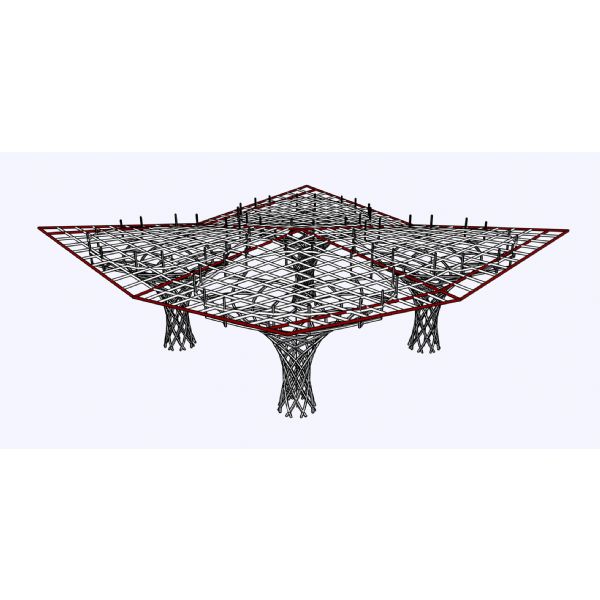
The project covers more than 500,000 square meters of building area and uses a space truss steel structure system, which allows long-span construction and high load capacity without excessive interior columns. This type of structural system is especially suitable for factories where heavy and light equipment must operate together, because it allows different load zones to be designed independently while maintaining overall stability.
In this project, the structural design considered load variation from the beginning. Heavy production areas required stronger columns, reinforced floor systems, and higher structural stiffness, while other zones were designed for lighter assembly and logistics functions. By separating structural zones, the building avoided unnecessary material use while still providing enough strength for heavy industrial operation.
The space truss structure also made it possible to create wide open areas for automated production lines, vehicle manufacturing equipment, and future expansion. Large-span steel systems are often used in mixed equipment factory design because they allow flexible equipment arrangement without changing the main structure.
Another key requirement of the project was future adaptability. Industrial parks for new energy vehicle production often change equipment configuration over time. The steel structural system allowed additional loads to be added later without rebuilding the entire facility, which is one of the main advantages of modern factory steel structure design.
This project demonstrates how proper engineering, load zoning, and steel structural planning make it possible to build factories that safely support both heavy and light equipment while maintaining efficiency, safety, and long-term flexibility.
Future Trends in Mixed Equipment Factory Design
Industrial buildings are becoming more complex, and structural design must become more flexible. New technology allows engineers to simulate load variation and optimize the structure before construction begins.
Flexible Factory Layout
Modern factories are designed to change over time. Flexible layouts allow machines to be replaced without rebuilding the structure.
Modular Structural Systems
Modular steel frames make it easier to add new bays or reinforce existing areas. This is ideal for factories with mixed equipment.
Digital Load Simulation
Computer simulation can predict stress, vibration, and deflection before construction. This helps engineers design safer structures.
Smart Monitoring
Sensors can detect overload, vibration, or structural movement during operation. Early detection prevents damage.
Conclusion
Designing a factory that contains both heavy and light equipment requires careful planning and accurate structural analysis. Mixed equipment factory design must consider load variation, equipment layout, future expansion, and operational safety.
By using load zoning, reinforced structural areas, and flexible steel systems, engineers can create safe and efficient industrial buildings. Modern factory steel structure design allows different load conditions to exist in the same building without risk.
With proper engineering, factories can operate with heavy and light equipment together while maintaining safety, efficiency, and long-term /reliability.