Constructing an industrial building inside a dense city environment presents challenges that are very different from building in open industrial zones. Urban steel factory construction requires careful planning, precise logistics, and structural systems that can adapt to limited space, restricted access, and strict regulatory conditions. In many modern cities, factories must be built within tight land parcels surrounded by roads, existing buildings, and public infrastructure, making traditional construction methods difficult to apply.
Steel structures have become one of the most practical solutions for factories in urban environments. Because structural components can be prefabricated and installed quickly, steel systems allow construction to proceed efficiently even when site conditions are constrained. With proper planning, an urban steel factory construction project can achieve high productivity, safe installation, and minimal disruption to the surrounding area.
Unlike rural construction sites where materials can be stored freely and heavy equipment can move without restriction, urban factory projects must deal with limited access, strict transportation schedules, and tight safety regulations. These constraints require engineers to design both the building and the construction process at the same time. Successful urban steel factory construction depends on combining structural efficiency, logistics planning, and installation strategy into one coordinated system.
Challenges of Urban Steel Factory Construction
Building a factory inside a city is not simply a smaller version of industrial construction in open land. Urban projects introduce unique constraints that affect structural design, material delivery, equipment operation, and construction scheduling. Understanding these challenges is the first step toward developing an effective urban steel factory construction strategy.
Limited Land Availability in Cities
One of the most common difficulties in urban projects is the lack of available space. City land parcels are often small, irregular in shape, and surrounded by existing buildings. This limits the area available for material storage, crane operation, and temporary construction facilities.
Because of these restrictions, engineers must design factory structures that can be erected efficiently within a confined footprint. Steel structural systems are well suited for this condition because they allow long spans, compact column layouts, and fast installation without requiring large working areas.
In many urban steel factory construction projects, the building footprint must use nearly all available land, leaving very little room for staging materials. This makes prefabrication and precise delivery scheduling essential.
Restricted Transportation and Site Access
Urban construction sites often have limited road access. Narrow streets, traffic restrictions, and nearby buildings can make it difficult for large trucks to enter the site. Delivering long steel members or heavy equipment requires careful route planning and coordination with local authorities.
Limited access also affects the size of cranes and lifting equipment that can be used. In some cases, large tower cranes cannot be installed, forcing the project to rely on smaller mobile cranes or staged lifting methods.
Because of these conditions, urban steel factory construction projects must be designed with transportation limits in mind. Steel members may need to be divided into smaller segments that can be delivered safely through city roads without disrupting traffic.
Noise, Safety, and Environmental Regulations
Factories built in urban areas must comply with strict regulations related to noise, dust, vibration, and safety. Construction work is often restricted to certain hours, and heavy operations may require special permits.
These regulations affect both the building design and the construction method. For example, prefabricated steel components reduce on-site cutting and welding, which helps minimize noise and dust during installation. This makes steel structures especially suitable for urban factory projects.
Environmental rules may also require additional design features such as noise control systems, enclosed production areas, and vibration isolation. Planning these elements early is critical for successful urban steel factory construction.
Working Around Existing Buildings and Infrastructure
Urban factory sites are rarely empty. Nearby buildings, underground utilities, and public infrastructure often limit how construction can proceed. Excavation depth, foundation design, and crane positioning must all consider the surrounding environment.
In tight locations, even small construction errors can affect adjacent properties. This requires high accuracy in both structural fabrication and installation. Steel construction offers an advantage because components can be manufactured with precise dimensions and assembled quickly on site.
When properly planned, urban steel factory construction allows new industrial facilities to be built safely within dense city environments without causing damage to nearby structures.
Why Steel Structures Are Ideal for Urban Factory Projects
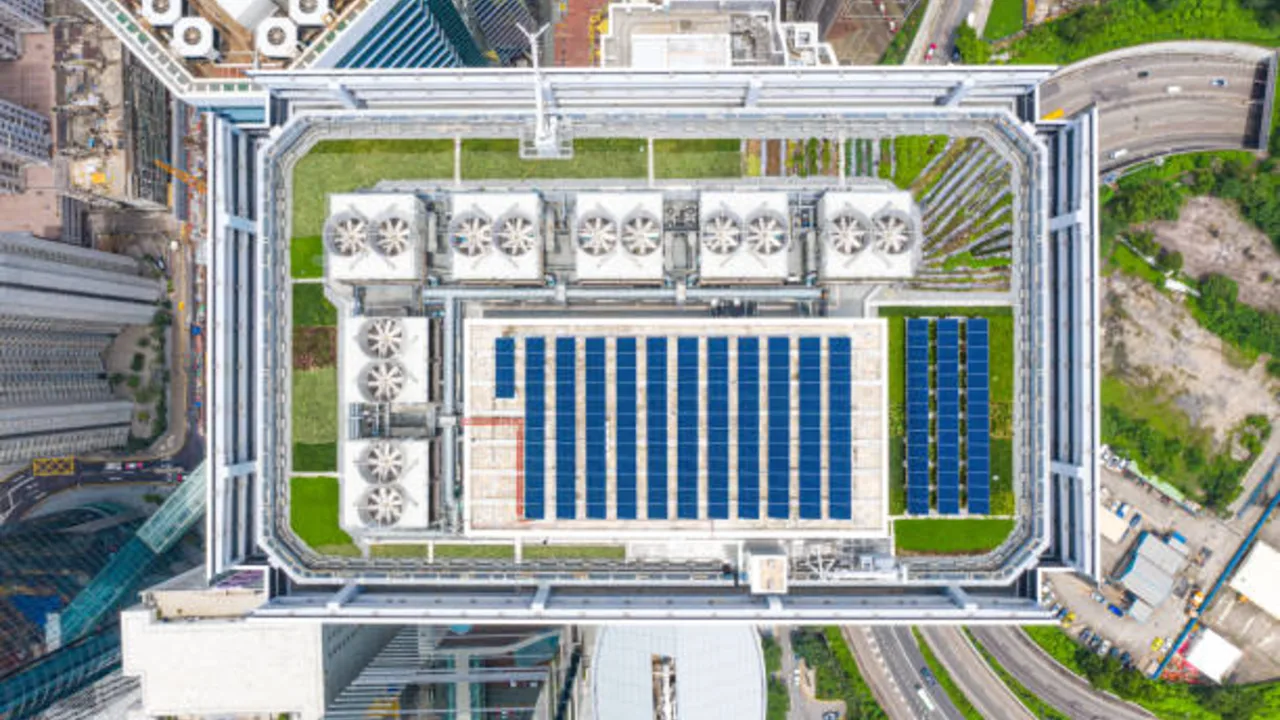
Steel structural systems offer several advantages that make them particularly suitable for factory construction in cities. When space is limited and installation conditions are complex, steel provides flexibility, speed, and accuracy that traditional concrete construction often cannot match.
Fast Installation in Limited Space
Speed is one of the most important factors in urban construction. The longer a project occupies a city site, the greater the impact on traffic, surrounding buildings, and local businesses. Steel structures allow most components to be fabricated in the factory and delivered ready for installation, reducing on-site work time.
Because steel members can be assembled quickly using bolted connections, the main structure of a factory can often be completed much faster than with cast-in-place concrete. This reduces the duration of heavy construction activity and helps projects comply with urban regulations.
Fast installation is one of the key reasons why urban steel factory construction is widely used in modern industrial development.
Reduced Foundation Requirements
Urban sites often have restrictions on excavation depth due to underground utilities, subway lines, or nearby building foundations. Steel structures are lighter than reinforced concrete buildings, which means foundation loads are lower.
Lighter structural weight allows smaller foundations and reduces the risk of affecting adjacent structures. In tight urban sites, this can make the difference between a feasible project and one that cannot be built safely.
Reduced foundation size also shortens construction time and minimizes disturbance to the surrounding area, which is essential in urban steel factory construction projects.
Flexible Structural Layout
Factories in cities often require flexible layouts to fit irregular land shapes. Steel structures can be designed with variable spans, custom column spacing, and different roof heights, making it easier to adapt the building to the available site.
This flexibility allows engineers to maximize usable floor space while still meeting structural and safety requirements. In many cases, steel frames can be adjusted to avoid existing buildings, roads, or underground systems without changing the overall factory function.
Because of this adaptability, steel is one of the most reliable structural systems for urban steel factory construction.
Prefabrication Advantages for Urban Construction
Prefabrication is one of the most important advantages of steel construction in cities. Most structural components can be produced in a factory environment, where quality control is higher and noise is not a problem. The finished components are then transported to the site for assembly.
This approach reduces the amount of work required in the urban construction zone. Less cutting, welding, and material processing on site means lower noise levels, improved safety, and faster progress.
For projects with limited access and strict regulations, prefabrication makes urban steel factory construction far more efficient than traditional building methods.
Planning Urban Steel Factory Construction with Limited Access
One of the most critical aspects of urban steel factory construction is planning how materials, equipment, and workers will move within a restricted site. In open industrial zones, construction can proceed with large storage areas and flexible delivery schedules. In dense urban environments, however, every step must be carefully coordinated to avoid delays, safety risks, and conflicts with surrounding infrastructure.
Because space is limited, the construction plan must be developed together with the structural design. Engineers, contractors, and logistics teams must work as one system to ensure that steel components arrive at the right time, lifting equipment can operate safely, and installation can proceed without interruption. Without detailed planning, limited access conditions can quickly stop progress on site.
Material Delivery Scheduling
In tight urban projects, there is usually no space to store large quantities of steel on site. Delivering too many components at once can block access roads, reduce crane working space, and create safety hazards. For this reason, urban steel factory construction often relies on just-in-time delivery.
With this method, steel members are delivered in the exact order they are needed for installation. Fabrication schedules, transportation routes, and erection sequences must all be coordinated. Each delivery must match the construction progress so that materials can be lifted directly into position without temporary storage.
This approach reduces congestion on site and allows construction to continue smoothly even when access is limited.
Crane Positioning in Narrow Sites
Crane operation is one of the biggest challenges in urban construction. Large tower cranes may not fit inside a tight site, and nearby buildings can restrict the crane’s working radius. Engineers must plan lifting operations carefully to ensure that every steel member can be installed safely.
In many urban steel factory construction projects, mobile cranes or smaller crawler cranes are used instead of large tower cranes. This requires steel members to be designed in sizes that can be lifted with smaller equipment. In some cases, the structure must be erected in sections so that cranes can move around the site as installation progresses.
Proper crane planning not only improves safety but also prevents delays caused by equipment limitations.
Temporary Storage Constraints
Urban construction sites rarely have space for large storage yards. Materials cannot be stacked freely, and emergency access routes must always remain clear. This means that temporary storage areas must be carefully defined before construction begins.
Steel components are often unloaded and lifted immediately into position, reducing the need for ground storage. When storage is unavoidable, it must be placed in areas that do not interfere with crane movement or worker access.
Effective storage planning is a key factor in successful urban steel factory construction, especially when the building occupies most of the available land.
Modular Construction Strategy
Modular or segmented construction is commonly used in tight urban projects. Instead of installing large structural frames at once, the building is divided into smaller sections that can be erected step by step.
This method allows work to continue even when space is limited. Each section can be completed before the next delivery arrives, keeping the site organized and safe. Modular erection also makes it easier to adapt to unexpected restrictions, such as traffic limits or weather conditions.
Because steel structures can be prefabricated in precise segments, modular installation is one of the most effective methods for urban steel factory construction.
Structural Design Considerations for Urban Factory Buildings
Designing a factory for a dense city environment requires more than fitting the building into a small space. The structural system must also consider safety regulations, neighboring buildings, and operational requirements. In many cases, the design must balance compact layout, structural strength, and construction feasibility.
Urban steel factory construction often requires customized structural solutions that allow the building to function efficiently while meeting strict site limitations.
Compact Column Grid Design
In urban projects, the available land may not allow standard column spacing. Engineers often need to design compact column grids that fit the site boundaries while still supporting heavy industrial loads.
Steel structures make this possible because column spacing can be adjusted without changing the entire building system. Long-span beams, trusses, and rigid frames allow wide interior spaces even when the building footprint is irregular.
A compact and efficient column layout helps maximize usable floor area, which is especially important in urban steel factory construction where land costs are high.
Multi-Level Factory Layout
In some cities, land is so limited that factories must be built vertically instead of horizontally. Multi-level industrial buildings are becoming more common in urban areas where expanding outward is not possible.
Steel structures are well suited for multi-level factories because they provide high strength with relatively low weight. This allows upper floors to support machinery, storage, or assembly lines without requiring excessively large foundations.
Designing vertical factory layouts requires careful planning of load distribution, vibration control, and material flow, but it can be an effective solution for urban steel factory construction.
Fire Safety in Dense Areas
Fire protection requirements are often stricter in cities than in remote industrial zones. Buildings located close to other structures must include fire-resistant materials, safe evacuation routes, and reliable fire suppression systems.
Steel structures can be protected with fireproof coatings, insulated panels, and fire-rated wall systems. These features help ensure that the building meets urban safety codes without increasing structural weight excessively.
Including fire protection in the early design stage is essential for any urban steel factory construction project.
Vibration and Noise Control in Cities
Factories built inside cities must control vibration and noise to avoid disturbing nearby buildings and residents. Heavy machinery can generate vibration that travels through the ground or structure, and this must be considered during design.
Engineers may use vibration isolation pads, acoustic wall systems, and insulated roof panels to reduce noise transmission. Equipment layout can also be planned to keep the loudest operations away from sensitive areas.
Proper noise and vibration control ensures that urban steel factory construction projects can operate safely without violating environmental regulations.
Construction Methods for Tight Urban Factory Sites
Choosing the right construction method is essential when building a factory in a dense city environment. In urban steel factory construction, the installation process must be adapted to restricted space, limited equipment access, and strict safety requirements. Traditional construction approaches that require large staging areas or continuous heavy lifting are often not possible. Instead, projects must rely on carefully planned erection sequences and efficient use of prefabricated steel components.
By selecting the correct construction strategy, engineers can reduce installation time, minimize disruption to surrounding areas, and ensure that work can proceed safely even in very confined sites.
Just-In-Time Steel Delivery
Just-in-time delivery is one of the most effective methods for projects with limited access. Instead of transporting all structural components to the site at once, steel members are delivered in small batches according to the erection schedule.
This method prevents congestion and allows cranes to operate without obstruction. Deliveries are timed so that each component can be lifted directly from the truck into its final position whenever possible.
In urban steel factory construction, just-in-time delivery reduces the need for storage space and helps maintain safe working conditions in tight environments.
Small Crane and Mobile Crane Installation
Large tower cranes are not always practical in city construction sites. Buildings, power lines, and traffic restrictions may limit the available lifting area. In many cases, mobile cranes or compact crawler cranes must be used instead.
Using smaller cranes requires careful planning of steel member size and weight. Components must be designed so they can be lifted safely without exceeding equipment capacity. This may require dividing long beams or heavy frames into smaller sections.
Although this approach increases the number of lifts, it makes urban steel factory construction possible in locations where large equipment cannot operate.
Night Construction Scheduling
In busy urban areas, construction work may only be allowed during certain hours. Traffic congestion and local regulations often make daytime delivery difficult. As a result, some projects schedule material transport or lifting operations at night.
Night construction reduces the impact on public roads and allows large trucks to reach the site more easily. However, it also requires additional safety measures, lighting systems, and coordination with local authorities.
When properly managed, night work can significantly improve efficiency in urban steel factory construction projects.
Segmented Steel Erection
Segmented erection is commonly used when the site cannot support large-scale installation at one time. The structure is divided into smaller zones, and each zone is completed before the next begins.
This method keeps the site organized and ensures that cranes always have enough working space. It also allows construction to continue even when part of the site is blocked by existing buildings or infrastructure.
Because steel structures can be prefabricated in precise sections, segmented erection is one of the most reliable techniques for urban steel factory construction.
Logistics Planning for Limited Access Construction
Logistics planning plays a central role in any urban project. Without proper coordination, transportation delays or site congestion can stop construction completely. In tight city environments, every delivery, lift, and installation step must follow a detailed plan.
Successful urban steel factory construction depends on close cooperation between designers, fabricators, transportation teams, and site engineers.
Truck Route Planning
Transporting steel components through city streets requires careful route planning. Bridges, tunnels, and narrow roads may limit vehicle size. In some areas, heavy trucks are only allowed during specific hours.
Before construction begins, the project team must confirm that every steel member can be delivered safely. In some cases, components must be fabricated in shorter lengths to fit transportation limits.
Proper route planning ensures that urban steel factory construction can proceed without unexpected delivery problems.
Coordination with Local Authorities
Urban construction often requires permits for road use, crane operation, and temporary traffic control. Working closely with local authorities helps avoid delays and ensures that all activities follow city regulations.
Permits may be needed for night work, oversized transport, or temporary road closures. Planning these approvals early is essential for keeping the project on schedule.
Good coordination also improves safety for both construction workers and the public.
Safety Barriers and Traffic Control
Because urban sites are close to public roads and buildings, safety control is extremely important. Barriers, warning signs, and controlled access points must be installed to separate construction activities from pedestrians and vehicles.
Traffic control plans may include temporary lanes, signal adjustments, or restricted zones around the site. These measures protect both the construction team and the surrounding community.
Careful safety planning is a necessary part of urban steel factory construction, especially in crowded environments.
Worker Access and Material Flow
In tight sites, the movement of workers and materials must be organized carefully. Access routes for personnel should not interfere with crane operation or delivery vehicles.
Material flow should follow a clear direction, from unloading to installation, without crossing active work areas. This reduces the risk of accidents and keeps the site efficient.
Well-planned access and flow systems allow urban steel factory construction to proceed smoothly even when space is extremely limited.
Acoustic and Environmental Control in Urban Factories
Factories located inside cities must meet stricter environmental standards than those built in remote industrial zones. Noise, dust, vibration, and emissions must all be controlled to avoid affecting nearby buildings and residents.
These requirements influence both building design and construction methods. Steel structures make it easier to add insulation, acoustic systems, and enclosed production areas that reduce environmental impact.
Noise Reduction Systems
Urban factories often require acoustic wall panels, insulated roof systems, and sound barriers to keep noise within acceptable limits. Machinery layout may also be planned so that the loudest equipment is located away from property boundaries.
Including noise control in the design stage helps ensure that urban steel factory construction projects comply with local regulations.
Dust and Emission Control
Construction work in cities must limit dust and air pollution. Prefabricated steel systems reduce on-site cutting and welding, which helps minimize airborne particles.
During operation, factories may include ventilation filters, enclosed loading areas, and controlled exhaust systems to meet environmental standards.
Steel construction supports these features without requiring major structural changes.
Urban Fire Protection Requirements
Fire safety regulations are usually stricter in urban areas. Buildings may require fire-rated walls, protected escape routes, and automatic suppression systems.
Steel frames can be combined with fireproof coatings and insulated panels to meet these requirements while maintaining structural efficiency.
Planning fire protection early is essential in urban steel factory construction.
Building Height and Zoning Restrictions
City zoning rules may limit building height, roof shape, or distance from property lines. These restrictions affect the structural layout and overall design of the factory.
Steel structures allow flexible geometry, making it easier to adjust the building to meet zoning limits without changing the entire system.
This flexibility is one of the reasons steel is widely used in urban steel factory construction.
Urban Steel Factory Construction in Cambodia
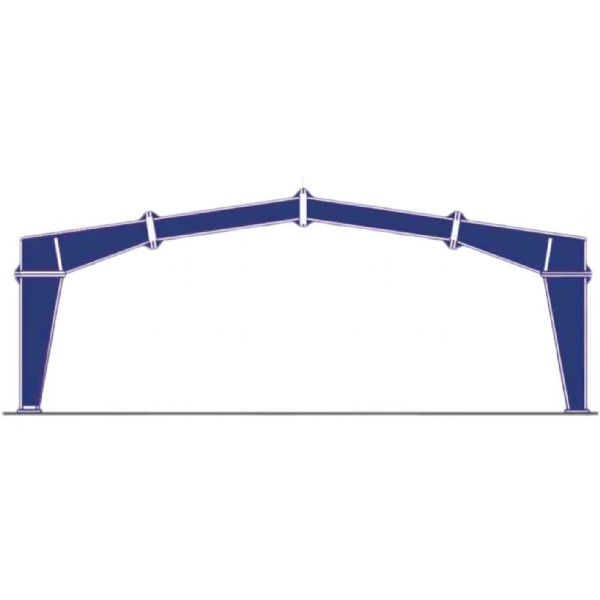
A practical example of urban steel factory construction can be seen in the steel structure factory project in Cambodia, where the building was designed using a total rigid frame steel system to achieve fast installation and efficient use of limited space.
The project used approximately 1,200 tons of structural steel and was completed with a prefabricated construction approach that allowed the structure to be assembled quickly on site. Prefabrication made it possible to reduce on-site work, control logistics, and maintain safe installation conditions even when working within restricted construction areas.
In urban steel factory construction, minimizing on-site operations is critical because material storage space is limited and transportation must be carefully scheduled. By delivering steel components in planned sequences, the project team was able to avoid congestion and maintain continuous erection progress.
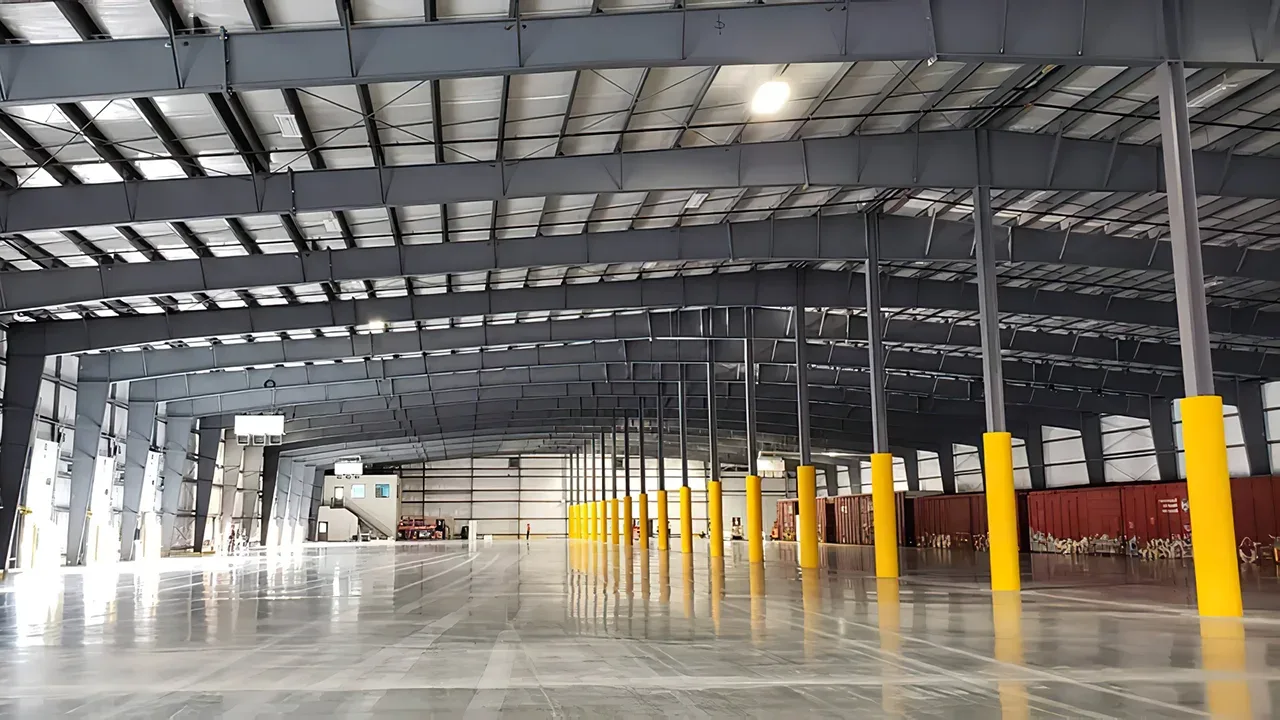
The rigid frame structural system also provided large clear spans inside the building, allowing flexible factory layout without requiring excessive column density. This is especially important in tight construction sites where every square meter must be used efficiently.
Another advantage of this project was the ability to coordinate fabrication, transportation, and installation as one system. Because the steel members were produced with high precision, erection could proceed safely even with limited crane movement and restricted working space.
Projects like this demonstrate how urban steel factory construction benefits from prefabricated steel systems, modular erection methods, and careful logistics planning. When the structure, delivery sequence, and installation strategy are designed together, factories can be built efficiently even in challenging site conditions.
Why Urban Projects Prefer a steel structure factory
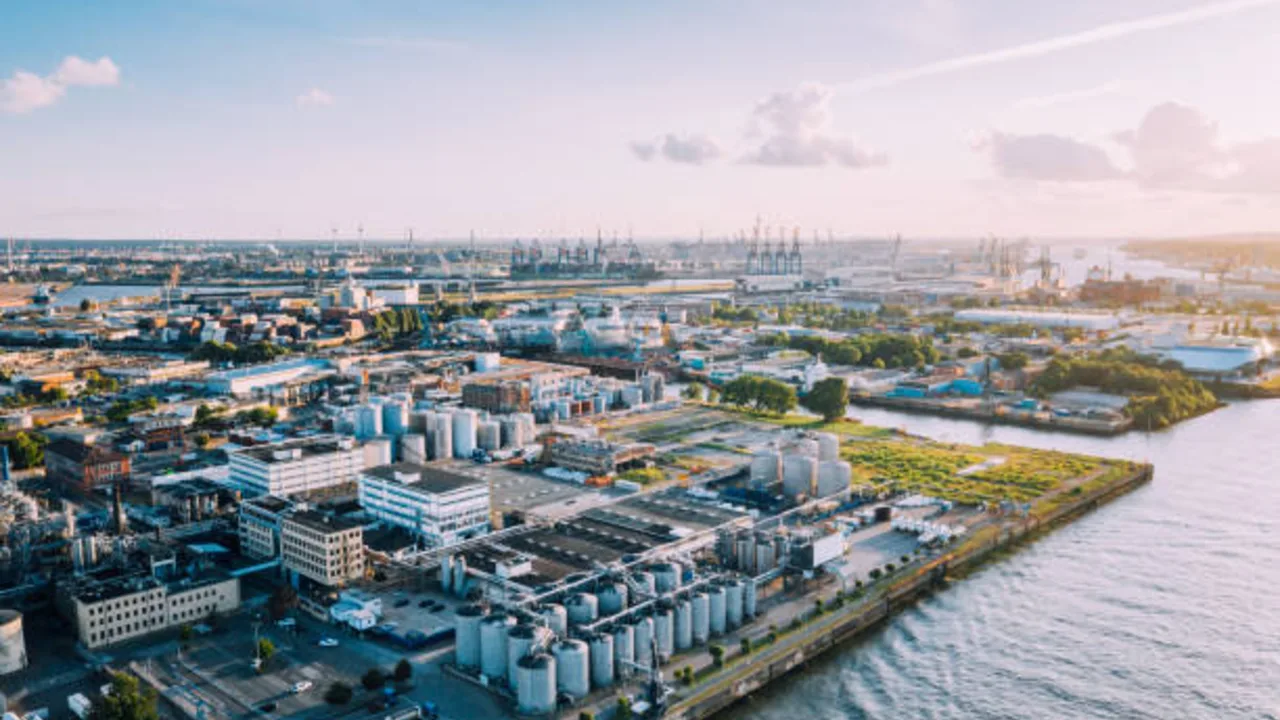
Modern industrial projects located in cities increasingly choose steel structural systems because they offer the flexibility and efficiency needed for restricted construction environments. A well-designed steel structure factory can be erected faster, with less site disturbance, and with better control over safety and quality.
Engineering Flexibility of Steel Structure Factory
Steel frames can be designed with custom spans, irregular layouts, and multi-level configurations, making them suitable for sites where space is limited or irregular.
Faster Construction in Urban Conditions
Prefabricated components reduce on-site work and allow installation to proceed quickly, which helps minimize disruption in busy city areas.
Better Cost Control in Restricted Sites
Shorter construction time, smaller foundations, and reduced labor requirements help control costs even when working under tight conditions.
Safer Installation in Dense Areas
Precise fabrication and controlled erection sequences improve safety when construction takes place near existing buildings and public infrastructure.
Future Trends in Urban Industrial Construction
As cities become more crowded, industrial buildings must adapt to new construction conditions. Urban steel factory construction is evolving to meet these challenges through new structural systems and advanced planning methods.
Vertical Factories
Multi-level industrial buildings are becoming more common in cities where land is limited. Steel structures make vertical factories possible while maintaining high load capacity.
Prefabricated Steel Systems
Greater use of prefabrication will continue to reduce on-site work, making construction faster and quieter.
Smart Logistics Planning
Digital planning tools allow engineers to simulate delivery routes, crane movement, and erection sequences before construction begins.
Low-Noise Construction Methods
Urban projects increasingly use methods that reduce noise and vibration, helping factories meet strict environmental regulations.
Conclusion
Urban construction conditions require careful planning, precise engineering, and efficient structural systems. Limited land, restricted access, and strict regulations make factory projects inside cities more complex than those in open industrial zones.
Through proper design, prefabrication, and coordinated logistics, urban steel factory construction can overcome these challenges and deliver safe, efficient industrial buildings. Steel structural systems provide the flexibility, speed, and reliability needed to build modern factories even in the most constrained urban environments.