In modern construction projects, especially those involving international procurement, defining responsibility is just as critical as delivering quality structures. One of the most important legal and commercial concepts in this context is steel manufacturer liability limits. These limits determine the extent to which a manufacturer is responsible for risks, defects, delays, and financial exposure throughout a project lifecycle.
Unlike simple supply transactions, steel structure projects involve multiple stakeholders, complex engineering coordination, and strict compliance requirements. Without clearly defined liability limits, even minor issues can escalate into significant disputes. As a result, manufacturers and clients rely on contractual frameworks to establish fair and practical boundaries of responsibility.
For companies operating globally, understanding steel manufacturer liability limits is not only a legal necessity but also a strategic advantage. Well-defined liability structures help protect financial stability, ensure project clarity, and foster long-term trust between all parties involved.
What Are Steel Manufacturer Liability Limits?
Definition and Legal Context
Steel manufacturer liability limits refer to contractual provisions that define the maximum extent of a manufacturer’s responsibility in a project. These provisions are typically included in supply agreements, EPC contracts, or fabrication contracts to allocate risk between the manufacturer, contractor, and client.
Rather than exposing manufacturers to unlimited financial risk, these clauses establish clear boundaries. This includes specifying what types of damages are covered, the duration of liability, and the maximum compensation allowed under the contract.
In most cases, steel manufacturer liability limits are structured to ensure that risks are proportionate to the manufacturer’s scope of work. This prevents situations where manufacturers are held accountable for issues beyond their control, such as site conditions or installation errors.
Why Liability Limits Exist
Liability limits are not designed to avoid responsibility but to manage it effectively. In large-scale steel projects, the financial exposure associated with defects or delays can be significant. Without limits, manufacturers would face unpredictable and potentially catastrophic risks.
By implementing steel manufacturer liability limits, companies can:
- Control financial exposure
- Ensure fair risk allocation
- Align responsibility with contractual scope
- Improve project predictability
These limits are standard practice in the construction and manufacturing industries and are essential for maintaining a balanced contractual relationship.
Key Areas Covered by Liability Limits
Product Quality and Defects
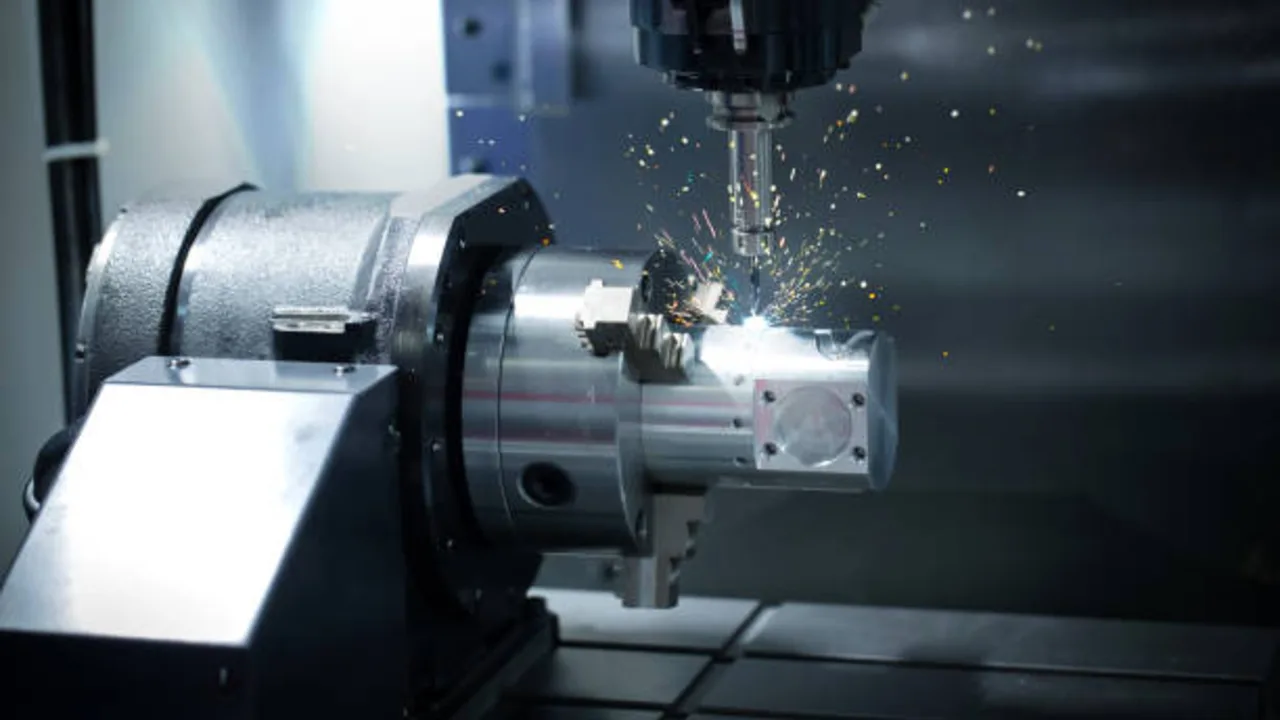
One of the primary areas covered under steel manufacturer liability limits is responsibility for product quality. Manufacturers are typically liable for defects arising from fabrication errors, material inconsistencies, or non-compliance with agreed specifications.
However, this liability is often limited in both scope and duration. For example, manufacturers may only be responsible for defects identified within a defined warranty period. After delivery and acceptance, liability may shift depending on contract terms.
This structure ensures that manufacturers remain accountable for quality while preventing indefinite exposure to claims.
Delays and Schedule Impact
Project timelines are critical in construction, and delays can lead to financial losses. Liability limits often address the extent to which manufacturers are responsible for delays in production or delivery.
In many contracts, delay-related liability is managed through mechanisms such as liquidated damages. However, these damages are usually capped to avoid excessive financial burden.
Through clearly defined steel manufacturer liability limits, both parties can agree on acceptable levels of risk related to schedule performance.
Installation and Site Conditions
Steel manufacturers are generally responsible for fabrication and supply, but not for on-site installation unless explicitly included in the contract. Liability limits help distinguish between manufacturing responsibilities and construction responsibilities.
Issues arising from improper installation, site conditions, or third-party contractors are typically excluded from the manufacturer’s liability. This separation is essential for avoiding disputes and ensuring that each party is accountable only for its own scope of work.
Indirect and Consequential Losses
One of the most important aspects of steel manufacturer liability limits is the exclusion of indirect or consequential damages. These may include loss of profit, business interruption, or project delays caused by external factors.
Most contracts explicitly state that manufacturers are not liable for such losses, as they are often unpredictable and disproportionate to the contract value.
By excluding indirect damages, liability frameworks remain practical and enforceable, reducing the likelihood of complex legal disputes.
Contractual Risk Allocation in Steel Projects
Role of Contracts in Defining Liability
Contracts play a central role in establishing liability limits. In steel structure projects, contracts define the scope of supply, technical requirements, delivery timelines, and risk allocation mechanisms.
Different contract models, such as EPC (Engineering, Procurement, and Construction) or supply-only agreements, allocate risk differently. In supply contracts, the manufacturer’s liability is typically more limited compared to full EPC responsibilities.
Clearly written contracts ensure that steel manufacturer liability limits are enforceable and aligned with project expectations.
Common Clauses Used
Several standard clauses are used to define liability limits in steel structure contracts. These include:
- Limitation of liability clauses that cap financial exposure
- Indemnity clauses that define compensation responsibilities
- Force majeure clauses that address unforeseen events
These clauses work together to create a structured and balanced approach to risk management, ensuring that all parties understand their obligations.
Liability Cap Structures
One of the most critical components of steel manufacturer liability limits is the structure of liability caps. These caps define the maximum financial exposure a manufacturer can face under a contract, ensuring that risks remain manageable and proportional to the project scope.
Common approaches to liability caps include:
- A fixed percentage of the total contract value (e.g., 10%–100%)
- A predefined monetary ceiling agreed by both parties
- Insurance-backed liability limits aligned with coverage policies
The chosen structure depends on project size, complexity, and risk profile. A well-designed cap balances protection for the manufacturer while still providing sufficient assurance to the client.
How Steel Manufacturers Manage Liability Risks
Engineering Verification and QA/QC Systems
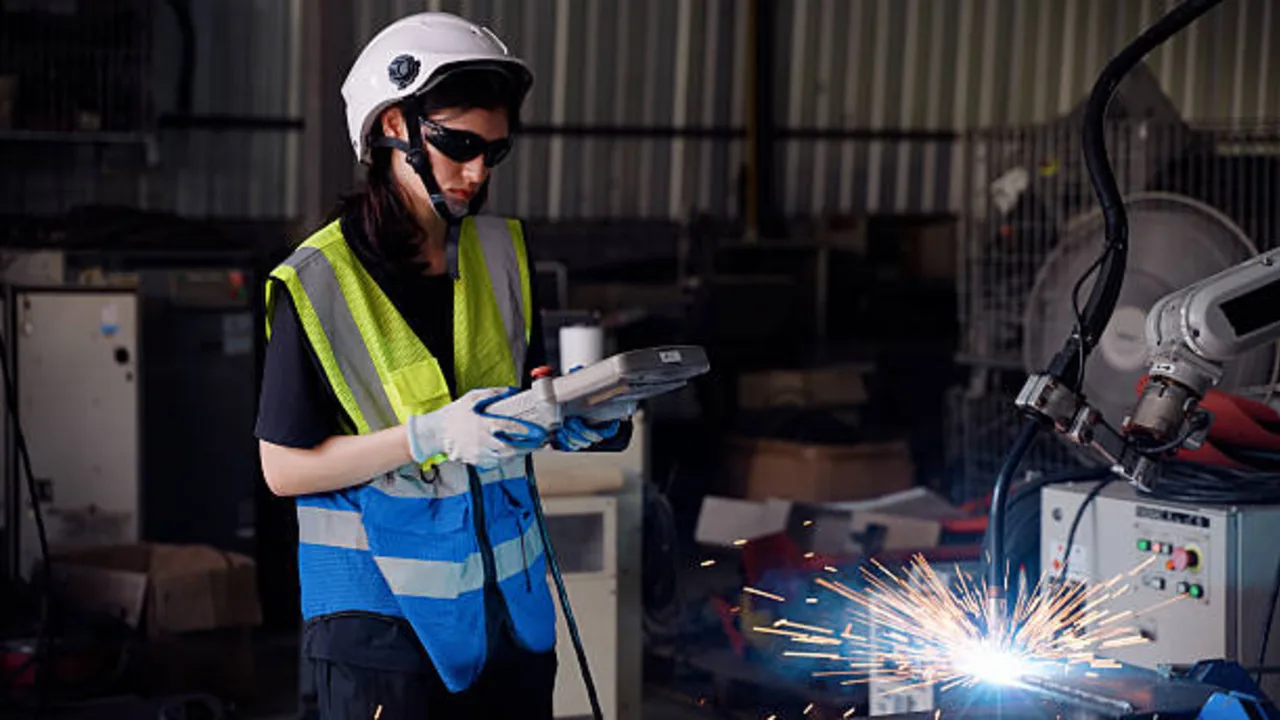
Preventing risk begins long before contract enforcement. Leading manufacturers implement rigorous engineering verification and QA/QC systems to minimize the likelihood of defects and non-compliance.
This includes design validation, detailed shop drawing reviews, welding procedure qualification, and continuous inspection during fabrication. These measures reduce exposure under steel manufacturer liability limits by addressing issues before they escalate.
Documentation and Traceability
Accurate documentation is one of the most powerful tools for managing liability. Manufacturers maintain detailed records of material certificates, inspection reports, welding logs, and quality approvals.
These records provide evidence of compliance and serve as legal protection in the event of disputes. A strong documentation system reinforces steel manufacturer liability limits by clearly demonstrating that obligations have been fulfilled.
Third-Party Inspection and Compliance
Third-party inspections add an additional layer of assurance. Independent inspectors verify that materials and fabrication processes meet contractual and regulatory requirements.
By incorporating third-party verification, manufacturers reduce the likelihood of claims and strengthen the enforceability of steel manufacturer liability limits. This approach also increases client confidence and transparency.
Insurance and Financial Protection
Insurance plays a key role in managing contractual risk. Manufacturers typically carry liability insurance policies that cover specific risks, such as product defects or transportation-related damage.
These policies are often aligned with contractual liability caps, ensuring that financial exposure remains within insured limits. This integration between insurance and contract structure is essential for effective risk management.
Common Disputes Related to Liability Limits
Design Responsibility Conflicts
One of the most frequent sources of dispute is unclear design responsibility. If design specifications are provided by the client but interpreted differently by the manufacturer, disagreements can arise over accountability.
Clear contractual definitions are essential to prevent such conflicts and to ensure that steel manufacturer liability limits are applied fairly.
Misinterpretation of Scope
Ambiguities in contract scope often lead to disputes. For example, if installation support or on-site adjustments are not clearly defined, manufacturers may face unexpected claims.
Precise scope definition ensures that liability is limited to agreed responsibilities and prevents overextension of obligations.
Claims on Indirect Damages
Despite contractual exclusions, disputes may still arise regarding indirect or consequential damages. Clients may attempt to recover losses related to delays, operational downtime, or lost revenue.
Well-drafted contracts and clearly defined steel manufacturer liability limits are essential to prevent such claims from escalating.
Real Project Insight: Managing Liability in Large Steel Projects
In large-scale infrastructure and industrial projects, liability management becomes a critical success factor. A typical export project involves multiple phases, including engineering coordination, procurement, fabrication, inspection, and delivery.
In one representative project scenario, liability was structured through a capped framework tied to the contract value, combined with strict documentation requirements and third-party inspections. This approach ensured that all risks were controlled without overburdening any single party.
The key takeaway is that steel manufacturer liability limits are most effective when integrated into a broader project management strategy that includes technical control, communication, and contractual clarity.
Best Practices for Defining Liability Limits
Clear Scope Definition
Defining the scope of work in detail is the foundation of effective liability management. Within the framework of steel manufacturer liability limits, scope clarity ensures that each responsibility is properly assigned and contractually enforceable.
Every obligation—from engineering verification and fabrication to delivery and documentation—should be explicitly outlined. This includes defining what is included in the manufacturer’s responsibility and, equally important, what is excluded. For example, installation, site conditions, and third-party contractor performance should be clearly separated from the manufacturer’s scope unless otherwise agreed.
A well-defined scope minimizes ambiguity, reduces the risk of disputes, and ensures that steel manufacturer liability limits are applied accurately and fairly throughout the project lifecycle.
Align Liability with Contract Value
One of the most important principles in structuring steel manufacturer liability limits is proportionality. Liability caps should reflect both the contract value and the actual level of control the manufacturer has over the project.
For instance, in supply-only contracts, the manufacturer’s liability exposure should be significantly lower than in EPC or design-build arrangements. A common approach is to cap liability as a percentage of the contract price, ensuring that financial exposure remains predictable and manageable.
This alignment creates a balanced risk-sharing model, where manufacturers are protected from disproportionate claims while clients still receive adequate assurance. It also enhances the commercial viability of projects by making contractual terms more acceptable to both parties.
Exclude Indirect Losses Clearly
Indirect and consequential losses represent one of the largest potential sources of financial risk. These may include loss of profit, project delays, operational downtime, or reputational damage—factors that are often outside the direct control of the manufacturer.
To maintain practical and enforceable steel manufacturer liability limits, contracts should clearly and explicitly exclude such losses. This exclusion must be written in unambiguous language to prevent reinterpretation during disputes.
By defining these exclusions upfront, both parties gain clarity on the boundaries of liability. This not only reduces legal uncertainty but also ensures that claims remain aligned with the manufacturer’s actual contribution to the project.
Use Standardized Contract Clauses
Standardization plays a critical role in managing contractual risk. Widely recognized frameworks such as FIDIC or other international contract models provide structured approaches to defining liability, indemnity, and risk allocation.
Incorporating these frameworks into agreements strengthens the credibility and enforceability of steel manufacturer liability limits, particularly in cross-border projects where legal systems and business practices may differ.
Standard clauses also reduce negotiation complexity, as they are already familiar to most stakeholders. This helps streamline contract execution and ensures consistency across multiple projects.
Maintain Transparent Communication
Even the most well-drafted contracts can fail if communication is not properly managed. Transparent and consistent communication is essential for ensuring that all parties fully understand their responsibilities and the limitations of liability.
Throughout the project lifecycle, manufacturers should provide regular updates on production status, quality inspections, documentation, and delivery schedules. This proactive approach reinforces steel manufacturer liability limits by preventing misunderstandings before they escalate into disputes.
Clear communication also builds trust between stakeholders, which is especially important in international projects where distance and complexity can create additional challenges.
Conclusion: Liability Limits as Strategic Protection
In today’s global construction environment, steel manufacturer liability limits are not simply legal constraints—they are strategic tools for managing risk and ensuring project success.
Manufacturers that define and manage liability effectively are better positioned to deliver consistent quality, control financial exposure, and build long-term partnerships with clients worldwide.
For companies seeking reliable partners, working with an experienced steel structure manufacturer ensures that both technical excellence and contractual clarity are fully aligned.
By combining strong engineering practices, transparent communication, and well-structured contracts, steel manufacturers can turn liability management into a competitive advantage rather than a limitation.