
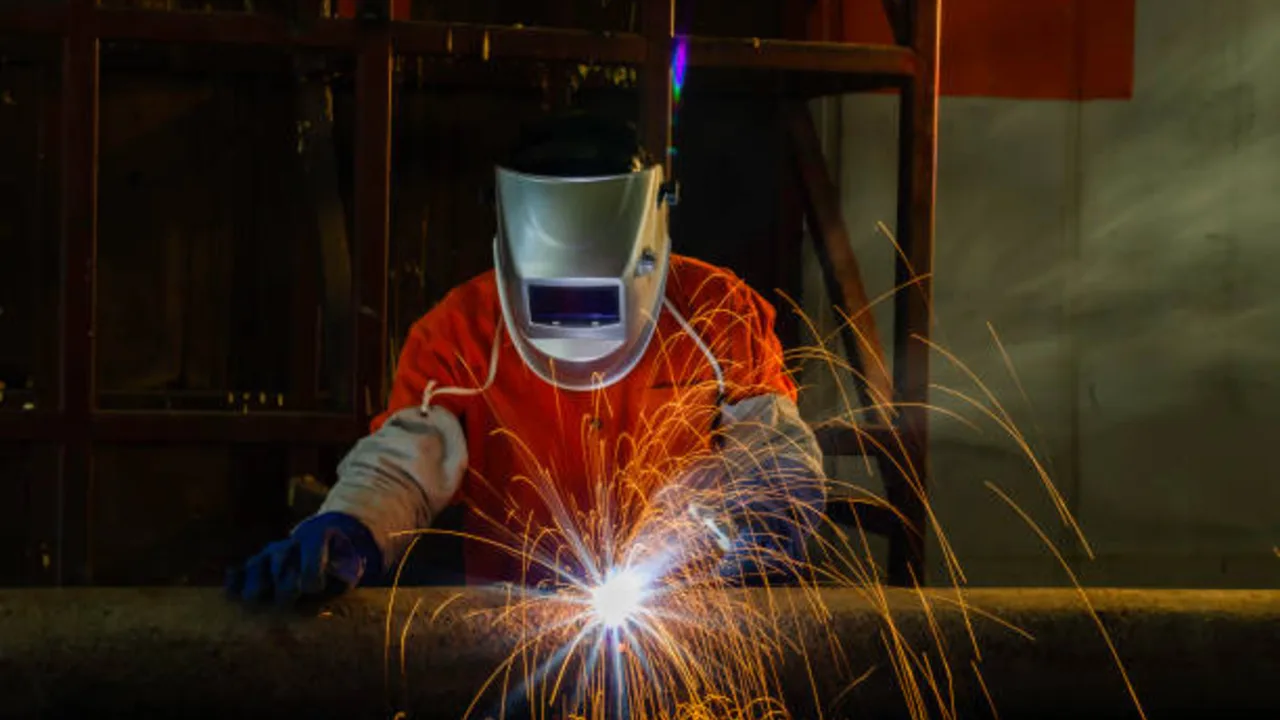
In modern steel fabrication, welding is not just a joining method—it is a critical structural process that determines the integrity, durability, and safety of the final product. For any large-scale fabricator, especially a welding procedure control manufacturer, managing welding procedures is a systematic discipline rather than a one-time setup. From initial qualification to shop floor execution, every weld must follow strict, validated parameters.
Without proper control, inconsistencies in welding can lead to structural defects, costly rework, and even project failure. This is why professional manufacturers invest heavily in welding procedure qualification systems that ensure repeatability, traceability, and compliance with international standards. In this article, we break down how manufacturers manage Welding Procedure Specifications (WPS) at scale and why it plays a central role in steel structure production.
What Is Welding Procedure Control in a Manufacturer Environment?
Definition of Welding Procedure Control
Welding procedure control refers to the structured management of all welding-related parameters through documented procedures. At its core is the Welding Procedure Specification (WPS), a formal document that defines how a weld should be performed. It includes details such as base materials, welding process, filler materials, heat input, joint design, and welding position.
For a welding procedure control manufacturer, the WPS is not optional—it is a controlled document that must be approved, distributed, and consistently applied across all production activities.
Why It Matters at Manufacturer Level
Unlike small workshops that may handle limited fabrication tasks, manufacturers deal with high volumes of repetitive welding operations. A single project may involve thousands of welds, each of which must meet the same quality standards. Any deviation can compromise the entire structure.
Effective WPS management ensures:
- Consistency across multiple production lines
- Compliance with design and engineering specifications
- Reduction of welding defects and rework
- Improved structural reliability
Difference Between Small Fabricators and Large Manufacturers
In small fabrication shops, welding procedures are often based on experience and informal practices. While this may work for simple projects, it becomes unreliable at scale. Manufacturers, on the other hand, rely on standardized systems that include documentation, qualification records, and strict quality control processes.
This systematic approach allows manufacturers to maintain uniform quality regardless of project size or complexity.
Core Components of WPS Management in Steel Manufacturing

Welding Procedure Specification (WPS)
The WPS serves as the instruction manual for welders. It defines every parameter required to produce a compliant weld. For manufacturers, WPS documents must be clear, easy to interpret, and accessible on the shop floor.
Key elements typically included in a WPS:
- Base material specifications
- Welding process (e.g., SMAW, GMAW, SAW)
- Filler metal type
- Preheat and interpass temperature
- Welding position and technique
Procedure Qualification Record (PQR)
The PQR is the evidence that a WPS works. It records the results of test welds performed under controlled conditions. These tests include mechanical evaluations such as tensile strength, bend tests, and impact resistance.
For a welding procedure control manufacturer, the PQR is essential for validating that a procedure can meet required performance standards before it is used in production.
Welder Qualification Records (WQR)
Even with a qualified WPS, the skill of the welder plays a significant role. Welder Qualification Records confirm that individual welders are capable of performing welds according to the specified procedures.
This ensures that human factors do not compromise the effectiveness of the welding process.
Document Control System
One of the most overlooked aspects of WPS management is document control. Manufacturers must ensure that only the latest approved version of a WPS is used in production. This involves:
- Revision tracking
- Approval workflows
- Controlled distribution
Without proper document control, outdated procedures can easily circulate, leading to inconsistencies and quality issues.
Step-by-Step Welding Procedure Qualification Process
Step 1 – Drafting the Initial WPS
The process begins with drafting a preliminary WPS based on project requirements. Engineers consider factors such as material grade, thickness, joint design, and expected service conditions. This draft serves as the foundation for qualification testing.
Step 2 – Conducting Qualification Tests
Test welds are produced according to the draft WPS. These samples are then subjected to a series of inspections and tests, including:
- Visual inspection
- Non-destructive testing (NDT)
- Destructive testing (tensile, bend, impact)
The goal is to verify that the welding procedure can produce joints that meet structural and mechanical requirements.
Step 3 – Approval and Certification
Once testing is complete, the results are documented in the PQR. The WPS is then reviewed and approved by quality control personnel. In many cases, third-party inspectors or certification bodies may also be involved to ensure compliance with standards such as AWS or ISO.
Step 4 – Shop Floor Implementation
After approval, the WPS is introduced into production. Welders are trained on the procedure, and controlled copies of the document are distributed across relevant workstations. Proper communication at this stage is critical to ensure consistent application.
Step 5 – Ongoing Monitoring and Updates
Welding procedure control does not end after implementation. Manufacturers continuously monitor welding performance and collect feedback from the shop floor. If recurring defects or inefficiencies are identified, the WPS may be revised and requalified.
This continuous improvement cycle is what distinguishes a professional welding procedure control manufacturer from less structured operations.
Common Challenges in Welding Procedure Control Manufacturer Systems
Inconsistent Application Across Teams
Even with well-documented procedures, inconsistencies can arise when different welders interpret instructions differently. Variations in technique, experience, and working conditions can all affect the final weld quality.
Outdated or Incorrect Document Usage
One of the most common issues in manufacturing environments is the use of outdated WPS documents. Without strict document control, old revisions may still be used on the shop floor, leading to non-compliant welds.
Lack of Traceability
Traceability is essential for identifying the root cause of defects. If manufacturers cannot link a weld to a specific WPS, welder, or batch of materials, it becomes difficult to implement corrective actions effectively.
Scaling Across Multiple Projects
Large manufacturers often handle multiple projects simultaneously, each with different requirements. Managing multiple WPS documents and ensuring proper application across projects can be a significant challenge without a structured system.
How Manufacturers Ensure Consistency in WPS Execution
Standardization Across Production Lines
Manufacturers standardize welding procedures wherever possible. By using similar WPS documents for comparable applications, they reduce variability and simplify training requirements.
Training and Certification Programs
Regular training ensures that welders remain competent and up to date with the latest procedures. Certification programs also help maintain a consistent skill level across the workforce.
Internal Audits and Inspections
Quality assurance teams conduct routine audits to verify that welding procedures are being followed correctly. These inspections help identify deviations early and prevent defects from escalating.
Digital WPS Management Systems
Many manufacturers are adopting digital solutions to manage WPS documents. These systems allow real-time updates, centralized access, and improved traceability, making it easier to maintain control over complex operations.
Role of Quality Control in Welding Procedure Management
Inspection Methods
Quality control involves a combination of inspection techniques to verify weld integrity. Common methods include:
- Visual Testing (VT)
- Ultrasonic Testing (UT)
- Radiographic Testing (RT)
Each method provides different insights into weld quality, from surface defects to internal discontinuities.
Defect Prevention vs Detection
While inspections are important, the primary goal of a welding procedure control manufacturer is to prevent defects before they occur. This is achieved through strict adherence to qualified procedures and continuous monitoring of welding parameters.
Feedback Loop into WPS Optimization
Inspection results are used to refine and improve welding procedures. If certain defects are consistently detected, engineers can adjust WPS parameters to eliminate the root cause.
Integration with Steel Structure Manufacturing Workflow
Coordination with Design and Engineering
Welding procedures must align with structural design requirements. Engineers and welding specialists work together to ensure that WPS parameters support the intended load-bearing capacity and performance of the structure.
Production Scheduling Impact
Efficient welding procedures contribute to smoother production schedules. By minimizing rework and delays, manufacturers can maintain consistent project timelines.
Link to Fabrication Efficiency
In a professional steel structure workshop manufacturer, welding procedure control is fully integrated into the fabrication workflow. This integration ensures that all processes—from cutting and assembly to welding and inspection—operate in a coordinated manner.
The result is improved productivity, reduced waste, and higher overall efficiency.
Best Practices for Effective WPS Management at Manufacturer Level
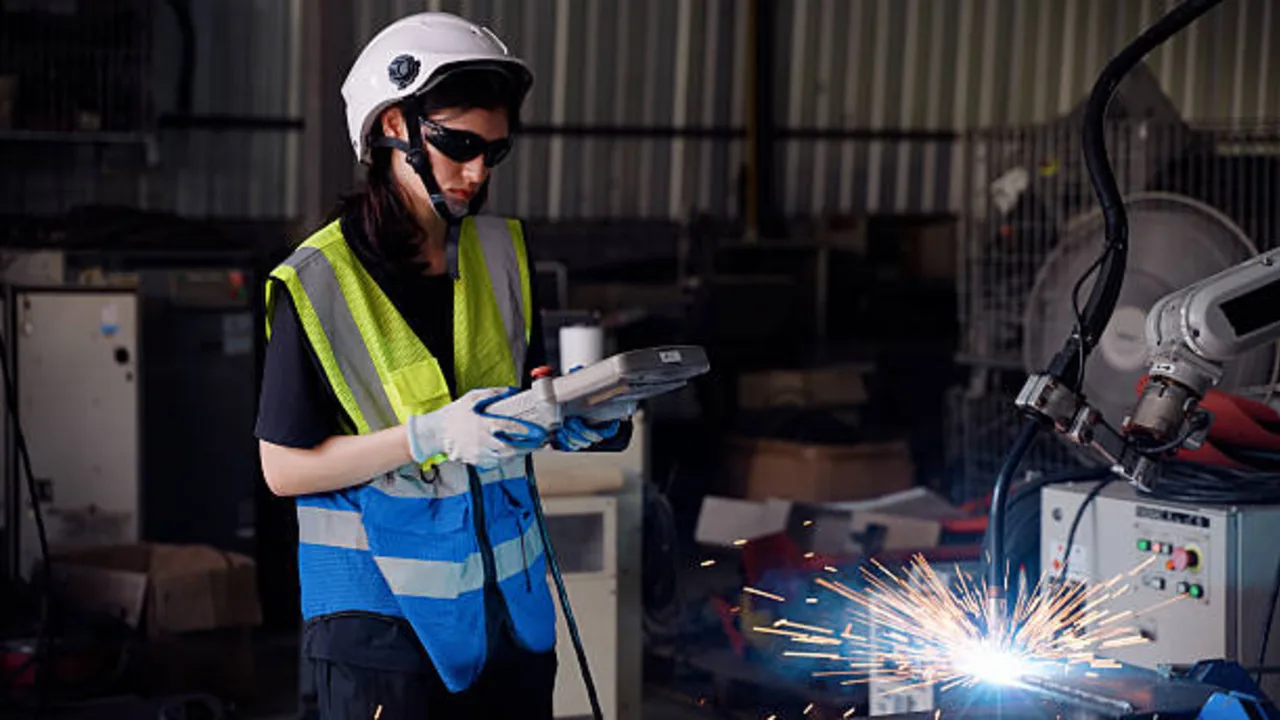
Maintain Strict Document Control
Always ensure that only the latest approved WPS is available on the shop floor. In a manufacturing environment handling multiple projects simultaneously, even a single outdated document can lead to widespread inconsistencies and costly rework.
A robust document control system should include:
- Version numbering and revision history tracking
- Controlled access (only authorized personnel can edit or approve)
- Clear labeling of “active” vs “obsolete” documents
- Physical and digital synchronization (shop floor copies must match system records)
Many manufacturers implement centralized document management platforms where welders can access WPS via tablets or terminals. This reduces the risk of printed, outdated procedures circulating unnoticed.
Without strict control, the entire welding procedure control manufacturer system breaks down, as consistency depends entirely on using the correct instructions every time.
Standardize Where Possible
Standardization is one of the most effective ways to scale welding operations without sacrificing quality. By reducing the number of unique WPS documents, manufacturers can simplify execution, training, and quality control.
Instead of creating a new WPS for every minor variation, manufacturers group applications based on:
- Material grades with similar properties
- Thickness ranges
- Welding positions and joint types
This approach allows a single qualified WPS to cover multiple scenarios, minimizing redundancy while maintaining compliance.
Benefits of standardization include:
- Faster onboarding of new welders
- Reduced risk of misapplication
- Easier audit and inspection processes
- Improved production efficiency
However, standardization must be balanced with engineering requirements. Over-generalizing procedures can lead to performance issues, so each WPS must still be technically validated.
Invest in Training and Certification
Even the most well-designed WPS will fail if it is not executed correctly. Welding is a skill-dependent process, and human factors remain a major source of variability.
Manufacturers should implement structured training programs that cover:
- Understanding WPS parameters (not just following them blindly)
- Proper welding techniques for different processes
- Common defect identification and prevention
- Safety and compliance standards
Certification programs ensure that welders are qualified to perform specific types of welds under defined conditions. Regular requalification is also important, especially when:
- New materials or processes are introduced
- Welders have been inactive for a period
- Quality issues are detected
A strong training culture transforms welders from operators into skilled professionals who contribute to overall quality control.
Use Digital Tracking Systems
As manufacturing operations grow in scale and complexity, manual tracking becomes inefficient and error-prone. Digital WPS management systems provide a centralized platform for controlling procedures, tracking usage, and maintaining traceability.
Key capabilities of digital systems include:
- Real-time access to approved WPS documents
- Automated revision updates across all departments
- Integration with production and quality control systems
- Traceability linking welds to specific WPS, welders, and inspection results
For a modern welding procedure control manufacturer, digitalization is no longer optional—it is a critical tool for maintaining consistency across multiple production lines and project sites.
Additionally, digital systems support
Regularly Review and Update WPS
Welding procedures should never be treated as static documents. Manufacturing environments evolve due to changes in materials, project requirements, technology, and industry standards.
Regular WPS reviews help ensure that procedures remain:
- Technically accurate
- Aligned with current production practices
- Compliant with updated standards (e.g., AWS, ISO)
Triggers for WPS review may include:
- Recurring welding defects or quality issues
- Introduction of new materials or thickness ranges
- Changes in welding equipment or consumables
- Feedback from welders or QA/QC teams
In some cases, updates may require partial or full requalification, especially if critical parameters are modified.
By maintaining an active review cycle, manufacturers ensure that their welding procedures continue to deliver optimal performance and reliability over time.
Real Project Case: Welding Procedure Control in Jiangxi Yudu Railway Station
A practical example of welding procedure control at manufacturer level can be seen in the Jiangxi Yudu high-speed railway station project delivered by XTD Steel Structure. This infrastructure project utilized approximately 171 tons of steel and adopted a space grid structure system to achieve large-span coverage and structural stability.
In projects of this scale, welding is not just a fabrication step—it is a critical structural process that directly affects load distribution, durability, and long-term performance. The space grid system used in this railway station relies on multiple interconnected nodes and members, meaning that weld consistency across hundreds or even thousands of joints is essential for maintaining structural integrity.
WPS Management in Complex Space Grid Structures
Unlike simple beam-to-column connections, space grid structures involve multi-directional load transfer. This requires highly controlled welding procedures to ensure that each joint performs reliably under combined stress conditions. A professional welding procedure control manufacturer must define precise WPS parameters for:
- Multi-angle joint configurations
- Node connection welding sequences
- Heat input control to prevent distortion
- Material compatibility across different steel members
In the Jiangxi Yudu project, the prefabrication of steel components in factory conditions played a key role in maintaining welding quality. By producing components off-site under controlled environments, the manufacturer ensured consistent application of qualified WPS before assembly on-site.
Integration Between Fabrication and On-Site Assembly
The project followed a hybrid workflow where welding procedure control extended from factory fabrication to on-site installation. Prefabricated modules were assembled using cranes and secured through welding and bolting techniques, requiring strict adherence to approved WPS at every stage.
This highlights an important principle: WPS management is not isolated within the factory. It must remain consistent across the entire project lifecycle, including transportation, assembly, and final inspection.
Quality Control and Inspection in High-Speed Rail Projects
Given the functional importance of railway infrastructure, quality control standards are significantly higher than typical industrial buildings. Welding procedures must be validated not only for strength but also for long-term resistance to vibration, fatigue, and environmental stress.
Inspection processes typically include:
- Non-destructive testing (UT, RT) for internal weld integrity
- Dimensional verification of assembled grid structures
- Continuous monitoring during installation phases
These inspection results feed back into the WPS management system, ensuring continuous optimization and compliance with engineering requirements.
Lessons for Manufacturer-Level Welding Control
The Jiangxi Yudu railway station project demonstrates how structured welding procedure control enables successful execution of complex infrastructure projects. Key takeaways include:
- Standardized WPS ensures consistency across large volumes of welds
- Factory prefabrication improves welding quality and efficiency
- Integrated QA/QC systems maintain reliability from fabrication to installation
- Continuous monitoring allows real-time adjustment and improvement
For any steel structure workshop manufacturer, this type of project highlights the importance of combining engineering precision with disciplined WPS management systems to deliver high-performance steel structures at scale.
Conclusion: Building Reliable Welding Systems in Manufacturing
Effective welding procedure management is a cornerstone of modern steel fabrication. For any welding procedure control manufacturer, the ability to control, qualify, and continuously improve welding procedures directly impacts product quality and operational efficiency.
By implementing structured WPS management systems, manufacturers can ensure consistency across projects, reduce defects, and deliver reliable steel structures that meet the highest standards. In a competitive industry, this level of control is not just an advantage—it is a necessity.