Global logistics firms operate in an environment where speed, cost efficiency, and scalability determine competitiveness. As supply chains become increasingly international, warehouse infrastructure must support high-volume throughput, rapid deployment, and long-term operational flexibility. In this context, chinese steel warehouse projects have emerged as a preferred solution for logistics companies serving export-oriented markets.
From Asia–Pacific distribution hubs to Africa, the Middle East, and Latin America, logistics operators are consistently selecting steel warehouses manufactured and engineered in China. These projects combine industrial-grade structural performance with a strong cost advantage, making them ideal for export logistics and large-scale storage operations.
The Role of Warehouses in Global Export Logistics
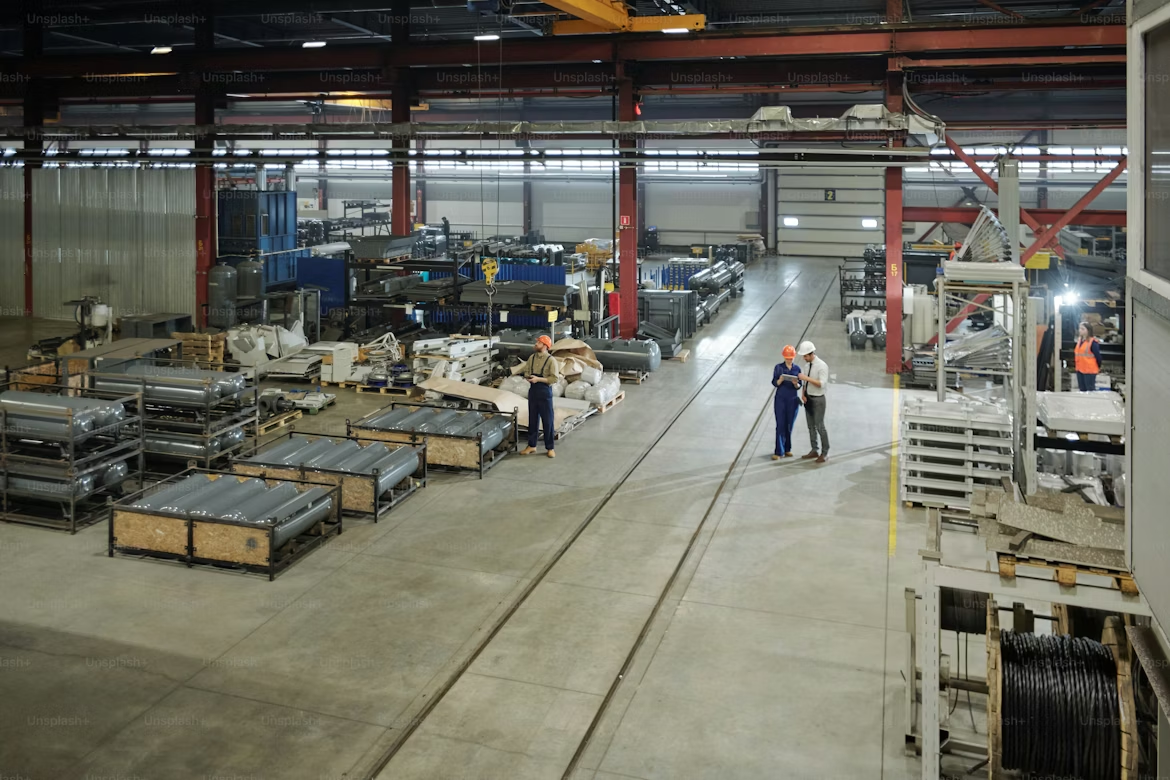
Warehouses are no longer passive storage facilities. In modern export logistics, they function as high-performance nodes that support inventory buffering, container handling, cross-docking, and value-added services. Structural efficiency directly impacts operational efficiency.
Logistics firms handling export logistics require warehouses that can:
- Accommodate high pallet loads and racking systems
- Support wide spans for forklift and container movement
- Allow fast construction to meet market demand
- Adapt to future expansion or layout changes
This is where chinese steel warehouse projects deliver a strategic advantage over conventional concrete structures.
Why Chinese Steel Warehouses Stand Out Globally
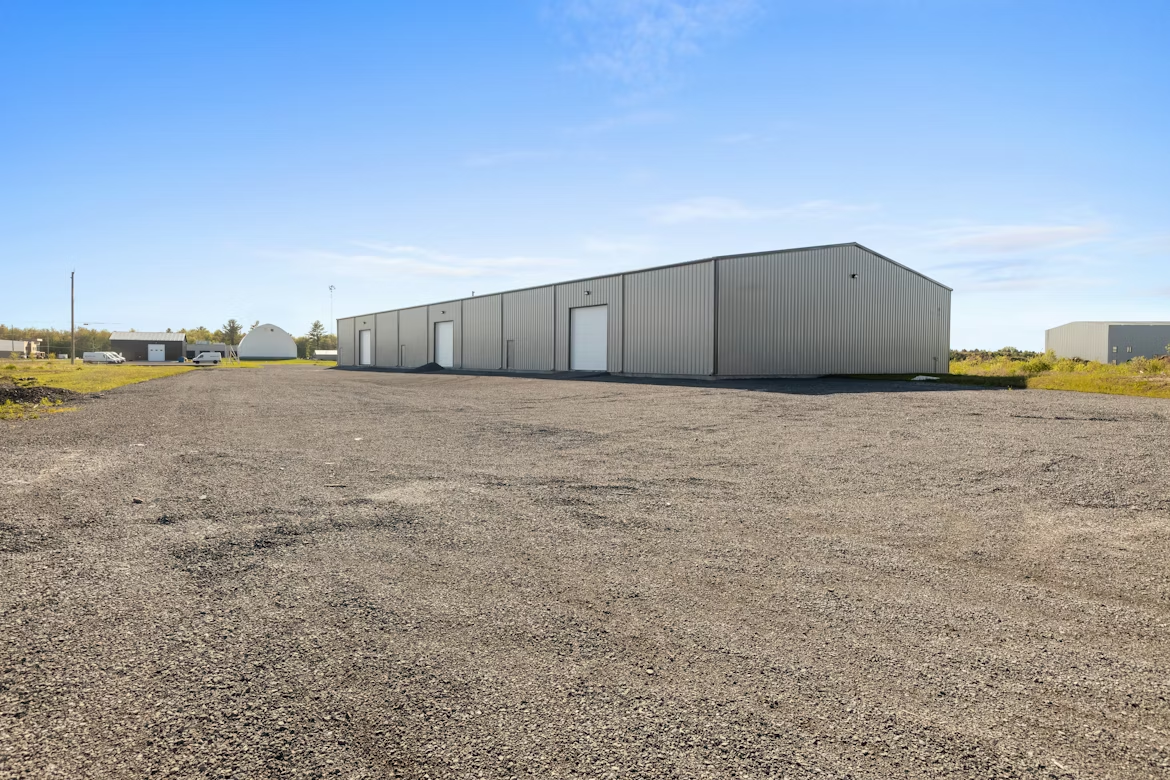
1. Cost Advantage Without Sacrificing Structural Performance
One of the primary reasons global firms choose Chinese steel warehouses is the clear cost advantage. China’s integrated steel supply chain—covering raw materials, fabrication, surface treatment, and logistics—reduces overall project cost while maintaining international structural standards.
Compared with locally fabricated alternatives in many regions, Chinese steel warehouses typically offer:
- Lower steel fabrication costs due to scale and automation
- Optimized material usage through advanced structural design
- Reduced labor cost per ton of steel produced
This cost efficiency is particularly valuable for export logistics operators working with tight margins and large floor-area requirements.
2. Designed for Export-Oriented Logistics Operations
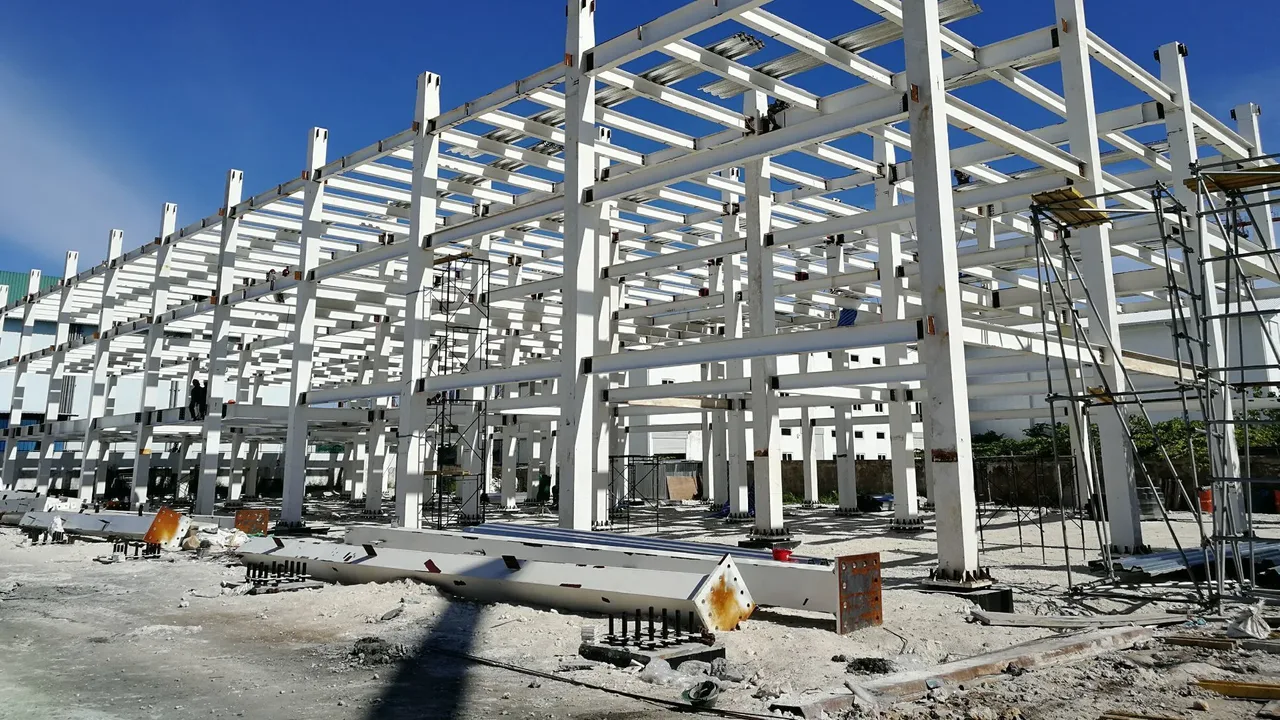
Chinese steel warehouse projects are commonly engineered with export logistics in mind. Many facilities are built specifically for containerized goods, bonded storage, or international distribution centers.
Typical design features include:
- Large clear-span portal frames for container movement
- High eave heights to support automated racking systems
- Flexible bay spacing for mixed storage and handling zones
- Dock-integrated layouts for high-frequency loading and unloading
These characteristics make steel warehouses from China highly compatible with global logistics workflows.
Speed of Delivery and Construction Efficiency
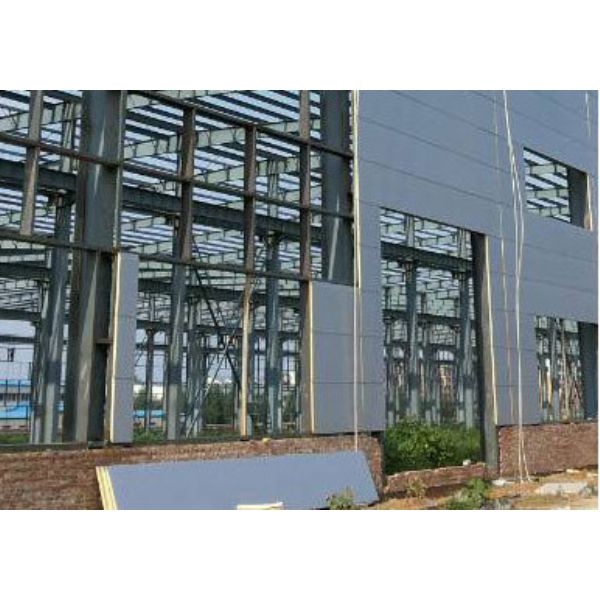
Time-to-operation is critical in logistics. Delays in warehouse availability can disrupt entire supply chains. Chinese steel warehouse systems are largely prefabricated, allowing fabrication to proceed in parallel with site preparation.
Once shipped, on-site installation is significantly faster than traditional concrete construction. For many logistics firms, this reduces project timelines by 30–50%, enabling faster entry into new markets.
This speed advantage is a key reason chinese steel warehouse projects are widely adopted for overseas logistics developments.
Structural Flexibility for Future Expansion
Global logistics networks evolve continuously. Warehouse requirements change due to shifts in trade routes, inventory models, or automation technologies. Steel structures offer inherent flexibility that concrete buildings struggle to match.
Chinese steel warehouses can be:
- Expanded horizontally by extending portal frames
- Modified vertically to add mezzanines or platforms
- Reconfigured internally without structural demolition
This adaptability protects long-term investment and aligns well with the dynamic nature of export logistics.
Compliance With International Standards
Another reason global firms trust chinese steel warehouse projects is compliance with widely recognized international standards. Reputable Chinese manufacturers design and fabricate steel warehouses according to:
- EN standards for European markets
- AISC standards for U.S. and international projects
- ISO-certified quality management systems
This ensures that steel warehouses exported from China meet safety, durability, and performance expectations across different regions.
Logistics Case Scenarios: Where Chinese Steel Warehouses Excel
Chinese steel warehouse solutions are particularly effective in logistics environments where speed, scalability, and cost discipline are critical to operational success. Their structural system, prefabrication model, and export-oriented design make them well suited for several high-demand logistics scenarios.
Port-Adjacent Logistics Hubs
Warehouses located near seaports operate under intense pressure to move goods quickly between vessels, containers, and inland transport. In these locations, steel warehouses manufactured in China provide large clear spans and high load-bearing capacity, allowing efficient container handling, forklift circulation, and staging operations without internal obstructions.
The fast construction cycle of steel structures also aligns well with port expansion projects, where minimizing downtime and accelerating operational readiness is essential. For port-adjacent logistics hubs, the ability to deploy a functional warehouse in a short timeframe delivers immediate throughput and revenue benefits.
Free Trade Zones and Bonded Warehouses
Free trade zones and bonded warehouses require flexible infrastructure that can adapt to regulatory changes, varying storage cycles, and diverse cargo types. Chinese steel warehouse systems support modular layouts, making it easier to reconfigure storage zones, inspection areas, and value-added processing spaces.
Because bonded facilities often operate under strict customs control, reliability and structural durability are critical. Steel warehouses designed for export logistics ensure consistent performance while supporting future expansion without disrupting existing operations.
Regional Distribution Centers for Imported Goods
Regional distribution centers act as critical nodes between international supply chains and domestic markets. In these environments, structural efficiency directly impacts operational flow. Chinese steel warehouses are engineered to accommodate high racking systems, automated handling equipment, and wide circulation aisles required for modern distribution.
The cost advantage of sourcing steel warehouses from China enables logistics firms to build larger or more strategically located distribution centers while maintaining budget control. This allows operators to improve service coverage and reduce delivery lead times.
Export Consolidation Facilities
Export consolidation facilities require open, adaptable floor space to handle mixed cargo, palletization, and container stuffing operations. Steel warehouse structures excel in these settings by providing unobstructed spans and high floor-load capacity, supporting heavy goods and dynamic loading activities.
Chinese steel warehouses are particularly effective for export consolidation because they are designed with international shipping and logistics standards in mind. Their adaptability allows operators to scale operations in response to seasonal demand or trade volume fluctuations.
Operational Impact Across Scenarios
Across all these scenarios, the advantages of Chinese steel warehouse systems converge around three core factors: structural efficiency, cost control, and fast deployment. These factors translate directly into competitive advantage by reducing capital expenditure, accelerating time-to-operation, and supporting long-term logistics flexibility.
Choosing the Right Partner for Chinese Steel Warehouse Projects
While China offers strong manufacturing capability, project success depends on selecting an experienced partner that understands overseas logistics requirements, international codes, and export project coordination.
Working with a specialized supplier of china steel structure warehouse solutions ensures proper engineering, quality control, and smooth execution from fabrication to on-site installation.
Conclusion: A Strategic Choice for Global Logistics Firms
For logistics companies operating across borders, warehouse infrastructure must deliver more than basic storage. It must support export logistics, control costs, and adapt to future operational demands.
Chinese steel warehouse projects meet these requirements by combining structural performance, speed, and cost advantage into a single, scalable solution. As global trade continues to expand, Chinese steel warehouses are likely to remain a cornerstone of international logistics infrastructure.