Industrial facilities rarely remain static. As production volumes increase, supply chains evolve, and storage requirements change, warehouse buildings must adapt without disrupting operations. This is where expandable steel warehouse design becomes a strategic advantage. Instead of treating expansion as a costly future problem, an expansion-ready design embeds flexibility directly into the original structural system.
An expandable steel warehouse is engineered from the start to support future extension, additional bays, or increased load demands. By using modular steel framing, standardized connections, and forward-looking layout planning, owners can extend usable space efficiently while protecting their initial investment.
What Is an Expandable Steel Warehouse Design?
Expandable steel warehouse design refers to a structural planning approach that allows a warehouse to grow in size or capacity with minimal structural modification. Expansion may occur horizontally by adding bays, vertically by increasing height or mezzanine levels, or functionally by upgrading load capacity.
Unlike conventional buildings that require demolition or major reinforcement during expansion, steel warehouses designed for growth use modular bays, pre-engineered connection points, and adaptable foundation systems. This approach reduces downtime, construction risk, and long-term cost.
Why Expansion Planning Matters in Warehouse Projects
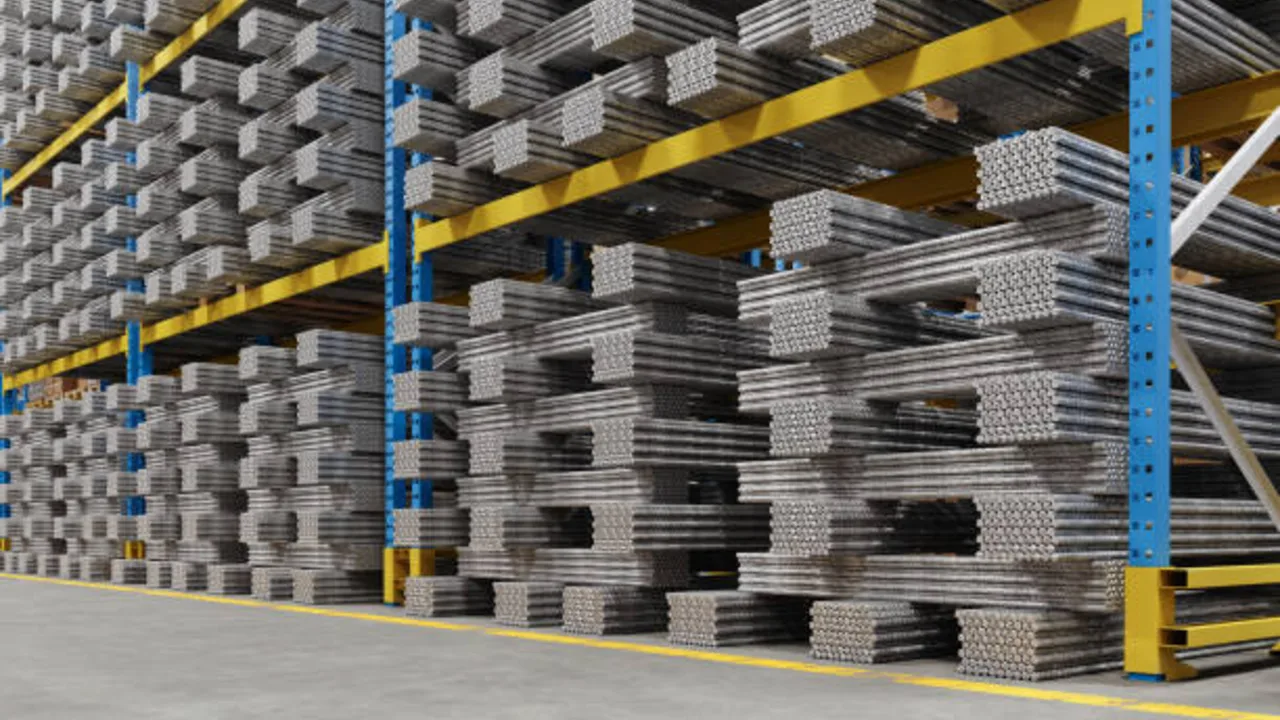
Warehouses often experience growth faster than expected. New product lines, higher inventory turnover, automation systems, or regional distribution demands can quickly exceed original capacity. Without expansion planning, facilities face operational bottlenecks or expensive retrofits.
By applying expandable steel warehouse design principles early, owners gain:
- Lower lifecycle construction costs
- Reduced disruption during future extension
- Faster response to market or logistics changes
- Improved asset value and operational flexibility
Structural Strategies for Expandable Steel Warehouse Design
Modular Bay Planning
Modular bays form the backbone of expandable steel warehouse design. By using standardized bay widths and column spacing, future extensions can replicate existing structural geometry without redesign.
Common bay widths are selected based on material handling systems, racking layouts, and roof span efficiency. When future extension is anticipated, end-wall frames are designed to allow seamless continuation of bays.
End-Wall and Connection Design
End-wall structures often become expansion barriers. In expansion-ready warehouses, end frames are designed as removable or extendable elements. Bolted connections are preferred over welded joints, allowing controlled disassembly and reassembly.
Column base plates, beam connections, and bracing layouts are detailed to accommodate additional steel members without overstressing the original frame.
Foundation and Load Reserve Capacity
Foundations play a critical role in expandable steel warehouse design. Even if the initial building footprint is limited, foundations can be engineered with reserve capacity for future columns or heavier loads.
This approach prevents costly foundation reconstruction and ensures structural continuity when new bays or floors are added.
Designing for Future Extension Without Operational Downtime
From an engineering perspective, designing for future extension without operational downtime requires early coordination between structural layout, load-path continuity, and construction sequencing. In an expandable steel warehouse design, expansion is treated as a controlled structural phase rather than an afterthought retrofit.
Steel framing systems allow engineers to define extension-ready structural grids from the initial design stage. Column spacing, bay width, and roof framing geometry are standardized so that future bays can replicate the original structural module without introducing differential stiffness or load irregularities. This ensures that new steel frames integrate seamlessly into the existing load-resisting system.
A critical engineering strategy is the use of pre-engineered end frames and detachable envelope systems. End-wall columns, girts, and roof members are detailed with bolted connections and reserved splice points. When expansion occurs, cladding panels and secondary steel members can be removed in a controlled sequence without affecting the stability of the existing structure.
Foundation design also plays a decisive role. Expansion-ready warehouses often include reserve foundation capacity, oversized pile caps, or pre-installed anchor bolts at future column locations. This allows new columns and frames to be installed without excavation adjacent to active warehouse operations, significantly reducing vibration, settlement risk, and safety exposure.
To maintain operational continuity, engineers apply phased construction sequencing. New bays are erected externally and structurally completed—including primary framing, bracing, and roofing—before any physical connection to the existing building is made. Only after the new structure achieves full stability is the interface opened, limiting exposure time and minimizing disruption.
Prefabricated steel components further support this approach. Structural members are fabricated to tight tolerances, enabling rapid bolted assembly and predictable erection timelines. Reduced on-site welding lowers fire risk and eliminates prolonged hot-work restrictions inside active warehouse environments.
From a serviceability standpoint, engineers also evaluate differential deflection, thermal movement, and vibration compatibility between existing and new structures. Expansion joints, sliding connections, and compatible roof drainage slopes are incorporated to prevent stress concentration or envelope failure at the interface.
This engineering-driven expansion strategy is particularly suited to logistics hubs, distribution centers, and manufacturing warehouses where continuous throughput, automation systems, and material handling equipment cannot tolerate extended shutdowns. By embedding expandability into the structural system, steel warehouses achieve long-term scalability without sacrificing operational reliability.
Modular Bays and Scalability Benefits
Modular bays allow warehouses to scale incrementally instead of committing to oversized initial construction. This improves cash flow efficiency and aligns capital investment with actual demand.
Expandable steel warehouse design using modular bays also simplifies compliance checks, structural analysis, and material procurement during expansion phases.
Integration With Prefabricated Steel Systems
Expandable steel warehouses integrate seamlessly with prefabricated steel systems. Structural components are manufactured with consistent tolerances, enabling accurate future connections.
Many industrial projects combine expansion-ready design with a prefab steel structure warehouse approach, ensuring fast erection, predictable quality, and reduced on-site labor.
Roof, Cladding, and Envelope Considerations
The building envelope must support expansion without compromising weather protection or thermal performance. Roof slopes, gutter systems, and drainage paths are designed to extend logically with additional bays.
Wall panels and cladding systems are selected for easy removal and reinstallation. This avoids waste and maintains consistent appearance after expansion.
Expandable Design for Automation and Equipment Growth
Modern warehouses increasingly rely on automation, robotics, and high-density storage systems. Expandable steel warehouse design accounts for future equipment loads, floor flatness requirements, and vibration control.
By reserving structural capacity and clear spans, the warehouse can evolve from basic storage to advanced automated operations without structural overhaul.
Cost Efficiency Across the Warehouse Lifecycle
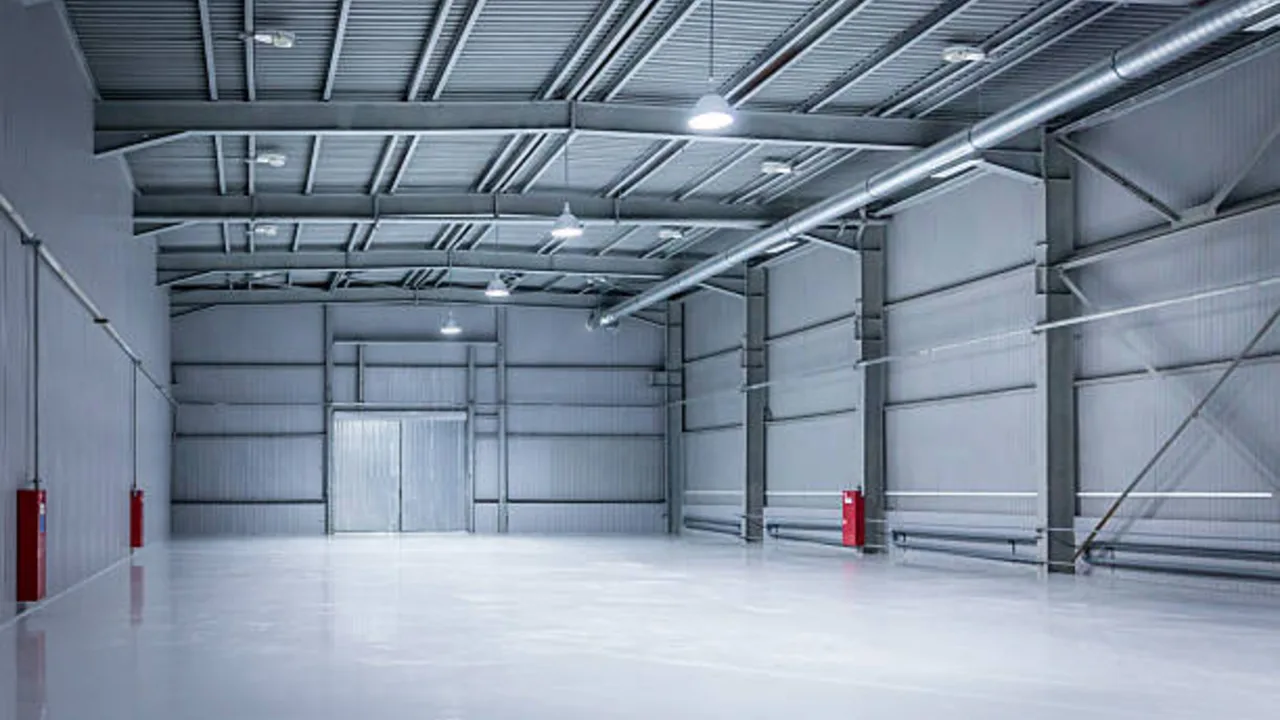
While expansion-ready steel warehouses may involve slightly higher upfront engineering investment, long-term savings are significant. Reduced demolition, faster construction, and minimized downtime lower total ownership cost.
Expandable steel warehouse design also improves asset longevity, allowing the structure to adapt across multiple operational phases rather than becoming obsolete.
Industry Guidance on Steel Warehouse Expansion
Industry research highlights the value of designing steel warehouses with future growth in mind. According to insights published by Global Steel Construction, modular steel framing and standardized bay systems significantly reduce expansion time and structural risk.
Conclusion: Building for Growth From Day One
Expandable steel warehouse design is not just about adding space—it is about protecting operational continuity, controlling long-term cost, and maintaining structural integrity as demands evolve.
By combining modular bays, expansion-ready connections, reserve load capacity, and prefabricated steel systems, warehouse owners gain a flexible infrastructure that grows with their business. In an environment where adaptability defines competitiveness, designing for expansion from day one is a strategic necessity.