As industrial parks, logistics hubs, and e-commerce distribution networks continue to expand, the demand for multi-tenant warehouse facilities is increasing rapidly. Instead of building single-user warehouses, developers are now prioritizing flexible, shared facilities that can accommodate multiple tenants within the same structure. This approach maximizes land utilization, improves investment returns, and allows faster leasing cycles.
However, managing a multi-tenant warehouse project is significantly more complex than designing a single-user facility. Each tenant may have different operational requirements, load conditions, access needs, and utility demands. Without proper planning, these differences can lead to inefficiencies, operational conflicts, and long-term limitations in space usage.
To address these challenges, multi tenant warehouse design increasingly relies on steel structure systems. Steel construction provides the flexibility, scalability, and structural efficiency required to support shared industrial environments. With modular layouts, adaptable spans, and efficient installation, steel warehouses offer a practical solution for managing multi-tenant operations while maintaining long-term performance and adaptability.
What Is Multi-Tenant Warehouse Design
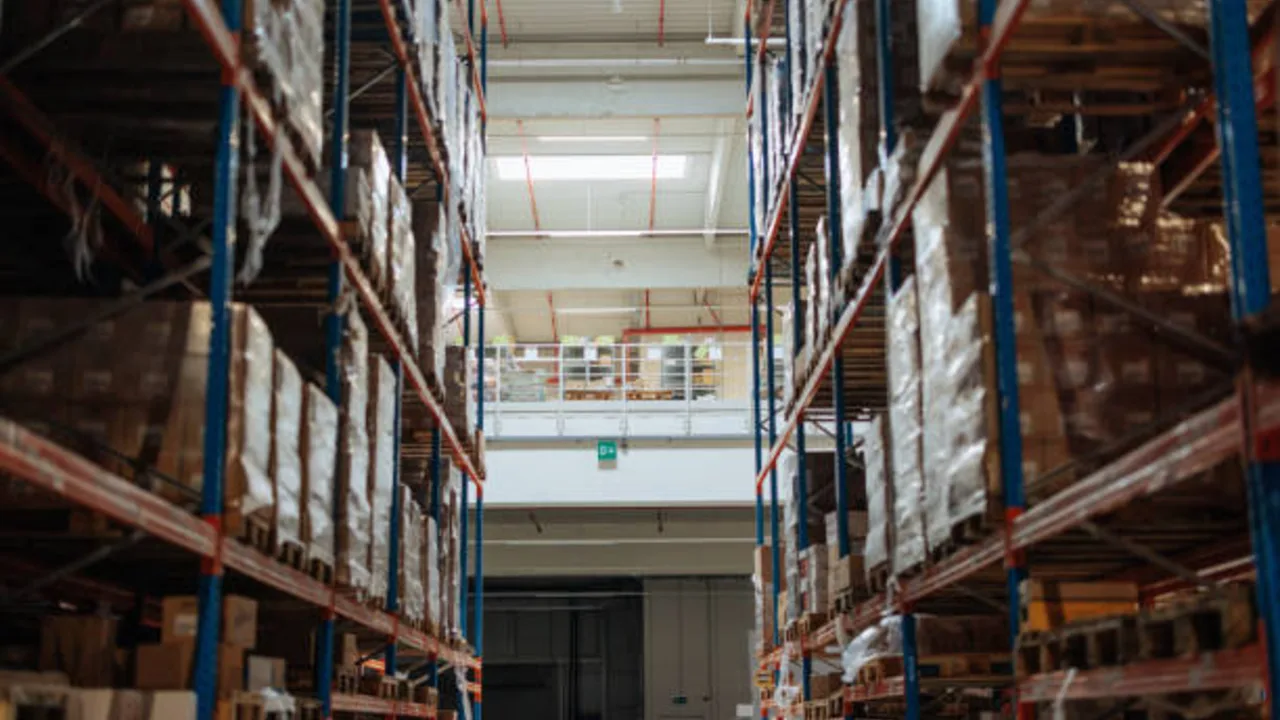
Multi-tenant warehouse design refers to the planning and construction of a single warehouse facility that is shared by multiple independent users. Each tenant operates within a defined space, while certain infrastructure elements such as access routes, loading areas, and utilities may be shared.
Unlike traditional warehouses built for a single operator, multi-tenant facilities must balance flexibility with structure. The design must allow for different tenant sizes, operational types, and future changes without requiring major structural modifications.
In practice, multi-tenant warehouse layouts can take several forms depending on project requirements and site conditions.
Segmented Unit Layout
In this configuration, the warehouse is divided into clearly defined units, each assigned to a different tenant. These units may have separate entrances, loading docks, and internal operations, providing a higher level of independence.
This approach is commonly used in industrial parks where tenants require dedicated spaces but still benefit from shared infrastructure.
Shared Open Warehouse Layout
In a shared open layout, multiple tenants operate within a larger open space with minimal physical separation. Instead of fixed walls, zones are defined by operational boundaries and internal management systems.
This model is often applied in logistics or distribution centers where flexibility and space optimization are more important than strict separation.
Hybrid Layout
A hybrid layout combines both segmented and shared elements. Certain areas are dedicated to specific tenants, while others such as loading zones, storage areas, or circulation paths are shared.
This design provides a balance between operational independence and shared efficiency, making it one of the most adaptable solutions for modern industrial developments.
Core Challenges in Multi Tenant Warehouse Design
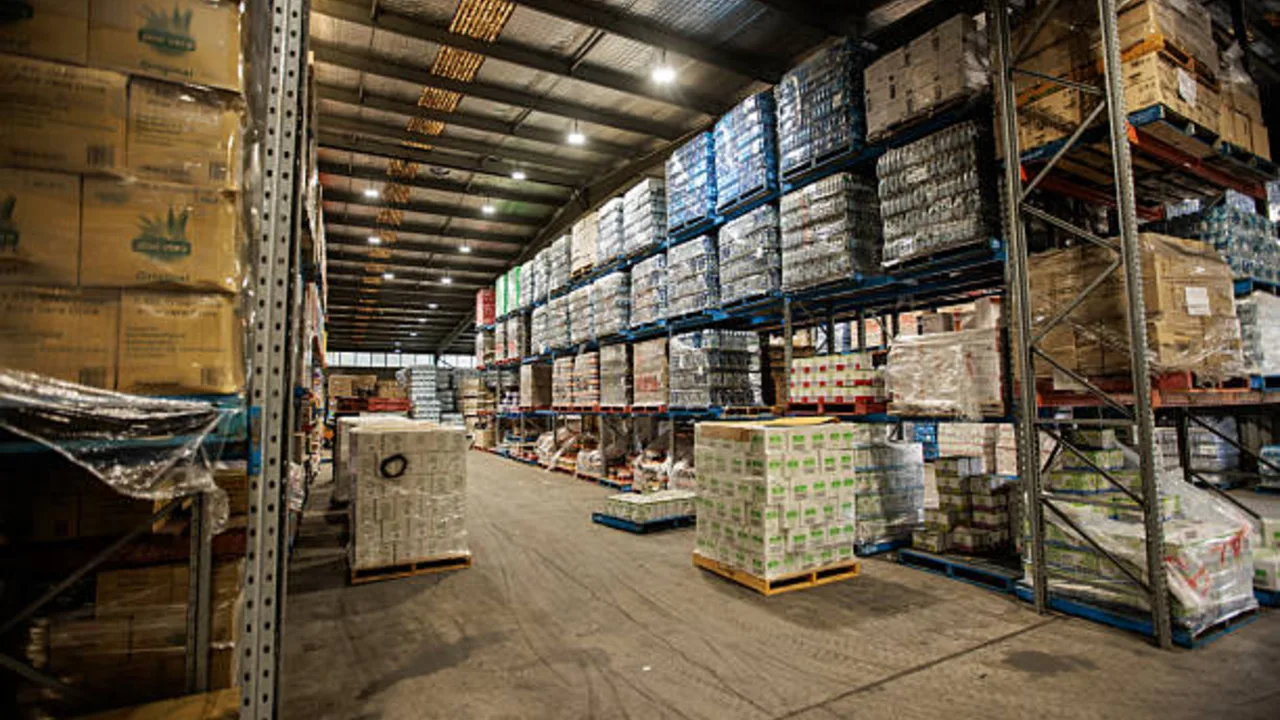
Designing a multi-tenant warehouse involves more than simply dividing space. The interaction between tenants introduces structural, operational, and logistical complexities that must be carefully managed.
Space Allocation and Partitioning
One of the primary challenges is determining how to divide the warehouse space efficiently. Each tenant requires a specific area based on their operational needs, but the overall structure must remain flexible enough to accommodate future changes.
Poor partitioning can result in underutilized space, inefficient layouts, or difficulties when reconfiguring tenant areas.
Shared Circulation Systems
Multi-tenant warehouses must support shared circulation for trucks, forklifts, and personnel. Without proper planning, congestion and operational conflicts can occur, reducing overall efficiency. Designing clear and optimized circulation paths is essential for maintaining smooth operations.
Structural Load Variation
Different tenants may impose different load requirements on the structure. Some areas may require heavy storage loads, while others may function as light distribution or handling zones.
This variation must be considered during structural design to ensure safety without overdesigning the entire building.
Utility Distribution Complexity
Utilities such as electrical systems, fire protection, drainage, and ventilation must be distributed in a way that supports multiple users independently. Each tenant may require different capacities, making system zoning and scalability critical.
Future Reconfiguration Requirements
Tenant turnover is common in multi-tenant facilities. The warehouse must be designed to allow easy reconfiguration of space without major structural changes. Flexibility is a key factor in maintaining long-term value and usability.
Steel Structure Solutions for Multi-Tenant Warehouses
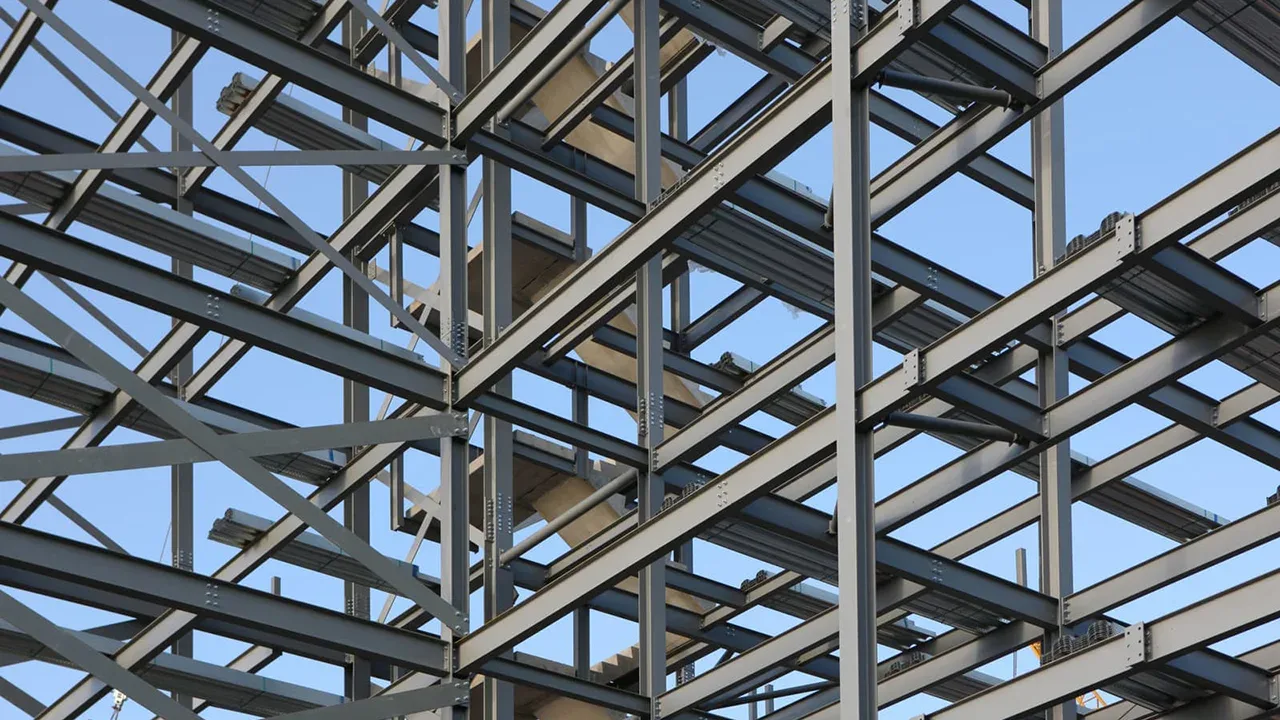
Steel structure systems provide a strong foundation for managing multi-tenant warehouse projects. Their flexibility and modular nature make it possible to accommodate multiple users within a single facility while maintaining structural efficiency and long-term adaptability.
In multi tenant warehouse design, the goal is not only to support current tenant requirements but also to allow future adjustments without major reconstruction. Steel structures are particularly well suited for this purpose due to their scalability and precision.
Modular Structural Grid System
A modular grid system allows the warehouse to be divided into multiple tenant units without disrupting the overall structural integrity. Standardized column spacing makes it easier to adjust partitions and reconfigure spaces based on tenant needs.
This approach ensures that the building can evolve over time while maintaining consistent performance.
Flexible Span and Column Layout
Steel structures can achieve large clear spans with minimal internal columns, providing greater freedom in space planning. This is especially important in multi-tenant warehouses where different tenants may require different layouts.
Flexible spans allow developers to adapt the space without structural limitations.
Mezzanine and Vertical Expansion
In high-demand facilities, mezzanine floors can be introduced to increase usable space. Steel structures make it easier to integrate vertical expansion without compromising the original design.
This is particularly useful for tenants requiring additional storage or operational levels.
Partition-Friendly Design
Steel warehouse systems can be designed to support easy installation of partitions, whether permanent or temporary. This simplifies tenant separation while allowing future adjustments.
The ability to modify internal divisions without affecting the main structure is a key advantage in multi tenant warehouse design.
Scalable Expansion Capability
As demand grows, multi-tenant warehouses often require expansion. Steel structures allow for phased expansion by extending bays or adding new sections without disrupting existing operations.
This scalability supports long-term development strategies.
Layout Planning for Shared Warehouse Space
Effective layout planning is critical in multi-tenant warehouse projects. A well-designed layout ensures efficient operations while minimizing conflicts between tenants.
The challenge lies in balancing shared infrastructure with individual tenant requirements.
Zoning Strategy
Zoning defines how space is allocated between tenants. Clear boundaries must be established while maintaining flexibility for future changes.
Well-planned zoning improves operational clarity and reduces interference between users.
Loading Dock Distribution
Loading docks must be distributed based on tenant usage patterns. Uneven allocation can lead to congestion or underutilization.
Shared loading zones require careful scheduling and design to maintain efficiency.
Internal Traffic Flow
Traffic flow for trucks, forklifts, and personnel must be optimized to avoid conflicts. Dedicated routes and clear separation between movement types improve safety and efficiency.
Good circulation design is essential in shared warehouse environments.
Safety Separation
Separating pedestrian areas from equipment movement zones reduces risk. This is particularly important in multi-tenant facilities where different operations occur simultaneously.
Safety must be integrated into the layout from the beginning.
Access Control and Shared Infrastructure
Access systems must distinguish between shared and private areas. While certain facilities are shared, each tenant should maintain operational independence.
Balancing access control with shared efficiency is a key design challenge.
Engineering Considerations for Multi-Tenant Projects
Engineering design plays a critical role in ensuring that multi-tenant warehouses operate safely and efficiently under varying conditions.
Unlike single-user facilities, multi-tenant environments require systems that can support diverse operational demands.
Load Distribution Planning
Different tenants impose different load requirements. Structural systems must be designed to handle variation without unnecessary overdesign.
Proper load planning ensures safety and cost efficiency.
Fire Protection Zoning
Fire protection systems must be divided into zones to isolate risks and meet regulatory requirements for multi-user facilities.
This improves safety and simplifies maintenance.
HVAC and Ventilation Division
Ventilation systems should be designed to support independent tenant operations while maintaining overall efficiency.
This is particularly important when tenants have different environmental requirements.
Noise and Vibration Control
Different operations can generate varying levels of noise and vibration. Proper design minimizes interference between tenants.
This improves working conditions and operational stability.
Compliance with Multi-User Standards
Multi-tenant warehouses must comply with specific codes and standards related to shared occupancy. These regulations influence structural design, safety systems, and operational planning.
Ensuring compliance is essential for project approval and long-term operation.
Logistics and Operation Strategy
Beyond design and construction, successful multi-tenant warehouse projects depend on efficient operational strategies. Logistics planning must support multiple users without creating bottlenecks.
A well-structured system ensures smooth daily operations.
Shared Logistics Scheduling
Coordinating delivery and dispatch schedules between tenants helps prevent congestion at loading areas.
Efficient scheduling improves overall warehouse performance.
Warehouse Management Systems (WMS)
Digital systems can be used to manage inventory, track movements, and coordinate operations across multiple tenants. Technology plays a key role in optimizing shared environments.
Cross-Docking vs Storage Strategy
Different tenants may require different operational models. The warehouse must support both cross-docking and storage functions efficiently.
Flexibility in operations enhances tenant satisfaction.
Tenant Coordination
Clear communication and coordination between tenants reduce conflicts and improve efficiency. Operational rules and systems should be established early.
Operational Flexibility
Multi-tenant warehouses must adapt to changing tenant needs. Flexible systems allow adjustments without major disruptions. This ensures long-term usability and value.
Integrated Solutions with steel structure warehouse
Managing multi-tenant warehouse projects requires an integrated approach that combines engineering design, fabrication, and logistics into a unified system.
Steel structure warehouse solutions provide standardized yet flexible systems that can adapt to different tenant requirements while maintaining structural efficiency.
By aligning design, production, and installation strategies, these solutions reduce project risks, improve construction speed, and ensure consistent quality across multi-tenant developments.
Steel Structure Solutions for Multi-Tenant Warehouses
Steel structure systems provide a strong foundation for managing multi-tenant warehouse projects. Their flexibility and modular nature make it possible to accommodate multiple users within a single facility while maintaining structural efficiency and long-term adaptability.
In multi tenant warehouse design, the goal is not only to support current tenant requirements but also to allow future adjustments without major reconstruction. Steel structures are particularly well suited for this purpose due to their scalability and precision.
Modular Structural Grid System
A modular grid system allows the warehouse to be divided into multiple tenant units without disrupting the overall structural integrity. Standardized column spacing makes it easier to adjust partitions and reconfigure spaces based on tenant needs. This approach ensures that the building can evolve over time while maintaining consistent performance.
Flexible Span and Column Layout
Steel structures can achieve large clear spans with minimal internal columns, providing greater freedom in space planning. This is especially important in multi-tenant warehouses where different tenants may require different layouts.
Flexible spans allow developers to adapt the space without structural limitations.
Mezzanine and Vertical Expansion
In high-demand facilities, mezzanine floors can be introduced to increase usable space. Steel structures make it easier to integrate vertical expansion without compromising the original design. This is particularly useful for tenants requiring additional storage or operational levels.
Partition-Friendly Design
Steel warehouse systems can be designed to support easy installation of partitions, whether permanent or temporary. This simplifies tenant separation while allowing future adjustments. The ability to modify internal divisions without affecting the main structure is a key advantage in multi tenant warehouse design.
Scalable Expansion Capability
As demand grows, multi-tenant warehouses often require expansion. Steel structures allow for phased expansion by extending bays or adding new sections without disrupting existing operations.
This scalability supports long-term development strategies.
Layout Planning for Shared Warehouse Space
Effective layout planning is critical in multi-tenant warehouse projects. A well-designed layout ensures efficient operations while minimizing conflicts between tenants. The challenge lies in balancing shared infrastructure with individual tenant requirements.
Zoning Strategy
Zoning defines how space is allocated between tenants. Clear boundaries must be established while maintaining flexibility for future changes. Well-planned zoning improves operational clarity and reduces interference between users.
Loading Dock Distribution
Loading docks must be distributed based on tenant usage patterns. Uneven allocation can lead to congestion or underutilization.
Shared loading zones require careful scheduling and design to maintain efficiency.
Internal Traffic Flow
Traffic flow for trucks, forklifts, and personnel must be optimized to avoid conflicts. Dedicated routes and clear separation between movement types improve safety and efficiency.
Good circulation design is essential in shared warehouse environments.
Safety Separation
Separating pedestrian areas from equipment movement zones reduces risk. This is particularly important in multi-tenant facilities where different operations occur simultaneously. Safety must be integrated into the layout from the beginning.
Access Control and Shared Infrastructure
Access systems must distinguish between shared and private areas. While certain facilities are shared, each tenant should maintain operational independence. Balancing access control with shared efficiency is a key design challenge.
Engineering Considerations for Multi-Tenant Projects
Engineering design plays a critical role in ensuring that multi-tenant warehouses operate safely and efficiently under varying conditions.
Unlike single-user facilities, multi-tenant environments require systems that can support diverse operational demands.
Load Distribution Planning
Different tenants impose different load requirements. Structural systems must be designed to handle variation without unnecessary overdesign.
Proper load planning ensures safety and cost efficiency.
Fire Protection Zoning
Fire protection systems must be divided into zones to isolate risks and meet regulatory requirements for multi-user facilities. This improves safety and simplifies maintenance.
HVAC and Ventilation Division
Ventilation systems should be designed to support independent tenant operations while maintaining overall efficiency. This is particularly important when tenants have different environmental requirements.
Noise and Vibration Control
Different operations can generate varying levels of noise and vibration. Proper design minimizes interference between tenants. This improves working conditions and operational stability.
Compliance with Multi-User Standards
Multi-tenant warehouses must comply with specific codes and standards related to shared occupancy. These regulations influence structural design, safety systems, and operational planning.
Ensuring compliance is essential for project approval and long-term operation.
Logistics and Operation Strategy
Beyond design and construction, successful multi-tenant warehouse projects depend on efficient operational strategies. Logistics planning must support multiple users without creating bottlenecks.
A well-structured system ensures smooth daily operations.
Shared Logistics Scheduling
Coordinating delivery and dispatch schedules between tenants helps prevent congestion at loading areas.
Efficient scheduling improves overall warehouse performance.
Warehouse Management Systems (WMS)
Digital systems can be used to manage inventory, track movements, and coordinate operations across multiple tenants.
Technology plays a key role in optimizing shared environments.
Cross-Docking vs Storage Strategy
Different tenants may require different operational models. The warehouse must support both cross-docking and storage functions efficiently.
Flexibility in operations enhances tenant satisfaction.
Tenant Coordination
Clear communication and coordination between tenants reduce conflicts and improve efficiency.
Operational rules and systems should be established early.
Operational Flexibility
Multi-tenant warehouses must adapt to changing tenant needs. Flexible systems allow adjustments without major disruptions.
This ensures long-term usability and value.
Integrated Solutions with steel structure warehouse
Managing multi-tenant warehouse projects requires an integrated approach that combines engineering design, fabrication, and logistics into a unified system.
Steel structure warehouse solutions provide standardized yet flexible systems that can adapt to different tenant requirements while maintaining structural efficiency.
By aligning design, production, and installation strategies, these solutions reduce project risks, improve construction speed, and ensure consistent quality across multi-tenant developments.
Real Project: Multi-Tenant Steel Warehouse Application
In one of XTD Steel Structure’s industrial projects, a multi-tenant steel warehouse was developed within an industrial park designed to accommodate multiple manufacturing and logistics companies. The objective was to create a flexible warehouse system that could support different tenant requirements while maintaining efficient shared infrastructure.
The project utilized a modular steel structure system with standardized column grids, allowing the warehouse to be divided into multiple independent units. Each tenant space could be configured based on operational needs, including storage, light manufacturing, or distribution functions.
To address shared usage, the layout was designed with optimized loading dock distribution and clear internal circulation routes. This ensured that truck movement, material handling, and personnel flow could operate simultaneously without conflict.
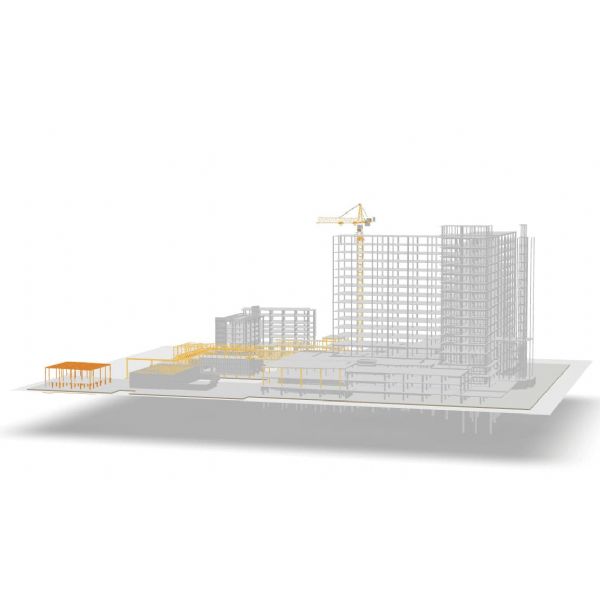
In addition, the warehouse was constructed in phases, allowing certain sections to be completed and occupied while others were still under development. This phased approach reduced initial investment pressure and accelerated tenant onboarding.
The result was a highly adaptable facility capable of supporting tenant turnover, operational changes, and future expansion. This project demonstrates how steel structure systems can effectively support multi tenant warehouse design in real-world industrial environments.
Common Mistakes in Multi Tenant Warehouse Design
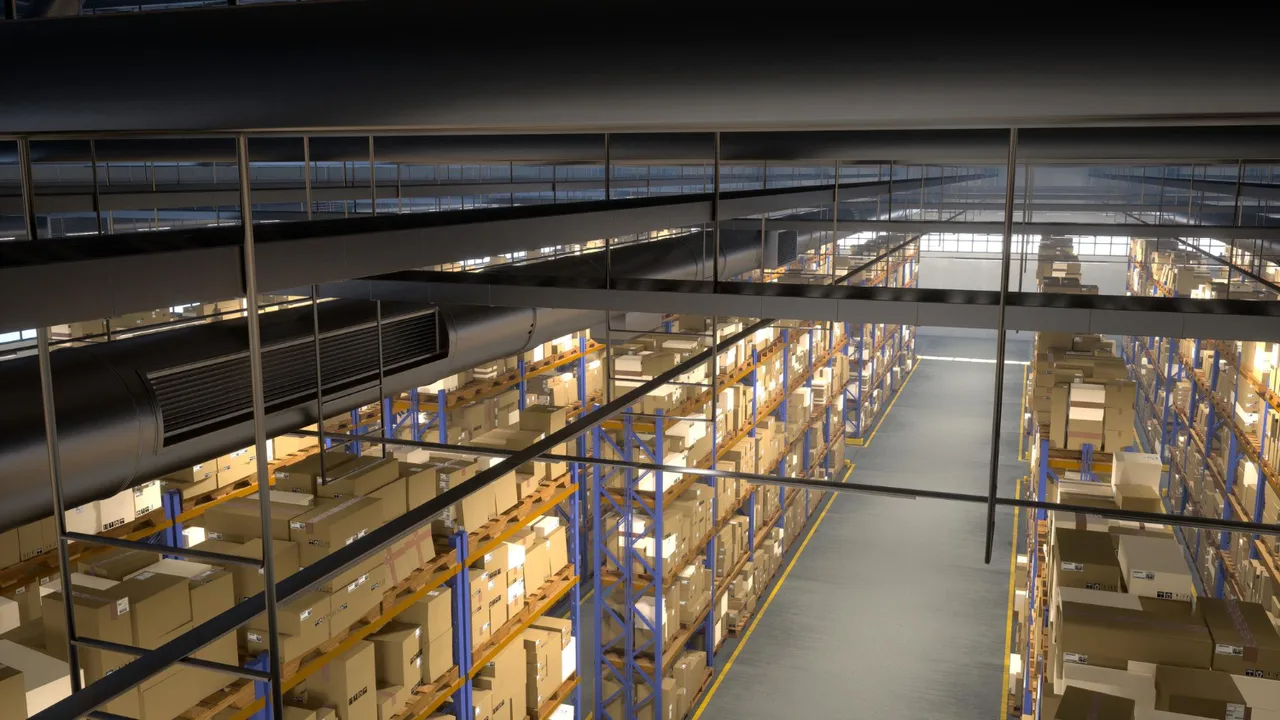
Despite its advantages, multi-tenant warehouse design can encounter several common issues if not properly planned. These mistakes often impact long-term performance and operational efficiency.
One of the most frequent mistakes is overdesigning or underdesigning the structure. Designing the entire warehouse for maximum load conditions may increase costs unnecessarily, while underestimating load variation can lead to safety risks.
Poor circulation planning is another critical issue. Without clear traffic flow design, shared spaces can become congested, reducing efficiency and increasing the risk of accidents.
A lack of flexibility in layout design can also limit the building’s long-term usability. If the structure cannot adapt to changing tenant requirements, it may reduce leasing potential over time.
Ignoring tenant diversity is another common problem. Different tenants may require different operational conditions, and failing to accommodate this variation can create conflicts within the facility.
Finally, weak coordination in logistics and operations can undermine the effectiveness of even well-designed structures. A multi-tenant warehouse must function as a coordinated system, not just a shared building.
Future Trends in Multi-Tenant Steel Warehouses
As industrial and logistics demands continue to evolve, multi-tenant warehouse design is also adapting to new technologies and operational models.
Smart warehouse systems are becoming increasingly important, enabling real-time tracking of inventory, tenant operations, and facility performance. These systems improve efficiency and support better coordination between tenants.
Automation compatibility is another key trend. Warehouses are being designed to support automated storage systems, robotics, and advanced material handling technologies.
Flexible leasing models are also influencing design strategies. Developers are prioritizing adaptable layouts that allow tenants to expand or reduce space without major reconstruction.
Sustainability is gaining importance as well. Energy-efficient design, optimized material usage, and reduced environmental impact are becoming standard considerations in modern warehouse projects.
In addition, digital planning tools such as simulation and digital twin technologies are helping engineers optimize layout, logistics, and structural performance before construction begins.
Conclusion
Managing multi-tenant steel warehouse projects requires a comprehensive approach that integrates structural design, layout planning, engineering systems, and operational strategy.
Multi tenant warehouse design is not simply about dividing space, but about creating a flexible, efficient, and scalable environment that can support multiple users simultaneously.
Steel structure systems provide the ideal foundation for achieving this goal. Their modular nature, structural efficiency, and adaptability make them well suited for multi-tenant industrial applications.
By combining engineering expertise with strategic planning, developers can create warehouse facilities that maximize utilization, support diverse tenant needs, and maintain long-term operational performance.