Remote warehouse construction has become increasingly important as industries expand into areas with limited infrastructure, such as mining regions, rural industrial zones, energy projects, and cross-border logistics hubs. These projects often require the construction of large storage facilities in locations where transportation, workforce availability, and site conditions present significant challenges. As a result, remote warehouse construction demands a different level of planning, engineering coordination, and logistics management compared to conventional projects.
Unlike urban construction environments, remote locations typically lack developed road networks, reliable supply chains, and nearby construction resources. Materials must often be transported over long distances, sometimes involving multiple transportation methods such as trucks, ships, or even temporary access routes. Without proper logistics planning, delays and cost overruns can quickly occur.
In such environments, the construction system must be designed to minimize on-site complexity while maximizing efficiency. This is why steel structures are widely used in remote warehouse construction. Their prefabricated nature allows components to be manufactured in controlled environments and delivered to site in ready-to-install form, reducing dependence on local resources.
Another key factor is project reliability. In remote areas, even small disruptions can have major consequences because replacement materials or additional equipment may take weeks to arrive. Therefore, remote warehouse construction must focus on predictability, standardization, and efficient execution from the earliest stages of the project.
Understanding Remote Warehouse Construction Challenges
Remote warehouse construction involves a range of challenges that are not typically present in standard industrial projects. These challenges affect not only the construction process but also project cost, timeline, and risk management.
Limited Infrastructure and Accessibility
One of the primary challenges is limited infrastructure. Many remote construction sites are located far from major transportation routes, making it difficult to deliver materials and equipment. Roads may be unpaved, narrow, or even nonexistent, requiring temporary infrastructure to be built before construction can begin.
Accessibility issues also affect the movement of heavy equipment such as cranes and lifting machinery. In some cases, equipment must be transported in smaller units and assembled on site, which increases complexity and time requirements.
Long-Distance Material Transportation
In remote warehouse construction, materials are often transported over long distances. This increases transportation cost and introduces risks such as delays, damage, or loss during transit.
Steel components, panels, and mechanical systems must be carefully packaged and scheduled to ensure they arrive in the correct sequence. Poor coordination can lead to materials arriving too early, causing storage problems, or too late, causing construction delays.
Efficient logistics planning is essential to manage these risks and maintain project continuity.
Unstable Supply Chain and Logistics
Supply chains in remote areas are often less reliable than in urban environments. Weather conditions, transportation disruptions, and limited supplier availability can all affect material delivery.
Because of this uncertainty, remote warehouse construction must include contingency planning. Backup suppliers, flexible delivery schedules, and on-site storage strategies are often required to reduce risk.
Strong logistics coordination plays a critical role in ensuring that materials and equipment are available when needed.
Workforce Availability Issues
Another major challenge is the availability of skilled labor. Remote locations may not have access to experienced construction workers, requiring labor to be transported from other regions.
This increases project cost and requires additional planning for accommodation, safety, and workforce management. It also makes it important to simplify construction processes as much as possible.
Prefabricated systems help reduce reliance on skilled on-site labor, making them ideal for remote warehouse construction.
Environmental and Climate Constraints
Remote construction sites often face harsh environmental conditions such as extreme temperatures, strong winds, heavy rainfall, or uneven terrain. These factors can affect both construction methods and material performance.
For example, steel components may require additional protection against corrosion, and foundation design may need to account for unstable soil conditions.
Understanding environmental constraints is essential for designing a warehouse that can be built efficiently and perform reliably over time.
Why Remote Warehouse Construction Requires Specialized Planning
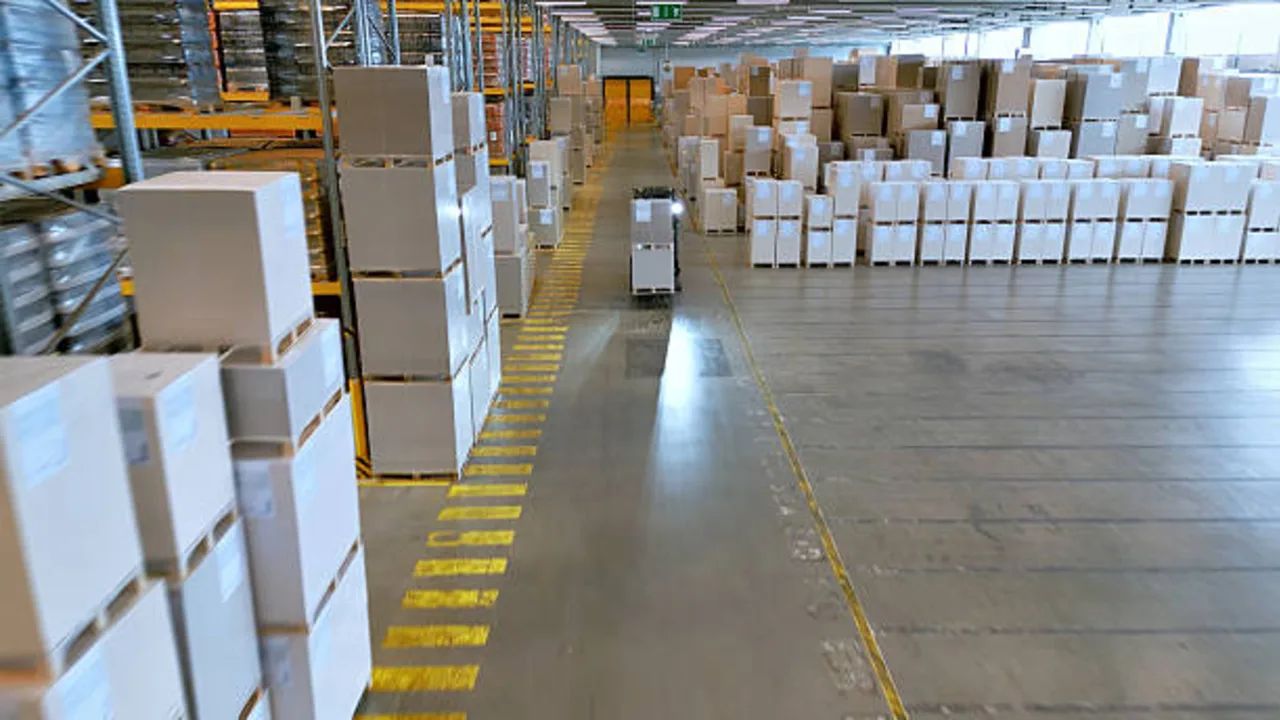
Because of these challenges, remote warehouse construction cannot rely on standard construction methods. Instead, it requires specialized planning that integrates engineering design, logistics, and construction strategy.
Higher Risk in Logistics Operations
Logistics risks are significantly higher in remote projects. Any delay in material delivery can directly impact the construction schedule, as alternative supply options may not be available.
This makes it essential to plan transportation routes, delivery timing, and storage strategies in detail.
Increased Project Cost Sensitivity
Transportation costs, labor costs, and equipment mobilization costs are typically higher in remote areas. As a result, inefficiencies in planning can quickly increase the total project budget.
Optimizing material usage, reducing waste, and minimizing rework are critical in remote warehouse construction.
Dependency on Transport Routes
In remote locations, the entire project may depend on a limited number of transport routes. If these routes are disrupted due to weather or other factors, construction may stop completely.
Reliable logistics planning must consider alternative routes and backup strategies.
Need for Reliable Construction Systems
Because access to resources is limited, construction systems must be highly reliable. Components should fit accurately, require minimal adjustment, and be easy to install.
Standardized steel structure systems are particularly effective in this context, as they reduce uncertainty and improve construction efficiency.
Importance of Pre-Construction Planning
Pre-construction planning is more critical in remote projects than in urban ones. Engineers must anticipate potential challenges and develop solutions before construction begins.
This includes logistics planning, structural design optimization, and construction sequencing. A well-prepared plan reduces risk and ensures smoother execution.
Engineering Strategies for Remote Warehouse Construction
Successful remote warehouse construction depends heavily on engineering strategies that reduce complexity, improve efficiency, and adapt to challenging site conditions. Because remote locations often lack infrastructure and resources, engineering design must focus on simplicity, modularity, and reliability.
By integrating engineering and logistics from the early stages, projects can minimize risks and improve construction performance.
Modular Design and Prefabrication
Modular design is one of the most effective strategies for remote warehouse construction. Structural components are prefabricated in factories and delivered to site in ready-to-install form. This reduces the need for complex on-site fabrication and minimizes labor requirements.
Prefabrication also improves quality control, as components are manufactured under controlled conditions before delivery.
Transport-Oriented Structural Design
In remote projects, structural design must consider transportation limitations. Components should be sized and shaped to fit available transport methods such as trucks or containers.
Designing structures for efficient transport reduces logistical challenges and helps ensure that materials arrive safely at the site.
Lightweight but High-Strength Materials
Using lightweight yet strong materials is critical in remote warehouse construction. Lighter components are easier to transport and require less heavy lifting equipment on site.
Steel structures provide an excellent strength-to-weight ratio, making them ideal for projects in difficult locations.
Foundation Adaptation to Remote Terrain
Remote construction sites often have uneven or unstable ground conditions. Foundation systems must be designed to adapt to these conditions while maintaining structural stability.
This may include using shallow foundations, pile systems, or reinforced base structures depending on the soil characteristics.
Flexible Construction Sequencing
Construction sequencing must be flexible to accommodate delays in material delivery or unexpected site conditions. By planning multiple installation paths, construction teams can continue work even if certain materials are delayed.
This flexibility is essential in remote warehouse construction projects where logistics disruptions are common.
Logistics Planning for Remote Steel Warehouse Projects
Logistics is one of the most critical aspects of remote warehouse construction. Without efficient logistics planning, even well-designed projects may face delays, cost increases, and operational difficulties.
Effective logistics planning ensures that materials, equipment, and labor reach the site at the right time and in the correct sequence.
Transport Route Planning and Risk Control
Transport routes must be carefully analyzed before construction begins. This includes evaluating road conditions, bridge capacity, terrain, and potential risks such as weather disruptions.
In some cases, temporary roads or access paths may need to be constructed to support material delivery.
Risk control measures should also be implemented to handle unexpected disruptions in logistics.
Multi-Stage Delivery Systems
Remote warehouse construction often requires multi-stage delivery systems. Materials may be transported from factories to ports, then shipped to regional hubs, and finally delivered to the construction site.
Each stage must be coordinated to ensure that materials arrive in the correct order and without damage.
Temporary Storage in Remote Areas
Temporary storage is often required because materials may arrive before installation can begin. Storage areas must be planned to protect materials from weather and ensure easy access during construction.
Proper storage planning helps maintain workflow efficiency and reduces material handling.
Equipment and Crane Accessibility
Heavy equipment such as cranes plays a crucial role in steel warehouse construction. However, in remote areas, access for large equipment may be limited.
In many cases, equipment must be transported in smaller sections and assembled on site. Planning for equipment accessibility is essential to avoid delays.
Weather and Timing Coordination
Weather conditions can significantly affect logistics in remote areas. Heavy rain, snow, or strong winds may disrupt transportation and construction activities.
Coordinating delivery schedules with weather conditions helps reduce risk and improve project reliability.
Construction Methods for Remote Locations
Remote warehouse construction requires specialized construction methods that reduce reliance on local resources and simplify installation processes.
Pre-Assembled Component Installation
Using pre-assembled components allows faster installation and reduces on-site work. This is particularly important in remote locations where skilled labor may be limited.
On-Site Assembly Optimization
On-site assembly processes should be simplified as much as possible. Components should be designed for easy connection, reducing installation time and error risk.
Reduced Equipment Dependency
Construction methods should minimize dependence on heavy equipment. Lighter components and simplified connections reduce the need for large cranes or specialized machinery.
Phased Construction Approach
Phased construction allows part of the structure to be completed while other parts are still under construction. This approach improves efficiency and allows better use of available resources.
Local Resource Utilization
Whenever possible, local materials and labor should be used to reduce transportation costs and simplify logistics.
Planning Remote Projects with china steel structure warehouse Solutions
In remote warehouse construction, integrated solutions that combine engineering design, fabrication, and logistics are essential. A china steel structure warehouse approach focuses on delivering complete systems that are optimized for transportation, installation, and long-term performance.
By coordinating design and logistics, these systems reduce risk and improve efficiency in remote environments.
Optimized Fabrication and Shipping Strategy
Fabrication and shipping must be carefully coordinated to ensure that materials arrive in the correct sequence and condition.
Integrated Design and Logistics Coordination
Design teams and logistics teams must work together to ensure that structural systems are compatible with transport and installation requirements.
Export-Oriented Structural Standards
Structures must meet international standards to ensure compatibility with global projects and transportation systems.
Installation Efficiency in Overseas Projects
Simplified installation methods are essential for projects located far from major construction hubs.
Risk Mitigation Through Engineering Systems
Standardized engineering systems help reduce uncertainty and improve reliability in remote warehouse construction.
Real Project Example: Steel Warehouse in Remote Industrial Zone
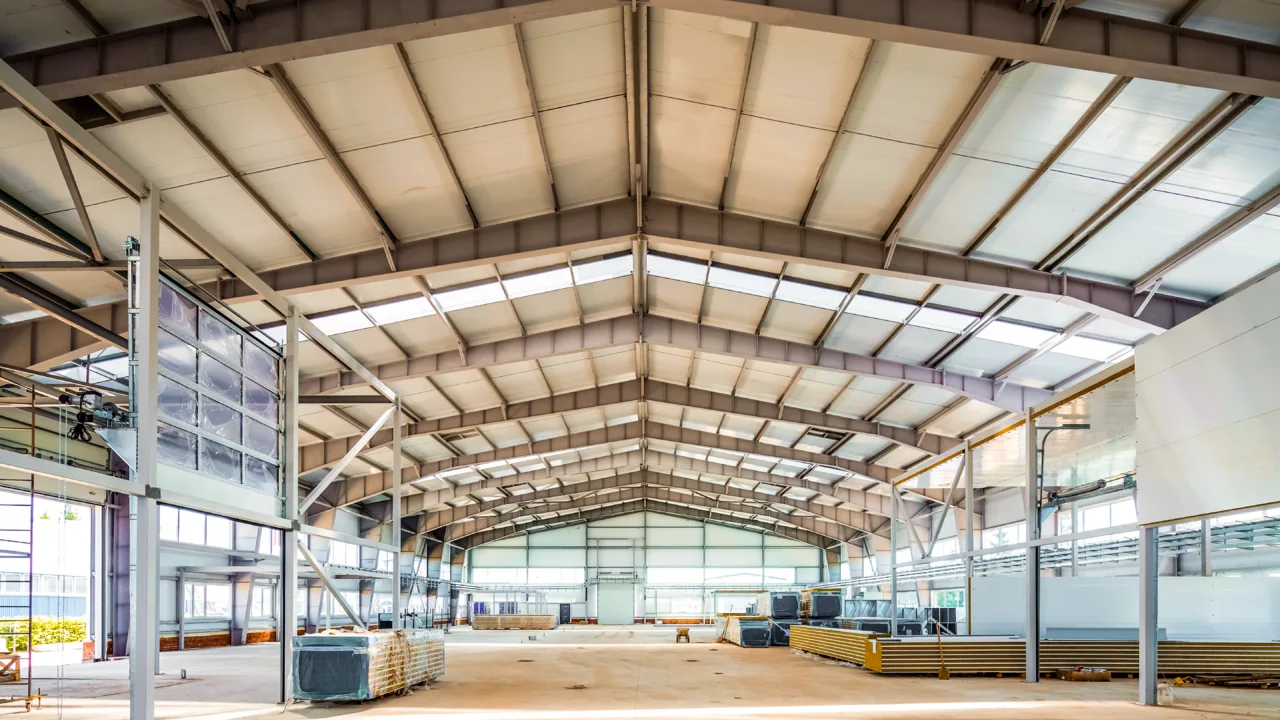
In one of XTD Steel Structure’s overseas projects, a steel warehouse was constructed in a remote industrial zone where infrastructure was limited and transportation routes were challenging. The project required careful coordination between design, fabrication, and logistics to ensure successful delivery and installation.
Because of the remote location, all structural components were prefabricated in advance and shipped in multiple stages. The project team implemented a detailed logistics plan, including route assessment, delivery scheduling, and temporary storage arrangements.
The construction process followed a phased approach, allowing installation to begin in one area while materials for the next phase were still being transported. This helped maintain progress despite logistical challenges.
Steel components were designed to be lightweight yet strong, making them easier to transport and install using limited equipment. Temporary storage zones were also established to protect materials and ensure efficient workflow.
This project demonstrates how proper planning and engineering can overcome the challenges of remote warehouse construction while maintaining efficiency and safety.
Future Trends in Remote Warehouse Construction
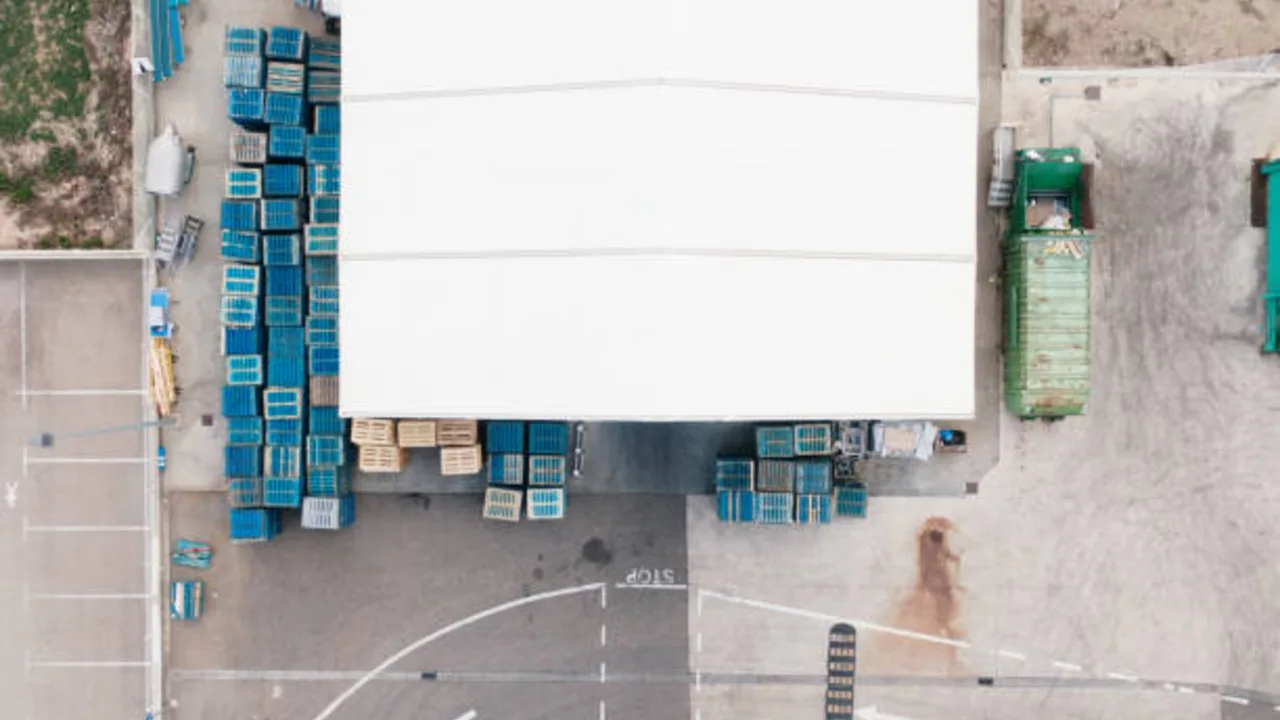
As industries continue to expand into remote areas, construction methods and technologies are evolving to meet new challenges. Future trends focus on improving efficiency, reducing risk, and enhancing logistics performance.
Digital Logistics Planning
Digital tools and simulation software are increasingly used to plan logistics and construction processes. These tools allow engineers to visualize transport routes, material flow, and site operations before construction begins.
Advanced Prefabrication Systems
Prefabrication technologies are becoming more advanced, allowing larger and more complex components to be manufactured off-site. This reduces on-site work and improves construction speed.
Smart Construction Monitoring
Sensors and monitoring systems can track material location, equipment usage, and structural performance in real time. This improves control and reduces risk in remote projects.
Sustainable Remote Construction
Sustainability is becoming an important consideration in remote construction. Efficient material usage, reduced transportation impact, and energy-efficient design are key trends.
Improved Safety and Risk Management
Safety standards are becoming stricter, especially in remote environments where emergency response may be limited. Better planning and monitoring help reduce accidents.
Conclusion
Remote warehouse construction presents unique challenges that require careful planning, advanced engineering, and strong logistics coordination. Without proper preparation, projects may face delays, increased costs, and safety risks.
By using prefabricated steel structures, modular design strategies, and efficient logistics planning, construction teams can overcome these challenges and deliver high-quality warehouse facilities even in the most difficult locations.
As technology continues to evolve, remote warehouse construction will become more efficient, reliable, and sustainable, supporting industrial development in previously inaccessible areas.