Many industrial facilities built decades ago were designed for production methods and storage requirements that no longer match modern logistics and manufacturing needs. As industries evolve, companies often need to upgrade existing buildings instead of constructing new ones. In these situations, steel warehouse retrofit becomes an effective solution that allows owners to improve performance, increase capacity, and extend the service life of existing structures without the cost of full reconstruction.
Old steel warehouses were typically designed with simpler structural layouts, lower load requirements, and limited insulation systems. Modern operations, however, may require heavier equipment, automated storage, higher roof loads, improved waterproofing, and stricter safety standards. Without modification, older buildings may suffer from structural stress, energy loss, or operational inefficiency. A well-planned steel warehouse retrofit allows the building to support new functions while maintaining structural safety.
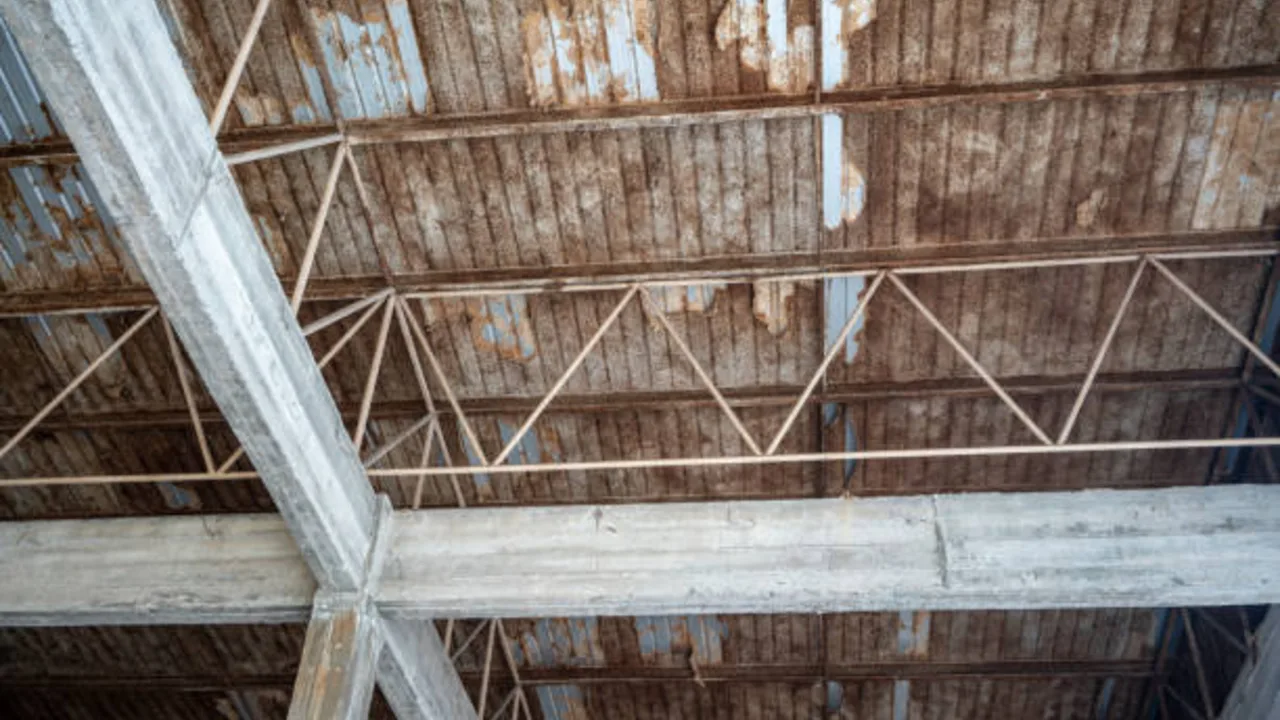
One of the most common problems found in old warehouses is leakage. Over time, roofing materials deteriorate, drainage systems become blocked, and waterproof layers lose effectiveness. Even small leakage issues can lead to corrosion, insulation damage, and costly maintenance if not corrected early. During retrofit projects, engineers must carefully inspect the roof, connections, and structural members to ensure that the upgraded warehouse can operate safely under modern conditions.
In many industrial projects, retrofitting is preferred because it reduces downtime and minimizes investment compared with building a new facility. By strengthening existing steel frames, replacing roof panels, and improving waterproof systems, old warehouses can be transformed into modern, high-efficiency buildings. Proper planning of steel warehouse retrofit not only solves existing problems but also prepares the building for future operational changes.
Why Old Steel Warehouses Need Retrofitting
Industrial warehouses are long-life structures, but their original design may not match current operational requirements. Changes in equipment, storage systems, and safety regulations often make retrofit necessary. Instead of demolishing the building, upgrading the existing structure allows companies to save time and cost while maintaining the original investment.
In most cases, steel warehouse retrofit is required because the building must support heavier loads, better environmental control, and more complex logistics systems. Without modification, old warehouses may become inefficient or unsafe.
Change of Operational Requirements
Modern warehouse operations are very different from those used decades ago. Today’s facilities often include automated storage systems, conveyor lines, robotic handling equipment, and high-density shelving. These systems may impose higher loads on floors, columns, and roof structures.
Old warehouses were usually designed for lighter storage and manual handling. When operations change, the existing structure may not be strong enough to support new equipment. A steel warehouse retrofit allows engineers to reinforce the building so it can meet modern operational demands.
Aging Structure Problems
Over time, structural members may experience wear, corrosion, or fatigue. Although steel structures are durable, long-term exposure to moisture, temperature changes, and heavy use can reduce performance.
In older buildings, bolts may loosen, welds may crack, and protective coatings may deteriorate. These issues do not always cause immediate failure, but they reduce safety margins. During steel warehouse retrofit, engineers evaluate the entire structure and repair or replace damaged components to restore strength.
Leakage and Roof Deterioration
Roof systems are one of the most vulnerable parts of old warehouses. Many buildings use metal panels and waterproof membranes that degrade after years of exposure to sunlight, rain, and temperature variation. When the waterproof layer fails, leakage begins.
Leakage can damage insulation, corrode steel members, and create unsafe working conditions. In severe cases, water accumulation may even increase structural load on the roof. For this reason, leakage repair is often a major part of any steel warehouse retrofit project.
Load Increase from New Equipment
Modern warehouses may require cranes, automated racks, heavy storage systems, or additional mechanical equipment. These upgrades increase the load applied to the structure.
If the original building was not designed for these loads, reinforcement becomes necessary. Engineers must calculate the new load conditions and strengthen beams, columns, or foundations accordingly. Steel warehouse retrofit allows the building to support new equipment without replacing the entire structure.
Safety Code Updates
Building regulations and safety standards change over time. Older warehouses may not meet current requirements for fire protection, wind resistance, seismic performance, or worker safety.
Retrofit projects often include upgrading fire systems, improving structural stability, and installing new safety equipment. Updating the building through steel warehouse retrofit ensures compliance with modern codes while extending the life of the facility.
Common Problems Found in Old Steel Warehouses
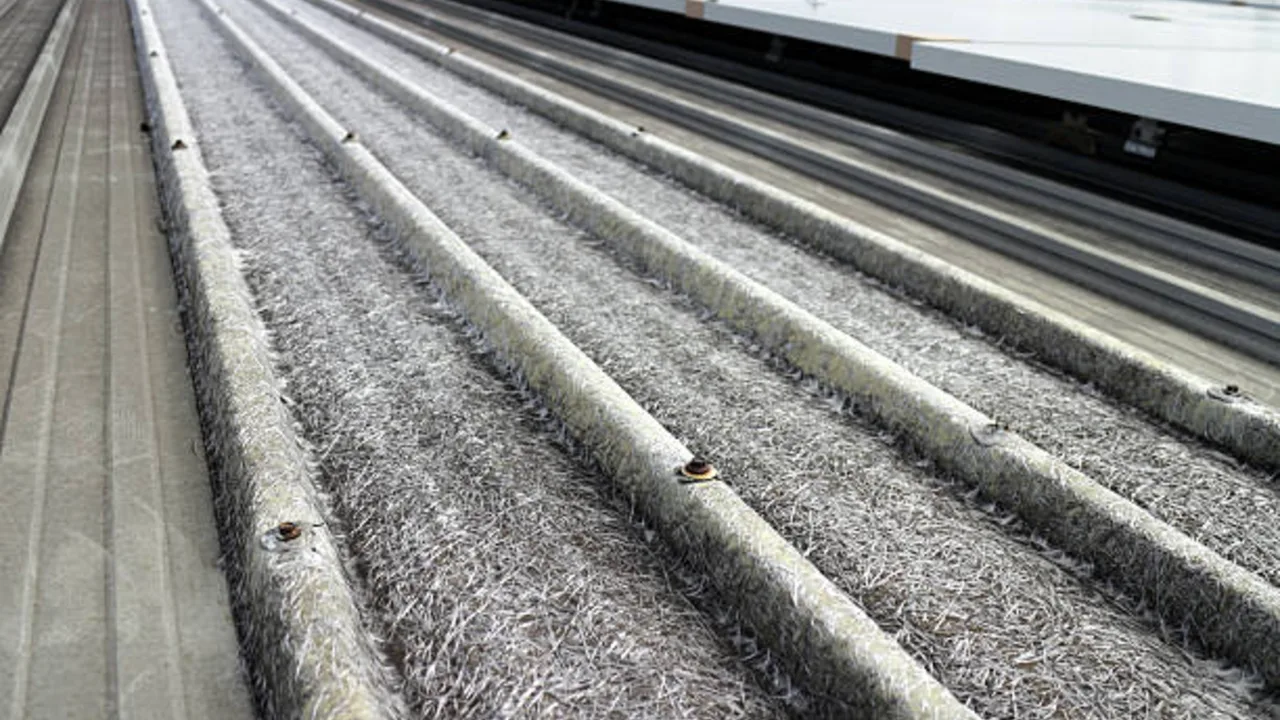
Before starting any retrofit project, engineers must identify the typical problems that exist in aging warehouse structures. These problems often develop gradually and may not be obvious until inspection is performed. Understanding these issues helps determine the correct retrofit strategy.
Roof Leakage and Waterproof Failure
Leakage is one of the most common problems in old steel warehouses. Roof panels may loosen, sealants may crack, and waterproof layers may deteriorate. When water enters the building, it can damage stored goods, insulation, and structural members.
Repeated leakage also accelerates corrosion and reduces the durability of the building. Repairing roof leakage is usually one of the first steps in a steel warehouse retrofit project.
Corrosion of Steel Members
Steel structures are protected by paint or coating, but over time this protection may fail. Moisture, chemicals, or poor ventilation can cause corrosion on beams, columns, and connections.
Corrosion reduces the cross-section of steel members and weakens the structure. During retrofit work, damaged areas must be cleaned, repaired, or reinforced to restore strength.
Insufficient Structural Capacity
Old warehouses may not have enough structural capacity for modern use. Increased storage height, heavier goods, or new equipment may exceed the original design load.
Engineers must evaluate the load-bearing capacity of the frame and determine whether reinforcement is required. Steel warehouse retrofit often includes adding plates, braces, or additional members to increase strength.
Foundation Settlement
Long-term use can cause foundation settlement, especially in large warehouses built on soft soil. Uneven settlement may lead to misalignment of columns and roof beams.
During retrofit projects, foundation condition must be checked carefully. In some cases, strengthening or repair of the foundation is necessary to ensure stability.
Poor Insulation and Ventilation
Older warehouses often have limited insulation and ventilation systems. This can cause temperature problems, condensation, and energy loss.
During steel warehouse retrofit, insulation panels, ventilation systems, and roof sealing are often upgraded to improve performance and reduce operating cost.
Structural Evaluation Before Steel Warehouse Retrofit
Before any retrofit work begins, a complete structural evaluation must be performed. Old warehouses may appear stable, but hidden damage or insufficient capacity can create serious risks when new loads are introduced. A proper inspection allows engineers to understand the real condition of the building and determine the safest retrofit solution.
A professional steel warehouse retrofit always starts with structural analysis, load verification, and condition assessment. This ensures that all modifications will be compatible with the existing building.
Inspection of Steel Frame
The steel frame is the main load-bearing system of the warehouse. Engineers must inspect beams, columns, bracing, and connections to check for corrosion, deformation, cracks, or loose bolts.
Even small defects can become dangerous when the building is upgraded for heavier loads. During steel warehouse retrofit, damaged members may need repair, reinforcement, or replacement.
Roof System Check
The roof system must be inspected carefully because it is often the source of leakage and structural problems. Engineers check roof panels, purlins, drainage systems, and waterproof layers.
Old roofing materials may have lost strength or sealing ability. If leakage has occurred for a long time, the underlying steel members may also be damaged. In many retrofit projects, replacing the roof system is necessary to ensure safety.
Connection Strength Verification
Steel structures rely on bolted and welded connections to transfer loads. Over time, vibration, corrosion, or improper maintenance may weaken these connections.
During steel warehouse retrofit, engineers verify the strength of joints and ensure that they can resist new load conditions. Reinforcement plates, additional bolts, or new welds may be required.
Load Calculation for New Operation
When the warehouse will be used for new operations, engineers must calculate the new loads. These may include heavier storage racks, crane systems, mechanical equipment, or additional floors.
The existing structure must be checked against these new loads. If the original design capacity is insufficient, strengthening measures must be added. Accurate load calculation is one of the most important steps in steel warehouse retrofit.
Foundation Condition Analysis
The foundation supports the entire building, so its condition must be verified before retrofit work. Engineers check for settlement, cracks, or uneven movement.
If the foundation cannot support new loads, strengthening or repair may be required. In some cases, new foundations are added for extensions or new equipment. Foundation analysis ensures that the upgraded warehouse will remain stable.
Steel Warehouse Retrofit Methods
After inspection is completed, engineers select the appropriate retrofit methods. Different buildings require different solutions depending on their condition and the new operational requirements. A successful steel warehouse retrofit improves performance without compromising safety.
Reinforcing Columns and Beams
One of the most common retrofit methods is strengthening existing structural members. Steel plates, additional beams, or bracing systems may be added to increase load capacity.
Reinforcement allows the building to support heavier equipment or higher storage loads without replacing the entire frame.
Replacing Roof Panels
Old roof panels often become the main source of leakage. Replacing the roof with new panels improves waterproofing, insulation, and durability.
Modern roofing systems also provide better drainage and energy efficiency. Roof replacement is often the most effective way to eliminate leakage during steel warehouse retrofit.
Waterproof and Leakage Repair
Waterproof repair is a critical part of most retrofit projects. Engineers must identify all leakage points and repair seals, joints, and drainage systems.
Additional waterproof layers or improved flashing details may be installed. Proper leakage repair prevents corrosion and protects stored goods.
Adding New Bays or Extensions
Sometimes the existing warehouse must be expanded. New structural bays can be added to increase floor area without demolishing the original building.
Steel structures are well suited for extension because new frames can be connected to the existing structure. During steel warehouse retrofit, engineers ensure that the old and new parts work together safely.
Upgrading Crane Systems
Many modern warehouses require overhead cranes or lifting equipment. If the original building was not designed for crane loads, reinforcement is required.
Runway beams, columns, and bracing must be strengthened to support crane operation. Proper design ensures that the upgraded warehouse can operate safely under new conditions.
Roof Repair and Leakage Control in Old Warehouses
Roof problems are one of the main reasons for retrofit. Leakage can cause structural damage, product loss, and unsafe working conditions. For this reason, roof repair is often the first priority in steel warehouse retrofit.
Causes of Leakage in Steel Warehouses
Leakage usually occurs because of aging materials, damaged sealants, or poor drainage. Over time, expansion and contraction can open small gaps in the roof.
Wind and rain may force water through these gaps, especially in large-span buildings. Once leakage begins, the problem may spread quickly.
Roof Panel Aging
Metal panels lose strength after long exposure to sunlight and weather. Coatings may peel, and fasteners may loosen.
Old panels may also deform under load, allowing water to collect. Replacing aged panels is often necessary during steel warehouse retrofit.
Drainage Problems
Blocked gutters or insufficient slope can cause water to remain on the roof. Standing water increases load and makes leakage worse.
Improving drainage capacity and slope design helps prevent water accumulation.
Waterproof Layer Failure
Waterproof membranes may crack or separate from the roof surface. When this happens, water can enter the structure.
New waterproof systems are often installed during retrofit to provide long-term protection.
Maintenance Strategy
Even after retrofit, regular maintenance is required. Inspection of roof panels, sealants, and drainage systems helps detect leakage early. A good maintenance plan keeps the warehouse in safe condition for many years.
Retrofitting for Modern Warehouse Operations
Modern warehouses must support advanced logistics systems, heavy equipment, and higher storage density than older facilities. When operations change, the existing building may require modification to meet new functional requirements. A well-planned steel warehouse retrofit allows the structure to adapt without full reconstruction.
Automation Requirements
Automated storage and retrieval systems, conveyor lines, and robotic handling equipment are common in modern warehouses. These systems impose higher loads on floors and structural frames.
During steel warehouse retrofit, engineers must verify that beams, columns, and foundations can support these new loads. Reinforcement or additional structural members may be required.
Heavy Equipment Load
Modern operations often include forklifts, cranes, or heavy machinery. These loads may exceed the original design capacity of old warehouses.
Structural strengthening ensures that the building remains safe under new working conditions.
New Storage Systems
High-bay racks and dense storage systems increase vertical load on the structure. Roof beams and columns must be checked to ensure they can carry the additional weight.
Retrofit allows the warehouse to support modern storage without replacing the entire building.
Fire Safety Upgrade
Older warehouses may not meet current fire safety standards. Retrofit projects often include installation of fire protection systems, smoke vents, and improved emergency exits.
Upgrading safety systems is an important part of steel warehouse retrofit.
Energy Efficiency Improvement
New insulation panels, better roof sealing, and modern ventilation systems can reduce energy loss.
Improved insulation also helps prevent condensation and leakage problems inside the warehouse.
Retrofitting in Modern warehouse steel structure Projects
Steel buildings are well suited for retrofit because their modular design allows modification without major demolition. In modern warehouse steel structure projects, reinforcement, extension, and roof replacement can be completed quickly.
Steel warehouse retrofit is often more economical than rebuilding, especially when the existing structure is still in good condition.
Advantages of Steel Structures for Retrofit
Steel frames are flexible and can be strengthened by adding plates, braces, or additional members. This makes retrofit easier compared with concrete buildings.
Because steel components are prefabricated, installation time is shorter and construction disturbance is reduced.
Modular Modification
Most steel warehouses use regular column spacing, which makes it easier to add new bays or change the layout.
During steel warehouse retrofit, engineers can modify only the required area instead of rebuilding the whole structure.
Fast Installation
Retrofit work must often be completed while the warehouse is still in use. Steel components can be installed quickly, reducing downtime.
Fast installation is one of the main advantages of steel warehouse retrofit.
Flexible Expansion
If more space is needed, new structural frames can be added to the existing building.
Proper design ensures that the old and new structures work together safely.
Cost Compared with Rebuilding
In many cases, retrofit costs much less than constructing a new warehouse.
By repairing leakage, reinforcing the frame, and upgrading the roof, the building can operate for many more years.
Project Example: Steel Warehouse Retrofit Case
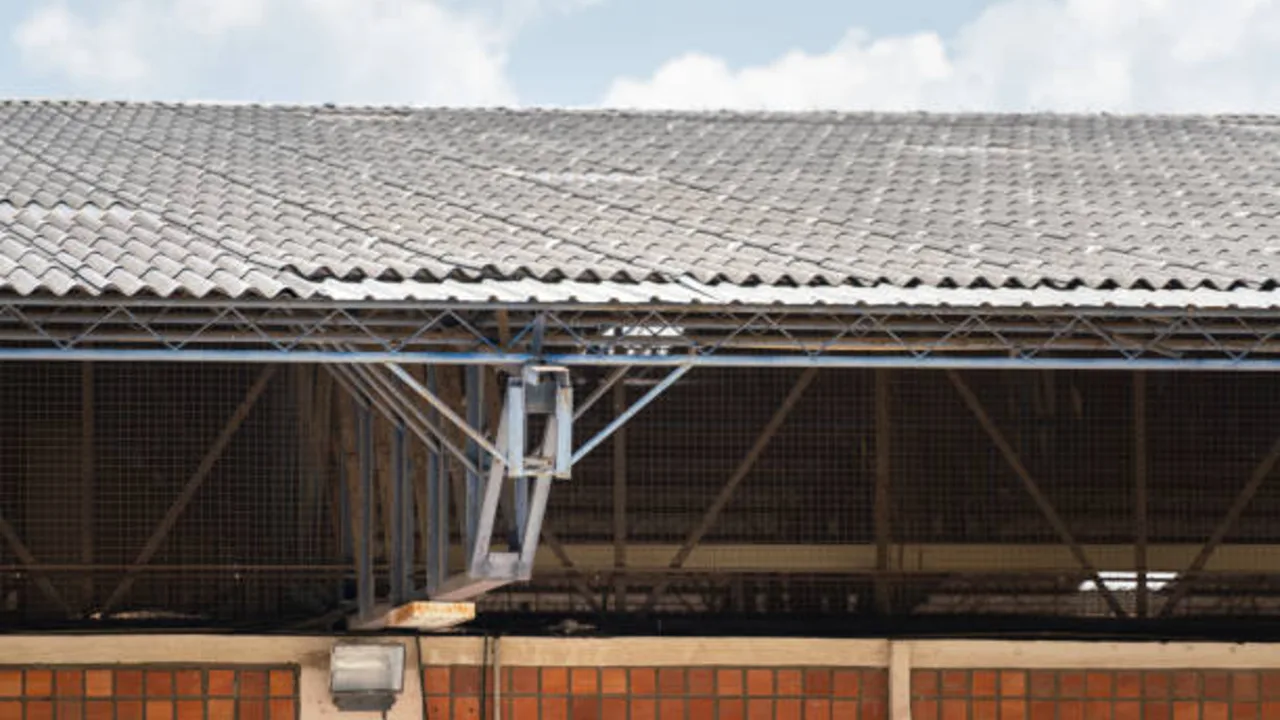
A real industrial project shows how steel warehouse retrofit can extend the life of an old facility. In one warehouse upgrade project, the original building had roof leakage, corrosion on several members, and insufficient capacity for new storage equipment.
Engineers first inspected the entire structure, including the roof, columns, and connections. Several areas affected by leakage were repaired, and new roof panels were installed to improve waterproof performance.
Additional steel plates were added to reinforce beams and columns so the warehouse could support heavier storage loads. Drainage systems were also upgraded to prevent future leakage.
Because the building was a steel warehouse structure, retrofit work could be completed without demolishing the original frame. The upgraded warehouse now supports modern operations while maintaining structural safety.
This project demonstrates that steel warehouse retrofit is an efficient solution for upgrading old industrial buildings.
Conclusion
Old warehouses can often be upgraded instead of replaced. With proper inspection, reinforcement, and roof repair, an existing building can support modern operations safely. Steel warehouse retrofit allows owners to solve problems such as leakage, corrosion, and insufficient load capacity while saving time and cost.
Because steel buildings are flexible and modular, retrofit work can be completed efficiently without stopping operations for long periods. For industrial facilities that need modernization, steel warehouse retrofit is one of the most practical and economical solutions.