Temporary storage planning is one of the most important but often underestimated aspects of industrial construction projects. During warehouse construction, large quantities of materials, structural components, equipment, and installation tools must be delivered to the site before the building is fully completed. Without proper warehouse construction storage planning, materials can be damaged, installation work may be delayed, and site safety risks can increase significantly.
Modern warehouse projects often involve prefabricated steel components, roofing systems, wall panels, mechanical equipment, and logistics infrastructure that arrive at different stages of construction. Because these materials cannot always be installed immediately, temporary storage areas must be carefully planned to ensure that the construction process continues smoothly. Effective warehouse construction storage planning allows contractors to maintain workflow efficiency while protecting materials and keeping the site organized.
In large industrial projects, storage planning is closely connected to overall site logistics. Construction equipment, delivery trucks, cranes, and installation teams must all share the same working area. If storage zones are not properly defined, material movement can interfere with construction activities, leading to delays, safety hazards, and additional cost. For this reason, warehouse construction storage should always be included as part of the early engineering and site planning process.
Proper storage planning is especially critical in large warehouse projects built with steel structures. These buildings often use prefabricated components that are manufactured off-site and delivered according to the installation schedule. If delivery timing and storage capacity are not coordinated, materials may arrive too early or too late, disrupting the construction sequence. Careful warehouse construction storage planning ensures that materials are available when needed without overcrowding the site.
Well-organized storage areas also help protect materials from weather exposure, accidental damage, and misplacement. Structural steel, insulation panels, and mechanical systems can be expensive, and replacing damaged components can significantly affect the project schedule. By planning temporary storage zones in advance, engineers and contractors can reduce risk and keep the project on track.
Why Temporary Storage Is Critical During Warehouse Construction
Temporary storage is required on almost every construction site, but it becomes especially important in large warehouse projects where the building itself is designed to store goods after completion. During construction, the warehouse space is not yet available, so materials must be stored outside or in temporary areas. Without proper planning, this situation can create serious site logistics problems.
Warehouse construction storage planning ensures that materials are delivered in the correct order, stored safely, and easily accessible for installation. It also allows construction teams to separate working zones from storage zones, which improves safety and efficiency.
Continuous Material Flow Requirements
Large warehouse construction projects require a continuous flow of materials. Structural steel members, roof panels, wall systems, floor materials, and mechanical equipment are usually delivered in multiple shipments. Each delivery must be stored temporarily before installation.
If the storage area is not prepared, materials may be placed randomly on the site. This makes it difficult to locate components when needed and may require additional handling, which wastes time and increases the risk of damage.
Proper warehouse construction storage planning ensures that every material has a designated location, making installation faster and more organized.
Limited Space on Construction Sites
Construction sites often have limited available space, especially in industrial areas where land is already occupied by existing buildings, roads, or utilities. In many warehouse projects, the building footprint itself occupies most of the site, leaving only small areas for temporary storage.
Because of this limitation, storage planning must consider how materials will be arranged without blocking access roads, crane paths, or installation zones. Poor planning can cause congestion, making it difficult for workers and equipment to move safely.
Careful warehouse construction storage layout helps maximize available space while maintaining efficient site logistics.
Risk of Material Damage Without Proper Storage
Many construction materials are sensitive to weather and handling conditions. Steel components can corrode if exposed to moisture for long periods. Insulation panels may be damaged by rain or improper stacking. Mechanical equipment may require protection from dust and impact.
If materials are stored without protection, the risk of damage increases. Damaged components may need to be repaired or replaced, which can delay the project and increase cost.
Temporary storage areas should therefore include protective measures such as covers, raised platforms, and organized stacking systems. Good warehouse construction storage planning reduces the risk of loss and ensures that materials remain in good condition until installation.
Impact on Construction Schedule
Construction schedules depend on the correct sequence of material delivery and installation. If materials arrive too early, the site may not have enough storage space. If they arrive too late, installation work may stop.
Temporary storage planning helps balance delivery timing and installation progress. By coordinating suppliers, contractors, and site managers, materials can be delivered at the right time and stored safely until needed.
In large industrial projects, even small delays can affect the entire schedule. Efficient warehouse construction storage planning helps maintain steady progress and prevents unnecessary interruptions.
Connection Between Storage Planning and Site Logistics
Storage planning cannot be separated from overall site logistics. Trucks must be able to enter and leave the site safely, cranes must have enough space to operate, and workers must have clear paths for movement.
If storage areas are placed in the wrong location, they may block access roads or interfere with installation work. This can create safety hazards and reduce productivity.
Good warehouse construction storage planning considers the entire site layout, including traffic flow, lifting operations, and safety zones. By integrating storage planning with site logistics, engineers can create a construction environment that is safe, efficient, and well organized.
Common Storage Problems During Warehouse Construction
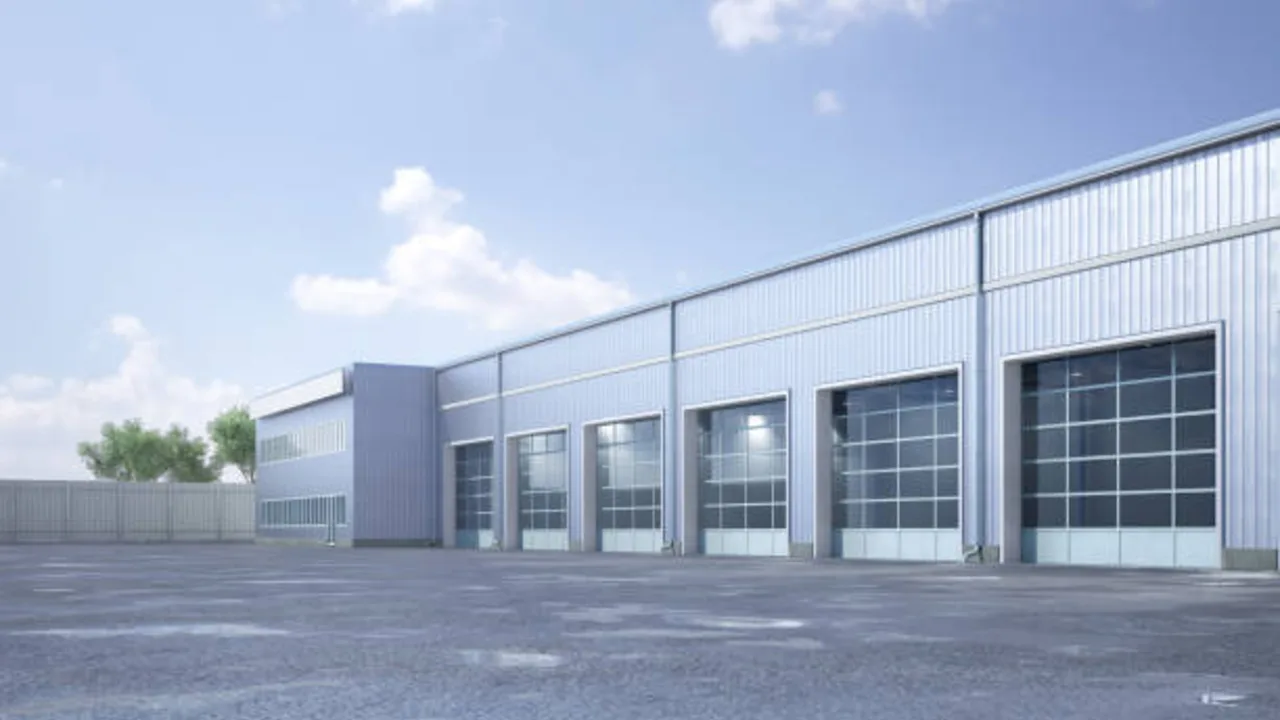
Temporary storage problems are common in warehouse construction projects, especially when planning is done too late. Without a clear storage strategy, materials may be placed wherever space is available, leading to confusion, damage, and delays.
Understanding these common problems helps engineers and contractors avoid them in future projects.
Materials Arriving Before Building Completion
One of the most common problems is materials arriving before the building is ready. Prefabricated steel structures, roof panels, and equipment may be delivered according to factory schedules, but the construction site may not yet have enough space to store them.
When this happens, materials may be placed outside without protection or stacked in unsafe locations. This increases the risk of damage and makes installation more difficult.
Proper warehouse construction storage planning includes coordination between manufacturing, delivery, and installation schedules.
Unorganized Site Logistics
Without a storage plan, materials, vehicles, and workers may compete for the same space. Delivery trucks may block access roads, cranes may not have enough working area, and installation teams may need to move materials multiple times.
Unorganized site logistics reduces efficiency and increases the chance of accidents. Clear storage zones and traffic routes help keep the construction site under control.
Weather Exposure Risks
Warehouse construction projects often take place over several months, and materials may be exposed to rain, wind, or sunlight during that time. Without proper protection, steel components may rust, insulation may become wet, and equipment may be damaged.
Temporary storage areas should include weather protection such as covers, containers, or temporary shelters. Protecting materials is an essential part of warehouse construction storage planning.
Equipment and Material Conflict
Construction equipment such as cranes, forklifts, and trucks need space to operate. If storage areas are placed too close to working zones, equipment movement may become difficult.
Conflicts between storage and construction activities can slow down the project and increase safety risk. Proper storage planning ensures that materials are placed where they do not interfere with installation work.
Restricted Access Routes
Access routes must remain clear for delivery vehicles and emergency use. If materials are stored near entrances or roads, trucks may not be able to enter the site safely.
Blocked access routes can cause delays and create dangerous situations. Good warehouse construction storage planning always keeps main routes open and clearly marked.
Engineering Principles for Warehouse Construction Storage Planning
Effective warehouse construction storage planning must follow clear engineering principles. Temporary storage areas should not be placed randomly but must be designed as part of the overall construction layout. Engineers must consider material flow, installation sequence, safety requirements, and site logistics when planning storage zones.
In large industrial projects, temporary storage planning begins during the design stage. By analyzing the construction sequence, engineers can determine how much storage space is required, where materials should be placed, and how long they will remain on site. This planning helps prevent congestion and ensures that materials are available when needed.
Good warehouse construction storage planning also reduces the number of times materials must be moved. Each additional movement increases labor cost and risk of damage. By placing materials near their installation location, construction teams can improve efficiency and maintain a safer working environment.
Storage Zoning Strategy
One of the most important principles is dividing the site into storage zones. Each zone should be assigned for specific types of materials such as structural steel, roof panels, wall systems, mechanical equipment, or fasteners.
Storage zoning makes it easier to track materials and prevents mixing of different components. It also allows workers to locate items quickly during installation.
Clear zoning is essential for safe warehouse construction storage in large projects.
Temporary Structure Planning
In many projects, temporary structures are built to protect materials. These may include temporary sheds, tents, or container storage units. Sensitive equipment and insulation materials should be stored under cover to prevent weather damage.
Temporary storage structures should be located where they do not interfere with crane operation or access roads. Proper planning ensures that storage protection does not create new site logistics problems.
Traffic Flow and Site Logistics Control
Storage planning must always consider site logistics. Delivery trucks, cranes, forklifts, and workers all need clear paths to move safely. If storage areas block these paths, the entire construction process may slow down.
Traffic flow should be designed so that vehicles can enter, unload, and leave the site without crossing installation zones. Separate routes for material delivery and construction work help maintain safety.
Coordinating warehouse construction storage with site logistics is necessary to keep the project running efficiently.
Material Protection Methods
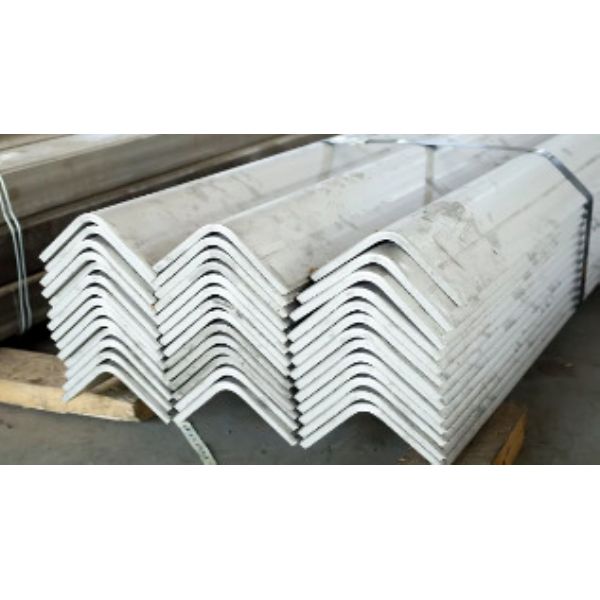
Different materials require different protection methods. Steel members should be placed on raised supports to prevent contact with water. Panels should be stacked according to manufacturer instructions. Mechanical equipment may require sealed storage.
Proper protection reduces the risk of corrosion, deformation, or damage before installation. In large warehouse projects, even small material damage can affect the schedule.
Coordination Between Construction and Storage Areas
Temporary storage should be located close to installation areas but not inside them. If materials are too far away, extra handling is required. If they are too close, they may block construction work.
Balancing storage distance and working space is an important part of warehouse construction storage planning.
Site Logistics Planning for Large Warehouse Projects
Large warehouse construction projects require detailed site logistics planning. Because many materials arrive before the building is completed, the construction site must function as both a work area and a temporary storage yard.
Without proper planning, storage areas can interfere with crane operation, installation work, and vehicle movement. Site logistics planning ensures that every activity has enough space to operate safely.
Separate Zones for Storage and Installation
Storage zones should be separated from active construction zones whenever possible. This prevents materials from being damaged and allows workers to move freely.
Separating these areas also reduces safety risk, especially when heavy lifting equipment is used.
Vehicle and Crane Movement Planning
Cranes and forklifts require clear working space. Storage areas should be placed outside the lifting radius whenever possible. This allows lifting operations to continue without interruption.
Vehicle routes should also be planned so that delivery trucks can reach storage areas without crossing dangerous zones.
Temporary Access Roads
Temporary roads may be required to allow trucks to enter the site safely. These roads should be strong enough to support heavy vehicles and should remain clear at all times.
Blocked access roads are one of the most common causes of delay in warehouse construction storage operations.
Loading and Unloading Areas
Dedicated loading areas should be prepared for material delivery. These areas should be located close to storage zones and should allow trucks to unload quickly.
Well-planned loading areas reduce waiting time and improve site efficiency.
Safety Distance Requirements
Safety distance must be maintained between storage areas, cranes, and working zones. Materials should not be placed where they could fall, slide, or interfere with equipment.
Maintaining safe distances is essential for both worker safety and construction efficiency.
Temporary Storage Solutions Used in Warehouse Construction
Different projects use different storage methods depending on site size, weather conditions, and construction schedule. Choosing the correct storage method helps reduce risk and improve workflow.
Temporary Steel Shelters
Temporary steel shelters can be used to protect materials from weather. These structures are strong, reusable, and easy to install. They are often used in large industrial projects where materials must be stored for long periods.
Outdoor Storage with Protection
Some materials can be stored outdoors if they are properly covered. Tarpaulins, plastic sheets, and raised platforms help protect materials from rain and dirt.
Outdoor storage should only be used for materials that are not sensitive to weather.
Container Storage Systems
Containers provide secure storage for tools, fasteners, and small equipment. They protect materials from theft, weather, and damage.
Containers are commonly used in warehouse construction storage planning because they are easy to move and organize.
Just-In-Time Delivery Strategy
Just-in-time delivery reduces the need for large storage areas. Materials are delivered shortly before installation so they do not remain on site for long.
This method requires good coordination between suppliers and contractors but can greatly improve site logistics.
Modular Storage Layout
A modular storage layout allows storage zones to change as construction progresses. As parts of the building are completed, storage areas can be moved to new locations.
Flexible storage layout is very useful in large warehouse projects.
Planning Storage in steel structure warehouse construction Projects
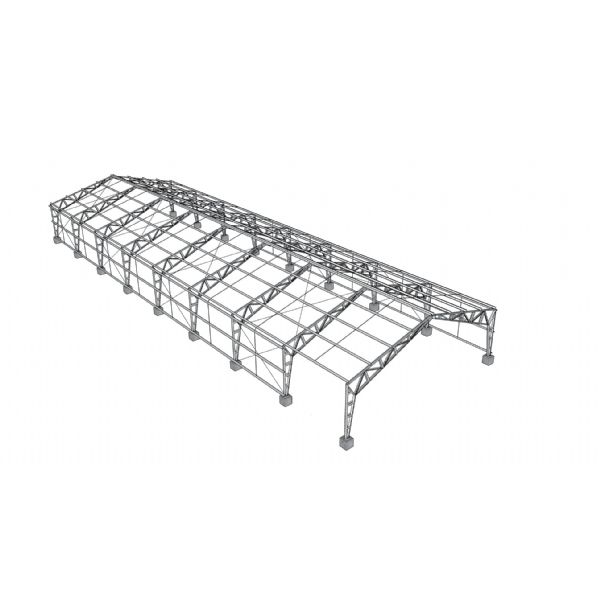
Warehouse projects built with steel structures require especially careful storage planning. Steel components are usually prefabricated and delivered in large quantities, so the site must have enough space to store them safely.
In steel structure warehouse construction, storage planning must follow the installation sequence. Columns, beams, purlins, roof panels, and wall panels are installed in a specific order, so they should be stored in the same order on site.
Advantages of Steel Structure for Phased Construction
Steel structures allow phased construction, which means part of the building can be completed while another part is still under construction. This makes it possible to use finished areas for storage.
This advantage helps reduce the need for large temporary storage zones.
Fast Installation and Storage Coordination
Because steel components can be installed quickly, delivery and storage must be carefully coordinated. Too much material on site can cause congestion.
Good warehouse construction storage planning ensures that materials arrive at the correct time.
Large Span Allows Flexible Storage Layout
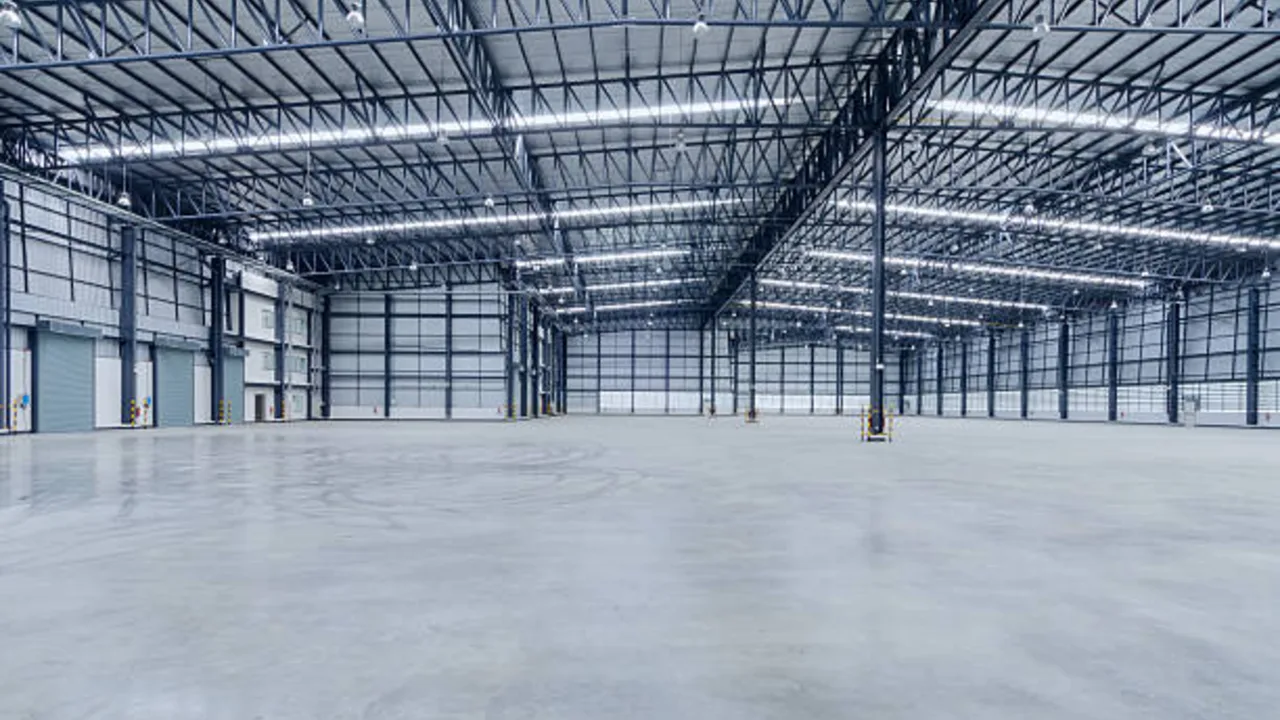
Large-span warehouse structures provide open space that can later be used for storage. During construction, temporary storage zones can be arranged to match the future building layout.
This makes steel structure warehouse construction easier to manage.
Prefabrication and Delivery Timing
Prefabricated components must be delivered according to the installation schedule. If delivery timing is wrong, storage space may not be available.
Coordination between factory production and site storage is essential.
Integration with Expansion Planning
Some warehouse projects are designed for future expansion. Temporary storage planning should consider this possibility so that new construction will not be blocked later.
Good planning allows storage areas to move as the project grows.
Common Mistakes in Warehouse Construction Storage Planning
Improper warehouse construction storage planning is one of the most frequent causes of delay in large industrial projects. When temporary storage is not considered during the early design stage, the construction site may become crowded, unsafe, and inefficient. Understanding common mistakes helps engineers and contractors avoid problems that could affect both schedule and cost.
No Storage Zoning
One of the most common mistakes is storing materials without defined zones. When all materials are placed in the same area, workers may have difficulty locating the correct components during installation. This leads to extra handling, wasted time, and higher risk of damage.
Clear storage zoning should always be part of warehouse construction storage planning, especially in large projects where thousands of components are delivered.
Ignoring Site Logistics
Storage planning must always be coordinated with site logistics. If storage areas block access roads, crane paths, or installation zones, the entire construction process may slow down.
Poor coordination between storage and site logistics can also create safety risks, especially when heavy lifting equipment is used.
Proper planning ensures that materials, vehicles, and workers can move safely without interference.
Too Early Material Delivery
Delivering materials too early is another common problem. When components arrive before the site is ready, they must be stored for a long time. This increases the chance of damage, corrosion, or loss.
Just-in-time delivery is often a better strategy, but it requires careful coordination between suppliers and contractors.
Good warehouse construction storage planning keeps delivery timing aligned with installation progress.
Poor Weather Protection
Many construction materials are sensitive to weather. Steel members may rust, insulation may absorb water, and equipment may be damaged if stored without protection.
Temporary shelters, covers, and raised platforms should always be used when required. Protecting materials is a basic but critical part of warehouse construction storage.
Unsafe Temporary Storage
Temporary storage areas must follow safety rules. Materials should be stacked properly and secured to prevent falling or shifting. Heavy components should be placed on stable ground.
Unsafe storage can cause accidents and damage equipment. Proper safety control is necessary in all warehouse construction storage operations.
Real Project Example: Storage Planning in Large Steel Warehouse Construction
In large industrial projects, temporary storage planning is closely connected to construction sequence and site logistics. A good example can be seen in one of the warehouse projects completed by XTD Steel Structure, where large quantities of prefabricated components had to be stored on site before installation.
During the construction of a modern steel warehouse, the project required careful coordination between delivery schedule, installation sequence, and temporary storage layout. Structural steel members, roof panels, and wall systems were delivered in stages, and each shipment needed a designated storage zone to avoid confusion and congestion.
Because the project used a prefabricated steel structural system, materials arrived quickly and in large quantities. Engineers divided the site into multiple storage zones so that materials for different construction phases could be separated. This reduced handling time and helped maintain efficient site logistics.
Temporary shelters were also used to protect sensitive materials from rain and dust. Mechanical components and insulation panels were stored in covered areas, while structural steel was placed on raised supports to prevent corrosion.
Proper planning of warehouse construction storage allowed the project to maintain a steady installation schedule without interruption. Even with limited site space, organized storage zones made it possible to keep the construction process safe and efficient.
In large projects such as those involving long-span steel buildings, storage planning is just as important as structural design. Without good storage management, even well-designed projects may experience delays.
Future Trends in Warehouse Construction Site Logistics
As warehouse projects become larger and more complex, storage planning and site logistics are becoming more advanced. Modern construction methods use digital tools, prefabrication, and smart logistics systems to improve efficiency and reduce risk.
Digital Site Planning
3D modeling and simulation software allow engineers to plan storage areas before construction begins. These tools help visualize material flow, crane operation, and site logistics.
Digital planning makes warehouse construction storage more accurate and reduces unexpected problems.
Modular Construction
Modular construction allows parts of the building to be assembled quickly. Because installation is faster, materials do not need to be stored for long periods.
This reduces the size of temporary storage areas and improves site efficiency.
Smart Logistics Tracking
Modern projects may use tracking systems to monitor material location. Each component can be identified and stored in the correct zone.
Smart logistics systems improve control over warehouse construction storage and reduce the risk of lost materials.
Prefabrication Optimization
Prefabricated steel structures allow better control of delivery timing. Components can be produced according to the installation schedule, reducing the need for large storage areas.
Prefabrication is one of the most effective ways to improve site logistics in warehouse construction.
Improved Safety Standards
Safety requirements in industrial construction are becoming stricter. Storage areas must follow clear rules for stacking, protection, and access.
Better safety standards help prevent accidents and protect materials during construction.
Conclusion
Temporary storage planning is a critical part of every warehouse construction project. Without proper warehouse construction storage planning, materials may be damaged, installation work may be delayed, and site safety risks can increase.
By applying good engineering principles, clear storage zoning, and efficient site logistics, construction teams can maintain smooth workflow even in large industrial projects. Proper coordination between delivery, storage, and installation ensures that materials are available when needed without overcrowding the site.
In modern industrial construction, storage planning should be considered from the earliest design stage. Especially in large steel warehouse projects, well-organized temporary storage makes it possible to complete construction safely, efficiently, and on schedule.