In industrial construction, controlling costs is not just a financial concern—it is a core part of project success. Steel warehouse developments, in particular, involve large spans, heavy loads, and fast-track construction schedules, all of which introduce complexity into budgeting. When these factors are not properly managed, warehouse cost overrun causes begin to emerge, impacting timelines, profitability, and long-term operational efficiency.
Unlike smaller or conventional buildings, warehouse projects require a high level of coordination between design, fabrication, and installation. Even minor miscalculations in load assumptions, material quantities, or sequencing can lead to significant cost increases. These warehouse cost overrun causes are often not the result of a single mistake, but rather a chain reaction of inefficiencies across multiple project stages.
For companies planning a steel structure warehouse factory, understanding these risks early can make the difference between a controlled investment and a budget that spirals out of control. Identifying potential budget risk factors before construction begins allows stakeholders to implement preventive strategies and maintain financial discipline throughout the project lifecycle.
Understanding Warehouse Cost Overrun Causes in Modern Projects
The term warehouse cost overrun causes refers to any factor that leads actual project costs to exceed the initial budget. In steel warehouse construction, these overruns often stem from the interaction between design complexity, material volatility, and execution challenges.
Modern warehouses are no longer simple storage facilities. They are highly engineered structures designed to support logistics automation, heavy equipment, and future expansion. This increased functionality introduces additional layers of structural and operational requirements, which, if not properly accounted for, can create hidden budget risk during execution.
Another key factor is the difference between estimated and real-world conditions. While budgets are typically based on standard assumptions, actual site conditions, labor productivity, and supply chain variables often deviate from initial projections. This gap is where many warehouse cost overrun causes originate.
Design-Stage Risks That Trigger Budget Overruns
Incomplete Structural Design
One of the most common warehouse cost overrun causes begins at the design stage. Incomplete or rushed structural design can result in missing load calculations, insufficient detailing, or overlooked functional requirements. When these issues are discovered during fabrication or construction, redesign becomes unavoidable.
Redesign not only delays the project but also introduces additional costs in material adjustments, re-fabrication, and labor. In steel warehouse projects, where precision is critical, even small design gaps can escalate into significant financial consequences.
Poor Coordination Between Disciplines
Warehouse projects require seamless coordination between structural engineers, architects, and MEP (mechanical, electrical, and plumbing) systems. When communication between these disciplines is weak, design clashes become inevitable.
For example, conflicts between structural members and mechanical systems may only be discovered during installation. Resolving these clashes on-site often involves cutting, welding, or re-routing components—each adding cost and increasing budget risk.
Over-Engineering vs Under-Engineering
Balancing structural efficiency is another challenge. Over-engineering leads to excessive material usage, unnecessarily increasing project cost. On the other hand, under-engineering can compromise safety and require reinforcement during later stages.
Both scenarios contribute to warehouse cost overrun causes. The key is achieving an optimized design that meets performance requirements without introducing inefficiencies.
Material Cost Volatility and Procurement Issues
Steel Price Fluctuation
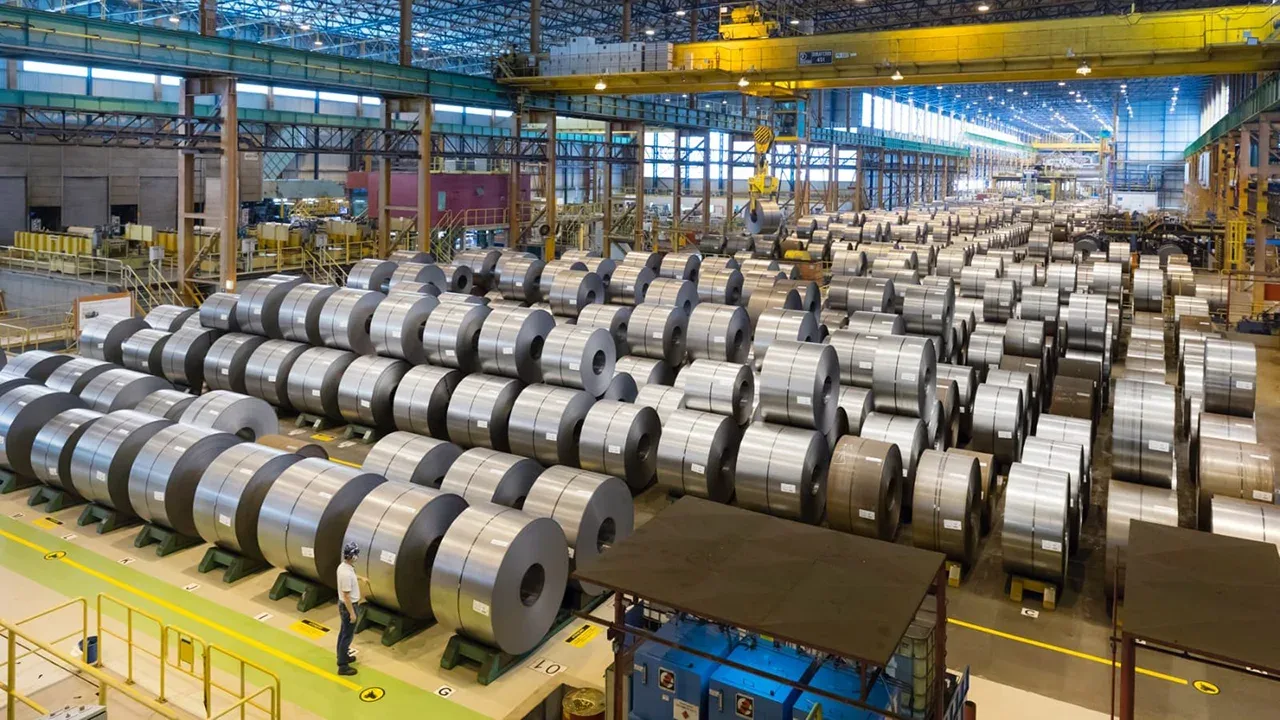
Steel is the primary material in warehouse construction, and its price is highly sensitive to global market conditions. Fluctuations in raw material costs, energy prices, and supply-demand dynamics can significantly impact project budgets.
If procurement is not strategically planned, sudden price increases can become a major warehouse cost overrun cause. This is especially critical in large-scale warehouse projects where steel accounts for a substantial portion of total cost.
Late Procurement Decisions
Delays in procurement often lead to missed opportunities for cost optimization. When materials are purchased late, contractors may be forced to accept higher market prices or limited supplier options.
Late procurement also affects project scheduling, potentially causing delays that further increase labor and equipment costs. These cascading effects contribute directly to budget risk.
Poor Supplier Selection
Choosing suppliers based solely on price can be a costly mistake. Low-cost suppliers may compromise on quality, delivery reliability, or technical support. This often results in defective materials, delayed shipments, or inconsistent specifications.
Correcting these issues requires rework, replacement, or additional inspection—each adding to the list of warehouse cost overrun causes.
Fabrication and Manufacturing Challenges
Inaccurate Shop Drawings
Shop drawings serve as the bridge between design and fabrication. Any inaccuracies in these drawings can lead to components that do not fit properly during installation.
In steel warehouse construction, where prefabrication is standard, even minor dimensional errors can result in significant delays and rework. This makes inaccurate shop drawings a critical warehouse cost overrun cause.
Production Errors
Fabrication errors such as improper welding, incorrect cutting, or dimensional deviations can compromise both structural integrity and installation efficiency. Detecting these issues late in the process increases correction costs.
In some cases, entire components may need to be re-fabricated, leading to material waste and extended timelines. These challenges directly increase budget risk.
Lack of Standardization
Highly customized designs may offer flexibility but often come at the cost of efficiency. Without standardized components and processes, fabrication becomes more complex, requiring additional labor, time, and quality control measures.
This lack of standardization is a hidden contributor to warehouse cost overrun causes, especially in projects that prioritize uniqueness over practicality.
Construction Phase Cost Overrun Causes
Inefficient Installation Planning
Installation is one of the most resource-intensive stages in a warehouse project. Poor planning of erection sequences, crane utilization, and workforce allocation can quickly escalate costs. When installation activities are not properly coordinated, idle time increases and productivity drops.
For example, incorrect sequencing of steel member installation may require temporary supports or re-handling of components. These inefficiencies are often overlooked during planning but become significant warehouse cost overrun causes during execution.
Weather and Site Conditions
Site conditions play a critical role in construction efficiency. Unexpected weather events such as heavy rain can delay foundation work, steel erection, and finishing activities. In regions with unstable soil conditions, additional foundation adjustments may be required.
Uneven ground or poor soil bearing capacity often leads to redesign of foundation systems, increasing both material and labor costs. These unpredictable factors contribute directly to budget risk and are among the most difficult warehouse cost overrun causes to control.
Labor Productivity Issues
Labor performance has a direct impact on project cost. Skilled labor shortages, inadequate supervision, or inefficient workflows can reduce productivity and increase working hours.
Overtime, rework, and extended project durations all add to the overall cost. In large warehouse projects, even small productivity losses can accumulate into major warehouse cost overrun causes.
Logistics and Transportation Risks
Poor Packing and Delivery Planning
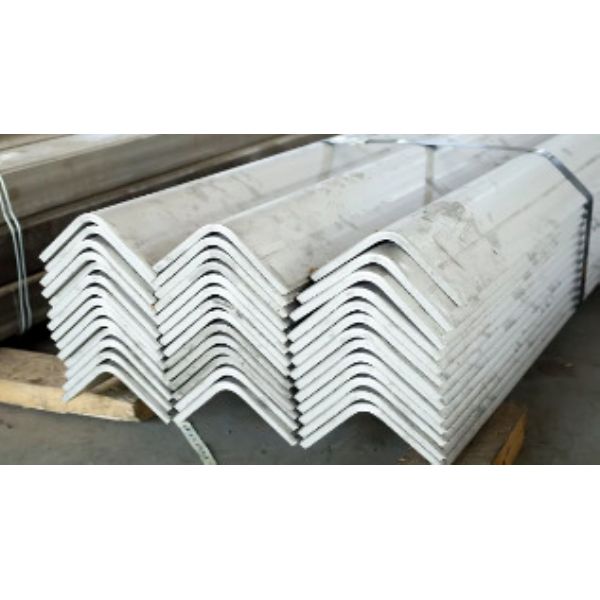
Steel components are typically fabricated off-site and transported to the construction site. Improper packing or handling during transportation can lead to damage, deformation, or loss of materials.
Damaged components must be repaired or replaced, causing delays and additional costs. Multiple shipments due to poor planning further increase logistics expenses and contribute to budget risk.
International Shipping Delays
For overseas projects, logistics complexity increases significantly. Customs clearance issues, port congestion, and shipping disruptions can delay material delivery.
These delays affect construction schedules, leading to idle labor and equipment costs. In time-sensitive projects, such disruptions are a major source of warehouse cost overrun causes.
Project Management Failures
Weak Cost Control System
A lack of real-time cost tracking is one of the most critical management failures. Without accurate monitoring, project teams cannot identify deviations early or take corrective action.
This often results in gradual budget drift, where small overruns accumulate into significant financial losses. Effective cost control systems are essential to mitigate warehouse cost overrun causes.
Communication Breakdown
Clear communication between stakeholders—owners, contractors, designers, and suppliers—is vital. Misalignment in expectations or delayed decision-making can lead to costly changes and disruptions.
When information flow is inconsistent, errors increase and coordination becomes difficult. This breakdown significantly increases budget risk.
Change Order Mismanagement
Changes in project scope are common, but poor management of change orders can quickly inflate costs. Without clear documentation and approval processes, scope creep becomes difficult to control.
Each unplanned modification introduces additional material, labor, and time requirements, making change orders a major contributor to warehouse cost overrun causes.
External Factors That Drive Budget Risk
Regulatory Changes
Changes in building codes, safety standards, or environmental regulations can impact project design and execution. Compliance with new requirements often requires redesign, additional materials, or new construction methods.
These adjustments increase costs and introduce new budget risk factors that were not included in the original plan.
Currency Fluctuation
In international projects, currency exchange rates can significantly affect material and procurement costs. A weakening local currency increases the cost of imported materials and equipment.
This financial uncertainty is a less visible but impactful source of warehouse cost overrun causes.
Market Demand Surge
When construction demand increases rapidly, the availability of contractors, materials, and equipment becomes limited. This drives up prices and reduces negotiation flexibility.
Projects initiated during high-demand periods are more exposed to budget risk and unexpected cost escalation.
How to Mitigate Warehouse Cost Overrun Causes
Early-Stage Integrated Planning
Integrating design, procurement, and construction planning from the early stages helps identify potential risks before they become costly problems. Collaborative planning reduces uncertainties and improves decision-making.
Standardized Steel Systems
Using standardized structural systems improves efficiency in both fabrication and installation. Standardization reduces errors, shortens production time, and enhances cost predictability.
This approach is particularly effective in minimizing warehouse cost overrun causes related to complexity and customization.
Reliable Supplier and Contractor Selection
Choosing experienced and reliable partners ensures consistent quality and timely delivery. A strong supply chain reduces the likelihood of defects, delays, and rework.
Real-Time Cost Monitoring
Implementing digital tools for cost tracking allows project teams to monitor expenses in real time. Early detection of deviations enables faster corrective actions.
Risk Buffer and Contingency Planning
Allocating a contingency budget is essential for managing uncertainties. A well-planned buffer helps absorb unexpected costs without disrupting the overall project.
Real Project Insight: Paraguay Steel Warehouse Case
A practical way to understand warehouse cost overrun causes is by looking at real-world execution. One example is a steel structure warehouse project delivered in Paraguay, part of XTD Steel Structure’s international portfolio. This project reflects how cost risks are managed across design, fabrication, and construction stages.
Like many overseas warehouse developments, the Paraguay project involved long-distance logistics, coordination across multiple teams, and strict delivery timelines. Steel components were prefabricated and shipped internationally before being assembled on-site. This type of workflow inherently carries budget risk, especially if planning, packaging, or scheduling is not properly controlled.
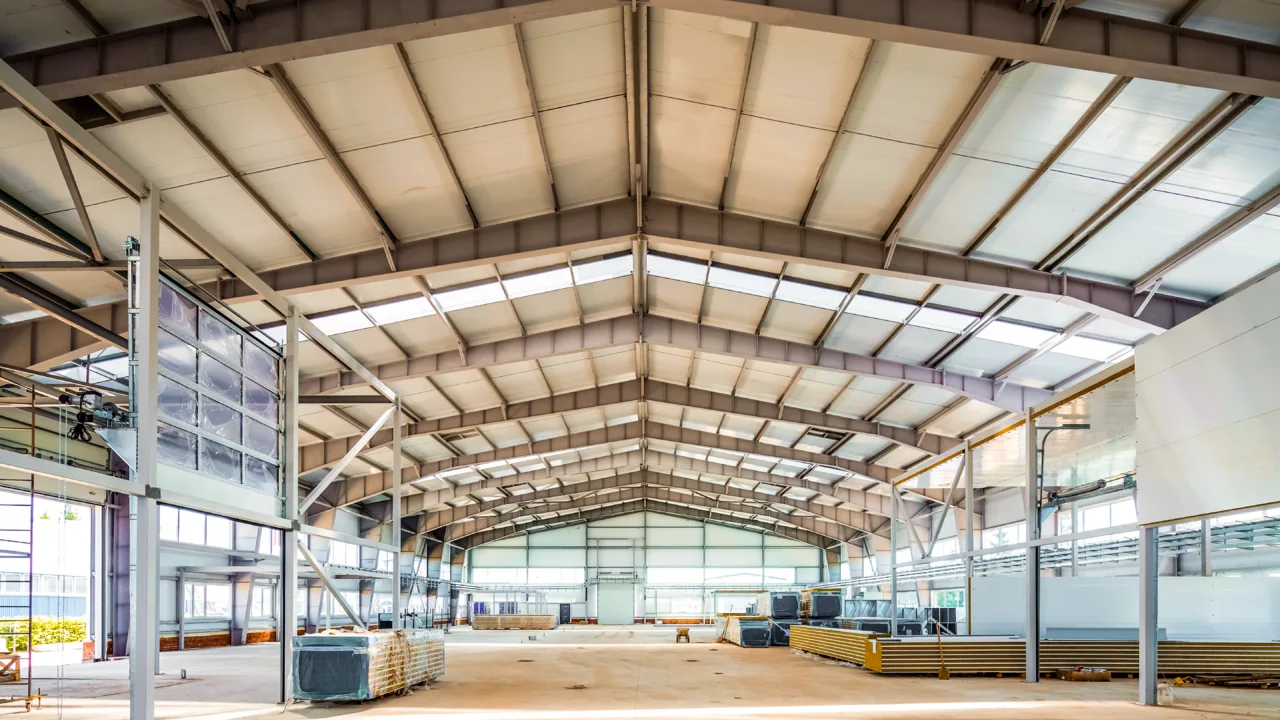
One of the key advantages observed in this project was the use of prefabricated steel systems. Factory-controlled production ensured dimensional accuracy and reduced on-site errors, which are common warehouse cost overrun causes. Prefabrication also allowed parallel progress—while site preparation was ongoing, structural components were already being manufactured, improving overall efficiency.
In addition, the project highlighted the importance of material selection and structural optimization. Steel structures offer a high strength-to-weight ratio, which reduces foundation loads and overall material consumption. This directly contributes to cost control and minimizes unnecessary expenditure during both design and construction phases.
Another critical factor was installation efficiency. By using standardized components and clear erection sequences, the project minimized rework and avoided delays. This is a direct countermeasure to common warehouse cost overrun causes such as misalignment, re-fabrication, or inefficient on-site coordination.
For companies planning a steel structure warehouse factory, this project demonstrates how integrated planning, prefabrication, and global delivery coordination can significantly reduce budget risk. It also reinforces a key principle: cost control is not achieved at a single stage, but through a fully aligned system from engineering to execution.
Why Steel Warehouse Projects Require Specialized Expertise
Steel warehouse construction is fundamentally different from conventional building projects. It requires a deep understanding of structural engineering, fabrication processes, and installation sequencing. Without specialized expertise, projects are more vulnerable to warehouse cost overrun causes.
Experienced teams are able to anticipate risks, optimize design solutions, and implement efficient construction strategies. For companies developing a steel structure warehouse factory, working with an engineering-driven partner is critical to maintaining cost control and ensuring long-term performance.
Conclusion
Cost overruns in steel warehouse projects rarely occur due to a single issue. Instead, they result from a combination of design flaws, procurement inefficiencies, fabrication errors, construction challenges, and external factors. Understanding these warehouse cost overrun causes is the first step toward effective cost management.
By adopting proactive planning, standardized systems, and strong project management practices, stakeholders can significantly reduce budget risk and deliver projects within budget. In an industry where margins are often tight, controlling cost overruns is not just beneficial—it is essential.
FAQ
What are the most common warehouse cost overrun causes?
The most common causes include design errors, material price fluctuations, poor project management, and construction inefficiencies.
How can steel price fluctuation affect warehouse budgets?
Steel price changes directly impact material costs, which form a large portion of the total project budget.
Why does poor design increase project cost?
Poor design leads to rework, material waste, and delays, all of which increase overall project expenses.
What is the role of project management in cost control?
Effective project management ensures coordination, monitoring, and timely decision-making to prevent budget overruns.
How do logistics impact warehouse construction cost?
Transportation delays, damaged materials, and inefficient delivery planning can significantly increase costs.
Can standardization reduce cost overruns?
Yes, standardized designs improve efficiency, reduce errors, and enhance cost predictability.
What is a safe contingency percentage?
Typically, a contingency of 5–10% is recommended, depending on project complexity and risk level.
How do contractors prevent budget risk in large warehouses?
They use integrated planning, reliable suppliers, real-time monitoring, and risk management strategies to control costs.