Steel structure construction is one of the most demanding sectors within the construction industry, involving complex coordination, heavy materials, and high-risk working conditions. From elevated installations to large-scale lifting operations, every phase of a steel project introduces potential hazards that must be carefully managed. In this context, safety is not just a regulatory requirement—it is a fundamental component of project success.
One of the most effective tools for maintaining safety on site is the steel construction safety toolbox. These toolbox talks serve as short, focused discussions conducted regularly to address specific safety concerns, reinforce best practices, and align teams before work begins. Unlike formal training sessions, toolbox talks are practical, immediate, and directly connected to the tasks workers perform daily.
In modern project environments, where timelines are tight and coordination is critical, relying solely on written procedures is not enough. Workers need continuous reminders, clear communication, and actionable guidance. This is where structured safety toolbox topics play a key role—bridging the gap between safety planning and real-world execution. For any steel structure construction project, implementing effective toolbox talks can significantly reduce incidents while improving operational efficiency.
What Is a Steel Construction Safety Toolbox?
Definition and Purpose
A safety toolbox, often referred to as a toolbox talk, is a brief safety meeting conducted on-site to discuss specific hazards, procedures, or safety practices. These meetings are typically held before the start of a shift and focus on immediate risks associated with the day’s work activities.
The purpose of a steel construction safety toolbox is to ensure that all workers are aware of potential hazards and understand the correct procedures to mitigate them. Unlike classroom-based training, toolbox talks are highly practical and tailored to actual site conditions, making them more effective in influencing worker behavior.
Toolbox talks also serve as a communication platform where supervisors can relay critical safety information and workers can raise concerns. This two-way interaction helps create a proactive safety culture rather than a reactive one.
Why Toolbox Talks Are Critical in Steel Construction
Steel construction environments are inherently high-risk due to the nature of the work involved. Activities such as working at height, lifting heavy steel components, welding, and operating heavy machinery require strict adherence to safety protocols.
Unlike other types of construction, steel projects often involve simultaneous operations across different areas of the site. This creates dynamic and constantly changing risk conditions. Without regular communication, workers may not be fully aware of new hazards introduced by ongoing activities.
The steel construction safety toolbox helps address this challenge by providing a structured way to communicate risks in real time. It ensures that safety information is not only documented but actively understood and applied by the workforce.
The Role of Daily Briefing in Construction Safety
What Is a Daily Safety Briefing
A daily safety briefing is a short meeting conducted before the start of each work shift. It focuses on outlining the tasks for the day, identifying associated risks, and reinforcing safety measures. While similar to toolbox talks, daily briefings are more operational in nature, covering both safety and workflow coordination.
These briefings typically include updates on site conditions, weather considerations, equipment usage, and task-specific hazards. By aligning all team members at the beginning of the day, daily briefings help ensure that everyone understands their responsibilities and potential risks.
Why Daily Briefing Reduces Risk
The effectiveness of a daily briefing lies in its ability to create awareness before work begins. When workers clearly understand the tasks ahead and the associated risks, they are more likely to take preventive measures.
Daily briefings also improve communication between different teams, reducing misunderstandings that could lead to accidents. For example, coordination between crane operators and rigging teams becomes more efficient when expectations are clearly defined.
Incorporating the concept of daily briefing into the steel construction safety toolbox ensures that safety is consistently reinforced rather than treated as a one-time activity.
Connection Between Toolbox Talks and Daily Briefing
While toolbox talks and daily briefings serve different purposes, they are closely interconnected. Toolbox talks provide structured safety topics, while daily briefings act as the delivery mechanism for those topics in real-time operations.
By combining both approaches, construction teams can create a comprehensive safety communication system. Toolbox talks establish the knowledge base, and daily briefings ensure that this knowledge is applied effectively on site.
Core Topics for Steel Construction Safety Toolbox
Working at Height Safety
Working at height is one of the most significant risk factors in steel construction. Installing beams, columns, and roof structures often requires workers to operate at elevated positions, where fall hazards are present.
Key safety measures include the use of fall protection systems such as harnesses, lifelines, and guardrails. Workers must also be trained to inspect their equipment before use and ensure proper anchorage points are in place.
Toolbox talks on height safety should emphasize real scenarios, such as improper harness use or unsecured platforms, to make the risks more tangible.
Lifting and Rigging Safety
Lifting operations are central to steel construction, involving cranes, rigging equipment, and heavy structural components. Any mistake in this process can lead to severe accidents, including dropped loads or equipment failure.
Safety toolbox topics should cover load calculation, proper rigging techniques, and communication signals between operators and ground crews. Ensuring that all personnel understand their roles during lifting operations is critical for maintaining control and preventing incidents.
Clear communication and coordination are especially important in congested job sites where multiple lifting activities may occur simultaneously.
Welding and Cutting Safety
Welding and cutting are essential processes in steel construction but come with significant hazards, including fire risks, exposure to fumes, and burns. Proper use of personal protective equipment (PPE) such as helmets, gloves, and fire-resistant clothing is mandatory.
Toolbox discussions should also address ventilation requirements, safe handling of gas cylinders, and fire prevention measures. Workers must be aware of their surroundings to prevent sparks from igniting nearby materials.
Regular reminders through the steel construction safety toolbox help reinforce safe practices and reduce the likelihood of incidents.
Bolt Installation and Structural Alignment
Accurate bolt installation and structural alignment are critical for ensuring the integrity of steel structures. Improper torque application or misalignment can compromise the entire structure and create safety risks during and after construction.
Toolbox talks should focus on correct installation procedures, the importance of torque control, and alignment verification methods. Workers should also understand the consequences of skipping steps or rushing the process.
By emphasizing precision and accountability, safety toolbox topics can help prevent structural failures and ensure long-term performance.
Additional Toolbox Topics for High-Risk Activities
Equipment Operation Safety
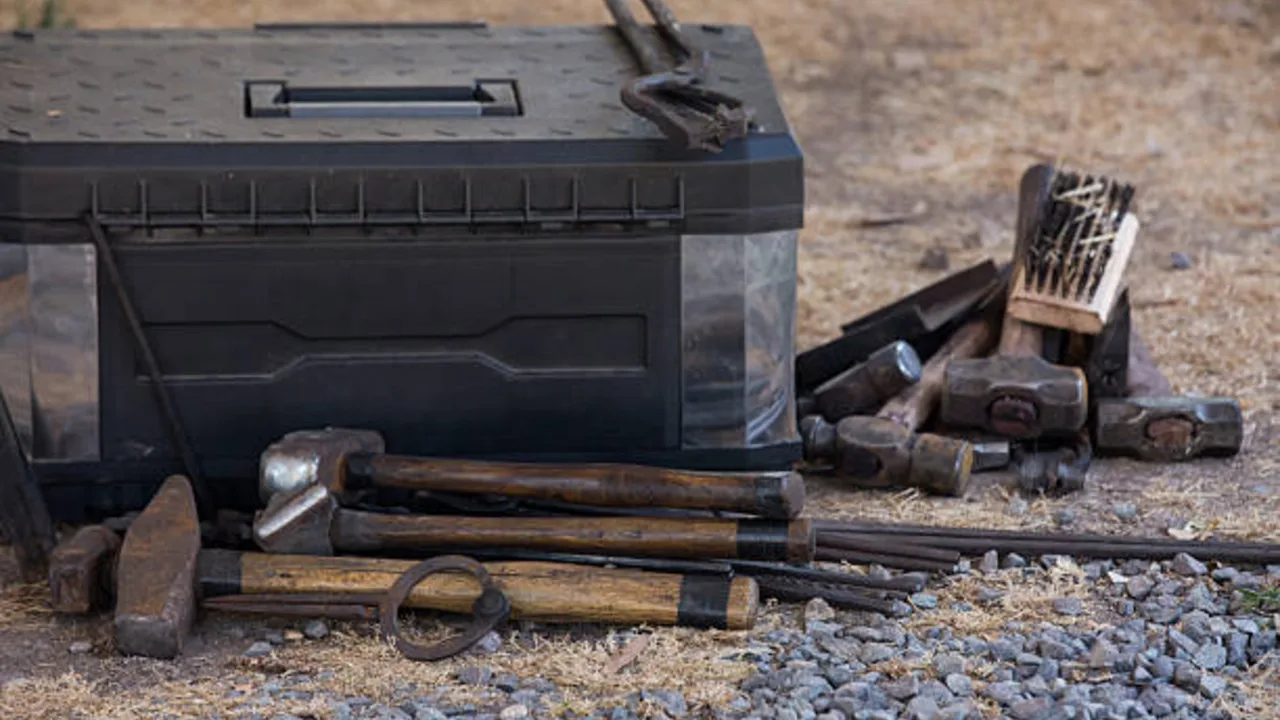
Steel construction sites rely heavily on equipment such as cranes, forklifts, and aerial lifts. While these machines improve efficiency, they also introduce significant risks if not operated correctly. Equipment-related accidents are often severe due to the size and weight of the machinery involved.
Toolbox talks should emphasize the importance of operator certification, proper equipment inspection, and adherence to operational limits. Workers must understand that unauthorized or untrained operation of machinery can lead to catastrophic consequences.
Clear guidelines on safe distances, load capacities, and emergency procedures should be reinforced regularly through the steel construction safety toolbox.
Material Handling
Handling steel components requires careful planning and execution. Steel members are often large, heavy, and awkwardly shaped, making them difficult to control during movement.
Improper handling can result in dropped materials, injuries, or damage to structural components. Toolbox discussions should address correct lifting techniques, use of handling equipment, and safe storage practices.
Workers should also be aware of pinch points and sharp edges, which are common hazards when dealing with steel materials.
Site Housekeeping
A well-organized construction site is a safer site. Poor housekeeping can lead to slips, trips, and falls, which are among the most common accidents in construction environments.
Toolbox topics should reinforce the importance of keeping work areas clean, properly storing materials, and removing debris promptly. Even small improvements in site organization can have a significant impact on overall safety.
Regular housekeeping inspections can be integrated into daily routines to maintain consistent safety standards.
Common Safety Failures Without Toolbox Talks
Without structured safety communication, construction sites are more vulnerable to errors and accidents. Workers may rely on assumptions rather than clear instructions, increasing the likelihood of unsafe practices.
Some of the most common failures include lack of hazard awareness, poor coordination between teams, and inconsistent application of safety procedures. These issues often stem from communication gaps rather than technical limitations.
Typical Safety Issues vs Toolbox Solutions
| Issue | Root Cause | Impact | Toolbox Topic Solution |
|---|---|---|---|
| Falls | No harness use | Serious injury | Height safety |
| Crane accidents | Poor signaling | Fatal risk | Rigging safety |
| Welding fire | No control measures | Fire hazard | Welding safety |
| Misalignment | Poor coordination | Structural risk | Installation briefing |
How to Conduct an Effective Safety Toolbox Talk
Preparation Before the Meeting
Effective toolbox talks begin with proper preparation. Supervisors should identify the key risks associated with the day’s tasks and select relevant topics that address those risks directly.
Preparation also includes gathering necessary materials such as visual aids, safety equipment examples, or real-case scenarios. This helps make the discussion more engaging and easier to understand.
Structure of a Toolbox Talk
A toolbox talk should be concise, typically lasting between 5 to 10 minutes. The focus should be on delivering clear, actionable information rather than overwhelming workers with excessive details.
The structure generally includes an introduction of the topic, explanation of risks, demonstration of correct procedures, and a brief discussion with workers. Keeping the format consistent helps workers become familiar with the process.
Communication Techniques
Communication plays a critical role in the effectiveness of toolbox talks. Supervisors should use simple language, avoid technical jargon, and ensure that all workers can understand the message.
Interactive approaches, such as asking questions or encouraging feedback, can improve engagement and retention. Demonstrations are often more effective than verbal explanations alone, especially for practical tasks.
By focusing on clarity and participation, the steel construction safety toolbox becomes a powerful tool for behavioral change.
Frequency and Timing of Toolbox Talks
Daily vs Weekly Toolbox Talks
The frequency of toolbox talks depends on the nature of the project and associated risks. Daily talks are typically used to address immediate hazards and operational tasks, while weekly sessions may focus on broader safety topics.
Combining both approaches ensures that workers receive continuous reinforcement of safety practices without becoming overwhelmed.
Best Timing for Maximum Impact
Timing is a critical factor in the effectiveness of toolbox talks. Conducting meetings before the start of a shift ensures that safety information is fresh in workers’ minds as they begin their tasks.
Additional toolbox talks may be required before high-risk activities, such as heavy lifting or working at height, to reinforce specific precautions.
The Role of Supervisors in Safety Toolbox Execution
Responsibilities of Site Supervisors
Supervisors play a central role in implementing safety toolbox programs. They are responsible for organizing meetings, delivering content, and ensuring that safety procedures are followed on-site.
In addition to conducting toolbox talks, supervisors must monitor worker behavior and address any unsafe practices immediately.
Supervisors as Safety Leaders
Beyond their technical responsibilities, supervisors act as safety leaders who influence the overall culture of the site. Their attitude toward safety directly affects how workers perceive and prioritize it.
By demonstrating commitment and consistency, supervisors can build a culture where safety becomes a shared responsibility rather than an imposed requirement.
Integrating Toolbox Talks with Steel Construction Workflow
Safety should not be treated as a separate activity from construction—it must be integrated into the workflow. Toolbox talks should align with project schedules, erection sequences, and daily tasks.
By linking safety topics to actual work activities, teams can better understand how safety measures apply in real situations. This integration improves both efficiency and compliance.
Working with an experienced steel structure construction team ensures that safety systems are embedded within the project delivery process.
Measuring the Effectiveness of Safety Toolbox Programs
Key Metrics
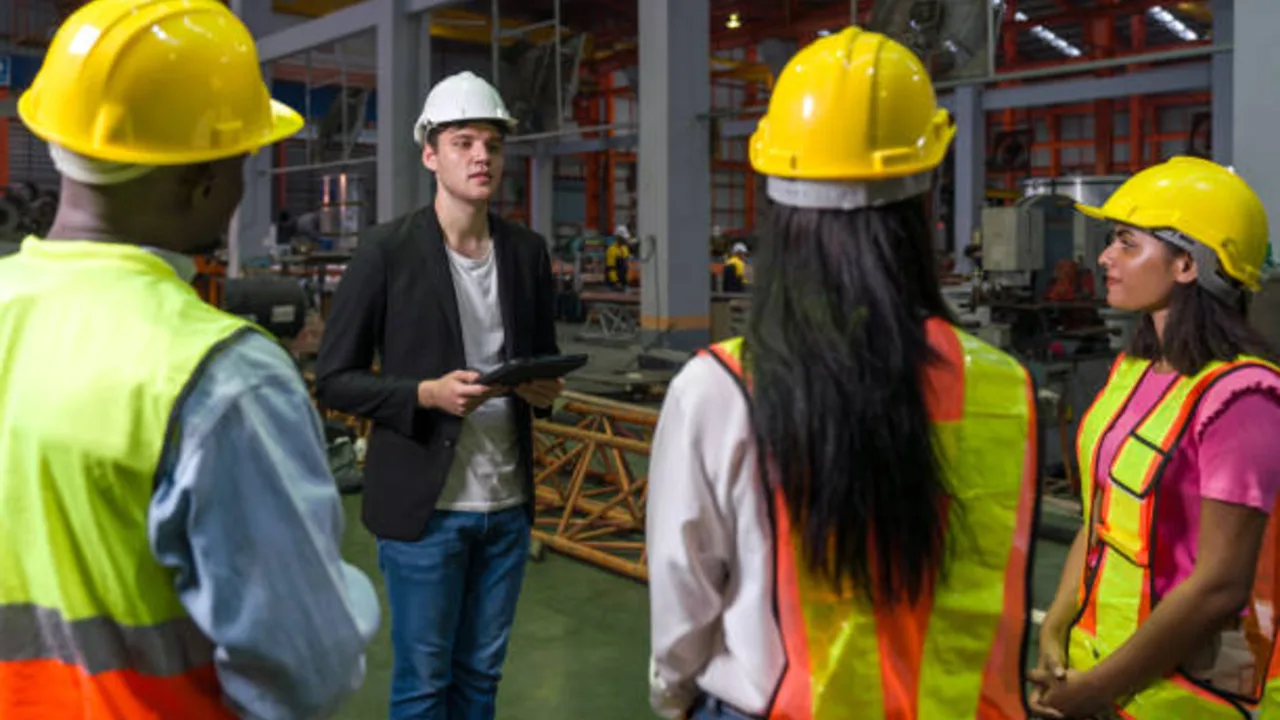
To evaluate the success of a safety toolbox program, companies must track key performance indicators such as incident rates, near-miss reports, and compliance levels.
These metrics provide valuable insights into the effectiveness of safety communication and highlight areas that require improvement.
Continuous Improvement
Safety programs should evolve over time based on feedback and performance data. Regular reviews of toolbox topics can help ensure that they remain relevant and effective.
Encouraging worker feedback also helps identify practical challenges and improve future toolbox discussions.
Future Trends in Construction Safety Training
The construction industry is increasingly adopting digital tools to enhance safety training. Mobile applications, online platforms, and virtual reality simulations are being used to deliver more engaging and effective training experiences.
These technologies can complement traditional toolbox talks by providing additional learning resources and improving accessibility.
Practical Recommendations for Project Owners
- Standardize safety toolbox topics across projects
- Invest in supervisor training and leadership development
- Integrate safety into daily workflows rather than treating it as a separate task
- Monitor performance and continuously improve safety programs
Real Project Insight: Papua New Guinea Steel Structure Factory
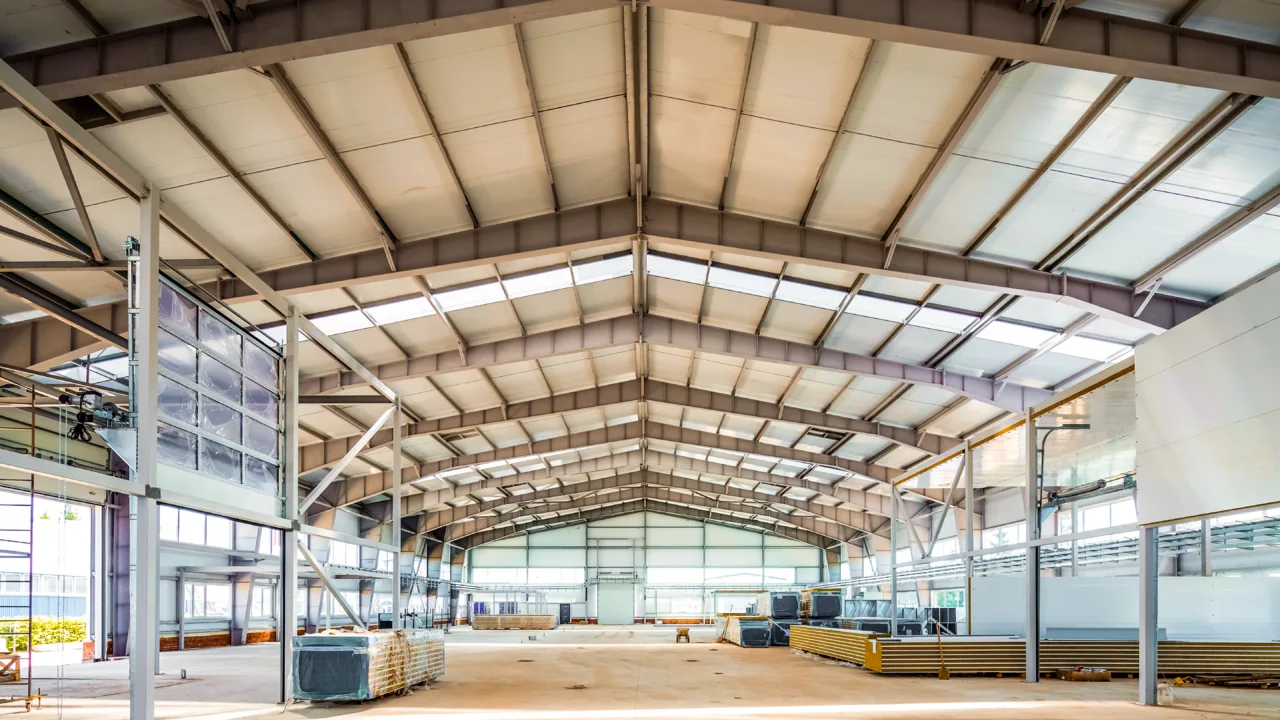
A practical example of how safety toolbox topics are applied in real construction environments can be seen in XTD’s steel structure factory project in Papua New Guinea. As part of XTD’s global portfolio, this project reflects the challenges of executing steel construction in remote and developing regions, where workforce skill levels and site conditions can vary significantly.
The project involved the construction of a prefabricated steel factory facility, requiring coordinated fabrication, transportation, and on-site installation. Like many international steel projects, the site faced constraints such as limited local technical experience, logistical complexity, and strict timeline requirements.
In such environments, the steel construction safety toolbox becomes a critical operational tool. Daily safety communication is not optional—it is essential. Toolbox talks were used to address high-risk activities including lifting operations, structural alignment, and working at height. These discussions ensured that all workers, regardless of skill level, understood the hazards and the correct procedures before execution.
The role of daily briefing was especially important in this project. Each workday began with a structured briefing session where supervisors aligned teams on tasks, risks, and safety controls. This approach helped reduce miscommunication between local labor and technical supervisors, which is a common issue in international construction projects.
For example, lifting operations involving steel members required precise coordination between crane operators and rigging teams. Through targeted toolbox topics and daily briefings, workers were guided on load handling, signaling, and exclusion zones, significantly reducing the risk of accidents.
Similarly, during structural installation, alignment and bolt tightening procedures were reinforced through repeated toolbox discussions. This ensured consistency in execution and prevented errors that could compromise structural integrity.
This Papua New Guinea project highlights a key takeaway: safety systems must be adapted to real-world conditions. In projects where workforce experience is uneven, the combination of structured toolbox talks and consistent daily briefing becomes the backbone of safe and efficient execution.
Ultimately, successful delivery in projects like this is not only about engineering and materials—it is about communication, supervision, and the disciplined application of safety practices on site.
Conclusion
The steel construction safety toolbox is an essential component of modern steel structure construction. It provides a practical and effective way to communicate safety information, reduce risks, and improve overall project performance.
By combining structured toolbox topics with consistent daily briefing practices, construction teams can create a proactive safety culture that minimizes accidents and enhances efficiency.
Ultimately, investing in safety is not just about compliance—it is about ensuring long-term success, protecting workers, and delivering high-quality projects.