Prefabricated steel construction is widely recognized for its speed, quality control, and cost efficiency. By shifting fabrication from the construction site to controlled factory environments, developers can reduce labor risk, improve precision, and shorten project timelines. However, these advantages come with a critical limitation that is often underestimated during early planning stages: prefab steel transportation limits.
Unlike conventional steel construction, where elements can be fabricated and adjusted on site, prefabricated steel components must physically travel from factory to project location. Roads, ports, regulations, and shipping methods all impose constraints on what can realistically be transported. In many projects, transportation limitations become the hidden bottleneck that dictates design decisions, construction sequencing, and overall project cost.
This article explores how transportation constraints shape prefabricated steel projects, with a detailed focus on module size, shipping methods, cost implications, and practical strategies used by experienced steel manufacturers to manage prefab steel transportation limits effectively.
Why Transportation Matters in Prefabricated Steel Construction
In prefabricated steel projects, transportation is not a downstream activity—it is a design driver. Steel frames, trusses, columns, and modular assemblies are manufactured to precise dimensions in the factory. Once fabricated, these components must be transported intact or semi-assembled to the site.
This creates a fundamental difference compared to conventional steel construction. Instead of asking “Can we fabricate this?”, engineers must ask “Can we transport this?”. The answer depends on shipping routes, vehicle limitations, port handling capabilities, and regulatory compliance.
When transportation constraints are ignored early on, projects face redesigns, costly re-fabrication, shipping delays, or forced on-site assembly that undermines the original benefits of prefabrication. Understanding prefab steel transportation limits is therefore essential for realistic project planning.
Understanding Prefab Steel Transportation Limits
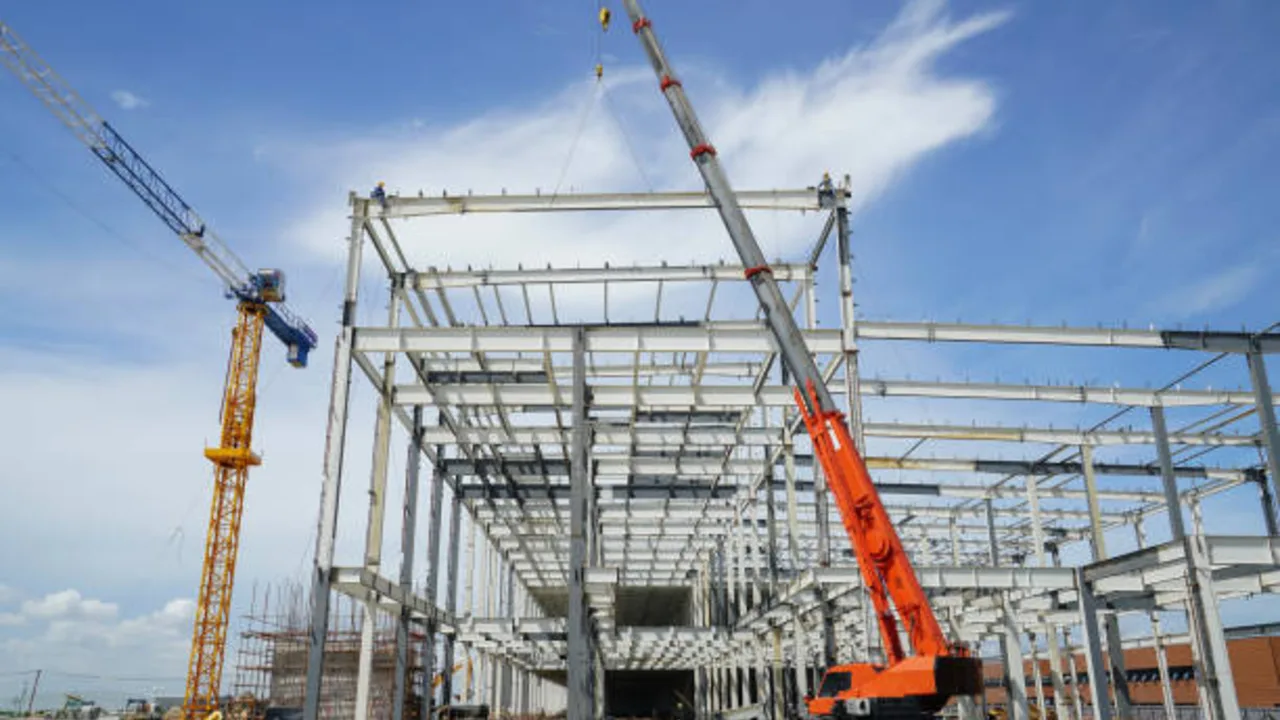
Prefab steel transportation limits refer to the physical, regulatory, and logistical constraints that govern how large, heavy, or complex steel components can be moved from factory to site. These limits vary by country, transport mode, and project location.
The main limiting factors include:
- Maximum allowable dimensions for road transport
- Weight limits per axle and vehicle
- Port crane capacity and vessel type
- Customs and oversized cargo regulations
- Site access and unloading conditions
Each of these constraints directly influences how prefabricated steel modules are designed, segmented, and assembled.
Module Size as the Primary Constraint
Maximum Module Size for Road Transportation
Road transportation is the most common method for moving prefabricated steel components domestically. However, it is also the most restrictive in terms of module size. Typical road regulations limit width, height, and length of cargo to ensure safe passage through bridges, tunnels, and urban roads.
Once module size exceeds standard limits, special permits, escort vehicles, and route approvals become mandatory. These requirements increase cost and introduce schedule uncertainty. As a result, many steel structures are intentionally segmented to stay within acceptable module size ranges.
Weight Limits and Axle Load Restrictions
Even when dimensions are acceptable, weight can become a limiting factor. Heavy steel modules impose high axle loads that may exceed road capacity or vehicle limits. This is particularly relevant for large girders, deep trusses, and integrated assemblies.
To manage prefab steel transportation limits related to weight, designers often reduce section depth, split components, or shift more connections to site assembly.
Turning Radius and Route Accessibility
Transportation feasibility is not determined by dimensions alone. Turning radius, slope, bridge load capacity, and clearance along the transport route all affect whether a module can reach the site.
In industrial zones, ports, or remote locations, route surveys are often required before finalizing module size. This reinforces the need for transport-aware structural design.
Shipping Methods for Prefabricated Steel Structures
Truck Transportation
Truck transport is efficient for domestic projects or cross-border routes with good infrastructure. It allows flexible scheduling and direct delivery to site. However, it is highly sensitive to prefab steel transportation limits related to size and weight.
Oversized loads increase logistics complexity, require permits, and often restrict delivery to nighttime or off-peak hours.
Container Shipping
For international projects, container shipping is the most cost-efficient method when module size allows. Standard containers impose strict dimensional limits, which strongly influence steel segmentation strategies.
When module size exceeds standard container dimensions, open-top or flat-rack containers are used. While more flexible, they reduce shipping efficiency and increase handling cost.
Break Bulk and Project Cargo Shipping
Large steel components that cannot fit containers are shipped as break bulk or project cargo. This method supports oversized modules but requires specialized vessels, port cranes, and careful scheduling.
Although break bulk shipping relaxes size constraints, it increases exposure to weather, port congestion, and handling risk.
Design Strategies to Overcome Transportation Limits
Modular Segmentation and Knock-Down Design
One of the most effective ways to manage prefab steel transportation limits is modular segmentation. Large frames are divided into transportable sections that are bolted together on site.
This approach shifts complexity from logistics to erection, but often results in lower overall risk and cost.
Optimizing Connection Design for Transport
Connection design plays a crucial role in transport efficiency. Bolted connections allow easy disassembly and reassembly, while welded connections may restrict segmentation.
Experienced engineers design connection locations based on both structural performance and transport feasibility.
Balancing Module Size vs On-Site Assembly
Larger modules reduce on-site work but increase transport difficulty. Smaller modules simplify shipping but increase installation time. Successful projects find the optimal balance between these competing factors.
Real-World Cases Shaped by Prefab Steel Transportation Limits
In real projects, prefab steel transportation limits rarely appear as abstract engineering constraints. They emerge as practical challenges that directly influence design decisions, construction sequencing, and final project cost. The following real-world scenarios illustrate how transportation constraints shape prefabricated steel projects in different environments.
Case 1: Long-Span Warehouse Girder Redesign Due to Road Restrictions
In a logistics warehouse project designed with a 42-meter clear span, the initial structural scheme specified single-piece roof girders fabricated as full-length elements. While structurally efficient, the girder length exceeded local road transportation limits, requiring oversized load permits, escort vehicles, and restricted delivery windows.
After reviewing transport feasibility, the project team redesigned the girders into two transportable segments connected by bolted splice joints at mid-span. This adjustment slightly increased fabrication and erection time but eliminated the need for special transport permits. The redesign reduced shipping risk, simplified logistics coordination, and ultimately lowered total project cost.
This case demonstrates how early awareness of prefab steel transportation limits can prevent late-stage redesign and keep projects aligned with schedule expectations.
Case 2: Container-Driven Module Size Optimization for an Overseas Project
An overseas prefabricated steel factory project initially planned large wall and roof modules to minimize on-site assembly. However, detailed shipping analysis revealed that the proposed module size could not fit standard containers and would require flat-rack shipping for most components.
By slightly reducing module dimensions and reconfiguring connection details, the engineering team optimized the design to fit within standard container limits. This change significantly reduced shipping costs, improved port handling efficiency, and lowered the risk of damage during transit.
In this scenario, container constraints directly influenced module size decisions, proving that shipping efficiency can outweigh fabrication convenience in international prefab steel projects.
Case 3: Remote Site Access Dictating Ultra-Modular Steel Design
For a prefabricated steel structure project located in a remote industrial zone with limited road infrastructure, transportation constraints became the dominant design factor. Narrow access roads, low bridge clearance, and limited crane capacity ruled out large prefabricated assemblies entirely.
The solution was an ultra-modular steel system composed of smaller columns, beams, and truss segments that could be transported using standard trucks. Although this approach increased on-site bolting work, it ensured reliable delivery and avoided costly road upgrades or special transport arrangements.
This case highlights how prefab steel transportation limits can shift complexity from logistics to installation—and why flexible modular strategies are essential for infrastructure-limited regions.
Together, these real-world cases show that transportation constraints are not exceptions but recurring design realities. Projects that integrate transport considerations early achieve better cost control, smoother execution, and fewer surprises during construction.
Cost Impact of Transportation Constraints
Prefab steel transportation limits directly affect project cost in ways that are not always visible in early budgets. Oversized transport increases:
- Shipping and permit costs
- Escort and route management expenses
- Handling and crane requirements
- Schedule risk and delay exposure
Conversely, excessive segmentation can increase fabrication and erection costs. Accurate cost modeling requires integrating transportation constraints from the start.
Real-World Scenarios in Prefab Steel Transportation
Industrial Warehouse Projects
Large-span warehouses often push module size limits due to long girders and deep roof trusses. Successful projects segment roof systems while maintaining erection efficiency.
Overseas Steel Structure Projects
International projects face compounded constraints from port handling, customs clearance, and inland transport. Module size must be optimized for both sea and land shipping stages.
Remote or Infrastructure-Limited Sites
In regions with weak road infrastructure, transportation constraints may dictate ultra-modular designs with higher on-site assembly intensity.
Coordination Between Design, Fabrication, and Logistics
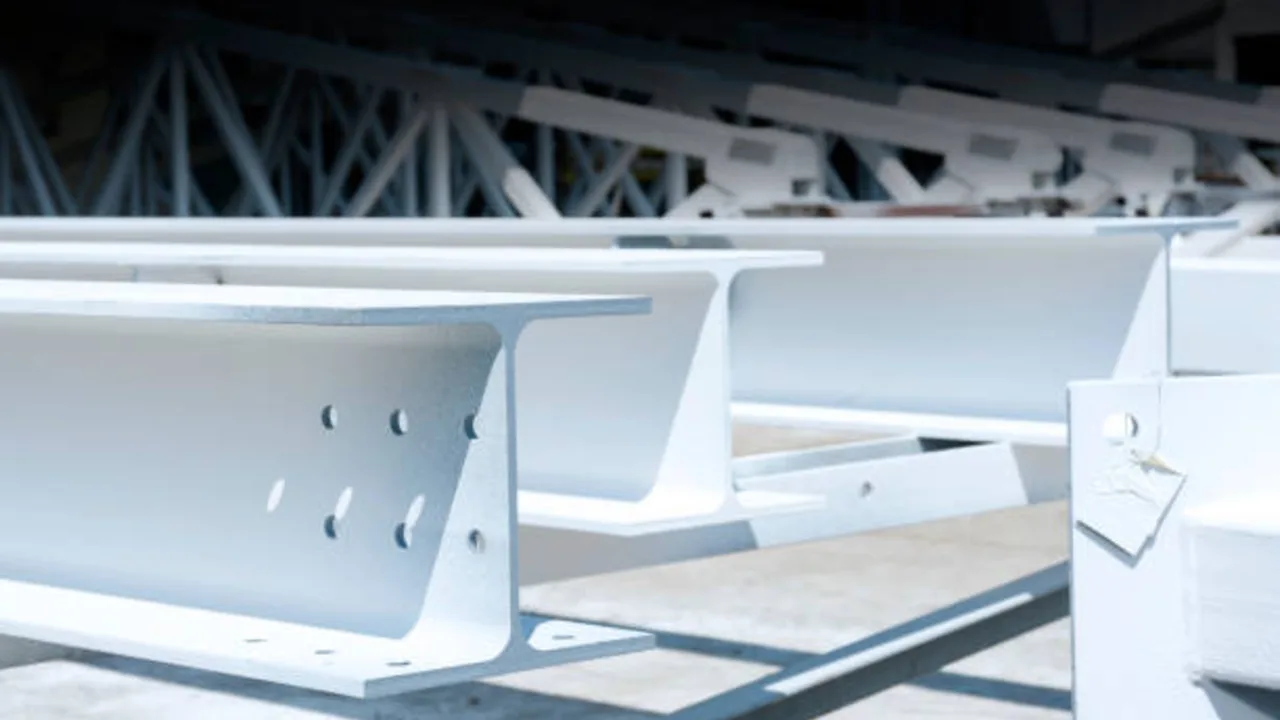
Managing prefab steel transportation limits requires close coordination between structural engineers, fabrication teams, and logistics planners. Transportation feasibility must be reviewed alongside structural calculations.
Manufacturers specializing in prefabricated steel structure building systems integrate logistics considerations into early-stage design to reduce downstream risk.
Transportation Limits vs Project Timeline
Oversized modules often trigger permit delays, escort scheduling issues, and delivery restrictions. These factors can disrupt construction sequencing and increase idle time on site.
Transport-aware modular planning improves schedule reliability and reduces critical-path exposure.
Transportation Regulations and Compliance
Each country enforces different regulations governing oversized and heavy cargo. Compliance affects design decisions, shipping method selection, and cost planning.
Ignoring regulatory constraints is one of the most common causes of rework in prefabricated steel projects.
How Experienced Steel Manufacturers Reduce Transport Risk
Leading steel manufacturers mitigate prefab steel transportation limits through:
- Early transport feasibility studies
- Standardized modular systems
- Integrated design–fabrication–logistics workflows
- Clear communication between all project stakeholders
Conclusion: Designing Prefab Steel with Transportation in Mind
Transportation constraints are not secondary considerations in prefabricated steel projects—they are fundamental design parameters. Module size, shipping method, and logistics planning shape structural configuration, cost, and schedule.
By addressing prefab steel transportation limits early and holistically, project teams can preserve the advantages of prefabrication while avoiding costly surprises. In modern steel construction, successful design begins not only with structural analysis, but with a clear understanding of how steel actually moves from factory to site.