In modern logistics and industrial facilities, steel warehouses are no longer simple storage boxes. Many now incorporate mezzanine levels for offices, packing zones, control rooms, or light production areas. While mezzanines improve space efficiency, they also introduce a critical challenge that is often underestimated: thermal performance. Choosing the right warehouse insulation options for mezzanine areas directly affects indoor comfort, energy consumption, and long-term operational costs.
Unlike ground-level warehouse zones, mezzanines sit closer to the roof and are more exposed to heat gain, temperature stratification, and airflow imbalance. Without proper insulation planning, mezzanine spaces can become excessively hot in summer, difficult to cool, and uncomfortable for personnel. This article explores practical mezzanine thermal insulation strategies, helping warehouse owners and engineers select the most effective solutions for steel warehouse environments.
Why Thermal Insulation Matters in Mezzanine Steel Warehouses
Thermal insulation plays a different role in mezzanine areas compared to standard warehouse floors. Heat naturally rises, which means mezzanine platforms are often the warmest zones inside a steel warehouse. When insulation is poorly designed, this heat accumulation increases cooling demand, strains HVAC systems, and reduces worker productivity.
Well-planned warehouse insulation options for mezzanines help stabilize indoor temperatures, reduce energy loss, and protect structural components from condensation-related corrosion. In facilities where mezzanines are used as workspaces rather than storage, thermal comfort becomes not just an efficiency issue, but a health and safety requirement.
Understanding Mezzanine Structures in Steel Warehouses
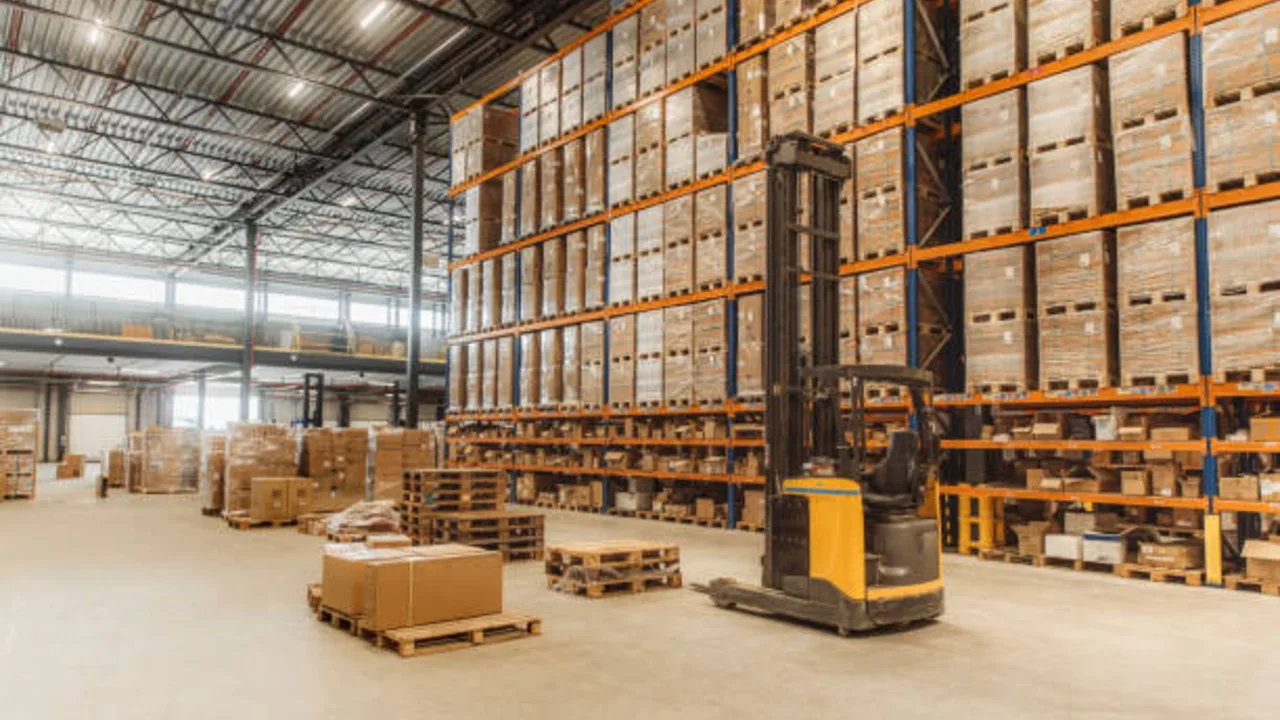
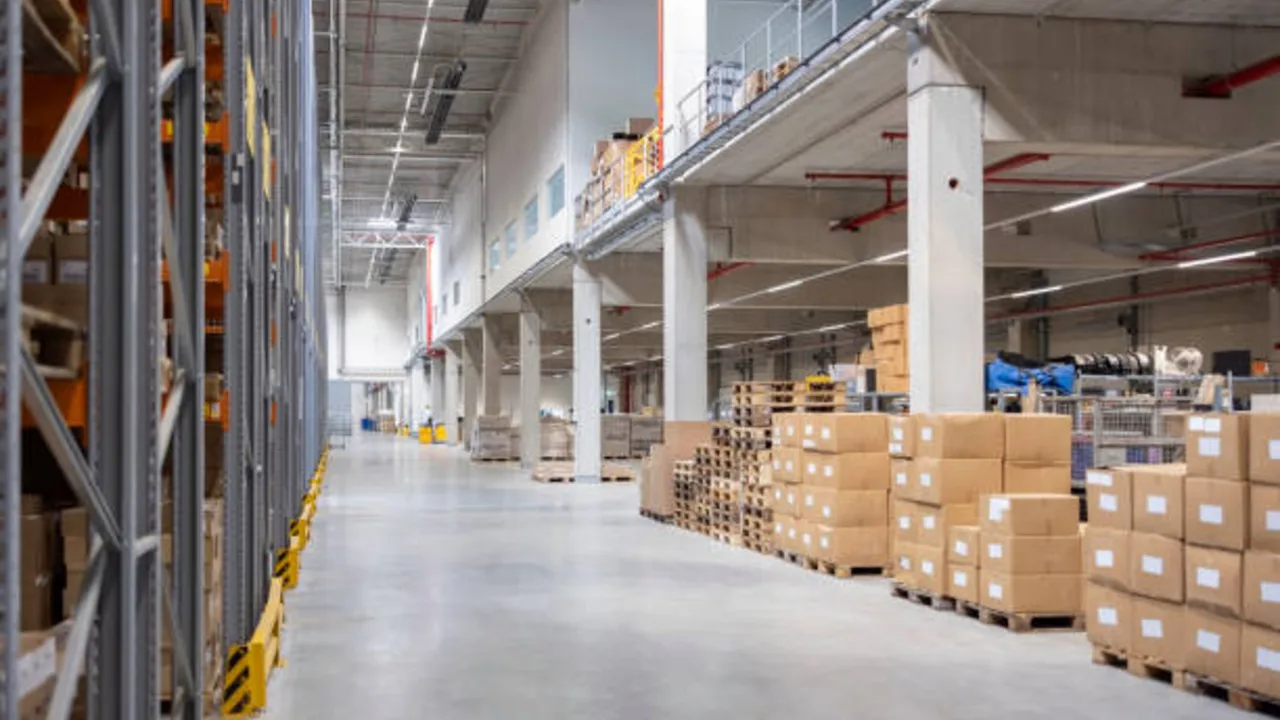
A mezzanine is an intermediate floor installed within the clear height of a steel warehouse, typically supported by steel columns and beams. Unlike traditional floors, mezzanines are lightweight, modular, and often added to maximize vertical space. Their position—between the ground floor and roof—places them in a unique thermal zone.
In a prefabricated steel structure warehouse, mezzanines are frequently integrated during the design phase or retrofitted later. Because they interact with roof insulation, wall cladding, and HVAC airflow, mezzanine insulation must be coordinated with the overall building envelope rather than treated as an isolated component.
Key Factors When Choosing Warehouse Insulation Options for Mezzanines
Thermal Performance Requirements
The first consideration is the target indoor temperature of the mezzanine area. Mezzanines used as offices or control rooms require tighter thermal control than those used for light storage. The selected insulation must effectively limit heat transfer from the roof and surrounding steel structure.
Fire Safety and Compliance
Mezzanines are often classified as occupied spaces, which means fire resistance is critical. Insulation materials must comply with applicable fire regulations, especially in warehouses handling combustible goods. Fire-rated insulation systems significantly influence the choice of warehouse insulation options.
Structural Load Constraints
Steel mezzanines are designed for specific load capacities. Heavy insulation materials may increase dead loads and require structural reinforcement. Lightweight insulation systems are usually preferred to maintain design efficiency.
Installation and Retrofit Feasibility
Many warehouses add mezzanines after initial construction. In these cases, insulation systems that can be installed quickly with minimal disruption to ongoing operations are particularly valuable.
Common Mezzanine Thermal Insulation Options in Steel Warehouses
Sandwich Panel Insulation Systems
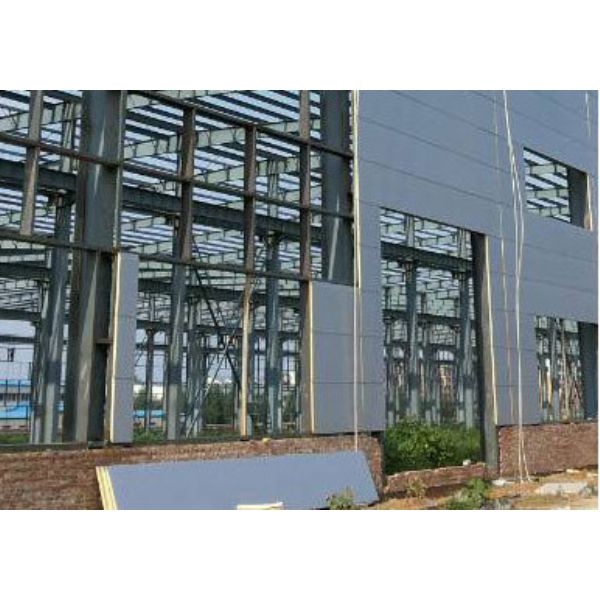
Sandwich panel systems are among the most effective and widely used solutions for mezzanine insulation in steel warehouses. These panels consist of two metal sheets bonded to an insulating core, commonly polyurethane (PU), polyisocyanurate (PIR), or mineral wool.
For mezzanine applications, sandwich panels are often used to enclose mezzanine offices or working areas, creating thermally controlled zones within the larger warehouse volume. Their high thermal resistance significantly reduces heat transfer from the roof and surrounding steel structure.
In addition to thermal performance, sandwich panels offer clean finishes, fast installation, and predictable fire ratings depending on the core material. While the initial cost may be higher than some alternatives, their durability and energy-saving potential make them a strong long-term option.
Mineral Wool Insulation for Mezzanine Floors and Walls
Mineral wool insulation is commonly used where fire resistance and acoustic control are priorities. In mezzanine structures, it is often installed beneath the mezzanine deck or within partition walls.
This insulation type performs well in high-temperature environments and provides excellent fire resistance. However, it usually requires additional protective layers or finishing panels to prevent moisture absorption and mechanical damage.
Rigid Board Insulation Systems
Rigid insulation boards such as XPS, EPS, or PIR boards are lightweight and versatile. They are frequently used in mezzanine ceiling applications or under-deck insulation where space is limited.
Rigid boards are easy to cut and install, making them suitable for retrofit projects. Their thermal performance varies depending on material type, and fire performance should always be carefully evaluated during selection.
Spray Foam Insulation for Mezzanine Applications
Spray foam insulation provides seamless coverage, making it ideal for complex mezzanine geometries with irregular steel framing. It effectively seals gaps and minimizes air leakage.
However, spray foam systems often require additional fire protection measures and careful quality control during application. While they deliver strong thermal performance, they are best suited for specific conditions rather than general mezzanine use.
Comparison Table — Warehouse Insulation Options for Mezzanines
| Insulation Type | Thermal Performance | Fire Resistance | Installation Speed | Best Use Case |
|---|---|---|---|---|
| Sandwich Panel | High | Medium–High | Fast | Mezzanine offices, enclosed zones |
| Mineral Wool | Medium | High | Medium | Fire-rated partitions, under-deck insulation |
| Rigid Boards | Medium | Low–Medium | Fast | Retrofit mezzanine ceilings |
| Spray Foam | High | Low (without treatment) | Medium | Complex steel geometries |
How Mezzanine Insulation Impacts Overall Warehouse Energy Efficiency
Effective mezzanine insulation reduces temperature stratification inside steel warehouses. By limiting heat buildup at higher levels, HVAC systems can operate more efficiently, reducing energy consumption and operational costs.
Optimized warehouse insulation options also contribute to more stable indoor environments, which is particularly important in warehouses located in hot or humid climates. Over time, energy savings can offset insulation investment costs.
Mezzanine Insulation in Prefabricated Steel Warehouses
In prefabricated steel warehouse systems, insulation planning is most effective when integrated during the design stage. Coordinating mezzanine layout, insulation type, and HVAC zoning from the beginning reduces retrofitting costs and construction delays.
Prefabrication allows insulation components to be manufactured with precision, ensuring consistent quality and faster installation. This approach is especially beneficial for logistics centers and industrial warehouses operating under tight schedules.
Cost Considerations for Warehouse Insulation Options
When evaluating insulation costs, it is important to consider lifecycle performance rather than initial price alone. Cheaper insulation materials may reduce upfront costs but increase energy expenses over time.
For mezzanine areas, the return on investment often comes from reduced HVAC loads, improved working conditions, and extended building lifespan. Selecting the right insulation is a strategic decision rather than a purely technical one.
Real Project Insight: Mezzanine Insulation Strategy in an Overseas Steel Warehouse
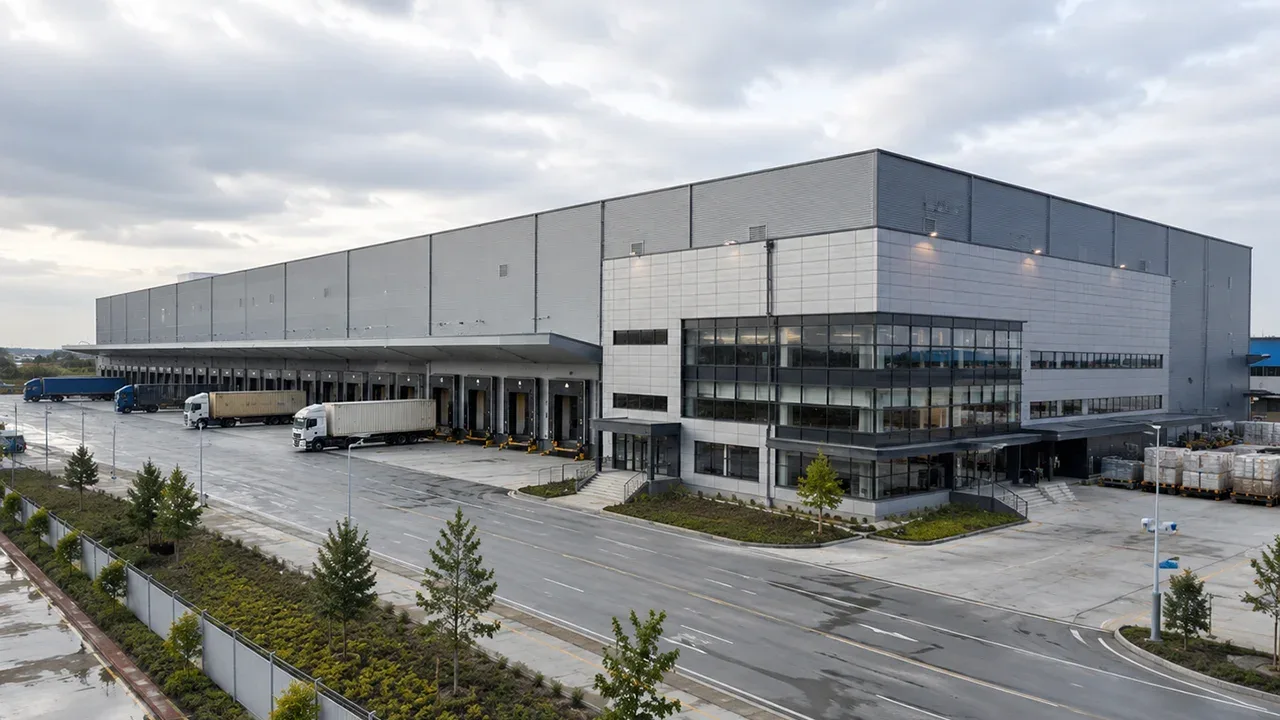
Practical insulation decisions are best understood through real-world execution. One relevant example comes from an overseas steel warehouse project completed by XTD Steel Structure in South America. The steel structure warehouse project in Paraguay demonstrates how mezzanine planning and thermal considerations are integrated into prefabricated warehouse systems under challenging climate conditions.
The project involved a large-span steel warehouse designed for industrial storage and operational use in a warm, high-humidity environment. As part of the functional layout, mezzanine areas were incorporated to support office space and internal operations. These mezzanine zones required targeted thermal insulation solutions to prevent heat buildup from the roof structure and ensure acceptable working conditions throughout the year.
Rather than relying solely on roof insulation, the design team adopted a layered approach to warehouse insulation options. This included localized insulation at mezzanine enclosure zones and careful coordination between wall panels, mezzanine partitions, and airflow planning. By treating the mezzanine as an occupied thermal zone instead of an extension of the warehouse volume, the project achieved better temperature stability and reduced cooling demand.
The Paraguay warehouse also highlights a key advantage of prefabricated steel systems: insulation strategies can be planned alongside structural fabrication. Steel framing, mezzanine layout, and insulation interfaces were aligned during the design phase, minimizing on-site modification and ensuring consistent installation quality. This approach reduced construction time while improving long-term operational efficiency.
This real project illustrates how selecting the right warehouse insulation options for mezzanine areas is not a theoretical exercise, but a practical design decision that directly impacts comfort, energy performance, and lifecycle cost—especially in export-oriented steel warehouse projects operating in demanding climates.
Common Mistakes in Mezzanine Thermal Insulation Design
One common mistake is focusing insulation efforts solely on the roof while neglecting mezzanine spaces. Another is selecting insulation materials without considering fire regulations or HVAC integration.
Lack of coordination between structural, mechanical, and architectural design teams often leads to inefficient insulation layouts. Avoiding these mistakes ensures that warehouse insulation options deliver their full intended value.
Conclusion — Choosing the Right Warehouse Insulation Options
There is no universal solution for mezzanine thermal insulation in steel warehouses. Each project requires a tailored approach based on usage, climate, fire requirements, and operational goals.
By understanding the strengths and limitations of different insulation systems, warehouse owners and engineers can select solutions that enhance comfort, improve energy efficiency, and support long-term performance. Well-designed mezzanine insulation is a critical component of modern steel warehouse design.