The global expansion of food processing, pharmaceutical distribution, seafood export, and frozen logistics has accelerated demand for advanced cold chain infrastructure. At the center of this growth lies one critical facility type: the cold storage steel warehouse. Designed to maintain precise environmental conditions while supporting heavy-duty industrial operations, this specialized structure plays a vital role in protecting temperature-sensitive products and ensuring regulatory compliance.
Unlike conventional warehouses, cold storage facilities must operate under strict thermal requirements, often ranging from chilled environments at 2–8°C to deep-freeze zones reaching -25°C or lower. Maintaining stable temperature control inside large industrial spaces presents unique engineering challenges. Traditional concrete buildings frequently struggle with condensation, cracking, thermal inefficiency, and long construction cycles. In contrast, a properly engineered cold storage steel warehouse provides structural stability, faster installation, improved insulation integration, and superior long-term performance.
As supply chains become more globalized and consumer expectations for freshness increase, businesses are investing in scalable, energy-efficient steel facilities that can adapt to fluctuating demand. Whether serving food distribution centers, pharmaceutical storage hubs, or export processing facilities, the cold storage steel warehouse has become the preferred solution for modern cold chain logistics.
What Is a Cold Storage Steel Warehouse?
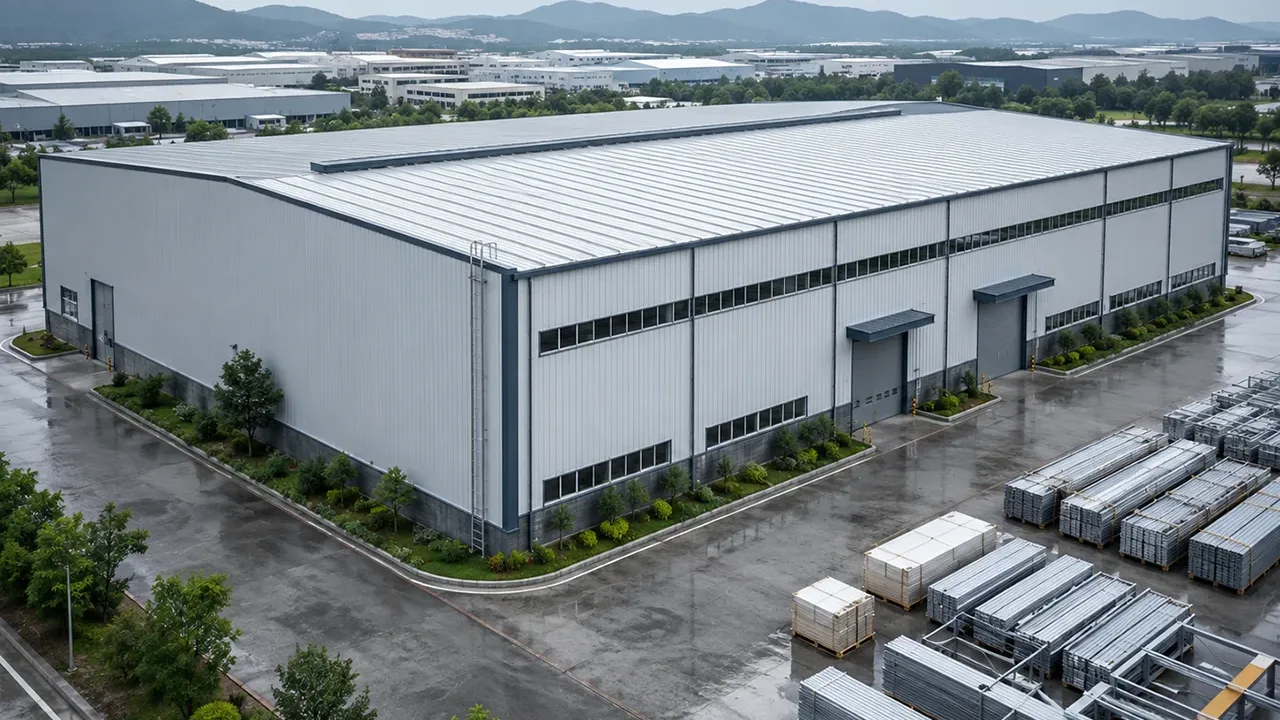
A cold storage steel warehouse is a purpose-built industrial structure engineered to maintain controlled internal temperatures for storing and handling perishable or temperature-sensitive goods. Unlike a standard warehouse, which primarily focuses on structural capacity and space optimization, a cold storage facility integrates advanced insulation systems, airtight construction, vapor barriers, and refrigeration equipment into the building design.
The defining characteristic of a cold storage steel warehouse is its ability to sustain precise temperature control across different operational zones. These zones may include pre-cooling areas, blast freezing chambers, chilled storage rooms, and ambient dispatch sections. Each area must operate within strict temperature tolerances to prevent product degradation, contamination, or financial loss.
Typical applications include frozen food storage, meat and poultry processing, seafood export centers, dairy distribution, pharmaceutical logistics, agricultural product preservation, and multi-temperature third-party logistics facilities. In all these sectors, structural integrity and environmental performance are equally important. A cold storage steel warehouse must resist moisture accumulation, manage condensation, and maintain airtight sealing to ensure consistent internal climate performance.
Why Steel Is Ideal for Cold Storage Facilities
Structural Stability in Low Temperatures
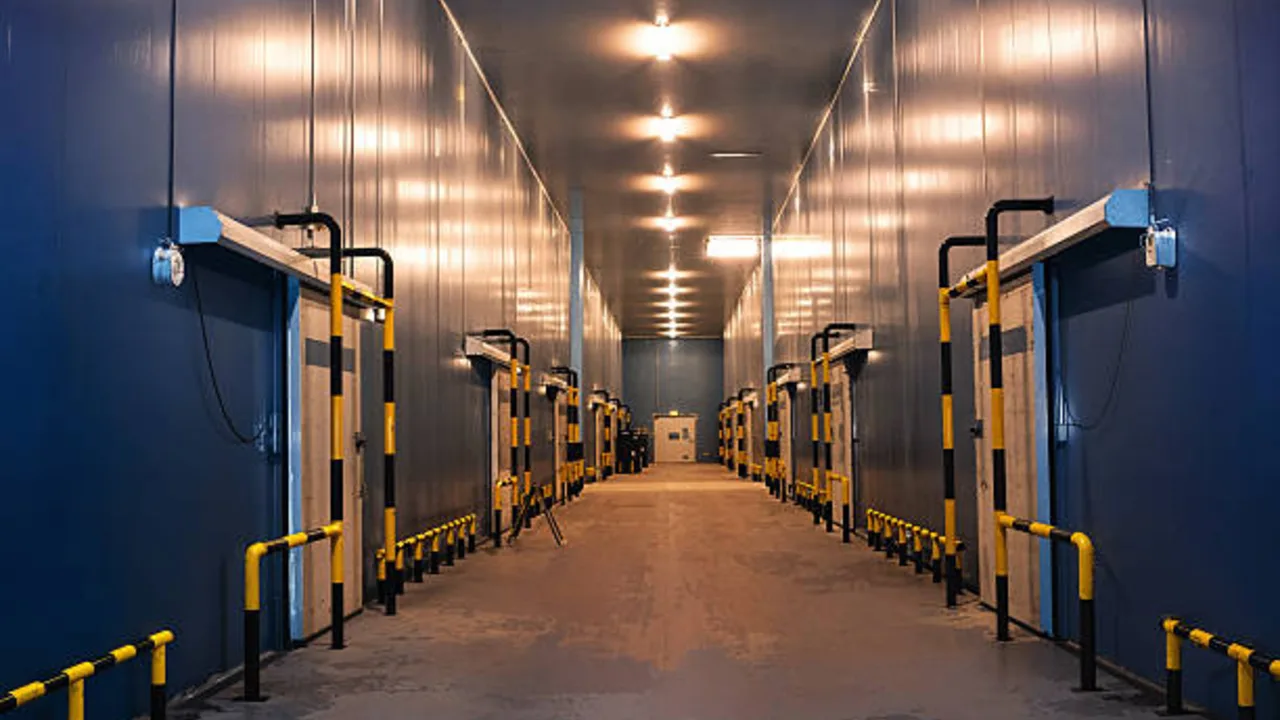
Steel performs exceptionally well in low-temperature environments. Unlike concrete, which may experience cracking due to freeze-thaw cycles or thermal stress, steel maintains dimensional stability even in sub-zero conditions. This makes a cold storage steel warehouse structurally reliable for long-term frozen operations.
In deep-freeze facilities, where internal temperatures may remain below -20°C continuously, material stability is critical. Structural movement or cracking can compromise insulation systems and disrupt temperature control. Steel frames provide predictable performance, allowing engineers to design precise load-bearing systems without the risk of thermal degradation.
Faster Construction and Reduced Downtime
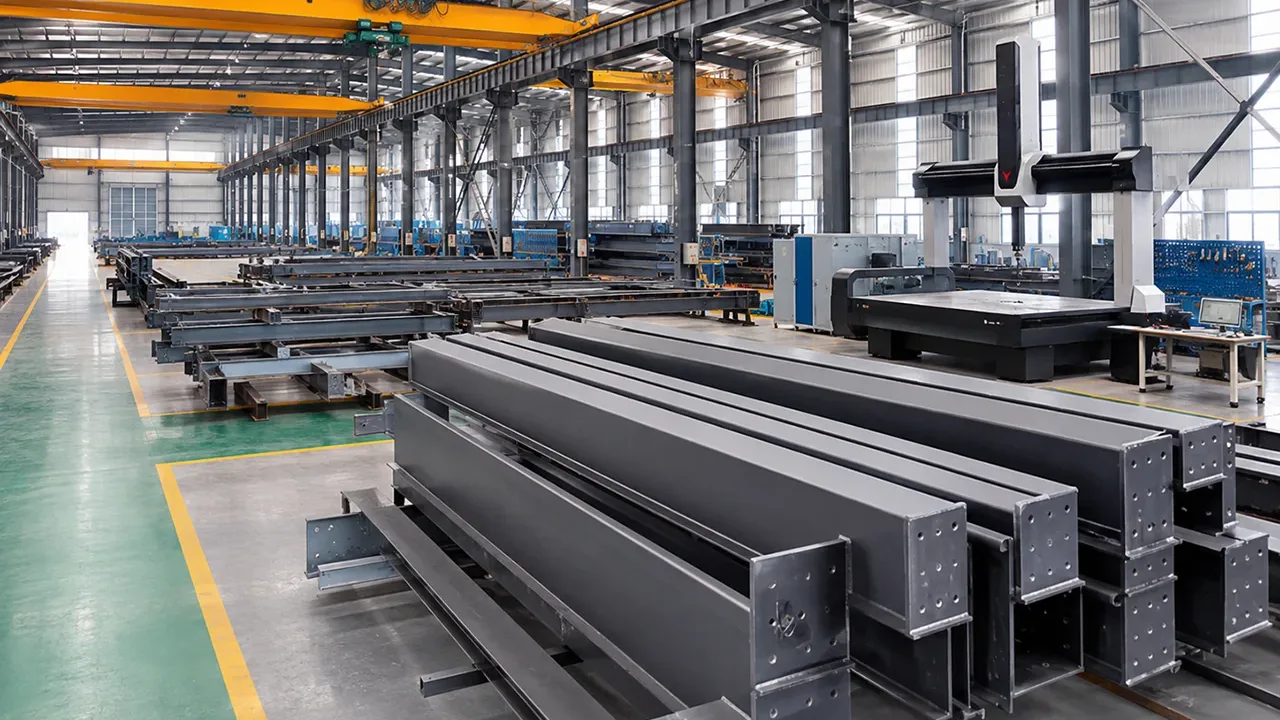
Time is a decisive factor in cold chain projects. Businesses cannot afford extended construction delays while waiting to launch new distribution operations. Prefabricated steel components are manufactured off-site with precision engineering, allowing rapid on-site assembly. A cold storage steel warehouse can be erected significantly faster than traditional concrete alternatives.
Shorter construction timelines translate into earlier operational start dates, reduced financing costs, and quicker return on investment. Additionally, modular steel framing allows future expansion without interrupting ongoing operations—an important advantage for growing logistics networks.
Improved Hygiene and Food Safety Compliance
Cold storage environments must meet strict hygiene and food safety regulations. Steel structures support smooth internal wall systems and insulated panels that minimize microbial growth and are easy to clean. When combined with proper vapor barriers and sealed joints, a cold storage steel warehouse provides a controlled and sanitary environment suitable for food-grade operations.
In pharmaceutical storage applications, maintaining sterile conditions is equally important. Steel structures enable seamless integration of cleanroom-compatible finishes, HVAC filtration systems, and sealed partitions. This enhances the reliability of temperature control while supporting regulatory compliance.
Temperature Control Engineering in Cold Storage Steel Warehouse Design
The core of every cold storage steel warehouse lies in its environmental engineering system. Structural strength alone is not sufficient; maintaining precise internal temperatures requires coordinated integration of insulation, refrigeration, and moisture control systems.
Insulated Sandwich Panel Systems
High-performance insulated sandwich panels are essential components of a cold storage steel warehouse. Typically constructed with polyurethane (PU) or polyisocyanurate (PIR) cores, these panels provide excellent thermal resistance and reduce heat transfer between internal and external environments.
Panel thickness varies depending on temperature requirements. Deep-freeze facilities demand thicker insulation layers compared to chilled storage areas. The correct panel specification directly influences the building’s energy consumption and overall temperature control efficiency.
Vapor Barriers and Airtight Sealing
Condensation is one of the most serious risks in cold storage environments. Moisture infiltration can lead to ice formation, insulation damage, corrosion, and structural weakening. A properly engineered cold storage steel warehouse incorporates vapor barriers and airtight sealing systems to prevent warm air from entering controlled zones.
Attention to joint detailing, panel connections, and door seals is critical. Even minor air leakage can significantly impact internal temperature control, increasing energy consumption and reducing operational reliability.
Floor Insulation and Anti-Frost Systems
In frozen warehouses, floor systems require specialized engineering. Without proper insulation beneath the slab, ground frost heave can cause structural damage over time. A cold storage steel warehouse often includes insulated subfloor layers and, in some cases, heated glycol piping systems to prevent soil freezing.
These measures ensure long-term structural stability while maintaining efficient temperature control inside the facility.
Refrigeration and HVAC Integration
Refrigeration equipment is the heart of cold storage operations. Evaporators, compressors, condensers, and air circulation systems must be integrated seamlessly into the steel structure. In a cold storage steel warehouse, the roof and framing system are designed to support suspended cooling equipment while maintaining load balance and structural integrity.
Multi-zone refrigeration systems allow different storage areas to operate at varying temperatures within the same building. This flexibility enhances operational efficiency and ensures accurate temperature control across product categories.
Structural Design Considerations for Cold Storage Steel Warehouse
Beyond insulation and refrigeration, structural design plays a crucial role in long-term performance. A cold storage steel warehouse must be engineered to accommodate both environmental loads and operational requirements.
Snow Load and Roof Engineering
Cold storage facilities are often located in regions where snow accumulation is significant. Roof systems must be designed to support snow loads while also carrying refrigeration equipment and suspended utilities. Steel truss systems provide the strength necessary for these combined loads.
Corrosion Protection in Humid Conditions
Humidity and condensation can accelerate corrosion in poorly designed facilities. Protective coatings, galvanization, and moisture-resistant finishes are essential for maintaining the structural integrity of a cold storage steel warehouse.
Thermal Movement and Expansion Control
Temperature differentials between interior and exterior environments create thermal movement within structural components. Proper expansion joints and flexible connection detailing are incorporated to prevent stress buildup. These engineering measures preserve the durability of the cold storage steel warehouse over decades of operation.
Loading Dock and Dock Shelter Integration
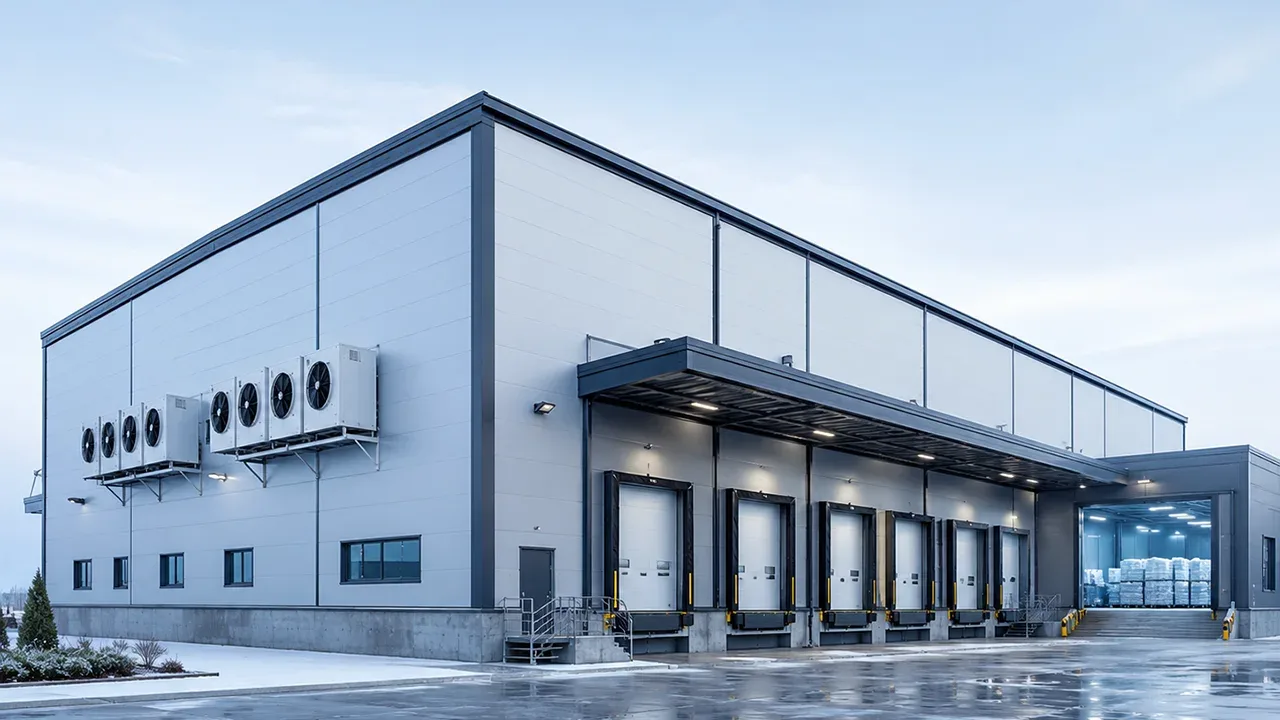
Efficient cold chain logistics requires rapid transfer between refrigerated trucks and warehouse interiors. Dock shelters, insulated loading bays, and high-speed doors are integrated into the steel structure to minimize temperature fluctuation during loading operations. Maintaining uninterrupted temperature control at docking areas significantly reduces energy loss and product risk.
A well-designed cold storage steel warehouse therefore combines structural precision, advanced insulation, and intelligent refrigeration systems into a unified engineering solution. In the next section, we will examine layout optimization, cost structures, and supplier selection strategies that determine long-term investment performance.
Layout Planning for Efficient Cold Storage Operations
Operational efficiency is just as important as structural strength in a cold storage steel warehouse. A poorly planned layout can disrupt workflow, increase energy consumption, and compromise temperature control. Because cold storage facilities operate continuously and often handle high product turnover, every square meter must be strategically designed to minimize thermal fluctuation and maximize productivity.
A typical cold storage steel warehouse layout is divided into functional zones. These zones may include receiving docks, pre-cooling chambers, blast freezing rooms, bulk storage areas, order picking sections, and dispatch docks. Separating these zones with insulated partitions allows operators to maintain specific temperature ranges without affecting adjacent areas.
For example, seafood export facilities may include blast freezers operating at -35°C for rapid freezing, followed by long-term storage zones at -18°C. Pharmaceutical warehouses may incorporate 2–8°C controlled environments alongside separate ambient packaging rooms. Designing these zones within a single cold storage steel warehouse requires careful airflow management and reliable temperature control systems.
Table: Temperature Zones and Typical Applications
| Temperature Range | Application | Structural Consideration |
|---|---|---|
| 2–8°C | Pharmaceutical storage, fresh produce | Moderate insulation thickness, precise HVAC control |
| 0–4°C | Dairy, meat processing | High humidity management, vapor sealing |
| -18°C | Frozen food storage | Thicker insulation panels, frost-protected flooring |
| -30°C to -40°C | Blast freezing operations | Reinforced structure, advanced refrigeration systems |
By designing zones based on operational requirements, a cold storage steel warehouse achieves better energy efficiency and smoother product flow. Optimized layout planning also reduces door opening frequency, which directly supports stable temperature control.
Cost Factors in Cold Storage Steel Warehouse Construction
Investing in a cold storage steel warehouse involves more than structural steel costs. Cold chain infrastructure requires specialized insulation, refrigeration systems, moisture control solutions, and energy-efficient equipment. Understanding the primary cost drivers allows developers to align budget expectations with long-term performance goals.
Table: Major Cost Components in Cold Storage Steel Warehouse
| Component | Cost Impact | Why It Matters |
|---|---|---|
| Steel Structural Frame | High | Determines span width, load capacity, and expansion flexibility |
| Insulation System | High | Critical for thermal performance and energy efficiency |
| Refrigeration Equipment | Very High | Core system for temperature control and product safety |
| Floor Insulation & Heating | Medium–High | Prevents frost heave and structural damage |
| Loading Dock Equipment | Medium | Maintains temperature control during logistics operations |
| Energy Consumption Systems | Medium–High | Impacts long-term operational cost |
While upfront investment for a cold storage steel warehouse may exceed that of a standard warehouse, lifecycle cost efficiency is significantly higher due to energy optimization and lower maintenance needs. Properly engineered temperature control systems reduce product loss and ensure regulatory compliance, protecting long-term revenue streams.
Illustrative Cost per Square Meter
| Facility Type | Typical Size | Relative Cost Level | Notes |
|---|---|---|---|
| Single-Zone Chilled Warehouse | 1,000–3,000 m² | Medium | Basic insulation, moderate refrigeration |
| Frozen Storage Facility | 3,000–6,000 m² | High | Thicker panels, frost-protected floor |
| Multi-Temperature Distribution Hub | 5,000–15,000+ m² | Very High | Complex zoning, advanced temperature control systems |
Cold Storage Steel Warehouse vs Concrete Cold Storage
When comparing construction materials, steel consistently outperforms traditional concrete for cold storage projects. A cold storage steel warehouse provides superior insulation integration, faster construction timelines, and easier scalability.
| Criteria | Steel Warehouse | Concrete Warehouse |
|---|---|---|
| Construction Time | Fast (prefabricated) | Slow (on-site curing required) |
| Insulation Integration | High compatibility | More complex retrofitting |
| Energy Efficiency | Optimized temperature control | Higher thermal bridging risk |
| Expandability | Modular expansion possible | Structural modification difficult |
| Maintenance | Low | Potential cracking issues |
Over a 20–30 year operational cycle, the cold storage steel warehouse typically delivers stronger return on investment due to reduced structural maintenance and improved temperature control efficiency.
Real-World Applications of Cold Storage Steel Warehouse
Seafood Export Processing Facility
A coastal seafood exporter required a cold storage steel warehouse capable of blast freezing and long-term frozen storage. The facility incorporated heavy-duty insulation panels, corrosion-resistant steel coatings, and multi-zone refrigeration systems. Enhanced temperature control ensured export compliance and minimized spoilage during peak harvest seasons.
Pharmaceutical Distribution Center
A pharmaceutical logistics provider developed a multi-compartment cold storage steel warehouse with 2–8°C zones and backup power redundancy. Precision temperature control systems were integrated with real-time monitoring technology to meet strict regulatory requirements.
Multi-Temperature Logistics Hub
A third-party logistics operator constructed a large-scale cold storage steel warehouse with chilled, frozen, and ambient sections under one roof. Steel framing enabled future expansion, while advanced airflow systems preserved consistent temperature control across all zones.
Choosing the Right Steel Structure Warehouse Supplier
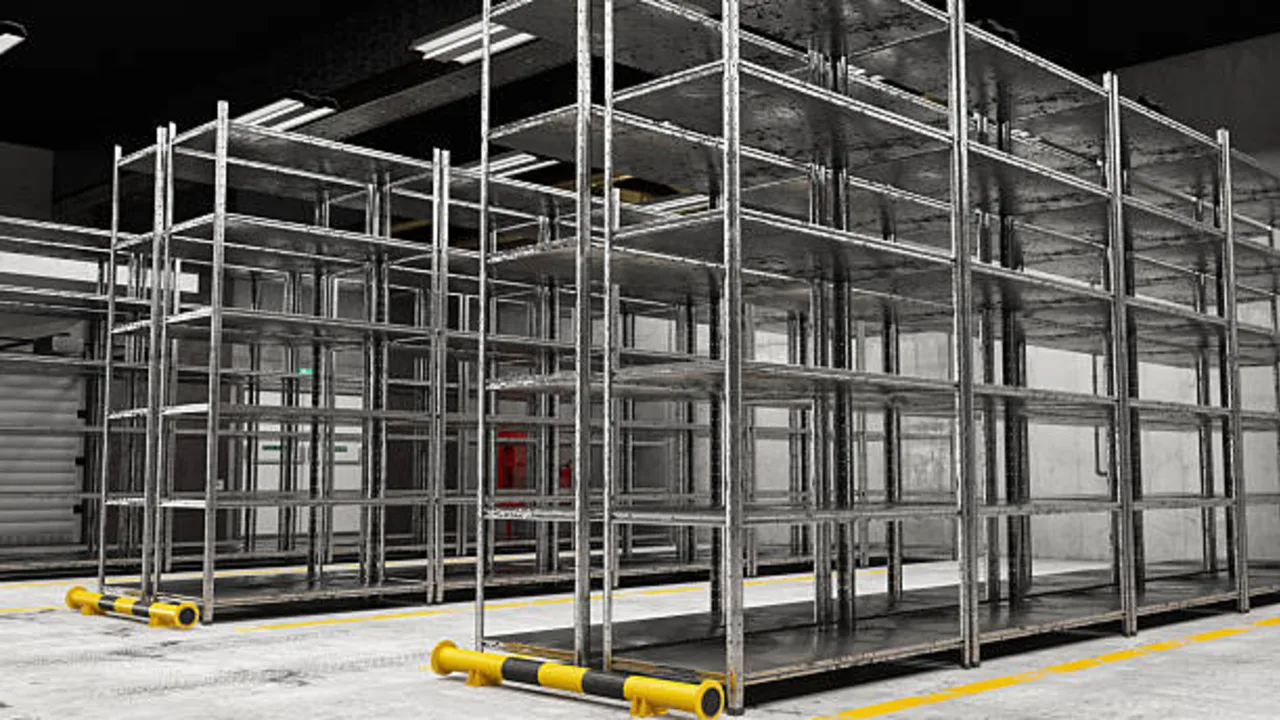
Selecting an experienced steel structure warehouse supplier is critical when developing a cold storage steel warehouse. Cold chain facilities demand more than basic structural capability. The supplier must demonstrate expertise in load calculation, insulation detailing, vapor barrier systems, and refrigeration integration.
An ideal steel structure warehouse supplier provides engineering analysis tailored to climate conditions, offers corrosion protection solutions, and understands the technical requirements of temperature-sensitive operations. Experience in delivering cold chain projects reduces construction risk and ensures long-term performance.
Sustainability and Energy Efficiency
Modern cold storage operations face increasing pressure to reduce energy consumption. A well-designed cold storage steel warehouse supports sustainability initiatives through high R-value insulation, solar-ready roofing systems, and energy-efficient refrigeration equipment.
Smart monitoring systems allow facility managers to track internal temperature control performance in real time. By combining efficient structural design with optimized refrigeration engineering, businesses can significantly reduce operational costs while maintaining reliable product protection.
FAQ About Cold Storage Steel Warehouse
1. How long does a cold storage steel warehouse last?
With proper maintenance and corrosion protection, a cold storage steel warehouse can operate efficiently for 30–50 years or more.
2. What is the biggest cost factor?
Refrigeration systems and insulation components typically represent the highest investment due to their impact on temperature control.
3. Can a cold storage steel warehouse be expanded?
Yes. Modular steel framing allows phased expansion without disrupting core operations.
4. Is steel safe for food storage?
Yes. Steel structures support hygienic panel systems and sealed surfaces suitable for food-grade facilities.
5. Why is temperature control so critical?
Precise temperature control prevents spoilage, protects pharmaceuticals, and ensures compliance with international safety standards.
A strategically engineered cold storage steel warehouse delivers structural durability, scalable design, and advanced temperature control performance. As global cold chain demand continues to grow, steel-based cold storage facilities remain the most efficient, adaptable, and cost-effective solution for long-term industrial operations.