Modern industrial expansion increasingly takes place in regions with moderate to high seismic activity. In these environments, warehouse seismic design is no longer optional — it is a structural necessity. Industrial warehouses store valuable equipment, inventory, and machinery, and any structural failure during an earthquake can result in catastrophic financial losses, operational downtime, and safety hazards.
Unlike standard structural planning, warehouse seismic design requires engineers to anticipate dynamic ground motion, structural vibration, and force redistribution throughout the building frame. Steel warehouses, in particular, must be engineered to resist horizontal forces generated during earthquakes, commonly referred to as lateral load. These forces impact columns, beams, roof diaphragms, bracing systems, and foundation anchorage simultaneously.
Because warehouses typically feature large clear spans, lightweight roof systems, and minimal interior partitions, their seismic behavior differs significantly from multi-story buildings. A properly executed warehouse seismic design integrates structural flexibility, energy dissipation, and load-path continuity to maintain stability even under severe seismic events.
Why Warehouse Seismic Design Matters in Industrial Construction
Industrial warehouses are often built for efficiency, speed, and cost control. However, in seismic zones, structural optimization must go beyond material savings. A warehouse that performs well under static gravity loads may still fail under cyclic earthquake motion if warehouse seismic design principles are ignored.
Earthquakes generate horizontal acceleration forces that push and pull the structure rapidly in alternating directions. These forces produce shear stress at beam-column joints, uplift forces at base connections, and deformation across roof and wall systems. Without proper detailing, this repeated movement can cause brittle fractures, connection failure, or progressive collapse.
Steel structures offer advantages in seismic environments due to their ductility and strength-to-weight ratio. However, even steel buildings require precise analysis of base shear, story drift limits, and lateral stiffness. Effective warehouse seismic design ensures that the structure does not merely remain standing, but also maintains repairable performance after seismic events.
Understanding Seismic Forces in Industrial Warehouses
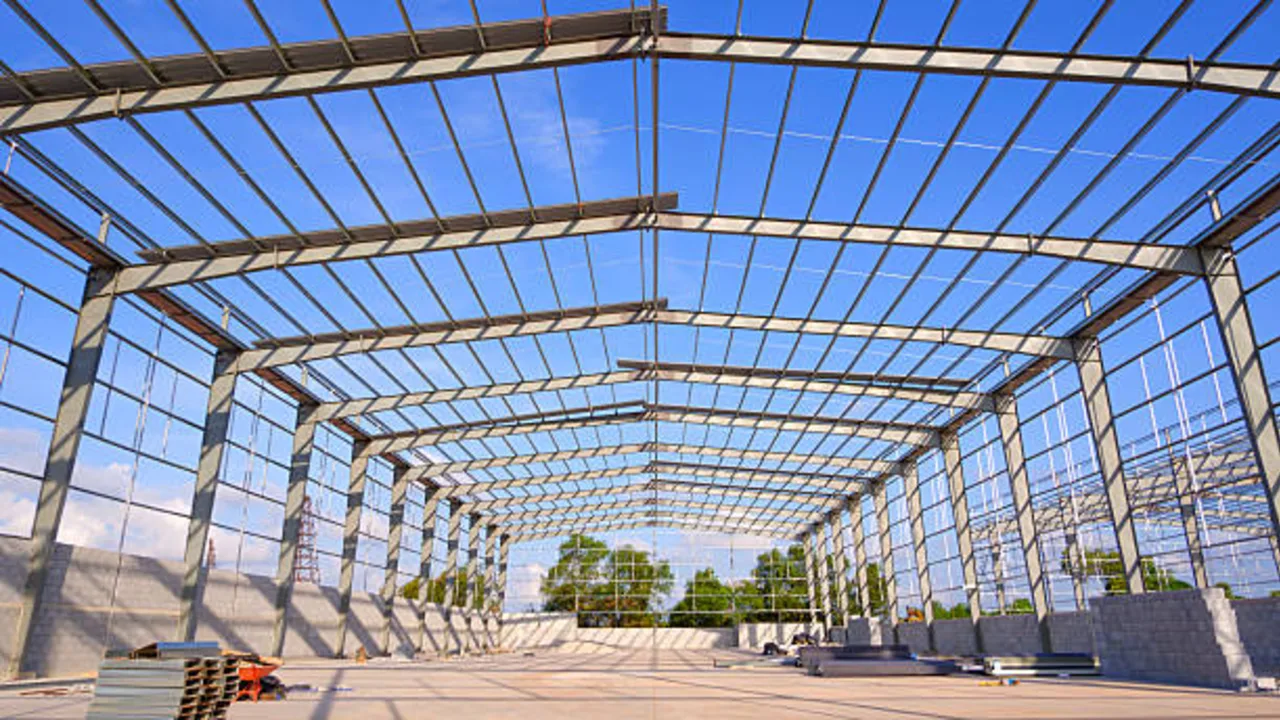
Ground Motion and Structural Response
Seismic ground motion produces acceleration in three directions: longitudinal, transverse, and vertical. While vertical forces are typically smaller, horizontal forces dominate structural stress in warehouse buildings. These horizontal forces generate lateral load that must be resisted by the building’s structural system.
When ground acceleration occurs, inertia causes the warehouse mass to resist movement. This resistance generates internal forces within beams, columns, and bracing members. The heavier the building, the greater the inertial forces. Therefore, lightweight steel systems are often preferred in warehouse seismic design to reduce seismic demand.
Lateral Load vs Vertical Load in Warehouse Structures
Traditional warehouse engineering focuses primarily on vertical loads — dead load from roofing materials and live load from storage systems. However, warehouse seismic design introduces the critical concept of lateral load resistance.
Lateral load travels through the structure following a defined load path:
- Roof diaphragm collects horizontal forces
- Bracing or rigid frames transfer forces downward
- Columns transmit forces to foundations
- Anchor bolts resist uplift and sliding
If any segment of this load path is weak or discontinuous, structural failure can occur. Therefore, continuous force transfer is fundamental in seismic warehouse engineering.
Core Principles of Warehouse Seismic Design
Ductility and Energy Dissipation
Ductility refers to the ability of a structure to deform without sudden failure. In warehouse seismic design, ductility allows steel members to absorb and dissipate seismic energy through controlled yielding rather than brittle fracture.
Moment-resisting frames and properly detailed bracing systems are designed to yield in predictable zones, preventing collapse while maintaining overall structural integrity.
Structural Redundancy
Redundancy ensures that if one structural element fails, alternative load paths remain available. In seismic steel warehouses, redundancy can be achieved by combining rigid frames with cross-bracing systems. This multi-layered resistance improves overall reliability in extreme events.
Load Path Continuity
A critical component of warehouse seismic design is ensuring uninterrupted load transfer from roof to foundation. This means:
- Proper diaphragm fastening
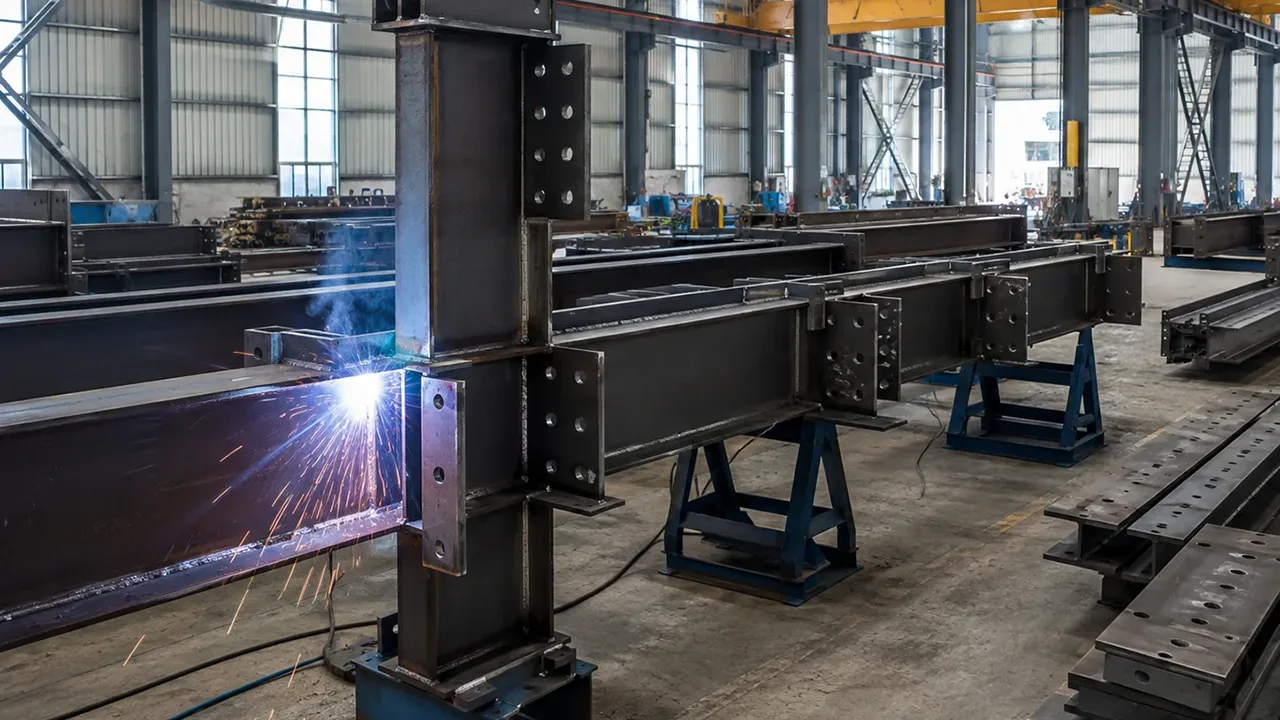
- High-strength bolted or welded connections
- Accurate alignment of bracing members
- Secure base plate anchorage
Any discontinuity can lead to stress concentration and localized failure during earthquake motion.
Base Shear and Drift Control
Base shear represents the total horizontal seismic force acting at the foundation level. Engineers calculate base shear using seismic coefficients defined by regional building codes. Limiting structural drift — the lateral displacement between roof and base — is equally important.
Excessive drift can damage cladding, roof panels, and internal systems even if the primary frame remains intact. Therefore, warehouse seismic design balances flexibility with stiffness to maintain acceptable displacement limits.
Structural Systems Used in Seismic Steel Warehouses
Rigid Frame Systems
Rigid frames rely on moment-resisting beam-to-column connections to withstand lateral forces. They are common in single-span steel warehouses because they allow clear interior space while providing moderate lateral resistance.
Braced Frame Systems
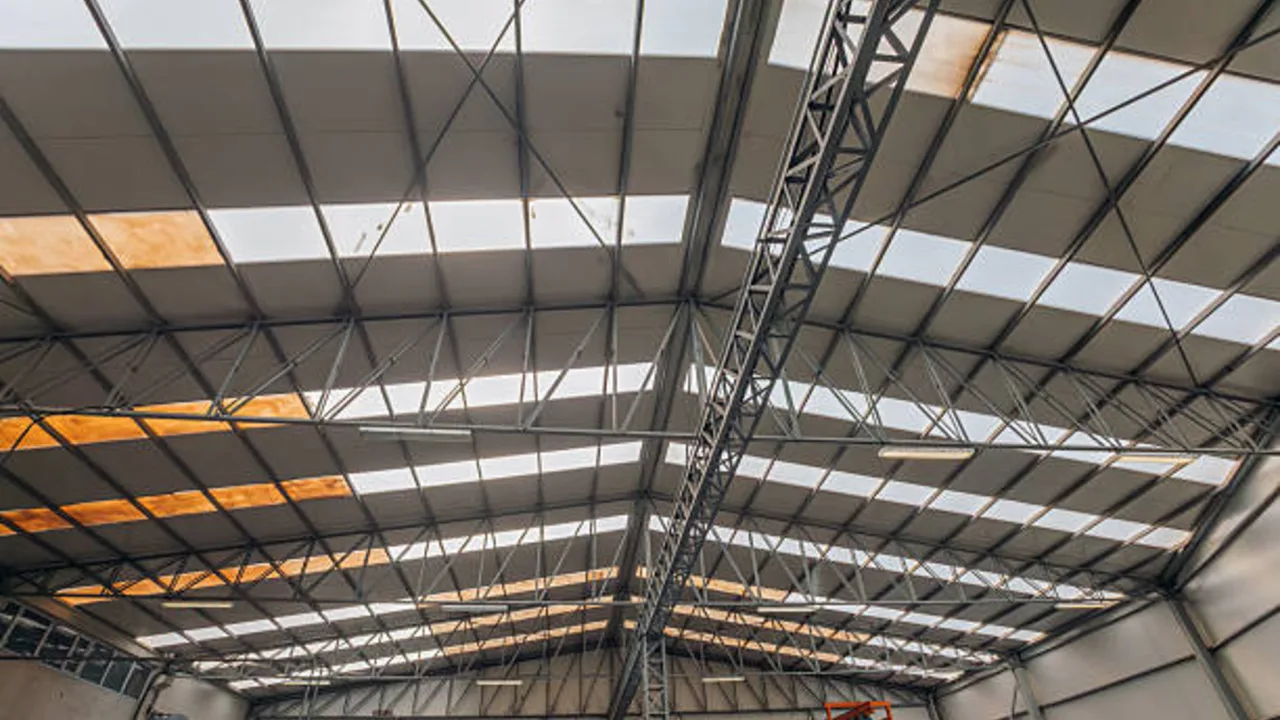
Braced frames use diagonal members to resist lateral load. X-bracing, K-bracing, and single diagonal systems increase stiffness and reduce drift. In high seismic zones, braced frames are often combined with rigid frames to enhance overall performance.
Moment-Resisting Frames
Moment-resisting frames are specifically engineered for high ductility. These systems allow controlled flexural deformation in beam-column joints, making them highly effective in advanced warehouse seismic design strategies.
Hybrid Structural Systems
In complex projects, engineers may integrate rigid frames with shear walls or reinforced concrete cores. This hybrid approach improves both stiffness and energy dissipation, particularly in large distribution centers.
Foundation Considerations in Warehouse Seismic Design
While superstructure framing plays a major role in resisting earthquake forces, foundation engineering is equally critical in warehouse seismic design. Seismic forces are ultimately transferred into the ground, and improper foundation detailing can lead to uplift, sliding, or differential settlement.
During an earthquake, overturning forces may generate uplift tension on one side of the warehouse while compressive forces increase on the opposite side. Anchor bolt design, base plate thickness, and embedment depth must therefore be carefully calculated to prevent pull-out failure.
Soil-structure interaction must also be evaluated. Soft soils amplify seismic acceleration, increasing base shear demand. In high-risk areas, geotechnical analysis is mandatory before finalizing the warehouse seismic design.
- Reinforced concrete strip footings for light warehouses
- Mat foundations for large-span distribution centers
- Pile foundations in weak or liquefaction-prone soils
Advanced projects may incorporate base isolation systems to reduce transmitted ground motion, though this is more common in critical infrastructure facilities.
Code Compliance in Warehouse Seismic Design
Every warehouse seismic design must comply with regional structural codes. These standards define seismic zones, importance factors, response modification coefficients, and drift limits.
- ASCE 7 (United States)
- Eurocode 8 (Europe)
- GB Seismic Design Code (China)
- Local seismic amendments in high-risk countries
Industrial warehouses may have different importance categories depending on occupancy, hazardous materials storage, and economic impact. Selecting the correct importance factor significantly affects structural steel sizing and connection detailing in warehouse seismic design.
Cost Impact of Seismic Reinforcement
One of the most frequent concerns among developers is how seismic requirements affect total project cost. Compared to a standard industrial warehouse, a structure engineered with full warehouse seismic design provisions typically requires additional steel tonnage, stronger connections, and enhanced foundation systems.
Table: Cost Comparison – Standard vs Seismic Warehouse
| Component | Standard Warehouse | Seismic Warehouse | Cost Increase |
|---|---|---|---|
| Structural Steel Weight | Baseline | +8–15% | Moderate |
| Bracing System | Minimal | Enhanced X/K Bracing | Medium |
| Connection Detailing | Standard Bolting | Ductile Detailing Required | Low–Medium |
| Foundation Reinforcement | Basic Design | Additional Anchoring | Medium |
| Engineering Analysis | Static Analysis | Dynamic Seismic Analysis | Low |
Overall, seismic compliance may increase total structural cost by 5–12%, depending on location and design category. However, the cost of structural failure far exceeds this investment.
Case Scenario: 60m Span Warehouse in High Seismic Zone
Consider a 60-meter clear-span steel warehouse located in Seismic Zone 4. In a non-seismic design, the structure might rely solely on rigid portal frames. However, in a proper warehouse seismic design, engineers would introduce additional cross-bracing in end bays, increase column base plate thickness, and upgrade anchor bolts to resist uplift forces.
Roof diaphragm fastening would also be strengthened to ensure effective lateral load transfer. Connection plates would be designed for ductile yielding, preventing brittle fracture under cyclic loading.
Although the steel weight may increase by approximately 10%, the enhanced seismic resilience significantly reduces life-safety risk and long-term repair cost.
Common Mistakes in Warehouse Seismic Design
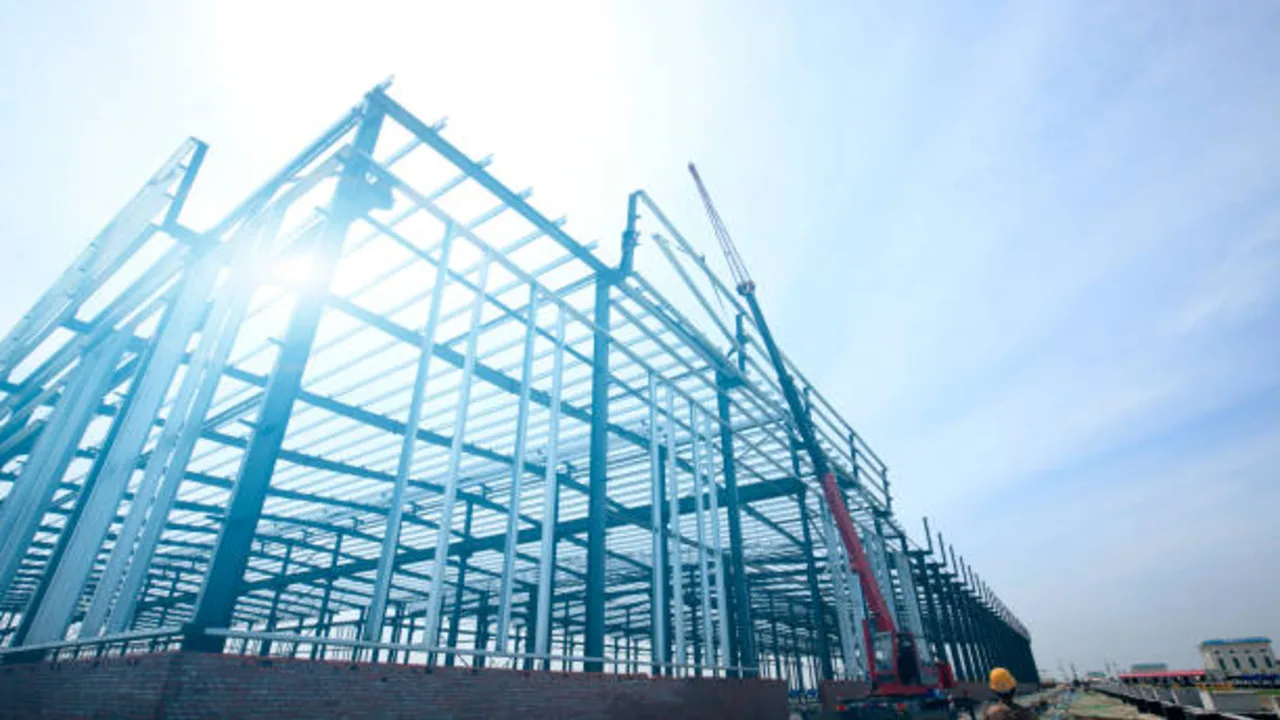
Even experienced contractors sometimes underestimate seismic requirements. The following errors frequently compromise warehouse seismic design performance:
- Ignoring continuous lateral load path
- Undersized anchor bolts at column bases
- Overly flexible roof diaphragm
- Poorly detailed bracing connections
- Excessive structural stiffness causing brittle behavior
Successful seismic engineering requires balancing stiffness and ductility — a structure that is too rigid may fail suddenly, while one that is too flexible may exceed drift limits.
Why Steel Is Ideal for Seismic Warehouse Applications
Steel remains the preferred material in warehouse seismic design due to its predictable ductility, lightweight nature, and repairability. Compared to reinforced concrete, steel structures generate lower seismic inertial forces because of reduced mass.
Additionally, steel framing allows easier retrofitting and expansion. Industrial developers seeking reliable solutions often source projects from experienced manufacturers of steel structure warehouse china, where standardized fabrication and quality control improve structural performance consistency.
In seismic regions, this combination of lightweight framing, engineered bracing, and controlled connection detailing makes steel warehouses more resilient and economically viable over their lifecycle.
FAQ: Warehouse Seismic Design
1. How much does seismic design increase warehouse cost?
Typically between 5–12% of structural cost, depending on seismic zone.
2. Is bracing always required in seismic warehouses?
Yes, in most moderate to high seismic zones, additional bracing or moment-resisting systems are required.
3. Can an existing warehouse be upgraded for seismic safety?
Yes, through retrofitting measures such as adding bracing, strengthening connections, and reinforcing foundations.
4. What is the most critical component in warehouse seismic design?
Ensuring a continuous and reliable lateral load path from roof diaphragm to foundation.
5. Why is steel preferred in seismic warehouse construction?
Because of its ductility, lighter weight, and ability to dissipate seismic energy effectively.
In conclusion, warehouse seismic design is a critical engineering discipline that protects industrial investment, ensures operational continuity, and enhances life safety. As global warehouse construction expands into seismic regions, integrating structural analysis, ductile detailing, and proper lateral load resistance strategies becomes essential for long-term resilience.