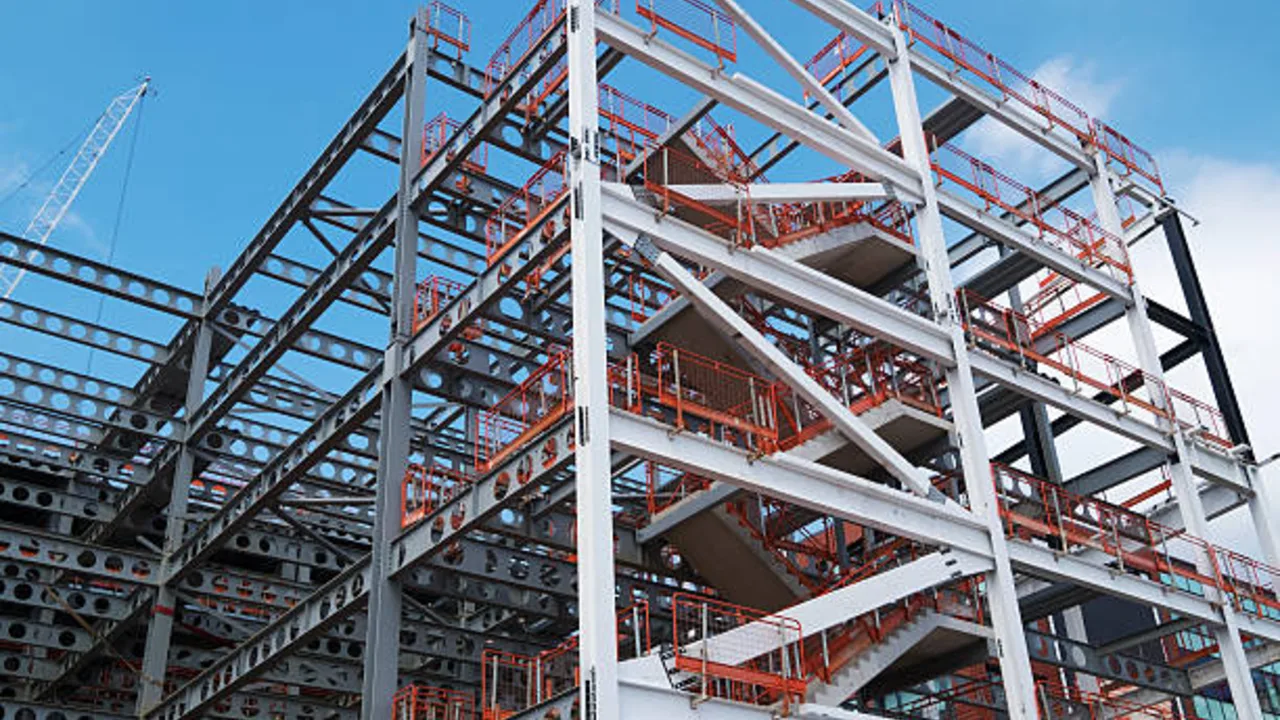
In modern industrial and commercial projects, dimensional precision is not a luxury — it is a structural necessity. From multi-bay warehouses to complex long-span roofs, every millimeter matters. Steel construction tolerance control plays a decisive role in ensuring that fabricated members fit together accurately on site, perform as designed, and maintain long-term structural integrity.
Unlike concrete structures that allow some degree of in-place adjustment, steel structures are manufactured off-site with high precision and assembled under tight schedules. If tolerance is not properly managed from design to erection, small deviations can accumulate into serious alignment issues, costly site adjustment work, and even structural safety risks. As projects grow more complex — especially those involving high-rise frames and space truss systems — the challenge of maintaining dimensional accuracy becomes exponentially greater.
This article explores where tolerance errors originate, how they propagate throughout a project, and what engineering strategies can effectively manage these risks.
Understanding Steel Construction Tolerance Control
Steel construction tolerance control refers to the systematic management of allowable dimensional variations during design, fabrication, transportation, and erection. In structural engineering, “tolerance” defines the permissible deviation from specified dimensions without compromising performance, safety, or constructability.
There are generally two major categories of tolerance:
- Design tolerance – allowable variation considered during structural analysis and detailing.
- Fabrication and erection tolerance – dimensional variation introduced during manufacturing and installation.
These tolerances are not independent. When fabrication deviation combines with anchor bolt misplacement and erection alignment variation, the result can exceed allowable limits. This phenomenon, known as cumulative tolerance or “tolerance stacking,” is one of the most underestimated risks in steel projects.
Alignment accuracy is particularly sensitive to tolerance accumulation. A slight base plate deviation at the column foundation can translate into measurable misalignment at roof level, especially in tall or long-span buildings. Without proactive tolerance planning, on-site correction becomes inevitable.
Where Tolerance Errors Begin — Fabrication Stage
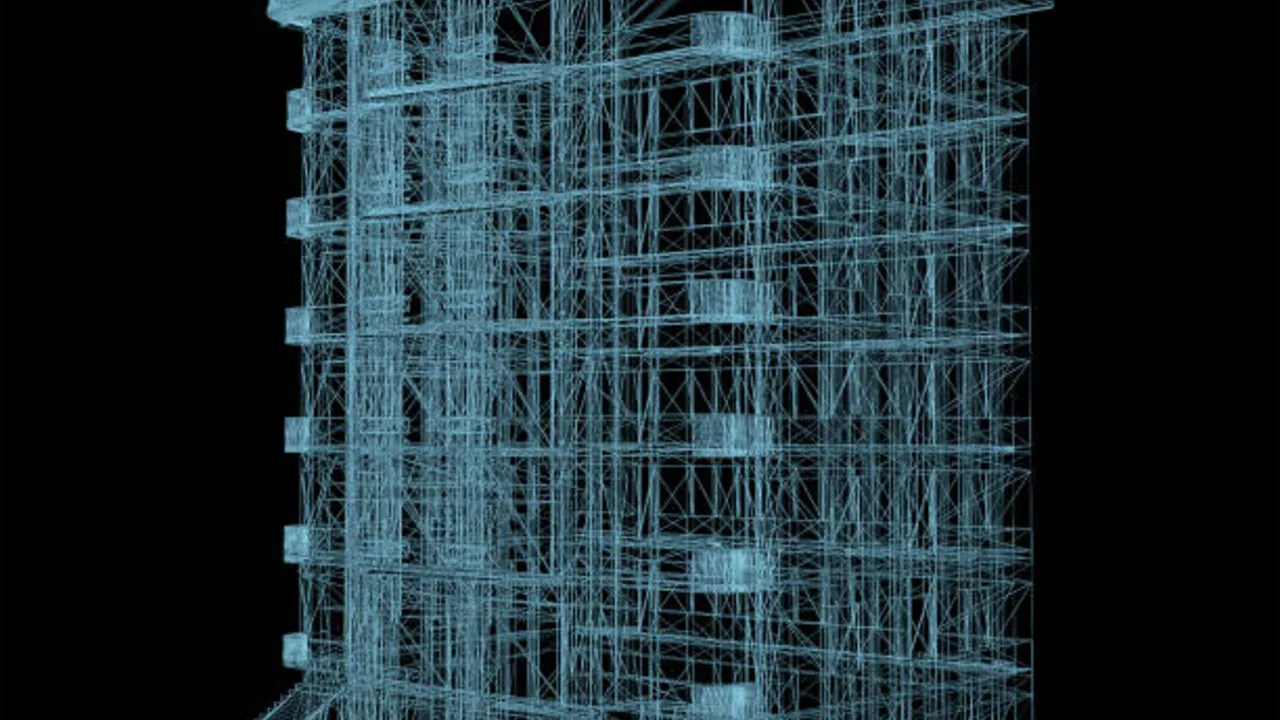
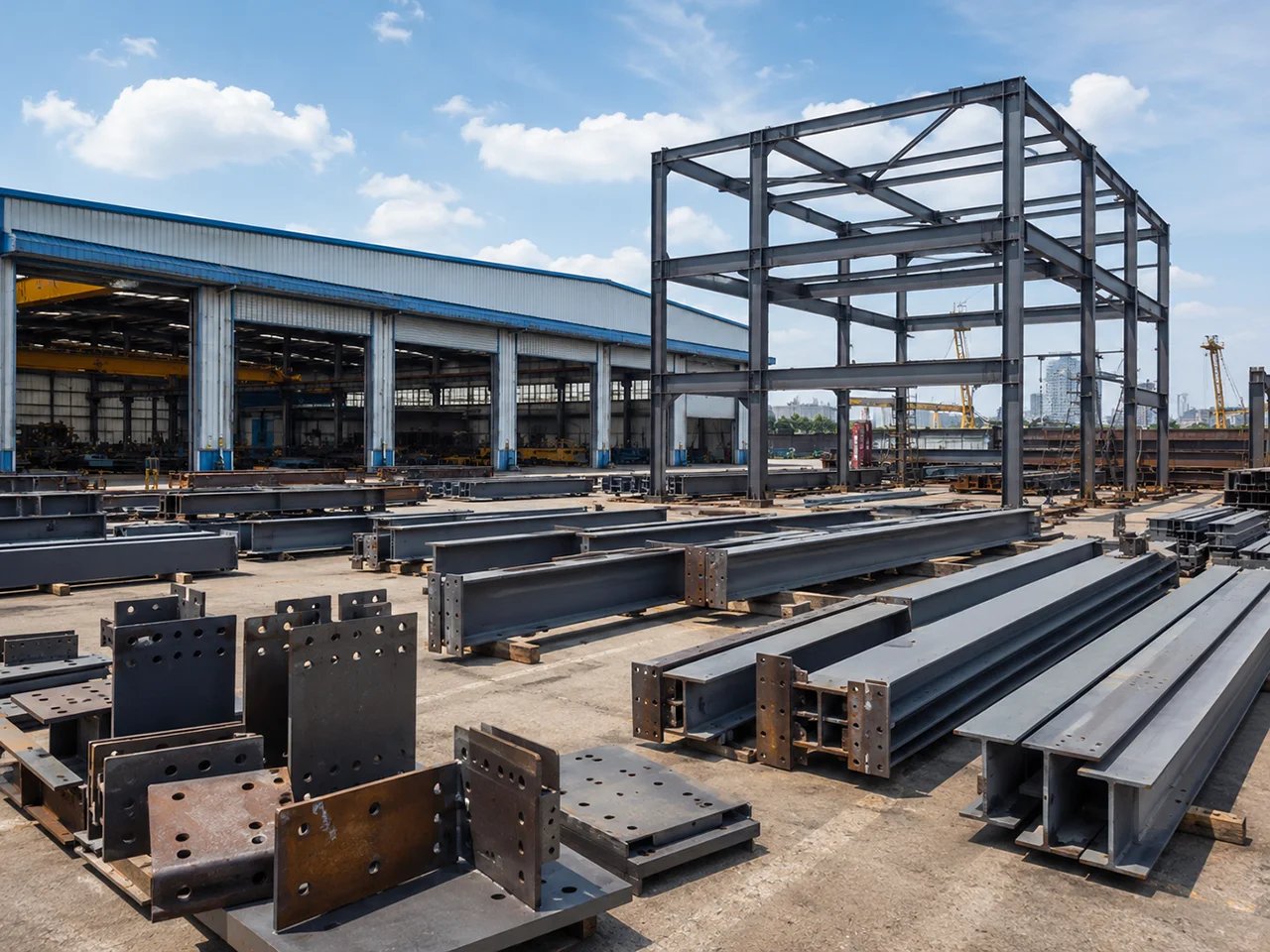
The first opportunity for deviation occurs long before materials arrive at the job site. Fabrication facilities operate with advanced CNC machinery, but even high-precision equipment has allowable limits.
Cutting and Drilling Variations
Modern steel fabrication relies on CNC plasma, laser, or flame cutting systems. While highly accurate, these processes are still subject to:
- Thermal expansion during cutting
- Plate thickness variation
- Machine calibration deviation
- Hole positioning tolerance
A bolt hole shifted by even 1–2 mm may not appear significant at the component level. However, when multiple members connect at a single node, these small deviations can create bolt mismatch during erection, affecting structural alignment.
Welding Distortion and Shrinkage
Welding introduces heat into steel members, causing localized expansion followed by contraction during cooling. This process produces residual stress and geometric distortion. In beams and columns, welding shrinkage can result in:
- Camber variation
- Twisting
- Flange misalignment
- Out-of-plane deviation
If distortion control measures such as balanced welding sequences or pre-cambering are not properly applied, dimensional accuracy can be compromised before the structure ever leaves the factory.
Quality Control Limitations
Even with rigorous inspection procedures, measurement tools themselves have precision limits. Manual measurement introduces potential human error, and cumulative dimensional checks across multiple assemblies can amplify minor discrepancies.
Without a standardized dimensional inspection workflow, fabrication errors may remain within individual component tolerance but exceed allowable limits when assembled.
Transportation and Handling Distortion
After fabrication, structural members must be transported — sometimes across long distances or international shipping routes. During loading, transportation, and unloading, structural elements are subjected to forces that were not part of the original design loads.
Long-span beams may experience temporary bending if lifting points are improperly positioned. Slender columns can undergo slight torsion during container loading. While some deformation is elastic and recoverable, repeated stress cycles may result in permanent distortion.
For export projects, packaging configuration inside open-top or standard containers can also influence structural straightness. If temporary bracing is insufficient, transportation-induced misalignment may create unexpected site adjustment challenges during erection.
On-Site Alignment Challenges During Erection
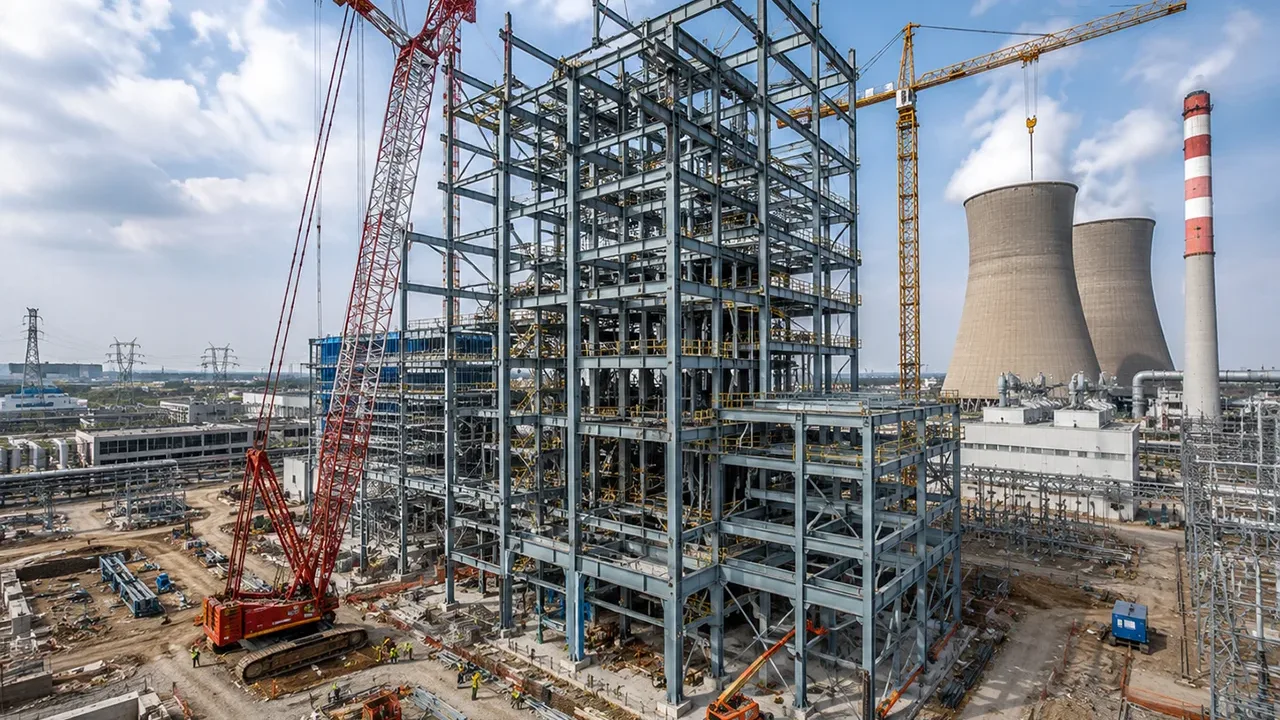
The erection stage is where all previous tolerance decisions converge. Even if individual components remain within allowable fabrication limits, site conditions introduce additional variability.
Column Verticality Issues
Column installation begins with anchor bolts and base plates. If anchor bolts are slightly mispositioned or foundation levels vary beyond allowable tolerance, column verticality becomes difficult to maintain. Shim adjustments can compensate within limits, but excessive deviation may require rework.
In multi-story or high-bay structures, a minor deviation at the base can magnify significantly at roof elevation, affecting overall alignment.
Beam-to-Column Fit-Up Problems
Connection fit-up is one of the most common tolerance-related challenges. Bolt holes may not perfectly align due to accumulated deviation from:
- Fabrication hole positioning
- Column plumbness variation
- Thermal expansion on site
- Transportation distortion
Field reaming or slot enlargement is sometimes used as corrective action. However, excessive modification may compromise connection performance and long-term structural behavior.
Space Truss Complexity
Structures incorporating space truss systems face amplified tolerance sensitivity. Unlike simple portal frames, space trusses rely on multi-directional load paths and precise node geometry. A minor deviation at one node can disrupt the alignment of several connecting members.
Because space trusses operate in three dimensions, cumulative tolerance stacking can rapidly escalate. Surveying accuracy and staged erection sequencing become critical to maintaining structural geometry.
Without careful coordination between design, fabrication, and erection teams, dimensional misalignment can result in significant site adjustment work, schedule delays, and increased safety risks.
The Hidden Cost of Poor Site Adjustment
When dimensional discrepancies exceed acceptable limits, correction shifts from prevention to reaction. Site adjustment becomes necessary, and while it may appear to be a minor field activity, its impact on project cost and schedule can be substantial. Steel structures are designed for bolt-up efficiency. When members do not align properly, that efficiency disappears.
Common site adjustment measures include:
- Field reaming or enlarging bolt holes
- Grinding or trimming connection plates
- Adding shims beyond planned thickness
- Temporary force alignment using chain blocks or jacks
- Localized welding modifications
Each of these corrective actions consumes labor hours, crane time, and supervisory oversight. More importantly, excessive force alignment may introduce unintended stress into the structure. What begins as a small dimensional deviation can evolve into a long-term performance concern.
From a commercial perspective, poor tolerance management often results in:
- Extended erection schedules
- Higher labor costs
- Equipment standby charges
- Increased safety exposure
- Disputes between fabrication and erection teams
In large industrial facilities, where cranes operate on tight schedules and multiple trades depend on structural completion, even minor delays can trigger cascading impacts across the entire construction timeline.
Cumulative Tolerance — The Domino Effect in Large Steel Structures
One of the most underestimated risks in structural steel projects is cumulative tolerance. While individual deviations may remain within allowable limits, their combined effect can exceed overall system tolerance.
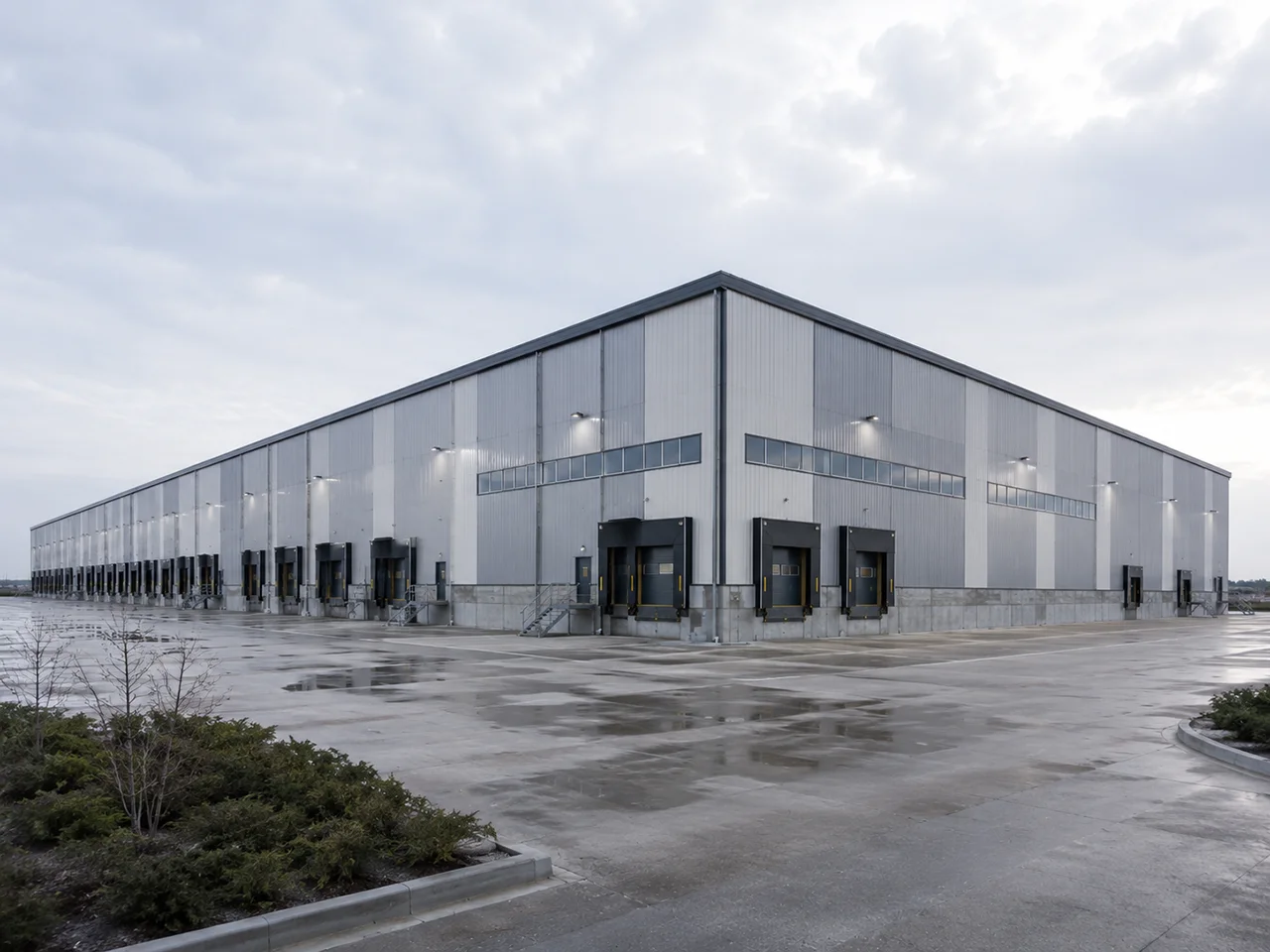
Consider a simple multi-bay industrial building. If each column base is installed with a minor positional deviation and each beam is fabricated with slight length variation, these small differences accumulate across multiple grid lines. By the time the structure reaches its final bay, alignment discrepancies can become visibly significant.
This domino effect becomes even more pronounced in long-span warehouses and high-rise steel frames. Tolerance stacking does not distribute evenly; it concentrates at connection points and expansion joints. If early-stage deviations are not corrected progressively, downstream adjustments become increasingly complex.
Effective steel construction tolerance control therefore requires proactive monitoring at every stage, rather than relying solely on final inspection.
Tolerance Control in Complex Systems Like Space Truss Roofs
Among all structural systems, space truss roofs present some of the greatest dimensional control challenges. Their three-dimensional geometry relies on precise node positioning and accurate member lengths. Unlike linear beam systems, space trusses distribute loads through interconnected triangular configurations.
Because of this geometric sensitivity:
- Node fabrication accuracy must be extremely high
- Member length variation must remain tightly controlled
- Erection sequencing must follow predefined alignment procedures
- Survey control points must be established early
A deviation at a single node can shift load paths and create difficulty connecting adjacent members. In extreme cases, forced alignment during erection may introduce locked-in stress that affects long-term performance.
Advanced projects increasingly use total stations, laser scanning, and 3D digital verification to maintain geometric accuracy. Pre-assembly trials in fabrication yards are also used to validate dimensional consistency before shipment.
For space truss systems, steel construction tolerance control is not simply a quality measure — it is fundamental to structural integrity.
Engineering Strategies for Effective Steel Construction Tolerance Control
Successful tolerance management begins at the design stage and continues through fabrication and erection. It requires coordination across engineering, manufacturing, logistics, and site teams.
Digital Modeling and BIM Coordination
Building Information Modeling (BIM) enables engineers to detect dimensional conflicts before fabrication begins. Clash detection reduces connection mismatch risks, while 3D modeling improves understanding of alignment constraints.
Pre-erection simulation allows teams to visualize sequencing and anticipate tolerance-sensitive areas, particularly in complex geometries.
Pre-Assembly and Trial Fitting
Trial assembly in the fabrication yard helps verify that components fit together within allowable limits. This approach is particularly valuable for space truss nodes and heavy connection assemblies.
By identifying misalignment early, corrective adjustments can be made under controlled factory conditions rather than on site.
Precision Surveying Tools
Modern erection projects increasingly rely on:
- Total station surveying equipment
- Laser scanning verification
- Digital leveling systems
- Real-time alignment monitoring
These tools allow for continuous dimensional control, reducing reliance on post-installation correction.
Standardized QA/QC Workflow
A structured quality assurance and quality control process ensures consistent dimensional verification. This includes:
- Fabrication dimensional reports
- Inspection checklists
- Progressive alignment checks during erection
- Clear tolerance documentation
When tolerance control is documented and measured throughout the project lifecycle, deviation risks are significantly reduced.
Why Choosing the Right Steel Structure Construction Company Matters
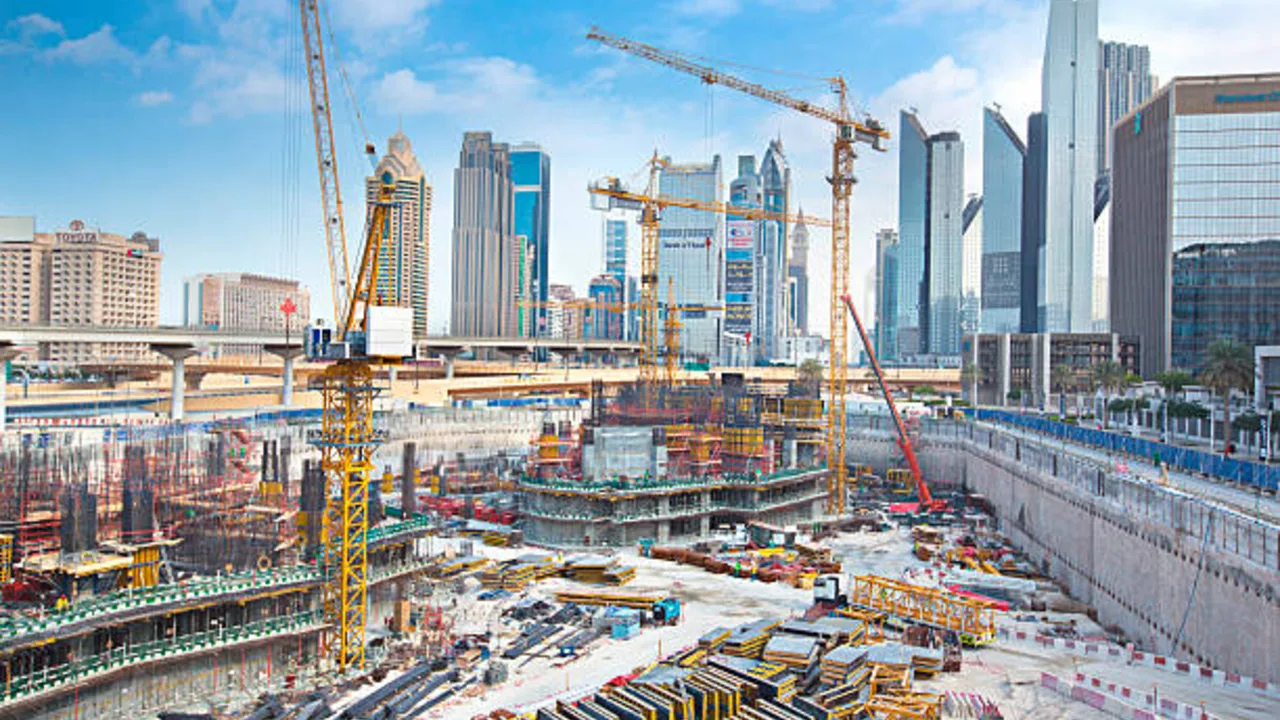
Effective tolerance management is not achieved through equipment alone — it depends on experience, workflow integration, and cross-stage coordination. Working with an experienced steel structure construction company ensures that dimensional planning begins during engineering, not after problems appear on site.
Companies with integrated fabrication and erection expertise understand how design decisions influence installation complexity. They establish realistic tolerance benchmarks, implement standardized inspection systems, and coordinate logistics to minimize distortion risks.
In export and large-scale industrial projects, this integrated capability often determines whether a structure is assembled smoothly or requires costly field modification.
Conclusion — Precision Is Not Optional in Modern Steel Construction
As steel structures become larger, more complex, and more globally distributed, dimensional accuracy has never been more critical. From fabrication shrinkage to on-site alignment challenges, tolerance risks exist at every stage of the project lifecycle.
Steel construction tolerance control is therefore not a single inspection checkpoint — it is a continuous engineering discipline. When managed proactively through digital coordination, precision fabrication, controlled logistics, and structured erection procedures, it ensures structural integrity, cost efficiency, and long-term performance.
In modern steel construction, precision is not optional. It is the foundation of reliability.