In modern industrial production, the strength and reliability of steel structures begin long before fabrication starts. The foundation lies in how raw materials are selected, evaluated, and secured. Effective steel manufacturing raw material sourcing directly influences production stability, cost efficiency, and final product performance. For steel producers operating in competitive global markets, procurement strategy is not merely a purchasing function — it is a strategic pillar that determines long-term sustainability.
Structural steel manufacturers must balance price volatility, logistics constraints, supplier reliability, and fluctuating demand cycles. Even minor disruptions in plate availability can cascade into production delays, missed delivery schedules, and contractual penalties. This is why forward-thinking manufacturers treat procurement management as a core operational discipline rather than an administrative task.
The Strategic Importance of Steel Manufacturing Raw Material Sourcing
A structured approach to steel manufacturing raw material sourcing ensures that production lines remain active, quality standards are maintained, and costs remain predictable. Raw material expenses often represent the largest share of total manufacturing costs in steel production. Therefore, optimizing sourcing strategies has a direct impact on profit margins.
Global steel markets are influenced by infrastructure spending, construction cycles, geopolitical tensions, trade policies, and commodity fluctuations. Procurement teams must constantly monitor plate availability across domestic and international mills to avoid bottlenecks. A shortage in structural plates can halt fabrication processes entirely, especially for large industrial projects requiring customized thickness and grade specifications.
Understanding Core Materials in Structural Steel Production
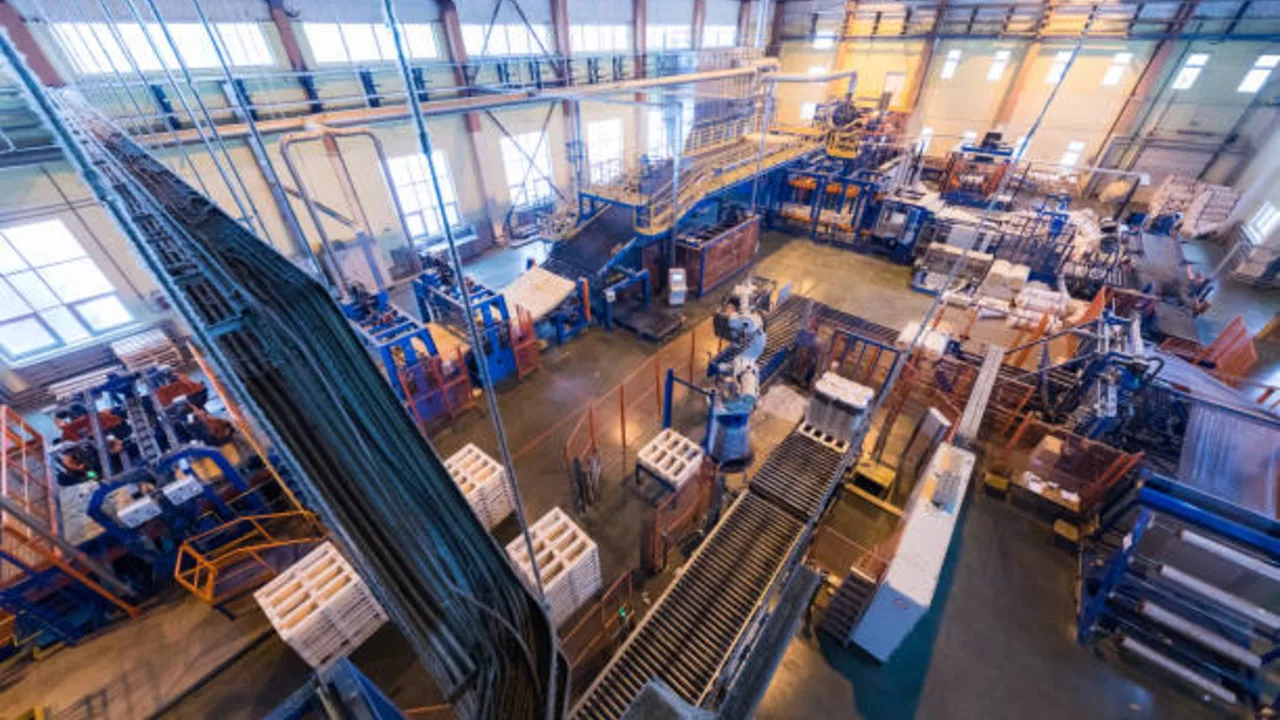
Carbon Steel Plates and Structural Sections
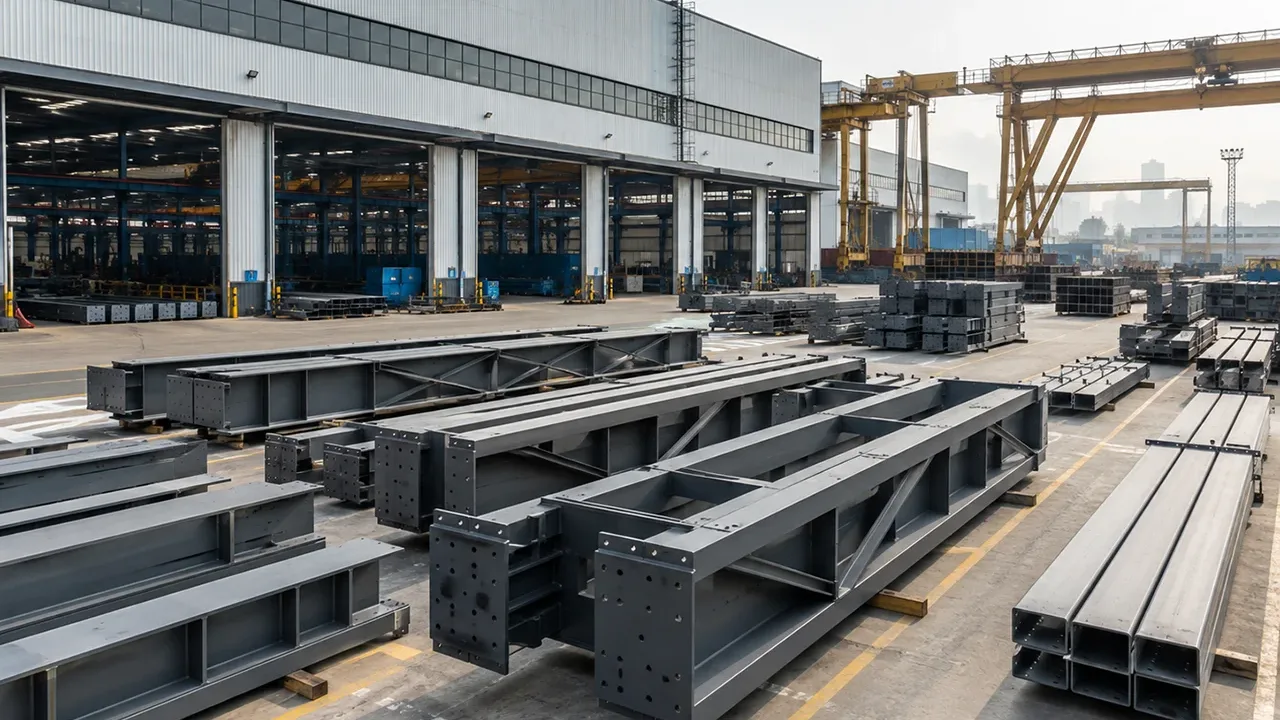
Carbon steel plates form the backbone of industrial steel manufacturing. Thickness ranges vary depending on application, from light secondary framing members to heavy load-bearing components. Maintaining consistent plate availability is critical when production schedules depend on precise cutting, welding, and assembly sequences.
Material properties such as yield strength, tensile strength, and weldability must align with engineering requirements. Procurement specialists must verify mill certifications and ensure batch traceability before materials enter fabrication facilities.
Alloy Additives and Material Performance
Alloying elements such as manganese, chromium, and silicon influence durability and structural integrity. When planning steel manufacturing raw material sourcing, procurement teams must ensure that suppliers consistently meet metallurgical specifications. Even slight chemical variations can affect downstream processes like welding performance or galvanization compatibility.
Surface Protection Materials
Protective coatings and galvanization materials also fall within procurement planning. Delays in coating supply can create scheduling gaps in finishing operations. Integrated sourcing strategies align coating materials with primary steel deliveries to prevent production idle time.
Domestic vs. International Procurement Strategies
Steel manufacturers typically choose between domestic mills and overseas suppliers based on price, reliability, and logistical considerations. Domestic procurement offers shorter lead times and reduced transportation risk, while international sourcing may provide cost advantages in bulk orders.
However, global sourcing introduces variables such as currency fluctuation, customs clearance, and shipping delays. During periods of tight plate availability, international shipments may face extended lead times. Procurement managers must evaluate risk exposure carefully when structuring contracts.
Managing Plate Availability in Volatile Markets
Plate availability often fluctuates with global construction booms and government infrastructure stimulus programs. When large-scale projects accelerate demand, mills may prioritize long-term customers or high-volume contracts. Smaller manufacturers without established relationships can struggle to secure supply.
To mitigate such risks, steel producers implement multi-supplier strategies. Diversifying supply channels reduces dependency on a single mill and increases resilience. Inventory buffer policies also protect against unexpected shortages, although excessive stockholding increases storage costs.
An optimized steel manufacturing raw material sourcing framework incorporates demand forecasting models, historical price analysis, and supplier performance tracking. Data-driven procurement enhances visibility into future constraints and allows proactive decision-making.
Cost Control Through Structured Procurement
Bulk purchasing agreements often provide pricing advantages and priority production slots at mills. Long-term contracts help stabilize cost projections, especially during commodity price volatility. However, flexibility must remain in case market prices decline.
Advanced manufacturers also apply yield optimization strategies. Efficient nesting and cutting patterns minimize waste and improve material utilization rates. Reducing scrap not only lowers costs but also enhances sustainability metrics.
Quality Assurance in Raw Material Procurement
Quality verification is inseparable from procurement. Mill Test Certificates (MTCs) provide documentation of chemical composition and mechanical properties. Third-party inspections may be required for export-oriented projects.
Inconsistent material quality can lead to structural performance issues, welding defects, and compliance risks. Reliable steel manufacturing raw material sourcing ensures that materials meet international standards such as ASTM or EN requirements before fabrication begins.
Aligning Procurement with Production Scheduling
Coordination between procurement and production departments is essential. Fabrication schedules must reflect confirmed delivery timelines, not estimated ones. Transparent communication prevents idle machinery and workforce inefficiencies.
When operating at scale, collaboration with an experienced china steel structure manufacturer allows integration between sourcing strategy and manufacturing capacity planning. This alignment strengthens overall supply chain reliability.
Ultimately, procurement excellence transforms steel production from reactive purchasing to strategic resource management. By prioritizing supplier evaluation, cost control, risk mitigation, and plate availability monitoring, manufacturers establish a resilient operational foundation.
Digitalization and Data-Driven Procurement Intelligence
As supply chains grow more complex, digital tools are becoming indispensable in managing procurement operations. Enterprise Resource Planning (ERP) systems allow manufacturers to track inventory levels, supplier lead times, and purchase order status in real time. When integrated with production planning modules, these systems provide a comprehensive overview of material flow from mill to fabrication line.
Data transparency strengthens steel manufacturing raw material sourcing by reducing uncertainty. Procurement managers can compare historical price trends, monitor supplier performance, and identify early warning signs of potential disruptions. Predictive analytics tools help forecast demand spikes that may impact plate availability, enabling manufacturers to secure supply before shortages escalate.
Supplier Performance Evaluation and Risk Scoring
Modern steel manufacturers no longer rely solely on price comparisons when selecting suppliers. Instead, they assess a combination of production capacity, quality consistency, delivery punctuality, and financial stability. Risk scoring models evaluate geopolitical exposure, energy price sensitivity, and environmental compliance.
A structured supplier evaluation framework enhances long-term reliability. In industries where schedule delays can cost millions, dependable sourcing partnerships become a strategic asset rather than a transactional relationship.
Sustainability and Responsible Procurement Practices
Environmental responsibility is increasingly influencing procurement decisions. Steel production is energy-intensive, and sourcing from mills that utilize recycled content or cleaner energy can significantly reduce overall carbon footprint. Sustainable steel manufacturing raw material sourcing aligns procurement strategy with broader ESG objectives.
Manufacturers are also scrutinizing supplier transparency, labor standards, and regulatory compliance. Responsible sourcing ensures not only environmental alignment but also reputational protection in global markets.
Recycled Steel Content and Circular Economy Principles
Incorporating recycled steel reduces reliance on virgin raw materials and lowers emissions associated with ore extraction. Procurement teams often request documentation regarding recycled content percentages to meet green building certifications or governmental requirements.
Sustainability considerations must be balanced with technical performance standards. While environmental goals are important, structural reliability remains the primary objective in industrial steel manufacturing.
Collaboration Between Procurement and Fabrication Teams
Effective communication between procurement managers and fabrication supervisors ensures seamless execution. Production teams provide early forecasts of required grades and thicknesses, enabling sourcing specialists to secure materials in advance.
When plate availability becomes constrained, collaborative decision-making allows adjustments in cutting schedules, sequencing, or material substitution — provided engineering approval is obtained. This flexibility maintains continuity without compromising structural integrity.
Integrated planning reinforces the efficiency of steel manufacturing raw material sourcing by aligning purchasing cycles with fabrication milestones. The closer the coordination, the lower the risk of idle machinery or surplus inventory.
Inventory Optimization and Working Capital Management
Holding excessive inventory ties up working capital and increases storage costs. Conversely, insufficient stock heightens exposure to supply disruptions. Achieving balance requires accurate forecasting and disciplined monitoring of turnover rates.
Just-in-time procurement models can improve capital efficiency but demand highly reliable suppliers and predictable transportation networks. In volatile markets, hybrid models combining buffer stock with scheduled replenishment are often more practical.
Case-Based Insights: Responding to Market Disruptions
Global steel markets frequently experience price surges triggered by energy crises, geopolitical tensions, or export restrictions. During such periods, proactive manufacturers leverage long-term contracts to stabilize input costs. Those relying exclusively on spot purchasing may face sudden margin erosion.
In another scenario, unexpected infrastructure stimulus programs can dramatically reduce plate availability as mills prioritize government projects. Manufacturers prepared with diversified supplier networks and early procurement commitments are better positioned to maintain production continuity.
These real-world experiences reinforce the importance of strategic steel manufacturing raw material sourcing. Reactive purchasing may suffice during stable cycles, but resilience during volatility requires forward planning.
Global Trade Considerations and Regulatory Compliance
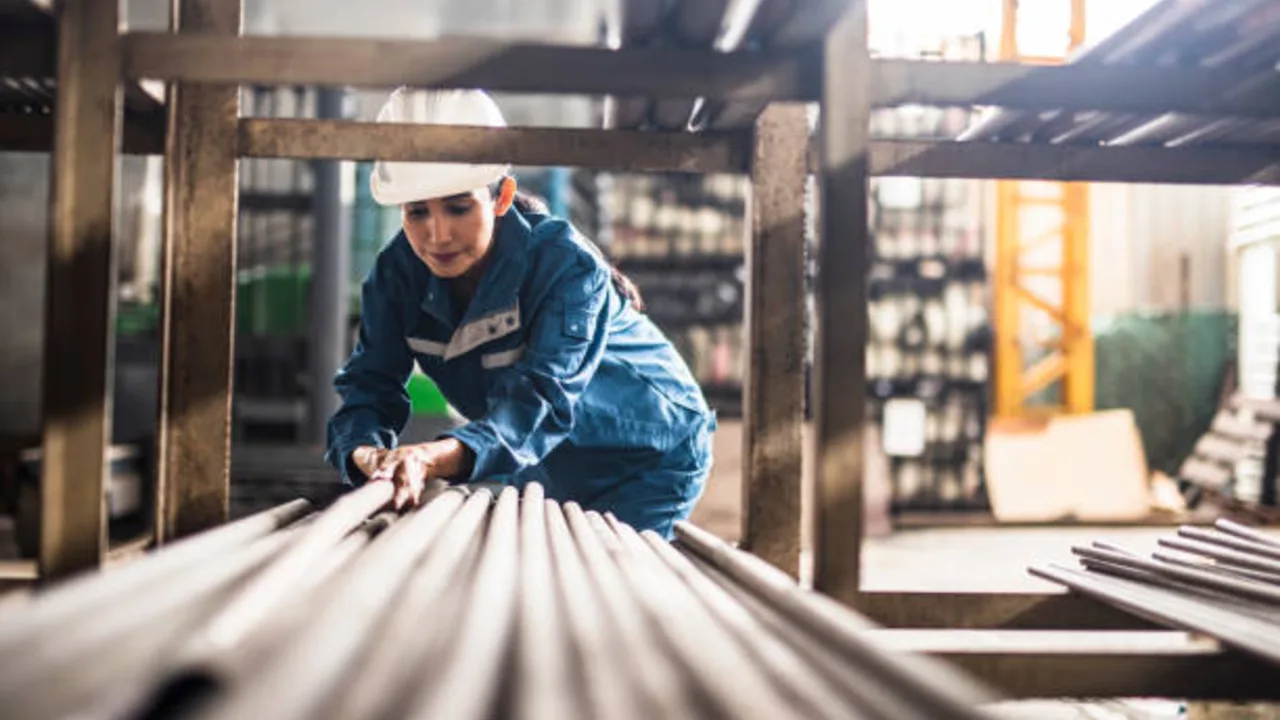
Import tariffs, anti-dumping duties, and trade agreements significantly influence sourcing decisions. Procurement teams must remain informed about regulatory changes that could impact landed costs. Shipping disruptions, customs inspections, and documentation errors can delay critical deliveries.
Compliance with international standards such as ASTM, EN, or ISO ensures that exported steel components meet client requirements in overseas markets. Proper documentation accompanies every batch to guarantee traceability and certification transparency.
Building Long-Term Competitive Advantage Through Procurement Excellence
Sustained competitiveness in steel production depends on more than fabrication capacity alone. It requires disciplined sourcing strategies, transparent supplier partnerships, and robust risk management systems. Manufacturers that treat procurement as a strategic discipline strengthen operational stability and cost predictability.
Organizations seeking reliable production partners often evaluate how effectively companies manage their raw material pipelines. A professionally structured supply chain reflects operational maturity. Collaborating with an experienced china steel structure manufacturer provides insight into integrated sourcing and manufacturing models that prioritize efficiency and reliability.
Ultimately, steel manufacturing raw material sourcing serves as the backbone of industrial steel production. From plate availability management to supplier diversification, from sustainability integration to digital forecasting tools, procurement defines the resilience and performance of every structural steel project.