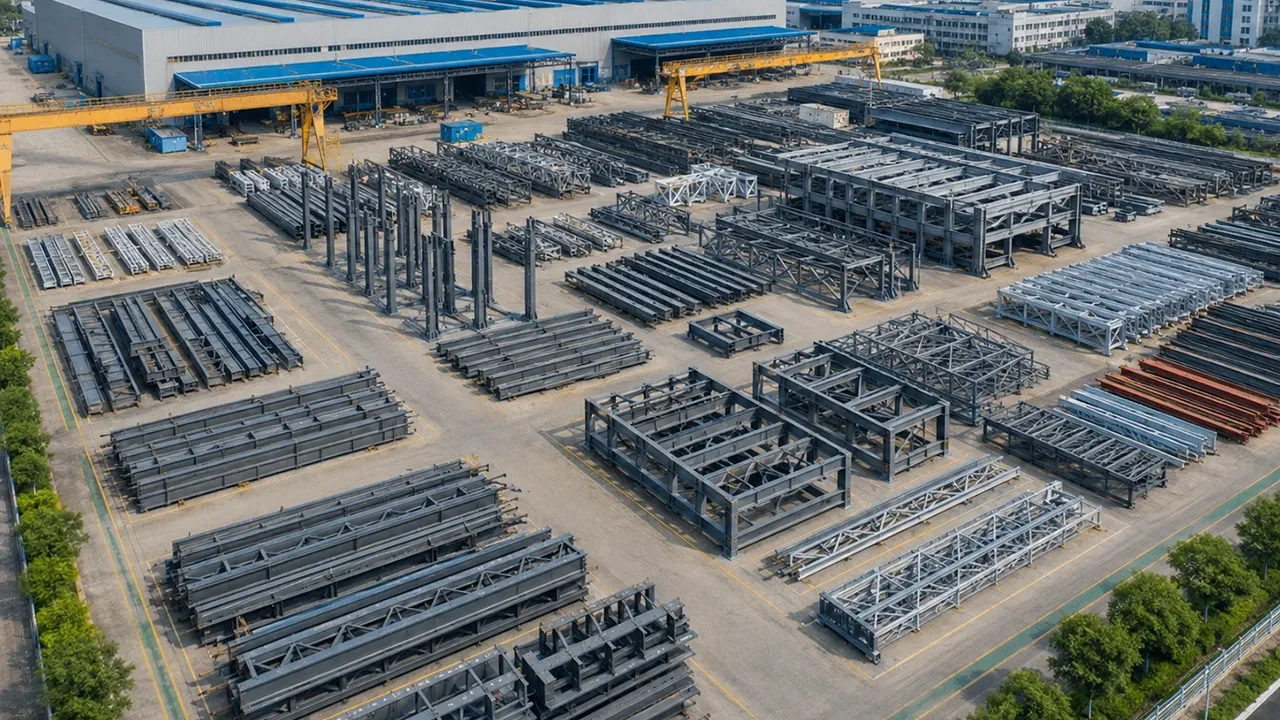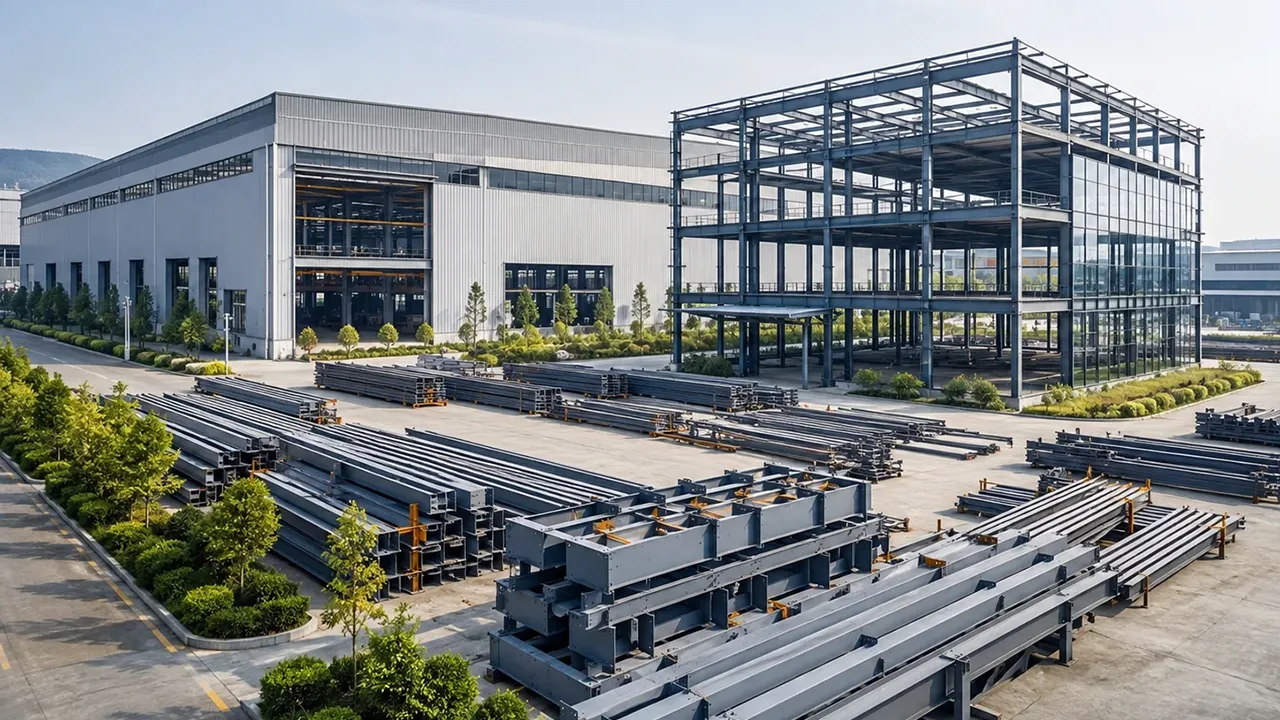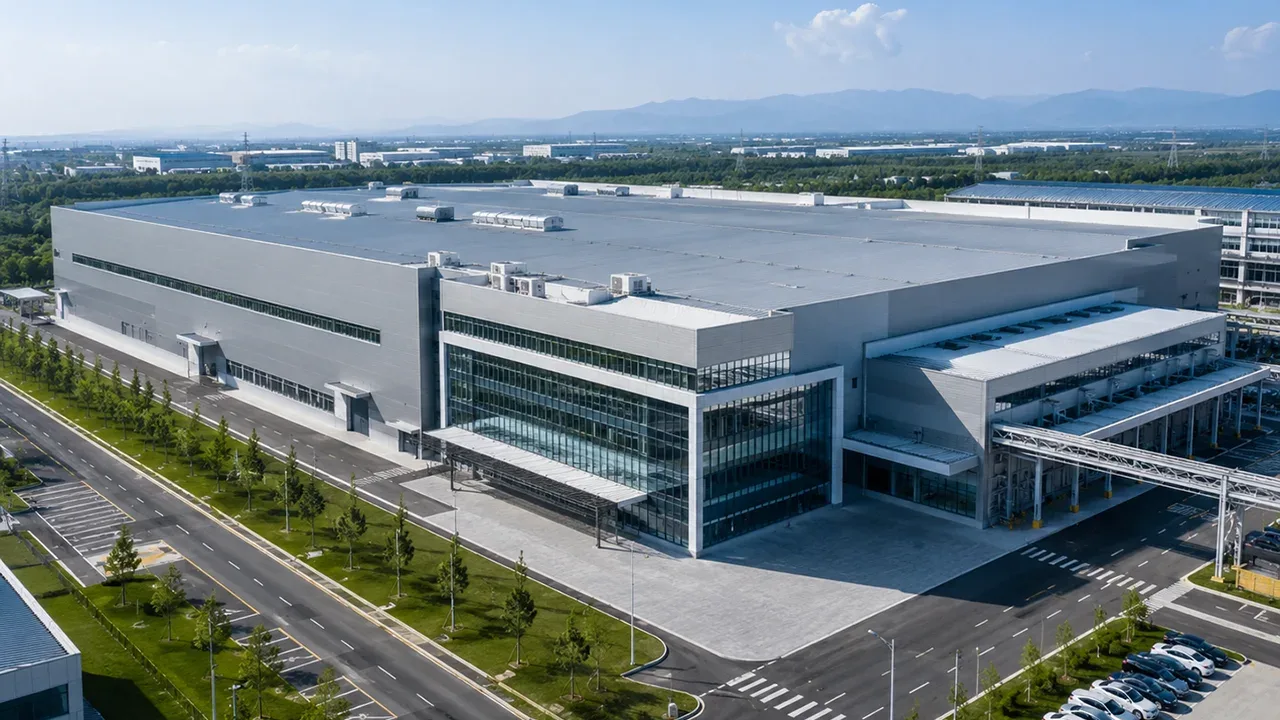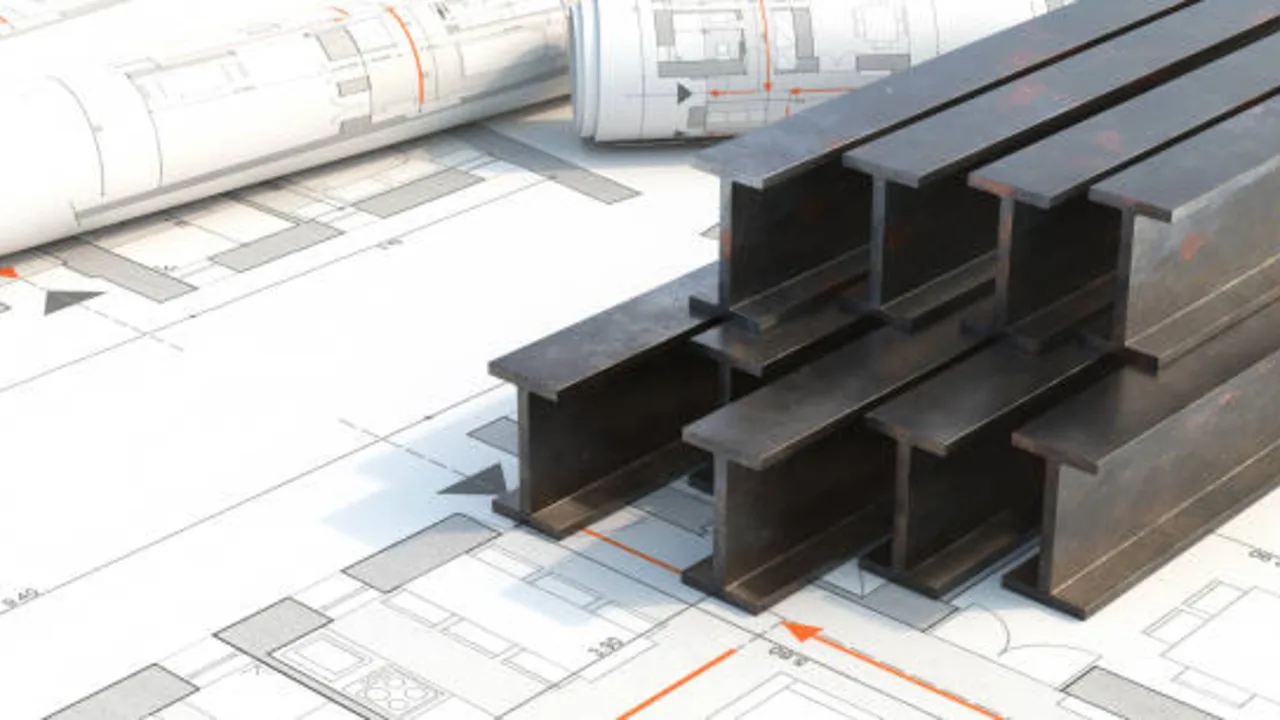
In steel fabrication, accuracy in design documentation is critical to ensure smooth production and assembly. The concept of fabrication drawing revision impact plays a vital role in determining how changes in drawings influence fabrication quality and workflow efficiency. Even minor revisions can lead to significant fit-up issues if not properly managed.
Fit-up refers to the alignment and positioning of fabricated components before welding or final assembly. When drawings are revised without proper coordination, mismatch problems often occur, leading to delays, rework, and increased costs.
Understanding Fit-Up in Steel Fabrication
Fit-up is the process of ensuring that steel components align correctly according to design specifications. It directly affects structural integrity, assembly speed, and welding quality.
Poor fit-up can result in gaps, misalignment, and structural inconsistencies. These issues not only compromise quality but also require additional corrective work.
Key Elements Affecting Fit-Up Accuracy
- Dimensional tolerance control
- Material consistency
- Accurate fabrication sequencing
Common Causes of Drawing Revisions
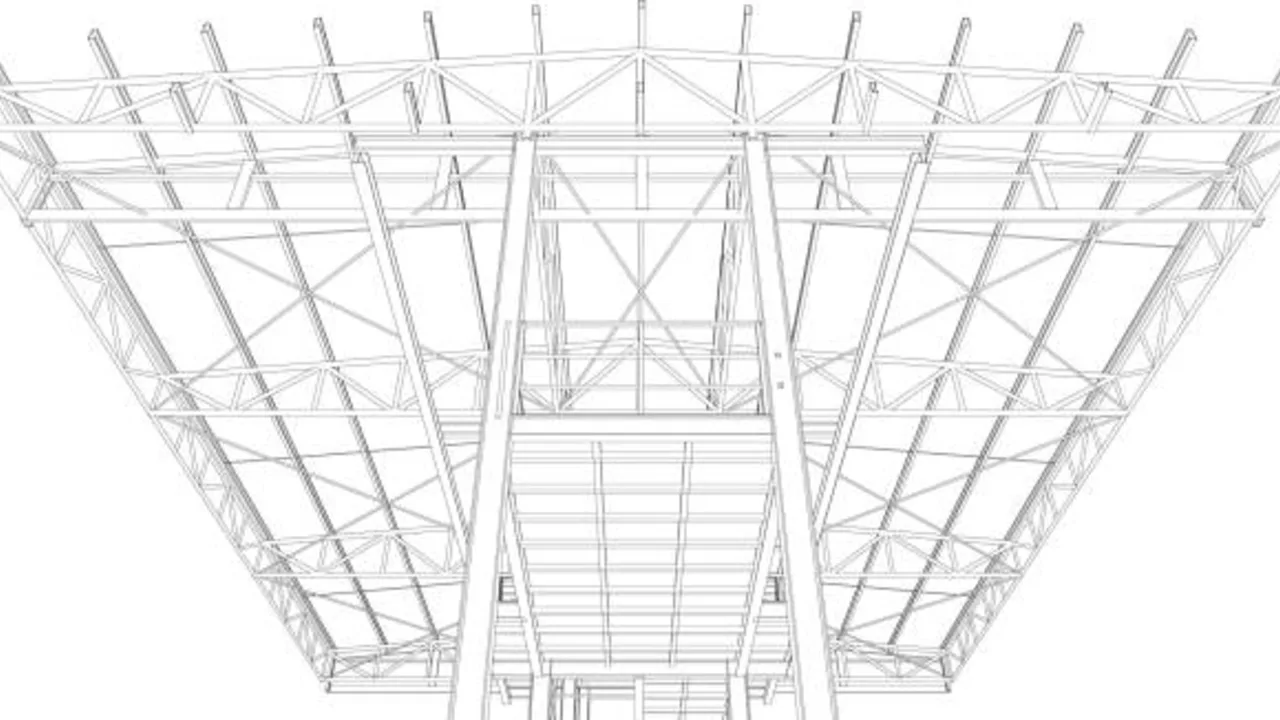
Drawing revisions are common in fabrication projects due to design changes, engineering updates, and client requirements. These revisions are often necessary but can create complications when not properly communicated.
In many cases, fabrication teams continue working with outdated drawings, leading to mismatch between components.
Communication Gaps During Revision
One of the main contributors to fabrication drawing revision impact is poor communication. Delays in distributing updated drawings or confusion over version control can result in incorrect fabrication.
Without proper tracking systems, teams may unknowingly use obsolete information.
Fabrication Drawing Revision Impact on Production
The fabrication drawing revision impact becomes evident when production workflows are disrupted. Revisions can halt fabrication, require rechecking of dimensions, and lead to material wastage. In addition, schedule delays are common when mismatched components must be corrected before assembly.
Mismatch Issues in Components
Mismatch is one of the most frequent problems caused by drawing revisions. It occurs when fabricated parts do not align due to inconsistent dimensions or incorrect specifications.
- Connection misalignment
- Incorrect bolt hole positioning
- Assembly conflicts
Fit-Up Issues Resulting from Drawing Changes
Fit-up problems arise when components fabricated under different drawing versions are assembled together. This leads to structural inconsistencies, dimensional conflicts, and additional workload across multiple stages of production. The fabrication drawing revision impact becomes highly visible at this stage, where even small deviations in dimensions or connection details can prevent proper assembly.
When revisions are introduced after fabrication has already started, previously manufactured components may no longer align with updated specifications. This creates mismatch conditions such as uneven gaps, offset connections, and incompatible joint geometries. These issues not only slow down assembly but also increase dependency on manual adjustments, which reduces overall efficiency.
Welding becomes significantly more difficult when gaps or misalignments are present. Excessive gaps require additional filler material, which can affect weld strength and introduce defects. Misaligned joints may lead to improper load transfer, increasing the risk of structural weakness. As a result, maintaining consistent fit-up is critical to ensuring both quality and safety.
In severe cases, components may require complete re-fabrication if the mismatch exceeds acceptable tolerances. This adds cost, delays schedules, and disrupts workflow continuity. Therefore, controlling the fabrication drawing revision impact is essential to avoid cascading problems during assembly.
Real Fabrication Scenarios
In real-world projects, mismatch issues frequently originate from late-stage design revisions. For example, a change in connection plate thickness or bolt pattern can render previously fabricated members incompatible with updated drawings. When these components arrive at the assembly stage, teams are forced to pause installation and implement corrective measures.
Another common scenario involves structural framing adjustments where beam lengths or column positions are modified. Even a minor dimensional change can create alignment issues across multiple connected elements, resulting in cumulative errors throughout the structure.
Field conditions can further amplify these challenges. When on-site measurements differ from initial design assumptions, revisions are introduced to accommodate actual conditions. However, if these updates are not properly communicated to fabrication teams, mismatch problems become unavoidable.
Rework in such scenarios may include re-cutting members, modifying connection details, or applying temporary fixes to force alignment. While these solutions may resolve immediate issues, they often compromise efficiency and increase project costs.
Understanding these real fabrication scenarios highlights the importance of proactive revision management. By improving communication, implementing strict version control, and verifying updates before fabrication begins, teams can significantly reduce the fabrication drawing revision impact in future projects.
Quality Control in Managing Drawing Revisions
Effective quality control systems are essential for managing drawing revisions. These systems ensure that only the latest versions are used during fabrication.
Inspection checkpoints help identify discrepancies early, preventing larger issues later.
Coordination Between Design and Fabrication Teams
Strong coordination between design and fabrication teams is essential to reduce errors caused by drawing updates. When communication flows effectively, teams can quickly adapt to changes and ensure that all components are produced according to the latest specifications. Poor coordination, on the other hand, amplifies the fabrication drawing revision impact and increases the likelihood of mismatch issues.
Timely sharing of updated drawings, clear revision notes, and centralized documentation systems help ensure that all stakeholders are aligned. This reduces confusion and prevents fabrication based on outdated information.
Working with an experienced steel structure fabrication company can significantly improve coordination efficiency and reduce risks associated with design changes.
Role of BIM and Digital Models
Building Information Modeling (BIM) and other digital tools play a crucial role in managing revisions. These technologies allow teams to visualize design changes in real time and identify potential conflicts before fabrication begins.
By reducing manual interpretation of drawings, digital models help minimize errors and ensure that all revisions are accurately implemented.
Preventive Strategies to Avoid Fit-Up Issues
Preventing fit-up issues begins with effective revision management. Establishing strict version control procedures ensures that only the latest drawings are used in production. This is a key factor in minimizing the fabrication drawing revision impact.
Standardized workflows and early-stage verification processes further help reduce the risk of mismatch. Regular coordination meetings between engineering and fabrication teams ensure that all changes are clearly understood.
Repair and Adjustment Methods for Fit-Up Problems
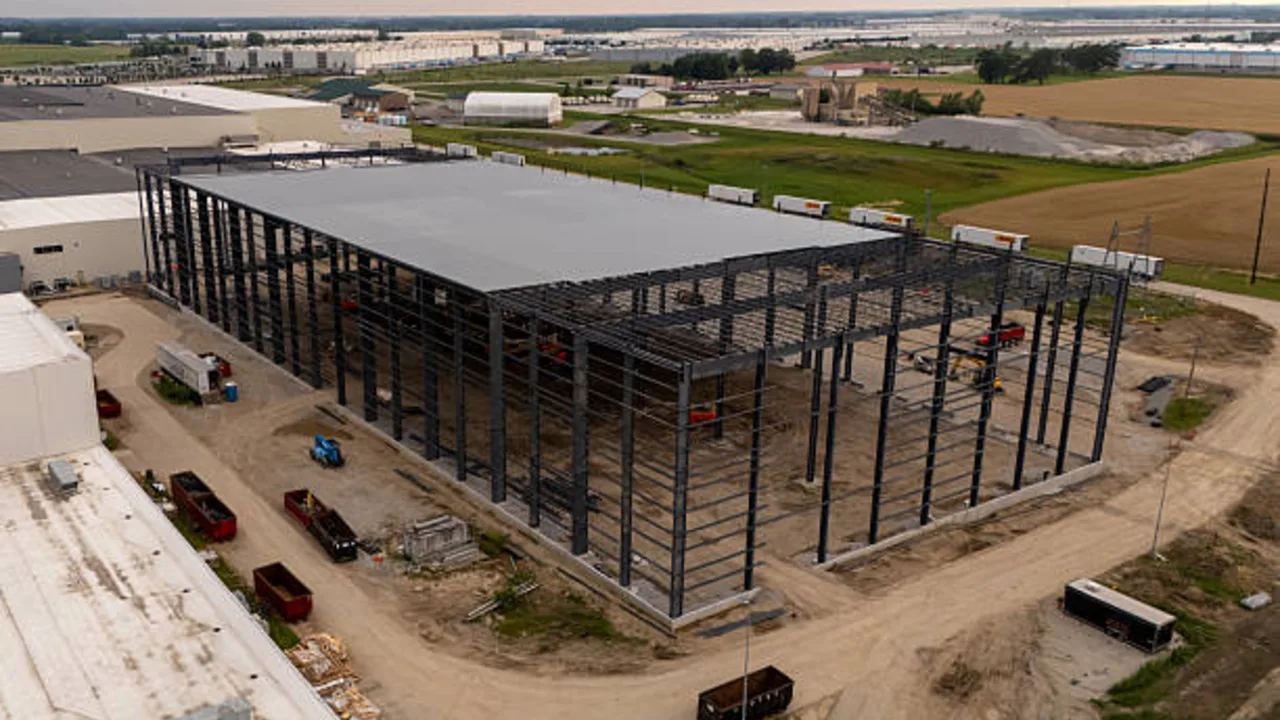
When fit-up problems occur, corrective actions must be taken to restore alignment and structural integrity. These adjustments often involve additional labor and resources, directly increasing project costs.
Common repair methods include re-cutting steel components, re-drilling bolt holes, and re-welding joints. Each correction must be carefully executed to ensure compliance with design requirements and maintain overall quality.
Despite these solutions, frequent repairs highlight the importance of controlling the fabrication drawing revision impact at earlier stages of the project.
Fabrication Drawing Revision Impact in Large Projects
Large-scale steel projects involve multiple teams, complex structures, and tight schedules. In such environments, even small drawing revisions can create significant disruptions. The fabrication drawing revision impact becomes more pronounced due to the scale and interdependency of components.
Managing revisions effectively in large projects requires robust systems, clear communication channels, and experienced project management. Failure to do so can lead to cascading delays and increased costs.
Real Project Application: Managing Drawing Revisions in a Complex Industrial Facility
In large-scale industrial projects, the fabrication drawing revision impact becomes increasingly evident due to the complexity of structures and the number of interconnected components. A relevant example can be seen in the Shouning County Edible Fungi Whole Industry Chain Development Project Phase I, where multiple structural systems, connection details, and functional requirements had to be coordinated throughout the fabrication and installation process.
This project involved a combination of production facilities, supporting structures, and integrated steel frameworks. As the design evolved to meet operational requirements, several drawing revisions were introduced during the project lifecycle. These revisions affected connection nodes, member dimensions, and installation sequences, requiring close coordination between engineering and fabrication teams.
One of the key challenges observed in this project was ensuring consistent fit-up across prefabricated components produced at different stages. When revisions were issued, previously fabricated members needed to be rechecked against updated drawings to prevent mismatch issues. Without proper control, such situations could have resulted in misaligned bolt holes, incompatible connections, and delays during assembly.
To mitigate the fabrication drawing revision impact, the project team implemented strict version control procedures and real-time communication channels between designers, fabricators, and on-site teams. This allowed updates to be quickly distributed and verified before further production continued.
In addition, detailed inspection checkpoints were introduced before shipment and installation. These checks ensured that all components complied with the latest revisions, significantly reducing the risk of fit-up problems during on-site assembly.
The experience from this project highlights the importance of proactive revision management in complex steel structures. By integrating design updates with fabrication workflows and maintaining clear communication, it is possible to minimize mismatch issues and maintain high construction efficiency even in dynamic project environments.
Best Practices for Minimizing Revision Impact
To minimize the negative effects of drawing revisions, companies should adopt best practices that focus on clarity, consistency, and continuous improvement. Proper documentation ensures that all changes are recorded and easily accessible.
Training programs help teams understand revision processes and improve their ability to respond to changes efficiently. Continuous evaluation of workflows allows organizations to identify areas for improvement and reduce future risks.
For additional insights into technical drawing management, refer to resources such as engineering drawing principles, which provide a deeper understanding of design documentation and coordination practices.