Lifecycle Maintenance Planning for Prefab Steel Buildings
Prefab steel buildings are often selected because they offer predictable fabrication quality, efficient erection, and strong long-term structural performance. Once the building is installed, however, its lifecycle value depends on more than the quality of the original steel package. Weather exposure, drainage behavior, coating condition, fastener performance, operational loading, and future building modifications all influence how well the structure performs over time.
This is why prefab building maintenance planning should begin before small defects become expensive repair work. A prefabricated steel building may arrive from the factory with controlled cutting, drilling, welding, coating, and marking, but the building still enters a real operating environment after handover. Forklifts may strike columns. Gutters may clog. Roof fasteners may loosen. Coating may be scratched during operations. New equipment may be attached to members that were not designed for the additional load.
Good maintenance planning does not assume the building is fragile. It assumes the opposite: a steel building can serve reliably for many years when inspection, documentation, cleaning, corrosion prevention, and repair decisions are managed with discipline.
The best approach is to treat maintenance as part of the building lifecycle, not as an emergency response after damage appears. A clear plan helps owners identify early warning signs, schedule routine checks, protect the coating system, preserve connections, and record every repair or modification in a way that supports future decisions.
Understanding Lifecycle Maintenance for Prefab Steel Buildings
Lifecycle maintenance covers the full operating period of the building, from handover to long-term use. It includes the first-year review, routine visual inspection, planned preventive maintenance, corrective repair, and post-event checks after storms, impacts, flooding, fire exposure, or abnormal loading.
For prefab steel buildings, maintenance planning should connect several areas:
- Structural frame condition
- Bolted and welded connection performance
- Roof and wall enclosure condition
- Drainage and gutter function
- Coating and corrosion protection
- Operational load changes
- Documentation of inspections and repairs
A lifecycle plan gives the owner a structured way to decide what should be checked, how often it should be checked, who should record the findings, and when an engineer or specialist should be involved.
| Lifecycle Stage | Maintenance Focus | Typical Action |
|---|---|---|
| Handover | Baseline condition | Collect as-built drawings, coating data, bolt records, certificates, and final inspection reports. |
| First year | Early movement or adjustment | Check alignment, leakage, loose fasteners, drainage behavior, and minor coating damage. |
| Routine operation | Preventive control | Inspect corrosion, roof panels, gutters, wall panels, doors, bracing, and connections. |
| After event | Risk confirmation | Inspect after storms, impact, flooding, unusual vibration, overload, or fire exposure. |
| Long-term use | Asset planning | Plan coating repair, repainting, structural review, and approved modifications. |
The value of prefab building maintenance planning is that it turns maintenance into a predictable asset-management process. Instead of waiting for visible damage, the owner can track building condition over time and respond before small issues spread.
Setting the Baseline at Project Handover
A reliable maintenance program begins with a clear baseline. The baseline is the record of the building as it was delivered, installed, inspected, and accepted. Without this reference point, later inspection becomes less accurate because the team cannot easily compare current conditions against the original approved condition.
At handover, the owner should organize key project records, including:
- Approved design drawings and as-built drawings
- Erection records and installation notes
- Bolt tightening or torque records where applicable
- Material certificates and steel specifications
- Coating system information and repair procedures
- Final inspection reports
- Photos of completed structural frame, roof, wall, and drainage areas
- Warranty documents and maintenance guidance
These records become useful when the building is inspected later. For example, if a column base shows rust staining after two years, the maintenance team can compare it with handover photos and determine whether the condition is new, growing, or related to a known drainage detail. If a connection looks different from the original drawing, the team can confirm whether it was part of an approved modification or an undocumented field change.
A good baseline also protects the owner commercially. If future work includes expansion, mezzanine installation, equipment support, door modification, solar panel installation, or crane addition, the engineering team can review accurate building information instead of guessing from incomplete records.
Routine Inspection as the Core of Maintenance Planning

Routine inspection is the foundation of steel building maintenance. It does not need to be complicated, but it must be consistent. The goal is to notice changes while they are still small: a loose roof fastener, a blocked gutter, early rust staining, a damaged wall panel, a missing bolt, a water mark near a column base, or a dent caused by equipment impact.
Routine checks should include both the structural frame and the building envelope. Many steel building problems begin outside the main frame. A leaking roof, poor drainage, damaged flashing, or clogged gutter can eventually create corrosion risk at connections, column bases, wall supports, or secondary steel.
Important inspection areas include:
- Main columns, beams, rafters, trusses, and bracing
- Bolted connections, splice plates, base plates, washers, and anchor bolts
- Roof sheets, wall panels, fasteners, ridges, flashings, and sealant lines
- Gutters, downpipes, drainage outlets, and areas where water may collect
- Coating scratches, rust spots, staining, blistering, or peeling
- Areas exposed to mechanical impact, forklift traffic, chemical exposure, or moisture
Routine inspection should be documented even when no major problem is found. A clean record is still useful because it confirms that the building was checked and that no visible defect existed at that time. Over several years, inspection logs help the owner understand whether the building condition is stable or slowly changing.
Connection and Fastener Maintenance
Connections deserve special attention in prefab steel buildings because many components are assembled through bolted interfaces. Factory fabrication can prepare accurate holes, plates, and member markings, but long-term performance still depends on proper installation, stable loading, and periodic checking.
Connection and fastener inspection should look for:
- Loose, missing, or visibly damaged bolts
- Washer movement or unusual marks around bolt groups
- Rust staining around plates, bolts, or splice areas
- Gaps, misalignment, or movement signs at connections
- Cracked paint around high-stress connection zones
- Corrosion at base plates, anchor bolts, and column bases
Some buildings also face vibration from machinery, crane operation, loading equipment, fans, conveyors, or nearby traffic. Vibration does not automatically mean a problem exists, but it does mean connection checks should be included in the maintenance plan. If unusual movement, noise, bolt loosening, or deformation appears, the owner should involve a qualified engineer before continuing with heavy operation.
Field modification is another risk. Drilling additional holes, cutting plates, welding brackets, or attaching equipment to a steel member without review can affect structural behavior. Any connection change should be documented, approved, and added to the maintenance record.
Coating, Corrosion, and Surface Protection
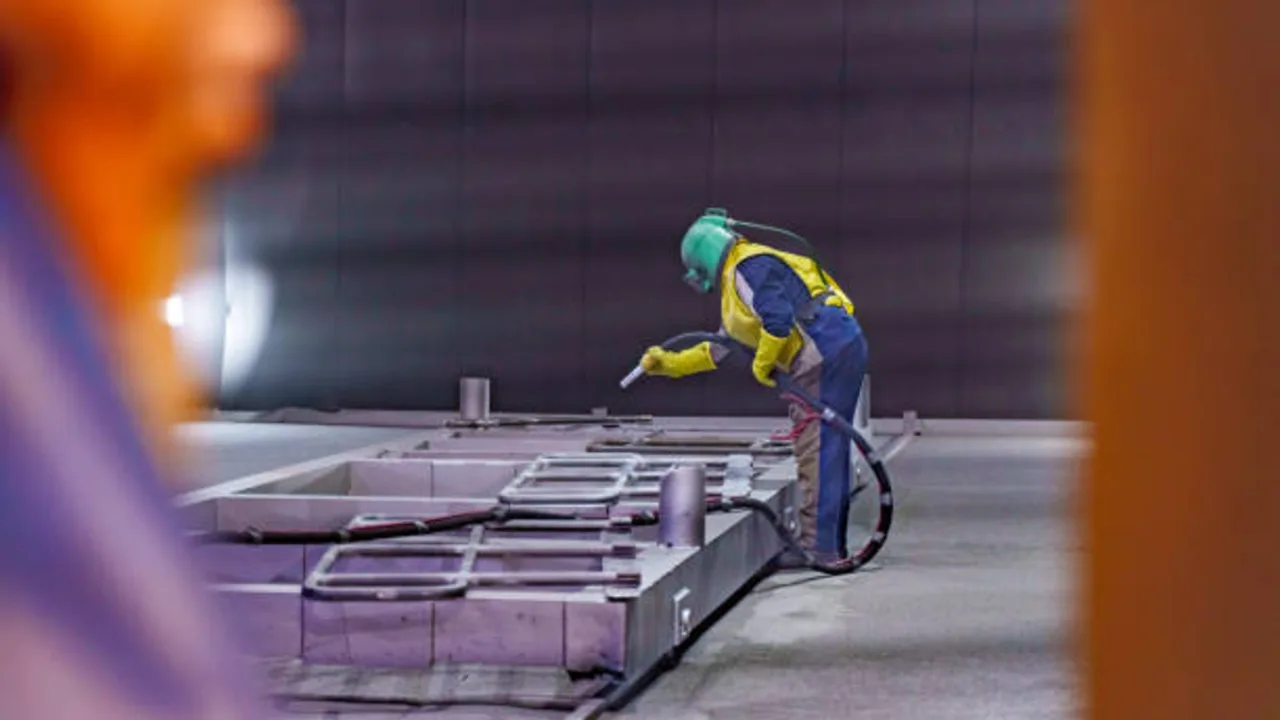
Steel building maintenance is strongly connected to surface protection. A good coating system can protect the steel frame for years, but it still needs inspection and repair. Coating damage can happen during operation, equipment movement, roof access, material storage, cleaning work, or later renovation.
Corrosion risk depends on exposure. A dry warehouse in a mild inland environment may need a different maintenance frequency from a coastal building, humid agricultural shed, chemical processing facility, or industrial workshop with fumes and condensation.
| Exposure Condition | Maintenance Risk | Planning Response |
|---|---|---|
| Coastal air | Salt exposure can accelerate corrosion, especially at edges and connections. | Increase coating inspection frequency and repair scratches early. |
| High humidity | Condensation may form on steel surfaces and secondary members. | Improve ventilation, monitor condensation points, and inspect hidden areas. |
| Industrial fumes | Chemical exposure may attack coating or fasteners. | Select suitable coating systems and inspect affected zones more often. |
| Poor drainage | Standing water can cause staining, coating breakdown, and corrosion. | Clean gutters, repair leaks, and remove water traps. |
| Mechanical impact | Forklifts, stored goods, or tools may scratch coating and expose steel. | Repair coating damage quickly and protect high-traffic zones. |
Coating inspection should focus on scratches, peeling, blistering, rust spots, water staining, edge damage, and areas where steel contacts moisture. Early touch-up work is usually much easier than repairing advanced corrosion later.
A practical maintenance plan should also define who is allowed to perform coating repair, what materials should be used, how the surface should be cleaned, and how repaired areas should be recorded. Random paint touch-up without matching the coating system can create inconsistent protection.
Roof, Gutter, and Drainage Maintenance
Many maintenance problems in prefab steel buildings begin with water control. The main frame may be strong, but poor drainage can create long-term issues around roof edges, wall panels, secondary steel, column bases, fasteners, and connection zones.
Roof and drainage inspection should check:
- Clogged gutters or downpipes
- Standing water near roof laps or low points
- Loose roof fasteners or damaged washers
- Cracked sealant around flashings, ridges, skylights, or penetrations
- Water stains near wall panels, purlins, girts, or column bases
- Condensation inside enclosed spaces
Water problems should be corrected early because moisture can spread beyond the visible leak point. A blocked gutter may overflow repeatedly and wet the same wall line. A small roof leak may drip onto secondary steel. Poor drainage near the building perimeter may keep column bases damp for long periods.
For this reason, drainage maintenance should be treated as corrosion prevention. Cleaning gutters, repairing leaks, checking roof fasteners, and keeping water away from steel members can protect the building more effectively than waiting for rust to appear.
Operational Loads and Building Use Changes
A prefab steel building is designed around specific assumptions: structural loads, wind exposure, roof loads, equipment loads, door openings, crane use, storage arrangement, and occupancy requirements. When the building use changes, those original assumptions may no longer be accurate.
Common operational changes include:
- Adding suspended equipment, lighting systems, fans, or conveyors
- Installing a mezzanine, platform, or equipment support
- Adding solar panels to the roof
- Changing storage height or storage density
- Installing a crane system or increasing crane duty
- Adding pipe racks, HVAC units, or service platforms
- Cutting new openings for doors, vents, ducts, or loading access
These changes should not be treated as simple maintenance work. They may affect loads, bracing behavior, roof capacity, connection demand, or local member strength. A maintenance plan should clearly state that structural modifications require engineering review before work begins.
This is an important part of prefab building maintenance planning because many long-term building problems come not from the original design, but from later changes made without proper checking.
Post-Event Inspection After Storms, Impacts, or Abnormal Loads
Routine inspection is important, but post-event inspection is equally necessary. Certain events can create sudden damage that may not be obvious from the ground.
Post-event inspection should be considered after:
- Strong wind, storm, or heavy rain
- Flooding or long-term water exposure
- Vehicle or forklift impact
- Crane collision or abnormal lifting event
- Fire exposure or high heat near steel members
- Earthquake or unusual vibration
- Unexpected overload from stored goods or equipment
The first check should look for visible deformation, damaged panels, displaced bracing, cracked coating, loose fasteners, water entry, damaged base plates, or movement around connections. If the event involves impact, fire, structural deformation, or suspected overload, the owner should involve a qualified engineer.
Temporary repair should also be documented. If a damaged panel is patched, a bolt is replaced, or a member is temporarily supported, the record should include photos, date, responsible party, and whether permanent repair is still required. Undocumented temporary work can become a future safety and maintenance risk.
Creating a Maintenance Schedule
A maintenance plan works best when the inspection frequency is clear. The schedule does not need to be complicated, but it should match the building environment, operational intensity, and risk level.
A dry storage warehouse may need a lighter schedule than a coastal workshop, food processing facility, chemical plant, livestock building, or heavy industrial structure. The schedule should also become more detailed if the building includes cranes, high traffic, frequent loading, corrosive exposure, or many roof penetrations.
| Frequency | Inspection or Maintenance Task |
|---|---|
| Monthly | Visual check for roof leaks, rust staining, impact damage, loose panels, blocked drains, or unusual movement. |
| Quarterly | Clean gutters, check downpipes, inspect roof fasteners, review drainage paths, and check high-traffic zones. |
| Annually | Review connections, coating condition, bracing, base plates, anchor bolts, roof system, wall system, and structural alignment. |
| After major event | Inspect deformation, water entry, damaged members, loose connections, roof damage, and affected coating areas. |
| Every few years | Plan coating repair, repainting, detailed structural review, or maintenance upgrades based on exposure condition. |
A schedule like this gives the owner a practical starting point. It can be adjusted based on building age, location, operational use, and previous inspection results.
Documentation and Maintenance Records
Maintenance records are as important as the inspection itself. Without documentation, the owner may know that a repair was done but not know when, why, how, or whether it followed the right procedure.
A good maintenance record should include:
- Inspection date and inspector name
- Photos of observed conditions
- Location of defects or repair areas
- Repair method and materials used
- Coating touch-up records
- Bolt replacement or tightening records
- Drainage cleaning records
- Engineering approvals for modifications
- Updated drawings after approved changes
These records help future maintenance teams understand the building history. They also help owners plan budgets, compare repeated defects, manage warranty discussions, and support later expansion or modification decisions.
For multi-year ownership, documentation creates continuity. Even if site staff changes, the building history remains available.
Maintenance Planning for Multi-Building or Repeated Prefab Programs
When an owner operates several prefab steel buildings, maintenance planning should become more standardized. Similar buildings can use similar inspection templates, similar reporting formats, and similar repair procedures.
This is useful for industrial parks, warehouse groups, agricultural facilities, logistics compounds, and phased factory developments. If the same issue appears across multiple buildings, the owner can identify a repeated design, drainage, coating, or operational problem earlier.
Multi-building maintenance planning can include:
- Standard inspection forms for all buildings
- Shared coating repair procedures
- Common roof and gutter cleaning schedules
- Comparison of corrosion patterns across buildings
- Batch repair planning for similar components
- Centralized records for modifications and structural reviews
This approach turns maintenance from isolated repair work into portfolio-level building management.
How Early Design Choices Affect Long-Term Maintenance
Maintenance does not begin only after handover. Many maintenance outcomes are influenced by early design choices. A well-planned prefabricated steel structure should consider not only fabrication and erection efficiency, but also how the building will be inspected, cleaned, repaired, and modified during its service life.
Design decisions that affect maintenance include:
- Roof slope and drainage layout
- Gutter capacity and downpipe location
- Coating system selection
- Access for roof, gutter, and frame inspection
- Bolt accessibility at key connections
- Protection of exposed steel in wet or corrosive zones
- Avoidance of water traps around plates, ledges, and interfaces
- Allowance for future expansion or equipment installation
A building that is easy to inspect is usually easier to maintain. If important connection zones, drainage points, or roof areas are difficult to access, small problems may remain hidden until they become larger.
Practical Maintenance Scenario: Small Roof Leak to Corrosion Risk
Consider a prefab steel warehouse that operates normally for two years after handover. The building frame is stable, and no major structural issue is visible. However, one roof gutter gradually becomes blocked with dust, leaves, and small debris.
During heavy rain, water begins overflowing along one wall line. At first, the only visible sign is a small water stain near the wall panel. Later, moisture reaches the secondary steel and column base area. A small scratch in the coating near a connection zone begins to show rust staining.
If routine inspection catches the issue early, the repair may be simple: clean the gutter, repair the coating, check nearby fasteners, and document the affected area. If the issue is ignored, the owner may later face larger repair work involving panel replacement, coating removal, corrosion treatment, and more detailed structural review.
This scenario shows how maintenance problems often grow gradually. The original issue may not be the steel frame itself. It may be drainage, access, cleaning, or documentation. Good inspection practice helps stop the chain before it becomes expensive.
Conclusion
Prefab steel buildings can deliver long service life, but long-term performance depends on planned care after installation. Routine inspection, drainage maintenance, coating repair, connection checking, operational load control, and proper documentation all help protect the structure over time.
The strongest maintenance programs begin at handover. They collect baseline records, define inspection schedules, document repairs, control modifications, and respond quickly after unusual events. This creates a clear history of the building and helps owners make better decisions throughout the building lifecycle.
Prefab building maintenance planning is not only about fixing defects. It is about preserving the value of the building, reducing avoidable repair costs, and keeping the steel structure predictable, safe, and serviceable for many years.