How Portal Frame Systems Work in Industrial Factories
Primary Structural Components
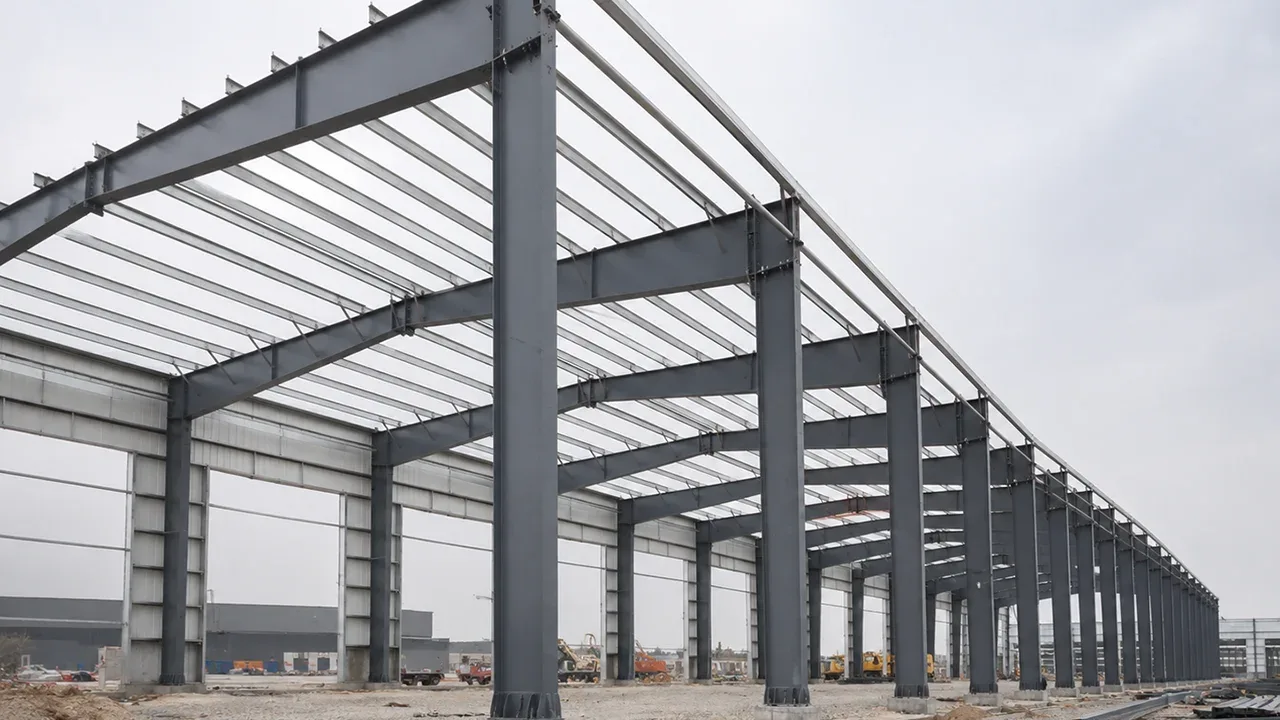
A portal frame factory building normally includes steel columns, rafters, bracing systems, purlins, girts, and roof or wall cladding. The main frame carries the primary structural loads, while secondary members support the enclosure system and help stabilize the building.
The columns and rafters form a rigid frame that resists vertical and lateral forces. Bracing systems are placed strategically to control movement and improve overall stability. This combination creates a clear and efficient structural path from roof loads to the foundation.
Load Transfer and Structural Stability
In a factory environment, the structure may need to handle different types of loads at the same time. These can include roof loads, wind forces, seismic forces, suspended equipment, and sometimes crane loads.
Engineering calculations determine how these forces move through the steel frame. The goal is to maintain structural safety while avoiding unnecessary material usage.
Clear Span Advantages
The clear span capability of a portal frame system is one of its biggest advantages. Fewer interior columns mean better movement for forklifts, cranes, production equipment, and workers.
For manufacturers, this can directly improve layout efficiency. Production lines can be arranged with fewer restrictions, and future changes become easier to manage.
Why Industrial Factories Use Portal Frame Steel Structures
Faster Industrial Construction Cycles
Most steel components are fabricated in the factory before arriving on site. This reduces on-site work and helps speed up the construction schedule. For industrial owners, faster construction means earlier equipment installation and quicker production start-up.
Lower Foundation Requirements
Compared with heavier building systems, steel portal frames often reduce overall structural weight. This may help optimize foundation design, especially when ground conditions require careful cost control.
Flexible Production Space Planning
A portal frame steel structure factory can be designed around actual production requirements. The spacing of frames, roof height, door positions, crane beam layout, and service zones can all be adjusted according to factory operations.
- Wide production bays
- Flexible machinery placement
- Clear logistics routes
- Expandable workshop zones
Easier Future Factory Expansion
Industrial operations often grow over time. Portal frame structures can be designed with future extension in mind, making it easier to add new bays, extend the building length, or modify internal usage areas.
Applications of Portal Frame Steel Structure Factory Systems
Manufacturing Plants
Manufacturing plants use portal frame structures for production halls, assembly areas, equipment zones, and storage spaces. The open layout supports efficient workflow and helps reduce interference between different production activities.
Industrial Processing Facilities
Processing facilities often need durable structures that can support ventilation systems, service platforms, and specialized equipment. Portal frame steel buildings provide a practical base for these requirements.
Steel Workshop Buildings
Workshops benefit from the simplicity and strength of portal frame systems. The structure can support large doors, crane systems, mezzanine areas, and flexible working zones.
Logistics and Warehouse Factories
Some factory buildings combine production and storage functions in one structure. Portal frame systems make it easier to create separated yet connected zones for manufacturing, packing, loading, and warehousing.
Structural Engineering Considerations
Span Width and Height Optimization
Span width and building height should be designed according to production needs, equipment dimensions, and local load requirements. Larger spans provide more usable space, but they also require careful steel member design.
| Design Item | Typical Consideration | Factory Impact |
|---|---|---|
| Span Width | Production layout and equipment movement | Improves usable floor area |
| Eave Height | Machinery, storage height, ventilation | Supports operational clearance |
| Frame Spacing | Structural economy and cladding design | Affects fabrication and installation efficiency |
| Crane Capacity | Load, runway beam, column strength | Determines heavy-duty performance |
Crane Beam Integration
Many factories require overhead cranes. When cranes are involved, the frame must be designed for vertical loads, horizontal forces, and repetitive operational movement. Crane beam alignment and column reinforcement become important engineering details.
Wind and Seismic Design
Local environmental conditions affect the final structural design. Wind pressure, seismic requirements, roof slope, and building height must be reviewed during engineering development.
Roof and Wall Cladding Systems
The cladding system protects the building and contributes to thermal performance. Options may include single steel sheets, insulated panels, skylights, ventilation openings, and fire-rated wall systems depending on the factory use.
Fabrication Workflow for Portal Frame Structures
CNC Cutting and Plate Processing
Steel plates and profiles are processed using automated cutting and drilling equipment. Accurate cutting improves fit-up quality and reduces assembly issues during fabrication.
H-Beam Assembly and Welding
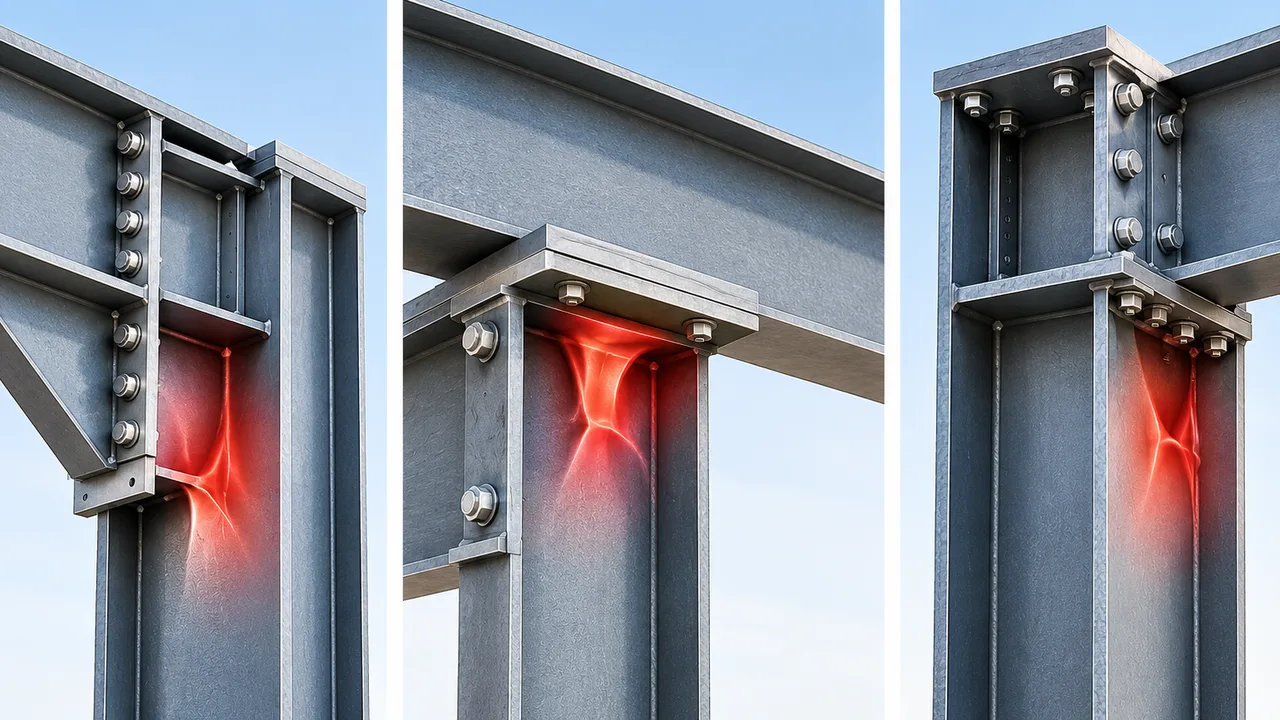
Main frame members are assembled and welded according to structural drawings. Welding quality is essential because portal frame connections transfer significant loads across the structure.
Surface Treatment and Coating
Steel components are treated to improve durability. Common systems include shot blasting, primer coating, anti-corrosion paint, and galvanizing for selected components.
Proper coating systems significantly extend the service life of factory steel structures, especially in humid, coastal, or chemically exposed environments.
Pre-Assembly Quality Inspection
Before shipment, critical components are checked for dimensions, weld quality, connection holes, and coating thickness. This helps reduce installation problems at the project site.
Installation Sequence for Portal Frame Factory Buildings
The installation of a portal frame factory follows a planned sequence to ensure safety and structural accuracy.
- Anchor bolt positioning: Foundation anchor bolts are checked before steel erection begins.
- Steel column erection: Columns are lifted, positioned, and temporarily braced.
- Roof beam installation: Rafters are assembled and connected to form the main portal frames.
- Bracing system installation: Roof and wall bracing are installed to stabilize the structure.
- Cladding installation: Roof panels, wall panels, doors, and accessories are installed after the frame is aligned.
Careful sequencing reduces installation risk and helps maintain the designed geometry of the building.
Long-Term Performance of Portal Frame Steel Structures
A portal frame factory building can deliver long service life when it is properly designed, fabricated, coated, and maintained. Maintenance usually focuses on coating condition, bolt connections, drainage systems, cladding performance, and any areas exposed to corrosion.
Industrial users also benefit from the adaptability of steel frames. If production requirements change, the building may allow internal reconfiguration, equipment upgrades, or extensions with less disruption than many traditional systems.
Choosing a Portal Frame Steel Structure Manufacturer
Selecting the right manufacturer is important because a portal frame factory requires coordination between engineering, fabrication, logistics, and site installation. The supplier should understand structural design, production tolerance, international project delivery, and industrial building requirements.
XTD Steel Structure supports portal frame factory projects with integrated engineering, steel fabrication, surface treatment, and project coordination services. This helps industrial clients move from structural planning to factory construction with better control over quality and schedule.
Frequently Asked Questions
What is a portal frame steel structure factory?
It is an industrial factory building that uses rigid steel columns and rafters as the main structural frame, creating wide interior spaces with fewer internal supports.
What span can portal frame systems support?
The achievable span depends on load conditions, steel design, building height, and project requirements. Portal frame systems are commonly used for wide-span factory and warehouse buildings.
Are portal frame factories suitable for cranes?
Yes. Portal frame factory buildings can be designed with crane beams and reinforced columns to support overhead crane systems.
Industrial Factory Construction with Portal Frame Steel Systems
A well-engineered portal frame steel structure factory provides the open space, construction speed, and structural reliability required for modern industrial operations. Its clear-span design supports efficient production layouts, while prefabricated steel components help shorten the construction timeline.
For manufacturers planning new facilities, workshops, or factory expansions, portal frame steel systems offer a practical path toward scalable, durable, and efficient industrial construction.