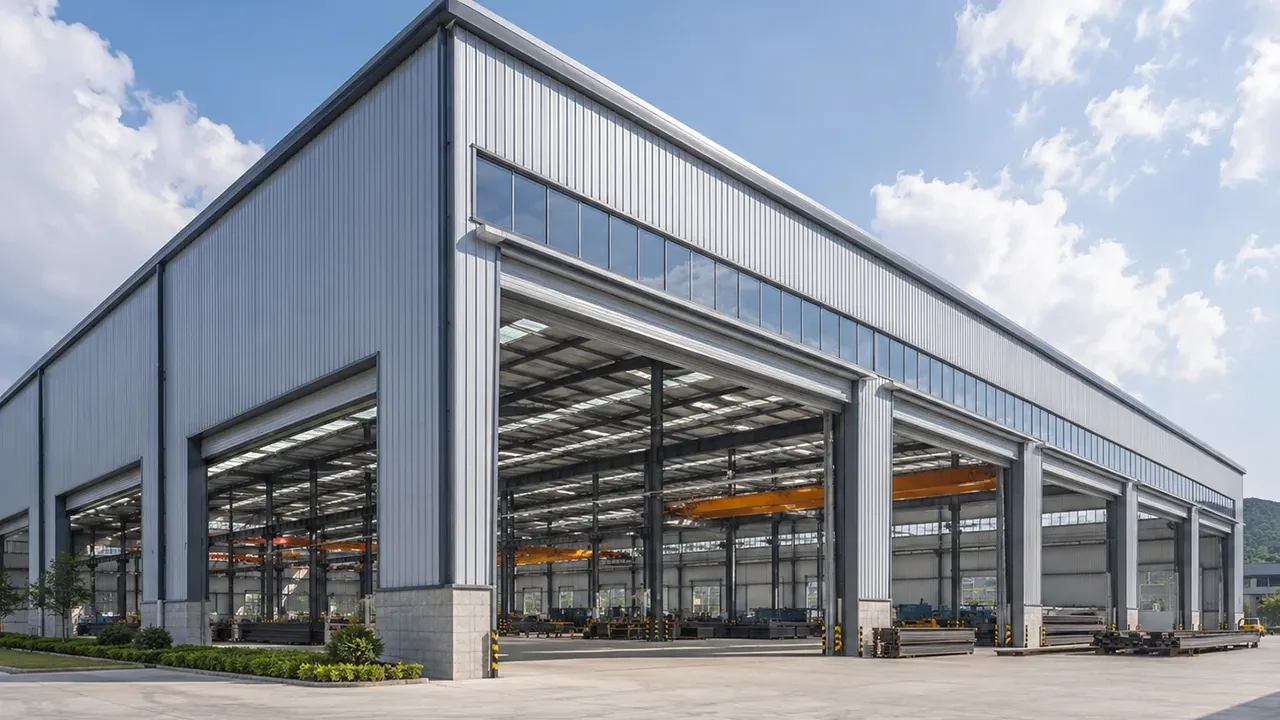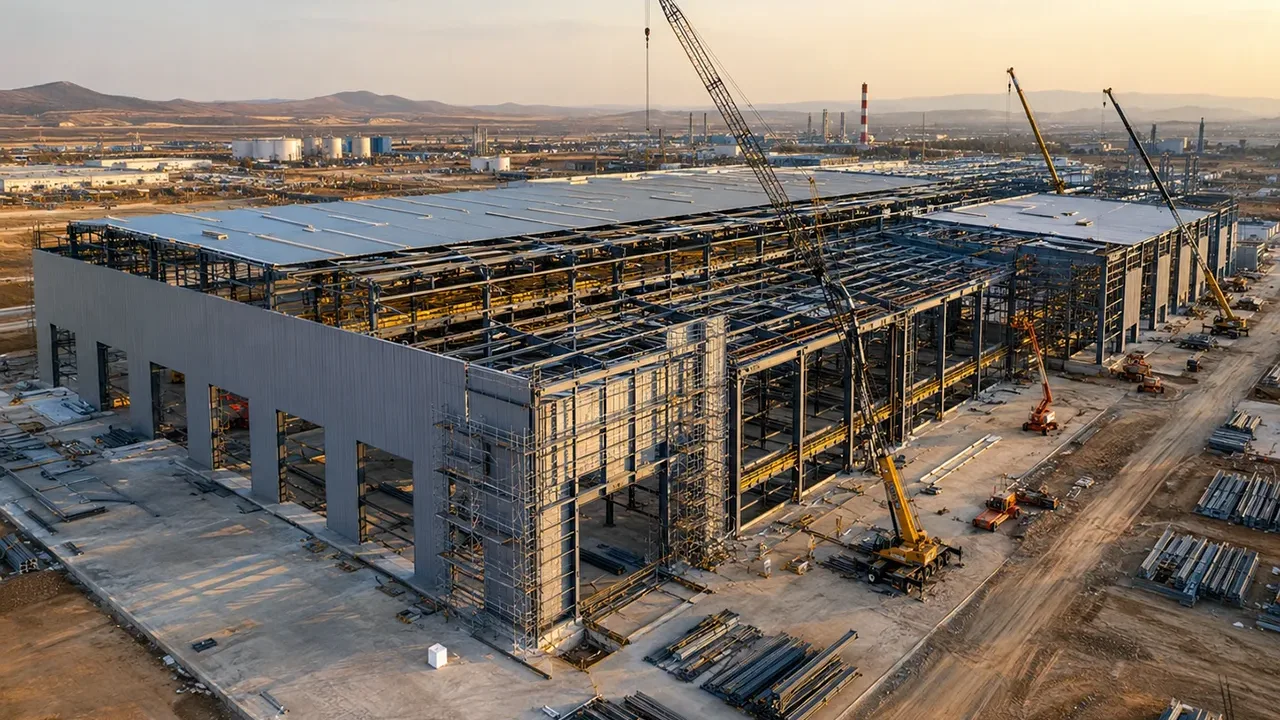
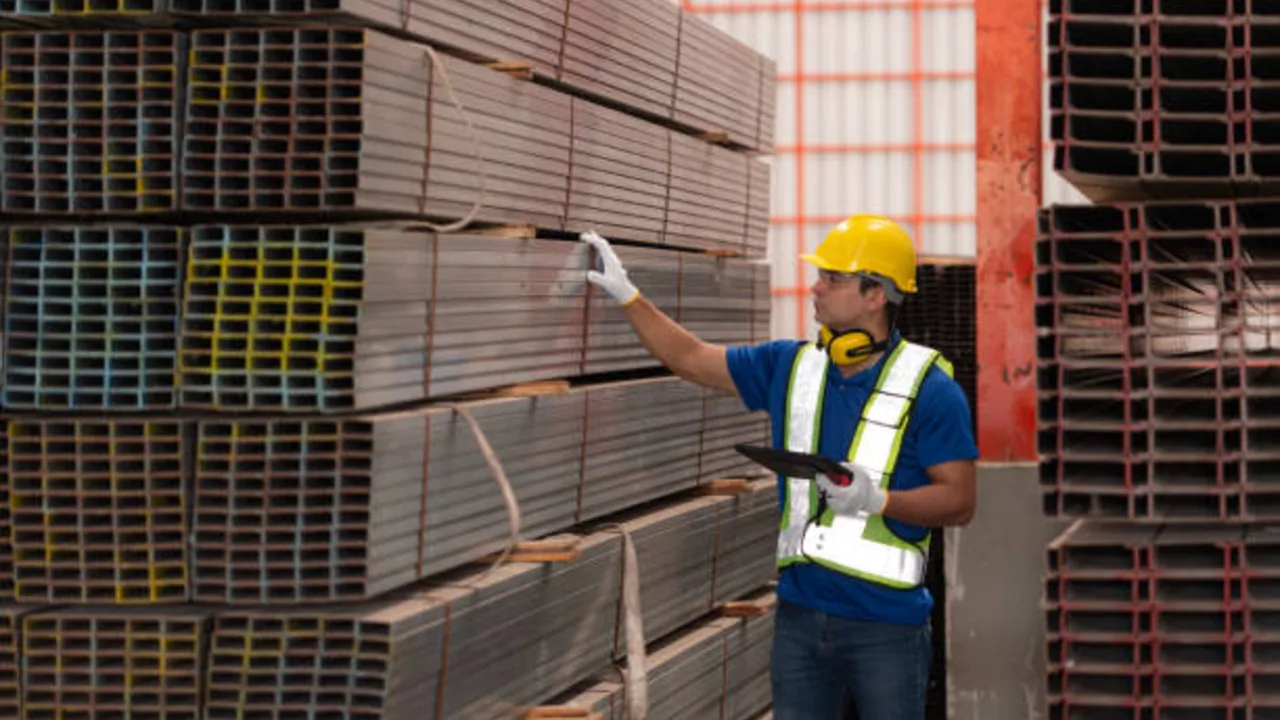
Steel structure projects do not end when fabrication is complete. A steel frame may be cut, drilled, welded, coated, packed, shipped, and installed, but the owner still needs a reliable final record of what was actually delivered and accepted. That record becomes important for maintenance, future expansion, equipment installation, warranty review, repair planning, and structural audits.
Strong steel manufacturer as built preparation starts before the first steel member is cut. Every approved drawing, revision note, fabrication change, inspection record, material certificate, coating report, shipping reference, and site adjustment can affect the final handover package.
If the manufacturer waits until the end of the project to prepare as-built documents, important details may already be difficult to trace. A revised connection plate may not be linked to the final drawing. A repaired weld may be recorded in the inspection file but missing from the project register. A site-approved bracket change may remain in an email thread instead of appearing in the final record. These gaps make the completed structure harder to verify.
For steel manufacturers, as-built documentation should be treated as part of production control, not as a closeout task. The goal is to show how the approved design became the final fabricated and installed steel structure.
What As-Built Documentation Means in Steel Manufacturing
In steel manufacturing, as-built documentation is more than a final drawing file. It is a structured record showing the relationship between approved design information, manufactured steel components, quality inspection, delivery records, and accepted final conditions.
A typical as-built documentation package may include:
- Approved design drawings
- Approved shop drawings
- Fabrication drawings and member details
- Drawing revision logs
- Member mark registers
- Material certificates and traceability records
- Welding and dimensional inspection reports
- Coating or galvanizing records
- NCR and deviation closure records
- Packing lists and shipping references
- Site change records where applicable
- Final record drawings
For a steel building, this documentation should confirm the actual fabricated and accepted steel condition. It should not only show what was planned at the start of the project. It should also show what changed, what was approved, and what was finally delivered.
This is especially important when the building may later require modification. If the owner wants to add equipment, extend a bay, install a crane, modify cladding, or inspect a connection detail, the maintenance or engineering team needs reliable documentation.
Difference Between As-Built Drawings and Record Drawings
The terms “as-built drawings” and “record drawings” are often used together, but they are not always identical. Contract language, owner requirements, and project documentation systems may define them differently.
In general, as-built drawings often refer to drawings or markups that show how the completed work differs from the original design intent. These markups may come from field notes, approved changes, fabrication revisions, or installation records.
Record drawings, on the other hand, are often used as the final compiled drawing set issued for the owner’s records. In steel projects, record drawings are most useful when they connect the final drawing set with fabrication records, inspection evidence, and approved site feedback.
For this article, the phrase record drawings refers to the final drawing set that reflects the accepted condition of the steel package. These drawings should be supported by controlled records, not prepared from memory at the end of the project.
Starting Point: Approved Design and Shop Drawing Control

As-built preparation begins with drawing control. A steel manufacturer cannot prepare reliable final records if the approved drawing baseline is unclear.
Before fabrication starts, the manufacturer should know which drawings are approved, which are still under review, which have been superseded, and which are approved for fabrication. This usually requires a drawing register that tracks drawing number, title, revision, issue date, status, and responsible party.
Drawing control should cover:
- Structural design drawings
- Shop drawings
- Connection details
- Fabrication drawings
- Assembly or erection drawings
- Revision history
- Approval status
This is one of the most important parts of steel manufacturer as built preparation. If the wrong revision enters production, the final as-built package becomes harder to trust. The project team may later struggle to determine whether the fabricated member follows the approved detail, an old drawing, or an informal instruction.
Why revision control matters before fabrication
Steel fabrication is drawing-driven. Hole patterns, plate thicknesses, member lengths, weld details, stiffeners, base plates, and connection geometry all depend on approved information.
A small revision can affect many downstream records. For example, if a connection plate is revised but the member register is not updated, the fabrication record, inspection report, and final drawing may no longer tell the same story.
Good revision control helps prevent this problem by creating one controlled source of truth.
How superseded drawings should be removed from production use
Superseded drawings should not remain in active production folders. If old drawings stay available to workshop teams, there is a risk that cutting, drilling, welding, or assembly work may follow outdated instructions.
A practical drawing control system should clearly mark obsolete drawings, remove them from production use, and keep them only as historical references. The final as-built package should then be built from the latest approved and accepted information.
Tracking Fabrication Changes During Production
Fabrication is not always a straight path from drawing approval to finished steel. Even with strong planning, changes may occur during production. Some are caused by design clarification. Others come from constructability review, fit-up feedback, material availability, inspection findings, or approved engineering revisions.
Common fabrication changes may include:
- Connection plate detail adjustment
- Hole pattern correction
- Member length clarification
- Stiffener location revision
- Weld detail correction
- Base plate orientation update
- Shop fit-up adjustment
- Coating repair after inspection
These changes should not remain only in workshop notes. They should be approved, logged, connected to the relevant member mark, and reflected in the final documentation when they affect the completed steel condition.
The key question is simple: if a future engineer reviews the record years later, can they understand what was changed and why?
If the answer is no, the documentation is incomplete.
Member Identification and Marking Records
Member identification is the bridge between drawings and physical steel. A drawing may show a column, beam, brace, truss, rafter, or base plate, but the workshop and site team need clear marks to connect that drawing to the real fabricated component.
A strong member register may include:
- Member mark
- Drawing reference
- Building grid or zone
- Member type
- Fabrication status
- Inspection status
- Coating status
- Packing or shipping reference
- Revision note if changed
When member marks are consistent, the final documentation becomes easier to review. The owner, contractor, and maintenance team can trace a physical steel member back to its drawing, material record, and inspection history.
When member identification is weak, confusion spreads across the project. Similar beams may be mixed up. A revised brace may be installed in the wrong location. A packing list may not match the erection drawing. In these cases, final record drawings become harder to verify.
Linking member marks to final drawings
Every important steel member should be traceable from final drawing to fabrication record. This does not mean the as-built package must become overloaded with unnecessary data. It means the key references should connect clearly.
For example, if a rafter mark appears on a final drawing, the project file should make it possible to find its fabrication record, inspection status, material traceability, and shipping reference if needed.
Avoiding confusion between similar steel members
Many fabricated steel members look similar, especially rafters, secondary beams, braces, purlins, and repeated frame components. A small difference in hole spacing, plate orientation, or end connection may matter during installation.
Clear marking records reduce the chance that similar-looking members are confused during fabrication, packing, shipping, installation, or final documentation review.
Material Traceability in As-Built Preparation
Material traceability strengthens the as-built package because it connects the completed steel structure with the materials actually used in production. This helps the owner and future engineering teams understand the basis of the final structure.
Important traceability records may include:
- Mill certificates
- Steel grade records
- Heat number or batch information where required
- Bolt certificates
- Welding consumable records
- Coating product data
- Galvanizing records where applicable
- Material receiving inspection records
As-built documentation is stronger when record drawings are supported by material traceability. A final drawing can show the member location and connection arrangement, while the material records help confirm what steel, bolts, weld consumables, or coating system were used.
| Document | What It Confirms | How It Supports As-Built Records |
|---|---|---|
| Mill certificate | Steel grade, chemical properties, mechanical properties, and source | Confirms the material basis of the final steel structure |
| Bolt certificate | Fastener class, batch, and specification | Supports connection documentation and future inspection |
| Coating record | Paint, primer, galvanizing, or protective system used | Helps maintenance and corrosion protection planning |
| Welding record | Welding process, consumables, and inspection reference | Supports quality traceability for fabricated members |
| Member register | Identity and status of fabricated steel members | Connects drawings to real fabricated components |
Material traceability does not replace final drawings, but it makes them more useful. It helps convert a drawing package into a reliable project record.
Inspection Records That Support Final Drawings
Final drawings should not stand alone. They should be supported by inspection records that show the steel was checked before delivery or acceptance.
Inspection records may include:
- Dimensional inspection reports
- Welding inspection reports
- NDT reports where required
- Coating thickness reports
- Trial assembly records where applicable
- Factory inspection checklists
- Pre-shipment inspection records
- Final release notes
These records help show that the fabricated members were reviewed against approved requirements. If a member was repaired, adjusted, or accepted with a deviation, that information should not disappear before final documentation.
A clear inspection record also helps the manufacturer defend the quality of the delivered steel package. If a question appears during installation or after handover, the project team can review the relevant inspection history instead of relying on guesswork.
Managing NCRs and Approved Deviations
Non-conformance reports and approved deviations are part of a controlled quality system. Their purpose is not only to identify problems, but also to record how those problems were reviewed, corrected, accepted, or rejected.
In steel manufacturing, an NCR may relate to dimensional variation, weld condition, coating damage, material mismatch, hole position, plate orientation, or fabrication tolerance. Some NCRs are corrected before shipment. Some may require engineering review. Others may be accepted with a documented deviation if they do not affect performance, safety, or project requirements.
A complete NCR record should include:
- Description of the non-conformance
- Affected member mark or location
- Drawing or specification reference
- Root cause or observation if required
- Corrective action
- Inspection after correction
- Approval or rejection status
- Closure evidence
This information matters during as-built preparation because an accepted deviation may affect the final project record. If a member was repaired, replaced, modified, or accepted with a documented condition, the final documentation should not hide that history.
When an NCR affects record drawings
Not every NCR changes the final drawing set. A coating scratch repaired before shipment may only need a repair record. A corrected weld may only need inspection closure. However, if a deviation changes geometry, member detail, connection arrangement, or installed condition, the final record drawings may need to reflect that change.
The manufacturer should review NCR closure before issuing final drawings. This helps confirm that the final record is not separated from the actual accepted condition.
Why verbal acceptance is not enough
Verbal acceptance can create confusion later. A supervisor may remember that a deviation was accepted, but the owner, engineer, or maintenance team may not have that context years later.
For reliable steel manufacturer as built preparation, approvals should be written, traceable, and connected to the affected member or drawing. Documentation protects both the manufacturer and the owner.
Capturing Site Feedback After Delivery
The manufacturer may complete fabrication before the steel is installed, but final as-built records should still consider approved site feedback. What leaves the factory is not always the same as what is finally accepted after installation.
Site feedback may include:
- Anchor bolt coordination issues
- Field-installed adjustments
- Minor approved connection modifications
- Brace relocation after review
- Replacement of missing bolts or accessories
- Coating touch-up after unloading or installation
- Approved bracket location changes
- Installation notes from the erection team
This information should be reviewed before final documentation is issued. If a site condition caused an approved adjustment, the final package should show whether the change affects the drawing, inspection file, maintenance record, or handover package.
Coordination is important here. The manufacturer may need feedback from the erection team, contractor, consultant, engineer, or owner representative. Without that communication, the as-built package may only describe the factory condition, not the final accepted condition.
How Manufacturers Compile Record Drawings
Compiling record drawings is a controlled process. It should not be treated as a last-minute drawing export. The manufacturer needs to compare drawing revisions, fabrication records, inspection evidence, approved deviations, and site feedback before issuing the final set.
A practical workflow may include:
- Collect the latest approved design and shop drawings.
- Remove superseded revisions from the active final set.
- Check fabrication changes against member marks.
- Confirm approved shop changes are reflected.
- Review NCR and deviation closure records.
- Verify inspection records for affected members.
- Include approved site feedback where applicable.
- Confirm drawing titles, revision numbers, and issue dates.
- Prepare final record drawings for handover.
- Include a document register so the owner can review the package easily.
The final drawing set should make sense to someone who was not involved in daily production. A future engineer, maintenance manager, or project owner should be able to open the package and understand which drawings are final, which revisions were accepted, and how the steel package was delivered.
Document Register for the As-Built Handover Package
A document register is one of the simplest ways to make an as-built package easier to review. It gives the owner and project team a clear list of what is included, which documents are final, and how each document should be used.
A strong register may include:
| Register Field | Purpose |
|---|---|
| Drawing number | Identifies each controlled document in the final package |
| Drawing title | Explains what the document covers |
| Revision | Prevents confusion between outdated and final versions |
| Status | Shows whether the document is approved, as-built, final, or reference-only |
| Issue date | Confirms when the document was released |
| Related member marks | Links drawings to fabricated steel components |
| Remarks | Notes approved changes, limitations, or special references |
The register should be consistent with the final drawing set. If the register lists one revision while the drawing title block shows another, the handover package becomes harder to trust.
For steel projects with many members, phases, or shipments, the document register also helps prevent the owner from receiving mixed files from different stages of the project.
Common Mistakes in Steel Manufacturer As-Built Preparation
Weak steel manufacturer as built preparation usually fails because documentation is treated as an afterthought instead of a production control process. Many problems are avoidable if records are managed throughout the project.
Common mistakes include:
- Preparing as-built documents only at project closeout
- Using outdated shop drawings as the final drawing set
- Not logging approved fabrication changes
- Failing to link member marks with drawing revisions
- Missing material certificates or bolt records
- Closing NCRs verbally without written evidence
- Not collecting site change feedback after delivery
- Issuing record drawings without checking inspection records
- Providing no document register for the owner
- Mixing historical drawings with final drawings in the same package
These mistakes can create long-term problems. The owner may not know which drawing is final. The maintenance team may not know what coating system was used. A future engineer may not know whether a connection detail was changed during fabrication or installation.
Good documentation reduces this uncertainty.
Real Project-Style Scenario: Preparing As-Built Records for a Steel Frame Package
Consider a steel manufacturer producing a frame package for an industrial building. At the start of the project, the manufacturer receives approved design drawings and prepares shop drawings for columns, beams, rafters, base plates, bracing, and connection details.
During fabrication, one connection plate detail is revised after engineering review. The change affects several beam marks, so the drawing register is updated, the member register is revised, and the workshop receives the latest approved detail. Later, a coating inspection finds damage on one member after handling. The coating is repaired, inspected, and logged.
After delivery, the erection team reports that one bracket location needs a minor approved adjustment to avoid conflict with site-installed equipment. The change is reviewed and accepted. Before final handover, the manufacturer updates the project record so the bracket adjustment does not remain only in site communication.
The final package includes updated record drawings, drawing revision history, material certificates, inspection reports, coating repair records, packing references, and closure evidence for the approved changes.
A reliable fabricated steel structure manufacturer should connect drawing control, fabrication records, inspection evidence, and site feedback before issuing final as-built documentation.
Why As-Built Preparation Helps Owners After Handover
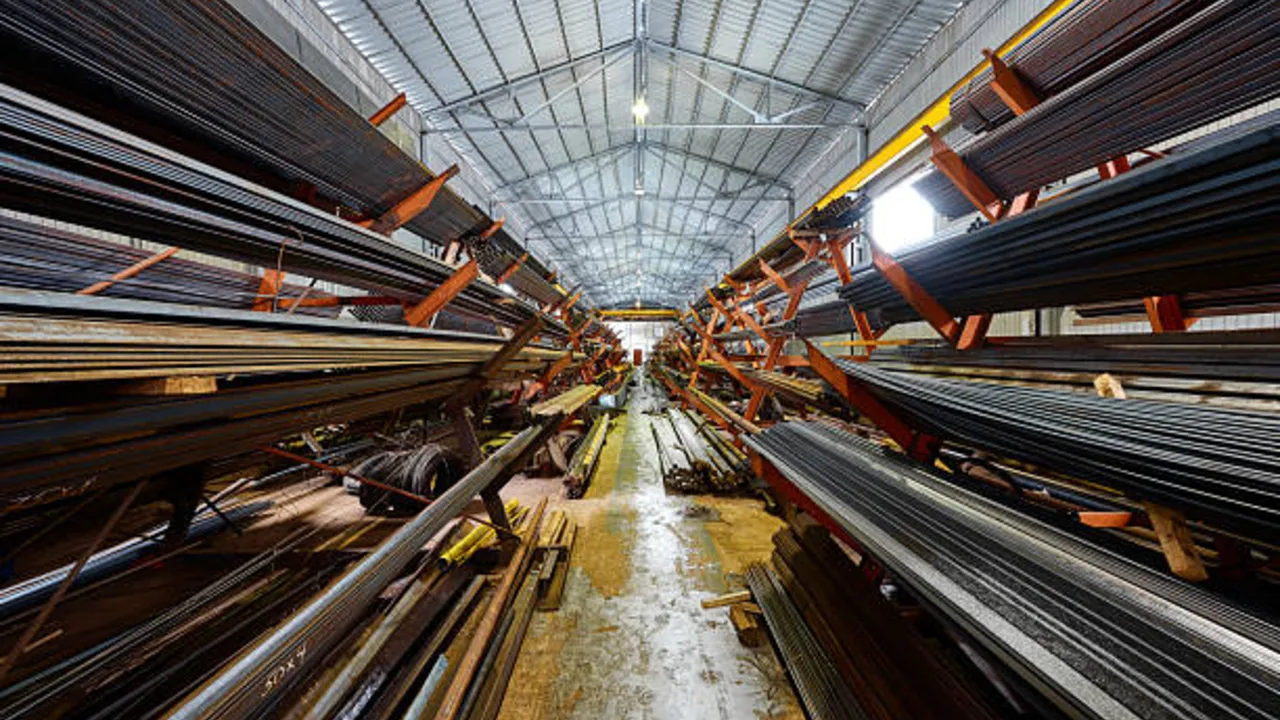
As-built documentation becomes most valuable after the original project team has left. Owners may need the records months or years later when the building is maintained, modified, expanded, inspected, or repaired.
For steel structures, final documentation can help answer practical questions:
- What size are the beams and columns?
- Where are the bracing lines located?
- Which connection details were accepted?
- What bolt grade or fastener type was used?
- What coating or galvanizing system protects the steel?
- Were any deviations approved during fabrication?
- Were any site changes added before final acceptance?
These answers matter for maintenance and future work. If the owner wants to add equipment, install a crane, open a wall, strengthen a frame, repair corrosion, or extend the building, the engineering team needs reliable records.
A clear as-built package can reduce investigation time and help avoid unnecessary assumptions.
Recommended As-Built Preparation Workflow for Steel Manufacturers
A structured workflow helps manufacturers prepare better final documentation. The process should begin early and continue through fabrication, inspection, delivery, installation feedback, and handover.
Recommended steps include:
- Establish the approved drawing baseline before fabrication starts.
- Maintain a drawing revision register throughout the project.
- Track member IDs during cutting, welding, coating, packing, and shipping.
- Connect material certificates to member groups or relevant steel batches.
- Record inspection results and link them to member marks where useful.
- Document NCRs, repairs, deviations, and approval status.
- Collect site change feedback after delivery and installation.
- Update final record drawings based on approved changes.
- Compile a document register for the handover package.
- Review the final package before issuing it to the owner or contractor.
This workflow makes as-built preparation more predictable. Instead of searching for missing records at the end, the manufacturer builds the final package throughout the project.
Conclusion
As-built documentation is not only an administrative task at project closeout. For steel manufacturers, it is part of manufacturing quality control and project traceability.
Strong steel manufacturer as built preparation connects approved drawings, revision history, member identification, material traceability, inspection records, NCR closure, site feedback, and final record drawings. When these records are managed carefully, the owner receives a clearer picture of what was actually fabricated, delivered, installed, and accepted.
A well-prepared as-built package helps future maintenance, repair, expansion, retrofit, and structural review. It also protects the manufacturer by showing that the steel package was controlled from drawing approval through final handover.