What Is Steel Fabrication for Logistics Infrastructure?
Steel fabrication for logistics infrastructure refers to the engineering, manufacturing, and preparation of structural steel components used in facilities that support the movement, storage, and distribution of goods.
These fabricated steel systems are designed to meet the unique requirements of logistics operations, including high load capacities, large-span layouts, efficient traffic flow, and continuous operational activity.
Typical logistics infrastructure projects may include:
- Distribution centers
- Logistics warehouses
- Freight terminals
- Cargo handling facilities
- Port infrastructure
- Airport logistics buildings
Fabricated steel components form the structural backbone that supports these facilities and their daily operations.
Why Logistics Infrastructure Relies on Steel Fabrication
High Structural Capacity
Logistics facilities often operate around the clock and must support substantial operational loads generated by inventory systems, vehicles, cargo handling equipment, and storage systems.
Steel fabrication provides:
- High load-bearing capacity
- Structural reliability
- Long-term durability
- Resistance to demanding operational conditions
These characteristics help ensure uninterrupted logistics operations.
Large Span Requirements
Many logistics facilities require wide open spaces that maximize operational efficiency and allow unrestricted movement of goods and equipment.
Steel structures can achieve:
- Large clear spans
- Reduced interior columns
- Flexible storage layouts
- Improved operational flow
Large-span structures are especially valuable in warehouses and distribution centers where space optimization is critical.
Fast Construction Schedules
Logistics companies often need facilities operational as quickly as possible to support growing market demand.
Steel fabrication supports accelerated construction through:
- Off-site manufacturing
- Precision fabrication
- Reduced on-site labor
- Efficient installation processes
Faster project completion allows facilities to begin generating operational value sooner.
Scalability and Expansion
Supply chains evolve rapidly, requiring logistics facilities to adapt to changing market conditions and business growth.
Steel structures provide flexibility for:
- Warehouse expansion
- Additional storage capacity
- New loading areas
- Operational upgrades
- Facility modernization
This adaptability helps protect long-term investments.
Types of Logistics Infrastructure Projects
Distribution Centers
Distribution centers serve as critical hubs for inventory management, order fulfillment, and transportation coordination.
These facilities often require:
- Large storage areas
- High-clearance spaces
- Loading dock systems
- Automated handling equipment
- Efficient circulation layouts
Steel fabrication supports the structural requirements of these complex operations.
Logistics Warehouses
Warehouses remain among the most common logistics infrastructure applications for fabricated steel structures.
Typical warehouse functions include:
- Inventory storage
- Product sorting
- Order preparation
- Material handling
- Regional distribution
Steel buildings provide the durability and flexibility necessary for efficient warehouse management.
Freight Terminals
Freight terminals support cargo transfer between transportation systems and require structures capable of handling continuous operational activity.
Applications may include:
- Truck freight terminals
- Rail freight facilities
- Intermodal terminals
- Cargo consolidation centers
- Transportation hubs
Fabricated steel systems provide the strength required for these demanding environments.
Port and Maritime Facilities
Ports and maritime logistics operations require specialized steel structures capable of supporting cargo movement and storage activities.
Typical facilities include:
- Port warehouses
- Cargo storage buildings
- Equipment maintenance facilities
- Terminal support structures
- Logistics service buildings
Steel fabrication provides durable solutions for marine logistics environments.
Airport Logistics Buildings
Air cargo facilities require highly efficient layouts and large operational spaces to support freight movement and logistics services.
Applications include:
- Cargo terminals
- Sorting facilities
- Storage warehouses
- Distribution centers
- Ground handling facilities
Steel structures allow these operations to maintain efficiency while accommodating future growth.
Steel Components Used in Logistics Infrastructure
Structural Steel Frames
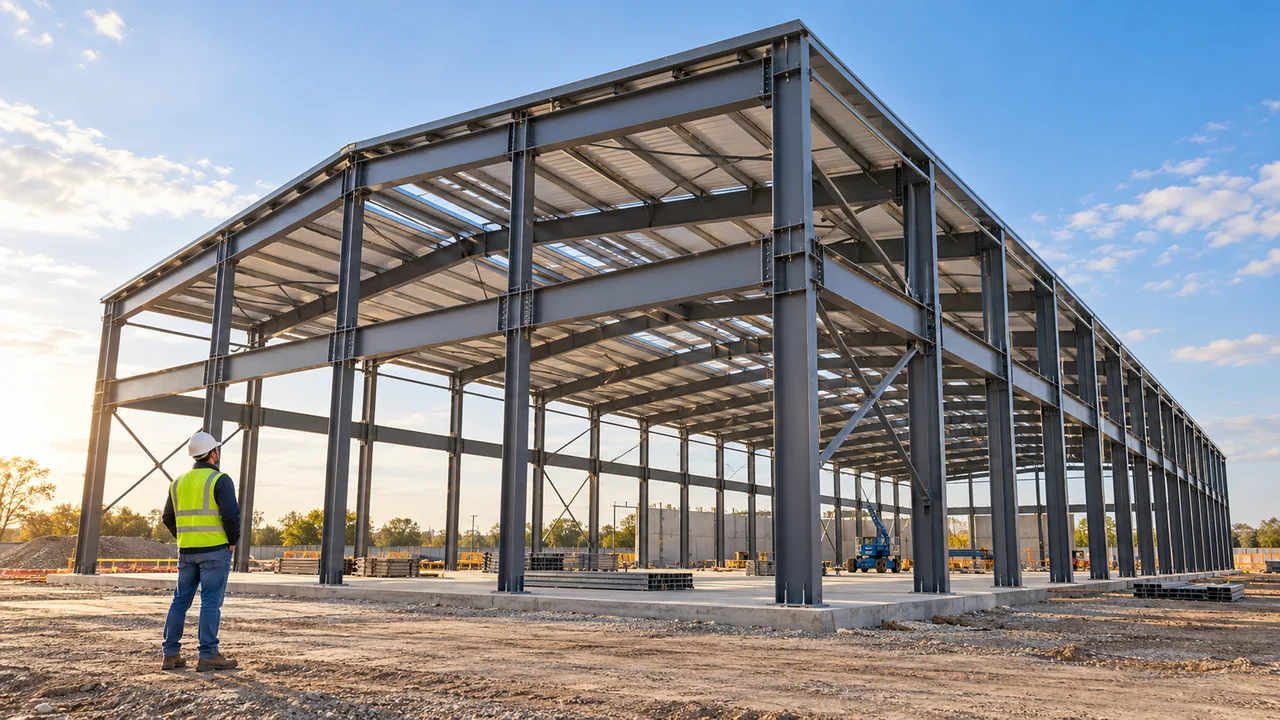
Structural steel frames provide the primary load-bearing system for logistics facilities.
These systems support:
- Building loads
- Roof systems
- Equipment installations
- Operational activities
Properly engineered frames ensure long-term facility performance.
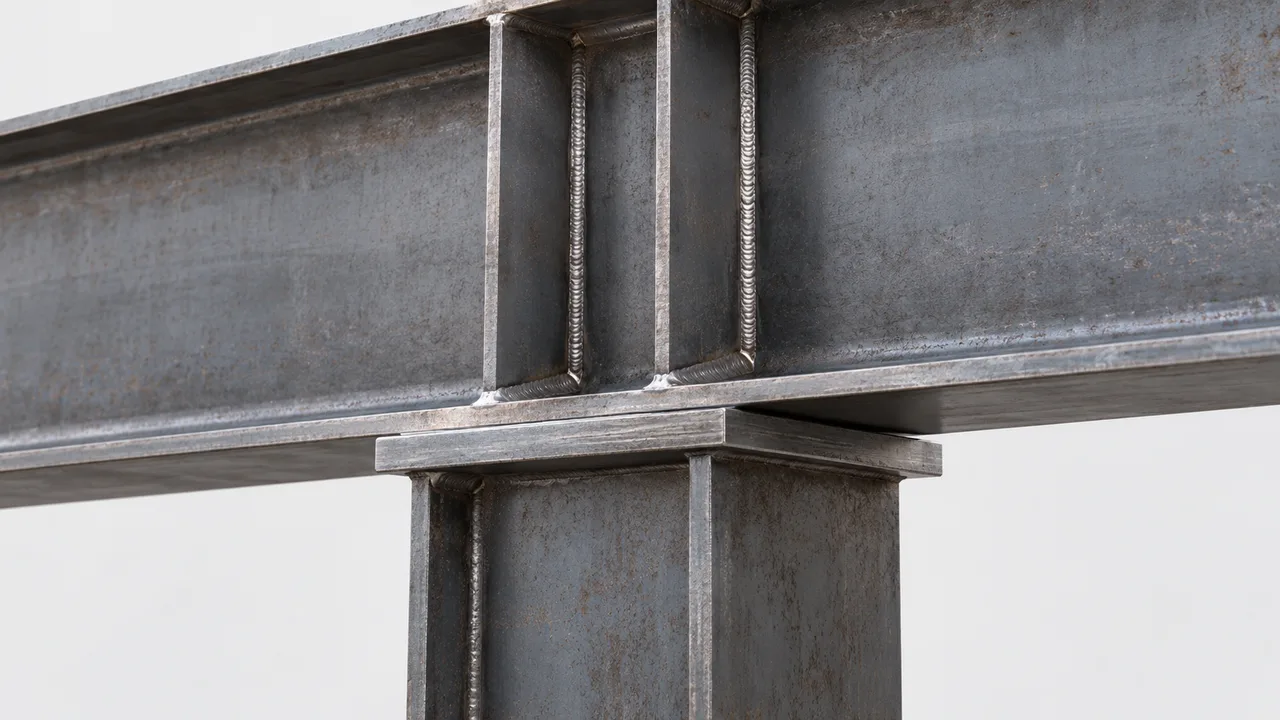
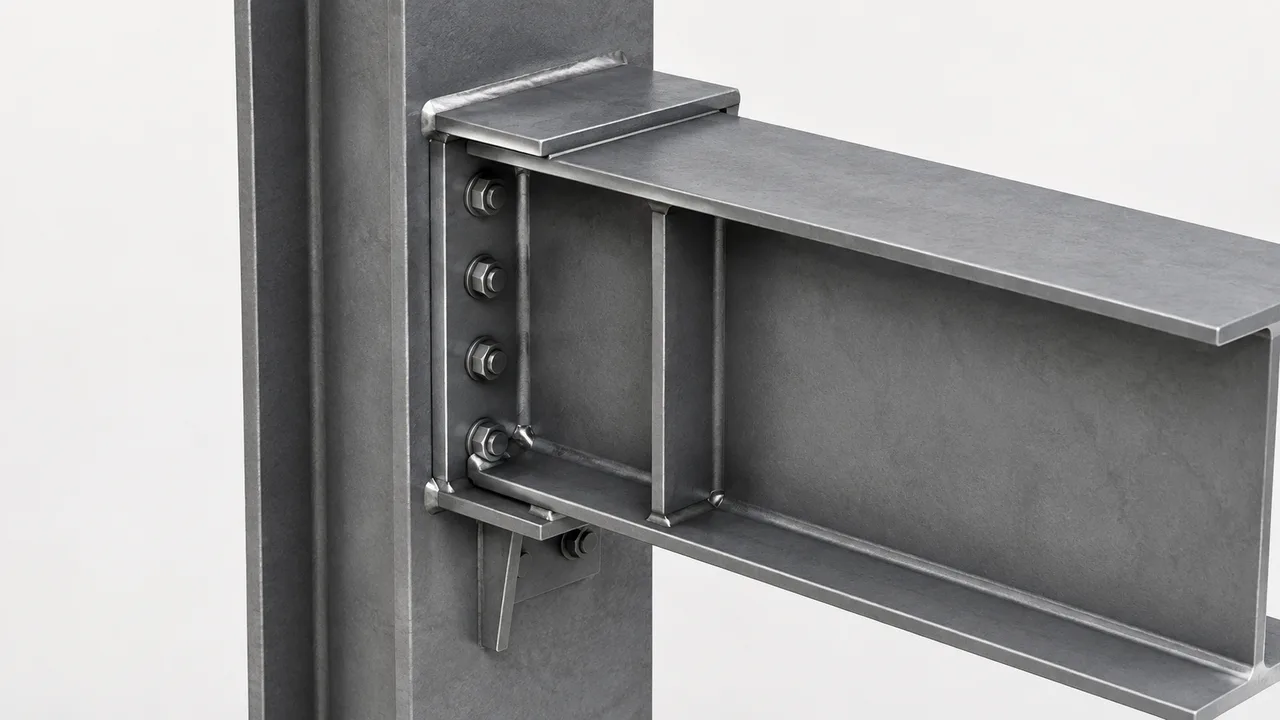
Steel Columns and Beams
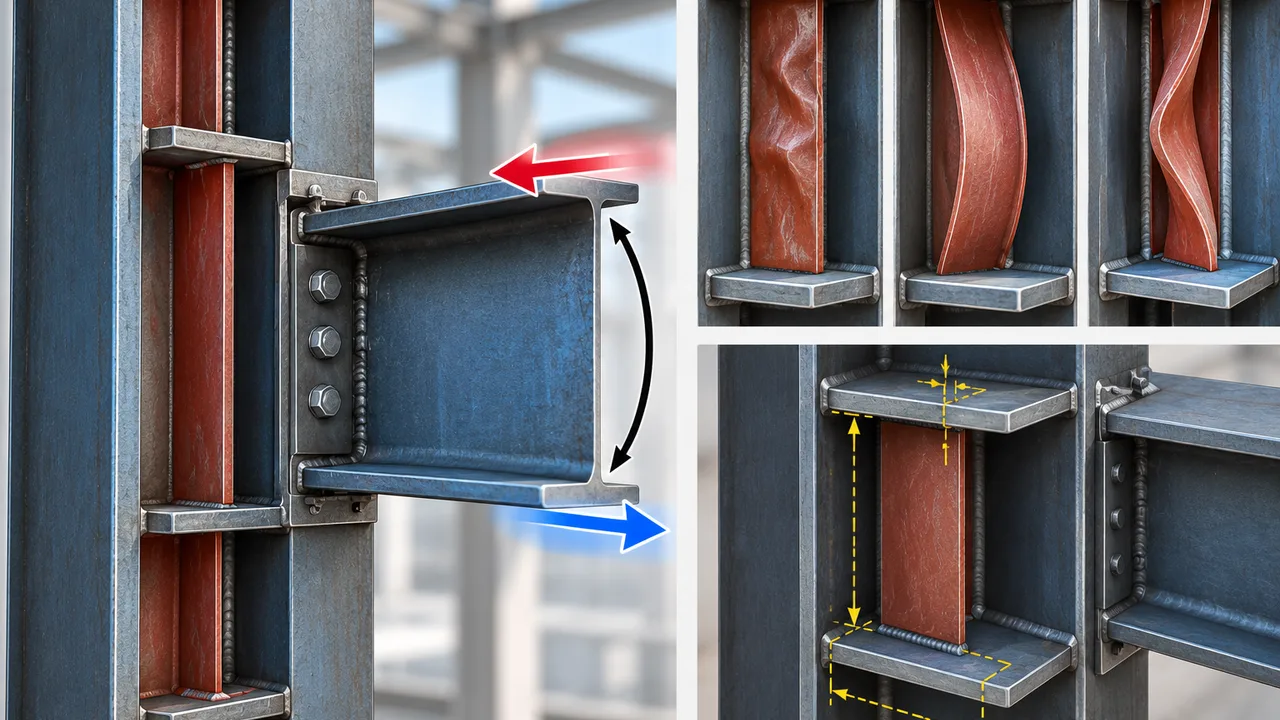
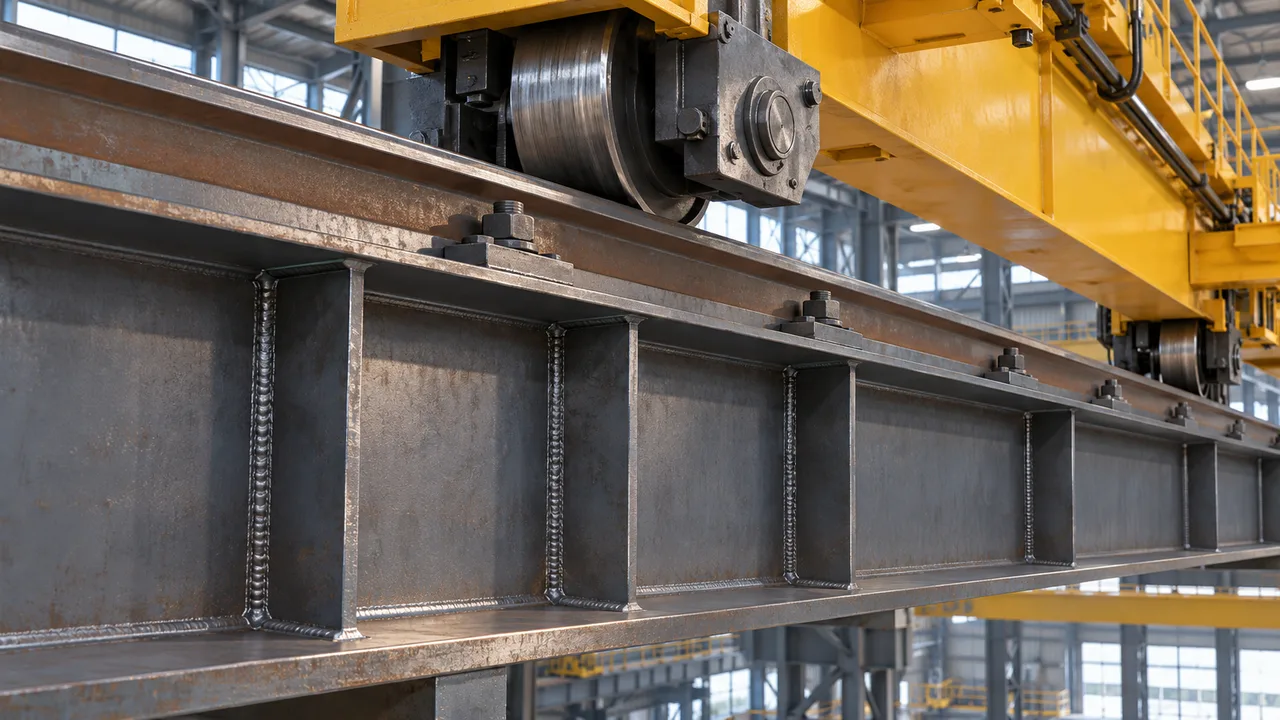
Columns and beams transfer loads throughout the structure while maintaining stability and operational safety.
Their design depends on:
- Building size
- Storage requirements
- Equipment loads
- Environmental conditions
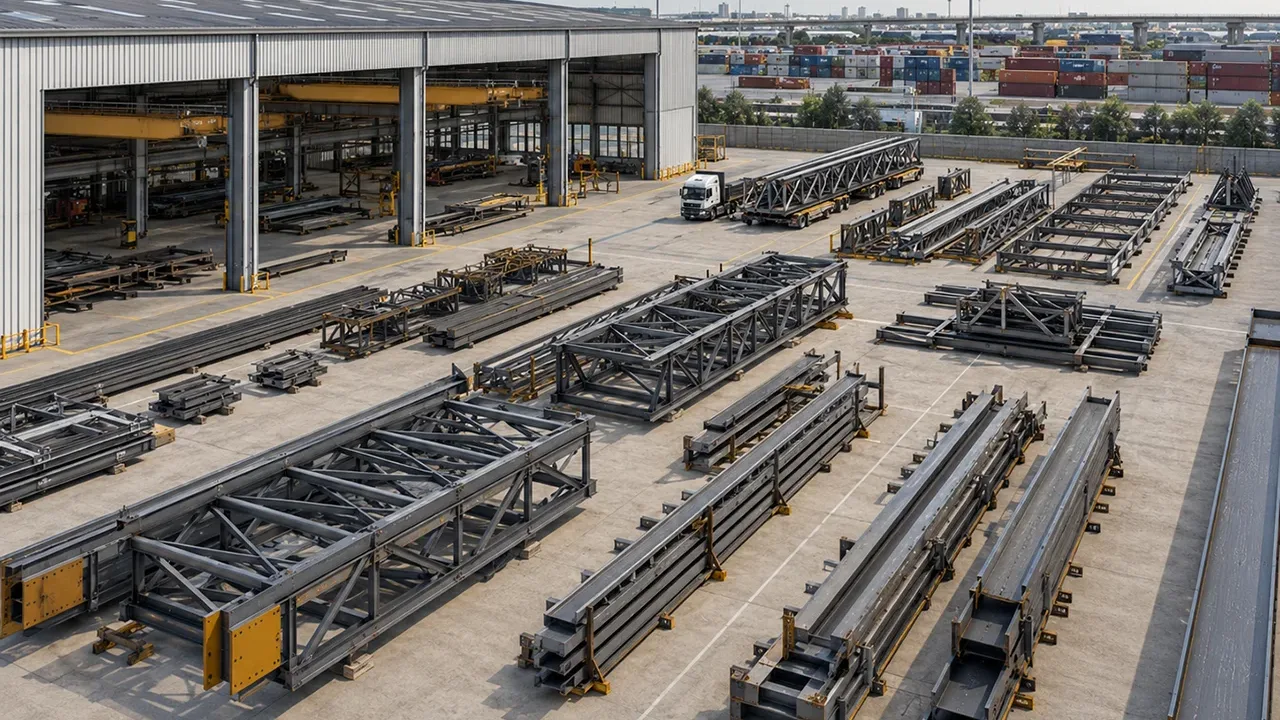
Long Span Trusses
Long-span trusses are commonly used to create large open spaces with minimal interior obstructions.
Benefits include:
- Improved warehouse layouts
- Greater storage flexibility
- Enhanced vehicle movement
- Efficient cargo handling
Mezzanine Structures
Mezzanine systems provide additional operational space within logistics buildings without increasing the overall building footprint.
Applications include:
- Additional storage levels
- Office areas
- Sorting operations
- Equipment platforms
Loading Dock Structures
Loading docks represent critical operational areas that require specialized structural support.
Steel fabrication supports:
- Dock canopies
- Truck loading zones
- Cargo transfer areas
- Vehicle access structures
These systems help maintain efficient logistics workflows.
Engineering Considerations
Operational Load Requirements
Logistics facilities must support various operational loads generated by storage systems, forklifts, automated equipment, and inventory movement.
Engineering analysis evaluates:
- Rack loads
- Equipment loads
- Traffic loads
- Future operational demands
Traffic Flow Optimization
Facility layouts must support efficient movement of trucks, cargo, equipment, and personnel.
Structural design often considers:
- Loading dock access
- Vehicle circulation
- Storage efficiency
- Material handling operations
Expansion Planning
Many logistics facilities are designed with future growth in mind.
Steel fabrication allows for easier expansion through modular construction and scalable structural systems.
Environmental Conditions
Climate, corrosion exposure, and operational environments influence material selection and protective treatments.
Common solutions include:
- Protective coatings
- Galvanized steel systems
- Industrial paint systems
- Corrosion-resistant detailing
Steel Fabrication Process for Logistics Infrastructure
Engineering and Design
Projects begin with structural analysis, operational planning, and facility optimization to ensure the building meets logistics requirements.
Material Procurement
Certified structural steel is sourced according to project specifications and quality requirements.
CNC Fabrication
Modern fabrication facilities utilize CNC equipment for cutting, drilling, welding, and assembly processes to ensure precision and consistency.
Surface Treatment
Protective finishes such as painting and galvanizing help extend service life and improve durability.
Delivery and Installation Support
Coordinated logistics and delivery planning help ensure smooth project execution and installation activities.
Benefits of Steel Fabrication for Logistics Infrastructure
Faster Project Delivery
Prefabricated steel components accelerate construction schedules and reduce project timelines.
Large Open Interior Spaces
Long-span structures maximize usable operational areas.
Reduced Maintenance Requirements
Properly fabricated and protected steel structures require relatively low maintenance.
Long Service Life
Steel structures provide reliable performance over decades of operation.
Adaptability for Future Growth
Facilities can be expanded and modified to accommodate changing logistics demands.
Logistics Sectors Served
E-commerce Distribution
Modern fulfillment centers depend on efficient steel structures to support high-volume order processing.
Third-Party Logistics (3PL)
Flexible facilities support multiple clients and changing operational requirements.
Retail Distribution Networks
Steel logistics facilities help maintain efficient inventory management and product movement.
Cold Chain Logistics
Specialized structures support temperature-controlled storage and distribution operations.
International Freight Operations
Large-scale logistics hubs facilitate global cargo movement and transportation services.
Why Choose XTD Steel Structure
Logistics Infrastructure Experience
XTD Steel Structure has experience supporting warehouse, logistics, and industrial infrastructure projects across various international markets.
Advanced Fabrication Capabilities
Modern production facilities enable efficient manufacturing of complex structural systems.
Reliable Quality Management
Comprehensive quality control procedures help ensure consistent fabrication standards.
Global Project Delivery Support
XTD Steel Structure provides engineering, fabrication, logistics coordination, and project support for international logistics infrastructure developments.
Frequently Asked Questions
Why is steel fabrication important for logistics infrastructure?
Steel fabrication provides the strength, flexibility, and efficiency needed to support modern logistics operations.
What logistics facilities use fabricated steel structures?
Warehouses, distribution centers, freight terminals, ports, and airport cargo facilities commonly utilize fabricated steel systems.
Can steel logistics facilities be expanded later?
Yes. Steel structures can often be designed to accommodate future expansion and operational growth.
How long do logistics steel structures last?
With proper engineering, fabrication, and maintenance, steel logistics facilities can provide reliable service for many decades.
Start Your Logistics Infrastructure Project
Steel fabrication for logistics infrastructure provides the structural foundation needed for efficient supply chains, warehousing operations, freight handling, and distribution networks. With proper engineering, fabrication, and project execution, steel structures help logistics operators improve efficiency while supporting future growth.
Working with an experienced partner such as XTD Steel Structure helps ensure reliable fabrication quality, efficient project delivery, and long-term operational performance.