Meeting the Demands of Mining Operations
Mining environments place unusual pressure on building systems. Structures may need to support heavy machinery, protect processing equipment, store raw materials, or provide safe working areas for maintenance teams.
Heavy Equipment and High Loads
Mining projects often involve crushers, conveyors, screens, processing units, bulk material handling systems, and maintenance equipment. The building structure must be engineered to handle these loads safely.
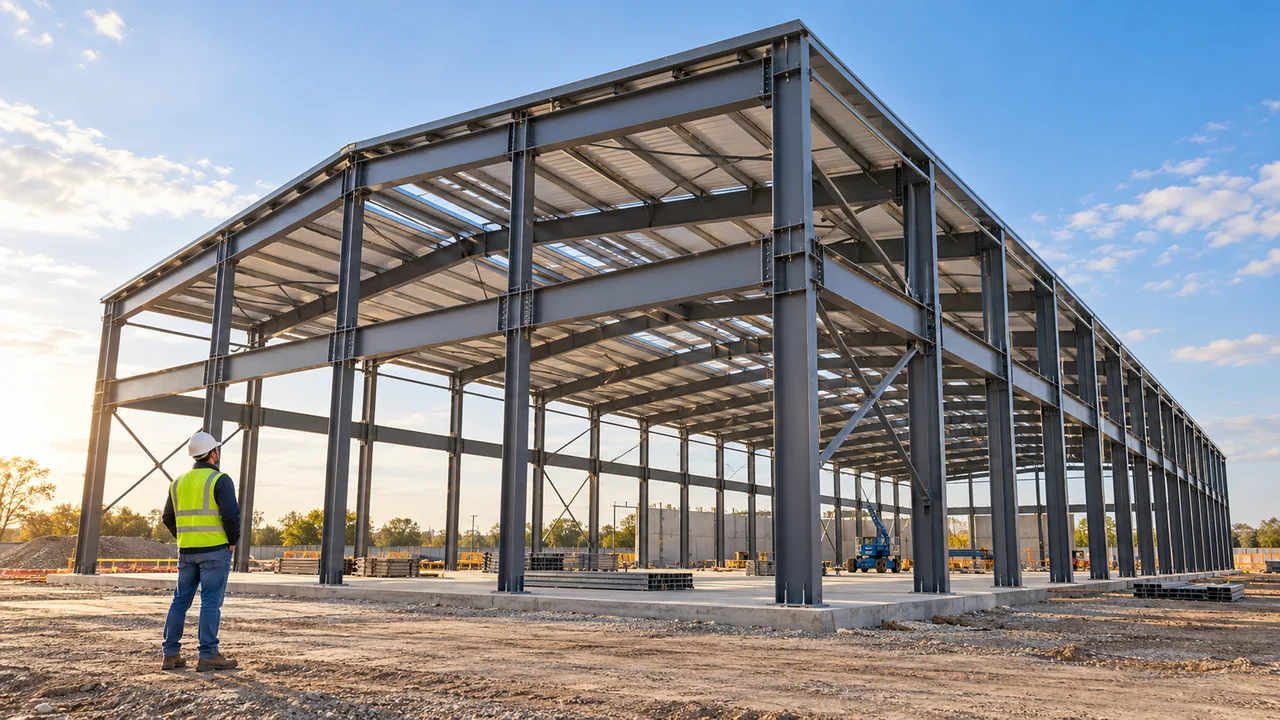
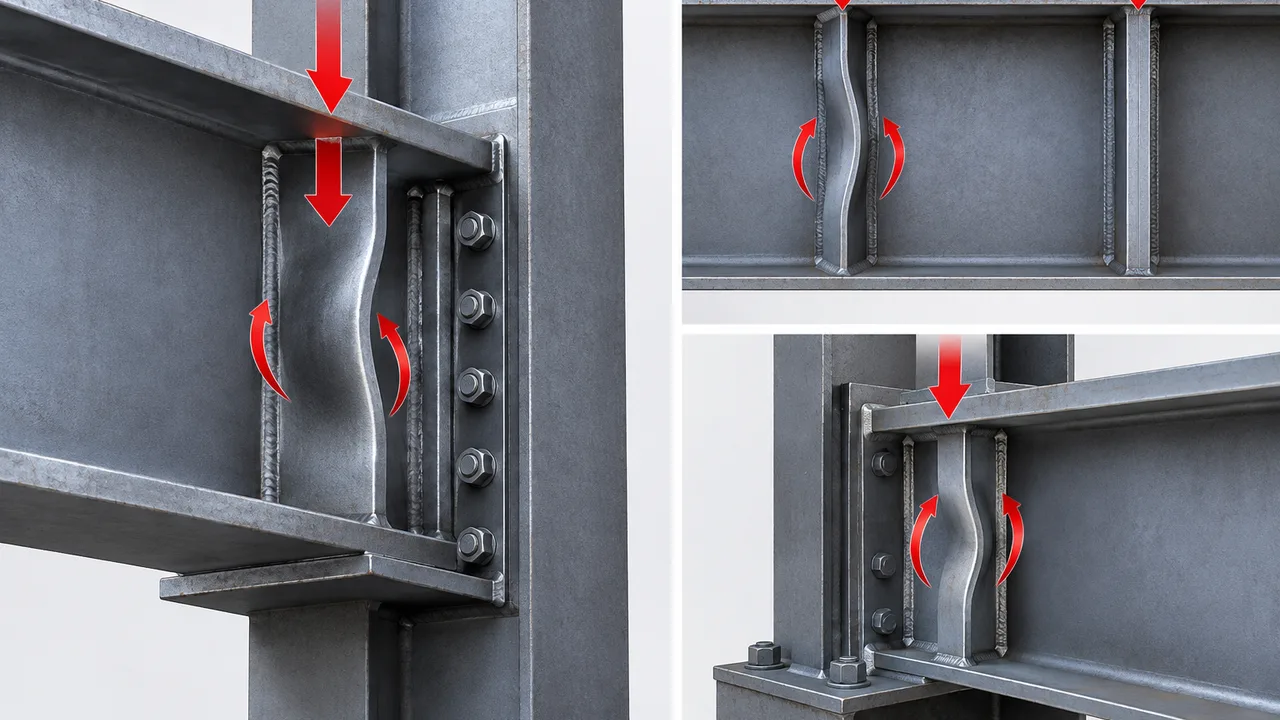
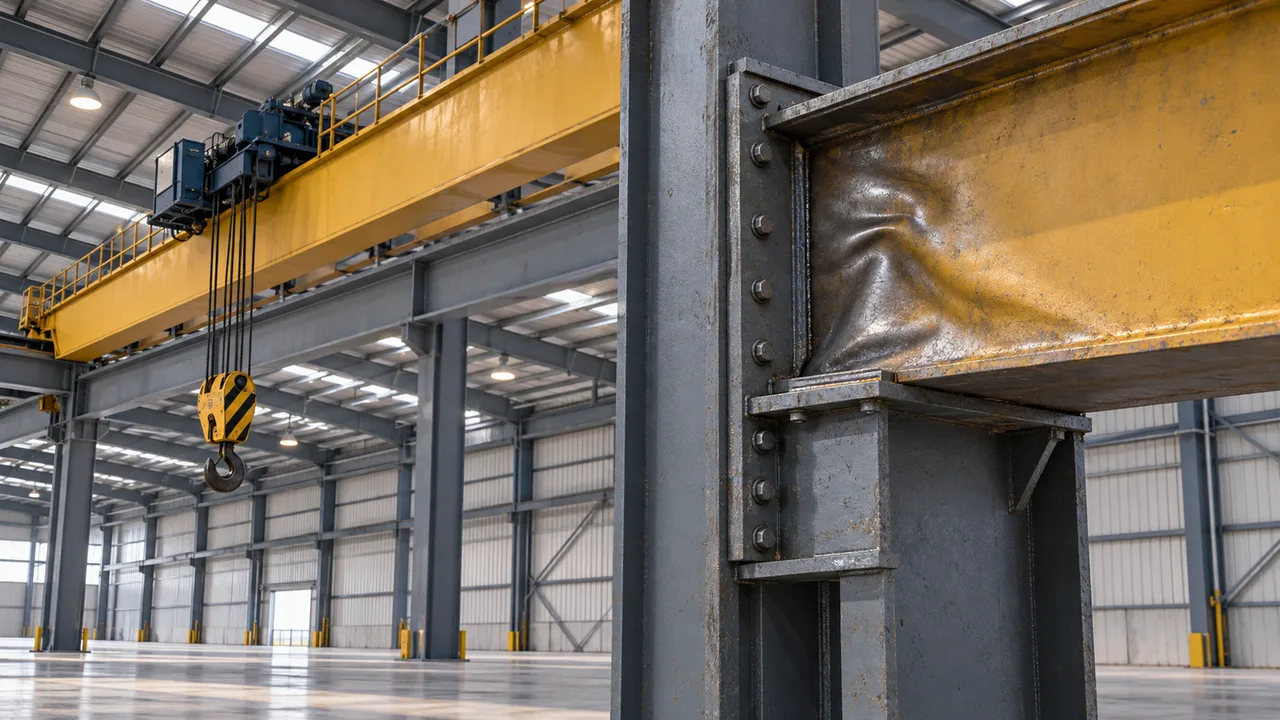
Steel frames can be designed with reinforced columns, heavy-duty beams, crane support systems, and large openings to accommodate equipment installation and maintenance access.
Remote Project Locations
Many mining sites are located far from urban infrastructure. This creates challenges for labor availability, material delivery, and construction management.
A prefabricated steel system reduces the amount of work required on-site because major components are manufactured in the factory before delivery. This is one reason a steel structure building for mining is practical for remote mine development.
Harsh Operating Conditions
Mining buildings may face dust, humidity, corrosive particles, high temperatures, strong winds, or seasonal weather changes. Structural systems must be designed for these conditions from the beginning.
Protective coatings, proper ventilation, drainage planning, and suitable cladding systems help improve building durability in difficult mining environments.
Mining Facilities Commonly Built with Steel Structures
Steel buildings can support many parts of a mining operation. Instead of serving one fixed function, they can be adapted for production, storage, maintenance, logistics, and workforce support.
Processing Plant Buildings
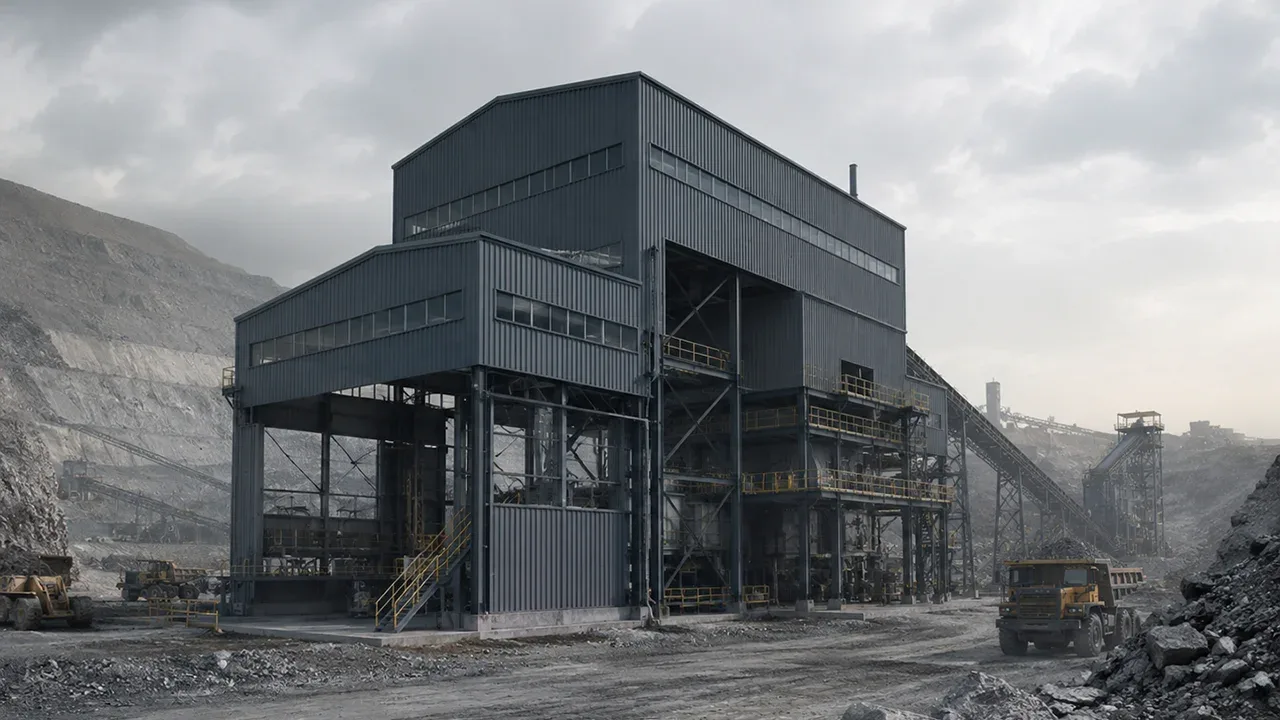
Processing plant buildings are often designed around equipment layout. Steel structures allow engineers to create large internal spaces for crushers, screens, conveyors, and processing machinery.
These buildings may require high roofs, equipment access zones, service platforms, and ventilation systems.
Equipment Maintenance Workshops
Mining equipment requires regular inspection and repair. Maintenance workshops built with steel frames can accommodate large vehicles, lifting equipment, spare parts storage, and service bays.
Wide openings and clear internal spans make steel workshops especially useful for heavy machinery maintenance.
Storage and Material Handling Buildings
Mining operations need storage for spare parts, tools, consumables, minerals, bulk materials, and processing supplies. Steel storage buildings can be designed with large doors, high clear heights, and flexible layouts.
Mining Logistics and Support Facilities
Logistics facilities support material movement across the mining site. These may include dispatch buildings, transfer stations, loading areas, warehouse spaces, and covered handling zones.
Administration and Workforce Facilities
Steel systems can also be used for site offices, workforce accommodation support buildings, canteens, and technical management facilities when durability and fast construction are required.
Why Mining Projects Prefer Steel Construction
Mining is a high-cost industry where construction delays can affect project schedules and operational output. Steel construction helps reduce uncertainty by moving much of the building process into controlled manufacturing environments.
- Fast construction: Prefabricated components reduce site assembly time.
- High structural strength: Steel frames support heavy industrial requirements.
- Flexible layouts: Large spans allow equipment and workflow adjustments.
- Expandable systems: Buildings can be extended as production grows.
- Long service life: Proper protection improves durability in harsh locations.
Downtime is expensive in mining. Building systems that install faster, perform reliably, and adapt to operational changes can provide long-term project value.
Engineering Considerations for Mining Buildings
Every mining building should be designed around the specific conditions of the site and the operational purpose of the facility. A generic building layout is rarely enough for industrial mining use.
Structural Load Requirements
Engineers must consider equipment loads, crane loads, wind loads, seismic conditions, roof loads, and operational vibration. Structural design should also allow safe access for maintenance and equipment replacement.
Corrosion Protection Systems
Mining environments can expose steel to moisture, chemicals, dust, and abrasive particles. Anti-corrosion coatings, galvanizing, and protective paint systems are selected based on local exposure conditions.
Ventilation and Environmental Control
Processing and maintenance buildings may require ventilation to control dust, heat, fumes, and indoor air quality. The structural design should allow integration of louvers, exhaust systems, insulated panels, or mechanical ventilation equipment.
Future Expansion Planning
Mining operations often expand in phases. Steel buildings can be designed with future extension points, modular bays, and adaptable framing systems so additional space can be added later.
Fabrication and Delivery Strategy
For mining projects, fabrication and delivery planning are almost as important as the structural design itself. Remote-site conditions require accurate sequencing and reliable component preparation.
Precision Manufacturing
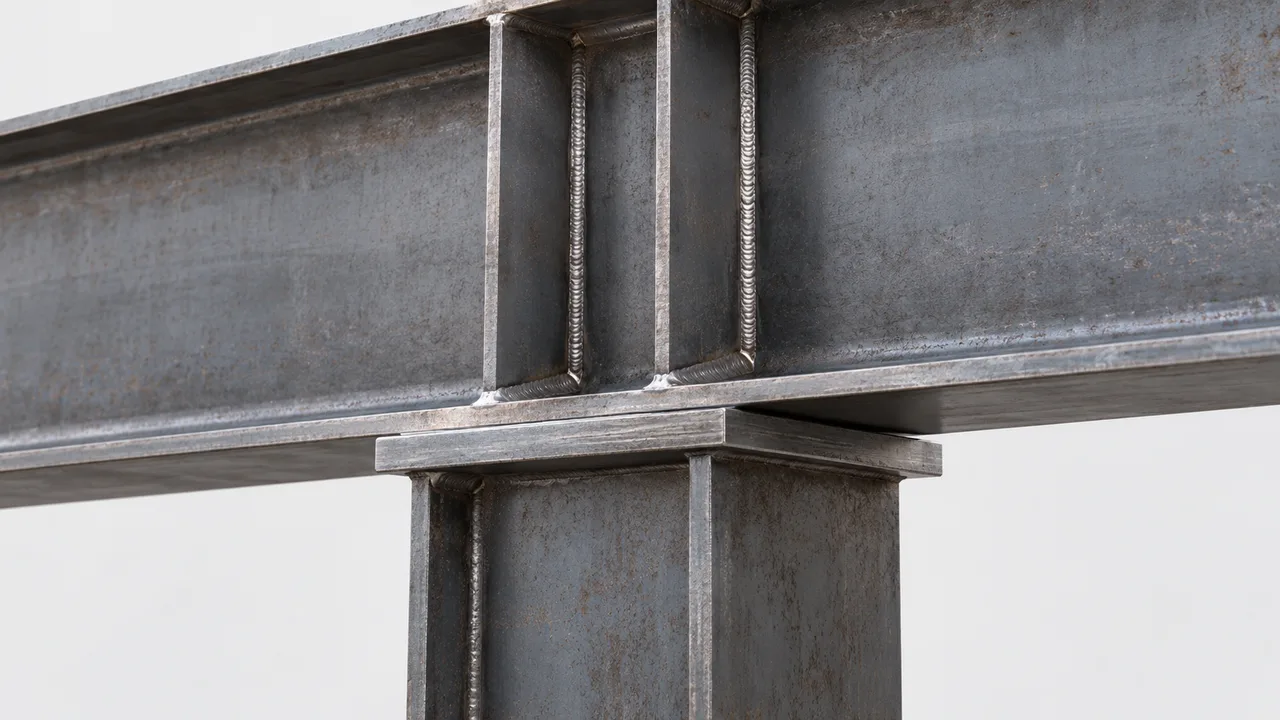
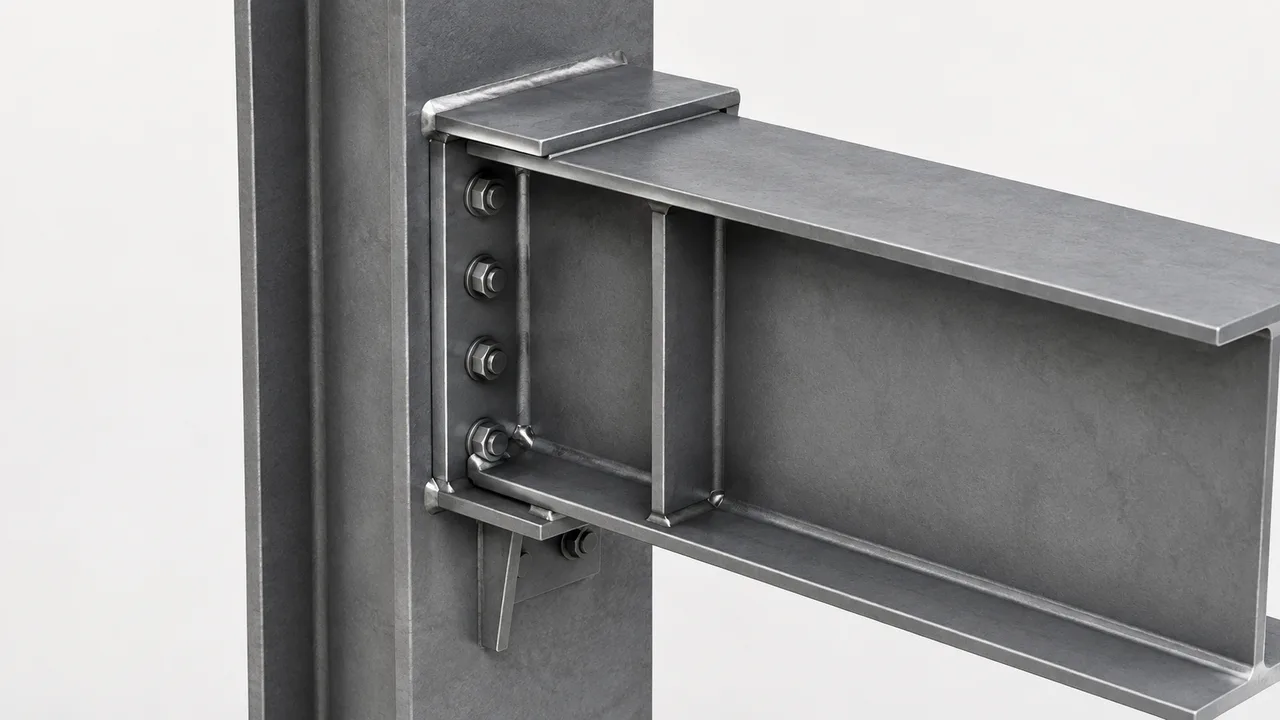
Steel components are fabricated in controlled factory conditions using cutting, drilling, welding, and assembly processes. Accurate manufacturing helps reduce installation problems once materials arrive on-site.
Modular Component Packaging
Components can be grouped by installation sequence, building zone, or shipment batch. This improves site organization and reduces the risk of delays during erection.
Transportation to Remote Sites
Mining projects often involve long-distance transport, difficult road conditions, or limited site access. Packaging, loading plans, and component dimensions must be coordinated early to avoid logistics problems.
Construction Advantages in Mining Regions
A steel building system offers several practical advantages for mine sites, especially when skilled labor is limited or weather windows are short.
- Less wet work compared with traditional concrete construction
- Shorter on-site installation periods
- Improved quality control through factory fabrication
- Reduced dependency on local site labor
- Better coordination between structure, cladding, and equipment needs
- Safer erection when components are properly planned and sequenced
These advantages make steel structures useful for both new mining developments and expansion projects at existing sites.
Selecting a Steel Structure Partner for Mining Projects
Mining projects require more than basic steel supply. The right partner should understand industrial layouts, heavy-duty structural requirements, corrosion protection, logistics planning, and phased project execution.
XTD Steel Structure supports industrial steel building projects with engineering coordination, fabrication capability, and international delivery experience. For mining-related facilities, this integrated approach helps align structural design with site conditions and operational needs.
When selecting a partner, project owners should evaluate:
- Experience with industrial and heavy-duty structures
- Ability to fabricate large steel components accurately
- Quality control and inspection procedures
- Surface treatment capability
- Export packaging and logistics coordination
- Support for installation planning and technical documentation
Common Questions from Mining Project Owners
Can steel structures support mining equipment?
Yes. Steel structures can be engineered to support heavy machinery, crane systems, processing equipment, and industrial loads when designed according to project requirements.
Are steel buildings suitable for remote mines?
Yes. Prefabricated steel buildings are suitable for remote mining sites because factory-made components reduce site work and improve installation efficiency.
How long do mining steel structures last?
With proper engineering, protective coatings, maintenance, and environmental control, steel structures used in mining facilities can provide long-term service life.
Build Reliable Mining Infrastructure
A well-designed steel structure building for mining provides durability, construction speed, and operational flexibility for demanding industrial environments. From processing plants and workshops to storage buildings and logistics support facilities, steel systems can be adapted to the practical needs of mining operations.
For mining projects where reliability, expansion capability, and construction efficiency matter, steel structure buildings offer a strong foundation for long-term infrastructure development.