What Is a Pre Built Steel Structure?
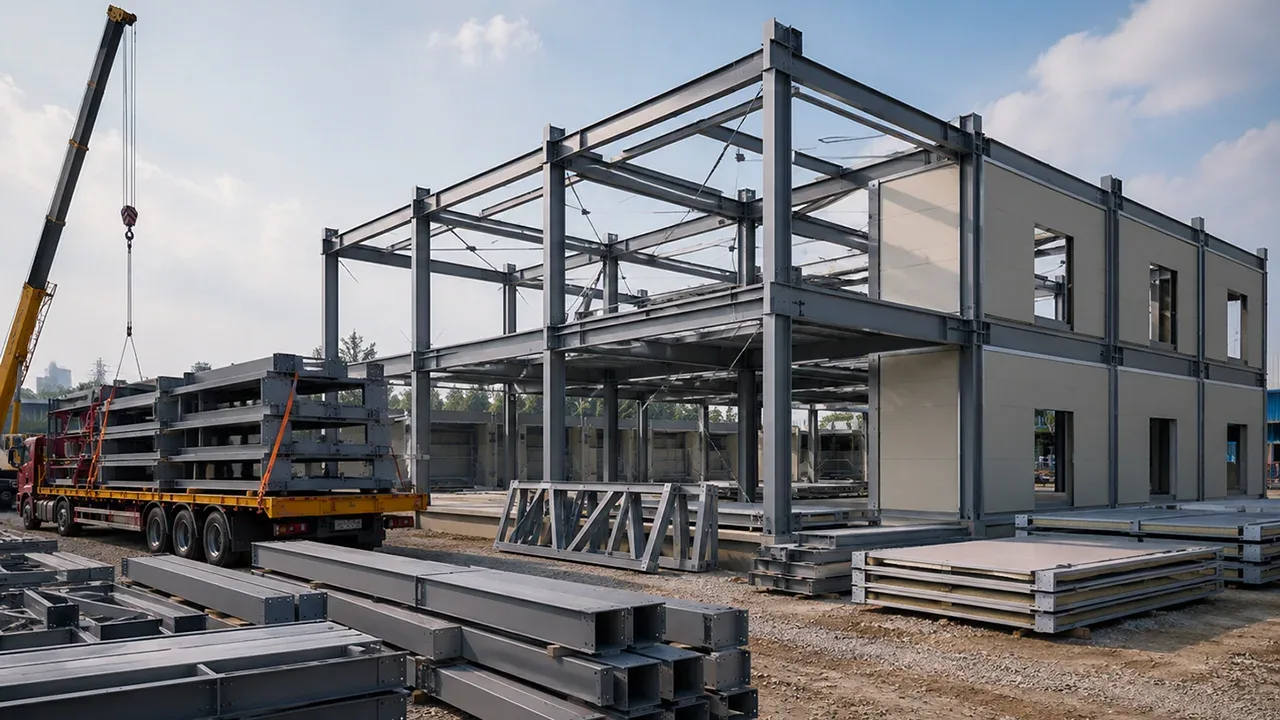
A pre built steel structure is a building system in which primary and secondary steel components are fabricated before arriving at the construction site. These components are manufactured according to engineering specifications, quality requirements, and project dimensions.
Unlike traditional construction methods that require extensive on-site fabrication, pre-built systems allow much of the work to be completed in the factory. Components are then transported to the project location for assembly and installation.
This construction method helps reduce weather-related delays, improve manufacturing accuracy, and shorten overall project schedules.
Key Components of a Pre Built Steel Structure
Primary Structural Members
The primary structure forms the main load-bearing framework of the building. These components typically include:
- Steel columns
- Main rafters
- Rigid frame systems
- Heavy structural beams
These elements transfer loads safely to the building foundation while providing overall structural stability.
Secondary Structural Components
Secondary members support the roofing and wall systems while helping distribute loads throughout the structure.
Common secondary components include:
- Purlins
- Girts
- Bracing systems
- Connection members
Although lighter than primary members, these components play an important role in overall structural performance.
Roofing and Wall Systems
Roofing and wall systems complete the building envelope and protect interior operations from environmental conditions.
Available options often include:
- Single-skin steel panels
- Insulated sandwich panels
- Architectural cladding systems
- Weather-resistant roofing solutions
The selection depends on operational requirements, insulation needs, and local climate conditions.
Benefits of Pre Built Steel Structures
Faster Construction Timelines
One of the biggest advantages of a pre built steel structure is construction speed. Because major components are fabricated before delivery, site work and structural installation can proceed more efficiently.
Reduced field fabrication means fewer construction activities must be completed on-site, helping projects reach operational readiness sooner.
Cost Efficiency
Pre-built systems often help control project costs by reducing labor requirements, minimizing material waste, and improving production efficiency.
Factory-based manufacturing can also reduce the likelihood of costly errors that may occur during field fabrication.
Quality Consistency
Factory-controlled production environments provide better quality control than many site-based construction activities.
Manufacturing procedures, equipment calibration, inspections, and documentation processes help maintain consistent quality throughout production.
Common Applications
Industrial Buildings
Manufacturing facilities, processing plants, and industrial workshops frequently utilize pre-built steel structures because of their durability, scalability, and construction efficiency.
These facilities often require large open spaces, equipment support systems, and future expansion capabilities.
Warehouses and Logistics Centers
Warehouses and logistics facilities benefit significantly from pre-built construction because rapid project completion is often critical to business operations.
Large-span structural systems help maximize storage capacity while maintaining efficient operational flow.
Commercial Buildings
Commercial applications may include office buildings, retail facilities, exhibition halls, sports facilities, and public-use structures.
The flexibility of steel construction allows designers to create efficient layouts while supporting architectural requirements.
Engineering and Design Considerations
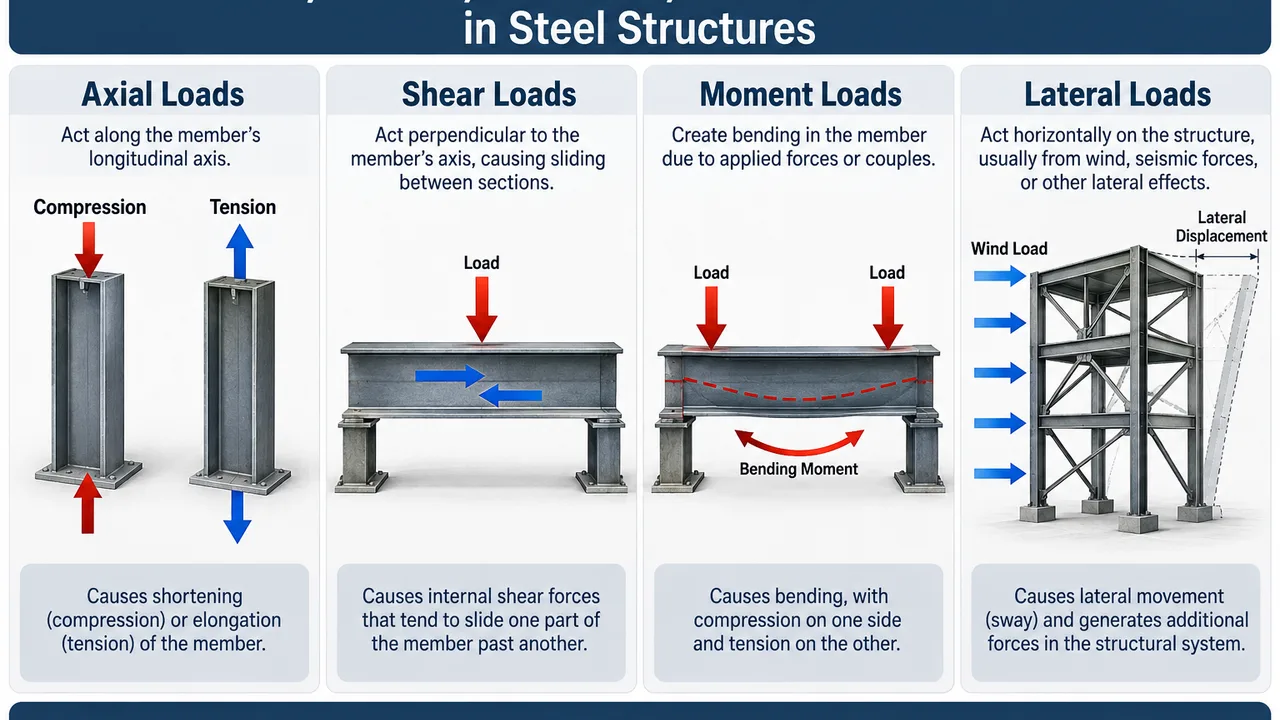
Structural Load Requirements
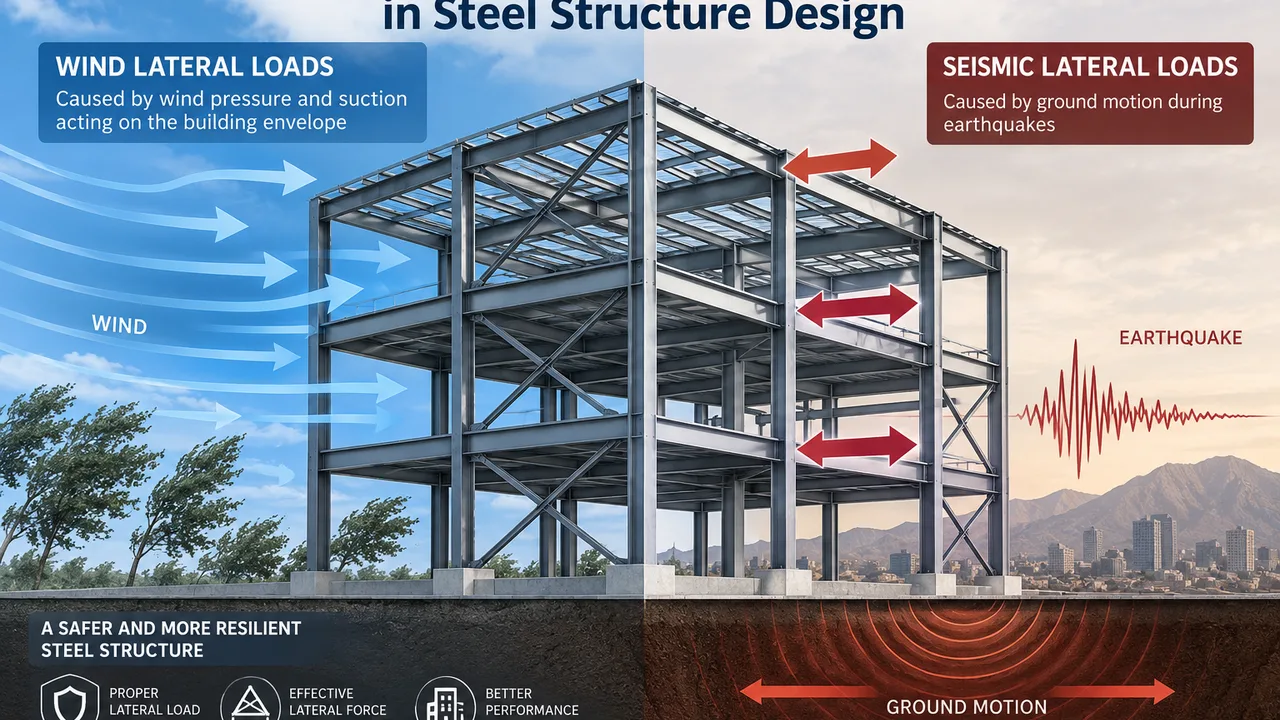
Every pre-built steel project must be designed according to site-specific loading conditions.
Engineering calculations typically consider:
- Wind loads
- Snow loads
- Seismic forces
- Equipment loads
- Occupancy requirements
Proper structural design helps ensure safety, stability, and long-term performance.
Building Dimensions and Layout
Project dimensions influence material quantities, structural member sizing, and construction planning.
Design teams often evaluate span requirements, building height, internal clearances, and future expansion possibilities before finalizing the structural system.
Material Selection
Material selection affects structural strength, durability, maintenance requirements, and lifecycle costs.
Engineers typically evaluate steel grades, coating systems, corrosion exposure conditions, and project-specific performance requirements.
Manufacturing Process
Engineering and Detailing
Manufacturing begins with engineering review and detailed shop drawing preparation. Accurate documentation helps ensure that every component is produced according to project specifications.
Proper detailing also improves installation efficiency once materials arrive on site.
Fabrication and Assembly
Fabrication includes cutting, drilling, welding, forming, and assembling structural components. Modern facilities often utilize CNC equipment and automated production technologies to improve consistency and precision.
Production planning helps coordinate manufacturing schedules with project delivery requirements.
Surface Treatment
Protective treatments are applied to improve durability and corrosion resistance.
Common options include:
- Hot-dip galvanizing
- Industrial coating systems
- Protective paint applications
Appropriate surface protection can significantly extend service life while reducing maintenance requirements.
Transportation and Installation
Packaging and Shipping
After manufacturing and inspection, structural components are packaged according to transportation requirements and project sequencing plans.
Careful packaging helps protect components from damage during loading, shipping, unloading, and storage.
Site Preparation
Proper site preparation is essential before structural erection begins.
Key considerations include foundation readiness, access roads, equipment availability, and installation sequencing.
Effective planning helps minimize delays during construction.
Erection and Assembly
Pre-built steel structures are typically assembled using bolted connections and standardized installation procedures.
Because components arrive pre-engineered and pre-fabricated, erection activities can proceed quickly while maintaining structural accuracy.
Quality Control and Compliance
Material Inspection
Incoming materials are inspected to verify compliance with project specifications and manufacturing requirements.
Material verification helps maintain product consistency throughout production.
Production Quality Control
Quality inspections occur throughout fabrication and assembly processes.
Typical inspections include:
- Dimensional verification
- Weld inspections
- Visual quality checks
- Documentation review
These procedures help ensure that finished components meet project expectations.
International Standards
Many projects require compliance with recognized structural steel standards, welding specifications, and quality management systems.
Following these standards improves project reliability and supports international project requirements.
Why Businesses Choose Pre Built Steel Structures
- Faster project delivery schedules
- Reliable structural performance
- Flexible building configurations
- Long-term durability
- Scalable expansion opportunities
- Reduced construction disruption
These advantages make pre-built steel systems attractive for businesses seeking efficient construction solutions without compromising quality.
Why Choose XTD Steel Structure
Engineering Expertise
Successful projects require strong engineering support from concept development through final installation. Experienced teams can help optimize structural systems for performance, constructability, and cost efficiency.
Manufacturing Capability
Modern fabrication facilities equipped with advanced production technology help ensure manufacturing accuracy and reliable project execution.
As an experienced supplier, XTD Steel Structure provides integrated engineering, fabrication, quality control, and logistics coordination for global construction projects.
International Project Experience
Export projects require careful management of packaging, shipping, documentation, and delivery schedules.
Global project experience helps improve coordination and supports successful project delivery across different markets and regions.
Frequently Asked Questions
What is a pre built steel structure?
A pre built steel structure is a building system where major steel components are fabricated before delivery to the construction site for assembly and installation.
How long does installation take?
Installation time depends on project size, complexity, site conditions, and workforce availability. However, pre-built systems generally install faster than traditional construction methods.
Are pre-built steel structures customizable?
Yes. Structural dimensions, layouts, roofing systems, wall systems, and other features can be customized according to project requirements.
What industries use pre-built steel buildings?
Industrial manufacturing, warehousing, logistics, commercial development, agriculture, transportation, and public infrastructure sectors commonly utilize pre-built steel structures.
Start Your Pre Built Steel Structure Project
A professionally engineered pre built steel structure offers an efficient combination of speed, durability, flexibility, and quality. By leveraging factory-controlled production and streamlined installation methods, businesses can achieve faster project completion while maintaining long-term structural reliability.
Partnering with an experienced supplier helps ensure smooth project coordination from engineering and manufacturing through transportation and final installation.