What Is a Modular Steel Structure?
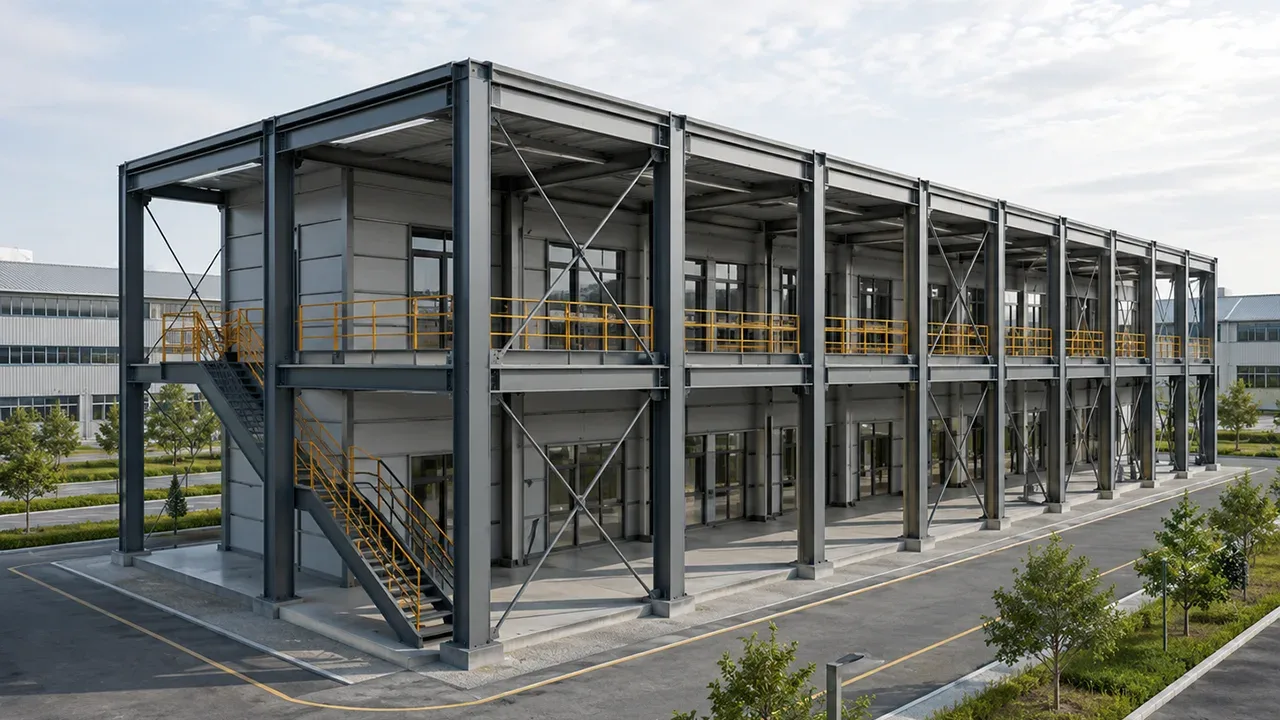
A modular steel structure is a building system composed of prefabricated modules manufactured off-site and assembled on-site. Each module contains structural components designed to integrate seamlessly with adjacent units during installation.
Unlike conventional construction methods that rely heavily on site-based fabrication and assembly, modular construction shifts a large portion of the work into a factory-controlled environment. This allows site preparation and module production to occur simultaneously.
The result is a more efficient construction process that often delivers buildings faster than traditional methods while maintaining consistent quality standards.
Key Components of a Modular Steel Structure
Structural Steel Frames
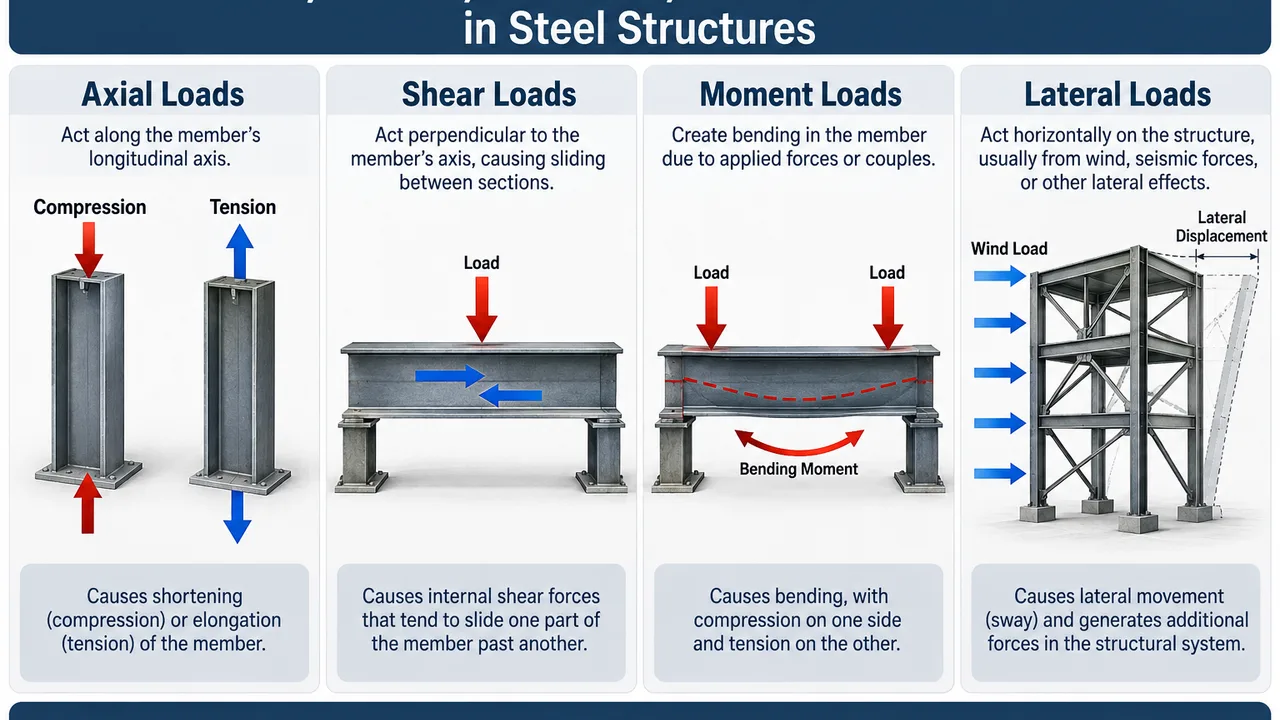
The primary framework of a modular building typically consists of steel columns, beams, floor systems, and load-bearing structural members. These components provide the strength required to support transportation, lifting, installation, and long-term building loads.
Steel framing allows modules to maintain structural integrity throughout every stage of the project lifecycle.
Modular Building Units
Each module is manufactured as an independent structural unit. Depending on project requirements, modules may contain floors, walls, roofs, utility systems, and interior finishes before leaving the factory.
Standardized module production improves manufacturing efficiency while helping maintain consistent quality across all building sections.
Connection Systems
Modular steel structures rely on carefully engineered connection systems that allow individual units to be assembled efficiently on-site.
Bolted structural connections are commonly used because they simplify installation, improve assembly speed, and facilitate future modifications or expansion projects.
Advantages of Modular Steel Structures
Faster Construction Timelines
One of the most significant advantages of modular construction is schedule compression. While site preparation activities are underway, module fabrication can proceed simultaneously in the factory.
This parallel workflow can significantly reduce overall project duration compared to conventional construction methods.
Improved Quality Control
Factory-based production allows manufacturers to implement standardized quality control procedures throughout fabrication and assembly.
Controlled manufacturing environments help minimize weather-related disruptions and support more consistent production quality.
Reduced Site Disruption
Because much of the work is completed before modules arrive on-site, fewer labor resources are typically required during installation.
This reduces construction traffic, site congestion, noise levels, and environmental impact around the project location.
Flexible Expansion Potential
Many modular steel systems are designed with future expansion in mind. Additional modules can often be integrated into existing structures when operational requirements change.
This flexibility makes modular construction attractive for businesses expecting future growth or facility modifications.
Applications of Modular Steel Structures
Industrial Facilities
Industrial projects frequently utilize modular steel construction for production facilities, equipment enclosures, utility buildings, maintenance workshops, and operational support structures.
The speed of deployment allows organizations to begin operations sooner while maintaining high structural performance standards.
Commercial Buildings
Office buildings, retail facilities, administrative centers, and business parks increasingly adopt modular steel systems because of their construction efficiency and design flexibility.
Modular solutions can support both temporary and permanent commercial developments.
Educational and Public Buildings
Schools, training centers, administrative buildings, healthcare support facilities, and public service structures can benefit from modular construction schedules.
Rapid project completion is often especially valuable when facilities must become operational within tight deadlines.
Temporary and Relocatable Buildings
Construction camps, project offices, workforce accommodations, emergency response facilities, and temporary operational buildings frequently use modular steel structures.
These buildings can often be relocated or reconfigured when project requirements change.
Engineering Considerations for Modular Steel Structures
Structural Design Requirements
Engineering design for modular structures must consider transportation loads, lifting forces, installation conditions, operational loads, and long-term structural performance.
Modules are designed not only for final building use but also for the stresses encountered during transportation and installation.
Module Size Optimization
Module dimensions must balance manufacturing efficiency, transportation restrictions, lifting requirements, and project objectives.
Optimized module sizing helps improve logistics efficiency while maintaining construction practicality.
Building Code Compliance
All modular steel structures must comply with applicable building regulations, fire protection requirements, structural standards, and safety codes in the target project location.
Early compliance review helps prevent costly redesigns and project delays.
Modular Steel Structure Manufacturing Process
Engineering and Detailing
The manufacturing process begins with engineering development, structural calculations, fabrication drawings, connection design, and production planning.
Detailed planning helps ensure efficient manufacturing and installation activities later in the project.
Fabrication and Module Assembly
Steel components are fabricated using cutting, drilling, welding, and forming processes. Individual modules are then assembled according to project specifications.
Modern production facilities often utilize CNC equipment and digital manufacturing systems to improve accuracy and consistency.
Inspection and Pre-Delivery Verification
Before shipment, completed modules undergo inspections to verify dimensional accuracy, structural integrity, assembly quality, and documentation requirements.
Comprehensive verification helps reduce installation issues and supports efficient project execution.
Transportation and Installation
Logistics Planning
Transportation planning is a critical aspect of modular construction. Route selection, load dimensions, transportation permits, and delivery sequencing must be coordinated carefully.
Proper logistics planning helps minimize transportation risks and maintain project schedules.
Site Preparation
While modules are being manufactured, site teams can prepare foundations, utility connections, access roads, and supporting infrastructure.
This simultaneous workflow contributes significantly to schedule efficiency.
Rapid On-Site Assembly
Once modules arrive on-site, cranes are used to position units according to the installation plan. Structural connections are completed, utilities are integrated, and commissioning activities begin.
Compared with traditional construction, assembly time can often be substantially reduced.
Quality Assurance in Modular Steel Construction
Material Verification
Quality assurance begins with verification of raw materials, steel grades, certifications, and supplier documentation.
Proper material control helps ensure manufacturing consistency and structural reliability.
Fabrication Inspection
Throughout production, inspections verify dimensional accuracy, welding quality, assembly procedures, and compliance with engineering specifications.
Regular inspections help identify issues before modules progress to later manufacturing stages.
Final Module Testing
Before shipment, completed modules are reviewed to confirm structural completeness, assembly accuracy, and transportation readiness.
This final verification process supports efficient installation and project delivery.
Why Choose Modular Steel Structure Solutions
Predictable Project Scheduling
Factory-controlled production provides greater schedule predictability than many traditional construction methods.
Reduced weather dependency and controlled workflows help maintain project milestones.
Cost Efficiency
By reducing on-site labor requirements and shortening project durations, modular construction can help improve overall project economics.
Earlier facility occupancy may also provide operational and financial advantages.
Scalable Construction Strategy
A modular approach allows organizations to expand facilities in phases as operational demands increase.
This scalability supports long-term planning and efficient capital investment.
Why Work with an Experienced Modular Steel Structure Manufacturer
Engineering Expertise
Successful modular construction requires close coordination between structural engineering, manufacturing, transportation, and installation teams.
Experienced manufacturers can help manage these complex project interfaces effectively.
Manufacturing Capability
Modern manufacturing facilities equipped with advanced fabrication technology can improve production efficiency, quality consistency, and project reliability.
Strong manufacturing capability becomes especially important for large-scale modular developments.
Global Project Experience
International project experience helps manufacturers manage export logistics, documentation requirements, transportation planning, and installation coordination across multiple markets.
As an experienced modular construction partner, XTD Steel Structure provides engineering support, fabrication services, quality control, and project coordination for modular steel building projects worldwide.
Frequently Asked Questions
What is a modular steel structure?
A modular steel structure consists of prefabricated steel modules manufactured in a factory and assembled at the project site.
How is a modular steel structure different from traditional construction?
Modular construction moves much of the building process into a factory environment, allowing manufacturing and site preparation to occur simultaneously.
Can modular steel structures be expanded later?
Many modular systems are specifically designed to accommodate future expansion through additional modules and structural connections.
What industries use modular steel structures?
Industrial, commercial, educational, healthcare, infrastructure, logistics, and temporary facility sectors all commonly utilize modular steel construction solutions.
Start Your Modular Steel Structure Project
A professional modular steel structure solution combines engineering precision, efficient manufacturing, and rapid installation to support modern construction objectives. Through integrated planning and factory-controlled production, modular systems can deliver reliable performance while reducing project timelines.
Partnering with an experienced manufacturer helps ensure smooth coordination from engineering and fabrication through transportation, installation, and final project delivery.