What Is Steel Column Fabrication?
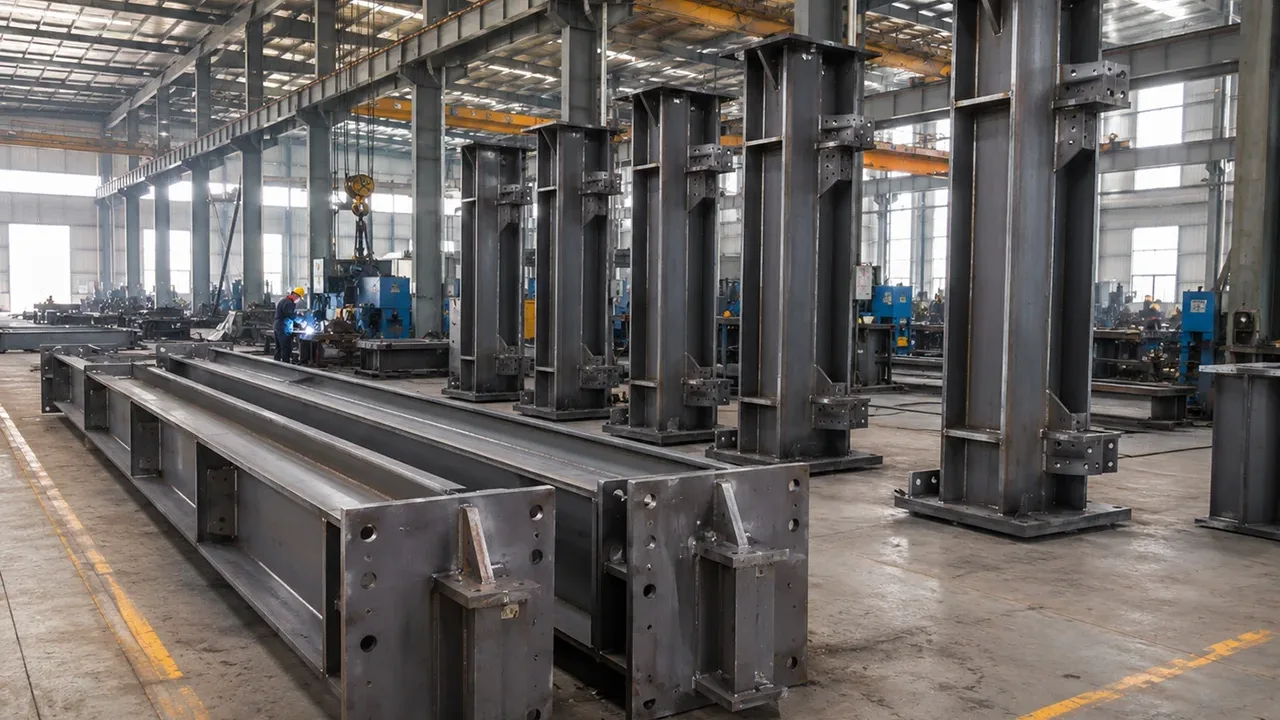
Steel column fabrication refers to the manufacturing process used to produce structural steel columns according to engineering drawings and project requirements. The process involves material selection, cutting, drilling, assembly, welding, inspection, surface treatment, and preparation for transportation.
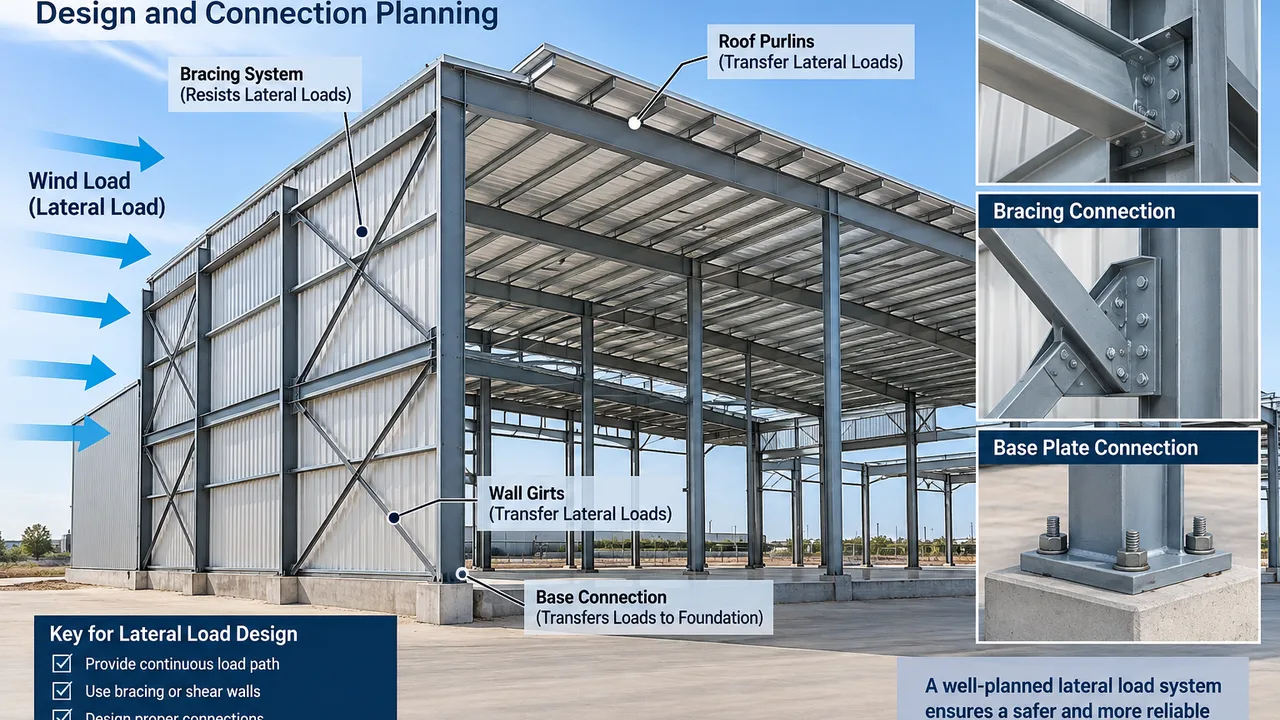
Steel columns form the vertical backbone of a structure. They support roof systems, floors, cranes, mezzanines, equipment platforms, and various structural loads throughout the life of the building.
Whether used in a warehouse, factory, office building, stadium, or transportation terminal, properly fabricated steel columns contribute significantly to overall structural stability and safety.
Types of Steel Columns Fabricated
H-Beam Steel Columns
H-beam columns are among the most common structural steel columns used in industrial and commercial construction. Their efficient cross-sectional design provides excellent load-bearing capacity while maintaining economical material usage.
These columns are frequently utilized in:
- Industrial factories
- Warehouse buildings
- Logistics facilities
- Commercial buildings
- Production workshops
H-beam columns offer strong axial load resistance and are suitable for a wide variety of building applications.
Box Steel Columns
Box columns are fabricated from steel plates welded into a closed rectangular or square section. Their geometry provides enhanced torsional resistance and excellent structural performance.
Box columns are commonly used in:
- High-rise buildings
- Large commercial developments
- Heavy-load structures
- Architectural landmark projects
Their enclosed shape also offers aesthetic advantages for exposed structural applications.
Tubular Steel Columns
Tubular columns utilize circular hollow sections that combine strength, efficiency, and architectural appeal. They are often selected when appearance and structural performance are equally important.
Applications include transportation terminals, stadiums, exhibition halls, and public infrastructure projects.
The smooth profile of tubular columns can also improve aerodynamic performance and reduce maintenance requirements.
Built-Up Steel Columns
Built-up columns are custom-fabricated from multiple steel plates and sections to achieve specific structural requirements. They are often used when standard profiles cannot provide sufficient load-bearing capacity.
These columns are commonly found in heavy industrial facilities, power plants, crane-supported buildings, and specialized infrastructure projects.
Applications of Fabricated Steel Columns
Industrial Buildings
Factories and manufacturing facilities require structural systems capable of supporting heavy equipment, production lines, overhead cranes, and dynamic operational loads.
Fabricated steel columns provide the strength and flexibility needed to support these demanding industrial environments while allowing future building expansion.
Warehouse Structures
Warehouse buildings rely on steel columns to support long-span roof systems and large open interior spaces. Proper column fabrication ensures structural stability while minimizing interference with storage operations.
This is especially important in logistics centers, distribution facilities, and automated warehouses.
Commercial Buildings
Commercial developments often utilize steel columns to support multi-story structures, large open spaces, and architectural features.
Fabricated columns help engineers achieve efficient structural systems while providing flexibility for future modifications and tenant requirements.
Infrastructure Projects
Transportation terminals, airports, stadiums, bridges, and public facilities frequently incorporate steel columns into their structural systems.
These projects often require custom fabrication solutions that combine engineering performance with architectural requirements.
Engineering Requirements for Steel Column Fabrication
Structural Load Considerations
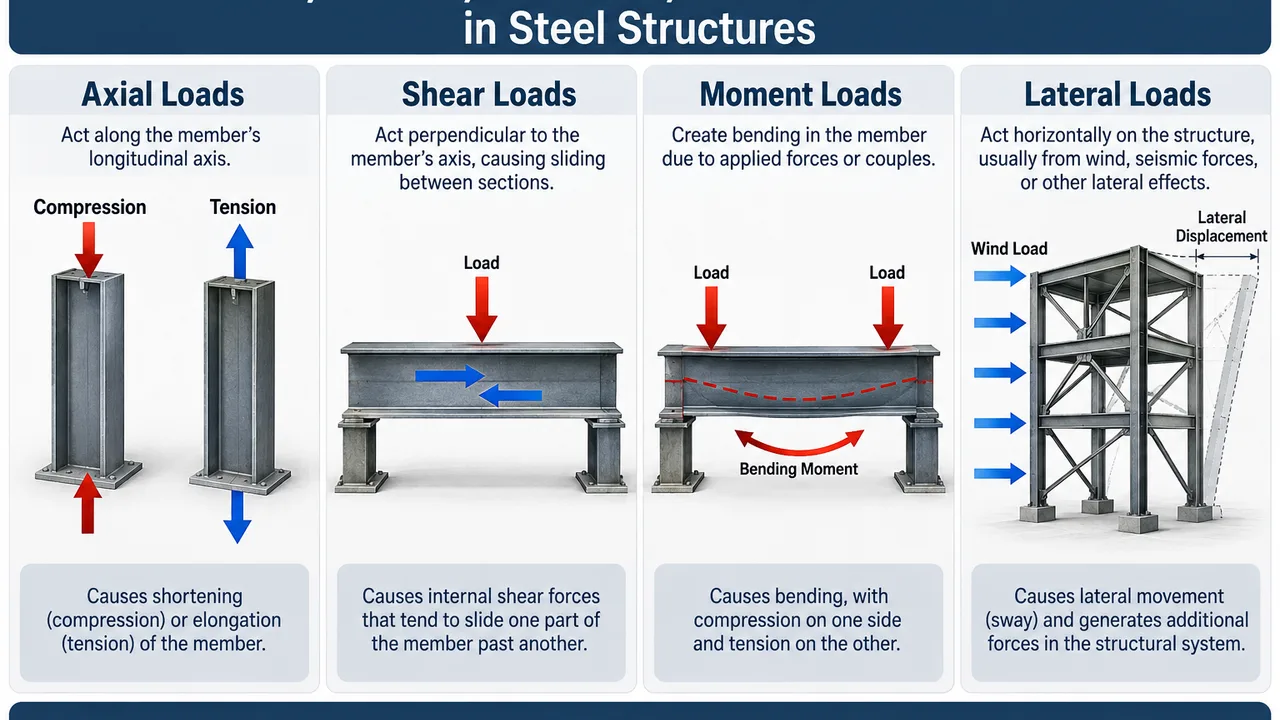
Every steel column must be designed and fabricated according to the loads it will experience throughout its service life.
Important considerations include:
- Axial compression loads
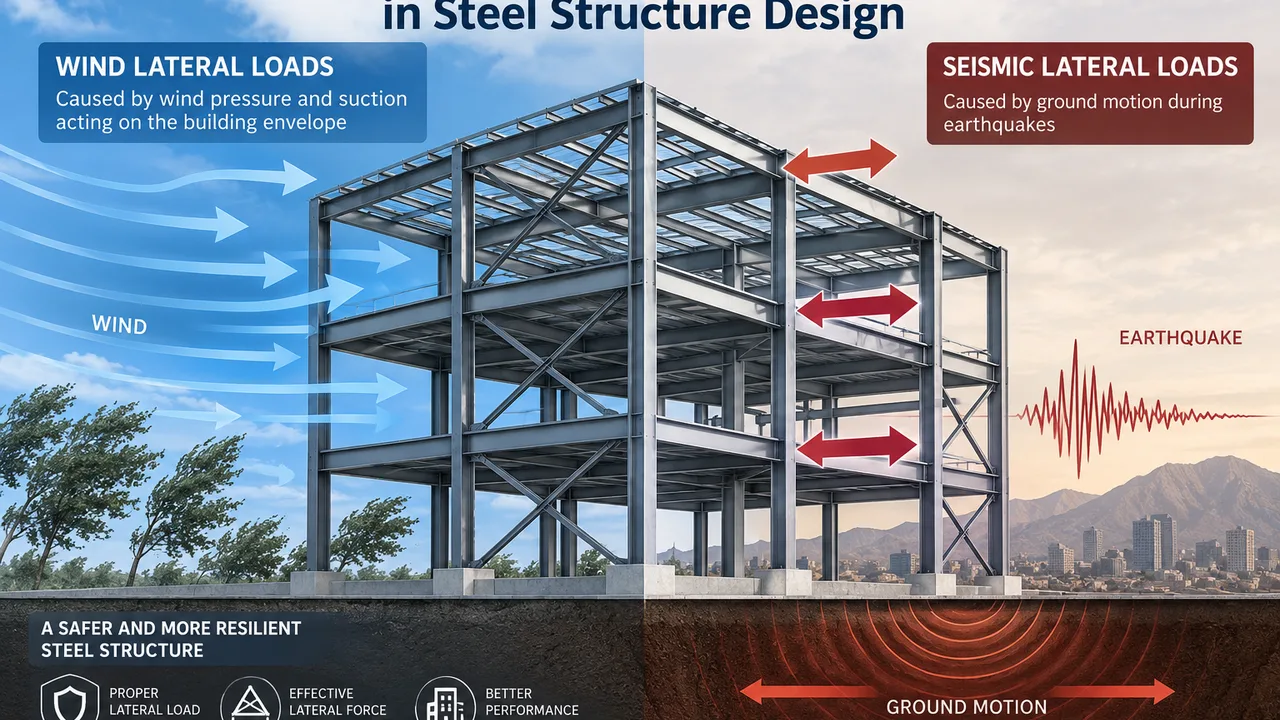
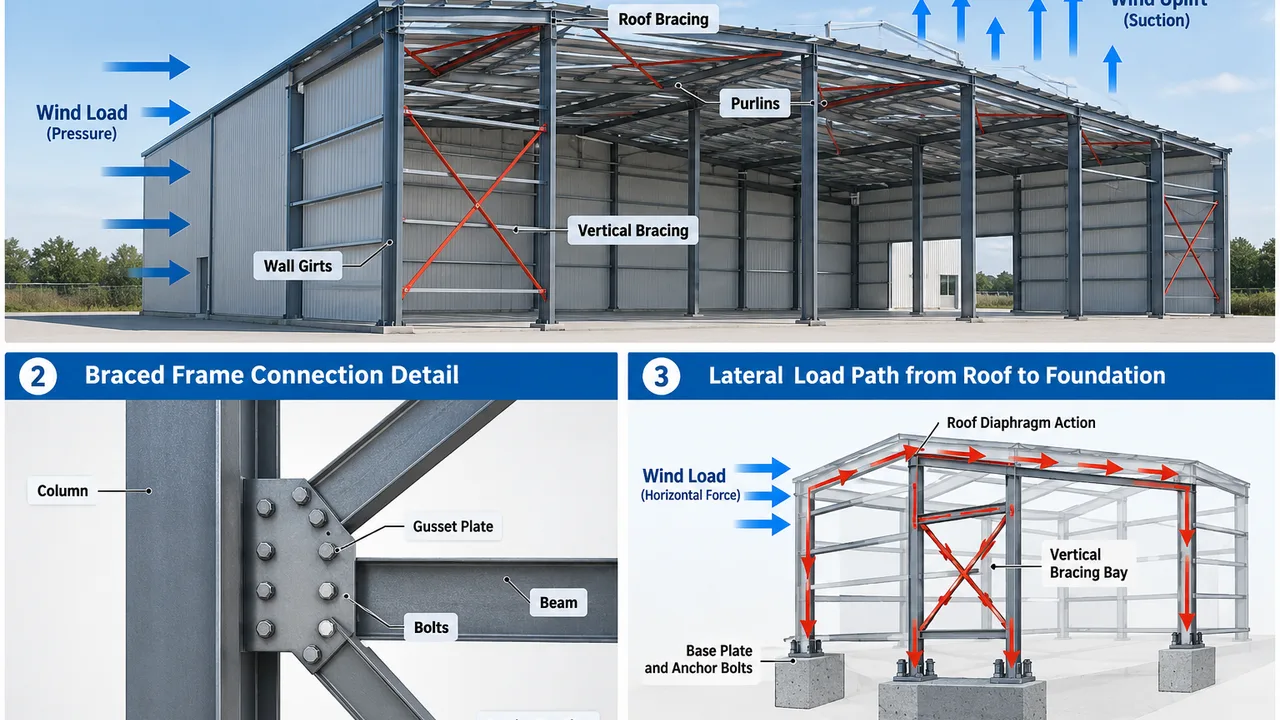
- Lateral wind loads
- Seismic forces
- Equipment loads
- Crane loads
- Combined loading conditions
Proper engineering analysis ensures that fabricated columns meet required safety factors and performance criteria.
Material Selection
Material selection directly affects structural strength, durability, weldability, and long-term performance.
Engineers typically evaluate:
- Steel grade requirements
- Yield strength specifications
- Environmental conditions
- Corrosion exposure levels
- Project design standards
Using the correct material helps ensure reliable structural performance throughout the project lifecycle.
Connection Design
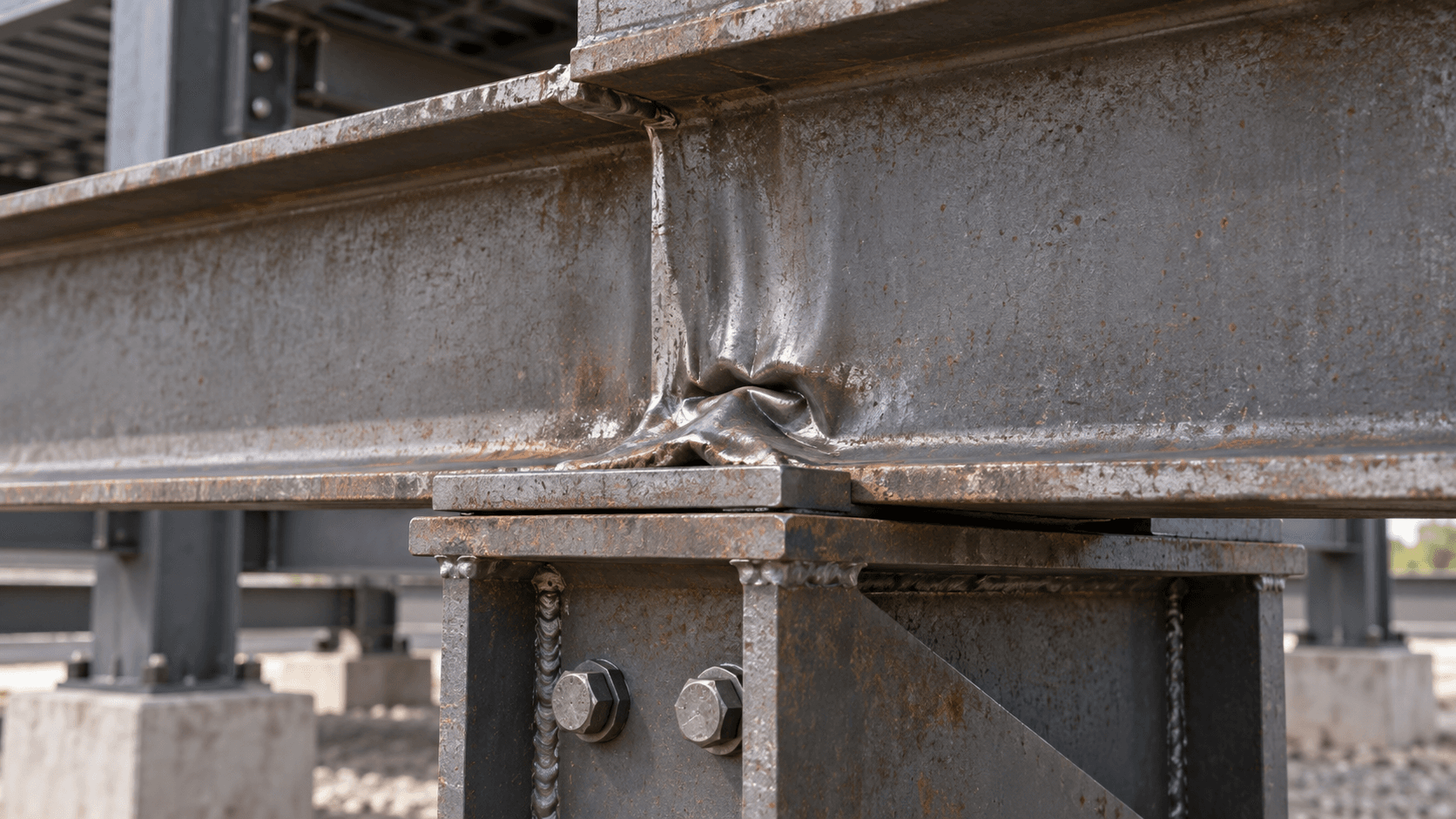
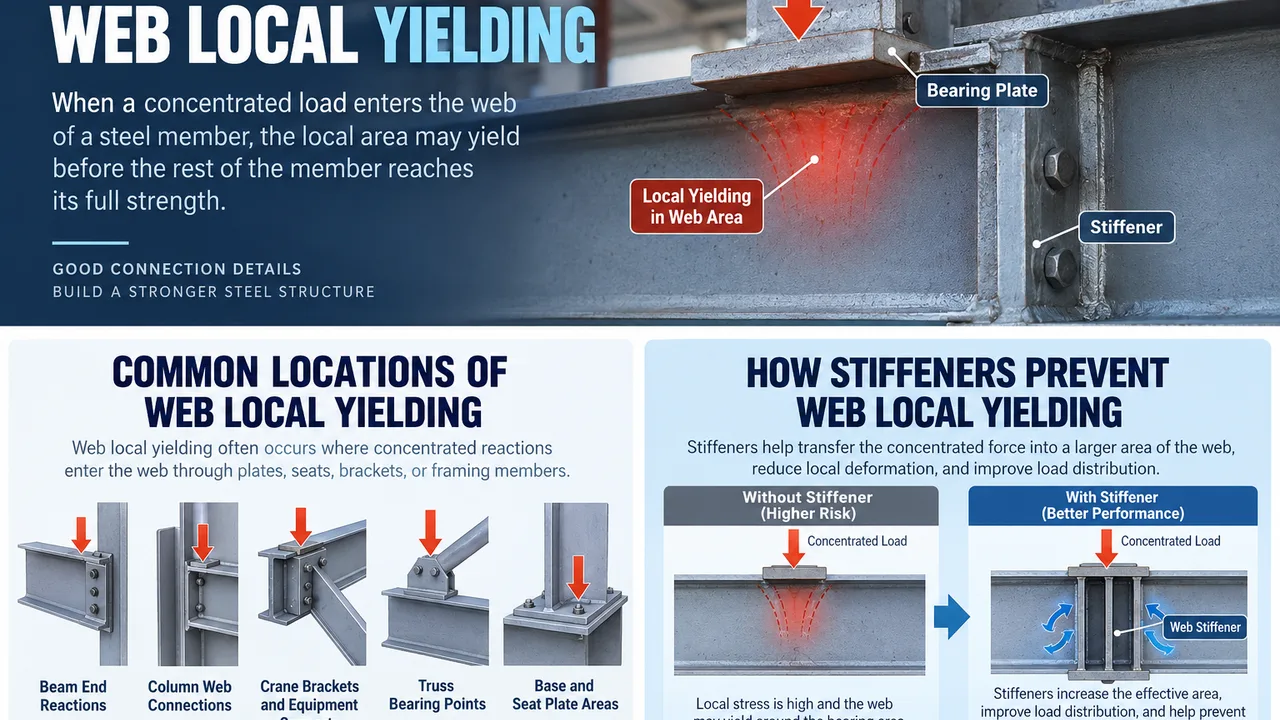
Column connections are critical elements of any structural system. Fabrication must accurately incorporate connection details specified by project engineers.
Common connection components include:
- Base plates
- Anchor bolt arrangements
- Beam connection plates
- Stiffeners
- Bracing connections
Precise fabrication of these details helps facilitate smooth installation and structural integrity.
Steel Column Fabrication Process
Material Preparation
The fabrication process begins with selecting and inspecting steel materials according to project specifications. Material verification helps ensure compliance with engineering requirements before production starts.
Plates, profiles, and structural sections are prepared for processing after inspection approval.
Cutting and Processing
Modern fabrication facilities utilize CNC equipment to achieve high levels of precision during cutting, drilling, and machining operations.
Accurate processing improves fit-up quality and reduces the need for field modifications during installation.
Assembly and Welding
Fabricated components are assembled according to approved shop drawings and welding procedures.
During assembly, technicians verify dimensions, alignment, and fit-up conditions before welding begins.
Qualified welders perform welding operations according to project specifications and applicable quality standards.
Surface Treatment
Surface protection helps extend service life and reduce maintenance requirements. Depending on project requirements, fabricated columns may receive:
- Hot-dip galvanizing
- Industrial coating systems
- Protective paint applications
- Special corrosion-resistant treatments
Proper surface treatment protects steel columns from environmental exposure and corrosion.
Quality Control During Steel Column Fabrication
Material Verification
Quality control begins with verification of raw materials. Material certificates, traceability records, and inspection documentation help ensure compliance with project requirements.
Proper material control supports consistent manufacturing quality throughout production.
Welding Inspection
Welding quality is one of the most important aspects of steel column fabrication. Inspection procedures may include:
- Visual weld inspection
- Ultrasonic testing
- Magnetic particle testing
- Dimensional verification
These inspections help verify weld integrity and structural reliability.
Dimensional Inspection
Finished columns must be inspected to ensure compliance with approved drawings and tolerance requirements.
Inspection may include verification of:
- Column straightness
- Length dimensions
- Connection locations
- Hole positions
- Base plate alignment
Accurate dimensional control helps prevent installation issues and reduces site rework.
Logistics and Delivery Considerations
Packaging and Protection
Fabricated steel columns must be properly packaged and protected before transportation. Appropriate packaging helps prevent damage during loading, shipping, unloading, and site handling.
Export projects often require additional packaging measures to protect components during international transportation.
Site Installation Coordination
Delivery schedules should align with construction activities and erection sequencing. Proper coordination helps reduce site congestion and improve installation efficiency.
Early planning also helps contractors prepare lifting equipment and installation resources.
Export Project Requirements
International projects require careful attention to shipping logistics, export documentation, customs requirements, and transportation regulations.
Experienced fabricators help streamline these processes and support successful project delivery.
Advantages of Professional Steel Column Fabrication
- Reliable structural performance
- High manufacturing accuracy
- Faster field installation
- Reduced site modifications
- Improved quality control
- Long-term durability
- Better project scheduling
These advantages contribute to safer construction, improved project efficiency, and lower lifecycle costs.
Why Choose XTD Steel Structure for Steel Column Fabrication
Advanced Manufacturing Equipment
Modern fabrication facilities utilize CNC processing lines, automated cutting systems, precision drilling equipment, and advanced welding technologies to achieve consistent manufacturing quality.
Engineering Expertise
Successful steel column fabrication requires close coordination between engineering, manufacturing, quality control, and project management teams.
Experienced technical teams can optimize fabrication methods while maintaining compliance with project specifications.
Global Project Experience
XTD Steel Structure supports industrial, commercial, warehouse, and infrastructure projects through integrated fabrication, engineering coordination, quality management, and international delivery services.
Extensive project experience helps ensure reliable production, efficient logistics, and successful project execution across global markets.
Frequently Asked Questions
What is steel column fabrication?
Steel column fabrication is the manufacturing process used to produce structural steel columns according to engineering drawings and project specifications.
Which steel column type is best for industrial buildings?
H-beam columns are commonly used in industrial buildings because they offer excellent strength, efficiency, and cost-effectiveness.
How are steel columns protected against corrosion?
Steel columns are typically protected through galvanizing, industrial coatings, paint systems, or specialized corrosion-resistant treatments.
What quality inspections are required?
Typical inspections include material verification, welding inspection, dimensional checks, surface treatment verification, and project-specific quality testing.
Start Your Steel Column Project
Professional steel column fabrication transforms engineering designs into reliable structural components ready for installation. Through precise manufacturing, rigorous quality control, and coordinated project management, fabricated steel columns provide the strength and stability required for modern construction.
Choosing an experienced fabrication partner helps ensure consistent quality, efficient delivery, and long-term structural performance for projects of all sizes.