What Is Steel Factory Construction?
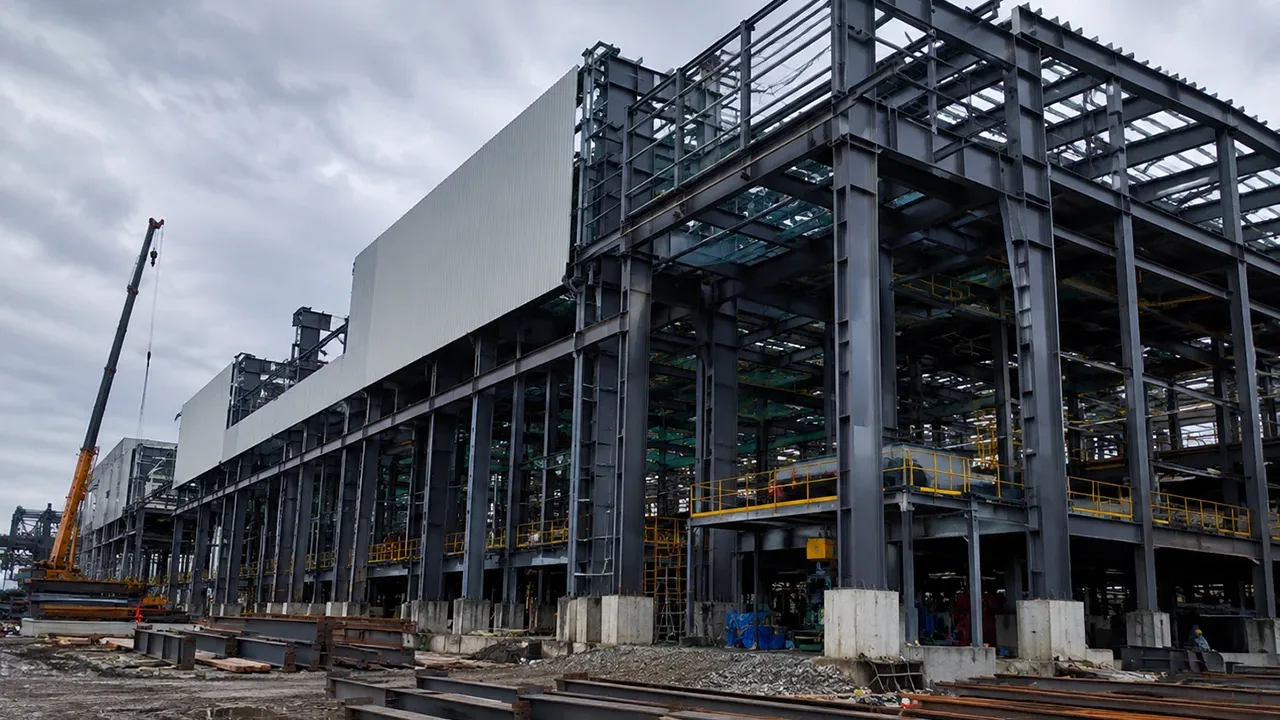
Steel factory construction refers to the design, fabrication, and installation of industrial factory buildings using structural steel as the main load-bearing system. These buildings are commonly used for manufacturing, processing, assembly, machinery production, food processing, electronics manufacturing, and other industrial operations.
The steel structure typically includes columns, beams, rafters, roof framing, wall systems, bracing, crane supports, and connection components. Together, these elements create a strong structural framework that supports both building loads and operational requirements.
Steel is widely used in factory construction because it allows engineers to create large open spaces, support heavy equipment, and adapt layouts to production needs. This makes it especially suitable for modern factories where workflow efficiency and future expansion are important.
Advantages of Steel Factory Construction
Faster Project Delivery
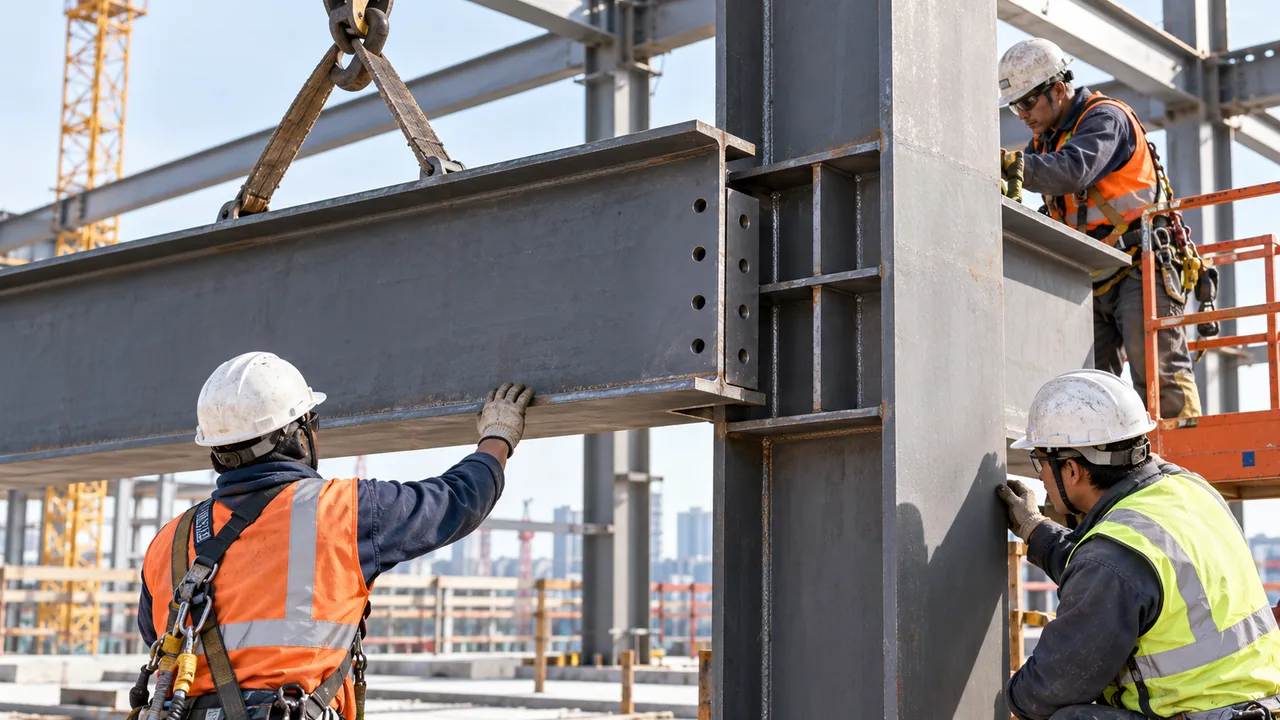
One of the main advantages of steel factory construction is speed. Many structural components are fabricated before site installation begins, allowing manufacturing and foundation work to move forward at the same time.
This parallel workflow can shorten the total project schedule and help factories begin operations sooner. Prefabricated components also reduce the amount of on-site cutting, welding, and adjustment required during construction.
Large Clear Span Layouts
Factories often require open spaces for equipment placement, production lines, storage zones, and material movement. Steel structures can achieve large clear spans with fewer internal columns, giving project owners more freedom to plan efficient production layouts.
Large-span designs are especially useful for assembly plants, processing facilities, and factories with heavy machinery or crane systems.
High Structural Strength
Factory buildings must often support heavy operating loads, including machinery, overhead cranes, mezzanine floors, ventilation systems, and production equipment. Steel provides excellent strength and load-bearing capacity for these requirements.
With proper engineering and fabrication, steel factory buildings can deliver long-term stability under demanding industrial conditions.
Expansion Flexibility
Industrial operations often grow over time. Steel factory buildings can be designed with future expansion in mind, allowing additional bays, extended production areas, or new storage sections to be added later.
This flexibility helps businesses protect long-term investment while adapting to changing production needs.
Types of Steel Factory Buildings
Manufacturing Factories
Manufacturing factories require efficient layouts for raw material handling, production lines, quality inspection, packaging, and finished goods storage. Steel structures make it easier to design open and functional factory spaces that match operational workflows.
These buildings are commonly used for assembly operations, consumer goods production, metal processing, machinery manufacturing, and general industrial production.
Processing Plants
Processing plants often require specialized layouts, ventilation systems, equipment foundations, and controlled production areas. Steel structures can be customized to support these technical requirements while maintaining structural efficiency.
Applications may include material processing, agricultural processing, chemical-related production areas, and industrial treatment facilities.
Heavy Industrial Factories
Heavy industrial factories require stronger structural systems capable of supporting large equipment, high roof clearance, bridge cranes, and heavy operational loads.
Steel construction is well-suited for these projects because it can be engineered for crane loads, vibration considerations, large spans, and heavy-duty production environments.
Specialized Industrial Buildings
Some industries require customized factory environments based on specific production processes. Examples include electronics plants, textile factories, automotive component facilities, food production buildings, and precision manufacturing workshops.
Steel factory systems can be adapted to suit different requirements, including insulation, clean zones, ventilation, equipment integration, and future layout changes.
Main Components of Steel Factory Construction
Primary Steel Frame
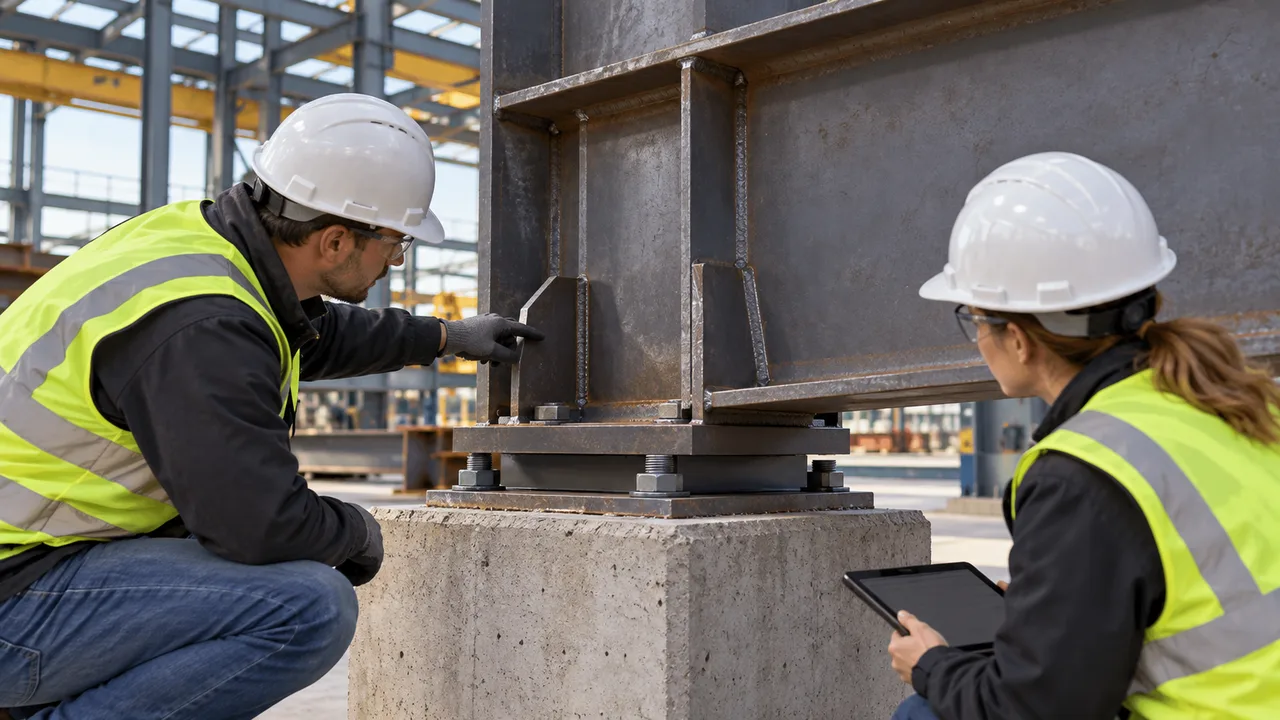
The primary steel frame forms the main structural skeleton of the factory building. It transfers roof loads, equipment loads, wind loads, and other forces safely to the foundation system.
Main frame components usually include:
- Steel columns
- Steel beams
- Rafters
- Portal frame systems
- Main connection assemblies
The design of the primary frame depends on building span, height, crane requirements, local load conditions, and operational needs.
Roof Structure Systems
The roof structure supports roofing materials, insulation, ventilation units, skylights, and other building systems. Roof framing usually includes rafters, purlins, bracing, and secondary support members.
For factory buildings, roof design must consider drainage, wind resistance, thermal performance, and installation efficiency.