Construction projects in Brasília need to balance structural performance, construction speed, cost control, and durability. In industrial buildings, logistics centers, commercial facilities, infrastructure projects, and large-span structures, the choice of structural system affects not only the construction phase but also the future operation of the project.
A steel structure in Brasília can meet the needs of projects with different dimensions and levels of complexity when the system is developed according to the specific loads, spans, height, architectural requirements, and operational demands. Industrialized manufacturing of components also allows better dimensional control before the pieces are transported to the construction site.
Therefore, the decision should not be based only on the price per ton of steel. Structural design, material specifications, manufacturing capacity, corrosion protection, logistics, and erection planning are all parts of the solution. Evaluating these factors together helps owners, construction companies, and engineering teams select a structure that aligns with the technical and commercial objectives of the project.
Why Is Steel Structure an Option for Projects in Brasília?
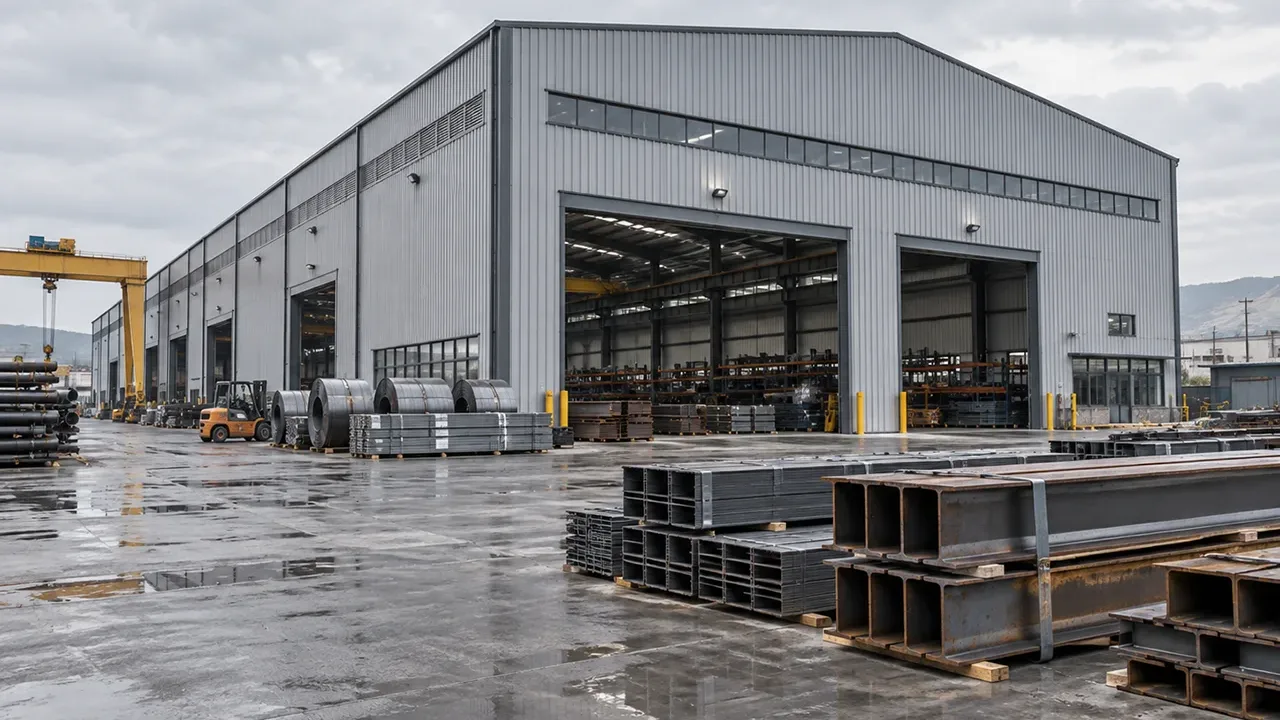
One of the main reasons for choosing steel structural systems is the possibility of transferring a significant portion of the work performed on the construction site to a controlled manufacturing environment. Beams, columns, trusses, bracing systems, plates, and connections can be fabricated in advance and then sent for erection according to a defined sequence.
This approach can reduce activities performed directly on site and facilitate construction planning. When design, manufacturing, and logistics are well coordinated, different components can arrive at the site ready for lifting and connection, reducing the need for additional interventions during erection.
Steel structures in Brasília also offer flexibility for projects that require large clear spans. Warehouses, logistics centers, terminals, sports facilities, and industrial facilities may need interior spaces with fewer columns to improve circulation, storage, or equipment layout.
Another advantage is the possibility of planning for future modifications. Depending on the original structural design, lateral expansions, new modules, internal modifications, or reinforcement required for new equipment can be considered from the early stages of engineering.
Main Applications of Steel Structure in Brasília
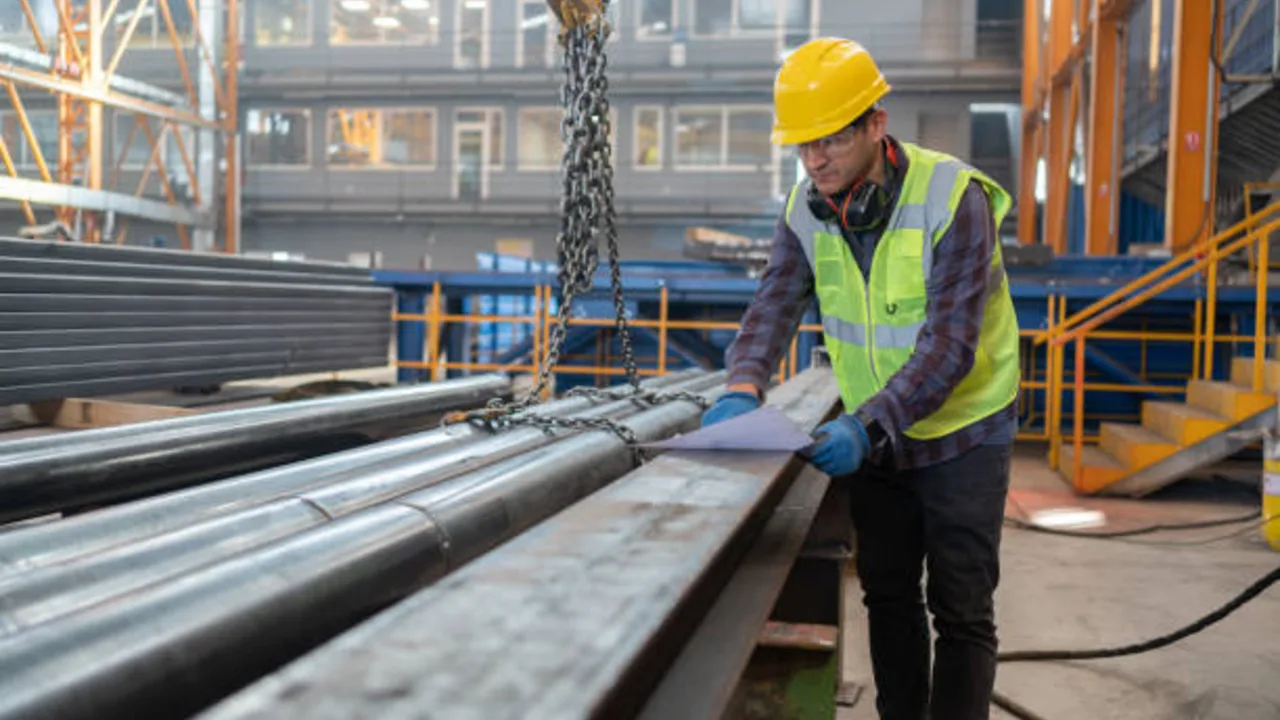
There is no single system suitable for all types of buildings. The structural configuration must correspond to the function, dimensions, and operational requirements of the building. A steel building structure in Brasília can range from a relatively simple frame-based configuration to customized three-dimensional systems for large-area roofs.
Industrial Buildings and Logistics Centers
Industrial buildings, warehouses, and distribution centers often need to combine large covered areas with efficient operational circulation. Steel frames can provide clear spans suitable for production lines, storage systems, forklifts, loading docks, and industrial equipment.
Column spacing can be defined according to the operational layout. Mezzanines, platforms, equipment support structures, overhead cranes, and future expansions can also be integrated when these requirements are considered during project development.
Commercial and Institutional Buildings
Commercial buildings, offices, schools, and other institutional facilities can also use steel structures. In these cases, the integration between the structure, architectural design, façades, and building systems must be analyzed from the beginning.
Hybrid solutions can also be used. Steel elements can work together with concrete and other materials to meet different structural, architectural, or construction requirements.
Infrastructure and Large-Span Projects
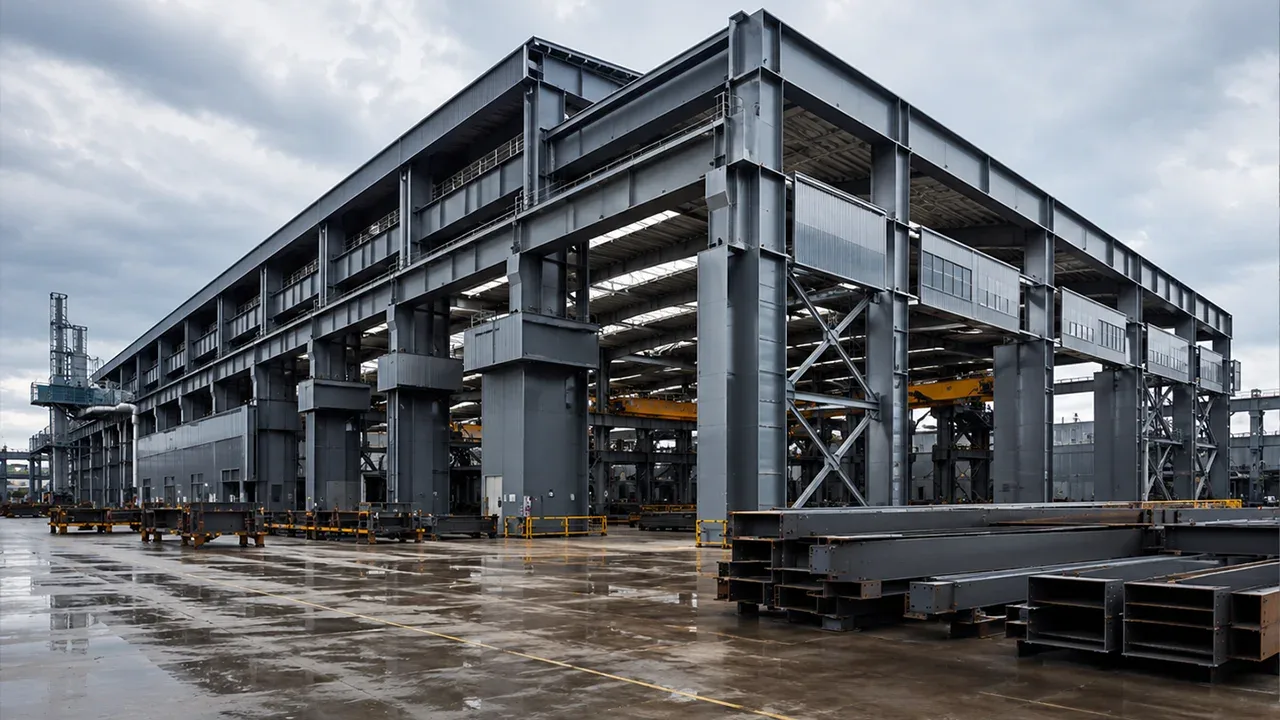
Terminals, transportation facilities, plazas, covered areas, and other large-span projects may require more specialized systems. Trusses, space structures, and other configurations allow loads to be distributed over large areas while maintaining relatively open interior spaces.
In these projects, engineering, overall form, structural stability, manufacturing, and erection sequence must be evaluated as parts of a single integrated system.
How to Choose the Best Steel Structure for the Project
The selection begins with a clear definition of the project’s needs. Comparing systems based only on the estimated quantity of steel can lead to incomplete decisions because two solutions with similar weights may differ significantly in terms of manufacturing, transportation, erection, and performance.
Evaluate the Building Use and Dimensions
The first step is to understand how the building will be used. Clear span, height, length, column spacing, and internal circulation all directly influence the structural configuration.
A logistics center may prioritize open spaces for storage systems and vehicle circulation, while a factory may need to accommodate machinery, production lines, platforms, and suspended equipment. These requirements should be part of the project from the beginning.
Consider Loads and Project Conditions
The design must consider all actions applied to the project, including permanent loads, imposed loads, wind, equipment, suspended systems, and other specific conditions.
Industrial equipment may impose concentrated loads or additional stiffness requirements. Similarly, roofing systems, façades, solar panels, pipes, and technical installations can change the conditions that must be considered during structural calculations.
Select the Appropriate Structural System
Rigid frames are frequently used in industrial buildings and warehouses, while trusses may be suitable for larger spans or certain architectural configurations. Space structures can be used for large-area roofs, and multi-story buildings can use steel framing systems or hybrid solutions.
The selection should consider not only structural resistance but also manufacturing, transportation, erection, and maintenance.
Think About Future Expansions
If there is a possibility of expansion, this information should be communicated to the engineering team before the final system is approved. New modules, layout changes, increased capacity, or the installation of additional equipment may require structural provisions or specific connection details.
The Importance of Structural Steel in Brasília for Building Performance
The correct specification of structural steel in Brasília is essential to ensure that the material meets the project requirements. Mechanical properties, thicknesses, weldability, and manufacturing requirements must correspond to the calculations and technical documentation.
Material traceability is also part of quality control. Certificates and production records help verify that plates, sections, and other components used comply with the specified requirements.
In addition to the primary material, connections deserve particular attention. Bolts, welds, connection plates, and stiffeners transfer forces between structural elements. A properly designed structure depends on connection details that are compatible with the actual loads and erection conditions.
Selecting steel based only on the lowest available price can lead to technical incompatibilities or manufacturing difficulties. The specification should be based on engineering needs and the expected performance throughout the building’s service life.
Manufacturing, Quality Control, and Precision
After engineering is completed, manufacturing quality determines how accurately the project is transformed into the final product. The process typically includes detailing, material preparation, cutting, drilling, assembly, welding, dimensional control, surface treatment, and inspection.
CNC equipment can increase the precision of cutting and drilling operations, especially when integrated with well-coordinated fabrication drawings. However, technology alone does not eliminate errors. Production procedures, qualified operators, and inspections remain essential.
Dimensional control is particularly important. Small accumulated differences in lengths, hole positions, or connection geometry can create difficulties when components arrive at the construction site. In complex structures, trial assembly or additional verification procedures can be used when necessary to confirm critical interfaces.
Weld quality must also comply with the requirements specified for the project. Welding procedures, personnel qualifications, and appropriate inspections help reduce defects and rework.
The more problems that are identified inside the factory, the less need there is for corrections during erection. This makes quality control an important part not only of structural performance but also of schedule planning.
Transportation and Erection of Steel Structures in Brasília
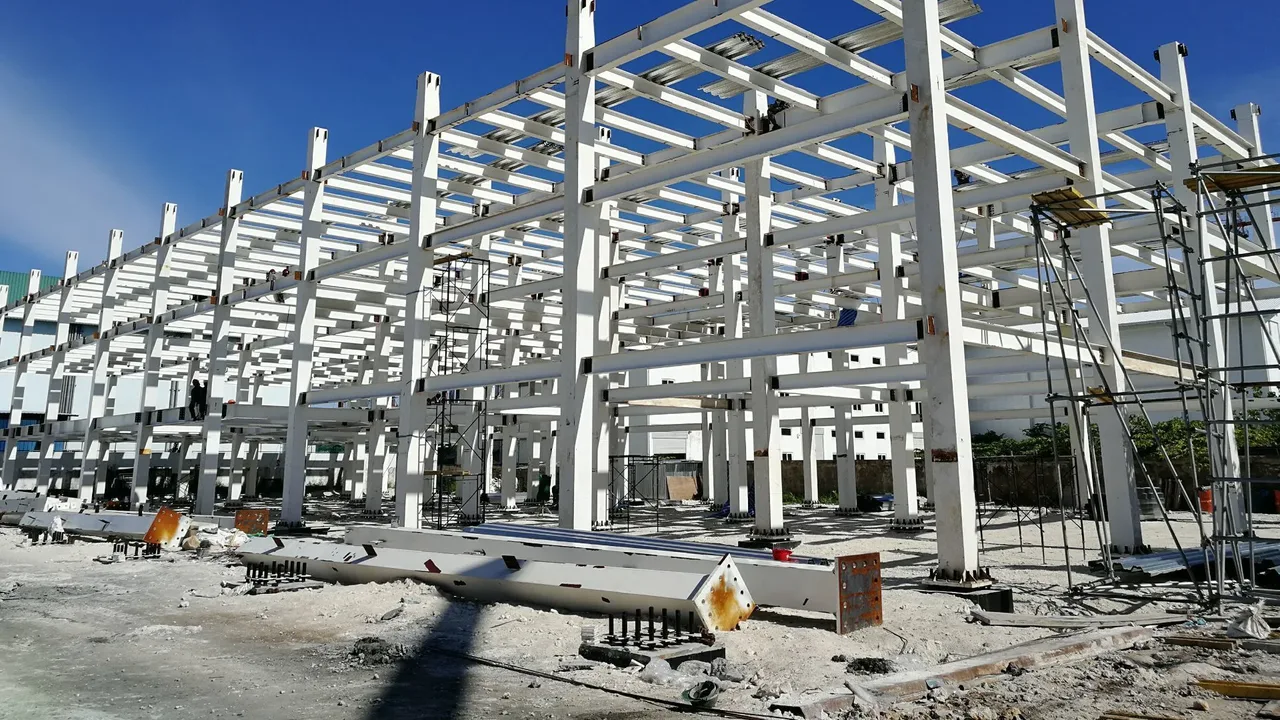
The project does not end when manufacturing is completed. Transportation and erection must be considered even before the first pieces enter production. Component dimensions, weights, loading sequence, and access conditions at the construction site can influence how the structure is divided into transportable units.
For steel structures in Brasília, the delivery sequence should correspond to the erection plan whenever possible. Sending components without considering the installation order can result in excessive storage on site and difficulty locating the required pieces.
Lifting planning must also consider element weights, crane operating radius, access, positioning areas, and the structural sequence. During erection, temporary stability must be maintained until the bracing systems, connections, and other necessary elements are secured.
Good coordination between the manufacturer, transportation company, and erection team helps reduce conflicts and transform the precision achieved inside the factory into efficiency on the construction site.
Corrosion Protection and Durability
The durability of a structure depends on the conditions to which it will be exposed and the protection system specified. Surface preparation, industrial painting, coatings, and galvanizing can be used according to the requirements of each project.
There is no single protection system suitable for every situation. Dry indoor environments have different requirements from outdoor structures, industrial facilities, or areas exposed to more aggressive agents.
Surface preparation is particularly important because it influences coating adhesion and performance. Film thickness, application conditions, and inspection also need to be controlled.
In addition to initial protection, the project should consider access for inspection and maintenance. A strategy appropriate to the service environment helps reduce unexpected interventions throughout the service life.
How to Compare Steel Structure Suppliers
Choosing a supplier requires analyzing more than a commercial quotation. Engineering capability, equipment, production volume, quality procedures, experience with similar projects, and logistics capability help determine whether the company can meet the requested scope.
For buyers evaluating a Steel Structure in Brazil, it is also important to verify the extent of the supplier’s responsibility. Some companies work only with manufacturing, while others can integrate engineering, detailing, production, quality control, logistics, and erection support.
Actual manufacturing capacity should be compared with the project schedule. A technically qualified factory may face difficulties if its production is already committed to other contracts. Therefore, available capacity and planning need to be discussed during contracting.
It is also worth checking material traceability, inspection procedures, experience with different structural systems, and the ability to prepare technical documentation. In international supply projects, experience in packaging, loading, and logistics coordination becomes even more relevant.
Manufacturers such as XTD Steel Structure can participate in projects that require integration between design, manufacturing, and delivery. For the buyer, the key point is to confirm whether the scope offered corresponds to the responsibilities, standards, and specific conditions of the project.
Price Should Not Be the Only Selection Criterion

The lowest initial price does not always represent the lowest final cost. A steel structure proposal needs to be analyzed by considering the quantity of material, manufacturing quality, surface protection, logistics, erection, and the risk of rework.
Dimensional errors may require modifications on the construction site. Components that are poorly planned for transportation can increase logistics costs. Complex connections may consume more time during installation. Manufacturing delays can also affect teams and equipment that have already been mobilized.
Therefore, comparing proposals requires confirming whether suppliers are offering equivalent scopes. Exclusions, material specifications, painting systems, bolts, documentation, transportation, and technical support can significantly affect the final value.
An analysis based on total installed cost makes it possible to identify differences that do not appear when the comparison uses only price per ton.
Planning a Steel Structure Project in Brasília
The more complete the information provided before quotation, the more accurate the proposed solution tends to be. Owners and project teams can prepare basic requirements before consulting manufacturers.
- Define the primary purpose of the building.
- Confirm the desired length, width, height, and spans.
- Identify relevant loads and structural requirements.
- Provide information about machinery, overhead cranes, or special equipment.
- Define architectural restrictions and façade requirements.
- Indicate possible future expansions.
- Establish corrosion protection requirements.
- Evaluate access for transportation and erection equipment.
- Request a clear definition of the technical and commercial scope.
This information helps reduce assumptions during the proposal phase. For a steel structure in Brasília, the manufacturer should also coordinate its solution with the requirements defined by the project’s technical professionals and with the specific conditions of the site.
Before production, drawings and important interfaces should be sufficiently defined. Late changes can affect materials already purchased, fabricated components, and delivery schedules.
Steel Structure in Brasília for Projects of Different Scales
A steel structure in Brasília can be used in projects of different scales, but the engineering and manufacturing strategy needs to follow the complexity of each project. A medium-sized commercial facility does not necessarily present the same challenges as a logistics center, factory, or large-span roof.
Smaller projects may prioritize standardized systems and simple erection. Industrial buildings may require integration with equipment, platforms, and material-handling systems. Large infrastructure projects may involve complex geometries, large-dimensional elements, and carefully planned erection sequences.
This difference makes it inappropriate to apply a single structural solution to all projects. The configuration should result from the combination of architecture, engineering, manufacturing, logistics, and future operation.
The ability to adapt the system to actual needs is particularly important when the project anticipates expansion or changes in use over time.
Choosing a Structural Solution with a Long-Term Vision
Selecting a steel structure in Brasília requires looking beyond the quantity of steel and the initial cost. Final performance depends on the integration of structural calculations, material selection, detailing, manufacturing, quality control, transportation, erection, and corrosion protection.
When these stages are planned together, it becomes easier to reduce incompatibilities, control the schedule, and prepare the structure for the project’s operational needs. The manufacturer’s experience can also help transform engineering requirements into components that are efficient to produce, transport, and erect.
For projects in Brasília, the most appropriate solution will be one developed specifically for the conditions, dimensions, loads, and objectives of the project, while maintaining a long-term view of performance, maintenance, and possible expansions.