What Defines a Heavy Steel Structure Factory?
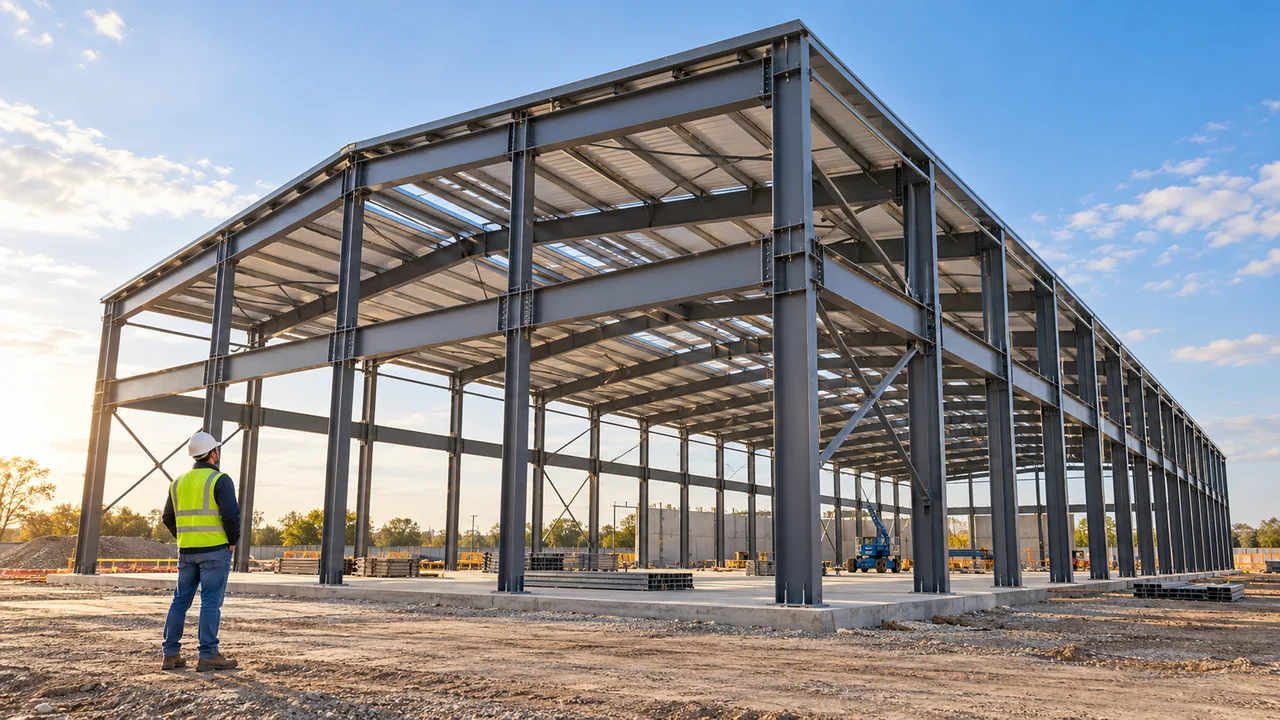
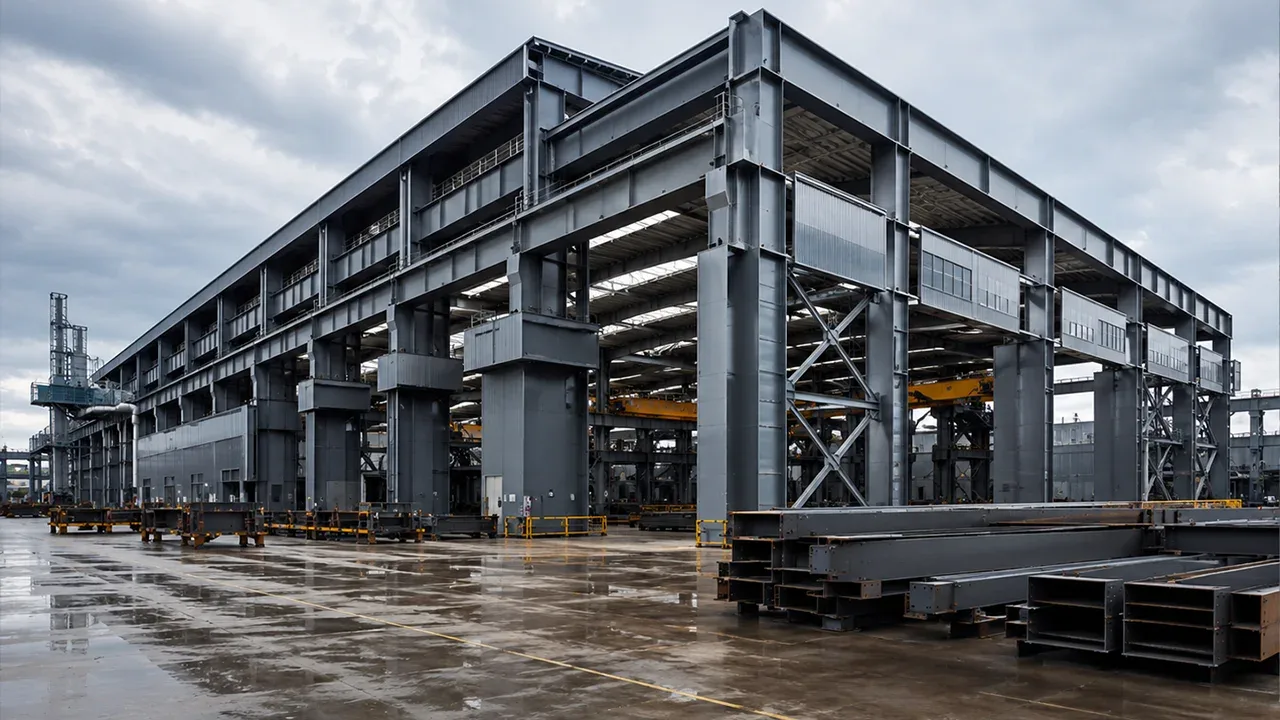
The difference between a conventional industrial building and a heavy steel factory is not simply its size. The defining factor is the building’s ability to safely support significant structural and operational loads over an extended service life.
High Load-Bearing Structural Frames
Heavy steel factory buildings use structural systems designed to resist concentrated loads from machinery, production equipment, storage systems, and industrial operations.
Engineers carefully calculate load distribution to ensure safe and stable performance throughout the building.
Reinforced Columns, Beams, and Bracing Systems
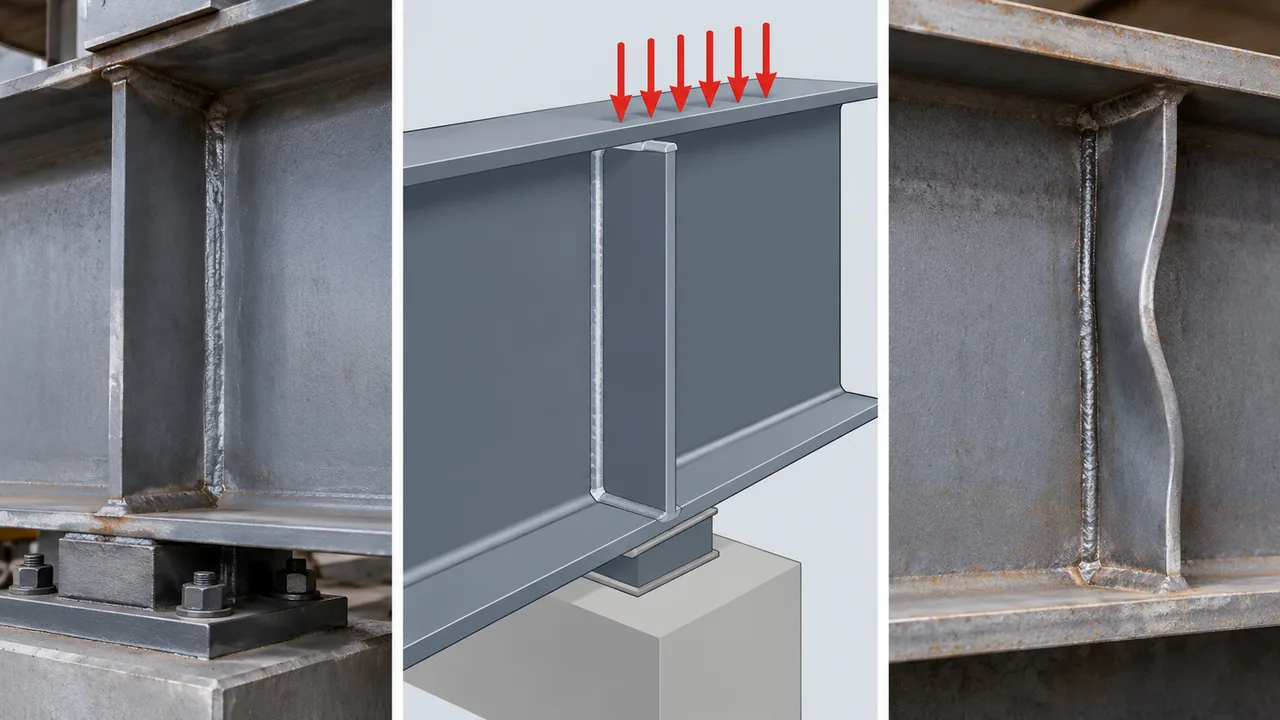
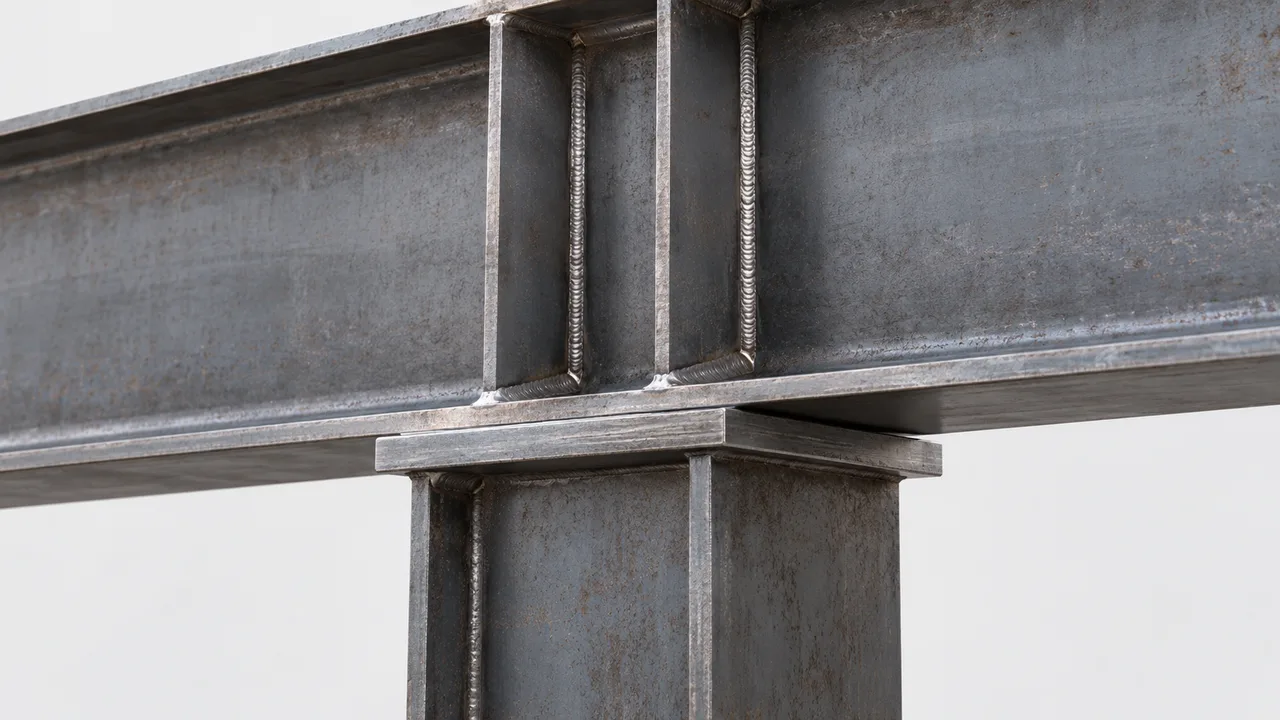
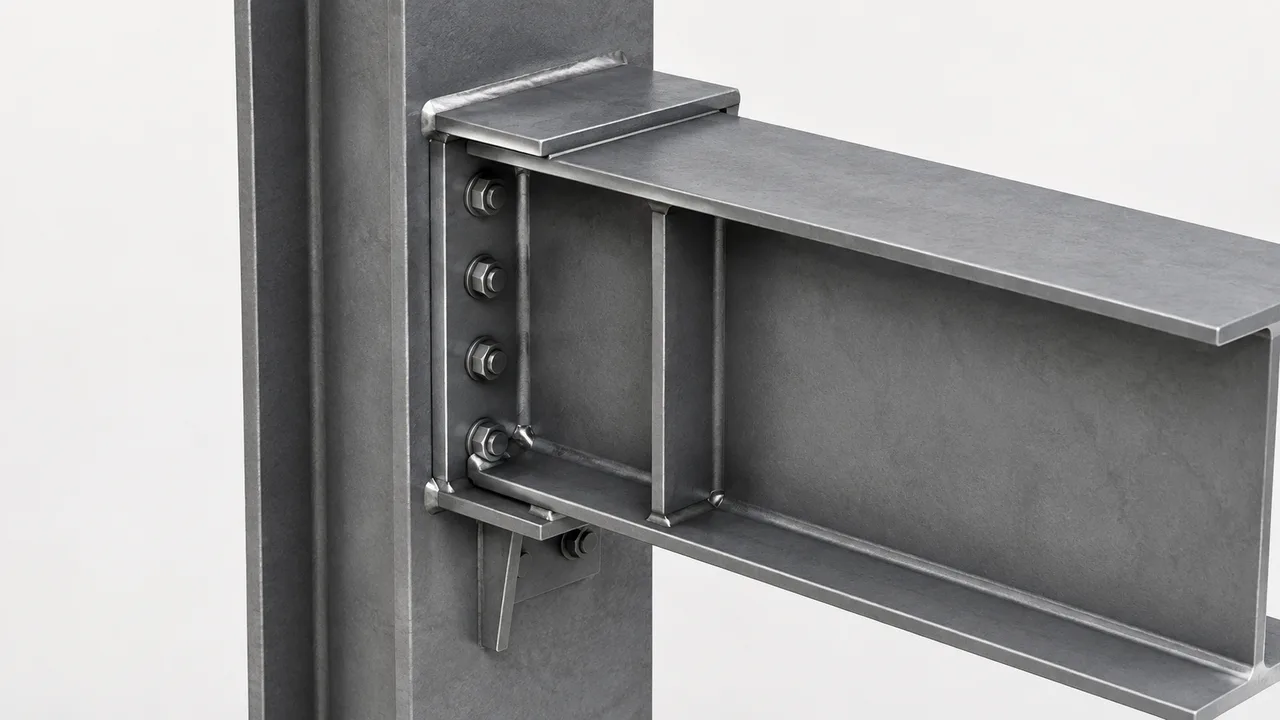
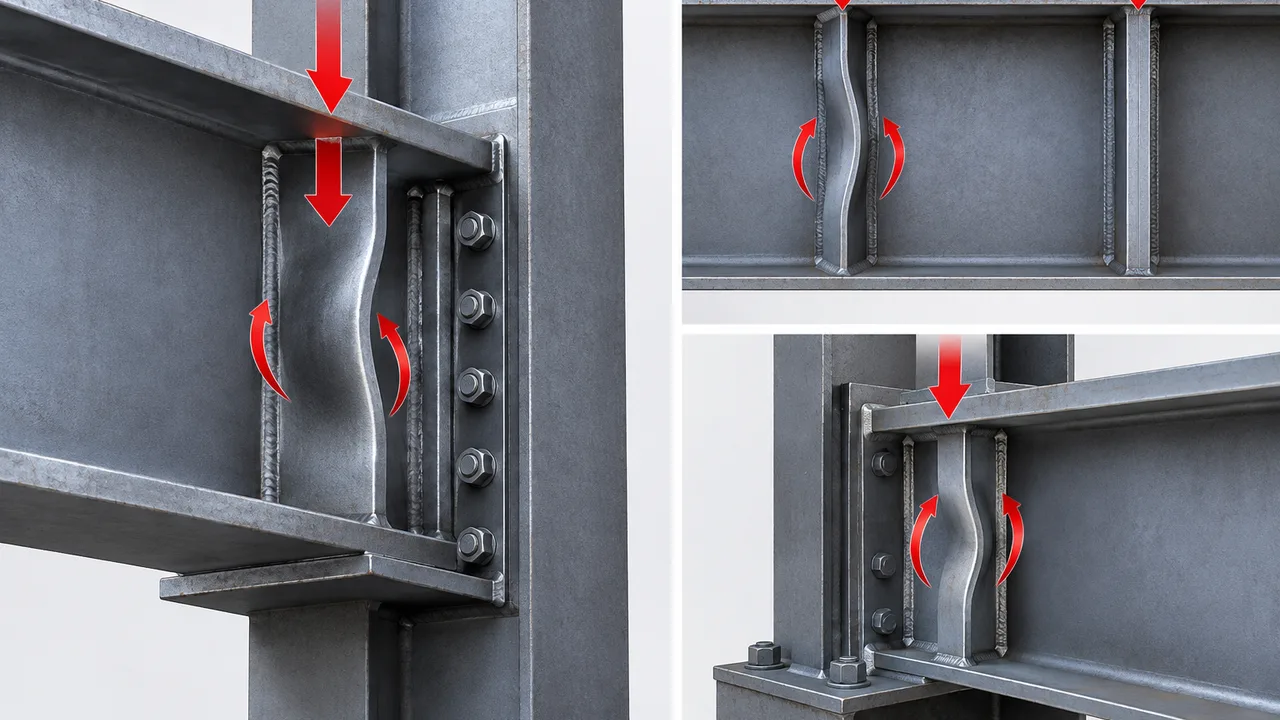
Primary structural components often include large welded H-sections, box columns, heavy trusses, and reinforced bracing systems. These elements work together to increase rigidity and improve overall structural stability.
Additional reinforcement may be incorporated in areas exposed to dynamic equipment loads.
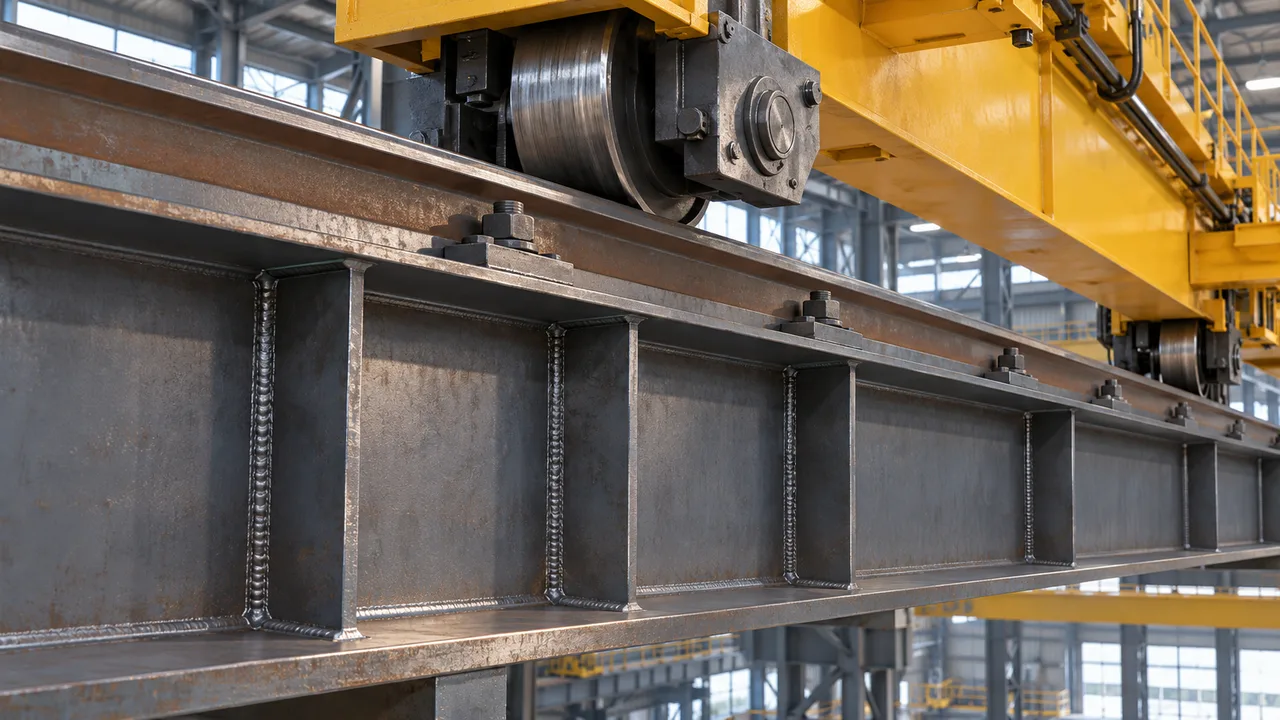
Design for Heavy Machinery and Crane Loads
Many industrial projects require overhead cranes, automated production systems, and material handling equipment. A properly designed heavy steel structure factory integrates these requirements directly into the structural framework.
This approach helps ensure safe operations while reducing future modification costs.
Where Heavy Steel Factory Structures Are Used
Manufacturing Plants
Heavy manufacturing facilities frequently utilize steel structures to support large production equipment and continuous manufacturing processes.
Examples include automotive, machinery, and industrial equipment production plants.
Heavy Equipment Workshops
Facilities involved in the assembly, maintenance, or repair of heavy machinery often require large clear spans and overhead lifting systems.
Steel construction provides the structural capacity needed for these operations.
Processing and Assembly Facilities
Industrial processing plants often contain equipment that generates concentrated loads and operational vibration. Heavy steel framing helps manage these conditions effectively.
Flexible layouts also improve workflow efficiency.
Industrial Storage and Production Zones
Large-scale industrial storage areas frequently operate alongside production lines. Heavy steel structures provide the strength necessary to support integrated industrial environments.
Structural Design Priorities
Engineering decisions for heavy industrial facilities focus on structural performance rather than simply maximizing floor area.
Crane Load and Equipment Load Planning
Overhead cranes introduce dynamic forces that must be carefully evaluated during design. Engineers analyze lifting capacity, runway beam loads, impact factors, and operational frequency.
Proper planning reduces structural stress and improves long-term performance.
Long Span and High-Clearance Requirements
Many industrial operations require open work areas without interior obstructions. Long-span steel systems provide flexibility for equipment installation and production flow.
Higher clearances also accommodate cranes and large manufacturing equipment.
Wind, Seismic, and Operational Load Analysis
Industrial buildings must withstand environmental conditions while supporting operational activities. Structural analysis includes:
- Wind loads
- Seismic forces
- Equipment vibration
- Crane operation impacts
- Production-related dynamic loads
Heavy Steel Fabrication Requirements
Fabrication quality directly affects structural performance. Heavy industrial projects often require advanced manufacturing capabilities and strict quality control procedures.
| Fabrication Activity | Purpose |
|---|---|
| Plate Cutting | Accurate component preparation |
| H-Beam Welding | Structural member production |
| Box Column Fabrication | Heavy load support systems |
| Drilling and Assembly | Connection accuracy |
| Dimensional Inspection | Quality verification |
Precision fabrication helps ensure efficient installation and reliable long-term performance.
Surface Protection and Safety Systems
Anti-Corrosion Coating
Industrial environments may expose structural steel to moisture, chemicals, and harsh operating conditions. Protective coating systems help prevent corrosion and extend service life.
Fire Protection Treatment
Depending on project requirements, structural members may receive fire-resistant coatings or integrated fire protection systems.
These measures support compliance with industrial safety standards.
Durability for Harsh Industrial Environments
Heavy steel structures are frequently used in facilities where equipment operates continuously. Protective treatments help maintain structural integrity under demanding conditions.
Construction Workflow for Heavy Steel Factory Projects
Engineering and Shop Drawings
Project execution begins with structural engineering, connection design, and detailed fabrication drawings.
Accurate planning improves coordination between fabrication and construction teams.
Factory Fabrication and Trial Assembly
Many complex projects undergo trial assembly before shipment to verify dimensional accuracy and connection compatibility.
This process helps minimize installation challenges on site.
Transportation of Heavy Components
Large structural members require specialized logistics planning. Transportation schedules are coordinated with fabrication and construction milestones.
On-Site Erection and Alignment
Installation teams perform lifting, positioning, alignment, and connection work using specialized equipment.
As a manufacturer with extensive industrial project experience, XTD Steel Structure supports engineering, fabrication, and installation coordination for heavy steel factory developments worldwide.
Technical Advantages of Heavy Steel Structure Factory Buildings
- Higher structural load capacity
- Support for overhead crane systems
- Long-span workspace flexibility
- Extended service life
- Scalable future expansion
- Efficient industrial workflow layouts
These advantages make heavy steel construction suitable for complex industrial operations where structural performance is a critical requirement.
Choosing the Right Heavy Steel Structure Factory Partner
Industrial projects often involve significant engineering complexity and investment. Selecting a qualified steel structure partner helps improve project reliability and execution efficiency.
Important evaluation factors include engineering capability, fabrication capacity, inspection systems, logistics management, and installation support.
Experience with international industrial projects can also help streamline project delivery across different markets and regulatory environments.
Common Questions
What is a heavy steel structure factory?
It is an industrial building designed to support heavy equipment, crane systems, and high structural loads.
How is it different from a light steel factory?
Heavy steel factories use larger structural members and are engineered for significantly higher load capacities.
Can it support overhead cranes?
Yes. Most heavy steel factory buildings can be designed to accommodate single or multiple overhead crane systems.
Is it suitable for large-span industrial buildings?
Yes. Heavy steel framing is commonly used for large industrial spaces requiring minimal interior columns.
Built for Demanding Industrial Operations
A well-engineered heavy steel structure factory provides the strength, stability, and flexibility required for modern industrial production environments. From heavy equipment manufacturing to large-scale processing facilities, steel structures continue to play a central role in supporting industrial growth.
With proper engineering, quality fabrication, and coordinated installation, heavy steel factory buildings can deliver reliable performance for decades while adapting to future operational requirements.