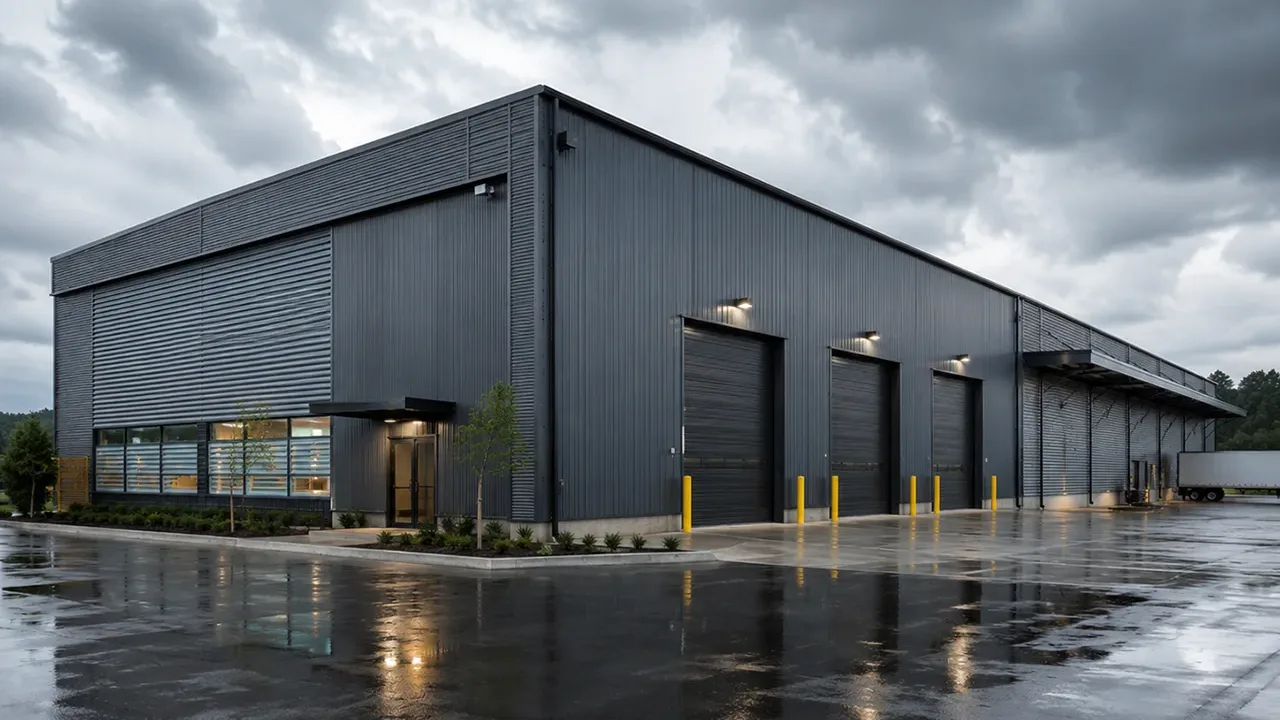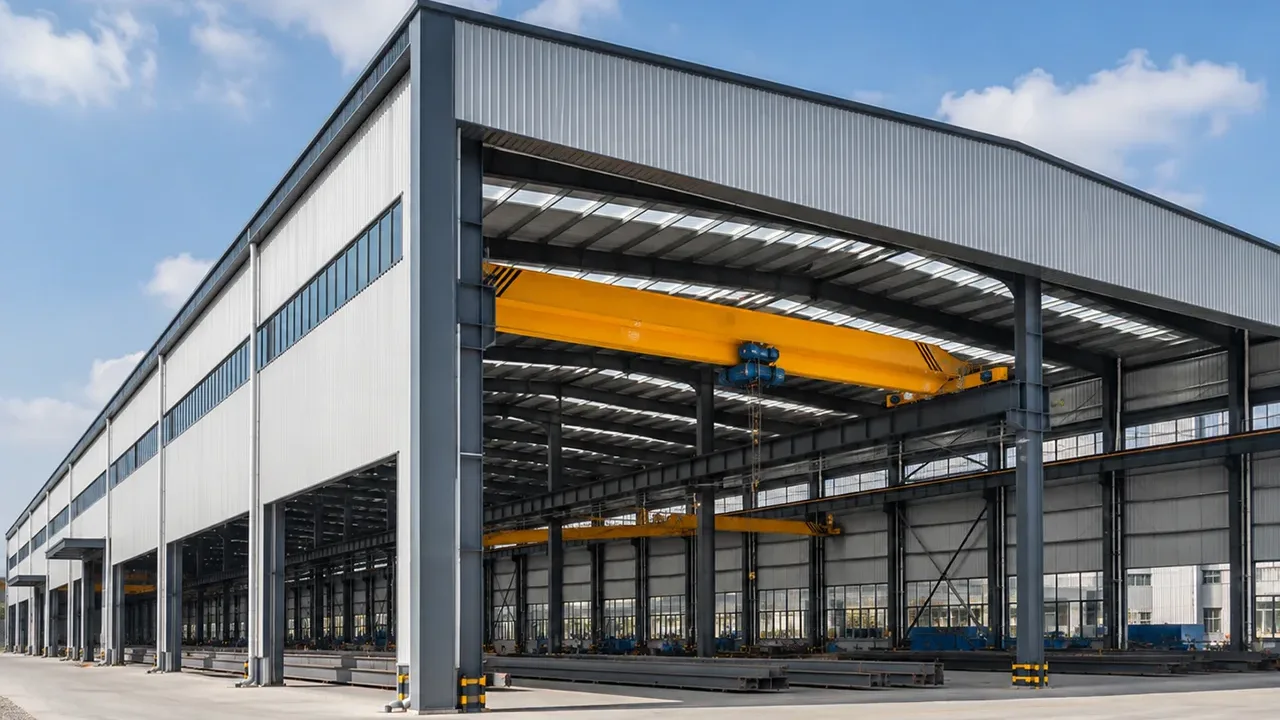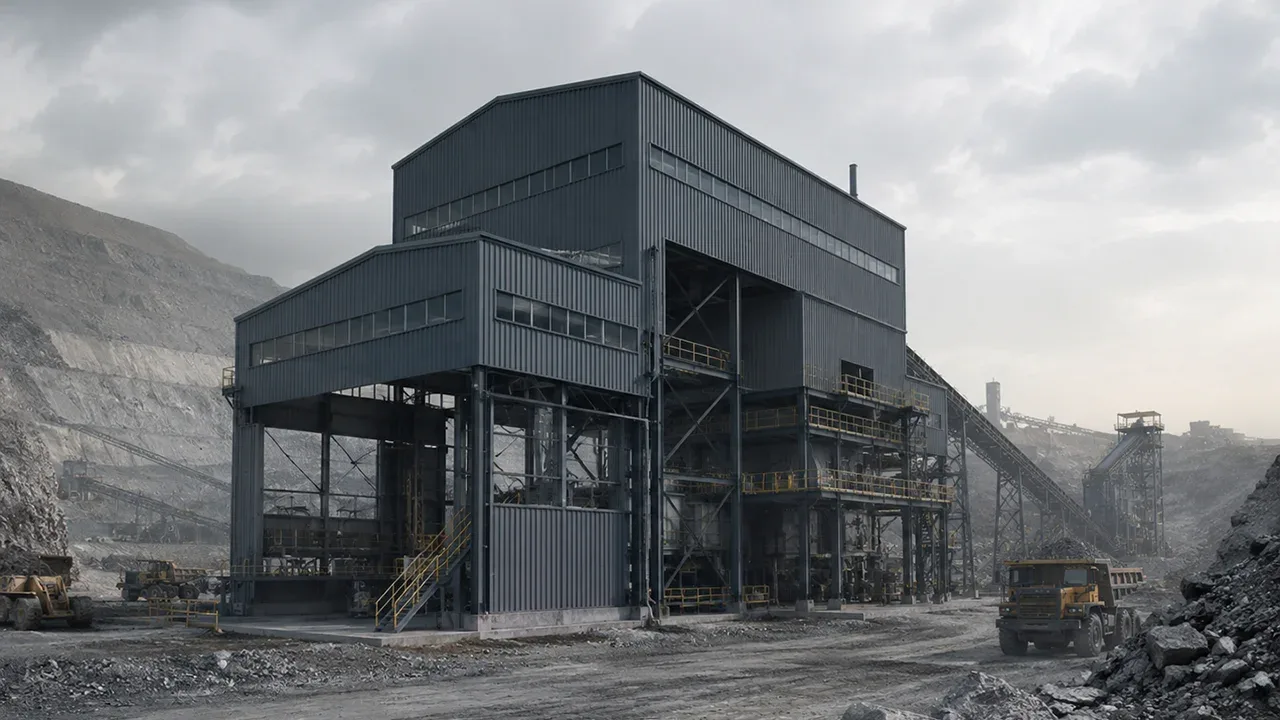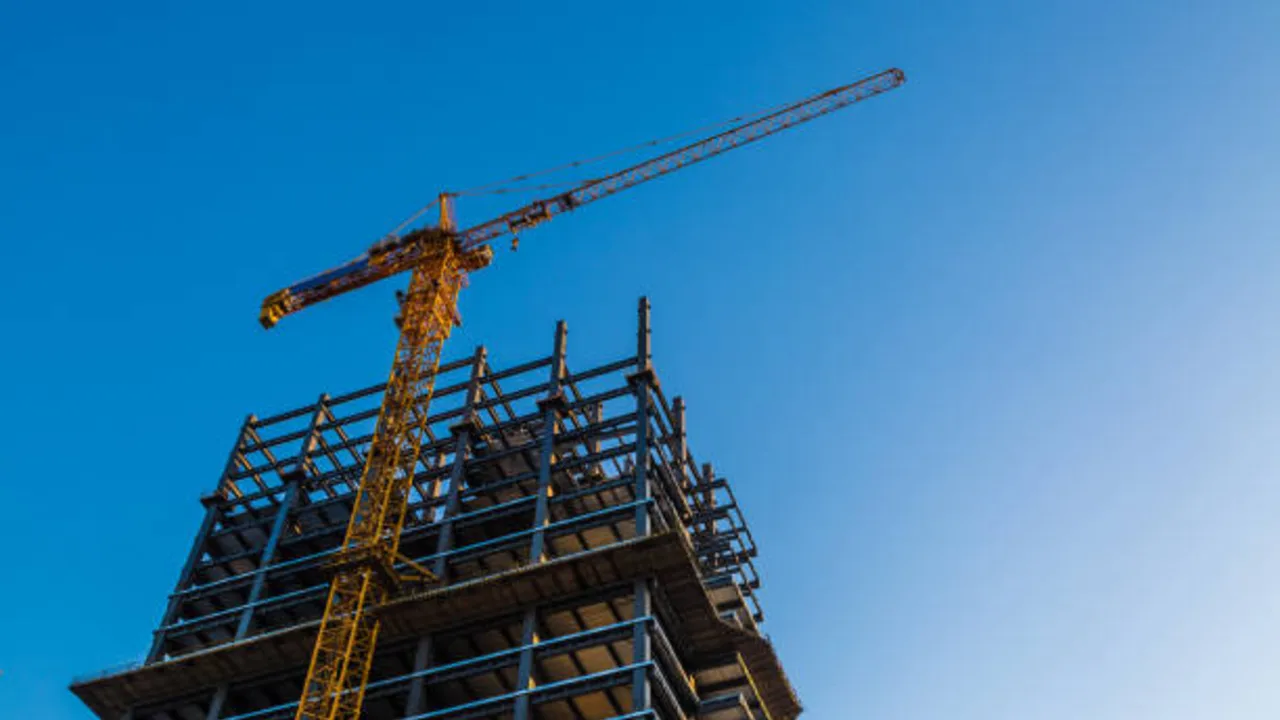
Modern steel structure construction has become increasingly complex due to larger spans, heavier loads, accelerated project timelines, and tighter regulatory oversight. From industrial plants and warehouses to commercial complexes and infrastructure projects, steel structures demand a higher level of precision—not only in engineering and fabrication but also in safety management.
Steel construction safety standards play a critical role in protecting workers, minimizing project risks, and ensuring structural integrity throughout the construction lifecycle. Unlike traditional construction methods, steel projects involve heavy lifting operations, work at height, welding activities, and coordinated assembly processes that expose workers and assets to significant hazards if not properly controlled.
This article explores how safety standards are applied in modern steel structure construction, focusing on regulatory compliance, risk management strategies, and best practices that help contractors deliver projects safely, efficiently, and sustainably.
Understanding Steel Construction Safety Standards
Steel construction safety standards refer to a set of regulations, guidelines, and engineering practices designed to reduce accidents and ensure safe working conditions during steel fabrication, transportation, and on-site erection.
These standards cover multiple aspects of construction, including:
- Structural design and load calculations
- Fabrication quality control
- Site preparation and access planning
- Lifting and hoisting procedures
- Worker training and personal protective equipment (PPE)
- Inspection and documentation protocols
In modern projects, safety is no longer treated as an afterthought—it is integrated into project planning from the earliest design stage through final installation and commissioning.
Regulatory Framework and OSHA Compliance
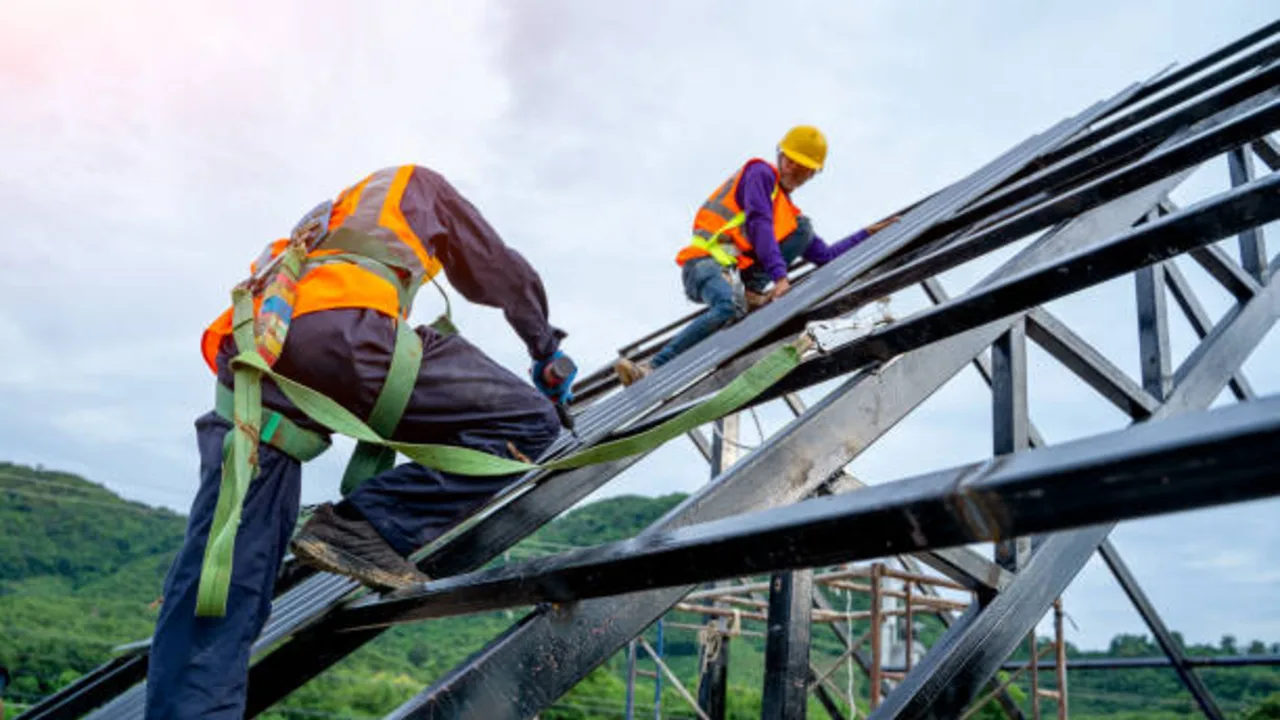
One of the most influential references in steel construction safety is OSHA compliance. The Occupational Safety and Health Administration establishes mandatory safety requirements for steel erection, fall protection, crane operation, and hazard communication.
Key OSHA-related safety requirements in steel construction include:
Fall Protection Systems
Steel erection frequently involves working at height. OSHA mandates fall protection measures such as guardrails, safety nets, or personal fall arrest systems once workers are exposed above specified height thresholds.
Crane and Rigging Safety
Cranes are essential for lifting steel beams, columns, and modules. OSHA standards require:
- Certified crane operators
- Pre-lift inspections
- Load capacity verification
- Proper rigging techniques
Failure to comply with crane safety regulations is one of the most common causes of serious accidents in steel construction projects.
Welding and Hot Work Safety
Steel structures rely heavily on welding and cutting operations. OSHA guidelines regulate:
- Fire prevention measures
- Ventilation and fume control
- Use of flame-resistant PPE
- Hot work permits in confined or hazardous areas
Compliance ensures not only worker safety but also prevents fire-related project delays.
Risk Management in Steel Structure Construction
Effective risk management is the backbone of steel construction safety standards. Modern contractors adopt proactive approaches to identify, assess, and mitigate risks before incidents occur.
Hazard Identification and Assessment
Every steel project presents unique hazards depending on its size, complexity, and environment. Common risks include:
- Falling objects
- Structural instability during erection
- Equipment malfunction
- Weather-related hazards
- Human error during assembly
Early-stage hazard identification allows project teams to implement preventive controls rather than reactive solutions.
Method Statements and Erection Sequencing
Proper erection sequencing is essential for structural stability. Method statements detail:
- Step-by-step assembly procedures
- Temporary bracing requirements
- Load transfer stages
- Inspection checkpoints
These documents ensure that steel components are installed safely without overstressing partially completed structures.
Site Safety Planning
A well-organized construction site reduces exposure to hazards. Safety planning includes:
- Clearly defined access routes
- Segregation of lifting zones
- Emergency evacuation plans
- Controlled storage of steel components
Good site management directly contributes to safer and more efficient steel erection.
Safety Considerations During Steel Fabrication
Safety standards begin long before steel components reach the construction site. Fabrication facilities must follow strict safety and quality protocols to ensure components are safe to handle and install.
Quality Control and Dimensional Accuracy
Inaccurate fabrication can lead to forced adjustments on site, increasing safety risks. Proper quality control ensures:
- Correct bolt hole alignment
- Accurate member dimensions
- Proper weld quality
High-quality prefabrication reduces on-site rework and improves overall safety performance.
Worker Safety in Fabrication Plants
Steel fabrication involves cutting, bending, welding, and surface treatment. Safety measures include:
- Machine guarding
- Ventilation systems
- Training on handling heavy steel sections
- Regular equipment maintenance
A safe fabrication environment directly impacts the reliability of steel components used in construction.
Transportation and Handling Safety
Transporting steel structures from fabrication plants to construction sites presents another layer of risk. Safety standards address:
- Load securing methods
- Vehicle weight limits
- Protection against shifting during transport
- Safe unloading procedures
Improper handling can damage components or create hazards during lifting and installation.On-Site Steel Erection Safety Best Practices
On-site steel erection is the most critical phase from a safety perspective. Modern projects apply layered safety controls to protect workers and assets.
Temporary Stability and Bracing
Steel frames must remain stable at all times during erection. Temporary bracing systems prevent collapse until permanent connections are completed.
Communication and Coordination
Steel construction involves multiple teams working simultaneously—crane operators, riggers, welders, and inspectors. Clear communication protocols help prevent miscoordination during lifting and positioning operations.
Training and Competency
Modern safety standards emphasize:
- Certified welders and riggers
- Safety induction programs
- Toolbox talks before critical operations
Well-trained workers are better equipped to recognize hazards and follow safe work procedures.
Role of Safety Standards in Project Performance
Adhering to steel construction safety standards does more than prevent accidents—it improves overall project performance.
Reduced Downtime and Delays
Accidents often lead to investigations, work stoppages, and legal issues. Strong safety management keeps projects on schedule.
Cost Control and Risk Reduction
While safety investments may increase upfront costs, they significantly reduce long-term expenses related to injuries, equipment damage, and insurance claims.
Reputation and Client Confidence
Contractors known for high safety standards gain trust from clients and stakeholders, especially in large-scale industrial and infrastructure projects.
Integrating Safety into Steel Structure Construction Strategy
Leading contractors integrate safety into every phase of steel structure construction, treating it as a core project value rather than a regulatory obligation.
This integrated approach includes:
- Safety-led design decisions
- Digital modeling to simulate erection risks
- Continuous monitoring and improvement
- Collaboration between designers, fabricators, and site teams
By embedding safety into the construction strategy, steel projects achieve higher efficiency, quality, and sustainability.
Conclusion: The Future of Steel Construction Safety
As steel structures continue to grow in scale and complexity, safety standards will play an increasingly important role in shaping construction practices. Regulatory compliance, structured risk management, and disciplined execution are no longer optional—they are essential components of modern steel structure construction.
By following established safety standards and adopting proactive risk management approaches, contractors can protect their workforce, deliver reliable structures, and maintain long-term competitiveness in the global construction market.