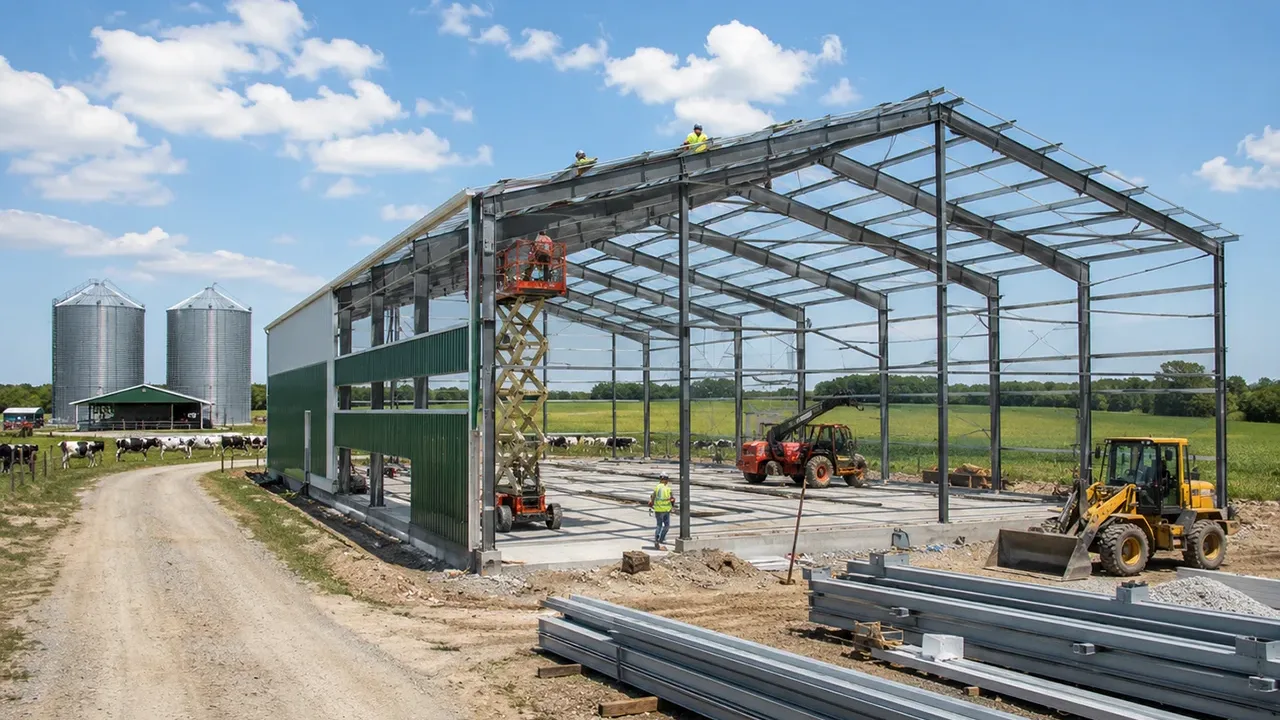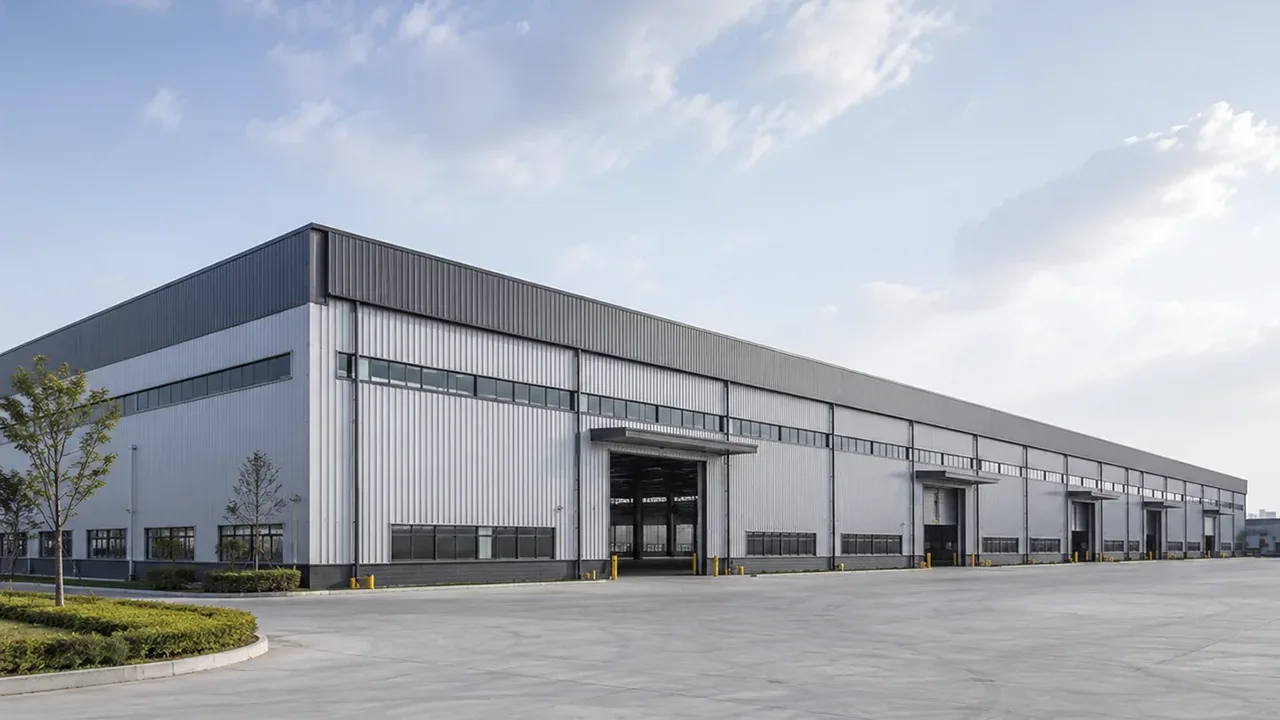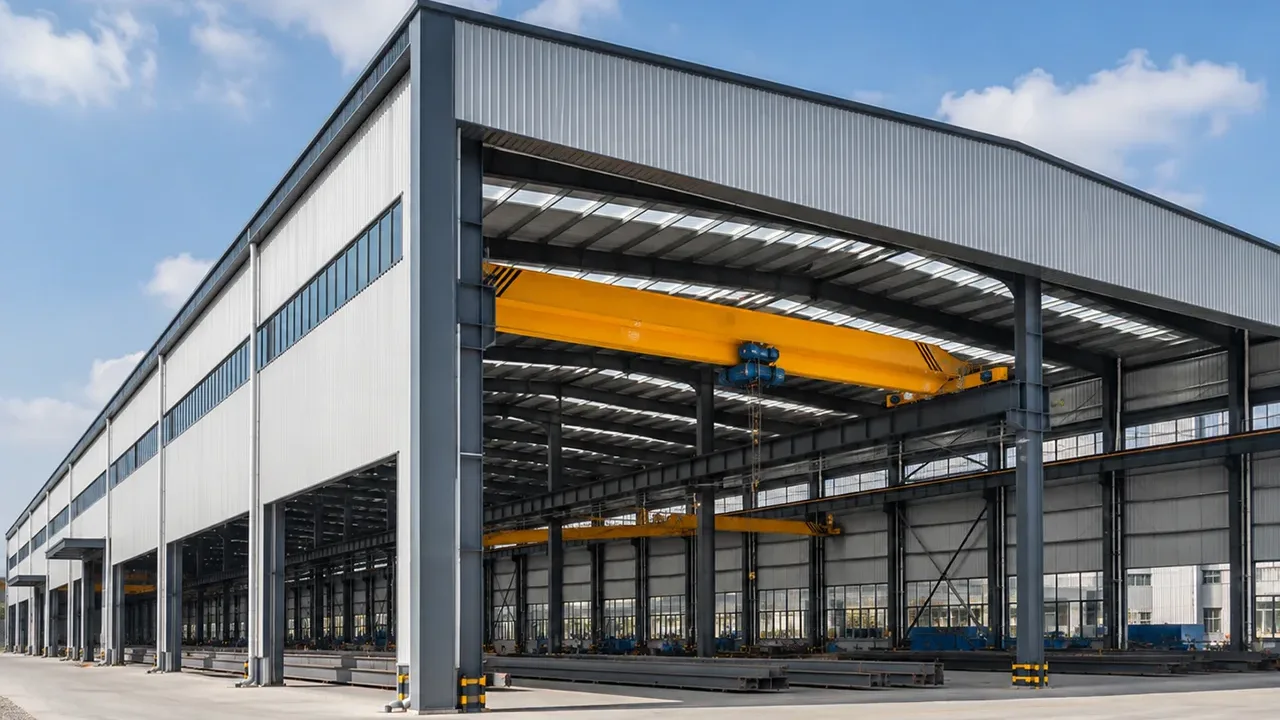
A modern steel fabrication facility is the backbone of today’s steel structure industry. From industrial buildings and warehouses to large-scale infrastructure projects, the quality, efficiency, and precision of fabricated steel components directly impact construction speed, safety, and overall project cost. As global demand for prefabricated steel structures continues to grow, fabrication facilities have evolved into highly automated, technology-driven production environments.
A steel fabrication facility integrates advanced machinery, skilled engineering teams, and streamlined workflows to convert raw steel into ready-to-install structural components. This article takes an in-depth look inside a modern steel fabrication facility, exploring key processes, core equipment, and the role of automation in achieving consistent quality and high productivity.
What Is a Steel Fabrication Facility?
A steel fabrication facility is a specialized industrial plant where raw steel materials are processed, cut, assembled, and finished into structural components used in construction projects. Unlike traditional on-site fabrication, modern facilities emphasize off-site prefabrication to improve accuracy, reduce waste, and shorten project timelines.
Typical outputs of a steel fabrication facility include:
- Steel columns, beams, and trusses
- Portal frames and rigid frames
- Custom connection nodes and assemblies
- Prefabricated modules for rapid site installation
By centralizing fabrication in a controlled environment, manufacturers can ensure higher consistency and compliance with international quality standards.
Material Handling and Preparation
The fabrication process begins with material handling and preparation. Steel plates, profiles, and pipes are received, inspected, and stored according to production schedules. Proper material management minimizes damage, prevents corrosion, and ensures traceability throughout the fabrication process.
Key preparation steps include:
- Material inspection and verification
- Sorting by grade, thickness, and specification
- Surface cleaning and pre-treatment
Efficient material handling lays the foundation for accurate downstream processing.
CNC Cutting and Precision Processing
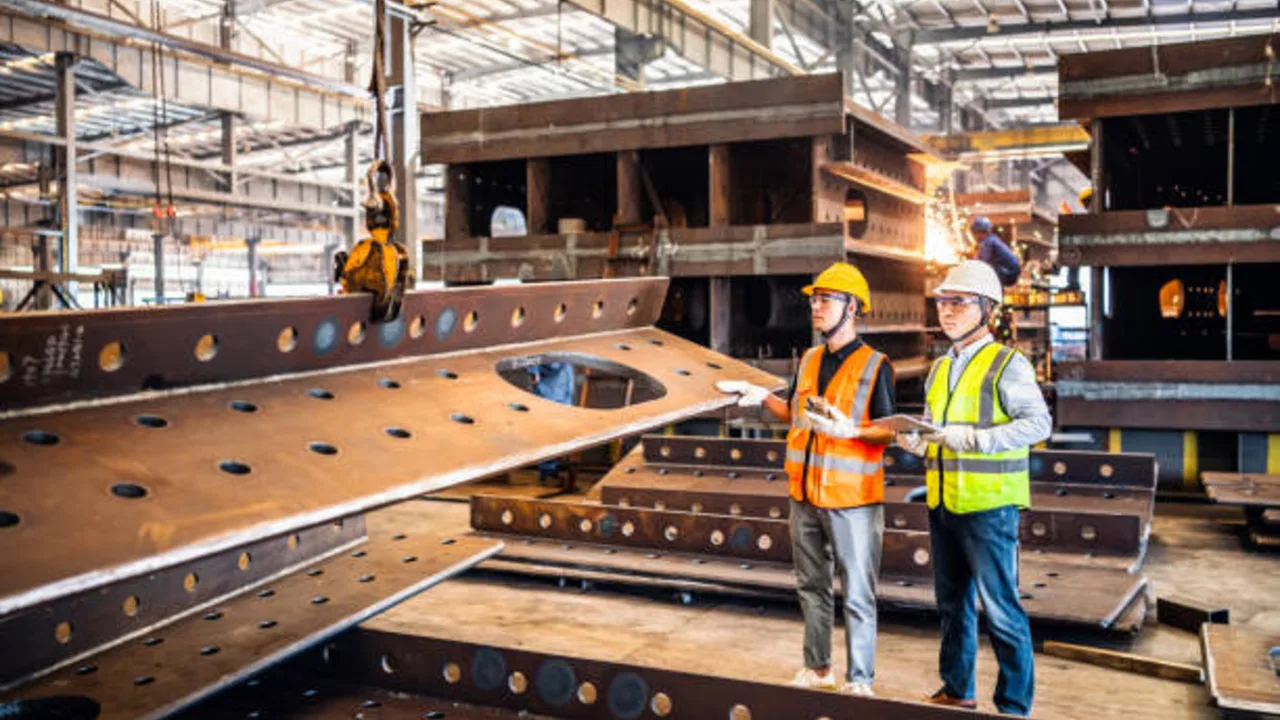
CNC cutting is one of the most critical processes in a modern steel fabrication facility. Computer numerical control systems enable high-precision cutting of steel plates and profiles according to digital design files.
Common CNC cutting technologies include:
- CNC flame cutting for thick steel plates
- Plasma cutting for speed and flexibility
- Laser cutting for high-precision applications
CNC systems reduce human error, improve dimensional accuracy, and allow complex geometries to be produced consistently at scale.
Assembly and Welding Operations
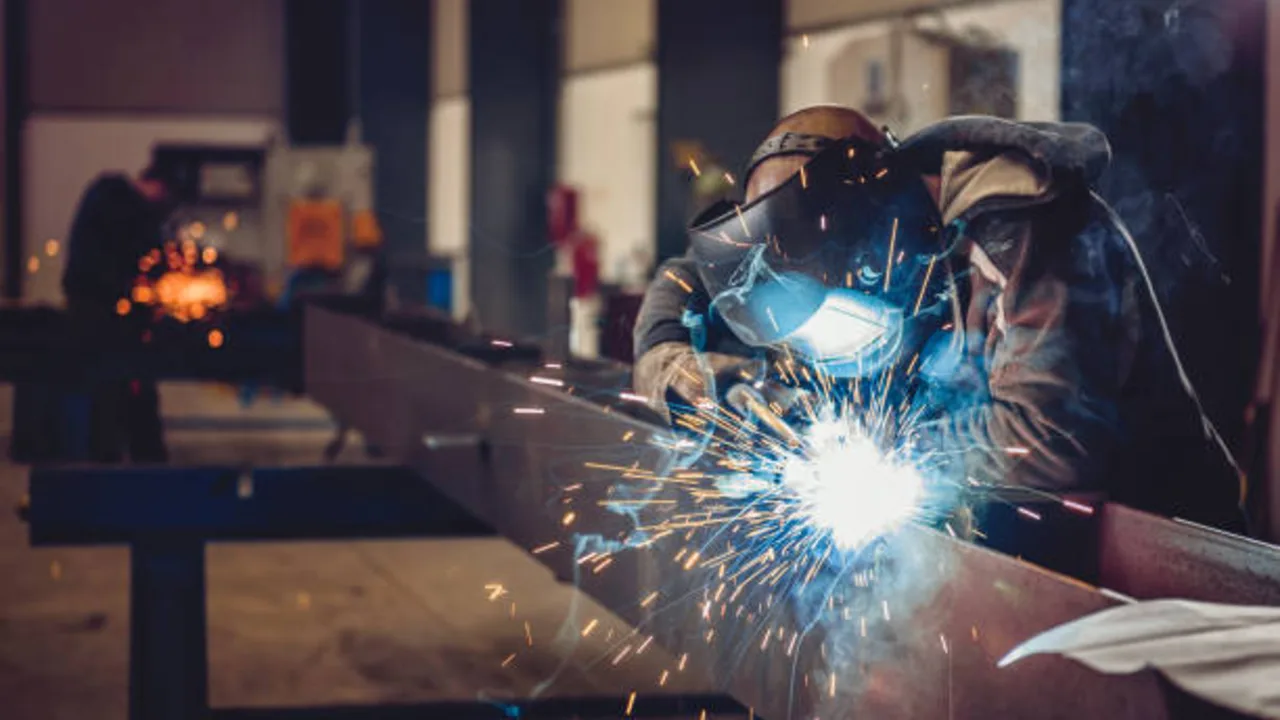
After cutting, steel components move to assembly and welding stations. This stage transforms individual parts into load-bearing structural elements.
Modern facilities increasingly rely on welding automation to improve efficiency and weld quality. Automated welding systems offer:
- Consistent weld penetration and strength
- Reduced labor dependency
- Higher production throughput
Manual welding is still used for complex joints and customized components, but automation plays a growing role in repetitive, high-volume production.
Robotic and Automated Welding Systems
Robotic welding arms and gantry systems are widely adopted in advanced fabrication plants. These systems operate with programmed accuracy, ensuring uniform welds that meet strict structural and safety standards.
Drilling, Machining, and Fit-Up
Precision drilling and machining ensure proper alignment during on-site installation. CNC drilling lines and machining centers create bolt holes, slots, and connection details with tight tolerances.
Accurate fit-up at the fabrication stage reduces:
- On-site rework
- Installation delays
- Structural misalignment risks
This precision directly translates into faster and safer erection on construction sites.
Surface Treatment and Corrosion Protection
Steel components often require surface treatment to enhance durability and corrosion resistance. Depending on project requirements, a fabrication facility may offer:
- Shot blasting for surface preparation
- Primer and industrial coating systems
- Hot-dip galvanizing for harsh environments
Proper surface treatment extends the service life of steel structures, particularly in coastal, industrial, or high-humidity conditions.
Quality Control and Inspection
Quality assurance is embedded at every stage of a modern steel fabrication facility. Inspection teams verify compliance with design drawings, welding standards, and dimensional tolerances.
Quality control activities include:
- Material traceability checks
- Weld inspection and non-destructive testing
- Dimensional verification
- Final assembly inspection
Consistent quality control ensures fabricated components meet international standards and client specifications.
Digital Integration and Smart Manufacturing
Modern steel fabrication facilities increasingly adopt digital tools such as BIM integration, production tracking systems, and real-time data monitoring. These technologies improve coordination between design, fabrication, and construction teams.
Benefits of digital integration include:
- Reduced design-to-production errors
- Improved production planning
- Enhanced transparency and traceability
Smart manufacturing enables facilities to scale production while maintaining accuracy and efficiency.
Role of the Fabrication Facility in Global Supply Chains
For international projects, the fabrication facility plays a strategic role in supply chain management. Export-oriented manufacturers must coordinate production schedules, packaging, and logistics to meet delivery timelines.
Choosing a reliable china steel structure fabrication factory with experience in global projects helps ensure consistent quality, timely delivery, and compliance with international standards.
Conclusion: Why Modern Steel Fabrication Facilities Matter
A modern steel fabrication facility is far more than a production workshop—it is a high-precision manufacturing environment that directly influences construction quality, speed, and cost efficiency. From CNC cutting and welding automation to quality control and digital integration, advanced fabrication processes set the foundation for successful steel structure projects.
By understanding how modern steel fabrication facilities operate, developers and contractors can make informed decisions when selecting fabrication partners and optimizing their construction strategies.