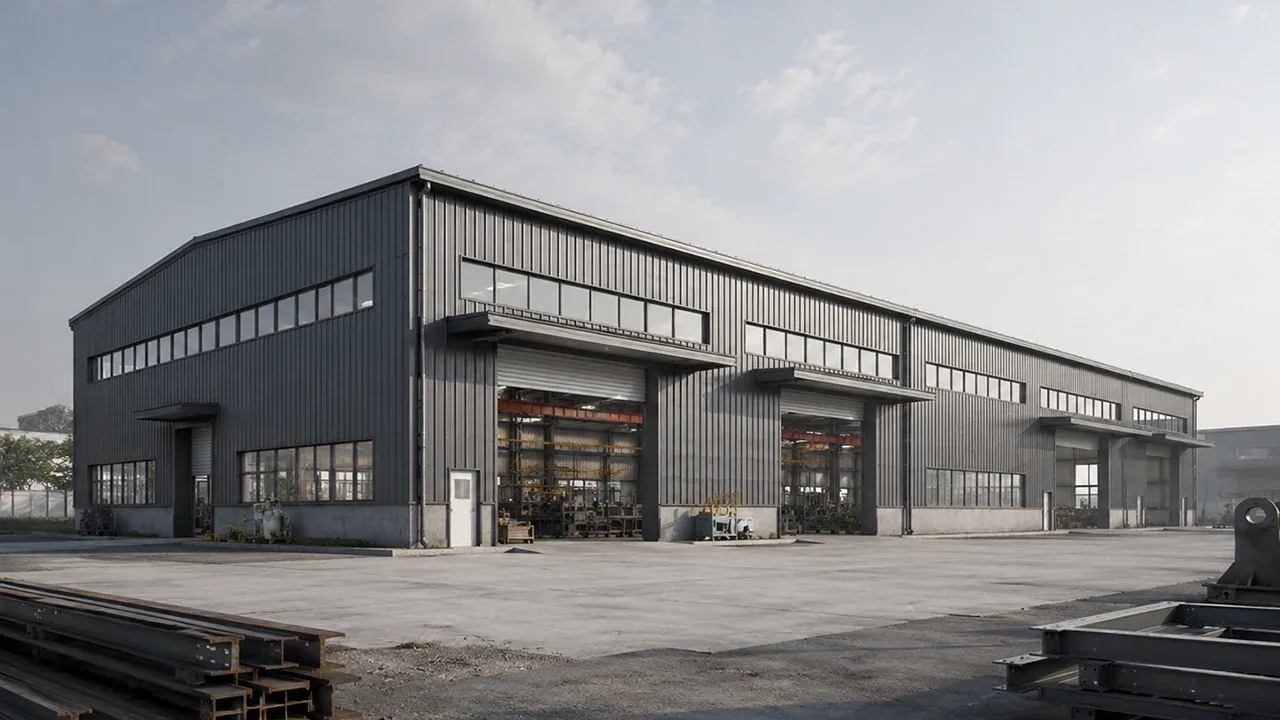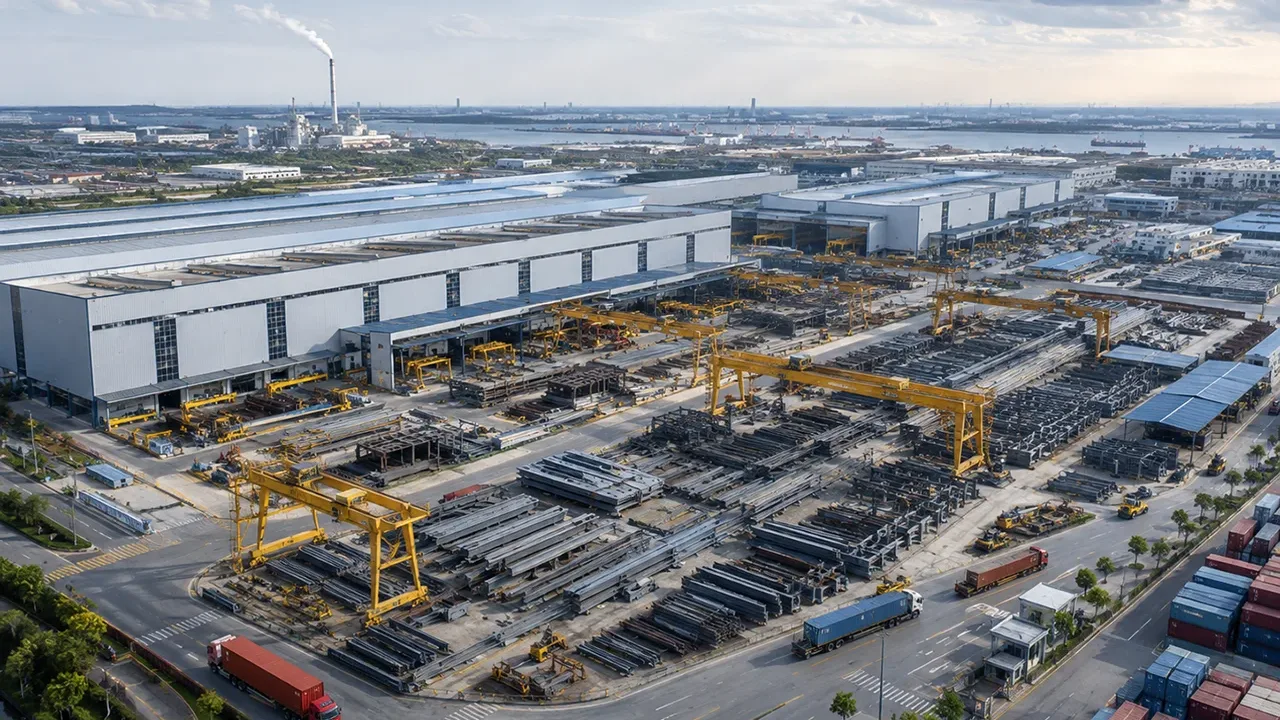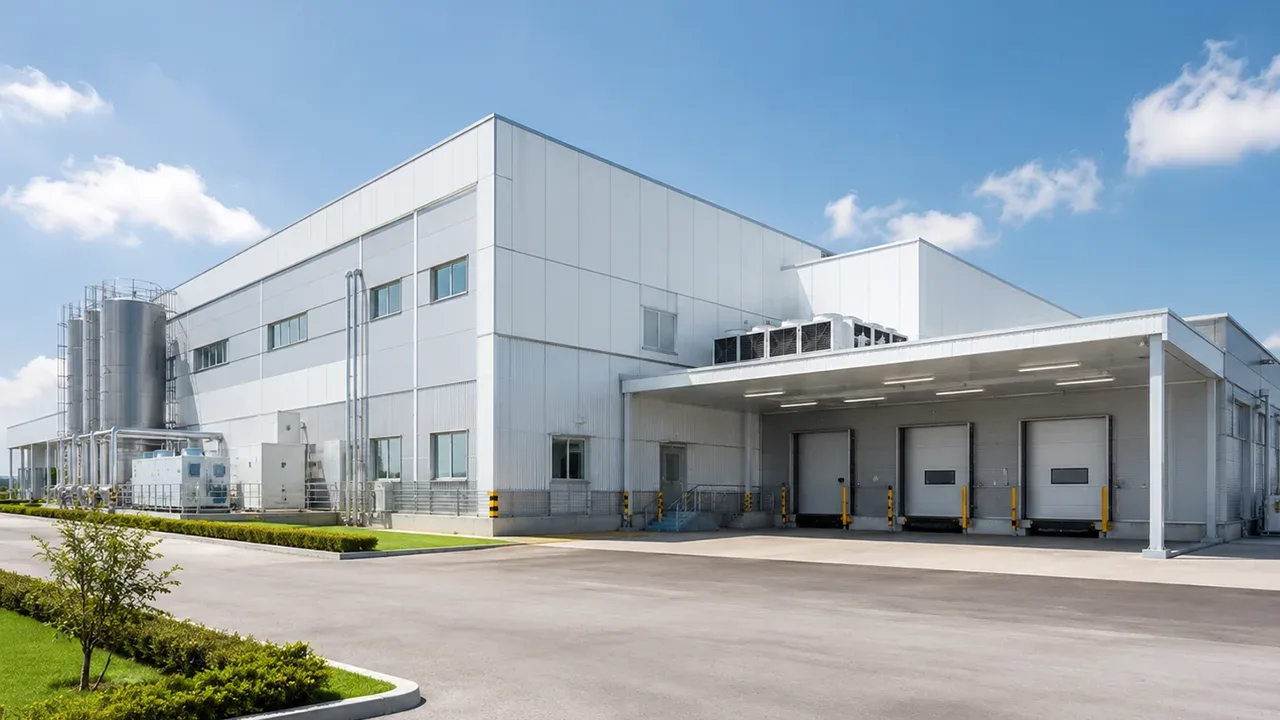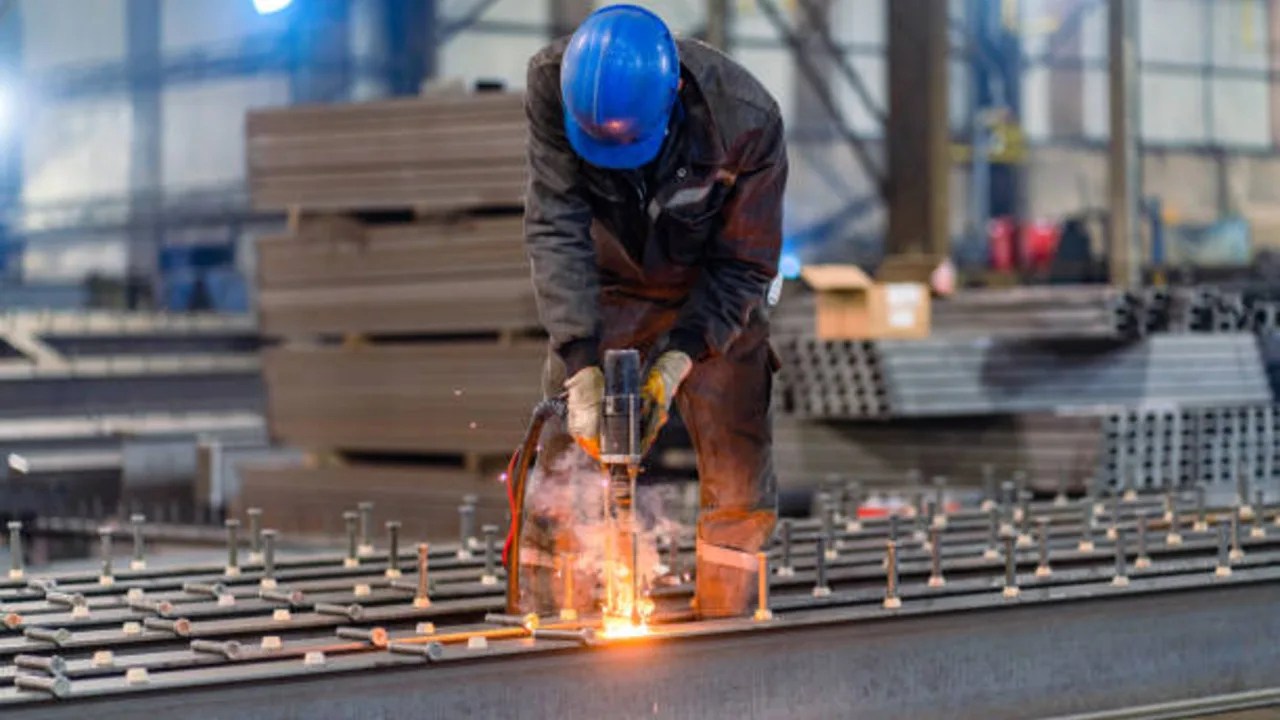
Heavy steel fabrication projects play a critical role in industrial plants, infrastructure developments, and large-scale steel structure construction. These projects involve massive steel components, complex welding operations, and strict dimensional tolerances, making quality control a decisive factor for both structural safety and project success.
Steel fabrication quality control ensures that fabricated components meet design specifications, comply with applicable standards, and perform reliably throughout their service life. Without a structured quality control system, even minor fabrication errors can escalate into costly rework, project delays, or long-term structural risks.
This article explores how quality control is implemented in heavy steel fabrication projects, with a focus on inspections, nondestructive testing, and best practices that help manufacturers deliver consistent, high-quality steel structures.
Understanding Steel Fabrication Quality Control
Steel fabrication quality control refers to the systematic processes used to verify that raw materials, fabrication procedures, and finished components conform to engineering drawings, technical specifications, and industry standards.
In heavy steel fabrication, quality control covers the entire production lifecycle, including:
- Material receiving and verification
- Cutting, welding, and assembly processes
- Dimensional accuracy and tolerance checks
- Surface treatment and finishing
- Final inspection and documentation
Because heavy steel structures often operate under high loads and harsh conditions, quality control is not optional—it is an essential requirement for safety, durability, and regulatory compliance.
Quality Standards and Fabrication Requirements
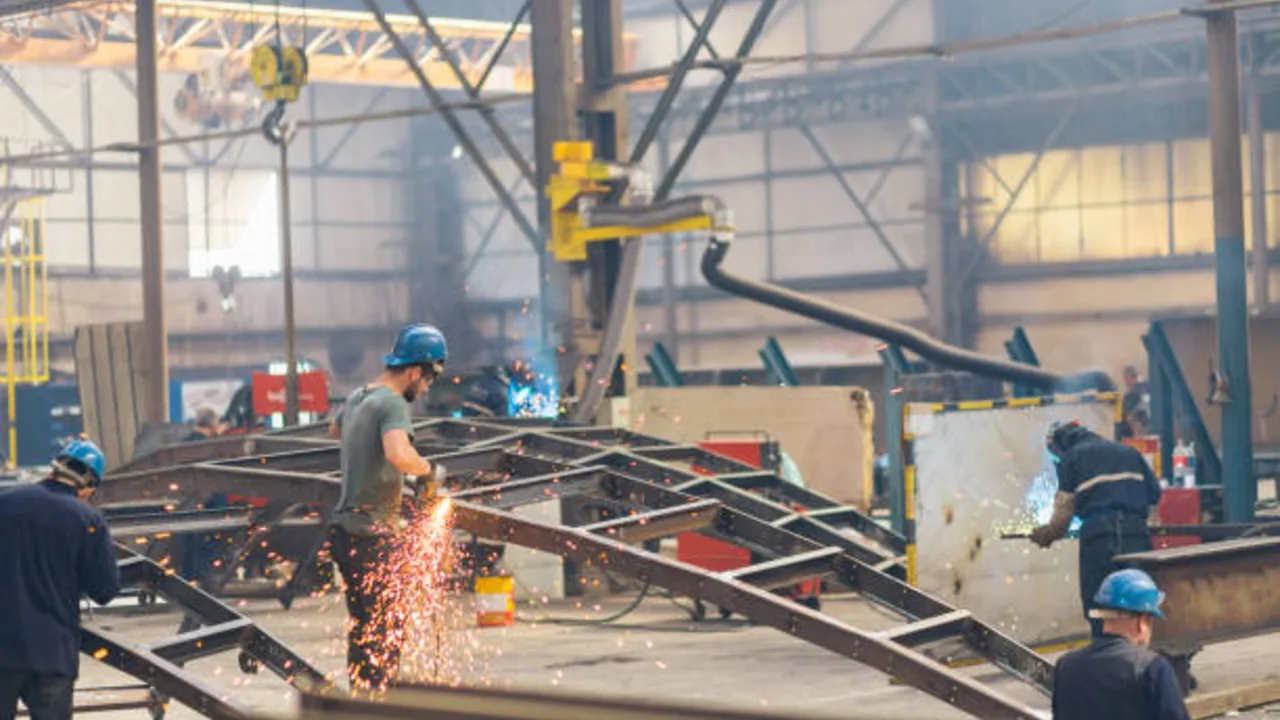
Heavy steel fabrication projects are typically governed by international and regional standards such as ISO, EN, AWS, and AISC. These standards define acceptable limits for welding quality, material properties, inspection procedures, and documentation.
Key quality requirements include:
- Compliance with approved fabrication drawings
- Use of certified materials and welding consumables
- Qualified welders and welding procedures
- Traceability of materials and components
Adhering to these standards ensures that fabricated steel components meet both structural and regulatory expectations.
Role of Inspections in Heavy Steel Fabrication
Inspections form the backbone of steel fabrication quality control. They are conducted at multiple stages of the fabrication process to identify defects early and prevent nonconforming work from progressing.
Incoming Material Inspection
Quality control begins with verifying raw materials. This includes checking steel grades, mill certificates, chemical composition, and mechanical properties to ensure compliance with project specifications.
In-Process Fabrication Inspection
During fabrication, inspections focus on:
- Cutting accuracy and edge preparation
- Fit-up and alignment of steel members
- Welding parameters and joint preparation
- Dimensional checks during assembly
Early detection of fabrication issues reduces rework and improves overall production efficiency.
Final Inspection and Acceptance
Before shipment, finished components undergo final inspection to verify dimensions, weld quality, surface finish, and completeness. Only components that meet acceptance criteria are approved for delivery.
Nondestructive Testing in Steel Fabrication
Nondestructive testing (NDT) is a critical component of quality control in heavy steel fabrication. NDT methods allow inspectors to detect internal and surface defects without damaging the steel components.
Common NDT methods include:
- Ultrasonic Testing (UT)
- Magnetic Particle Testing (MT)
- Radiographic Testing (RT)
- Dye Penetrant Testing (PT)
These testing techniques are particularly important for critical welds, load-bearing members, and structures subjected to fatigue or dynamic loads.
Benefits of NDT in Heavy Steel Projects
Nondestructive testing helps:
- Identify hidden welding defects
- Verify weld penetration and fusion
- Reduce the risk of in-service failure
- Ensure compliance with design standards
By integrating NDT into the fabrication workflow, manufacturers can significantly improve reliability and client confidence.
Documentation and Traceability
Effective quality control requires comprehensive documentation. Records provide traceability and proof of compliance throughout the fabrication process.
Typical quality documentation includes:
- Material test certificates
- Welding procedure specifications (WPS)
- Welder qualification records
- Inspection and NDT reports
- Final quality dossiers
Complete documentation not only supports regulatory approval but also simplifies future maintenance, audits, and project handover.
Impact of Quality Control on Project Performance
Strong steel fabrication quality control directly influences project outcomes. High-quality fabrication minimizes site issues, accelerates installation, and reduces long-term maintenance costs.
Key benefits include:
- Reduced rework and scrap rates
- Faster erection and assembly on site
- Improved structural reliability and safety
- Enhanced reputation of the fabrication supplier
Choosing a capable partner for heavy steel structure fabrication ensures that quality is embedded into every stage of production rather than inspected in after the fact.
Challenges in Heavy Steel Fabrication Quality Control
Despite its importance, quality control in heavy steel fabrication faces several challenges, including:
- Complex geometries and large component sizes
- High welding volumes and fatigue-sensitive joints
- Strict project timelines and delivery pressures
- Coordination between design, fabrication, and inspection teams
Overcoming these challenges requires experienced quality engineers, skilled inspectors, and a strong quality management system.
Best Practices for Ensuring Fabrication Quality
Leading steel fabricators adopt best practices to maintain consistent quality across projects, such as:
- Implementing ISO-based quality management systems
- Using digital inspection and tracking tools
- Conducting regular internal audits
- Training welders and inspectors continuously
Proactive quality management reduces risk and enhances long-term project value.
Conclusion: Building Reliability Through Quality Control
Quality control is the foundation of successful heavy steel fabrication projects. From inspections and nondestructive testing to documentation and continuous improvement, every quality control step contributes to structural safety and project reliability.
By prioritizing steel fabrication quality control, manufacturers and project owners can reduce risk, improve efficiency, and deliver heavy steel structures that meet the highest standards of performance and durability.