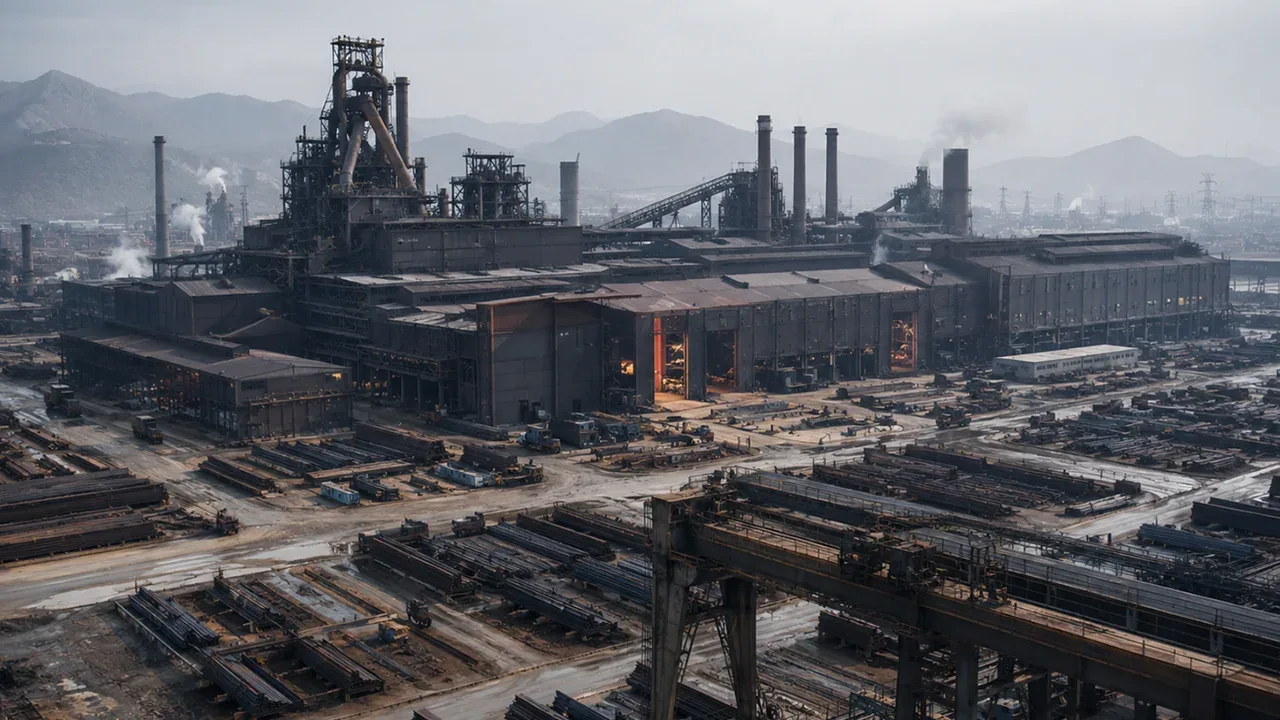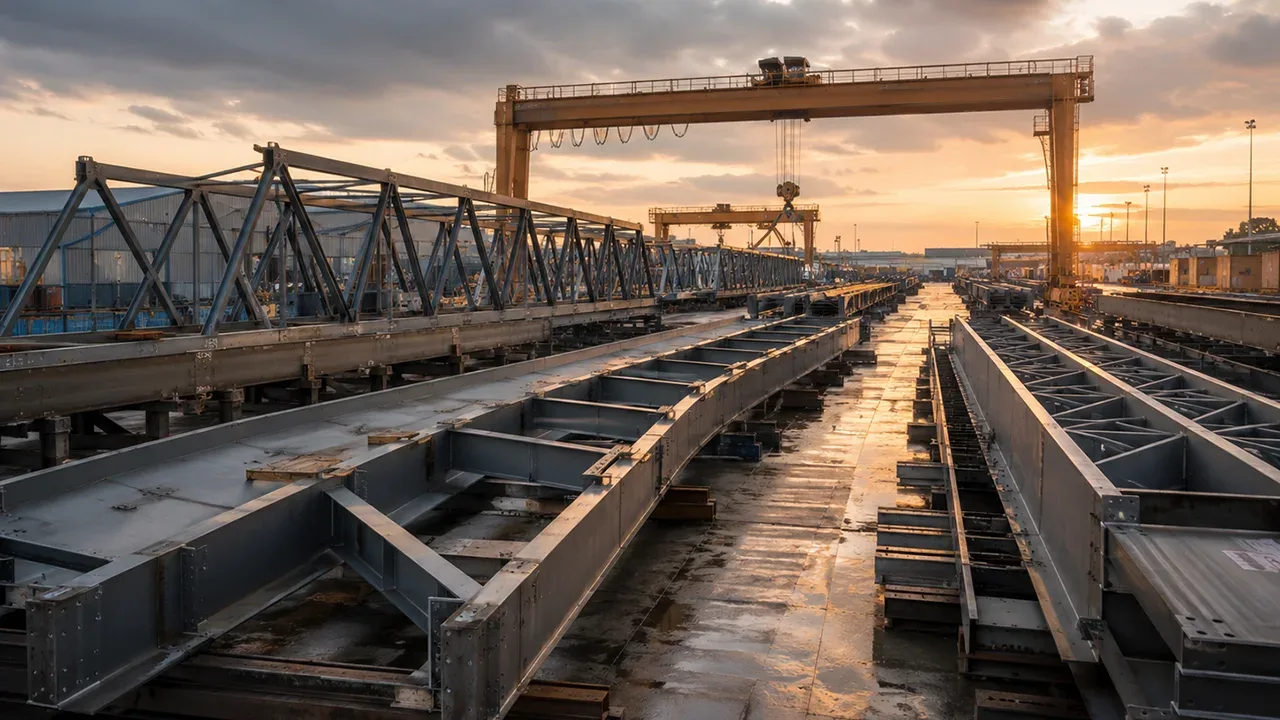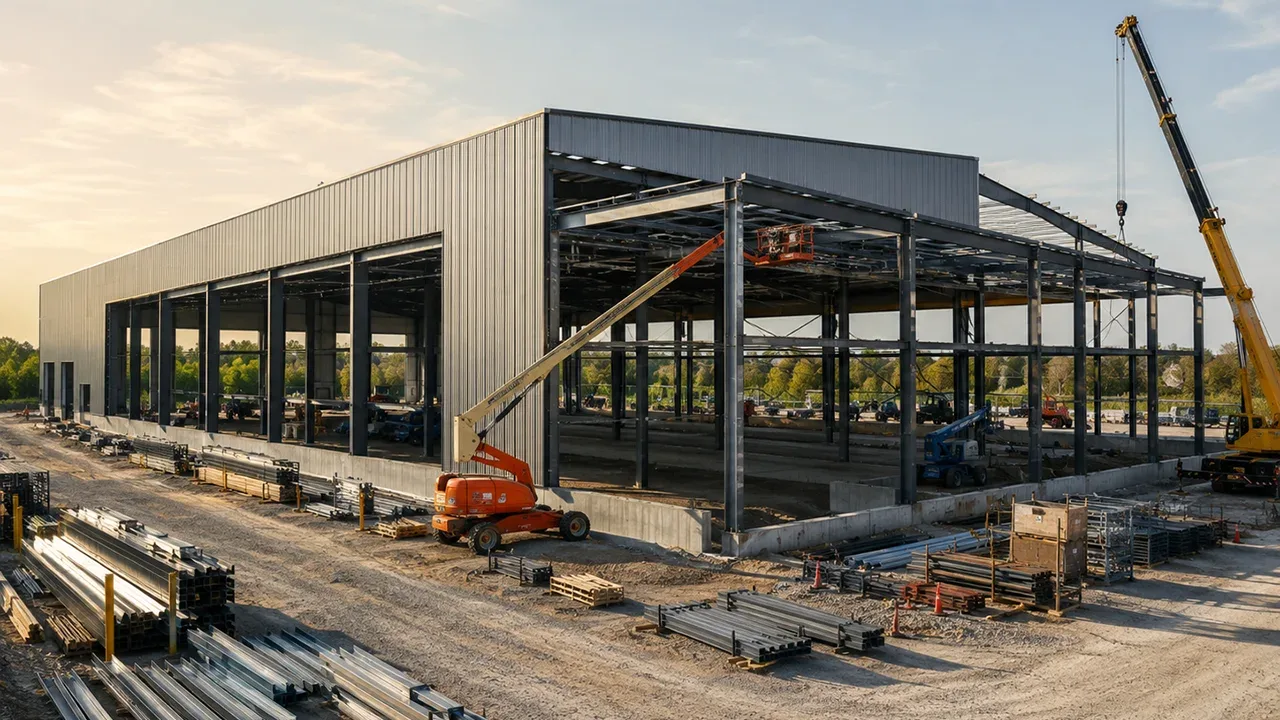

Steel manufacturers operate in a highly regulated industrial environment where quality, safety, and compliance are non-negotiable. From industrial buildings and infrastructure to export-oriented steel structure projects, certifications play a critical role in demonstrating a manufacturer’s technical capability, process control, and regulatory compliance.
Steel manufacturer certifications are not merely administrative requirements. They serve as formal proof that a fabrication facility meets recognized international standards for quality management, structural performance, and manufacturing consistency. For project owners, EPC contractors, and developers, understanding certification requirements is essential when selecting reliable steel suppliers.
This article explains the key certification and compliance requirements for steel manufacturers, focusing on ISO 9001, CE EN 1090, and how these standards influence fabrication quality, market access, and project risk management.
Why Steel Manufacturer Certifications Matter
Certifications provide a standardized framework that ensures steel manufacturers follow controlled, repeatable, and auditable processes. In complex steel projects, where tolerances are tight and safety margins are critical, certifications reduce uncertainty across the supply chain.
Certified steel manufacturers typically demonstrate:
- Consistent fabrication quality
- Traceable material sourcing
- Documented welding and inspection procedures
- Compliance with applicable regional regulations
For international projects, certifications often determine whether a manufacturer is even eligible to participate in bidding processes.
Overview of Steel Manufacturer Certifications
Steel manufacturer certifications can be grouped into quality management certifications, product conformity certifications, and project-specific compliance requirements. While requirements vary by market, some standards are widely recognized across the global steel construction industry.
Quality Management Certifications
Quality management certifications focus on how a manufacturer controls its production processes rather than on individual products. The most widely adopted standard in this category is ISO 9001.
Product and Structural Compliance Certifications
Product-related certifications verify that fabricated steel components meet defined structural performance and safety criteria. In the European market, CE EN 1090 is one of the most important compliance frameworks for steel structures.
ISO 9001: Quality Management System Certification
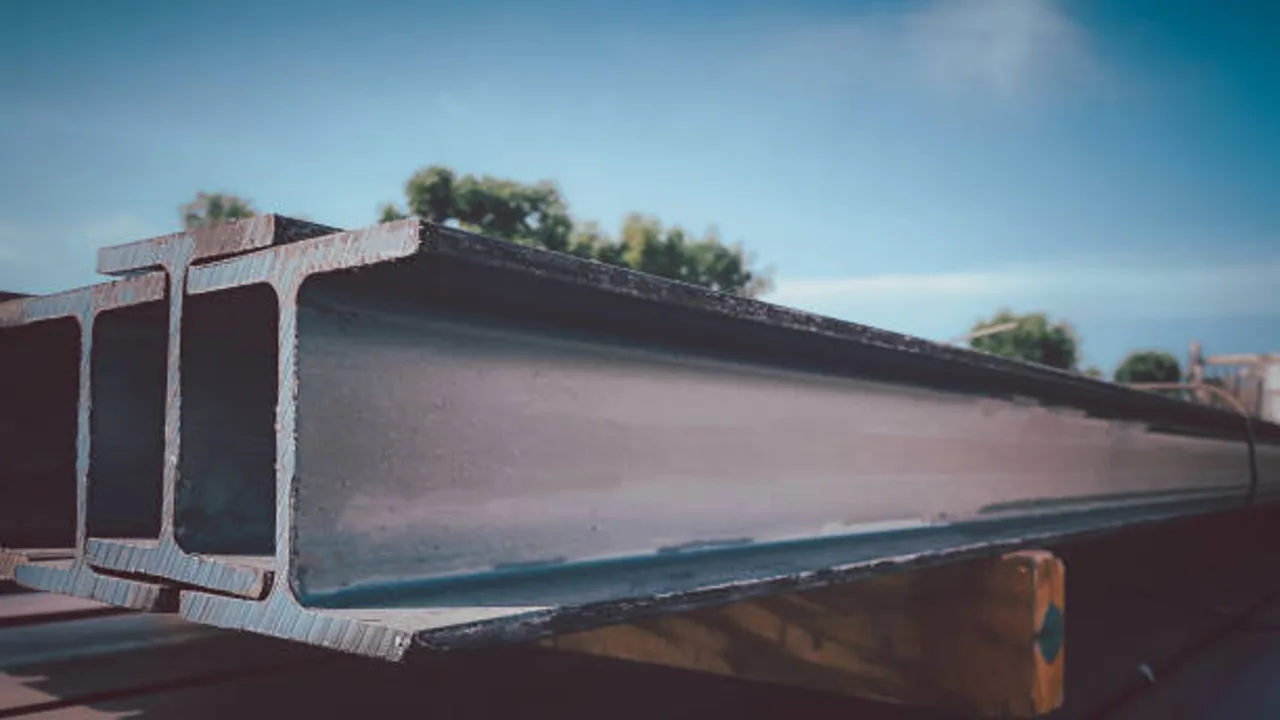
ISO 9001 is an international standard that defines requirements for a quality management system (QMS). For steel manufacturers, ISO 9001 certification confirms that the company has established controlled procedures covering procurement, fabrication, inspection, corrective actions, and continuous improvement.
Key aspects of ISO 9001 in steel manufacturing include:
- Process-based quality control
- Documented production workflows
- Non-conformance management
- Internal audits and management reviews
Although ISO 9001 does not certify product quality directly, it significantly reduces variability in fabrication outcomes by enforcing disciplined operational practices.
CE EN 1090: Structural Steel Compliance for Europe
CE EN 1090 is a mandatory certification for steel and aluminum structural components placed on the European market. It confirms that fabricated components meet essential performance requirements related to structural integrity and safety.
EN 1090 certification covers:
- Execution Class (EXC1–EXC4) classification
- Welding coordination and qualification
- Factory Production Control (FPC)
- Traceability and inspection records
Without CE EN 1090 certification, steel manufacturers are not legally permitted to supply load-bearing structural components for EU construction projects.
Welding Certifications and Personnel Qualifications
Beyond organizational certifications, steel manufacturers must also comply with welding-related standards that directly govern the integrity of structural connections. Welding is one of the most critical processes in steel fabrication, as the performance of welded joints has a direct impact on structural safety, load transfer, and long-term durability.
Welding certifications ensure that both the welding procedures and the personnel executing them meet recognized technical and safety requirements. These standards verify that welded joints can reliably withstand design loads, dynamic stresses, and environmental conditions throughout the structure’s service life.
Common welding-related certifications include:
Welding Procedure Qualification Records (WPQR)
WPQR documents confirm that a specific welding procedure has been tested and proven to produce welds that meet required mechanical and quality criteria. Qualification tests typically evaluate tensile strength, bend performance, impact resistance, and weld soundness. Once approved, WPQR provides a validated basis for repeating the same welding process under controlled conditions.
Welding Procedure Specifications (WPS)
WPS define the exact parameters that welders must follow during fabrication, including welding method, materials, preheating requirements, filler metals, welding positions, and heat input limits. By standardizing these variables, WPS ensure consistency and reduce the risk of defects across multiple welds and production batches.
Certified Welders and Welding Inspectors
Even with qualified procedures, welding quality ultimately depends on personnel competence. Certified welders demonstrate the practical skills required to execute specific welding procedures correctly, while certified welding inspectors verify compliance with standards, drawings, and quality requirements. Their involvement helps detect defects early and prevents non-conforming work from progressing through the fabrication process.
Proper welding certification directly affects fatigue performance, load capacity, and the long-term durability of steel structures. Poorly qualified welding can lead to cracks, brittle failures, or premature fatigue damage—risks that are difficult and costly to address after installation. By enforcing rigorous welding certifications and personnel qualification requirements, steel manufacturers significantly reduce structural risk and enhance the reliability of their fabricated components.
Factory Production Control and Documentation
Factory Production Control (FPC) systems are a core requirement in most structural certifications. FPC ensures that steel components are produced consistently under controlled conditions.
Effective FPC systems typically include:
- Incoming material inspection and traceability
- Process monitoring during fabrication
- Final inspection and testing
- Document retention and audit readiness
Strong documentation practices enable manufacturers to demonstrate compliance during audits and project inspections.
Market Access and Project Eligibility
Steel manufacturer certifications directly influence market access. Many industrial, infrastructure, and government-funded projects specify certification requirements as part of tender documentation.
Certified manufacturers gain advantages such as:
- Eligibility for international projects
- Reduced approval cycles
- Higher confidence from clients and consultants
- Lower compliance-related project risk
In contrast, uncertified manufacturers may face limitations regardless of their actual fabrication capability.
Certification vs. Fabrication Capability
While certifications are essential, they must be evaluated alongside actual manufacturing capability. Certifications confirm compliance, but they do not automatically guarantee sufficient production capacity or project experience.
A comprehensive evaluation should consider:
- Workshop scale and equipment
- Automation and CNC capability
- Project track record
- Quality documentation maturity
This balanced approach ensures both regulatory compliance and reliable project execution.
Risk Management Through Certified Manufacturers
Using certified steel manufacturers reduces multiple project risks, including quality failures, regulatory non-compliance, and inspection delays. Certifications create accountability and provide objective benchmarks for performance evaluation.
Working with manufacturers that maintain up-to-date steel manufacturer certifications helps project stakeholders achieve predictable outcomes and long-term asset reliability.
Conclusion: Certifications as a Strategic Advantage
Steel manufacturer certifications are a fundamental component of modern steel construction projects. Standards such as ISO 9001 and CE EN 1090 establish trust, ensure compliance, and enable manufacturers to participate in global markets.
By understanding certification requirements and integrating them into supplier selection processes, developers and contractors can reduce risk, improve quality consistency, and ensure successful steel structure delivery across diverse project environments.