
In today’s competitive construction market, selecting the right steel partner is just as important as choosing the right design or location. Steel structure projects demand precision, reliability, and long-term performance, making the professionalism of the supplier a decisive factor in project success.
Professional steel company traits go far beyond basic fabrication capability. A truly professional steel structure company integrates engineering expertise, disciplined quality control, transparent project management, and consistent execution across all stages of a project. These traits directly influence safety, cost control, delivery timelines, and overall project outcomes.
This article explains what defines a professional steel structure company, focusing on engineering capability, QC systems, and the organizational practices that distinguish reliable partners from average suppliers.
Why Professionalism Matters in Steel Structure Projects
Steel structures are core load-bearing elements in industrial, commercial, and infrastructure developments. Any failure in design interpretation, fabrication accuracy, or quality control can lead to structural risks, rework, or costly delays.
A professional steel structure company provides:
- Reliable interpretation of engineering designs
- Consistent fabrication quality
- Predictable delivery and installation coordination
- Lower long-term operational and maintenance risks
Professionalism is therefore not a soft attribute—it is a measurable contributor to project performance.
Core Professional Steel Company Traits
Understanding professional steel company traits helps developers, contractors, and consultants evaluate potential partners more effectively.
Strong Engineering Capability
Engineering capability is one of the most critical traits of a professional steel structure company. This includes:
- In-house structural engineers and detailers
- Proficiency in shop drawing development
- Ability to optimize member sizing and connections
- Coordination between design intent and fabrication reality
Companies with strong engineering capability can identify design conflicts early, reduce unnecessary steel tonnage, and improve constructability—directly impacting cost and schedule performance.
Established QC Systems
Robust QC systems separate professional companies from basic fabricators. A professional steel structure company operates under a documented quality management framework that typically includes:
- Incoming raw material inspection
- In-process dimensional and welding checks
- Welding procedure qualification and monitoring
- Final inspection and traceable documentation
These systems ensure fabricated components meet design specifications and applicable standards before leaving the factory.
Manufacturing Capability and Process Control
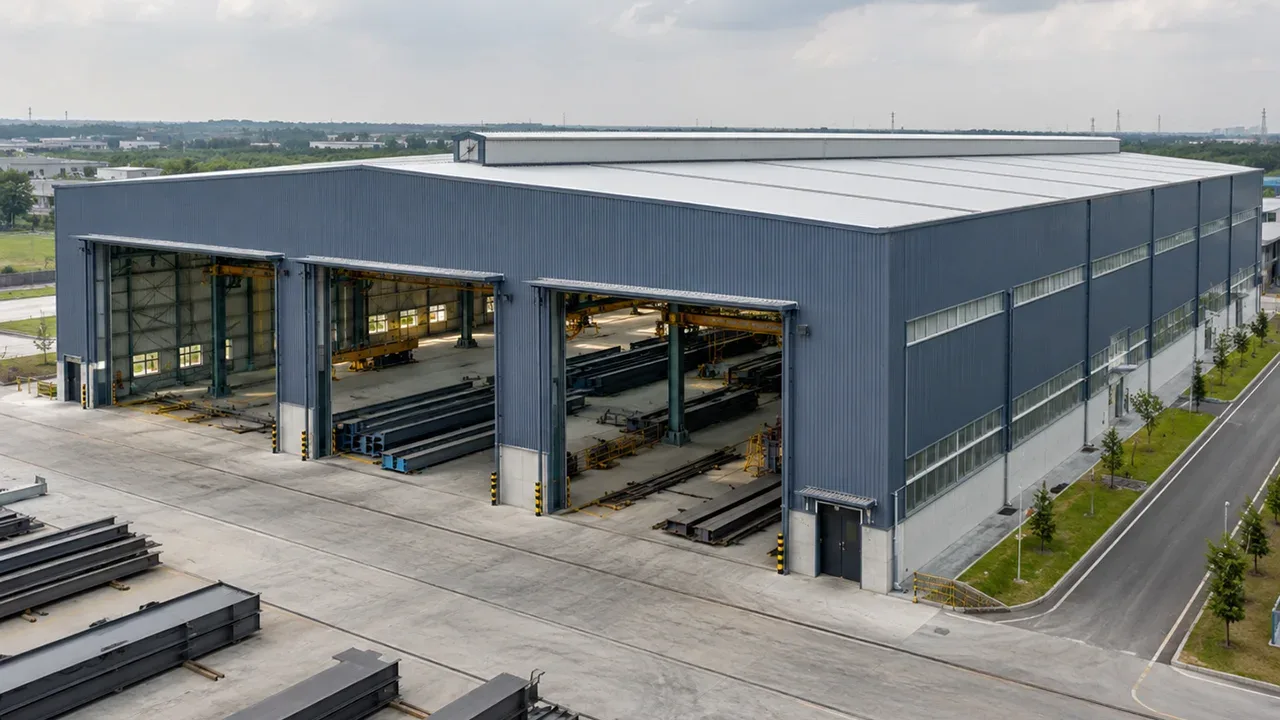
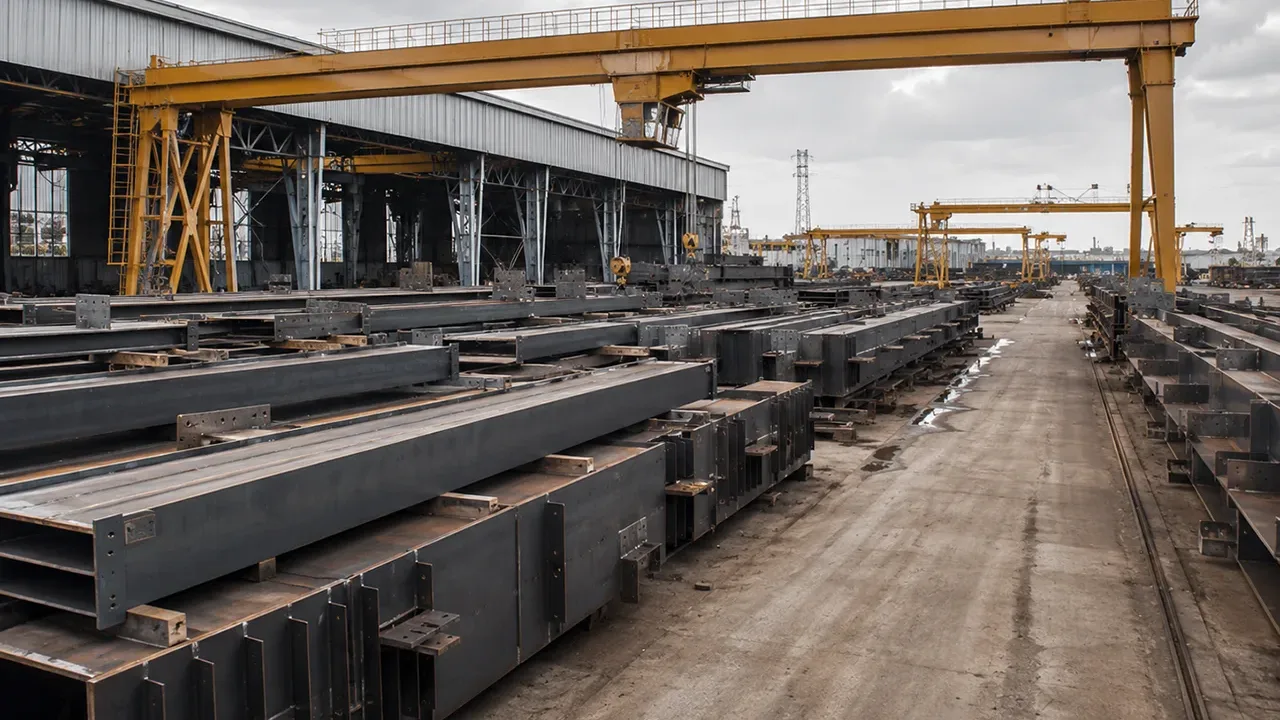
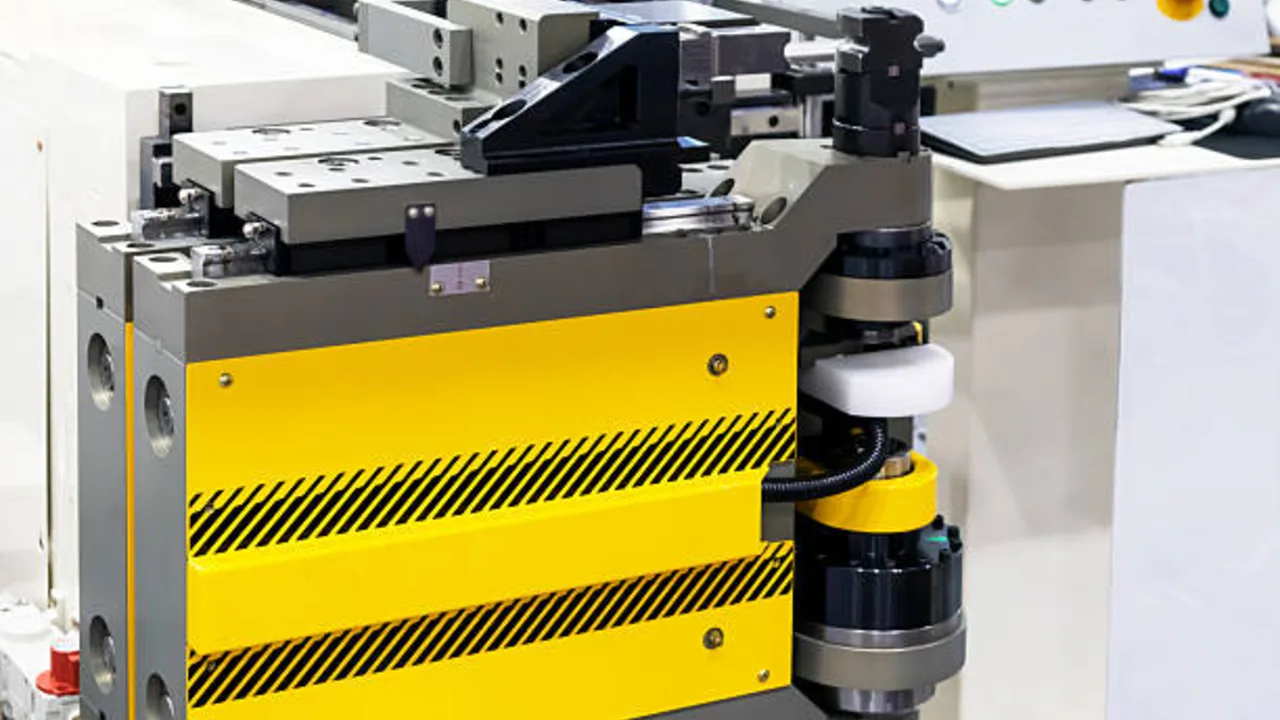
Professional steel companies invest heavily in modern manufacturing facilities and disciplined process control systems to ensure precision, repeatability, and scalability across projects of different sizes and complexities. Manufacturing capability is not only about having large workshops—it is about how effectively production processes are organized, monitored, and continuously improved.
Key indicators of strong manufacturing capability include:
- Advanced CNC cutting, drilling, and automated welding equipment
Modern CNC machines ensure accurate cutting, drilling, and profiling of steel components with minimal tolerance deviation. Automated welding systems improve weld consistency, reduce human error, and enhance productivity, especially in high-volume or repetitive fabrication tasks. - Standardized production workflows
Professional steel companies operate with clearly defined fabrication procedures covering material preparation, cutting, assembly, welding, surface treatment, and inspection. Standardized workflows allow for predictable output quality, easier training of production personnel, and smoother coordination between different production stages. - Capacity to handle heavy or complex steel components
Industrial projects often require large-span beams, heavy columns, or complex assemblies. Companies with strong manufacturing capability are equipped with sufficient lifting capacity, assembly space, and specialized tooling to safely fabricate and handle oversized or high-tonnage components without compromising accuracy or safety. - Clear separation of fabrication, assembly, and finishing areas
Well-organized factories separate cutting, welding, assembly, painting, and finishing zones. This physical separation reduces cross-contamination, improves workflow efficiency, and ensures that each process is executed under controlled conditions suitable for its specific quality requirements.
A controlled manufacturing environment minimizes production variability and reduces the risk of dimensional errors or quality defects. By combining modern equipment with disciplined process control, professional steel companies achieve higher efficiency, consistent product quality, and reliable delivery performance—key factors for meeting the demands of complex steel structure projects.
Project Management and Communication Standards
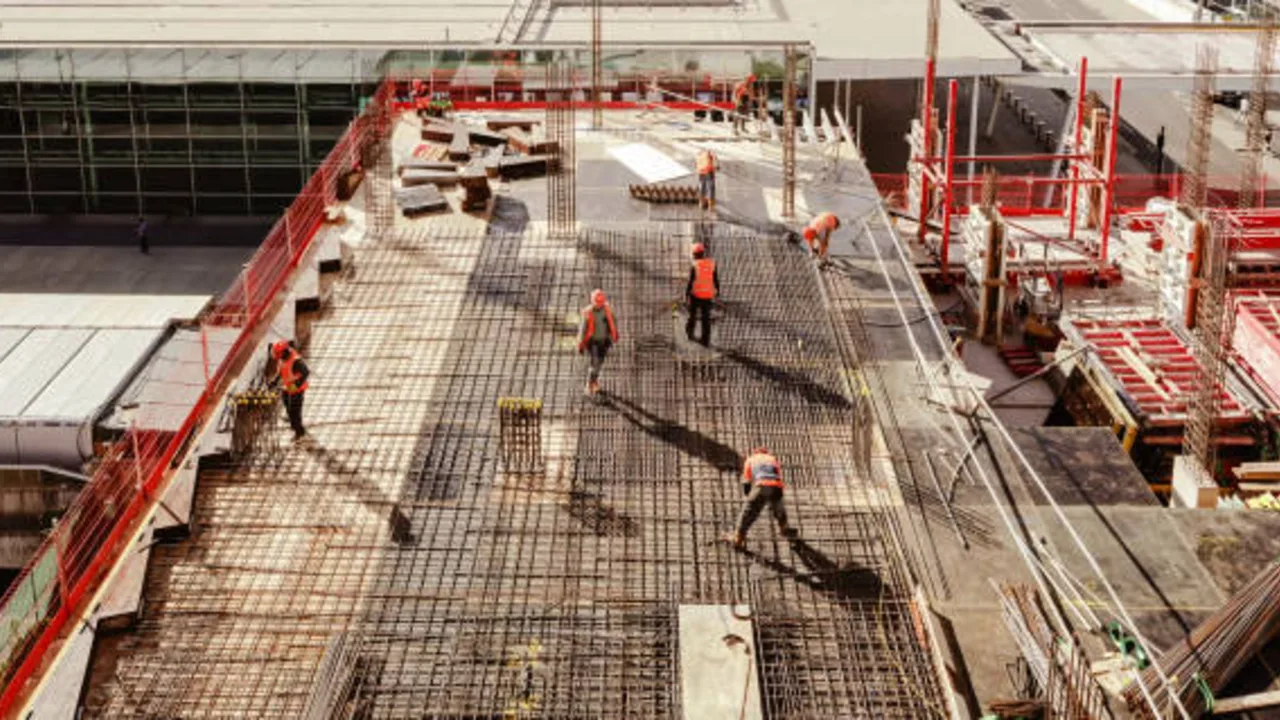
Another defining trait of a professional steel structure company is disciplined project management. This covers:
- Clear production schedules and milestones
- Regular progress reporting
- Structured change management procedures
- Dedicated technical and commercial contact points
Transparent communication allows project teams to anticipate issues early and maintain alignment between fabrication, logistics, and site installation.
Compliance with Standards and Certifications
Professional steel companies demonstrate compliance with recognized standards and codes. While certifications alone do not guarantee quality, they reflect process discipline and accountability.
Typical compliance areas include:
- Quality management systems
- Welding certifications and procedures
- Structural steel design and fabrication codes
- Health, safety, and environmental practices
Consistent compliance reduces regulatory risk and increases confidence for international or large-scale projects.
Supply Chain Stability and Material Control
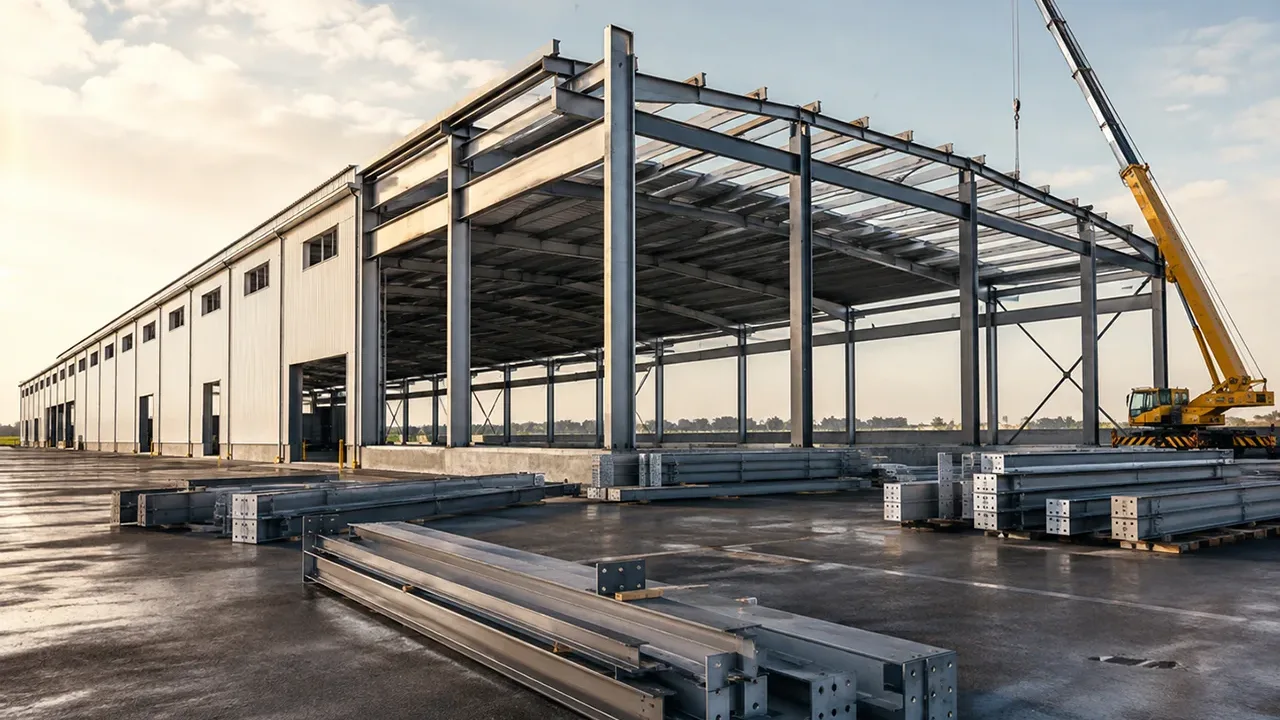
A professional steel structure company maintains stable relationships with steel mills, coating providers, and logistics partners. Effective material control ensures:
- Consistent steel grade compliance
- Traceability from raw material to finished component
- Reduced risk of supply disruptions
Supply chain stability becomes especially important during periods of steel market volatility.
Cost Transparency and Value-Based Pricing
Professional companies focus on value rather than just price. This means:
- Clear cost breakdowns
- Realistic production and delivery timelines
- Reduced hidden costs related to rework or delays
Working with a professional steel structure company in china often results in lower total project cost, even if the initial quotation is not the cheapest.
Risk Management and Continuous Improvement
Professional steel companies actively manage risks throughout the project lifecycle. Common practices include:
- Early technical risk identification
- Internal audits and quality reviews
- Post-project evaluations
- Continuous process improvement initiatives
These practices help organizations refine their systems and improve performance over time.
How to Identify a Professional Steel Structure Company
Identifying a truly professional steel structure company requires more than reviewing marketing materials or headline project lists. Professionalism is demonstrated through systems, behaviors, and documented performance that can be verified during the evaluation process.
When assessing potential partners, stakeholders should look for the following key indicators:
- Demonstrated engineering and QC capability
A professional steel structure company can clearly explain its engineering workflow and quality control procedures. This includes the ability to provide sample shop drawings, welding procedure specifications, inspection records, and quality manuals. Companies with strong engineering and QC capability are transparent about how design intent is translated into fabricated components and how quality is monitored at each production stage. - Transparent communication and documentation
Professional companies communicate clearly, consistently, and proactively. They provide structured production schedules, regular progress updates, and clear documentation covering design coordination, fabrication status, inspection results, and delivery planning. Transparency in communication reduces misunderstandings and allows project teams to make timely decisions based on accurate information. - Relevant project experience
Experience should be evaluated based on relevance, not just volume. A professional steel structure company can demonstrate experience in projects of similar scale, structural complexity, load requirements, and regulatory environments. Case studies, reference projects, and repeat clients are strong indicators of reliable performance and long-term credibility. - Stable manufacturing and supply chain capacity
Manufacturing stability and supply chain control are critical to consistent delivery. Professional companies maintain stable production capacity, qualified subcontractors, and reliable raw material sources. They can explain how they manage capacity planning, material procurement, and logistics to avoid disruptions, especially in fluctuating steel markets.
Beyond these core indicators, stakeholders should also assess how the company responds during technical discussions, risk identification, and problem-solving scenarios. Professional steel structure companies engage collaboratively, provide realistic commitments, and demonstrate accountability throughout the evaluation process.
These indicators together form a practical framework for identifying professionalism based on verified capability and execution reliability—rather than relying solely on marketing claims or price comparisons.
Conclusion: Professionalism as a Strategic Advantage
Professional steel company traits are the foundation of reliable steel structure delivery. Engineering capability, disciplined QC systems, and strong project management distinguish professional steel structure companies from ordinary suppliers.
By selecting partners that demonstrate these traits, developers and contractors can reduce risk, improve construction efficiency, and ensure steel structures that perform reliably throughout their service life.