In the evolving landscape of industrial construction, the debate between steel vs concrete factory buildings continues to shape how companies plan, build, and operate manufacturing facilities. As industries demand faster construction, cost efficiency, and sustainable design, many are rethinking whether to stick with traditional concrete or switch to modern steel structure factory solutions.
While both materials serve the same purpose—creating strong, reliable factory infrastructure—their differences in performance, flexibility, and long-term costs are profound. This comparison explores every aspect that matters: cost, timeline, durability, and overall value for the modern manufacturing sector.
Understanding the Core Differences
Structural Composition
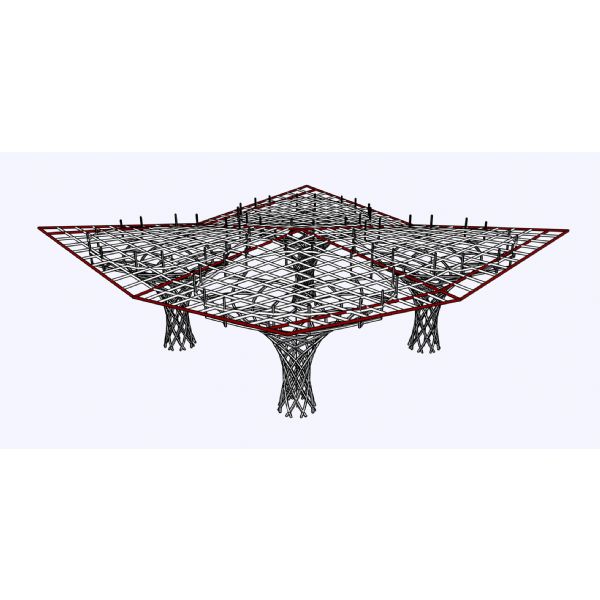
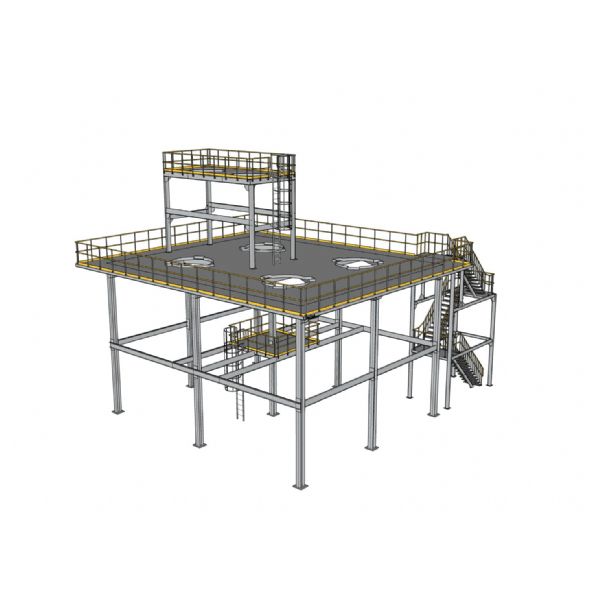
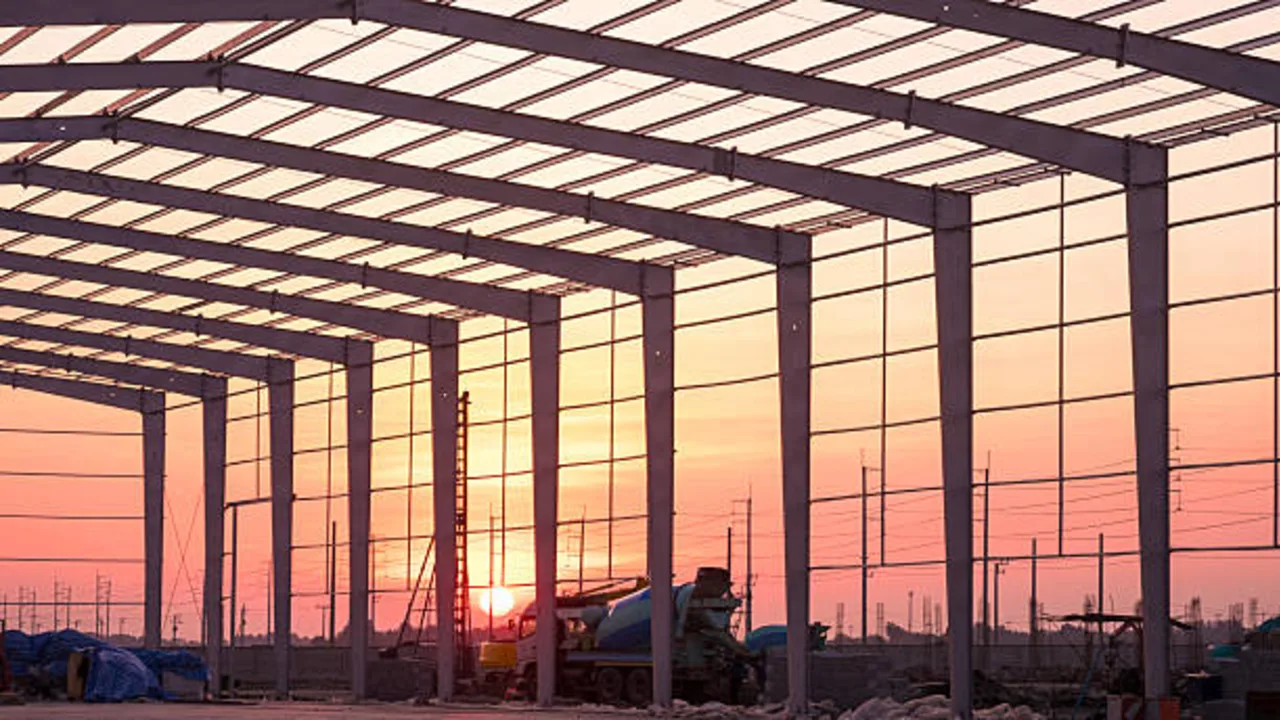
At the heart of steel vs concrete factory buildings lies their structural DNA. A steel factory building relies on prefabricated steel columns, beams, and trusses, fabricated off-site under controlled conditions. In contrast, a concrete factory depends on cast-in-place or precast concrete elements that are assembled and cured on-site. The difference significantly impacts construction time, quality consistency, and adaptability.
Steel’s high strength-to-weight ratio allows for large spans and open spaces—perfect for production lines and heavy machinery layouts. Concrete, on the other hand, offers mass and rigidity but limits interior flexibility due to thicker walls and supporting columns.
Load Bearing and Design Flexibility
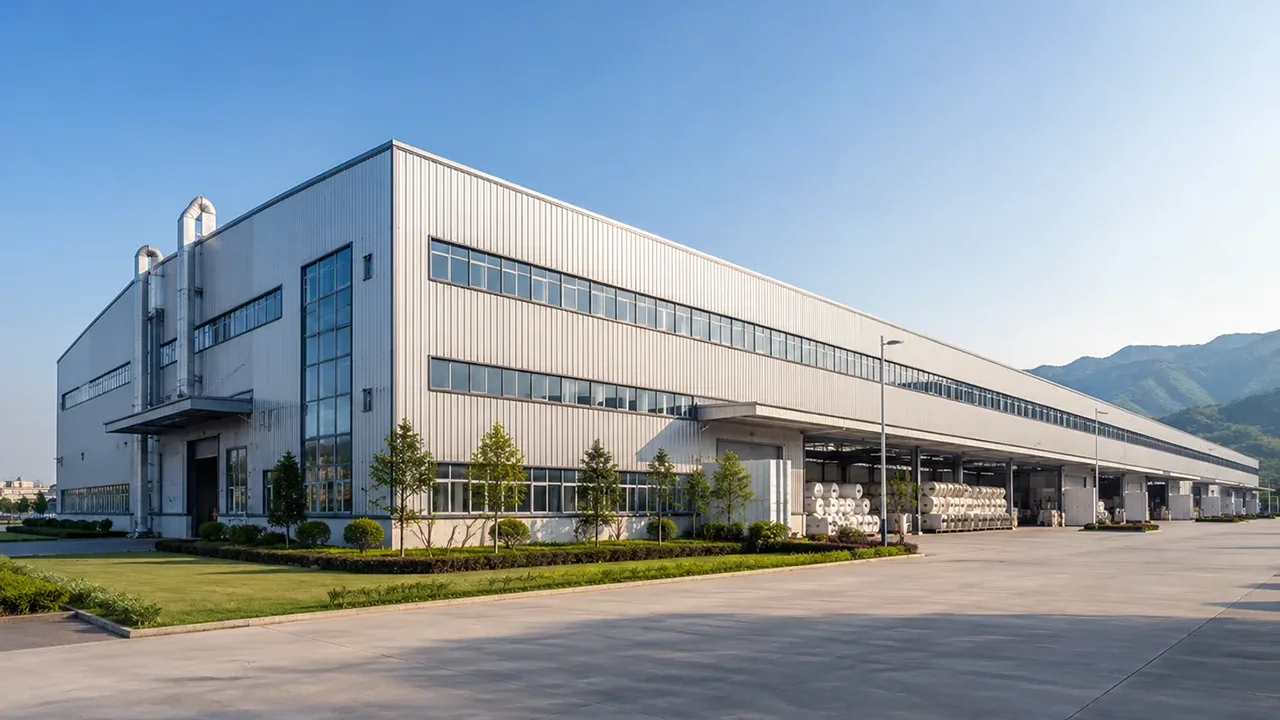
One of the most notable advantages of steel structures is their ability to create wide, column-free spaces. A typical steel structure factory can achieve clear spans exceeding 30 meters, ideal for cranes, conveyors, or robotic systems. This open design also simplifies future expansions, allowing companies to extend or modify their facilities with minimal disruption.
Concrete buildings, however, are often constrained by load-bearing walls and heavy foundations, making modifications more expensive and time-consuming. This flexibility gap is a primary reason many industrial developers are transitioning to steel frameworks.
Cost Comparison: Steel vs Concrete Factory Buildings
Initial Construction Cost
When comparing steel vs concrete factory buildings, cost is the first major factor investors evaluate. The initial cost of a steel factory may seem slightly higher per ton due to material fabrication and surface protection, but it saves substantially in labor and time. Concrete, though cheaper in raw material, requires more on-site labor, longer curing periods, and complex formwork—factors that quickly inflate total project cost.
For example, a 10,000 m² steel factory might cost 10–15% less overall once labor, equipment, and project timeline are considered. Prefabrication ensures predictable expenses and reduces waste—something concrete projects often struggle with.
Long-Term Operating Cost
Durability and energy efficiency make a big difference in long-term performance. Steel buildings can be insulated more efficiently, integrate skylights for natural lighting, and use reflective roofing to minimize heat gain. These design advantages reduce energy consumption by up to 20% compared to traditional concrete factories.
Maintenance also plays a major role. Steel requires periodic coating or paint to prevent corrosion, but these are low-cost and infrequent. Concrete structures, meanwhile, face recurring issues such as cracking, water seepage, and spalling, which can demand costly repairs over decades of operation.
Comparative Cost Breakdown
| Cost Factor | Steel Factory Building | Concrete Factory |
|---|---|---|
| Material Cost | Moderate (Prefabricated steel) | Lower (Raw concrete) |
| Labor Cost | Low (Quick assembly) | High (On-site casting) |
| Construction Time | Short (Prefabricated installation) | Long (Curing and formwork) |
| Maintenance | Low (Repainting every 10 years) | Moderate–High (Repairs, cracking) |
| Lifecycle Cost | Low | High |
Timeline and Construction Efficiency
Speed of Construction
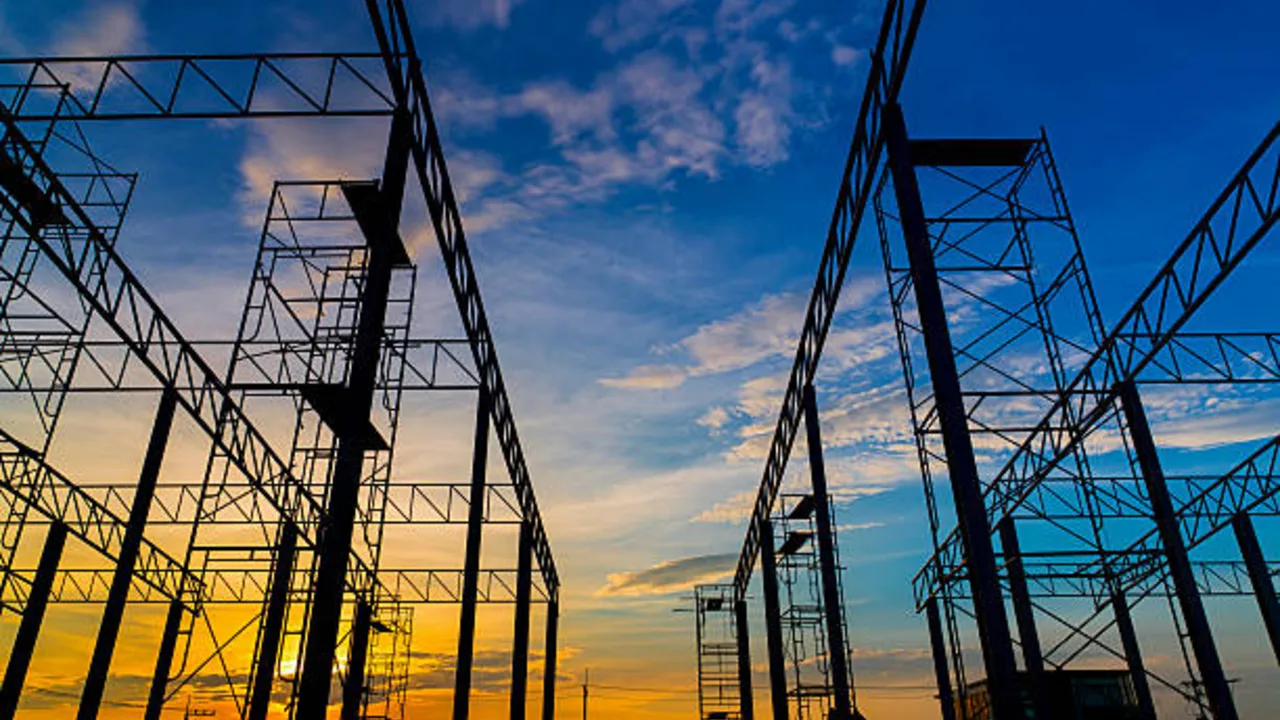
Speed remains one of the strongest arguments for choosing steel over concrete. With off-site fabrication, structural members arrive ready to install, drastically shortening the erection phase. A medium-sized steel factory can be completed in 3–4 months, while a similar concrete facility often takes 6–9 months.
For manufacturers racing to expand capacity or start production, this time difference translates to significant financial savings and faster ROI. The ability to pre-engineer and preassemble parts also ensures higher precision and fewer errors during installation.
Site Logistics and Labor Efficiency
Because steel components are prefabricated, on-site work mainly involves bolting and welding—clean, organized, and less weather-dependent. Concrete projects, conversely, require heavy formwork, curing processes, and a larger workforce exposed to variable site conditions. This adds not only time but also risk and unpredictability.
Project Duration Comparison
| Construction Stage | Steel Factory | Concrete Factory |
|---|---|---|
| Design & Engineering | 2–4 weeks | 3–5 weeks |
| Fabrication/Production | 4–6 weeks (off-site) | — |
| Site Preparation | 1–2 weeks | 1–2 weeks |
| Erection/Assembly | 4–6 weeks | 8–12 weeks |
| Total Duration | 3–4 months | 6–9 months |
These efficiencies show that steel isn’t just a construction material—it’s a project delivery strategy that aligns perfectly with modern manufacturing’s need for speed and scalability.
Durability and Structural Performance
Weather and Corrosion Resistance
Modern steel vs concrete factory buildings use advanced coatings, galvanization, and fireproofing layers to withstand humidity, corrosion, and heat. In coastal or high-humidity areas, galvanized or epoxy-coated steel ensures decades of reliable performance. Concrete, while naturally fire-resistant, is vulnerable to water intrusion and freeze–thaw cycles that cause cracking over time.
Earthquake and Wind Resistance
Steel structures are engineered with flexibility, allowing them to absorb and dissipate seismic energy efficiently. Concrete, due to its rigidity, can suffer structural damage during strong tremors. For factories located in earthquake-prone regions, the choice of steel provides both safety and peace of mind.
Additionally, steel’s lighter weight reduces foundation loads, lowering the risk of settlement or differential movement—another long-term advantage over concrete.
Maintenance and Longevity
Another vital factor when comparing steel vs concrete factory buildings is maintenance and lifespan. Steel structures, when properly protected, can last over 50 years with minimal degradation. Routine maintenance, such as repainting every decade, helps prevent corrosion and ensures structural integrity. The precision of prefabrication also means connections are tight, minimizing exposure to weather and reducing long-term issues.
Concrete factories, while strong in compression, face gradual deterioration. Cracks form due to shrinkage, thermal expansion, or foundation movement. Over time, these allow moisture to penetrate, corroding reinforcement bars (rebar) and compromising the structure’s durability. Repairing these damages can be costly, especially when factory operations cannot be halted for maintenance work.
From a lifecycle perspective, steel often outlasts concrete with lower repair frequency and better structural predictability—translating into stronger long-term ROI for investors.
Sustainability and Environmental Impact
Carbon Footprint and Energy Efficiency
In today’s environmentally conscious market, sustainability is no longer optional. Comparing steel vs concrete factory buildings through a green lens reveals that steel, despite its energy-intensive production, is largely recyclable and reusable. Up to 90% of structural steel can be recycled without losing strength, drastically reducing waste from decommissioned buildings.
Concrete, by contrast, carries a heavy carbon footprint due to cement production—responsible for approximately 8% of global CO₂ emissions. Once a concrete structure reaches the end of its life, demolition generates large volumes of rubble that are difficult to recycle efficiently.
Steel’s modularity also supports adaptive reuse. When manufacturers move or expand, a steel structure factory can often be disassembled, transported, and rebuilt elsewhere—something impossible with traditional concrete facilities.
Reusability and Waste Reduction
Prefabricated steel elements fit neatly into sustainability goals. Every beam and column is cut to precise dimensions, minimizing waste. Off-site fabrication also means less on-site pollution, noise, and dust—key benefits for urban or environmentally sensitive zones. Concrete, however, still depends on site mixing, which can create runoff and require extensive cleanup after pouring operations.
Case Studies from Global Manufacturing Projects
Modern Steel Factory Examples
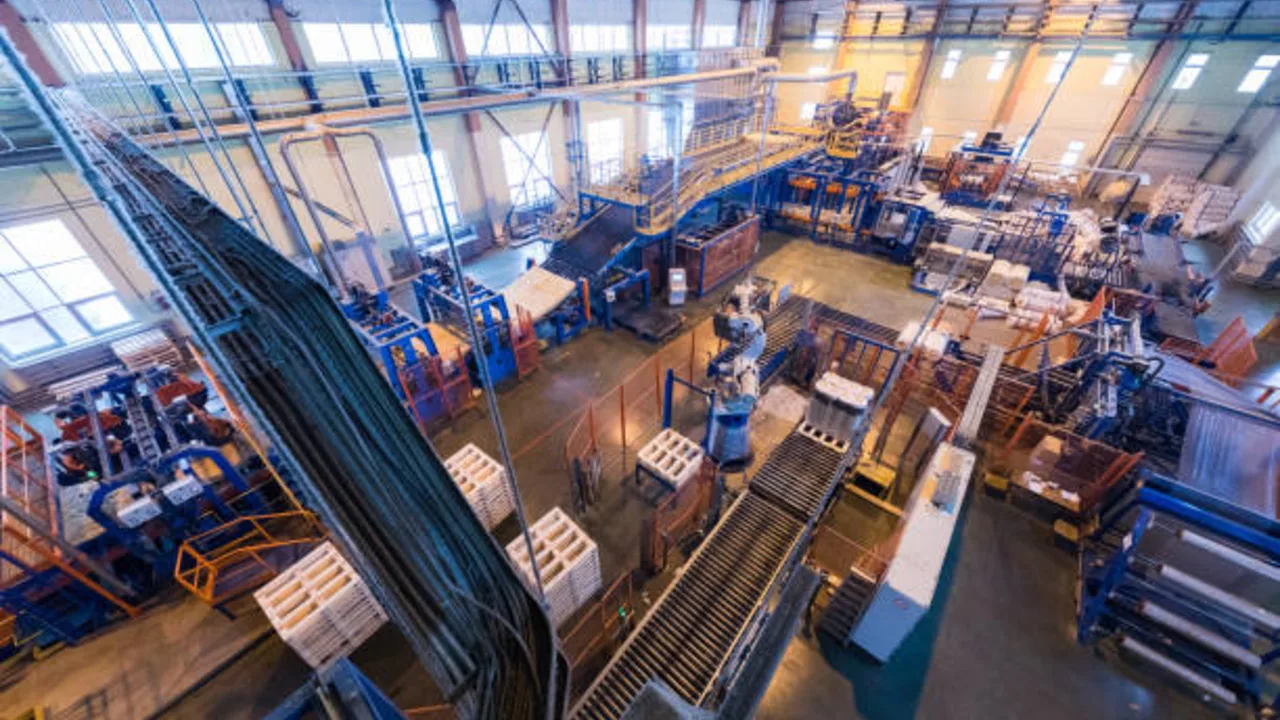
Across Asia, Europe, and the Middle East, manufacturers are increasingly investing in steel-based facilities. For instance, automotive assembly plants, electronics factories, and logistics hubs now favor steel designs because of their scalability and rapid assembly. Companies like XTD Steel Structure in China have completed hundreds of large-scale steel structure factory projects using pre-engineered systems optimized for export markets.
These projects demonstrate how prefabrication shortens build times while maintaining consistent quality control—critical in global supply chains that can’t afford delays.
Traditional Concrete Factory Cases
Some heavy industries, particularly those dealing with high-temperature processes (such as smelting or foundries), still rely on concrete for its thermal mass and fire resistance. However, as fireproofing and composite cladding technologies evolve, even these sectors are gradually integrating steel frameworks combined with insulated panels for better performance.
Lessons Learned from the Field
- Steel offers unmatched speed: Most industrial developers can begin production months earlier compared to concrete builds.
- Durability through engineering: Anti-corrosion coatings and smart design improve longevity even in coastal climates.
- Lower total cost of ownership: Fewer repairs and shorter downtimes make steel facilities financially superior in the long run.
When to Choose Steel vs Concrete
Decision Factors for Developers
Choosing between steel vs concrete factory buildings depends on your project’s goals, budget, and location. For projects where speed, flexibility, and scalability are priorities, steel is the logical choice. When thermal mass, noise reduction, or local regulation favors concrete, then traditional methods may still apply.
That said, hybrid models—using concrete for foundations and steel for the superstructure—are becoming popular in modern industrial design, combining the best of both materials.
Decision Matrix: Steel vs Concrete
| Factor | Steel Factory Building | Concrete Factory Building |
|---|---|---|
| Construction Speed | Fast (Prefabricated, dry assembly) | Slow (Curing time required) |
| Initial Cost | Moderate (balanced material/labor) | Low material, high labor |
| Durability | High (coating protection) | Moderate (cracks, water damage) |
| Maintenance | Low (repainting every 10 years) | High (repairs, waterproofing) |
| Environmental Impact | Recyclable, low waste | High CO₂ footprint |
| Design Flexibility | Excellent (expandable layout) | Limited (fixed walls, load-bearing) |
Conclusion
After evaluating cost, timeline, and durability, it’s clear that steel vs concrete factory buildings are not equal contenders. Steel factories deliver faster construction, lighter environmental impact, and long-term financial advantages that make them the smarter choice for modern manufacturers.
Concrete still has its place in niche applications, but as industrial design evolves, steel continues to lead the future of sustainable and efficient factory construction. Whether you’re building a new plant or expanding an existing one, investing in a steel structure factory ensures resilience, flexibility, and superior value for decades to come.
For readers interested in learning more about material performance and design history, explore related resources such as Concrete on Wikipedia.