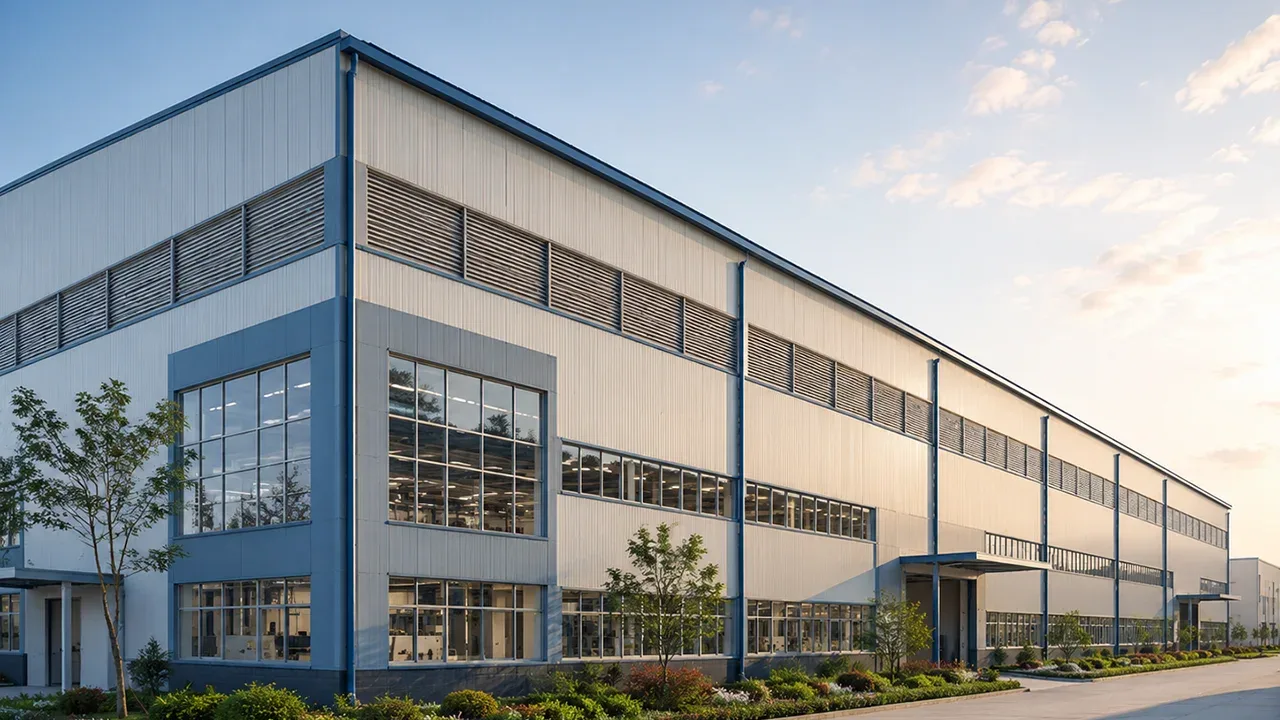
As global manufacturing demand continues to evolve, many industrial operators are facing a common challenge: how to expand existing facilities without disrupting operations or inflating long-term costs. In this context, steel factories have a clear advantage due to the flexibility and scalability of steel structure systems.
Steel factory expansion planning is no longer just about adding floor area. It involves anticipating future production needs, structural loads, equipment upgrades, and operational changes. A well-planned expansion strategy allows steel factories to grow efficiently while protecting their initial investment and maintaining operational continuity.
This article explores key considerations in expansion planning for modern industrial steel factories, with a focus on future load requirements, modular design strategies, and practical planning approaches that support long-term growth.
Understanding Steel Factory Expansion Planning
Steel factory expansion planning refers to the strategic process of designing and preparing industrial steel buildings for future growth. Unlike conventional factory buildings, steel structure factories can be engineered from the outset to accommodate extensions, additional floors, heavier machinery, or changes in production layout.
Effective expansion planning considers not only current operational needs but also long-term business objectives. By integrating expansion potential into the original design, factory owners can reduce downtime, avoid costly structural modifications, and respond more quickly to market opportunities.
Key objectives of expansion planning include:
- Minimizing disruption to ongoing production
- Reducing future construction costs
- Ensuring structural safety under increased loads
- Maintaining flexibility for layout and process changes
Evaluating Future Load Requirements
One of the most critical aspects of steel factory expansion planning is accurately forecasting future load demands. Industrial facilities often evolve over time, adding heavier equipment, automated production lines, overhead cranes, or mezzanine platforms.
Future load considerations typically include:
- Increased equipment weight and dynamic loads
- Additional crane capacity or extended crane runways
- Potential multi-level platforms or mezzanines
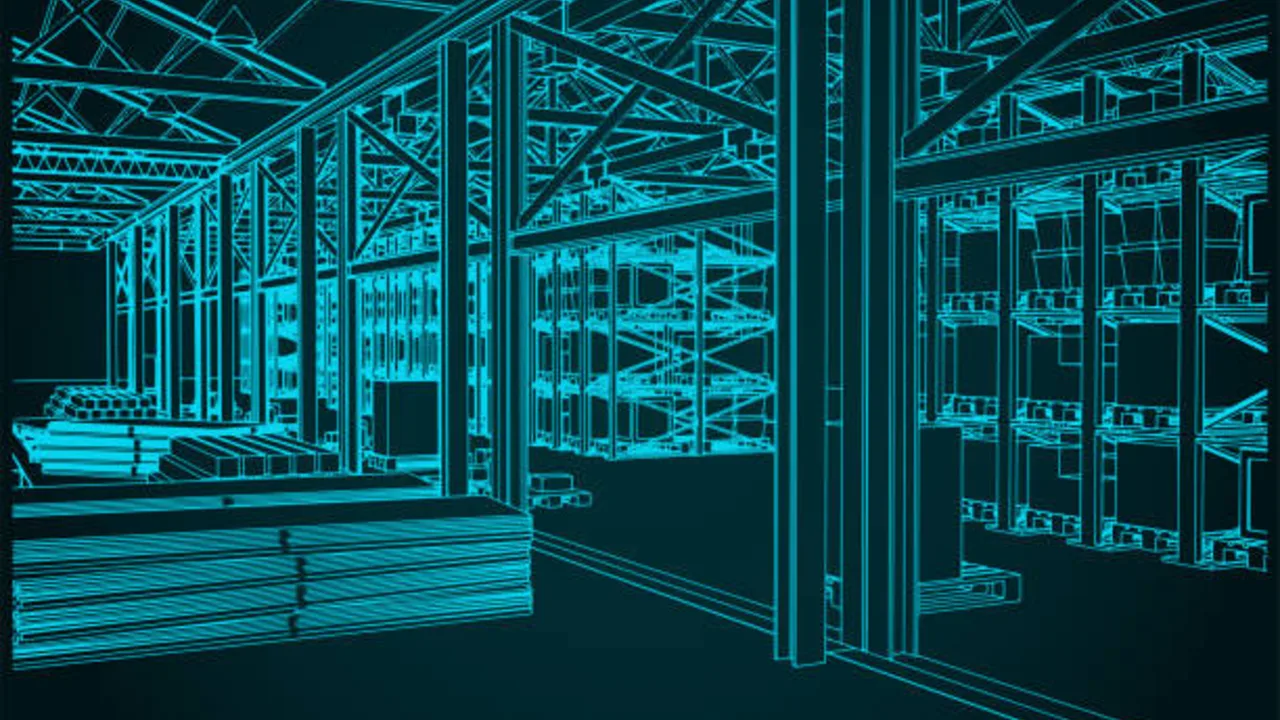
- Higher storage loads for raw materials and finished goods
Designing the primary steel frame with reserve load capacity allows future upgrades to be implemented without reinforcing columns, foundations, or roof systems. This forward-looking approach significantly reduces both cost and construction time during expansion phases.
Modular Design as a Foundation for Expansion
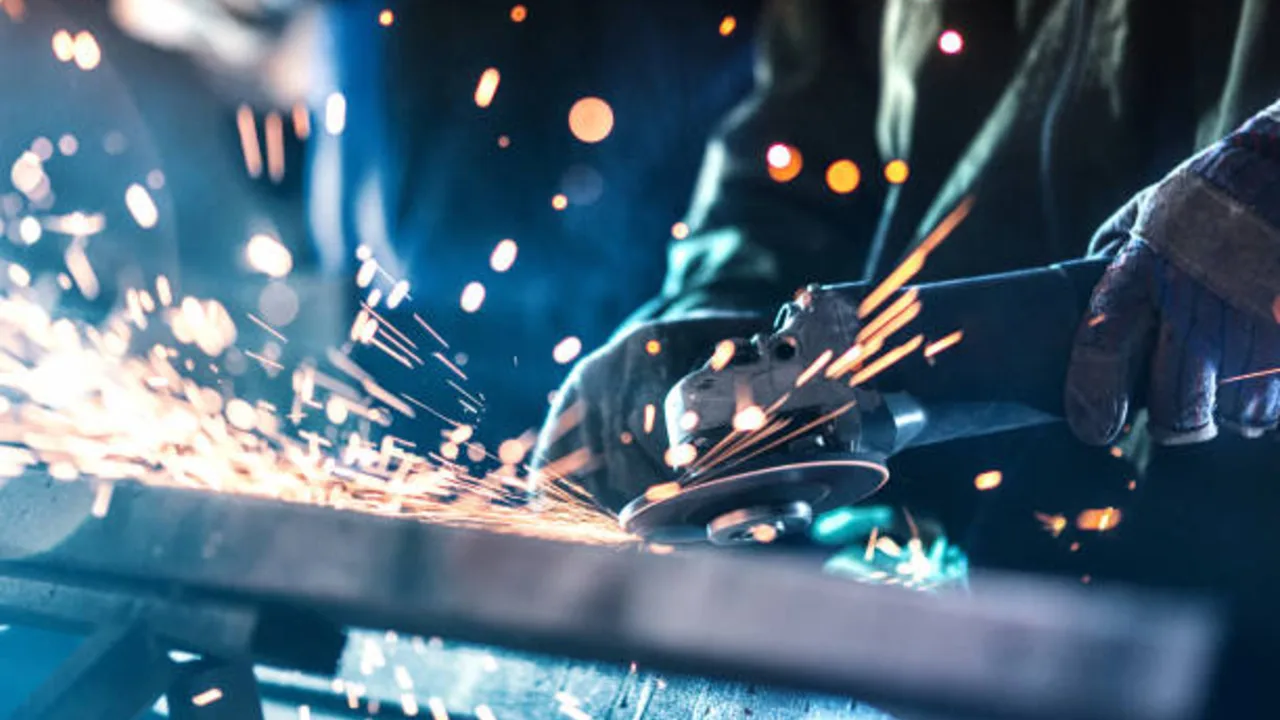
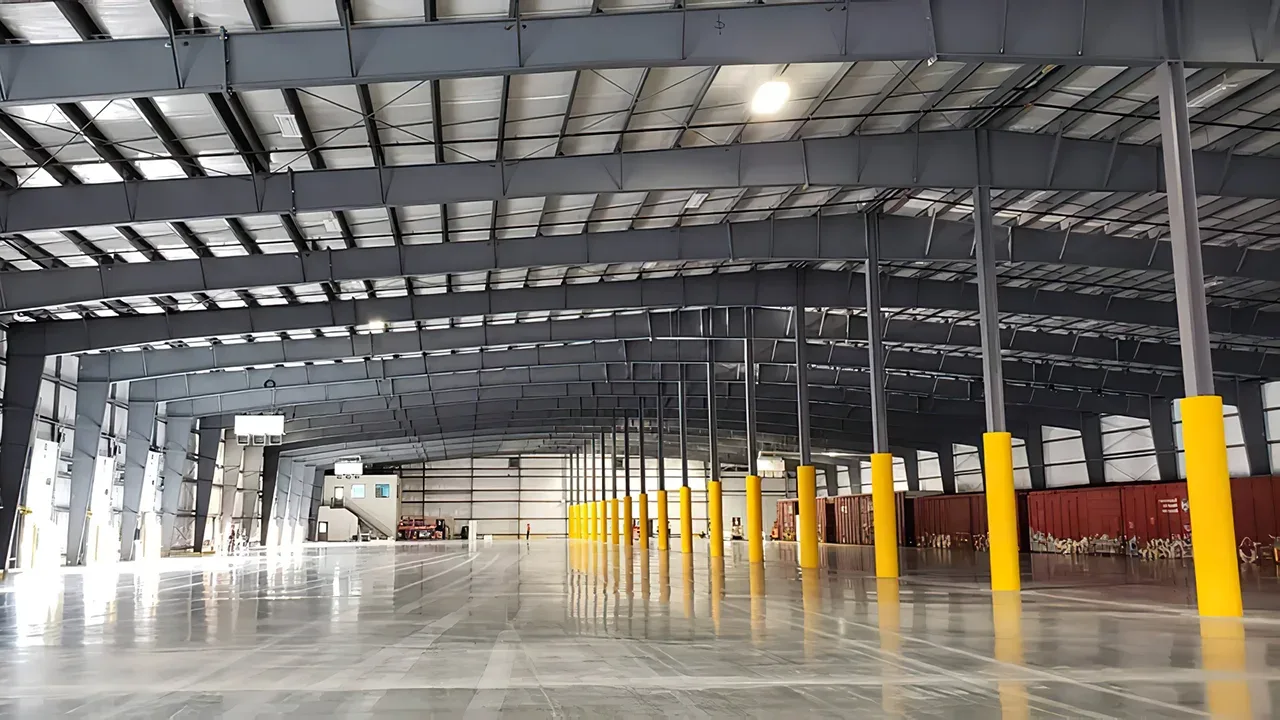
Modular design plays a central role in scalable steel factory development. By using standardized structural grids, repeatable bay sizes, and bolted connections, steel factories can be expanded horizontally or vertically with minimal disruption.
Key modular design principles include:
- Uniform column spacing for easy bay extension
- Standardized beam and connection details
- Provision for future wall and roof panel removal
- Expandable crane and service zones
Modular systems allow new sections to be fabricated off-site and installed quickly, helping factories maintain productivity while expansion work is carried out.
Site Layout and Expansion Direction Planning
Expansion planning should also consider the physical constraints and opportunities of the factory site. Available land, access roads, utility connections, and zoning regulations all influence how and where a steel factory can grow.
Common expansion strategies include:
- End-bay extensions along the length of the factory
- Side-bay additions to increase floor width
- Vertical expansion using mezzanine or platform systems
- Phased expansion aligned with production growth
Early site planning ensures that future extensions integrate smoothly with existing structures and logistics flows.
Structural and Foundation Considerations
A successful steel factory expansion depends on the ability of the existing structural system and foundations to safely support additional loads and future modifications. Unlike greenfield projects, expansion work must respect the limitations of existing buildings while ensuring that new loads do not compromise structural integrity or operational safety. For this reason, structural and foundation planning should be addressed as early as the initial factory design stage.
In well-planned steel factories, foundations are often intentionally oversized or strategically reinforced to accommodate future columns, extended bays, heavier machinery, or vertical expansion. This forward-thinking approach allows additional structures to be integrated with minimal disruption, avoiding costly demolition or invasive retrofitting later in the factory’s lifecycle.
Key structural and foundation considerations include:
Foundation bearing capacity and settlement limits
The existing foundation must be capable of supporting increased vertical loads without excessive settlement. Geotechnical conditions, soil bearing capacity, and long-term settlement behavior should be evaluated to confirm that future expansions will not introduce uneven movement or structural distress. In some cases, foundations are designed with higher safety margins to allow for future load increases.
Column and beam reserve strength
Primary structural members such as columns and beams should be assessed for reserve load capacity. Designing these elements with additional strength enables the factory to support heavier equipment, additional floors, or extended crane systems without structural reinforcement. Reserve strength also provides flexibility for layout changes and process upgrades over time.
Lateral stability systems for extended structures
As factories expand horizontally or vertically, lateral loads from wind, seismic forces, and crane operations increase. Bracing systems, moment frames, or shear walls must be planned to ensure global stability of both existing and new structures. Continuity between old and new lateral systems is essential to prevent uneven load distribution or excessive deformation.
Compatibility of old and new structural components
Successful expansion requires seamless integration between existing structures and newly added steelwork. Differences in structural systems, connection details, material grades, or design codes must be carefully managed to ensure compatibility. Proper detailing of connections between old and new components helps maintain load transfer efficiency and structural performance.
Proper structural planning reduces uncertainty during future expansion stages and protects the long-term value of the facility. By accounting for foundation capacity, structural reserve strength, and system compatibility from the outset, factory owners can avoid intrusive foundation retrofits, minimize downtime, and implement expansions in a faster, safer, and more cost-effective manner.
Integrating Utilities and Building Services
Expansion planning is not limited to structural systems alone. Electrical, mechanical, and fire protection systems must also be designed with future capacity in mind.
Typical utility planning measures include:
- Oversized cable trays and service corridors
- Expandable power distribution systems
- Flexible HVAC zoning
- Scalable fire protection layouts
Aligning building services with expansion goals prevents bottlenecks that could otherwise limit factory growth.
Cost Efficiency and Phased Investment
One of the advantages of steel factory expansion planning is the ability to phase investment over time. Instead of committing to a large upfront capital expenditure, factories can expand incrementally as demand increases.
Cost benefits of phased expansion include:
- Lower initial construction costs
- Improved cash flow management
- Reduced risk of overbuilding
- Better alignment with market demand
By planning expansion in stages, factory owners maintain financial flexibility while ensuring readiness for future growth.
Working with the Right Steel Structure Partner
Successful expansion planning depends heavily on early collaboration with experienced steel structure specialists. A capable partner can assess future needs, optimize structural design, and ensure compatibility between existing and future factory phases.
Choosing a reliable china steel structure factory building partner enables manufacturers to benefit from integrated design, fabrication, and construction expertise, reducing risk and improving long-term performance.
Conclusion: Building Steel Factories for Long-Term Growth
Modern industrial steel factories must be designed not only for current production but also for future expansion. Through careful steel factory expansion planning, manufacturers can anticipate future load requirements, apply modular design principles, and minimize disruption during growth phases.
By integrating expansion readiness into the initial factory design, businesses gain the flexibility to scale efficiently, control costs, and remain competitive in a rapidly changing industrial landscape.