Overview of Steel Structure Construction
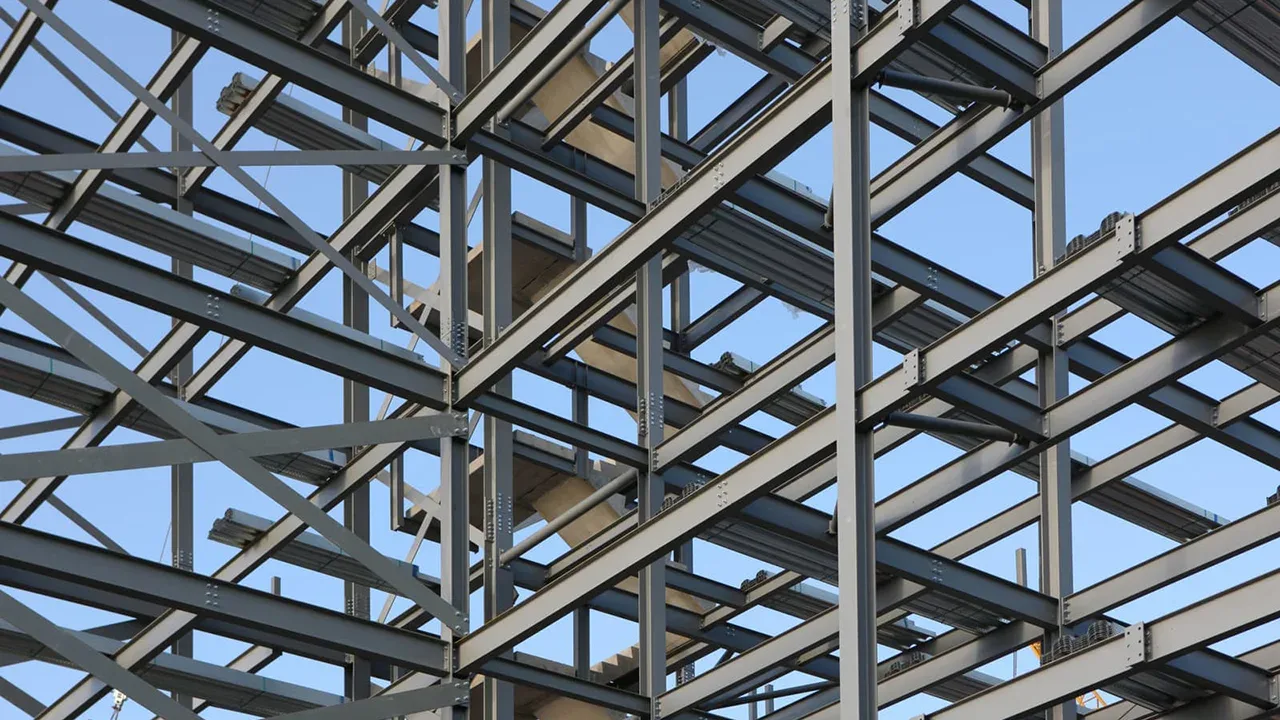
In modern engineering projects, steel structure construction refers to the complete process of designing, fabricating, transporting, and erecting structural steel frameworks used in buildings and infrastructure. The process combines structural engineering, manufacturing technology, and site installation to create durable and efficient structures.
Steel structures are widely used because they provide several advantages over conventional building methods. Their lightweight yet high-strength characteristics allow engineers to design buildings with large spans and high ceilings while maintaining structural stability.
In addition, steel construction allows a significant portion of the building components to be manufactured in factories before arriving at the project site. This prefabrication approach reduces on-site labor requirements and improves overall project coordination.
Key Components of Steel Structure Construction
Structural Steel Framework
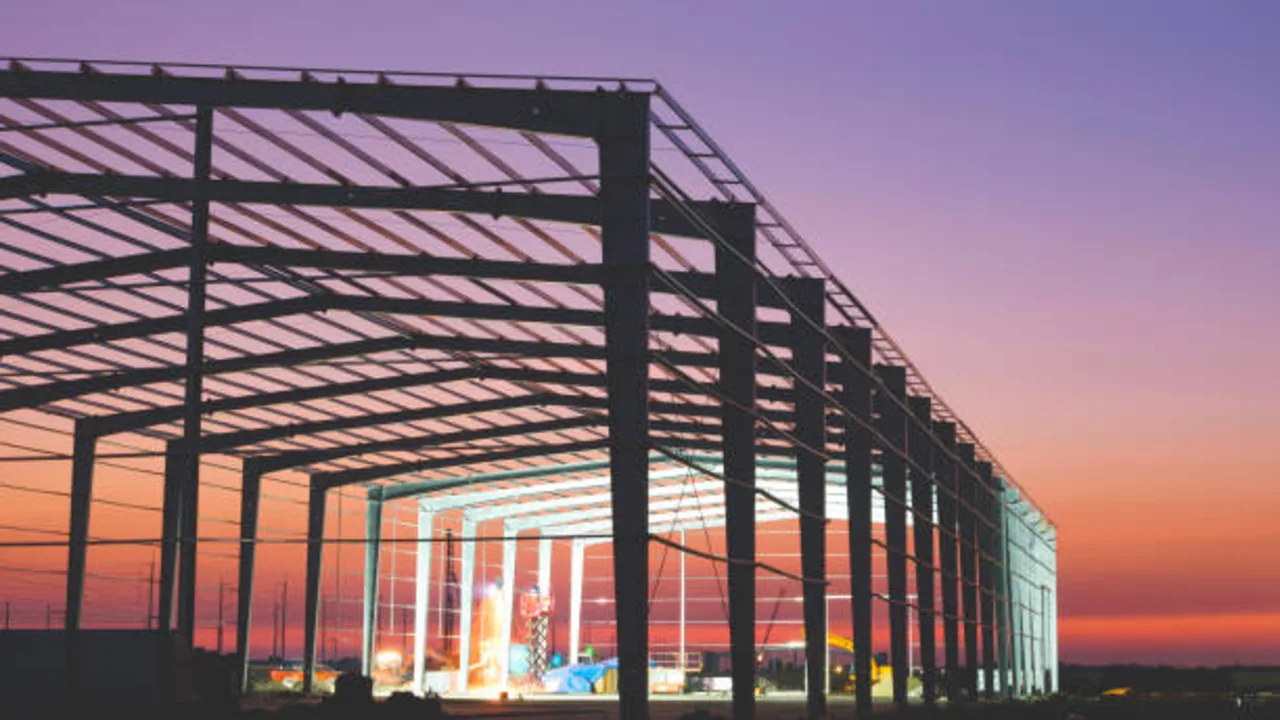
The structural framework is the primary load-bearing system of a steel building. It typically consists of steel columns, beams, and bracing systems that work together to transfer loads safely to the building foundation.
Columns support vertical loads from the roof and upper structural elements, while beams distribute loads horizontally across the building frame. Bracing systems provide additional stability by resisting lateral forces such as wind or seismic activity.
Proper design and installation of the structural frame are essential for ensuring the safety and long-term performance of the building.
Roof and Cladding Systems
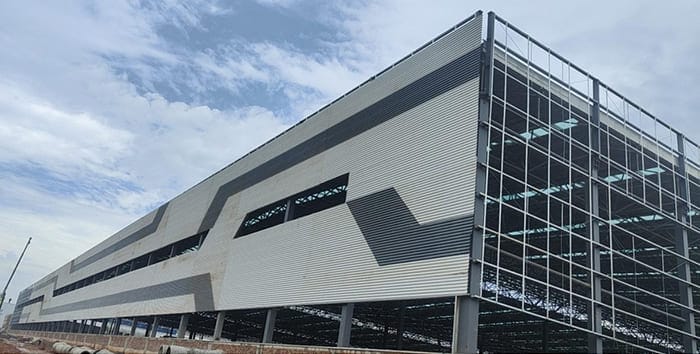
In addition to the structural frame, building envelopes play a critical role in steel structure construction. Roof panels and wall cladding systems protect the building interior from environmental conditions while also contributing to the overall structural stability.
Modern roofing and cladding systems often incorporate insulated sandwich panels or metal sheets designed for durability and thermal performance. These materials help maintain interior environmental conditions while improving energy efficiency.
Structural Connections
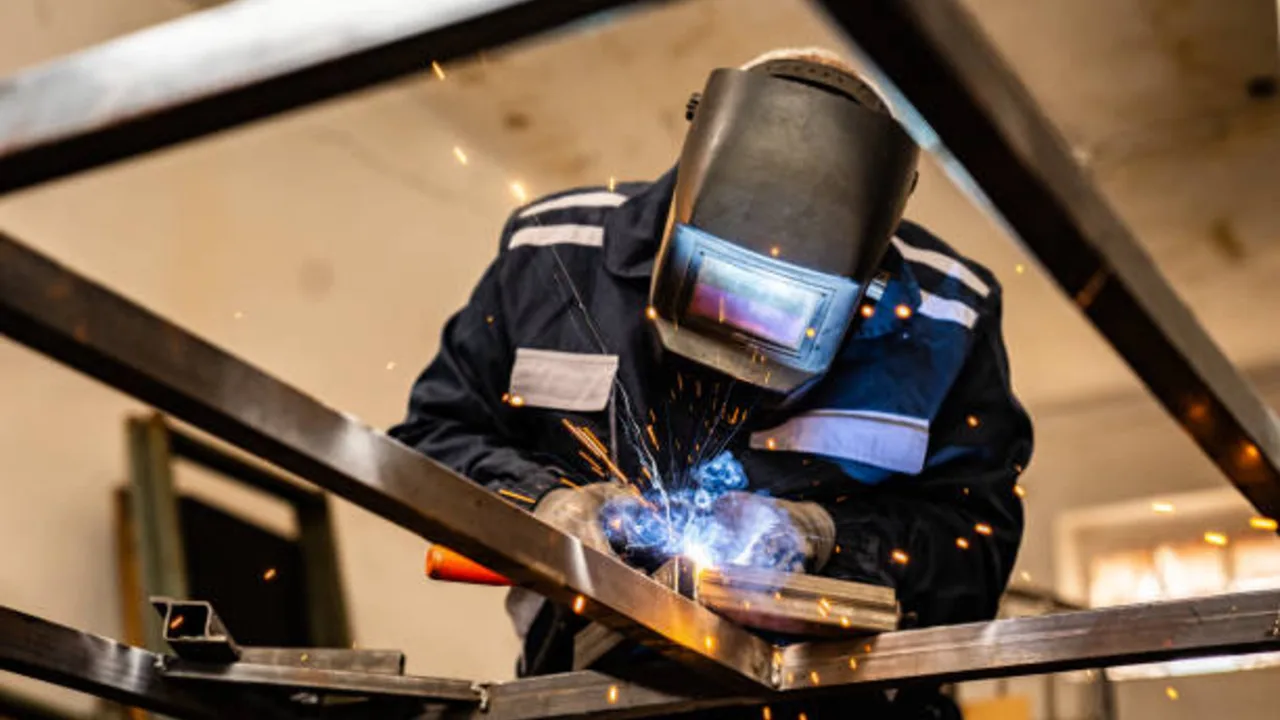
Connections are essential elements in steel construction because they transfer loads between structural components. In most projects, connections are achieved through high-strength bolts or specialized welding techniques.
Bolted connections are commonly used for rapid on-site assembly, while welded joints are typically applied in factory fabrication processes. Careful engineering and inspection ensure that all connections meet structural safety requirements.
Engineering Design in Steel Structure Construction
Structural Analysis and Load Design
Engineering design is a critical phase in any steel construction project. Structural engineers analyze the loads that the building will experience during its lifetime and design the structure accordingly.
Common design considerations include:
- Wind load resistance
- Seismic load performance
- Snow load capacity
- Operational equipment loads
Through careful analysis, engineers ensure that the steel framework can safely support all expected loads.
Building Modeling and BIM Coordination
Digital modeling technologies have become an essential part of modern steel construction. Building Information Modeling (BIM) allows engineers, architects, and construction teams to coordinate complex building systems before construction begins.
Three-dimensional modeling improves accuracy in fabrication drawings and helps prevent potential installation conflicts on site.
Compliance with Engineering Standards
Steel construction projects must comply with regional and international engineering codes. These standards regulate material specifications, structural safety requirements, and construction practices.
Common structural standards used in global projects include American, European, and Chinese design codes. Compliance with these standards ensures that buildings achieve the required level of safety and reliability.
Construction Process of Steel Structure Buildings
Structural Fabrication and Prefabrication
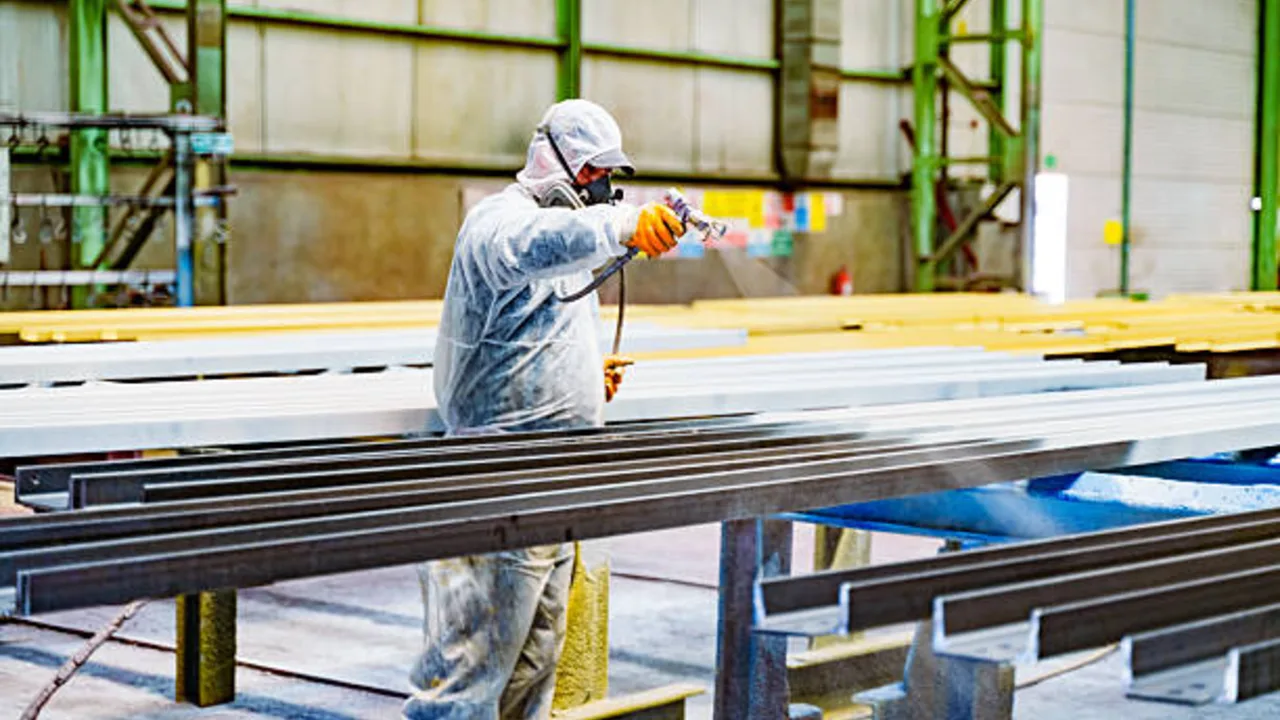
One of the defining features of steel structure construction is the use of factory-based fabrication. Steel plates and structural profiles are processed in specialized manufacturing facilities where they are cut, drilled, welded, and assembled according to engineering drawings.
Factory fabrication improves precision and reduces construction errors that may occur in traditional on-site construction processes.
Transportation and Site Logistics
Once structural components are completed, they are packaged and transported to the construction site. Logistics planning is critical to ensure that the components arrive in the correct sequence required for installation.
Efficient transportation and handling help reduce construction delays and maintain project schedules.
On-Site Steel Structure Erection
The erection phase involves assembling the structural steel framework on the project site. Installation typically begins with columns, followed by beams and roof structures.
During this process, construction teams carefully align the structural components and secure them using high-strength bolts or welding connections. Precision during this stage is essential for maintaining structural stability.
Applications of Steel Structure Construction
Industrial Buildings
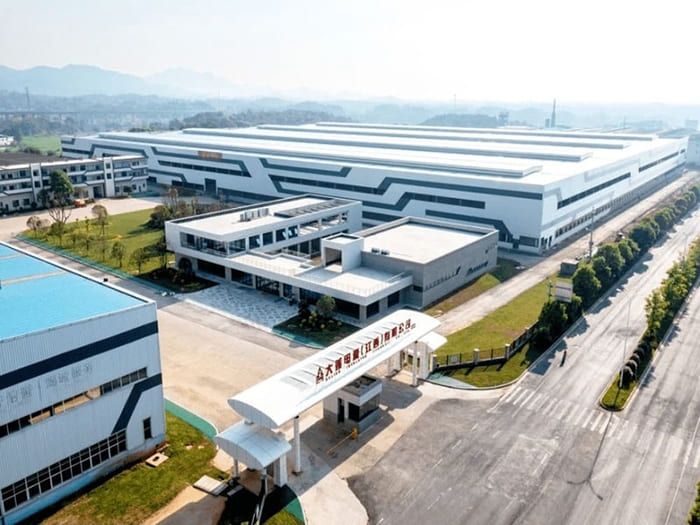
Industrial facilities such as factories and production workshops frequently rely on steel structures because of their large-span capabilities and flexible interior layouts.
These buildings must accommodate heavy equipment, overhead cranes, and production lines while maintaining structural safety.
Warehouses and Logistics Centers
Modern logistics facilities require large open spaces that can support automated storage systems and high-density shelving. Steel construction allows engineers to design wide interior spans with minimal columns, improving warehouse efficiency.
Commercial and Infrastructure Buildings
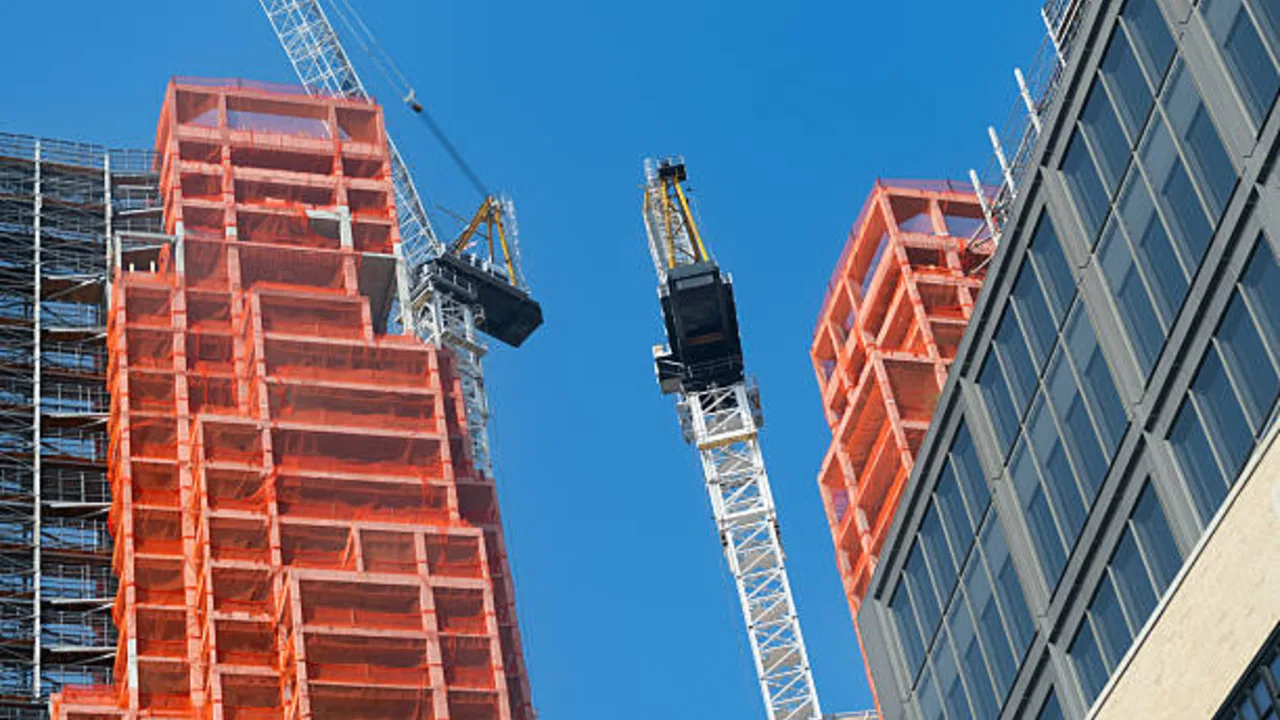
Steel structures are also widely used in commercial and public infrastructure projects, including exhibition centers, transportation terminals, and large public venues.
The flexibility of steel allows architects to design complex building forms while maintaining structural strength.
Advantages of Steel Structure Construction
Steel construction provides numerous advantages compared with traditional construction methods:
- Faster construction schedules
- High strength-to-weight ratio
- Reduced construction waste
- Flexible architectural design possibilities
- Excellent long-term durability
Because of these advantages, steel structures are widely adopted in modern building projects across multiple industries.
Why Work with a Professional Steel Structure Construction Company
Engineering Expertise
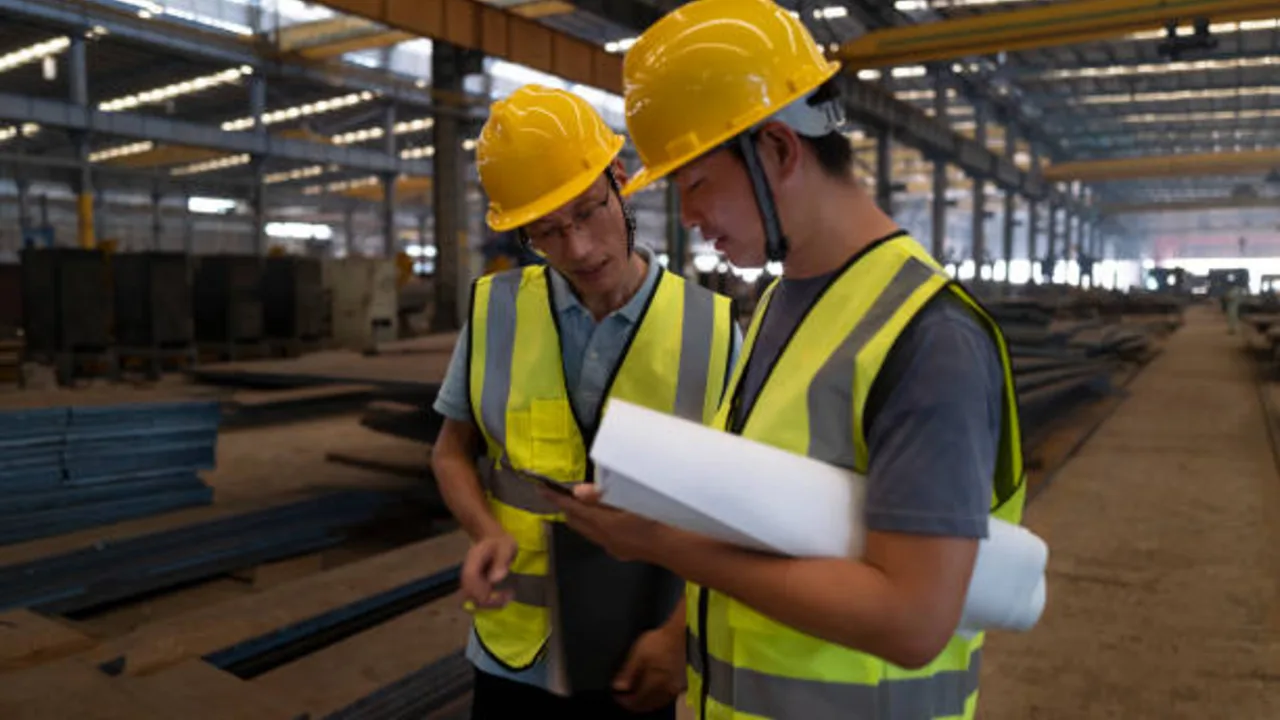
Professional engineering expertise is essential to ensure that steel buildings are designed and constructed safely. Experienced engineering teams can analyze structural loads, optimize building layouts, and ensure compliance with relevant design standards.
Manufacturing and Construction Coordination
Effective coordination between fabrication facilities and construction teams is critical for maintaining project schedules. A well-organized steel structure construction company can integrate manufacturing and site installation processes to achieve efficient project delivery.
Global Project Experience
International construction projects often involve complex logistics and regulatory requirements. Companies with global project experience can navigate these challenges while ensuring smooth project execution.
As a professional industrial construction provider, XTD Steel Structure delivers integrated solutions that combine engineering design, structural fabrication, and project coordination for steel building construction projects worldwide.
Frequently Asked Questions
What is steel structure construction?
Steel structure construction refers to the engineering and building process of creating structures whose primary load-bearing components are made from structural steel.
How long does steel structure construction take?
Because many structural components are prefabricated in factories, steel construction projects are typically completed faster than conventional concrete buildings.
Are steel buildings suitable for large spans?
Yes. Steel structures can achieve large clear spans, allowing buildings to have wide interior spaces with fewer structural columns.
What industries commonly use steel structures?
Steel construction is widely used in manufacturing facilities, logistics warehouses, commercial buildings, and infrastructure projects.
Start Your Steel Structure Construction Project
Well-executed steel structure construction provides a reliable and efficient solution for modern industrial and commercial building projects. Through professional engineering design, precise manufacturing, and experienced installation teams, steel structures can deliver long-lasting performance and structural safety.
By partnering with experienced engineering and construction specialists, companies can ensure that every phase of the building process—from design to installation—is completed efficiently and successfully.