Modern aviation depends on reliable, efficient, and scalable infrastructure — and few structures are more essential than a well-designed aircraft hangar. Whether for private aviation, commercial airlines, MRO operations, or military fleets, aircraft hangar construction plays a critical role in protecting aircraft assets, enhancing operational readiness, and ensuring long-term cost efficiency.
As the aviation industry continues to expand globally, the demand for high-performance hangars has grown sharply. Developers, airport authorities, and engineering firms must now navigate increasingly complex requirements involving span engineering, environmental loads, advanced door systems, MEP integration, and strict regulatory standards. A successful aircraft hangar construction project combines architectural design, structural engineering, mechanical systems, and logistical planning into one unified approach.
This guide provides a complete overview of the design principles, engineering requirements, and cost considerations involved in modern aircraft hangar construction, helping stakeholders make informed decisions from planning to execution.
What Is Aircraft Hangar Construction?
Aircraft hangar construction refers to the specialized engineering and building process that creates large, clear-span structures designed to store, maintain, and protect aircraft. Unlike conventional industrial buildings, hangars must support unique operational and structural requirements — including wide door openings, column-free interiors, heavy equipment loads, fire protection systems, and strict aviation workflow standards.
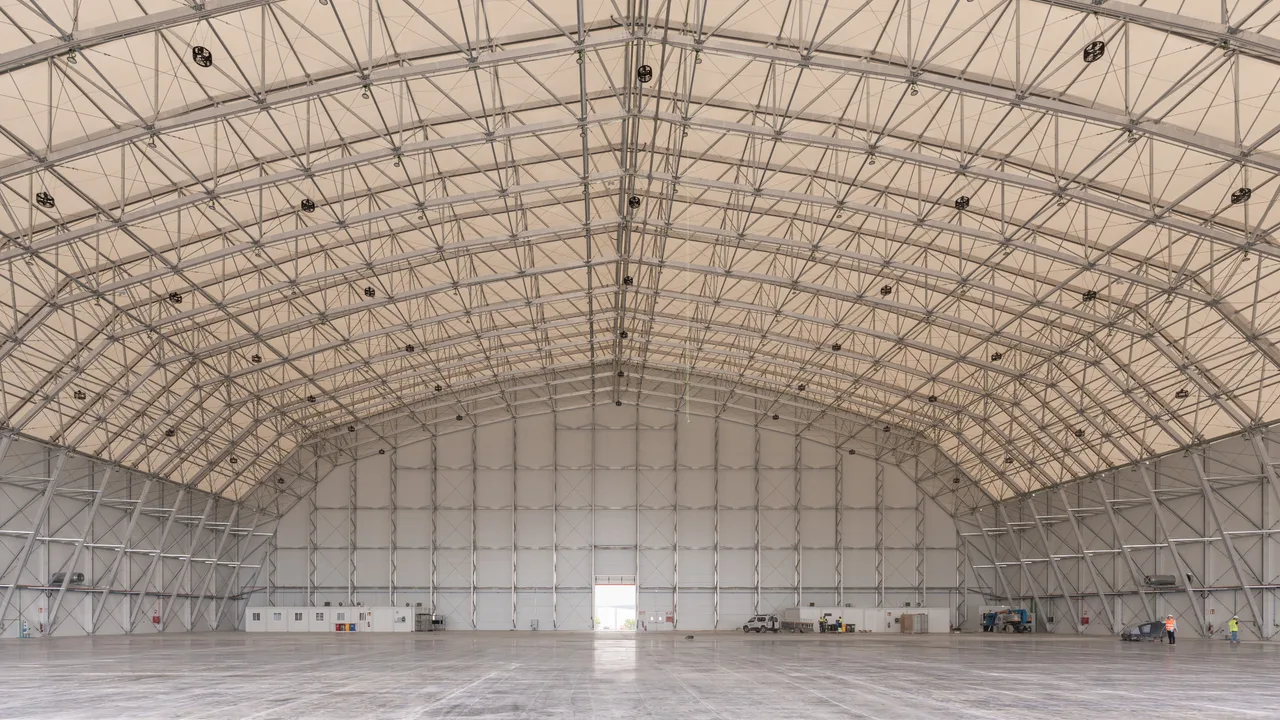
The primary objective of aircraft hangar construction is to deliver a safe, efficient, and durable facility capable of accommodating various aircraft types while meeting environmental and regulatory demands. Steel structures are the dominant choice due to their high strength-to-weight ratio, flexibility, and ability to achieve spans exceeding 100 meters without internal supports.
Key Factors That Influence Aircraft Hangar Construction
Aircraft Type and Required Clear Span
One of the most defining elements of aircraft hangar construction is the clear-span width. Smaller private jets may require only 20–30 meters of span, while commercial jets such as the Boeing 737 or Airbus A320 need 40–60 meters. Large MRO or wide-body aircraft facilities can exceed 80–100 meters.
Clear span impacts:
- Steel weight
- Roof truss design
- Door system configuration
- Foundation loads
Choosing the correct span ensures that the hangar supports current operations while remaining adaptable for future growth.
Climate and Environmental Loads
Environmental engineering is central to aircraft hangar construction. Each building must be designed to withstand regional wind speeds, snow loads, seismic activity, humidity, and temperature variations.
For example:
- High-wind regions require reinforced frames and stiffer connections.
- Snow-heavy climates demand deeper roof trusses and stronger purlins.
- Coastal hangars need anti-corrosion coatings.
Accurate load calculation is essential to ensure operational safety and structural longevity.
Door Systems and Operational Requirements
Aircraft hangar doors are among the most complex components in aircraft hangar construction. The door system influences structural loads, frame design, energy usage, and overall functionality.
Common systems include:
- Bi-fold doors (excellent for large openings)
- Hydraulic one-piece doors (quick operation)
- Sliding doors (cost-effective for multi-bay layouts)
Door selection directly affects cost and engineering complexity.
Design Principles in Aircraft Hangar Construction
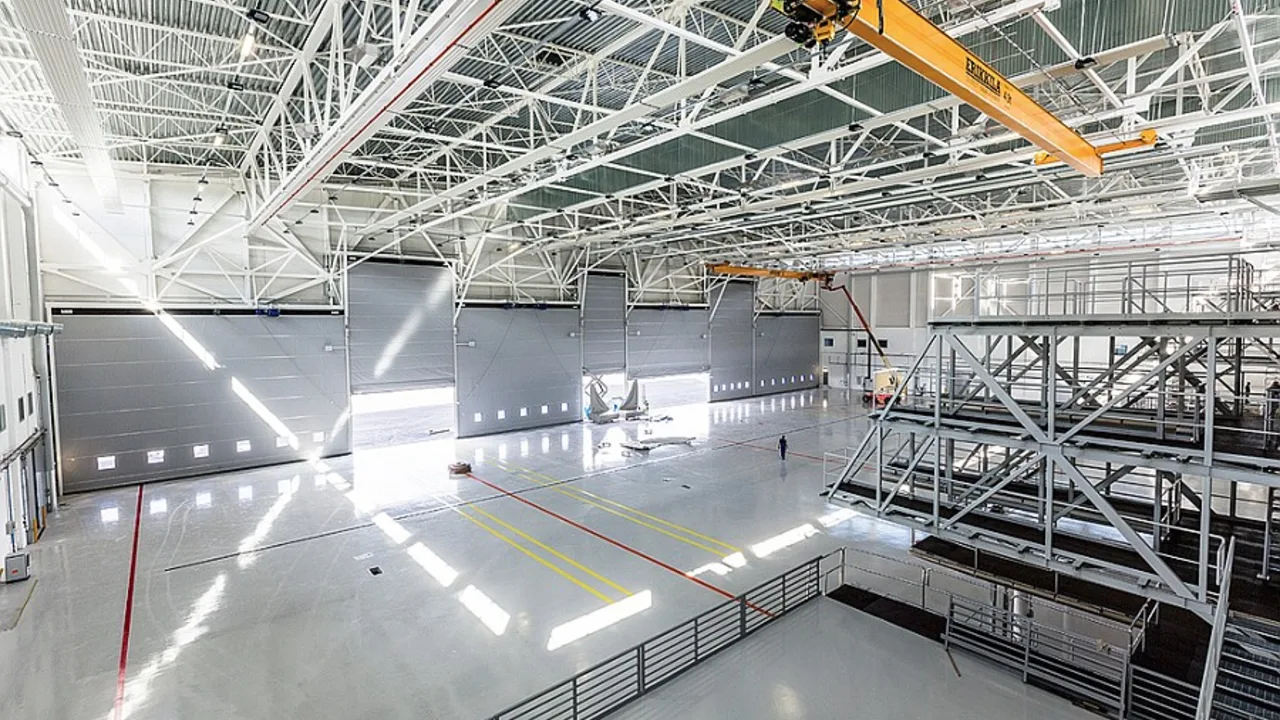
Clear-Span Structural Engineering
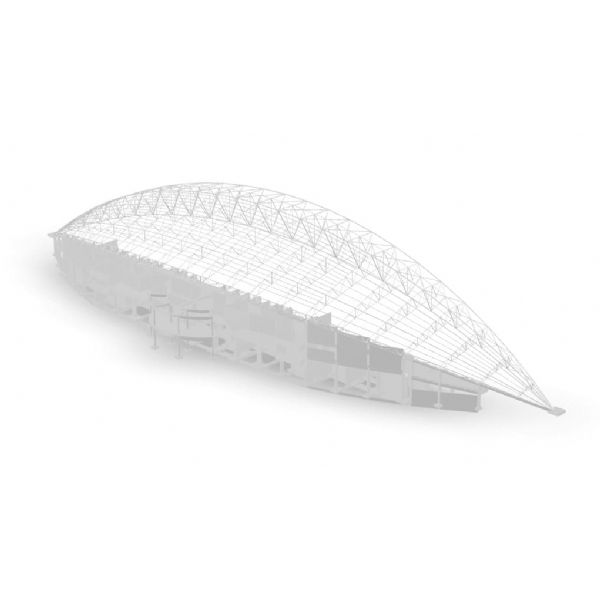
A core principle of aircraft hangar construction is achieving wide, unobstructed interior spaces. Structural engineers use rigid frames, tapered beams, or steel truss systems to create spans that accommodate aircraft wingspans and tail heights.
Clear-span design improves:
- Aircraft positioning
- MRO workflow efficiency
- Safety during movement
It also enables future modification without major reconstruction.
Building Layout and Workflow Efficiency
Efficient layout planning is crucial in aircraft hangar construction. A well-designed hangar optimizes the flow of aircraft, equipment, and personnel. Key considerations include:
- Entry and towing paths
- Maintenance zones
- Storage and tool areas
- Administrative offices
- Safety and emergency access routes
Optimized layout reduces operational downtime and enhances productivity.
Material Selection and Structural Components
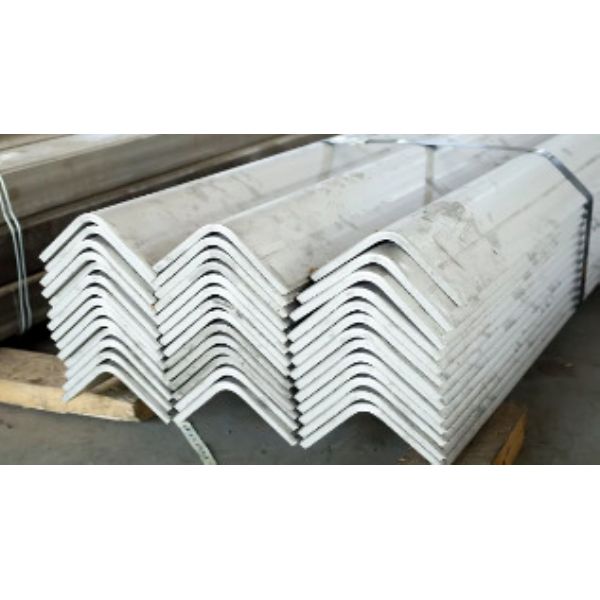
Material choice has a major impact on the efficiency and performance of aircraft hangar construction. Steel is preferred due to its excellent durability, load-bearing capacity, and flexibility.
Common components include:
- Heavy-duty steel frames
- Galvanized trusses
- Sandwich panels for insulation
- Anti-corrosion coatings
Proper material selection ensures long-term durability, especially for coastal or high-humidity environments.
Foundation Design for Heavy Loads
Foundation engineering is another crucial aspect of aircraft hangar construction. Aircraft weight, hangar size, crane loads, and soil conditions all influence foundation type and thickness.
Typical foundation elements include:
- Reinforced concrete slabs
- Grade beams
- High-strength anchor bolts
The foundation must support both static loads and dynamic loads from aircraft movement and door operation.
Engineering Requirements for Modern Aircraft Hangar Construction
Wind, Snow, and Seismic Engineering
Compliance with structural codes such as ASCE, Eurocode, or GB standards ensures the hangar safely withstands environmental forces. Designers must integrate load combinations specifically tailored to aviation structures.
Fire Protection and Safety Systems
Because aviation facilities involve fuel handling and sensitive equipment, aircraft hangar construction requires advanced fire protection systems:
- Fire-resistant coatings
- Sprinkler or foam systems
- High-capacity ventilation
- Explosion-proof electrical components (if required)
HVAC, Electrical, and Mechanical Design
Hangars often require specialized MEP engineering:
- High-volume HVAC for large spaces
- Precision lighting for MRO operations
- Electrical systems for maintenance tools and aircraft servicing
- Embedded drainage systems
This integration adds to the complexity of aircraft hangar construction.
Energy Efficiency and Sustainability
Sustainable features can reduce long-term operating costs, such as:
- Solar-ready roofing
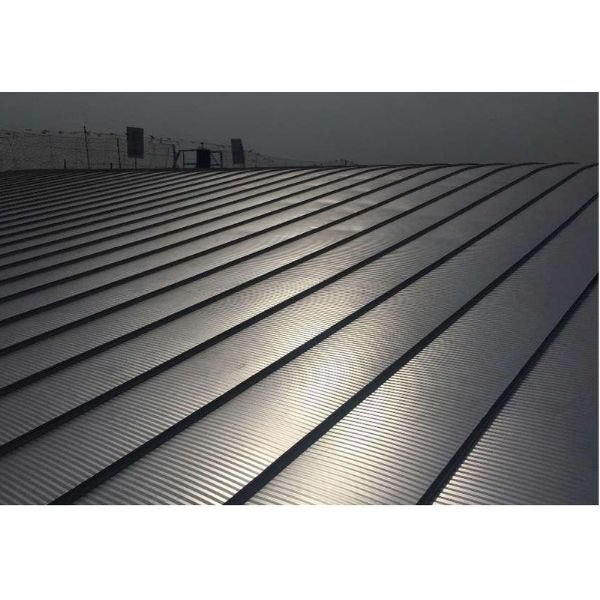
- Insulated metal panels
- Natural lighting from skylights
- Low-consumption HVAC systems
Sustainability also aligns with modern aviation environmental targets and can impact the total cost of aircraft hangar construction.
Types of Hangars Used in Aircraft Hangar Construction
Different aviation sectors require different hangar configurations, and this directly influences engineering complexity, layout design, and total project cost. Understanding these categories helps owners determine the appropriate scale and performance level for their aircraft hangar construction project.
Private Aircraft Hangars
Private or general aviation hangars are the simplest category. They typically accommodate one or two light aircraft with moderate maintenance needs.
Key features include:
- 20–30 m clear span
- Basic door systems
- Minimal MEP requirements
- Low-cost structural framing
Commercial Aviation Hangars
These hangars support commercial fleets, charter operators, and cargo aircraft. They require wider clear spans, taller door heights, and reinforced flooring systems.
Typical requirements:
- 40–60 m span
- High-strength steel frames
- Heavy-duty lighting
- MRO-compatible layout
MRO (Maintenance, Repair & Overhaul) Hangars
This category has the highest engineering complexity in aircraft hangar construction.
Requirements typically include:
- Workshops
- Inspection pits
- Cranes or lifting systems
- HVAC and high-lux lighting
- Fire suppression systems
- Administrative and technical areas
Military Aircraft Hangars
Military applications demand secure, rapid-deployment, and highly durable structures.
Features include:
- Reinforced steel frames
- Blast-resistant design (optional)
- Rapid assembly configurations
- Climate and sandstorm protection
Cost Breakdown of Aircraft Hangar Construction
Cost is a major decision factor for any aviation project. Multiple variables influence final investment, including span width, door type, MEP requirements, insulation level, and project location.
Below adalah tabel yang merangkum komponen biaya utama dalam aircraft hangar construction:
Table: Cost Components in Aircraft Hangar Construction
| Component | Cost Impact | Description |
|---|---|---|
| Structural Steel System | High | Largest cost driver; depends on span and load requirements |
| Door System | Very High | Hydraulic/bi-fold doors can exceed 20–40% of total building cost |
| Foundation Work | Medium | Influenced by soil strength and slab thickness |
| Envelope System | Medium | Includes insulation, cladding, weather sealing |
| HVAC & Electrical | Medium–High | Depends on MRO or basic storage function |
| Fire Protection System | Medium | Required for aviation compliance |
| Project Logistics | Medium | Transportation, cranes, installation crew |
Cost Per Square Meter Estimates (Illustrative)
| Hangar Type | Typical Size | Estimated Cost per m² | Notes |
|---|---|---|---|
| Private Hangar | 500–1,200 m² | Low to Medium | Simple structure, basic door |
| Commercial Hangar | 2,000–4,000 m² | Medium to High | Larger spans and higher MEP load |
| MRO Hangar | 5,000–10,000+ m² | High | Most complex category; heavy MEP systems |
| Military Hangar | 2,000–6,000 m² | Medium to High | Reinforced structure, optional rapid-deployment |
These ranges vary depending on region, engineering complexity, local labor rates, and material specifications. However, understanding these categories helps stakeholders estimate the potential scope of their aircraft hangar construction budget.
Aircraft Hangar Construction Timeline (Step-by-Step Process)
A well-organized timeline is essential to completing a hangar project efficiently. Below is the typical timeline used in aviation infrastructure projects.
Table: Aircraft Hangar Construction Timeline
| Phase | Description | Typical Duration |
|---|---|---|
| Planning & Requirements | Determine aircraft type, hangar size, door type, climate loads | 1–3 weeks |
| Engineering & Design | Structural drawings, load calculations, BIM modeling | 2–6 weeks |
| Steel Fabrication | CNC cutting, welding, coating, QA inspections | 3–8 weeks |
| Delivery & Assembly | Frame installation, roof/wall panels, door systems | 2–6 weeks |
| MEP & Final Setup | HVAC, lighting, fire protection, interior rooms | 1–4 weeks |
Well-managed aircraft hangar construction can be completed significantly faster than traditional concrete buildings due to the efficiency of steel prefabrication.
Common Challenges in Aircraft Hangar Construction
Even with strong planning, some challenges are common in aviation projects. Understanding these early helps reduce risk.
Managing Large Clear Spans
Large spans require heavy engineering, precise calculations, and high-strength steel components. Slight misalignments can lead to structural instability.
Door System Engineering
Because the door opening can reach up to 70–100 meters, the door system is one of the biggest engineering challenges in aircraft hangar construction.
Climate and Environmental Conditions
Harsh climates demand special structural measures:
- Cyclone-prone regions → reinforced frames
- Snow areas → increased roof load capacity
- Coastal zones → anti-corrosion coatings
Cost Control and Budget Alignment
Balancing safety, engineering requirements, and cost efficiency requires a highly experienced engineering team.
Expanded Case Studies in Aircraft Hangar Construction
Private Jet Hangar – Regional Airport
This project showcases how aircraft hangar construction for private aviation can be both efficient and cost-effective. The hangar was designed with a 30-meter clear span, providing unobstructed space for one to two business jets. To maintain operational simplicity, the structure used a sliding door system, which offered reliable performance without the higher cost associated with hydraulic or bi-fold doors.
The hangar incorporated basic HVAC systems to regulate temperature and protect sensitive aircraft components, making it suitable for routine maintenance and overnight storage. From fabrication to final commissioning, the entire project was completed in just eight weeks, demonstrating the speed advantages of prefabricated steel systems. By minimizing labor intensity and reducing construction downtime, the project delivered a low-maintenance solution ideal for regional airports or private owners seeking a rapid, budget-friendly facility.
Commercial Airline Hangar – International Hub
A more complex example of aircraft hangar construction is the commercial airline hangar built for a major international aviation hub. The facility features a 55-meter clear span, engineered to accommodate narrow-body aircraft such as Boeing 737 or Airbus A320 series. To support constant operational activity, the flooring system was upgraded with heavy-duty reinforced slabs, enabling safe movement of tow tractors, maintenance platforms, and service machinery.
A bi-fold door system was chosen for its wide opening, structural rigidity, and efficient sealing — a crucial factor for airports with high wind exposure. Inside the hangar, dedicated MRO zones were integrated, including workstations, parts storage, inspection bays, and tool areas, creating a seamless maintenance workflow. The project also included advanced fire suppression systems, compliant with international aviation safety standards. This case demonstrates how engineering precision and functional planning are essential in large-scale aircraft hangar construction projects.
Military Rapid-Deployment Hangar
Military aviation often requires highly adaptable infrastructure, and this case is a prime illustration of how aircraft hangar construction can be optimized for rapid deployment. The hangar used a prefabricated modular system, allowing components to be shipped in compact units and assembled quickly in remote or tactical environments. Unlike permanent airport structures, the design prioritized mobility, structural resilience, and fast installation.
Engineered with a reinforced steel frame, the hangar was built to withstand harsh operational conditions, including sandstorms, extreme wind loads, and high temperature fluctuations. The modular system reduced construction time significantly, enabling military units to establish functional aircraft shelters with minimal tools and manpower. This case highlights how flexible design, robust engineering, and logistical efficiency are crucial for defense-oriented aircraft hangar construction.
FAQ About Aircraft Hangar Construction
1. How long does aircraft hangar construction take?
Typically 2–4 months depending on size and complexity.
2. What materials are most suitable for hangar construction?
High-strength structural steel with corrosion-resistant coating.
3. How do I select the correct hangar size?
Base it on aircraft wingspan, tail height, turning radius, and operational zones.
4. What is the biggest cost driver in hangar construction?
Door systems and structural steel requirements.
5. Can a hangar be expanded later?
Yes, steel structures allow modular expansion with minimal disruption.
Modern aircraft hangar construction requires precise engineering, thoughtful design, and efficient execution. With rising aviation demands worldwide, steel hangars offer unmatched durability, flexibility, and cost-efficiency. Whether for private aviation, commercial airlines, MRO operations, or military applications, a well-designed hangar is a strategic investment that ensures operational readiness for decades.