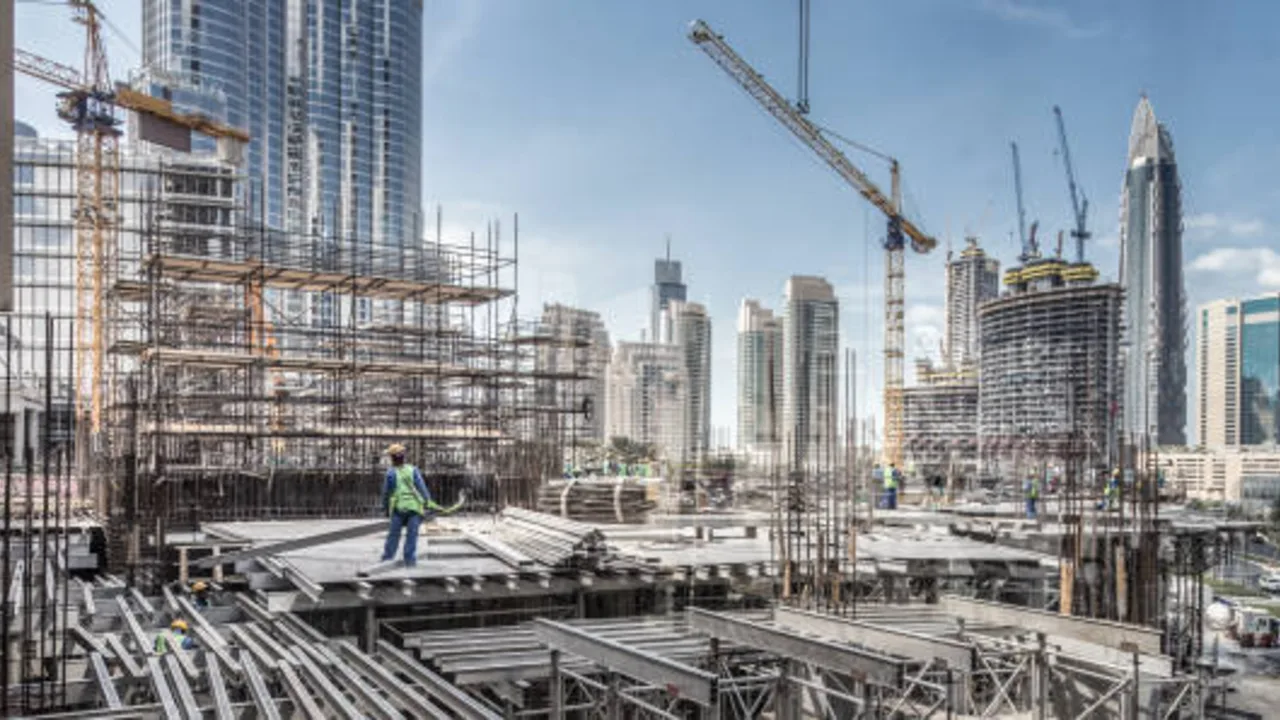
The global construction industry is undergoing a major transformation driven by speed, efficiency, and increasing project complexity. Traditional fragmented delivery models—where design, fabrication, logistics, and construction are handled by separate parties—are becoming less effective in meeting modern industrial and infrastructure demands. In response, the integrated steel company model is emerging as a future-oriented solution.
Integrated steel structure companies combine engineering, manufacturing, supply chain management, and construction execution under a unified organizational framework. This model enables tighter coordination, better cost control, faster project delivery, and higher overall quality. As clients demand more predictable outcomes and turnkey delivery, integrated steel companies are redefining how steel structures are designed, built, and delivered.
Understanding the Integrated Steel Company Model
The integrated steel company model refers to an organizational structure in which a single company manages multiple stages of the steel construction value chain under one unified management system. Unlike traditional project delivery models—where design, fabrication, logistics, and erection are handled by separate contractors—integrated companies take ownership of the entire process from early engineering through final installation.
Instead of outsourcing key functions, integrated steel companies internalize critical capabilities, enabling tighter coordination, clearer accountability, and faster execution. These core capabilities typically include:
- Structural design and engineering
Integrated companies align structural concepts, load calculations, and compliance requirements from the outset. Early engineering involvement ensures that designs are optimized not only for structural performance but also for fabrication efficiency and constructability. - Detailing and shop drawing development
By producing shop drawings in-house, integrated steel companies reduce errors caused by design–fabrication disconnects. Detailing teams work closely with engineers and production managers to ensure accurate connection design, tolerances, and assembly sequencing. - Steel fabrication and quality control
Fabrication is performed within controlled facilities using standardized production workflows. Integrated quality control systems monitor materials, welding procedures, dimensional accuracy, and surface treatment, ensuring consistency across all components. - Logistics, transportation, and site coordination
With direct oversight of logistics planning, integrated companies optimize packaging, transport sequencing, and delivery schedules. This reduces handling risks, minimizes on-site congestion, and aligns deliveries with erection timelines. - On-site erection and project management
Integrated project teams manage installation, lifting plans, safety procedures, and coordination with other trades. Because fabrication and erection are planned together, site execution becomes faster, safer, and more predictable.
By consolidating these functions within a single organization, integrated steel companies significantly reduce dependency on external coordination. Decision-making becomes faster, communication gaps are minimized, and potential conflicts between design intent and site reality are addressed early.
As a result, the integrated steel company model delivers greater efficiency, improved cost control, and higher reliability across all project phases—making it increasingly attractive for complex industrial, commercial, and infrastructure developments.
Why Integration Is Shaping the Future of Steel Construction
Modern steel structure projects are larger, faster, and more complex than ever before. Industrial parks, logistics hubs, energy facilities, steel structure warehouse and infrastructure projects require tight schedules and precise execution. The integrated steel company model addresses these challenges by aligning technical, commercial, and operational objectives from the outset.
Key drivers behind this shift include:
- Demand for shorter construction timelines
- Rising expectations for cost transparency
- Increased emphasis on quality and compliance
- Globalization of steel structure supply chains
Integration allows companies to respond to these pressures with greater agility and control.
Turnkey Solutions as a Core Advantage
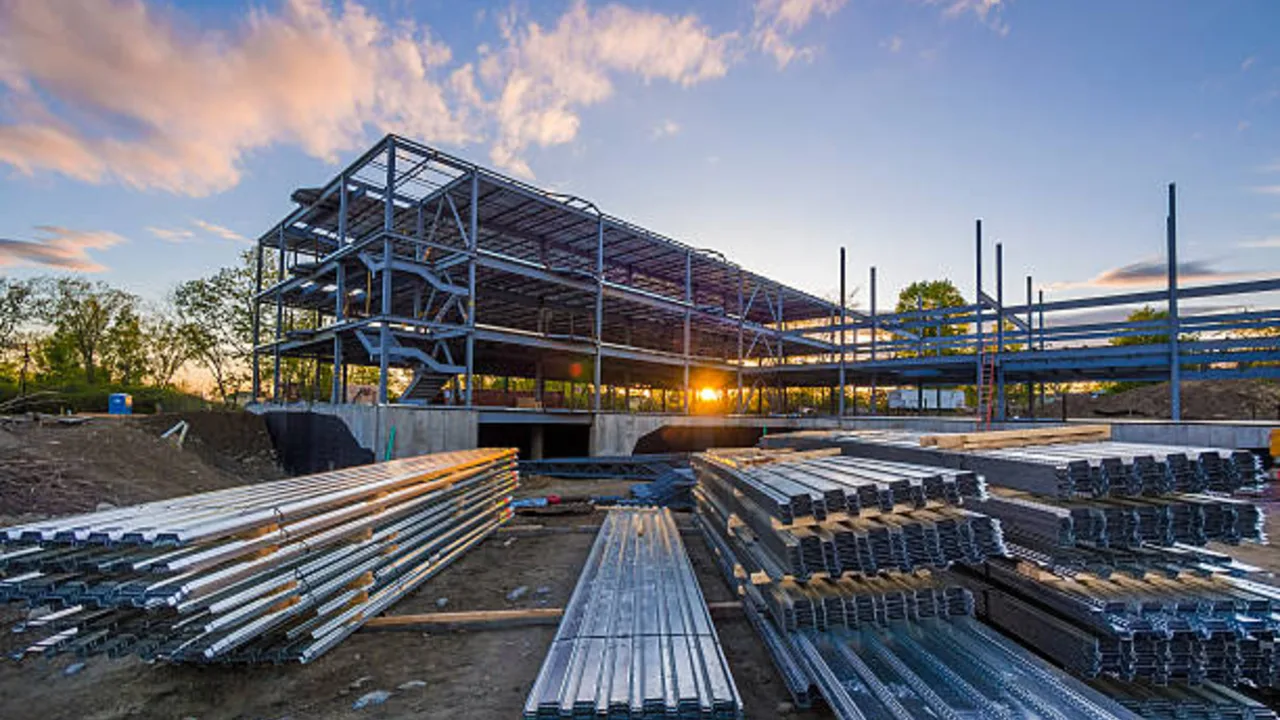
One of the strongest benefits of the integrated steel company model is the ability to deliver complete turnkey solutions. Rather than managing multiple contractors, clients work with a single entity responsible for the entire project scope.
Turnkey delivery typically includes:
- Concept design and value engineering
- Detailed engineering and fabrication
- Logistics planning and export coordination
- On-site erection and commissioning
This approach reduces interface risks, simplifies communication, and provides clients with clearer accountability throughout the project lifecycle.
Operational Efficiency and Cost Control
Integrated steel companies benefit from operational efficiencies that are difficult to achieve in fragmented models. Centralized planning enables better resource allocation, optimized fabrication sequencing, and smoother site execution.
Key efficiency gains include:
- Reduced rework through early design–fabrication alignment
- Lower logistics costs through coordinated delivery planning
- Improved labor productivity during erection
- Faster response to design changes or site conditions
By controlling more variables internally, integrated companies can manage costs proactively rather than reactively.
Innovation as a Competitive Differentiator
Innovation plays a central role in the evolution of integrated steel structure companies. With engineering, manufacturing, and construction teams working closely together, innovation can be implemented more effectively across the entire project workflow.
Examples of innovation within integrated models include:
- Digital modeling and BIM-based coordination
- Automated fabrication and robotic welding
- Modular and prefabricated steel systems
- Data-driven project management and quality tracking
These innovations not only improve efficiency but also enhance consistency and repeatability across projects.
Risk Management and Quality Assurance
Integrated steel companies are better positioned to manage project risks due to centralized oversight and standardized processes. Quality assurance is embedded throughout the workflow rather than treated as a separate function.
Key risk and quality advantages include:
- Consistent application of design and fabrication standards
- Clear traceability of materials and components
- Early identification of constructability issues
- Unified responsibility for performance and compliance
This integrated approach reduces disputes, minimizes delays, and improves overall project reliability.
Global Expansion and Scalable Delivery
As steel structure building projects increasingly cross borders, integrated steel companies are well positioned to support global delivery. Their ability to manage engineering, fabrication, and logistics internally allows them to scale operations across different markets.
Key enablers for global expansion include:
- Standardized production and quality systems
- Export-oriented logistics expertise
- Adaptability to regional codes and standards
- Centralized project coordination across locations
This scalability makes integrated companies attractive partners for international developers and EPC contractors.
Client Value and Long-Term Partnerships
Beyond individual projects, the integrated steel company model supports long-term client relationships. By delivering consistent outcomes and reducing project uncertainty, integrated companies build trust and repeat business.
Clients benefit from:
- Predictable schedules and budgets
- Single-point accountability
- Improved coordination and communication
- Higher overall project confidence
These advantages position integrated firms as strategic partners rather than transactional suppliers.
The Role of Integrated Steel Structure Companies in the Future
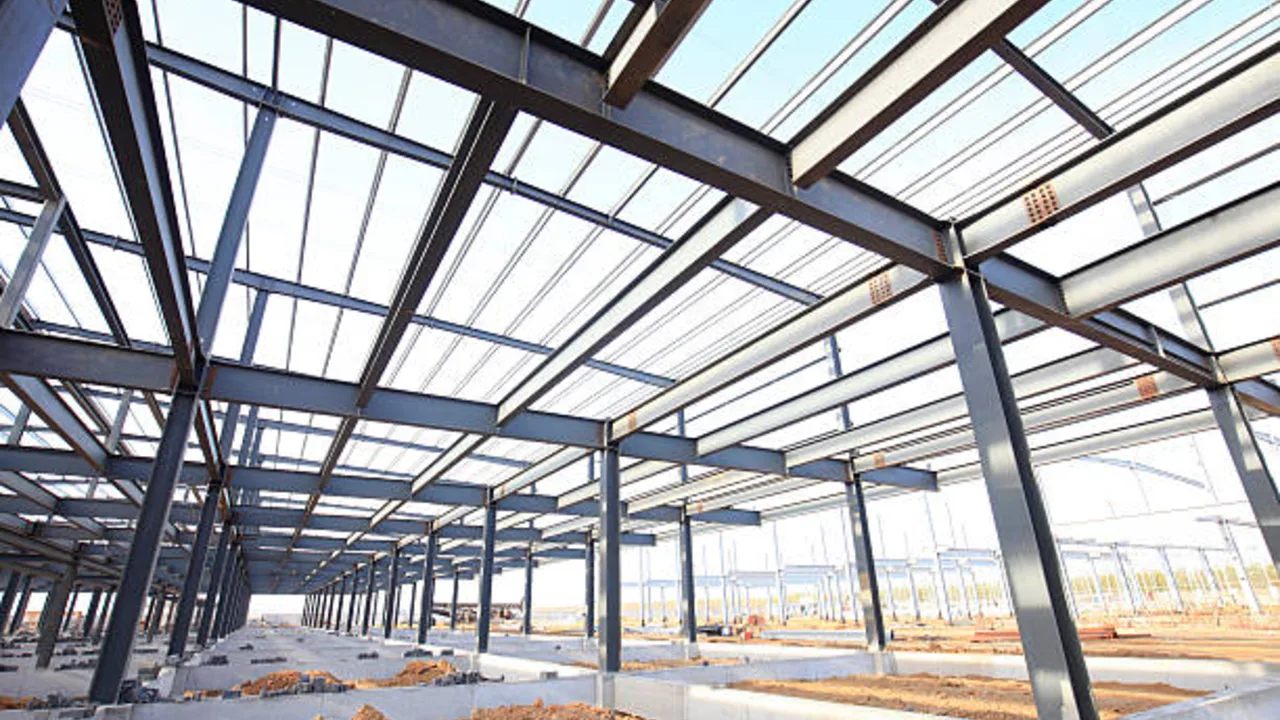
The future of steel construction favors companies that can deliver speed, quality, and certainty at scale. The integrated steel company model aligns closely with these requirements, offering a holistic approach to steel structure delivery.
Choosing an experienced steel structure company operating under an integrated model allows project stakeholders to reduce complexity, manage risk, and achieve better outcomes in an increasingly competitive construction environment.
Conclusion: Integration as the Path Forward
The integrated steel company model represents a fundamental shift in how steel structure projects are delivered. By combining engineering, fabrication, logistics, and construction within a unified framework, integrated companies offer greater efficiency, innovation, and reliability.
As project demands continue to grow, integrated steel structure companies will play a leading role in shaping the future of industrial and infrastructure construction—delivering not just steel, but complete, optimized solutions.