A modular prefabricated stadium building has become one of the most efficient solutions for constructing modern sports and event venues. As cities expand, competitions grow, and audience expectations rise, stadium developers need faster, safer, and more scalable construction methods. Modular and prefabricated engineering provides exactly that—compressing timelines, improving structural performance, and enhancing long-term sustainability. This comprehensive guide explores how modular stadiums work, their engineering principles, and why the global industry is rapidly adopting them.
Introduction to Modular Prefabricated Stadium Buildings
The concept of a modular prefabricated stadium building revolves around manufacturing major structural components off-site and assembling them with precision on-site. Instead of constructing everything manually under unpredictable weather conditions, prefabrication allows engineers to fabricate frames, seating modules, and roofing systems in controlled factory environments. The result is shorter lead time, stronger structural quality, and fewer project uncertainties.
Modern sports demands—from football tournaments to multipurpose arenas—require venues that can be built quickly without compromising performance. This is why governments, sports clubs, universities, and private developers increasingly turn to modular stadium systems. The approach not only speeds up project delivery but also supports phased expansion and flexible venue configuration.
What Is a Modular Prefabricated Stadium Building?
A modular prefabricated stadium building is a stadium constructed using pre-engineered steel modules, terraces, truss sections, and interior units manufactured in advance and assembled efficiently on-site. Every major component is designed for accuracy, allowing the stadium to be installed like interconnected building blocks. The system relies heavily on structural steel, advanced design software, and high-precision fabrication technology.
- Core components: steel frames, grandstand modules, roof trusses, façade systems, interior rooms.
- Factory fabrication: ensures consistent quality, minimizes errors, and improves safety.
- Structural systems: portal frames, space frames, cantilevered roofs, hybrid truss designs.
From temporary arenas to large national stadiums, a modular prefabricated stadium building delivers convenience and adaptability. Whether the project requires permanent durability or temporary deployment, modular engineering supports a wide range of operational needs.
Why Choose Modular Prefabricated Stadium Construction?
1. Faster Construction Timeline
Speed is one of the biggest advantages of a modular prefabricated stadium building. Traditional stadiums often take years to complete, but modular systems reduce overall construction time by 30–60%. While the site foundation is prepared, factories simultaneously fabricate beams, modules, and roofing elements. This parallel workflow eliminates downtime and ensures predictable scheduling.
2. Strength, Safety & Long-Term Durability
The engineering behind a modular prefabricated stadium building prioritizes structural integrity. Modular steel components are produced under strict quality control, guaranteeing reliable load performance. Stadiums must resist wind pressure, dynamic crowd movement, seismic activity, and long-term operational stress—conditions modular steel systems are ideally suited for.
Protective coatings, durable steel grades, and precision welding further extend lifespan, making modular stadiums both safe and cost-efficient over decades of use.
3. Cost Efficiency & Predictable Budgeting
A modular prefabricated stadium building significantly reduces the financial unpredictability often associated with complex construction. With most production happening indoors, waste is minimized, delays are controlled, and labor needs are reduced. This ensures clearer budget management and long-term operational savings.
4. Scalability & Modular Expansion
Unlike traditional stadiums, a modular prefabricated stadium building can be expanded or reconfigured without major demolition. Developers can add new seating rows, VIP areas, media rooms, or support facilities as requirements evolve. This scalability makes modular systems ideal for clubs and venues expecting gradual audience growth.
Core Components of a Modular Prefabricated Stadium Building
Structural Frame System
The backbone of every modular prefabricated stadium building is its steel structural frame. Depending on the required span, engineers may use portal frames, heavy trusses, or space frame systems. These enable column-free interiors, maximizing viewing angles and spectator comfort.
Seating Structures
Grandstand modules are pre-engineered units that streamline stadium assembly. Each seating block is precisely fabricated, allowing fast installation with minimal adjustments on-site. A modular prefabricated stadium building can accommodate permanent stands, temporary rows, or hybrid seating solutions.
Roofing & Canopy Systems
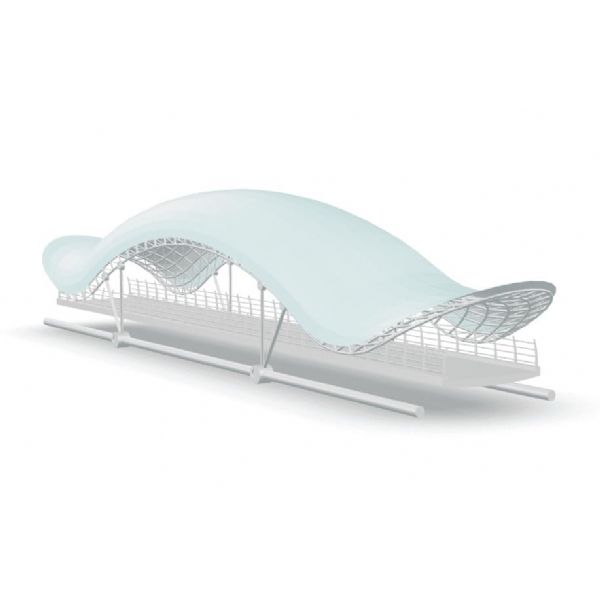
Roof structures—often the most complex stadium element—benefit greatly from prefabrication. Modular truss sections ensure consistent alignment and strength, while cantilevered designs create dramatic, unobstructed views. These roofing modules contribute to the aerodynamic and acoustic performance of the modular prefabricated stadium building.
Interior & Support Facilities
Locker rooms, broadcasting studios, restrooms, storage rooms, and concession shops can all be delivered as modular interior units. By producing them in advance, the assembly phase of the modular prefabricated stadium building becomes faster and more predictable.
Design Considerations for Modern Modular Stadiums
Architectural Flexibility
A common misconception is that modular structures lack design freedom. In reality, a modular prefabricated stadium building can adopt unique façade patterns, curved seating bowls, dramatic rooflines, and integrated lighting systems. Architects can customize virtually every visible surface while still relying on standardized structural modules.
Structural Engineering Requirements
Engineers must evaluate load distribution, crowd behavior, evacuation routes, seismic risks, and regional building regulations. These considerations inform the selection of steel grades, connection systems, and module sizes used throughout the modular prefabricated stadium building.
Sustainability & Energy Efficiency
Modular stadiums support eco-friendly construction practices. Factory production minimizes waste, reduces transportation inefficiencies, and supports recycling programs. Solar roofing, natural ventilation, daylighting, rainwater systems, and LED façade lighting can all be integrated into a modular prefabricated stadium building to lower environmental impact.
Construction Workflow of a Modular Prefabricated Stadium Building
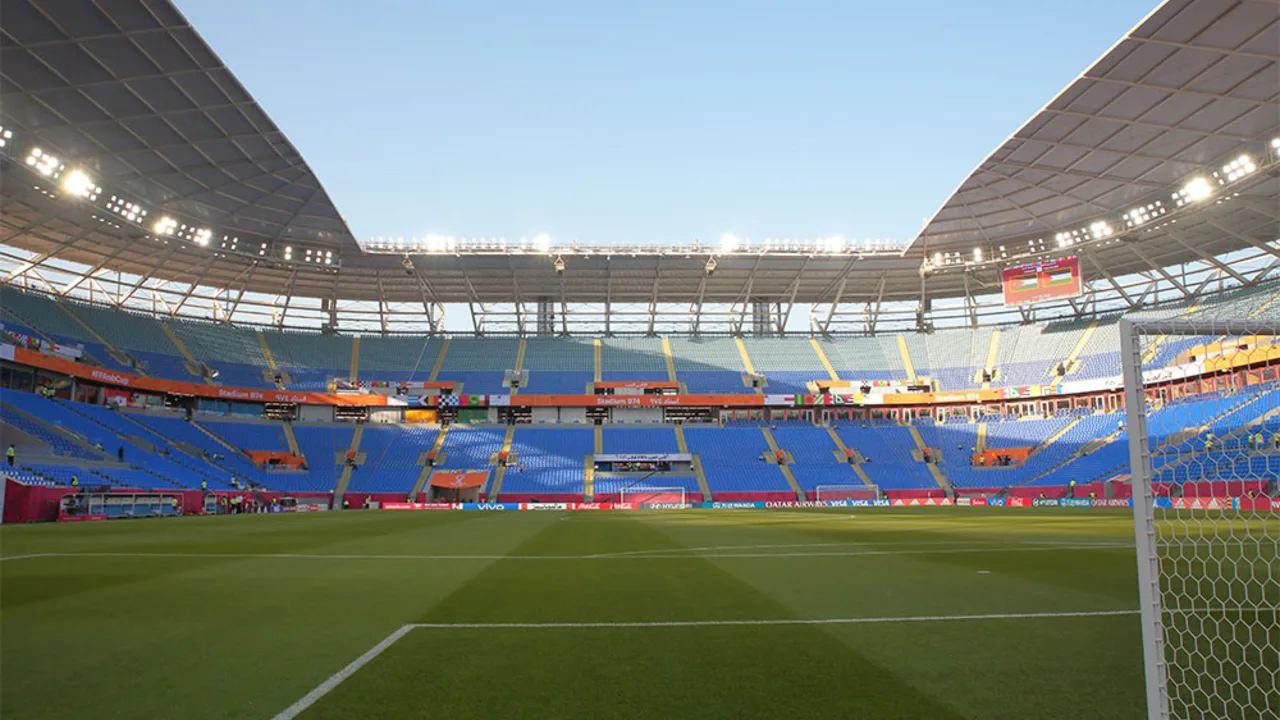
1. Concept & Feasibility Studies
During the planning phase, the project team analyzes land conditions, crowd capacity, regulatory requirements, and operational needs. This information shapes the early design strategy for the modular prefabricated stadium building.
2. Structural Design & BIM Modeling
3D BIM modeling plays a crucial role in coordinating architecture, structure, and mechanical systems. By identifying clashes before steel structure fabrication begins, BIM improves accuracy and reduces rework during the erection of the modular prefabricated stadium building.
3. Off-Site Prefabrication
Steel columns, beams, terraces, staircases, façade panels, and interior modules are fabricated simultaneously. Every component undergoes strict quality checks to ensure the modular prefabricated stadium building meets required strength, precision, and safety standards.
4. On-Site Installation
Modules arrive pre-drilled, pre-welded, and ready for connection. This dramatically reduces installation errors. Cranes lift modules into place, and crews secure them using bolted or welded connections. This phase is typically the fastest step in creating a modular prefabricated stadium building.
5. Testing, Commissioning & Handover
The final stage includes structural inspections, safety tests, acoustic evaluations, and operational trials. Once completed, the modular prefabricated stadium building is ready for sporting events, concerts, and public gatherings.
Applications of Modular Prefabricated Stadium Buildings
A modular prefabricated stadium building is suitable for a wide variety of venues, from professional sports arenas to community-level facilities. Because modular units can be transported, removed, or expanded, they are ideal for both permanent and temporary use cases. Global sporting events often rely on modular stadiums to accommodate fluctuating audience sizes and multiple competition venues.
- National and international sports stadiums
- University and school athletic venues
- Community sports centers
- Concert and festival arenas
- Temporary event stadiums for tournaments
- Hybrid venues with both sports and entertainment functions
Whether used for a multi-year sporting season or a single large event, a modular prefabricated stadium building offers the flexibility and performance needed to handle diverse operational demands.
Case Studies & Global Examples
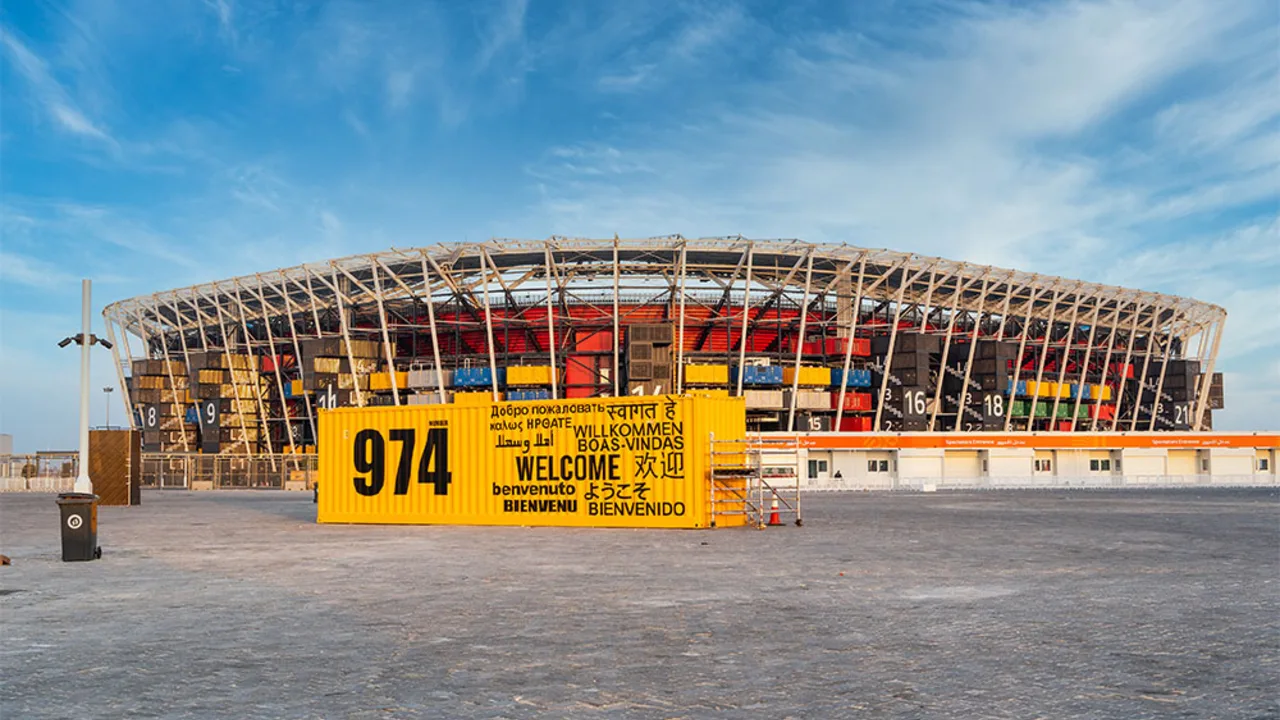
Around the world, many large events have demonstrated the value of a modular prefabricated stadium building. Temporary competition venues for international tournaments are frequently built using modular systems to save time and reduce cost. After the event, these modules can be disassembled and shipped to other cities or repurposed for different sports programs.
In developing regions, modular stadiums also provide solutions for rapid infrastructure expansion. Smaller towns or sports clubs can start with modest seating capacity and gradually increase size by adding modules over time. This phased approach allows stakeholders to align investment with actual demand. The success of these projects has inspired a global shift toward modularized sports architecture.
Challenges & Limitations
- Transportation restrictions for oversized steel modules
- Span limitations based on roof system selection
- Varied regional building codes that may require redesign
- Height restrictions for temporary modular assemblies
Although these challenges exist, continuous advancements in logistics planning, structural engineering, and lightweight steel materials are expanding the possibilities of the modular prefabricated stadium building model each year.
Conclusion
The rise of the modular prefabricated stadium building represents a major transformation in the construction industry. Stadiums no longer need to rely solely on traditional methods that demand long lead times, high labor dependency, and unpredictable budgeting. With modular engineering, developers achieve faster timelines, lower costs, stronger structures, and long-term adaptability.
As digital design tools and fabrication technologies continue to advance, modular stadiums will play an even more significant role in delivering world-class venues for sports, entertainment, and public events. A modular prefabricated stadium building is more than just a construction method—it is a modern infrastructure strategy that aligns with the future of global development.
Frequently Asked Questions (FAQ)
How long does it take to build a modular prefabricated stadium?
Depending on size and complexity, a modular prefabricated stadium building can be completed 30–60% faster than a traditional concrete structure. Many mid-size facilities can be fully assembled within months rather than years.
Can modular stadiums be expanded later?
Yes. The modular design allows developers to add seating tiers, suites, VIP lounges, or media rooms without major reconstruction. This flexibility is one of the core reasons why a modular prefabricated stadium building is preferred for growing communities and sports organizations.
Are modular stadiums capable of hosting major sporting events?
Absolutely. With the right engineering, a modular prefabricated stadium building meets international safety standards and accommodates large crowds, making it suitable for professional competitions and international tournaments.
What materials are used in modular stadiums?
Most systems rely on high-strength steel frames, composite decking, insulated wall panels, aluminum seating structures, and modular roofing trusses. These materials enhance strength, durability, and environmental efficiency across the modular prefabricated stadium building.
Is modular stadium construction more cost-effective?
Yes. Prefabrication reduces waste, minimizes labor, and shortens overall construction duration. Over the full lifecycle of a modular prefabricated stadium building, the savings can be substantial compared to conventional building methods.