In today’s fast-evolving construction landscape, speed, flexibility, and long-term performance have become decisive factors in building design. As industries demand faster project delivery and lower lifecycle costs, modular steel building systems are increasingly recognized as one of the most efficient and reliable construction solutions. By combining industrial-grade steel structures with modular construction principles, these systems redefine how modern buildings are planned, manufactured, and assembled. This article explores the advantages of choosing modular steel building systems, explains how modular construction and prefabricated modules work together, and highlights why steel-based modular solutions are gaining traction across industrial, commercial, and logistics sectors worldwide.
What Are Modular Steel Building Systems?
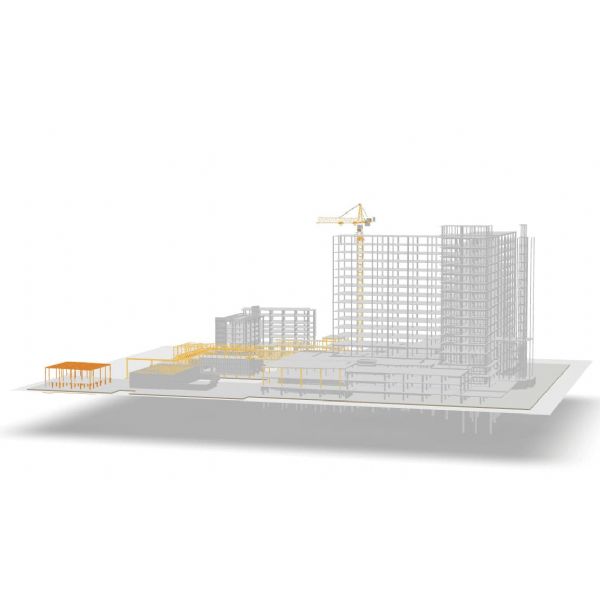
Modular steel building systems are advanced construction solutions in which major structural elements—such as columns, beams, primary frames, floors, wall panels, and roof systems—are designed, fabricated, and partially assembled as standardized or semi-customized modules within a controlled factory environment. Each module is engineered to meet precise structural, dimensional, and performance requirements before being transported to the construction site for final assembly. Unlike conventional construction methods that depend heavily on on-site fabrication and sequential workflows, modular steel building systems follow an industrialized building process. Structural modules are manufactured using CNC cutting, automated welding, and strict quality-control procedures, ensuring consistent material properties, accurate tolerances, and reliable connection performance. Once delivered to the site, these modules are assembled through bolted or welded connections to form a complete, integrated building structure. A key advantage of modular steel systems is their reliance on prefabrication and standardized connections. By shifting most construction activities off-site, modular systems significantly reduce on-site labor intensity, shorten construction schedules, and minimize exposure to weather-related delays. This approach also improves site safety and reduces construction waste compared to traditional building methods. Modular steel building systems are not limited to repetitive or simple layouts. Through flexible design and modular engineering, they can accommodate single-story or multi-story buildings, long-span structures, integrated mezzanines, and steel working platforms. Modules can be designed for future expansion, relocation, or reconfiguration, allowing buildings to adapt to changing operational requirements over time. From a performance perspective, steel is the ideal material for modular construction due to its high strength-to-weight ratio, dimensional stability, and predictable mechanical behavior. These properties enable engineers to design modular units that maintain structural integrity during transportation, lifting, and assembly, while also delivering long-term durability once in service. In essence, modular steel building systems combine the efficiency of factory-based manufacturing with the strength and reliability of steel structures. This hybrid approach results in faster project delivery, improved construction quality, and buildings that are scalable, durable, and well-suited for modern industrial, commercial, and logistics applications.
The Role of Modular Construction in Modern Building Design
 Modular construction represents a shift from conventional construction methods toward an industrialized building process. In modular steel systems, structural modules are designed to fit together seamlessly, allowing buildings to be expanded, reconfigured, or relocated as operational needs change. Steel plays a critical role in modular construction due to its strength, dimensional stability, and predictable behavior. These properties allow engineers to design modular units with tight tolerances, ensuring accurate assembly and consistent performance across different project scales.
Key Advantages of Modular Steel Building Systems
1. Faster Construction and Shorter Project Timelines
One of the most compelling advantages of modular steel building systems is speed. Since prefabricated modules are produced in parallel with site preparation, overall construction timelines can be reduced by 30–60% compared to traditional building methods. Factory fabrication eliminates weather-related delays and minimizes on-site disruptions, making modular steel systems ideal for projects with strict deadlines or operational constraints.
2. Superior Structural Strength and Durability
Steel is inherently strong and durable, making it an ideal material for modular systems. Modular steel buildings are designed to withstand heavy loads, dynamic forces, and harsh environmental conditions while maintaining long-term structural integrity. Compared to temporary or lightweight modular solutions, steel-based systems deliver long service life and consistent performance, even in demanding industrial applications.
3. Precision Manufacturing and Quality Control
Prefabricated modules are manufactured in controlled factory environments using CNC cutting, automated welding, and strict quality inspection procedures. This level of precision ensures consistent dimensions, high-quality connections, and reliable structural performance. As a result, modular steel building systems exhibit fewer defects, improved load distribution, and reduced maintenance requirements over their lifecycle.
4. Design Flexibility and Scalability
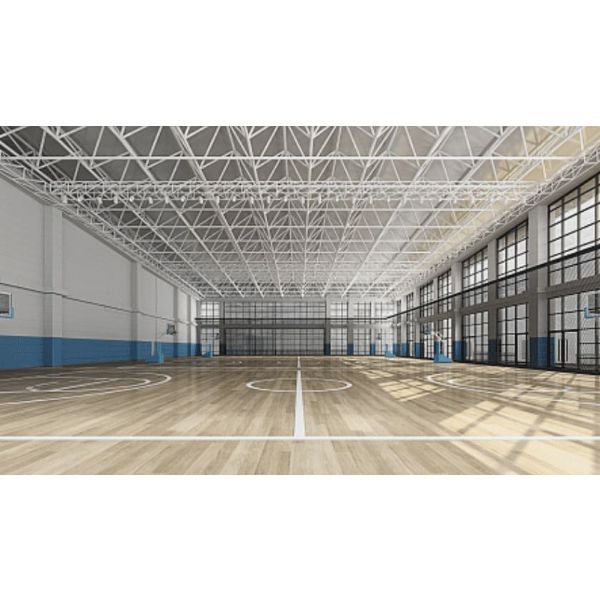
Despite their standardized nature, modular steel building systems offer exceptional design flexibility. Modules can be configured to support single-story or multi-story buildings, long spans, mezzanines, and integrated platforms. As operational needs evolve, buildings can be expanded horizontally or vertically by adding new modules—without disrupting existing operations. This scalability makes modular steel systems particularly attractive for warehouses, factories, and logistics facilities.
Prefabricated Modules and Their Impact on Efficiency
Prefabricated modules form the backbone of modular steel building systems. These modules often include structural frames, floor decks, wall panels, stairs, and service integrations such as cable trays or piping supports. By shifting most construction activities off-site, prefabricated modules improve safety, reduce labor intensity, and enhance schedule reliability. On-site assembly becomes a streamlined process focused on lifting, bolting, and alignment rather than extensive fabrication work.
Cost Efficiency and Lifecycle Savings
Although the initial capital cost of modular steel building systems may appear slightly higher than traditional construction in certain projects, this comparison often overlooks the broader financial picture. When evaluated across the full building lifecycle—from design and construction to operation, expansion, and eventual repurposing—modular steel systems consistently deliver lower total costs and stronger long-term returns. One of the primary sources of cost efficiency is the significant reduction in construction time. Because modular steel components are fabricated off-site while foundation and site preparation occur simultaneously, overall project schedules can be shortened by weeks or even months. Faster completion translates directly into earlier operational start-up, reduced financing costs, and quicker revenue generation. Labor efficiency is another major cost advantage. Factory-based manufacturing requires fewer on-site workers and minimizes skilled labor dependency at the construction site. This not only reduces direct labor costs but also lowers expenses related to site supervision, temporary facilities, and safety management. In regions facing labor shortages or rising labor costs, this benefit becomes even more pronounced. Material efficiency also contributes to lifecycle savings. Controlled factory production reduces material waste, rework, and quality inconsistencies commonly associated with traditional on-site construction. Precision fabrication ensures accurate fit-up during installation, lowering the risk of costly modifications or delays during assembly. Beyond construction, modular steel building systems offer long-term operational and asset value advantages. Steel modules can be disassembled, relocated, or reconfigured with minimal structural loss. This flexibility allows building owners to adapt facilities to changing business needs, preserve asset value, and significantly reduce future capital expenditure compared to permanent, non-modular structures.
Lifecycle Cost Comparison: Modular Steel vs Traditional Construction
| Cost Factor | Modular Steel Building Systems | Traditional Construction |
|---|---|---|
| Initial construction cost | Moderate, optimized through standardization | Often lower upfront but less predictable |
| Construction duration | 30–60% faster due to parallel workflows | Longer due to sequential processes |
| Labor requirements | Reduced on-site labor, factory efficiency | High on-site labor dependency |
| Material waste | Minimal, factory-controlled production | Higher waste and rework |
| Quality consistency | High, standardized fabrication | Variable, site-dependent |
| Operational downtime | Reduced due to fast assembly | Higher risk of delays |
| Expansion & modification | Easy modular expansion or relocation | Complex, costly structural changes |
| Long-term maintenance | Lower, predictable steel performance | Higher, especially for concrete or masonry |
| Asset reusability | Modules can be reused or relocated | Limited or non-reusable |
| Total lifecycle cost | Significantly lower | Higher over building lifespan |
From an investment perspective, modular steel building systems shift cost focus from short-term savings to long-term value creation. Owners benefit not only from reduced construction expenses but also from enhanced flexibility, lower operational risks, and improved return on investment over the building’s lifespan. In industries where adaptability, speed, and cost control are critical—such as logistics, manufacturing, and industrial facilities—modular steel building systems represent a financially strategic choice rather than a simple construction alternative. Environmental and Sustainability Benefits Sustainability is an increasingly important consideration in modern construction. Modular steel building systems align well with environmental goals due to efficient material usage, reduced waste, and lower on-site emissions. Steel is 100% recyclable, and many modular systems incorporate recycled steel content without compromising performance. Factory-controlled production also enables better waste management and energy efficiency compared to traditional site-based construction.
Improved Safety During Construction and Operation
By reducing on-site fabrication and manual labor, modular steel building systems significantly improve construction safety. Most high-risk activities are performed in controlled factory environments, minimizing exposure to hazards. Once operational, steel-based modular buildings offer excellent fire resistance, structural stability, and predictable behavior under extreme loads, contributing to overall building safety.
Industries That Benefit Most from Modular Steel Building Systems
Modular steel building systems are widely used across multiple sectors:
- Industrial factories and production facilities
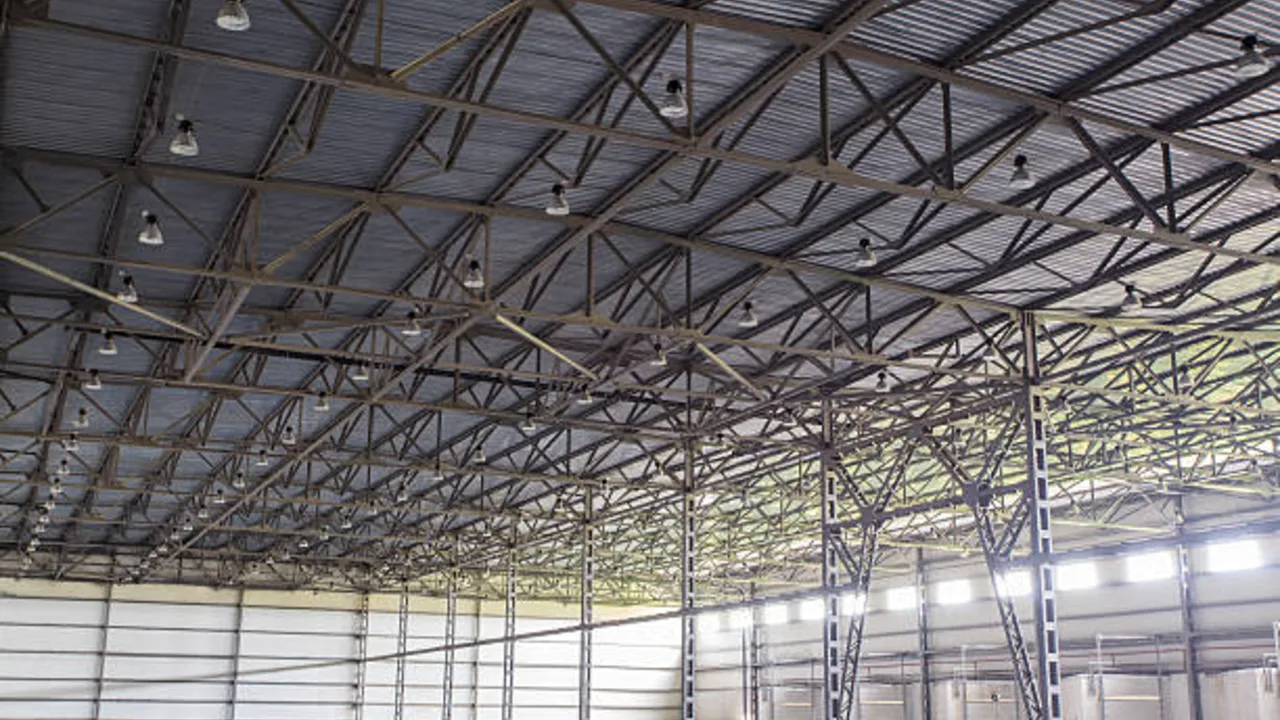
- Warehouses and logistics distribution centers
- Steel structure working platforms and mezzanines
- Commercial and mixed-use industrial buildings
- Temporary or relocatable industrial structures
In these applications, a well-designed prefabricated steel structure building delivers unmatched efficiency, adaptability, and long-term value.
Modular Steel Systems vs Traditional Construction
Compared to conventional concrete or masonry construction, modular steel building systems offer faster delivery, greater flexibility, and improved quality consistency. Traditional construction often involves sequential processes, longer curing times, and higher dependency on site conditions. In contrast, modular steel systems adopt a parallel workflow—manufacturing and site preparation occur simultaneously—resulting in predictable schedules and reduced project risk.
Future Trends in Modular Steel Construction
As digital design tools, BIM integration, and smart manufacturing continue to advance, modular steel building systems are expected to become even more efficient and customizable. Integration with renewable energy systems, smart building technologies, and automated logistics is already shaping the next generation of modular steel structures. These trends position modular steel systems as a cornerstone of future industrial and commercial construction.
Conclusion: Why Modular Steel Building Systems Are a Strategic Choice
Choosing modular steel building systems offers a powerful combination of speed, durability, flexibility, and cost efficiency. By leveraging modular construction principles and prefabricated modules, these systems deliver high-performance buildings that adapt to changing operational needs.