Modern aviation operations demand infrastructure that is not only functional, but also durable, resilient, and adaptable to harsh environmental conditions. From commercial airports and MRO facilities to military airbases and private aviation hubs, the steel airplane hangar has become the preferred solution for long-span aircraft storage and maintenance.
Unlike conventional concrete buildings, steel hangars are engineered to withstand extreme weather, support wide clear spans, and accommodate evolving aircraft sizes. This article explores why steel airplane hangars are the industry standard, how advanced structural systems enhance performance, and what design considerations ensure long-term durability and weather resistance.
Why Steel Airplane Hangars Dominate Modern Aviation Infrastructure
Aviation infrastructure operates under a unique combination of technical, operational, and regulatory pressures. Aircraft are high-value assets, operational downtime is extremely costly, and facilities must meet strict safety and performance standards. In this context, aviation facilities require unobstructed interior space, structural reliability, and fast construction timelines—requirements that steel satisfies more efficiently than most traditional building materials.
Unlike concrete or masonry systems, steel structures are specifically engineered to deliver long spans with minimal structural depth. This makes steel airplane hangars especially suitable for housing modern aircraft, whose wingspans and tail heights continue to increase across commercial, military, and private aviation sectors.
Large Clear-Span Capability Without Internal Columns
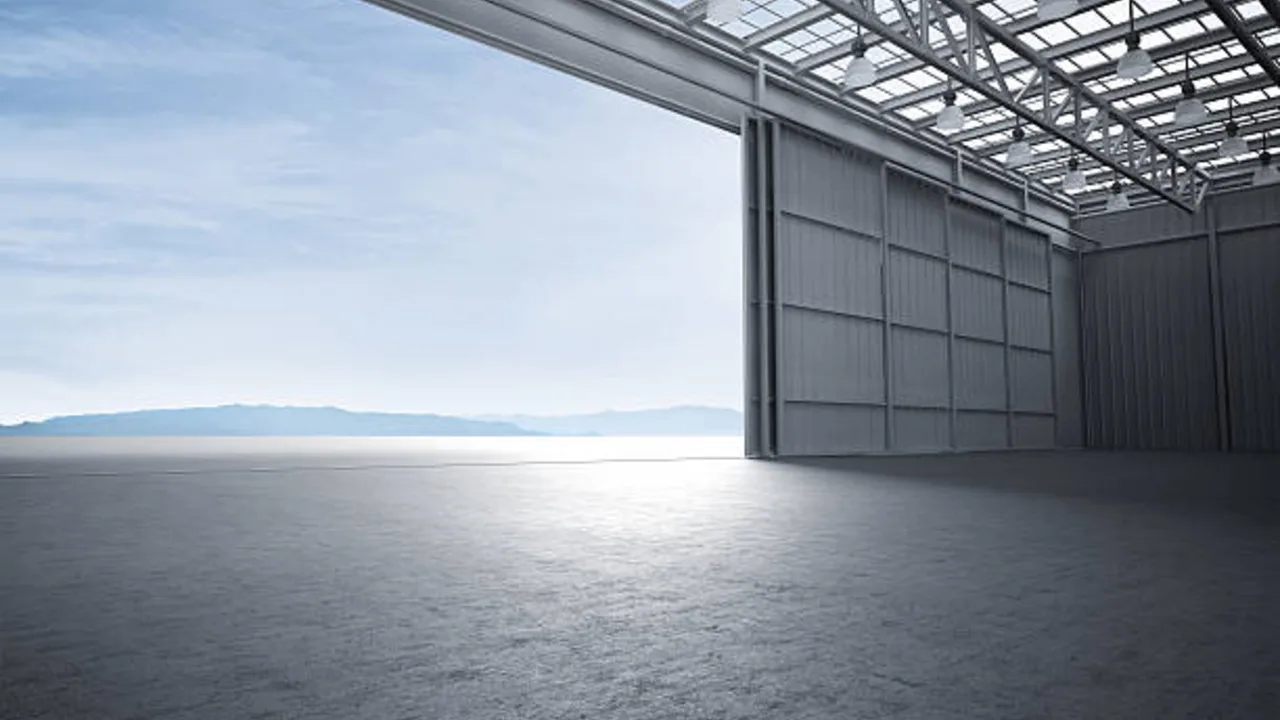
One of the most decisive advantages of steel airplane hangars is their ability to achieve large clear spans without internal columns. Internal obstructions can severely limit aircraft maneuverability, restrict maintenance operations, and reduce operational safety. Steel structural systems—such as long-span frames, space frames, and truss-based roofs—enable hangars to span tens or even hundreds of meters while maintaining an open, flexible interior layout.
This column-free environment allows:
- Safe aircraft taxiing and positioning inside the hangar
- Efficient use of ground support equipment
- Flexible reconfiguration for different aircraft types
- Compliance with aviation safety and clearance requirements
As aircraft fleets evolve, clear-span steel hangars provide long-term operational adaptability.
High Strength-to-Weight Ratio for Long-Span Roof Systems
Steel offers an exceptional strength-to-weight ratio, allowing designers to create lightweight yet extremely strong roof structures. Compared to concrete, steel roofs impose significantly lower dead loads on foundations, which is particularly important for large-span aviation buildings.
This structural efficiency results in:
- Reduced foundation size and cost
- Improved seismic performance
- Easier transportation and installation of components
- Better overall structural control for long-span designs
For large airports and MRO facilities, these advantages translate into both technical reliability and economic efficiency.
Excellent Resistance to Wind, Snow, and Seismic Loads
Steel airplane hangars are engineered to withstand extreme environmental conditions, including high wind speeds, heavy snow loads, and seismic activity. Modern steel design standards allow precise modeling of load paths and structural behavior under both static and dynamic forces.
Key performance benefits include:
- High wind resistance through rigid frames and bracing systems
- Optimized roof geometry to manage snow accumulation
- Ductility that allows steel structures to absorb seismic energy without sudden failure
This level of resilience is critical for airports located in coastal regions, cold climates, or seismic zones, where structural failure would result in severe operational and financial consequences.
Faster Construction Through Prefabrication
Construction speed is a critical factor in aviation projects, where delays can disrupt flight schedules and revenue streams. Steel airplane hangars benefit from off-site prefabrication, where structural members are manufactured under controlled factory conditions and delivered ready for assembly.
Prefabrication enables:
- Shorter on-site construction periods
- Higher dimensional accuracy
- Reduced weather-related delays
- Improved site safety due to less on-site fabrication
For airports operating under tight timelines or phased expansion plans, steel construction offers predictable scheduling and faster commissioning.
Lower Lifecycle Maintenance Costs
While initial material costs are an important consideration, aviation operators increasingly evaluate facilities based on total lifecycle cost. Steel airplane hangars typically require lower long-term maintenance compared to traditional structures, especially when protected with modern corrosion-resistant coatings and cladding systems.
Long-term benefits include:
- Minimal structural degradation over decades
- Easier inspection and repair compared to concrete structures
- Compatibility with future retrofits and expansions
- Reduced downtime for maintenance activities
This makes steel hangars not just a construction choice, but a strategic investment in long-term aviation operations.
Balancing Performance, Safety, and Economic Efficiency
For airports operating under strict regulatory frameworks, steel airplane hangars provide a balanced solution that aligns engineering performance, operational safety, and economic efficiency. Their adaptability, resilience, and construction speed make them the preferred infrastructure choice for modern aviation facilities worldwide.
As aviation continues to evolve toward larger aircraft, higher traffic volumes, and stricter safety requirements, steel airplane hangars remain the structural benchmark supporting the future of global air operations.
Structural Systems Used in Steel Airplane Hangars
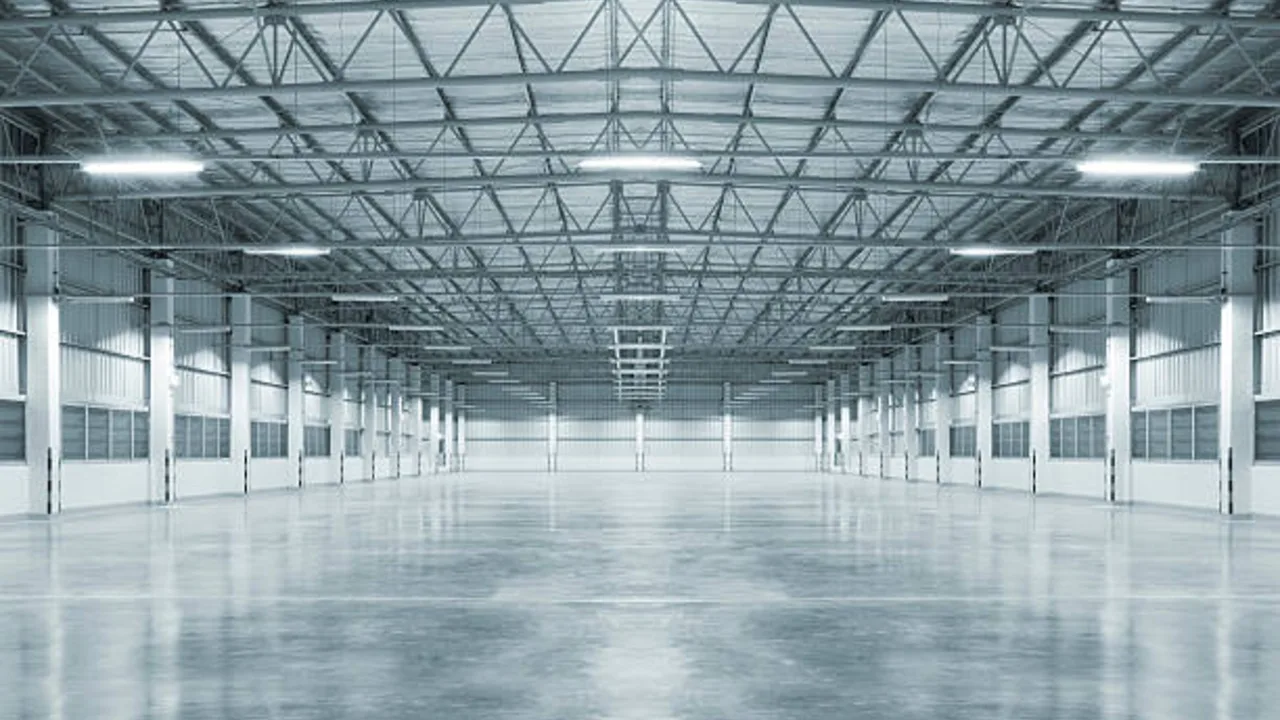
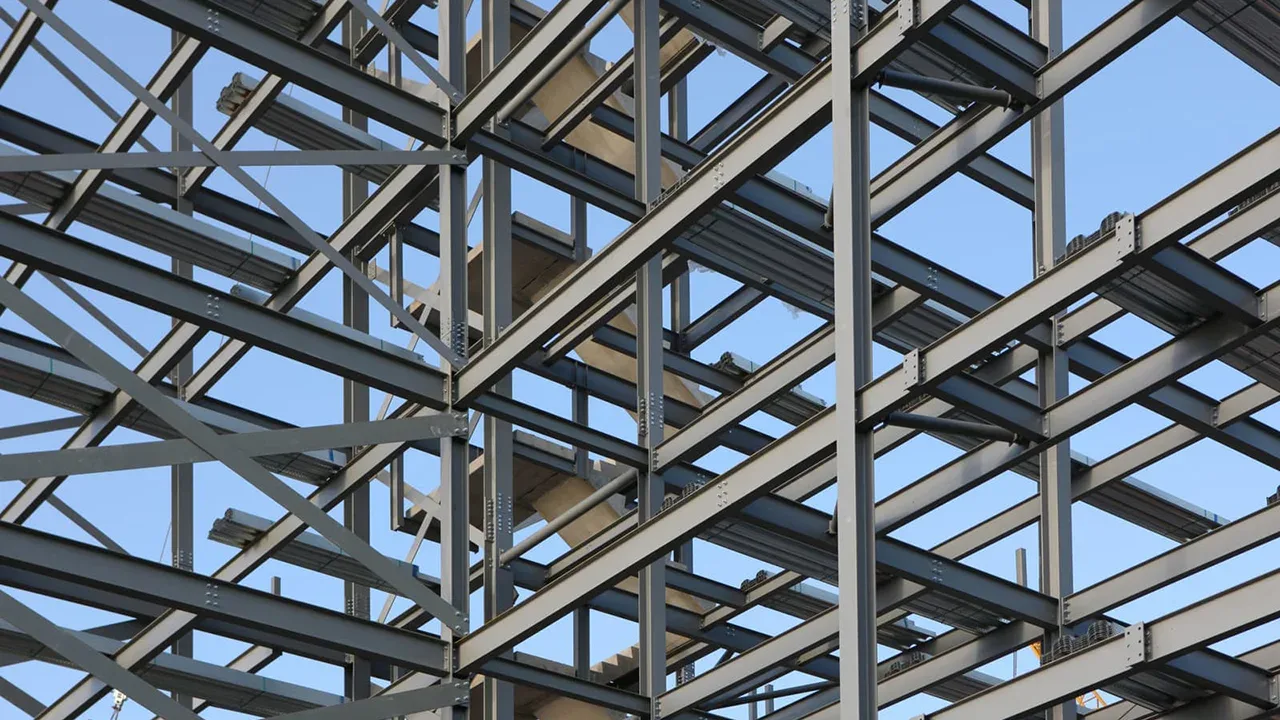
The performance of a steel airplane hangar depends heavily on its structural system. Modern hangars use advanced steel frameworks to achieve large spans and high load resistance.
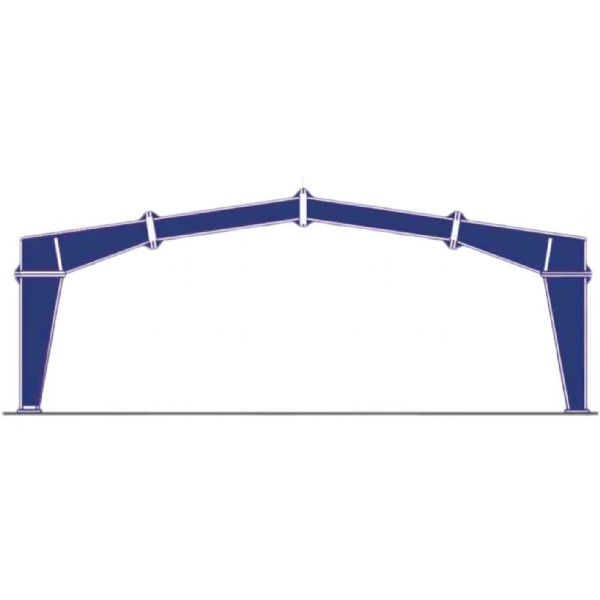
Portal Frame and Long-Span Steel Systems
Traditional portal frames are commonly used for medium-span hangars, offering cost-effective construction and reliable load distribution. However, as aircraft sizes increase, more advanced systems are often required.
Space Frame Structure for Large-Clear-Span Hangars
A space frame structure is a three-dimensional steel system composed of interconnected members that distribute loads efficiently in multiple directions. This system is ideal for large airplane hangars that require:
- Extremely wide clear spans
- Reduced structural weight
- High stiffness and stability
- Architectural flexibility
Space frame hangars are commonly used in international airports and military aviation facilities where structural reliability and scalability are critical.
Space Truss Systems for Roof and Canopy Design
A space truss system is another advanced solution for steel airplane hangars, particularly for roof structures. Space trusses provide:
- Excellent load-bearing efficiency
- Optimized material usage
- Resistance to wind uplift and heavy snow loads
- Ease of modular fabrication and assembly
These systems are well-suited for hangars located in regions with extreme weather conditions or strict structural safety requirements.
Weather Resistance: Designed for Harsh Environmental Conditions
One of the defining advantages of a steel airplane hangar is its ability to perform under severe environmental stress. Hangars are often exposed to strong winds, heavy rainfall, snow accumulation, temperature fluctuations, and corrosive atmospheres.
Wind and Storm Resistance
Steel hangars are engineered to meet international wind load standards. Proper bracing, rigid connections, and aerodynamic roof profiles help minimize wind pressure and uplift forces, ensuring structural stability during storms and hurricanes.
Snow Load and Roof Performance
In cold climates, hangar roofs must safely support significant snow loads. Steel systems allow for precise load calculations and optimized roof slopes to prevent excessive accumulation and structural overstress.
Corrosion Protection and Coastal Environments
For hangars located near coastlines or in humid regions, corrosion resistance is essential. Protective measures include:
- Hot-dip galvanization
- High-performance anti-corrosion coatings
- Weather-resistant cladding systems
These treatments significantly extend the service life of steel airplane hangars while reducing long-term maintenance costs.
Durability and Lifecycle Advantages of Steel Hangars
Durability is not only about structural strength—it also relates to long-term performance, adaptability, and cost efficiency. Steel airplane hangars excel in all these areas.
Long Service Life with Minimal Maintenance
Properly designed and protected steel structures can operate for decades with limited maintenance. Periodic inspections and surface treatments are usually sufficient to maintain performance.
Adaptability and Future Expansion
Aircraft fleets evolve over time, and hangar requirements often change. Steel hangars offer flexibility for:
- Future span extensions
- Door system upgrades
- Integration of cranes, mezzanines, or MEP systems
This adaptability makes steel airplane hangars a future-proof investment.
Construction Efficiency and Prefabrication Benefits
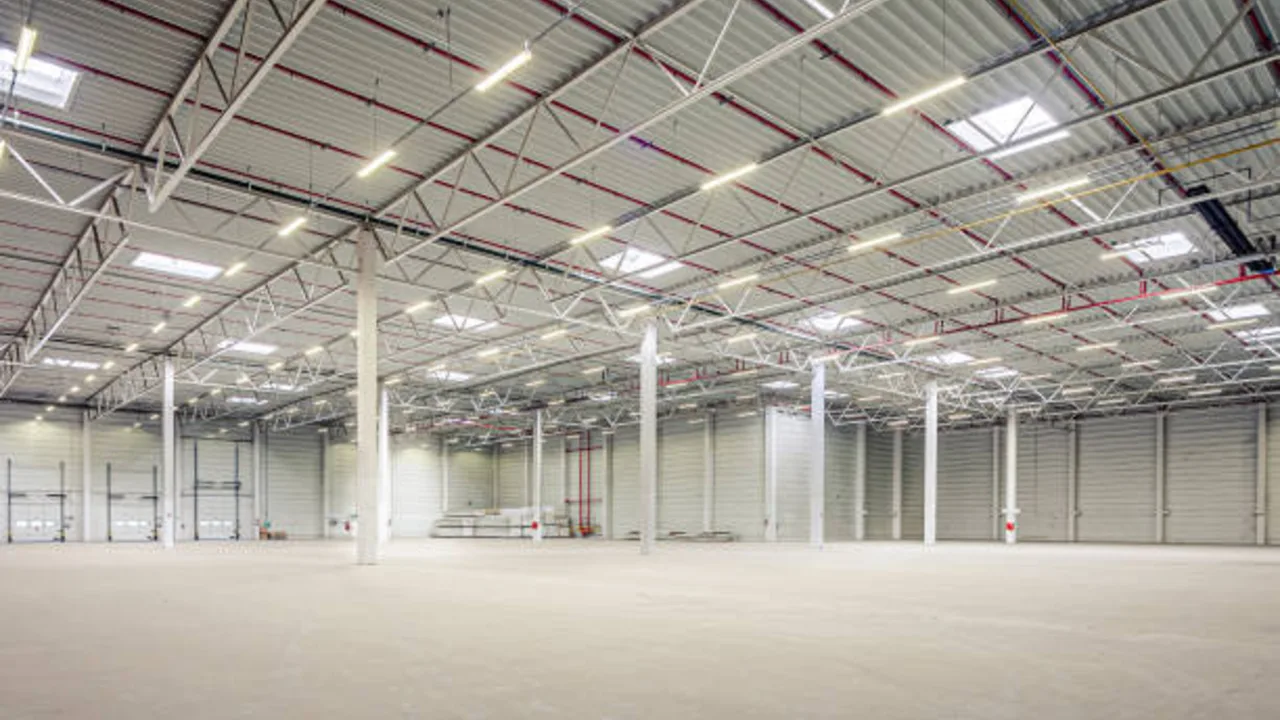
Time is a critical factor in aviation projects. Steel airplane hangars benefit from off-site prefabrication, where structural components are manufactured under controlled conditions and delivered ready for assembly.
Benefits include:
- Shorter on-site construction time
- Higher fabrication accuracy
- Reduced labor and safety risks on site
- Predictable project schedules
This approach is particularly valuable for airports that must minimize operational disruptions.
Global Manufacturing and Engineering Capabilities
Many large-scale steel airplane hangars are engineered and fabricated by experienced suppliers with international project experience. Working with a reliable china steel structure partner allows project owners to benefit from advanced fabrication capacity, competitive cost structures, and compliance with global standards such as EN, ASTM, and AISC.
This combination of engineering expertise and manufacturing scale makes steel hangar solutions accessible to aviation projects worldwide.
Applications of Steel Airplane Hangars
Steel airplane hangars are used across a wide range of aviation sectors, including:
- Commercial aircraft storage and maintenance
- MRO (Maintenance, Repair, and Overhaul) facilities
- Military and defense aviation bases
- Private and business jet hangars
- Helicopter and UAV hangars
Each application benefits from steel’s strength, flexibility, and resilience under demanding operational conditions.
Conclusion: A Smart Investment for Long-Term Aviation Operations
A well-designed steel airplane hangar delivers unmatched durability, superior weather resistance, and long-term operational flexibility. By leveraging advanced systems such as space frame structures and space truss designs, modern hangars can achieve wide clear spans, structural efficiency, and resilience in even the most challenging environments.
For aviation operators seeking reliable, scalable, and cost-effective infrastructure, steel airplane hangars remain the benchmark solution for today’s and tomorrow’s aircraft facilities.