Modern warehouses face increasing pressure from rising inventory demands, rapid e-commerce growth, and the need for more efficient storage solutions. As building new facilities becomes more expensive and land availability decreases, businesses are turning to smarter, more cost-efficient ways to expand storage capacity. One of the most powerful solutions available today is the steel mezzanine platform system, a modular and scalable structure designed to transform unused vertical height into productive floor space.
A steel mezzanine platform system allows warehouses, fulfillment centers, and manufacturing facilities to dramatically increase their square footage without extending the physical footprint of the building. Instead of expanding outward, companies expand upward—optimizing vertical space that would otherwise go unused. These systems can be installed quickly, customized for a variety of operations, and engineered to support heavy loads, making them one of the most effective space optimization tools in modern industrial environments.
What Is a Steel Mezzanine Platform System?
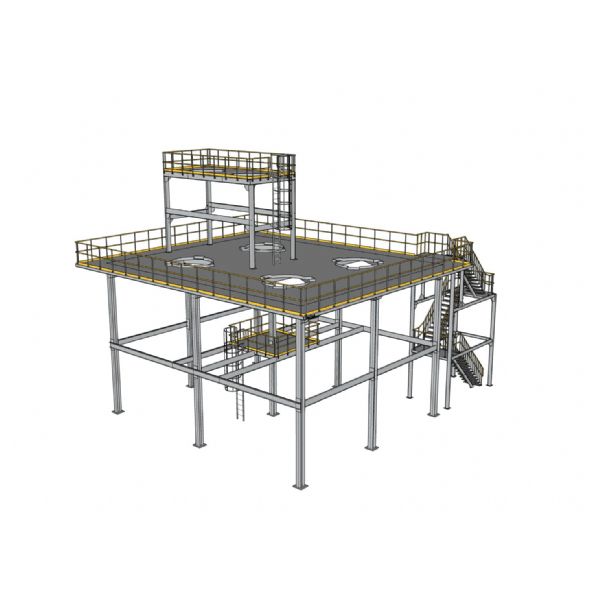
A steel mezzanine platform system is an elevated flooring structure constructed from steel columns, beams, joists, and decking panels. It creates an additional floor level above the ground level, allowing warehouses to add storage, equipment platforms, offices, or picking zones. Because mezzanine systems are freestanding or rack-supported, they do not require structural changes to the main building, reducing installation time and cost.
Types of Mezzanine Systems
- Structural steel mezzanine: A freestanding system offering maximum flexibility and durability.
- Rack-supported mezzanine: Built directly on top of pallet racking, ideal for storage-intensive operations.
- Shelving-supported mezzanine: Suitable for light-duty storage and order picking.
- Multi-level mezzanine systems: Multi-tier platforms that fully utilize warehouse vertical height.
Regardless of type, the core purpose of a steel mezzanine platform system remains the same—to create additional usable space and enhance operational efficiency.
Why Warehouses Need Steel Mezzanine Solutions
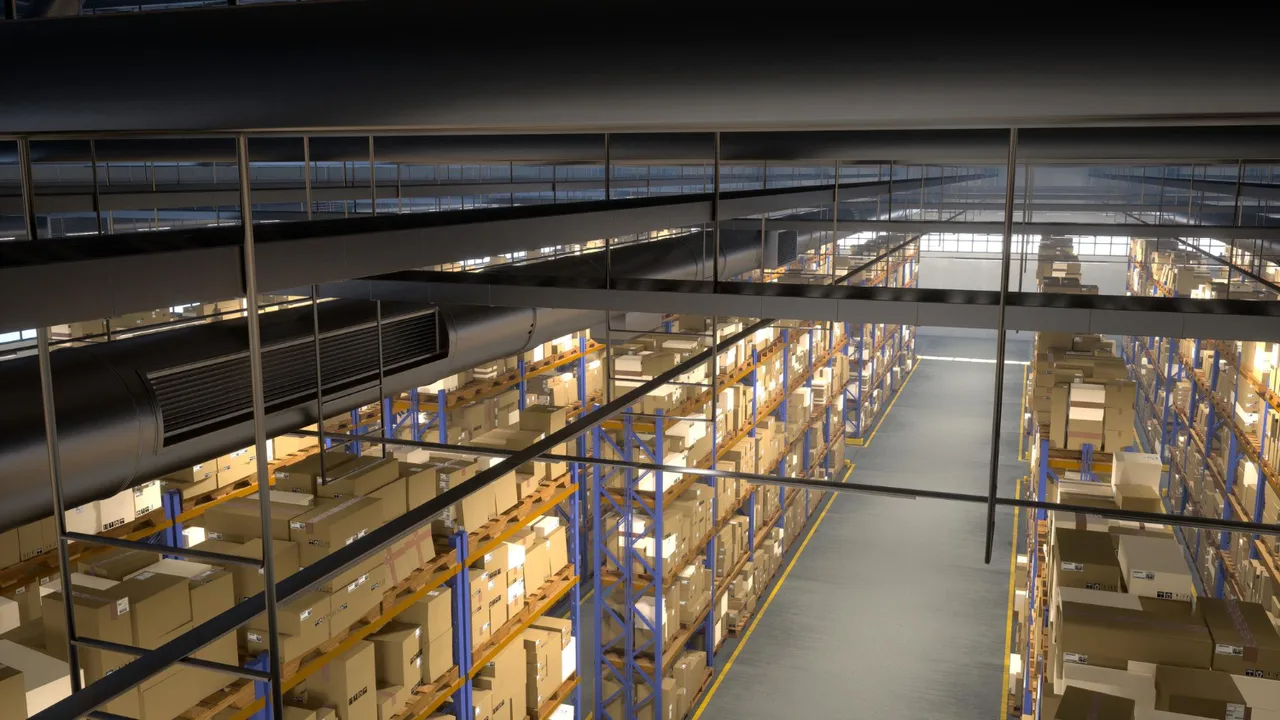
Warehouses today handle more SKUs, faster inventory turns, and higher operational demands. Facility managers must maximize every square meter while maintaining clear workflow and safety standards.
Limited Horizontal Expansion
Urban and industrial land costs are rising, and many warehouses have no room for outward expansion. Zoning restrictions and construction permits also make traditional expansion complex and costly. The steel mezzanine platform system solves this challenge by using space already available inside the facility.
Optimizing Vertical Height
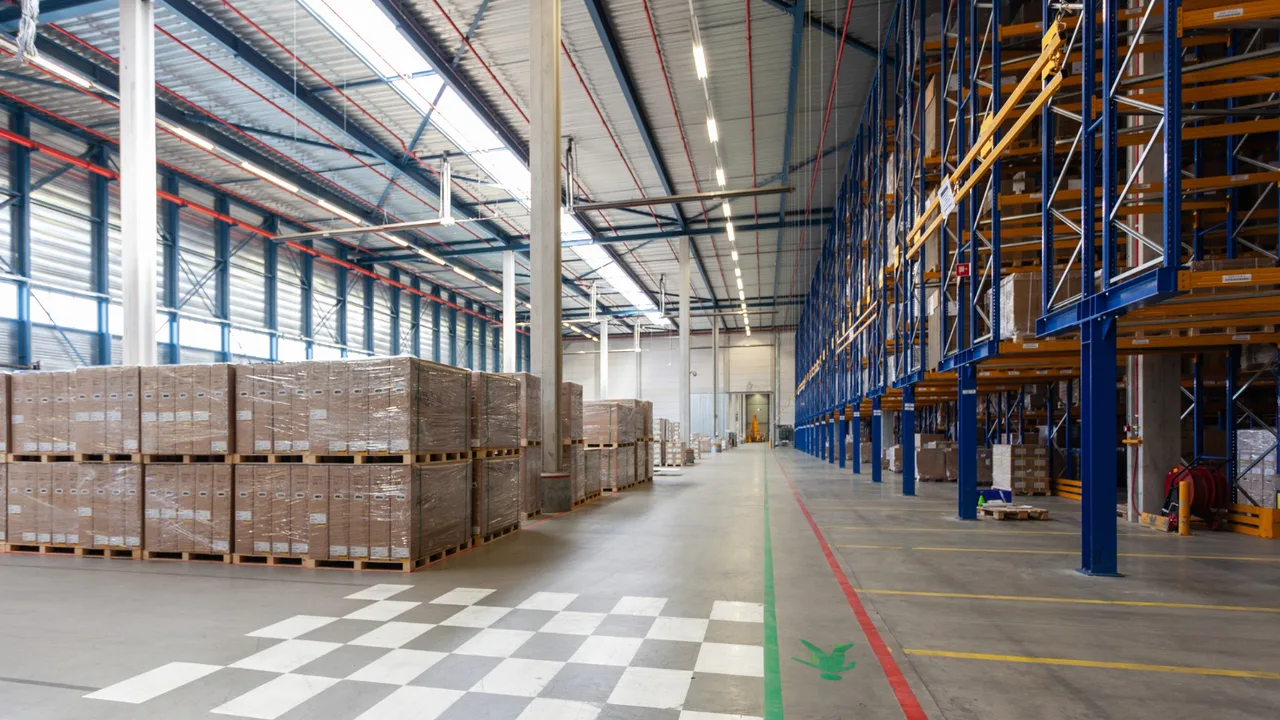
Many warehouses have ceiling heights of 8–15 meters, yet only the lower portion is utilized. A steel mezzanine platform system converts this unused overhead space into functional work or storage areas, significantly boosting storage density.
Supporting Modern Warehouse Operations
With the growth of automation and e-commerce, warehouses require areas for sorting, picking, value-added services, and equipment integration. Mezzanine systems allow companies to create these zones without disrupting existing workflow.
Benefits of a Steel Mezzanine Platform System
1. Significant Space Optimization
A well-designed steel mezzanine platform system can increase floor area by 50–200% depending on the available height. This allows warehouses to:
- Store more inventory
- Integrate new workshop areas
- Add equipment without sacrificing floor space
- Create multi-level processing zones
Space optimization directly improves operational speed, throughput, and storage efficiency.
2. High Strength & Load Capacity
Steel mezzanines are engineered to support heavy loads, including:
- Palletized goods
- Conveyor systems
- Automated sorting lines
- Industrial equipment
Because of their strength and rigidity, a steel mezzanine platform system provides reliable performance even under demanding industrial conditions.
3. Fast Installation with Minimal Disruption
Most mezzanine components are prefabricated off-site, including beams, columns, stairs, and decking. This allows rapid installation with minimal downtime, ensuring your warehouse can continue operating while construction takes place.
4. Scalability and Modularity
A steel mezzanine platform system can be expanded, reconfigured, or relocated as operational needs evolve. This makes it ideal for fast-growing warehouses where storage requirements may change frequently.
5. Cost Efficiency
Compared to traditional building extensions, mezzanine systems:
- Cost significantly less to install
- Require fewer permits and engineering changes
- Offer faster ROI
Key Components of a Steel Mezzanine Platform System
Primary Steel Frame
The main load-bearing structure consists of columns, main beams, and joists. Engineering calculations ensure the steel mezzanine platform system remains stable under dynamic and static loads.
Decking Options
- Steel grating: Durable and slip-resistant
- Plywood on steel deck: Cost-effective and easy to maintain
- Concrete on steel deck: Heavy-duty option for high-load applications
Staircases & Access Systems
Stairs, ladders, and loading gates ensure safe movement between levels. These access points must meet local safety regulations and ergonomic standards.
Guardrails, Gates, & Safety Features
Safety rails, handrails, and kickplates protect workers from falls. Pallet drop gates ensure secure loading and unloading on elevated platforms.
Engineering Considerations
Designing a steel mezzanine platform system requires careful engineering to ensure long-term safety and performance.
Load Calculations
- Uniform load distribution
- Point load assessment
- Equipment load requirements
Building Codes and Safety Standards
Fire resistance, egress routes, and structural compliance must be evaluated during design. Local building codes influence column spacing, stairway dimensions, and occupancy limits.
Seismic and Structural Stability
In seismic zones, the mezzanine must be equipped with bracing systems and reinforced connections to ensure stability during ground movement.
Multi-Level Mezzanine Systems
Warehouses with high ceilings can maximize storage density even further using multi-level mezzanines. A multi-tier steel mezzanine platform system can support multiple floors of storage, picking, or processing activities.
When Multi-Level Is Necessary
- High-bay distribution centers
- E-commerce fulfillment hubs
- Bulk storage facilities
Advantages of Multi-Level Systems
- Highest vertical space utilization
- Separation of operational zones
- Increased inventory capacity without expansion
Applications
- Pick modules
- Automated conveyor platforms
- Sorting and packing zones
Applications of Steel Mezzanine Platform Systems
Storage Expansion
Warehouses can double or triple storage capacity by adding a steel mezzanine platform system. It allows efficient organization of:
- Palletized goods
- Carton storage
- Small-parts bins
Office Integration
Mezzanines allow warehouses to create elevated office spaces such as:
- Supervisor offices
- Quality control rooms
- IT and administrative offices
Equipment Support Platforms
Heavy-duty mezzanines can support:
- Industrial machinery
- Packaging equipment
- Robotic systems
- Conveyor belts
Distribution & E-Commerce Fulfillment
A steel mezzanine platform system creates space for order picking, packing, sorting, and automation—critical for high-speed e-commerce operations.
Comparing Steel Mezzanine vs Concrete Expansion
| Criteria | Steel Mezzanine Platform System | Concrete Expansion |
|---|---|---|
| Cost | Lower installation cost | High construction cost |
| Installation Time | Fast, minimal disruption | Long, with major disruption |
| Flexibility | Modular & reconfigurable | Permanently fixed |
| Operational Impact | Warehouse can stay operational | Requires partial shutdown |
Case Studies (General Examples)
Several warehouses have achieved remarkable improvements using a steel mezzanine platform system:
- A logistics company increased capacity by 80% with a two-level mezzanine.
- A packaging facility installed a mezzanine to support automation equipment without expanding its footprint.
- An e-commerce warehouse built pick modules on a three-level mezzanine to boost order processing speed.
Choosing the Right Steel Mezzanine Platform System
Selecting the correct steel mezzanine platform system is essential for ensuring long-term efficiency, safety, and operational alignment with your warehouse’s workflow. Because every warehouse operates differently—with unique storage demands, ceiling height, load requirements, and traffic patterns—the mezzanine design must be tailored to the facility’s specific needs. A well-engineered mezzanine not only maximizes vertical space but also enhances productivity, reduces congestion, and supports future expansion.
Based on Warehouse Height
Ceiling height is one of the most important factors in mezzanine design. Warehouses with higher ceilings can accommodate multi-tier mezzanine systems, creating additional floors for storage, picking, or equipment zones. Multi-level configurations are especially useful for e-commerce operations, high-density picking modules, and facilities that need to separate different workflow areas vertically.
In contrast, warehouses with moderate heights may benefit from a single-level steel mezzanine platform system designed specifically to avoid interference with lighting fixtures, sprinkler systems, or HVAC infrastructure. Engineering teams must evaluate headroom clearance both above and below the mezzanine to ensure safe walking paths, forklift movement, and ergonomic working conditions.
Optimizing the mezzanine height also affects the long-term adaptability of the warehouse. A mezzanine designed with future expansion in mind can support additional floors later, giving businesses greater flexibility as operational needs evolve.
Based on Load Requirements
Every mezzanine must be engineered to withstand the specific loads it will support. The required load rating varies according to warehouse activity, ranging from light-duty shelving to heavy industrial machinery. For example:
- Light-load mezzanines for carton storage, small parts, and office space
- Medium-load mezzanines for pallet storage, picking zones, and assembly lines
- High-load mezzanines for packing machines, conveyors, robotics, and heavy equipment
A precisely engineered steel mezzanine platform system ensures that deflection limits, structural integrity, and load distribution meet local building codes and operating conditions. Engineers must also consider point loads, dynamic loads caused by moving equipment, and concentrated loads from pallet jacks or automated conveyors. Proper load calculation prevents long-term issues such as floor vibration, beam fatigue, or structural deformation.
Based on Operational Flow
Warehouse efficiency depends heavily on movement—of workers, forklifts, conveyors, pallets, and automated systems. A poorly designed mezzanine can disrupt this flow, creating bottlenecks, blocked aisles, or unsafe working conditions. Therefore, analyzing the warehouse’s current workflow is critical.
Key considerations for optimizing operational flow include:
- Traffic routes: Ensuring aisles remain open for forklift navigation and pallet movement
- Picking line layout: Designing mezzanines to support efficient pick-path routes
- Conveyor integration: Planning cutouts, platform openings, and load transfer points
- Material handling access: Positioning stairways, pallet drop zones, and gate openings strategically
By aligning the design of the steel mezzanine platform system with operational flow, warehouses can reduce unnecessary travel time, improve picking speed, and maintain smooth transitions between levels. This is especially crucial for high-volume fulfillment centers where every second counts.
Budget and ROI Considerations
A steel mezzanine platform system is one of the most cost-effective warehouse expansion strategies available. Instead of investing millions in a new facility or constructing an external extension, businesses can significantly expand capacity at a fraction of the cost and time.
ROI considerations include:
- Lower construction cost: No need for foundation work or external walls
- Minimal downtime: Installation occurs with little disruption to daily operations
- Increased storage capability: Higher throughput and inventory volume
- Long-term adaptability: Ability to reconfigure or add new levels as needed
Because mezzanines improve both storage density and operational efficiency, businesses typically recover their investment quickly—especially in fast-growing sectors like logistics, manufacturing, and e-commerce. The financial and operational gains make a steel mezzanine one of the most strategic upgrades for warehouses aiming to scale without relocating or expanding their building footprint.
Conclusion
The steel mezzanine platform system has become an essential solution for warehouses facing space limitations and operational growth. By transforming unused vertical height into productive floor area, mezzanines deliver unmatched flexibility, scalability, and cost efficiency. Whether for storage, offices, equipment support, or e-commerce fulfillment, steel mezzanine platforms provide a smart and sustainable path to warehouse expansion—and a powerful competitive advantage in today’s fast-paced logistics environment.