Modern industrialized construction depends heavily on coordination, speed, and manufacturing precision. In prefab steel projects, fabrication often begins long before installation activities start on site. This compressed workflow improves project efficiency, but it also creates a major challenge when design changes occur after production has already started.
Once steel fabrication enters active manufacturing, even relatively small modifications can trigger large downstream consequences. Connection changes, dimensional adjustments, layout revisions, or loading updates may affect not only individual components, but also entire production sequences, transportation plans, and installation schedules.
This issue is commonly described as prefab design revision risk. It refers to the operational, structural, financial, and scheduling risks created when project revisions occur after prefab manufacturing has already progressed.
Compared to conventional construction, prefabricated systems operate with tighter dimensional tolerances and stronger interdependencies between components. As a result, late-stage revisions can generate rapid escalation of rework, material waste, production interruptions, and coordination conflicts.
The increasing adoption of modular and industrialized construction worldwide has made controlling prefab design revision risk a critical part of modern steel project management. Successful projects now depend not only on good engineering, but also on disciplined revision control, digital coordination, and integrated communication between design teams, fabricators, and site crews.
Understanding how revision risks develop — and how experienced teams manage them — is essential for maintaining productivity, minimizing delays, and protecting overall project performance.
Why Design Revisions Become Dangerous After Fabrication Begins
Transition From Design Phase to Production Phase
During early design stages, project changes are relatively manageable. Engineers can update models, modify layouts, and adjust structural calculations with limited physical consequences.
However, once fabrication starts, the project enters a completely different operational phase.
At this point:
- Raw materials may already be cut
- CNC programs may already be active
- Connection plates may already be welded
- Procurement schedules may already be locked
- Production sequencing may already be optimized
As fabrication progresses, design flexibility rapidly decreases.
This transition is one of the main reasons why prefab design revision risk becomes increasingly dangerous once manufacturing begins.
The Speed of Prefabricated Manufacturing
Prefab steel manufacturing operates much faster than traditional site-built construction.
Modern factories frequently use:
- Automated CNC cutting systems
- Robotic welding
- Digital fabrication workflows
- Batch production scheduling
- Integrated logistics planning
These systems significantly improve productivity, but they also reduce the ability to absorb sudden design changes.
In traditional construction, modifications may only affect local field work. In prefab manufacturing, revisions can interrupt entire production chains.
This means the faster the fabrication system operates, the higher the potential prefab design revision risk becomes.
Accumulated Coordination Dependencies
Prefab projects contain large numbers of interconnected systems.
Structural steel components often coordinate with:
- Architectural cladding
- Mechanical systems
- Electrical routing
- Modular interfaces
- Transportation dimensions
Because these systems are tightly coordinated, even a single revision may affect multiple downstream disciplines simultaneously.
For example:
- A column relocation may affect roof framing
- A connection change may affect cladding support
- A floor opening modification may impact MEP routing
This interconnectedness significantly amplifies prefab design revision risk compared to conventional construction.
Common Causes of Prefab Design Revision Risk
Client Requirement Changes
One of the most common sources of revision risk comes from changing client expectations.
These changes may include:
- Functional layout modifications
- Additional equipment requirements
- Operational workflow changes
- Expansion of project scope
While such revisions may appear manageable during design, they become increasingly disruptive once fabrication has already started.
Late client changes frequently create major prefab design revision risk because previously fabricated components may no longer match updated project requirements.
Architectural Coordination Issues
Coordination conflicts between architectural and structural systems are another common source of revision problems.
Typical examples include:
- Clash detection failures
- Dimensional inconsistencies
- Interface conflicts
- Envelope coordination problems
If these conflicts are discovered after fabrication release, structural modifications may become necessary.
This is why early coordination reviews are essential for minimizing prefab design revision risk.
Structural Optimization During Production
In some projects, engineers continue refining structural designs even after fabrication begins.
Possible revision triggers include:
- Load recalculations
- Material substitutions
- Connection redesigns
- Deflection adjustments
Although optimization may improve final structural performance, late engineering changes can generate severe rework within active production systems.
This creates substantial prefab design revision risk, especially in fast-track industrial projects.
Site Condition Discoveries
Unexpected site conditions often force design changes during fabrication.
Examples include:
- Foundation deviations
- Anchor bolt misalignment
- Survey inconsistencies
- Unexpected underground conditions
Because prefab systems depend heavily on dimensional precision, even small field deviations can require structural adjustments.
Managing these field-driven changes is a major part of controlling prefab design revision risk.
Regulatory and Compliance Updates
Occasionally, revisions occur because of changing regulatory requirements.
These may involve:
- Fire code updates
- Seismic design revisions
- Local authority comments
- Permit review modifications
Compliance-related revisions are particularly difficult because they often cannot be ignored or postponed.
As a result, regulatory changes may trigger urgent fabrication modifications and increase overall prefab design revision risk.
Immediate Consequences of Late Design Revisions
Fabrication Rework
The most obvious consequence of late revisions is physical rework inside the fabrication facility.
This may involve:
- Cutting completed components
- Re-welding connection plates
- Relocating bolt holes
- Replacing steel members
- Scrapping unusable materials
Rework consumes labor, materials, machine capacity, and quality control resources.
In severe cases, already completed assemblies may require full replacement.
This makes fabrication rework one of the largest cost drivers associated with prefab design revision risk.
Production Delays
Late-stage revisions often disrupt carefully optimized manufacturing schedules.
Factories may need to:
- Pause active production lines
- Reprogram CNC systems
- Reschedule welding operations
- Delay procurement deliveries
- Reorganize fabrication batches
These disruptions reduce manufacturing efficiency and frequently create cascading project delays.
Because prefab systems rely on synchronized production workflows, even small interruptions can significantly increase prefab design revision risk.
Installation Sequence Problems
Late revisions frequently create installation challenges on site.
Potential problems include:
- Delayed component deliveries
- Out-of-sequence erection
- Crane schedule conflicts
- Temporary instability conditions
- Field coordination confusion
Since prefab erection relies heavily on sequencing precision, revision-related disruptions can affect the entire installation workflow.
This creates both operational and safety-related prefab design revision risk.
Increased Project Costs
The financial impact of revisions can escalate rapidly once fabrication begins.
Typical cost increases include:
- Additional labor
- Material replacement
- Overtime production
- Transportation inefficiencies
- Site standby costs
In many cases, indirect delay costs become even larger than the direct fabrication corrections themselves.
This is why controlling prefab design revision risk is closely tied to protecting overall project profitability.
Quality Control Complications
Late revisions also create significant quality management challenges.
When fabricated components are modified after production begins, teams must carefully manage:
- Inspection records
- Material traceability
- Revision documentation
- Updated fabrication drawings
- Welding verification procedures
Without strict documentation control, revision-related confusion can spread throughout the project supply chain.
This increases the probability of installation errors, inspection failures, and coordination mistakes associated with prefab design revision risk.
Engineering Challenges Created by Revision Changes
Structural Connection Compatibility
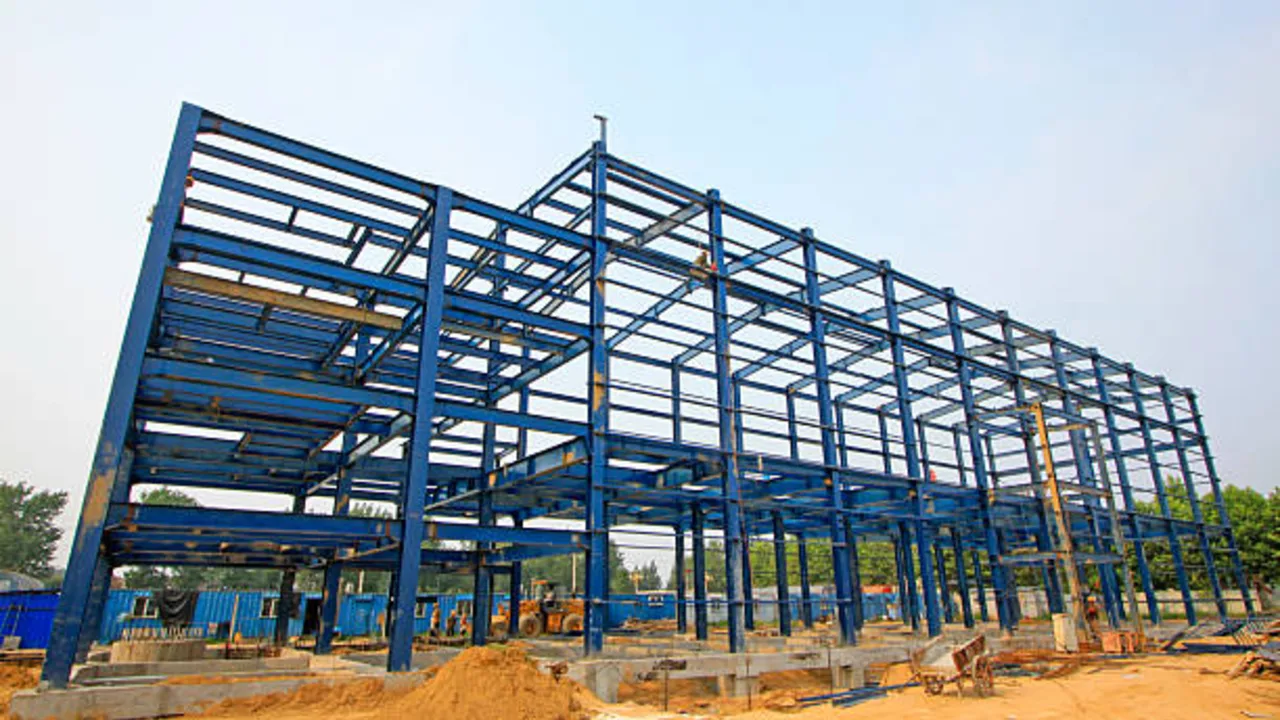
Structural connections are highly sensitive to dimensional coordination.
Even relatively small revisions may affect:
- Bolt alignment
- Connection geometry
- Plate thickness compatibility
- Member fit-up tolerances
- Load transfer behavior
When connection revisions occur after fabrication release, engineers may need to redesign surrounding structural elements to maintain compatibility.
This can create widespread rework throughout the structural system and dramatically increase prefab design revision risk.
Modular Interface Problems
Modular construction systems rely heavily on interface precision.
Revision-related problems may include:
- Module-to-module misalignment
- MEP interface conflicts
- Envelope integration issues
- Transportation dimension violations
Because modular units are often fabricated simultaneously in parallel production lines, even a single revision may affect multiple production streams.
This makes modular projects especially vulnerable to prefab design revision risk.
Temporary Stability Risks
Design revisions can also influence temporary structural stability during erection.
Potential issues include:
- Changed erection sequences
- Modified bracing requirements
- Temporary load redistribution
- Reduced stability during partial assembly
If these risks are not properly analyzed, installation safety may become compromised.
This is why temporary condition analysis is an essential part of managing prefab design revision risk.
Digital Model Synchronization
Modern prefab projects rely heavily on BIM coordination and digital fabrication systems.
When revisions occur, teams must synchronize:
- 3D BIM models
- Fabrication drawings
- CNC production files
- Procurement records
- Installation documentation
Version control failures can easily create confusion between outdated and updated information.
Without strong digital coordination procedures, projects face significantly higher prefab design revision risk.
Managing Prefab Design Revision Risk Through Planning
Establishing Revision Freeze Milestones
One of the most effective risk management strategies is establishing formal revision freeze points.
These milestones typically define:
- Final design approval dates
- Fabrication release authorization
- Controlled revision procedures
- Escalation requirements for late changes
Once fabrication begins, any additional revisions should require formal impact analysis and management approval.
This disciplined process significantly reduces uncontrolled prefab design revision risk.
Early Coordination Workshops
Early-stage coordination meetings help identify conflicts before fabrication starts.
Successful workshops often include:
- Structural engineers
- Architectural teams
- MEP coordinators
- Fabrication specialists
- Site installation managers
These collaborative reviews improve communication and reduce the likelihood of late-stage surprises.
As a result, proactive coordination plays a major role in minimizing prefab design revision risk.
Digital Change Management Systems
Modern prefab projects increasingly use digital systems to manage revisions.
These platforms may include:
- BIM revision tracking
- Cloud collaboration systems
- Approval workflow platforms
- Automated document synchronization
- Digital audit trails
Such systems improve visibility and help teams track changes in real time.
This reduces communication errors and improves control over prefab design revision risk.
To better understand how digital collaboration improves construction coordination, see this overview of construction management software.
Revision Impact Analysis
Before approving major revisions, experienced teams perform detailed impact assessments.
These analyses evaluate:
- Schedule disruption
- Fabrication status
- Installation consequences
- Cost escalation
- Procurement implications
This process helps decision-makers understand the true project impact before authorizing modifications.
Comprehensive impact analysis is critical for controlling prefab design revision risk.
Fabrication Strategies That Reduce Rework
Modular Standardization
Standardized systems can reduce the impact of revisions by increasing flexibility.
Benefits of standardization include:
- Repeatable connection systems
- Simplified fabrication logic
- Interchangeable components
- Reduced customization dependency
Standardized fabrication approaches often absorb small revisions more effectively than highly customized systems.
This helps lower overall prefab design revision risk.
Incremental Fabrication Release
Rather than releasing all drawings simultaneously, some projects use staged fabrication release strategies.
This approach may involve:
- Fabricating stable components first
- Holding uncertain areas longer
- Using controlled batch production
- Prioritizing finalized systems
Incremental release strategies reduce the probability of widespread rework caused by late revisions.
This improves flexibility while controlling prefab design revision risk.
Smart CNC and Automated Manufacturing
Advanced manufacturing systems can improve revision responsiveness.
Modern fabrication technologies may support:
- Rapid CNC reprogramming
- Automated revision tracking
- Integrated BIM-to-machine workflows
- Digital production synchronization
Although revisions still create disruption, digitally integrated factories can often respond faster and more accurately than conventional production environments.
This reduces some operational impacts of prefab design revision risk.
Factory Pre-Assembly Verification
Pre-assembly procedures allow teams to verify component compatibility before shipment.
Factory verification may include:
- Trial fitting
- Dimensional inspections
- Connection alignment checks
- Interface validation
Identifying conflicts inside the factory is usually far less expensive than correcting them on site.
For this reason, pre-assembly verification is an important tool for reducing prefab design revision risk.
Site Management Strategies During Revision Events
Communication Between Factory and Site Teams
Revision management depends heavily on communication quality.
Site and factory teams must coordinate:
- Updated installation procedures
- Revised component deliveries
- Field adjustment requirements
- Temporary sequencing changes
Poor communication frequently causes installation confusion and additional delays.
Real-time coordination significantly improves control over prefab design revision risk.
Temporary Workaround Solutions
In some situations, temporary field solutions may help maintain project progress while permanent revisions are completed.
Possible strategies include:
- Temporary connection modifications
- Alternative erection sequences
- Controlled field adjustments
- Temporary stabilization systems
However, all temporary solutions must remain fully reviewed by structural engineers to maintain safety and code compliance.
Improper field improvisation can dramatically increase prefab design revision risk.
Minimizing Installation Downtime
Even during revision events, experienced project teams work to minimize installation disruptions.
Strategies may include:
- Opening alternative work fronts
- Resequencing crane activities
- Adjusting manpower allocation
- Optimizing material staging
Maintaining installation momentum helps reduce schedule escalation caused by revision-related disruptions.
This operational flexibility is essential for controlling prefab design revision risk.
The Role of BIM in Controlling Prefab Design Revision Risk
Real-Time Model Coordination
BIM systems allow teams to coordinate revisions in shared digital environments.
This enables:
- Centralized design updates
- Improved interdisciplinary coordination
- Real-time revision visibility
- Enhanced communication between stakeholders
Shared digital workflows reduce the probability of outdated information circulating between project participants.
This significantly lowers prefab design revision risk.
Clash Detection Before Fabrication
One of the greatest advantages of BIM is clash detection.
Modern coordination software can identify:
- Structural conflicts
- MEP interferences
- Envelope coordination issues
- Transportation constraints
Detecting these problems before fabrication dramatically reduces the likelihood of late-stage revisions.
As a result, BIM-based clash detection is one of the most effective tools for minimizing prefab design revision risk.
Digital Twin Integration
Advanced projects increasingly use digital twin systems to connect fabrication status with live project coordination.
These systems help teams:
- Track fabricated components
- Monitor revision implementation
- Improve production visibility
- Strengthen traceability
By integrating fabrication and project management data, digital twins improve decision-making speed during revision events.
This strengthens project-wide control over prefab design revision risk.
Case Example of Revision Risk in a Prefab Steel Project
Initial Project Conditions
Consider a large industrial steel facility using modular prefabricated framing systems.
The project utilized:
- Off-site steel fabrication
- Large-span roof trusses
- Integrated MEP coordination
- Fast-track installation scheduling
Fabrication began immediately after early design approval to accelerate project completion.
Revision Introduced After Fabrication
Several weeks into production, the client requested equipment layout changes affecting structural clearances and mechanical routing.
The revision required:
- Column relocation
- Connection redesign
- Roof framing adjustments
- MEP coordination updates
Unfortunately, multiple steel assemblies had already been fabricated.
Resulting Rework and Delays
The revision created significant operational disruption.
Consequences included:
- Production stoppages
- Re-fabrication of components
- Crane schedule revisions
- Delayed shipment coordination
- Additional field welding
Although the project was ultimately completed successfully, the revision event increased overall costs and extended the installation schedule.
This example illustrates how rapidly prefab design revision risk can escalate once fabrication is already underway.
Lessons Learned
The project team identified several important lessons:
- Earlier client decision-making is critical
- Design freeze procedures must remain strict
- BIM coordination should occur earlier
- Incremental fabrication release improves flexibility
These lessons are now widely applied across modern industrial prefab projects.
Future Trends in Revision Management for Prefabricated Steel Structures
AI-Assisted Coordination
Artificial intelligence is beginning to improve revision management capabilities.
Emerging AI tools may support:
- Automated clash prediction
- Revision impact forecasting
- Schedule optimization
- Risk probability analysis
These systems could eventually help teams identify potential revision conflicts before fabrication even begins.
Fully Integrated Digital Manufacturing
Future prefab manufacturing systems will likely become increasingly integrated.
Expected developments include:
- Direct BIM-to-fabrication workflows
- Real-time CNC synchronization
- Automated revision propagation
- Integrated logistics coordination
These technologies may significantly reduce manual coordination errors associated with prefab design revision risk.
Predictive Project Management
Data-driven project management systems are also evolving rapidly.
Future systems may predict:
- Revision probability
- Schedule sensitivity
- Fabrication bottlenecks
- Installation disruption scenarios
This predictive capability could transform how prefab projects manage uncertainty.
How Experienced Manufacturers Reduce Prefab Design Revision Risk
Experienced prefab steel manufacturers typically use integrated engineering, fabrication, and installation coordination systems to reduce revision-related disruption.
Advanced manufacturers often provide:
- Strict revision approval procedures
- Integrated BIM coordination
- Digital fabrication management
- Factory quality verification
- Real-time project communication
These systems improve decision-making speed while minimizing uncontrolled production changes.
Companies that work with experienced prefabricated steel structure building manufacturers often achieve better schedule stability, lower rework costs, and more reliable installation performance.
Conclusion
As industrialized construction continues expanding worldwide, managing revisions after fabrication starts has become one of the most important operational challenges in prefab steel projects.
Because prefab systems rely heavily on dimensional precision, production sequencing, and interdisciplinary coordination, even relatively small design changes can create major downstream disruption.
Effective control of prefab design revision risk requires:
- Strong design freeze discipline
- Integrated BIM coordination
- Advanced digital fabrication systems
- Clear communication workflows
- Experienced project management
Projects that successfully manage revision risk are far more likely to maintain schedule stability, reduce rework, improve installation efficiency, and protect long-term profitability.
As technology continues advancing, digital coordination, AI-assisted planning, and integrated manufacturing systems will play an increasingly important role in reducing prefab design revision risk across the global prefab steel industry.