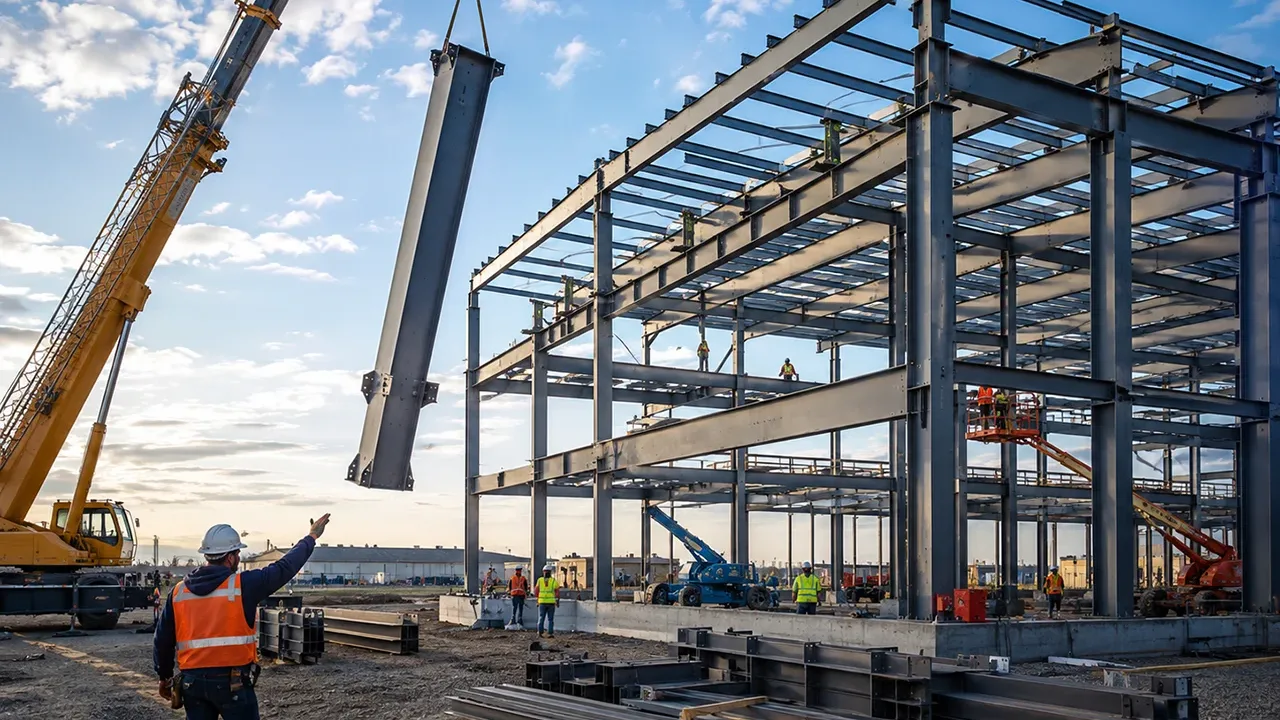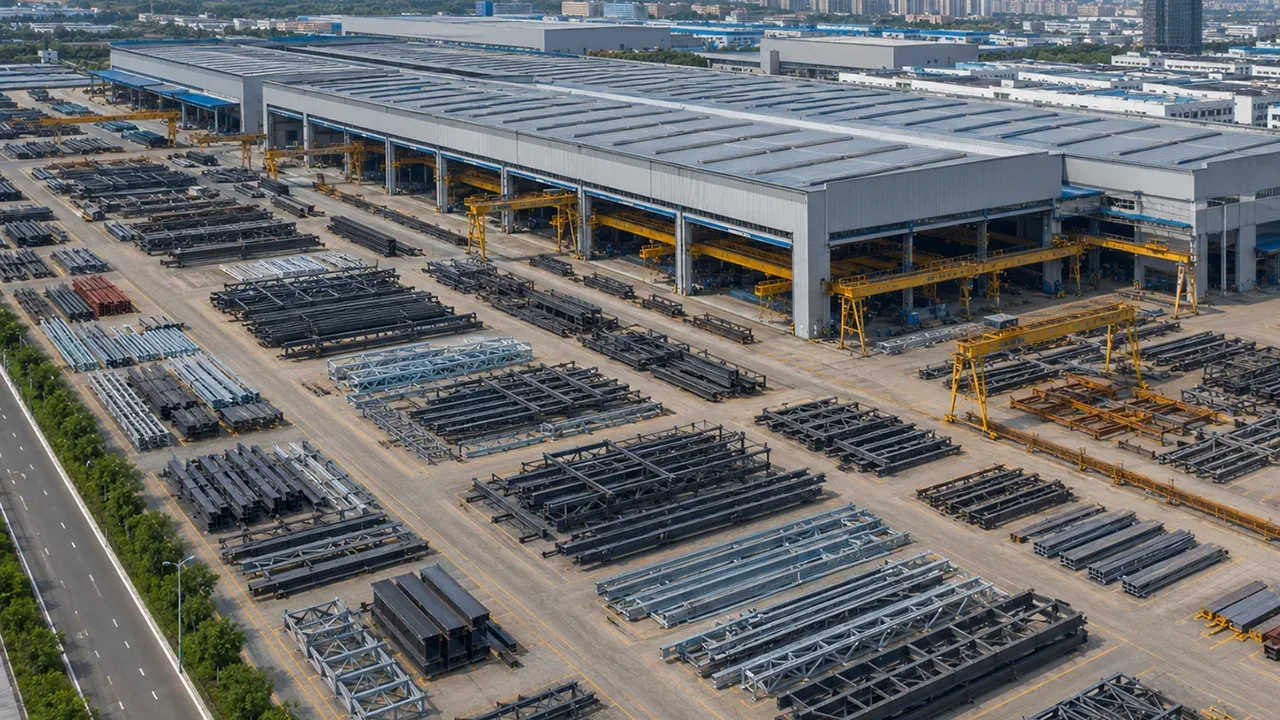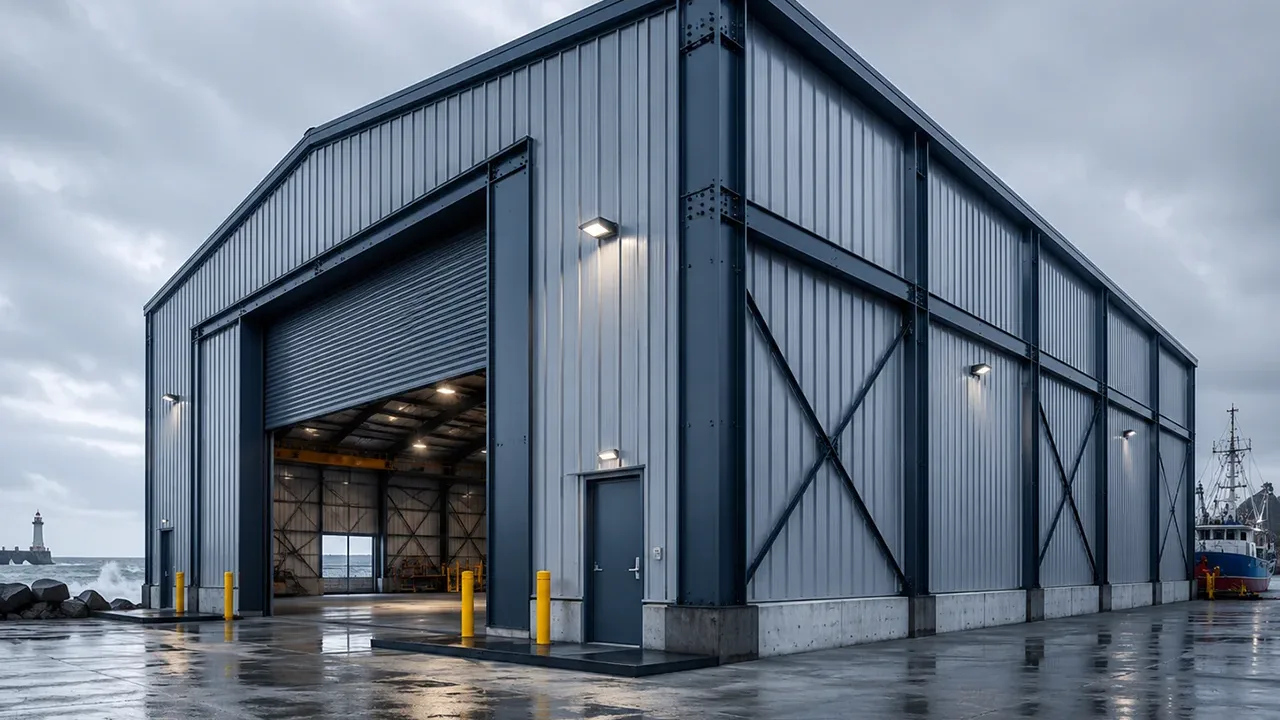
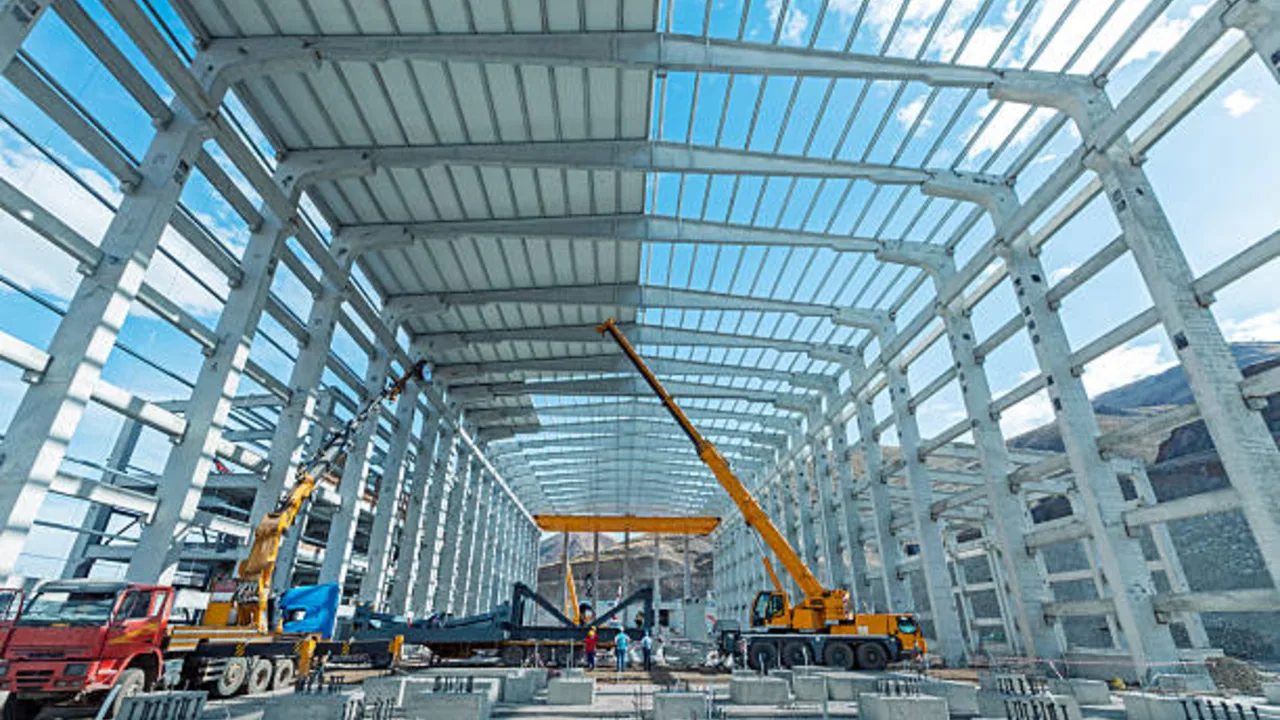
Modern modular construction depends heavily on precision, predictability, and efficient assembly. As industrialized building systems continue expanding across warehouses, factories, infrastructure projects, and commercial developments, the success of modular construction increasingly relies on one critical factor: prefab module interface coordination.
Prefab modules are rarely isolated structural units. Instead, they function as interconnected systems where structural, mechanical, architectural, and utility interfaces must align precisely during transportation, lifting, and installation. Even minor misalignments between modules can create cascading problems that affect project schedules, installation safety, structural performance, and overall construction quality.
As projects become larger and more complex, interface management has evolved from a simple detailing exercise into a highly coordinated engineering discipline. Successful prefab module interface coordination ensures that modules manufactured in controlled factory environments can connect efficiently and reliably once delivered to the project site.
Without proper coordination, projects may experience connection fit issues, excessive field modifications, installation delays, or long-term structural and operational complications. As a result, manufacturers, engineers, contractors, and logistics teams must collaborate closely throughout the entire lifecycle of modular projects.
Why Interface Coordination Matters in Prefabricated Construction
The growth of industrialized construction has significantly increased the complexity of modular systems. Modern prefab projects often involve:
- Structural steel modules
- Mechanical utility systems
- Electrical integration zones
- Architectural enclosure systems
- Multi-level modular assemblies
- Large-scale transportation logistics
Each of these systems introduces interface conditions that must align accurately during installation.
Unlike conventional construction where field modifications are common, modular construction depends heavily on pre-engineered precision. Modules are fabricated remotely and transported to site with limited opportunities for major adjustments.
This means that prefab module interface coordination directly affects:
- Installation speed
- Connection fit accuracy
- Crane operation efficiency
- Structural stability
- Site safety performance
- Project cost control
Well-coordinated interfaces reduce installation uncertainty and improve overall project predictability.
Understanding Prefab Module Interface Coordination
Definition of Module Interfaces
A module interface refers to any physical or functional connection point between prefabricated units.
These interfaces may include:
- Structural steel connections
- Mechanical utility links
- Electrical conduits
- Architectural enclosure joints
- Fireproofing transitions
- Waterproofing systems
Each interface requires dimensional accuracy and coordination between multiple engineering disciplines.
In modern modular systems, prefab module interface coordination ensures that all these connection points align correctly under real installation conditions.
Structural Connection Interfaces
Structural interfaces are among the most critical areas in modular construction. Steel modules depend on precise alignment of:
- Bolt holes
- Connection plates
- Weld zones
- Support frames
- Temporary bracing systems
Poor alignment can prevent modules from connecting properly and may require extensive field corrections.
Connection fit issues become even more significant in multi-story modular structures where tolerance accumulation increases vertically across the building.
Mechanical and Utility Interfaces
Modern prefab systems often integrate extensive mechanical, electrical, and plumbing systems directly inside modules before transportation.
This creates interface conditions involving:
- Pipe alignment
- Duct transitions
- Cable tray connections
- Electrical panel interfaces
- Drainage coordination
If these systems are not properly coordinated, installation crews may face major difficulties reconnecting utilities on site.
As a result, successful prefab module interface coordination must include multidisciplinary engineering collaboration.
Architectural and Enclosure Interfaces
Exterior facade systems and architectural finishes also depend heavily on interface precision.
Panel joints, weatherproofing systems, insulation continuity, and facade alignment all require accurate dimensional coordination between modules.
Misalignment in architectural interfaces can affect:
- Water resistance
- Air tightness
- Thermal performance
- Visual appearance
- Long-term durability
These risks demonstrate why interface management extends far beyond structural engineering alone.
Digital Coordination Requirements
Modern modular projects increasingly depend on digital coordination systems to manage interface complexity.
3D modeling and BIM workflows allow engineers to simulate module interactions before fabrication begins. This improves visibility across disciplines and reduces installation uncertainty.
Through digital coordination, prefab module interface coordination can be validated earlier in the project lifecycle, minimizing costly field conflicts later during assembly.
Common Challenges in Module Interface Coordination
Tolerance Accumulation
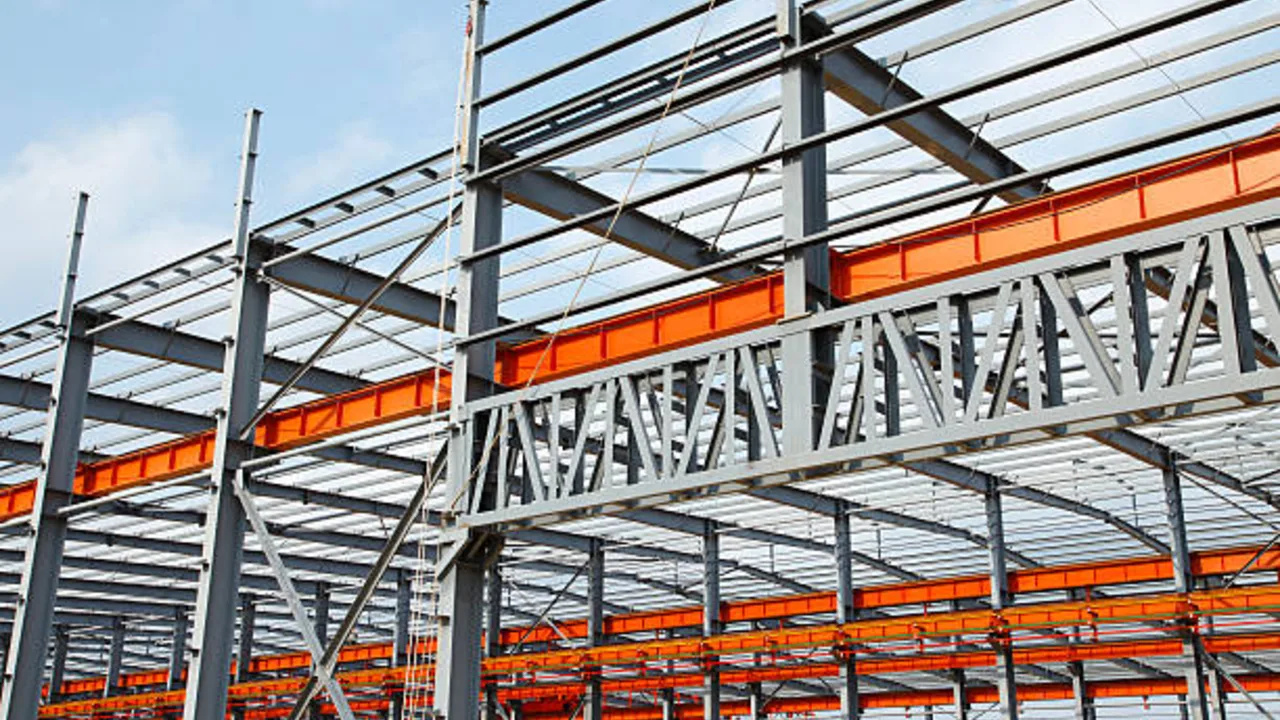
One of the most common challenges in modular construction is tolerance accumulation.
Even when individual modules remain within manufacturing tolerances, small dimensional variations can accumulate across multiple units. By the time installation reaches upper floors or large assembly zones, alignment errors may become significant.
This problem becomes especially critical in large industrial and multi-story modular projects where repetitive module stacking amplifies deviations.
Managing tolerance accumulation is therefore a core component of effective prefab module interface coordination.
Misaligned Structural Connections
Structural misalignment is one of the most expensive interface problems in prefab construction.
Minor deviations in bolt hole locations, plate geometry, or connection positioning can prevent proper assembly.
Corrective actions may require:
- Field drilling
- Temporary cutting
- Welding modifications
- Re-leveling operations
- Crane repositioning
These adjustments increase labor costs, extend schedules, and create additional safety risks.
Inconsistent Fabrication Standards
Projects involving multiple fabrication facilities sometimes experience coordination issues caused by inconsistent production standards.
Differences in:
- CNC calibration
- Measurement systems
- Inspection procedures
- Material handling methods
- Welding tolerances
can all influence interface accuracy.
Standardized quality systems are therefore essential for successful prefab module interface coordination.
Transportation-Induced Deformation
Large prefab modules may experience temporary deformation during transportation and lifting.
Road vibration, support point positioning, and environmental loading can slightly alter module geometry before installation.
If transportation effects are not considered during engineering, interface fit problems may appear during site assembly.
This demonstrates the importance of integrating logistics planning directly into modular engineering workflows.
Coordination Gaps Between Disciplines
One of the most overlooked risks in modular construction is poor communication between engineering disciplines.
Structural, mechanical, electrical, architectural, and logistics teams often operate independently unless coordination systems are carefully managed.
Without integrated workflows, interface conflicts may remain hidden until installation begins.
Strong interdisciplinary communication is therefore critical for reliable prefab module interface coordination.
Structural Connection Fit and Alignment
Bolt Hole Alignment
Accurate bolt hole alignment is one of the most fundamental requirements in modular steel construction.
Even small positional deviations can create major installation problems during field assembly. If bolt holes fail to align correctly, installation crews may need to perform field drilling or temporary modifications that slow construction and increase safety exposure.
Proper prefab module interface coordination ensures that:
- Bolt patterns remain consistent
- Tolerances are controlled accurately
- Connection plates maintain dimensional stability
- Transportation effects are considered
- Assembly sequences support alignment efficiency
In high-volume modular projects, maintaining repetitive connection consistency becomes especially important for installation speed.
Connection Plate Positioning
Connection plates must maintain precise positioning throughout manufacturing, transportation, and lifting operations.
Misplaced connection plates can create:
- Assembly delays
- Excessive field adjustments
- Structural instability risks
- Unexpected welding modifications
- Crane operation inefficiencies
Because modular systems rely heavily on repeatability, even minor positioning errors can multiply across multiple modules.
Successful prefab module interface coordination therefore requires strict dimensional verification throughout fabrication and installation.
Field Adjustment Limitations
Unlike conventional construction, prefab projects allow limited flexibility for field corrections.
Most modular systems are designed to minimize:
- Field welding
- Connection cutting
- Structural rework
- Manual fit adjustments
- Temporary engineering modifications
This means that interface coordination errors can quickly become major project disruptions if not resolved early.
As a result, engineering teams increasingly prioritize digital validation before production begins.
Temporary Stabilization During Assembly
Modules may require temporary stabilization before final structural connections are completed.
This can involve:
- Temporary bracing systems
- Alignment guides
- Positioning supports
- Controlled lifting sequences
- Sequential connection locking
Improper stabilization can affect interface alignment and create cumulative installation errors.
Careful sequencing planning is therefore essential within prefab module interface coordination.
Load Transfer Considerations
Structural interfaces must safely transfer loads between modules under both temporary and permanent conditions.
Engineers must evaluate:
- Vertical load paths
- Lateral stability systems
- Connection stiffness
- Thermal movement behavior
- Dynamic loading effects
Interface coordination is not simply about geometric fit. It also directly affects structural performance and long-term reliability.
Role of BIM and Digital Engineering
3D Coordination Workflows
Modern modular construction increasingly depends on BIM-based workflows for interface management.
3D coordination allows engineers to visualize:
- Structural intersections
- Utility routing
- Access zones
- Connection interfaces
- Installation sequencing
This improves interdisciplinary collaboration and reduces design conflicts before fabrication begins.
Advanced BIM coordination has become a major driver of improved prefab module interface coordination.
Clash Detection Between Systems
Digital clash detection helps identify interface conflicts before modules reach production.
Potential conflicts may involve:
- Pipe interference
- Structural overlap
- Cable tray obstruction
- Mechanical clearance issues
- Connection accessibility problems
By resolving clashes early, projects reduce costly field modifications and installation delays.
This proactive approach improves overall project predictability and coordination efficiency.
Digital Fabrication Integration
Many fabrication facilities now integrate BIM models directly with CNC manufacturing systems.
This allows:
- Automated cutting accuracy
- Improved dimensional consistency
- Reduced manual interpretation errors
- Better production repeatability
- Faster quality verification
Digital integration strengthens prefab module interface coordination by improving consistency between engineering intent and physical production.
To better understand how BIM improves industrial construction workflows, refer to this overview of Building Information Modeling (BIM).
Interface Simulation Before Installation
Some advanced modular projects now simulate installation sequences digitally before modules arrive on site.
Simulation workflows help evaluate:
- Crane positioning
- Assembly sequencing
- Temporary support requirements
- Transportation constraints
- Field access conditions
These simulations improve installation planning and reduce operational uncertainty during assembly.
Real-Time Coordination Benefits
Cloud-based engineering systems increasingly support real-time collaboration between project stakeholders.
This allows:
- Faster design updates
- Immediate issue tracking
- Integrated revision management
- Cross-disciplinary communication
- Improved installation readiness
Real-time coordination significantly improves responsiveness in complex modular projects.
Manufacturing Considerations for Interface Accuracy
Precision Fabrication Methods
Interface accuracy begins with precision manufacturing.
Modern fabrication facilities increasingly rely on:
- CNC cutting systems
- Automated drilling equipment
- Digital measurement tools
- Laser alignment systems
- Robotic welding technologies
These technologies improve consistency and reduce dimensional variation between modules.
High manufacturing precision is essential for reliable prefab module interface coordination.
Quality Control Systems
Robust quality control procedures help identify interface risks before shipment.
Inspection systems often include:
- Dimensional verification
- Connection fit testing
- Weld quality inspections
- Tolerance documentation
- Digital measurement recording
Strong quality systems reduce the likelihood of installation conflicts later in the project lifecycle.
CNC Cutting Consistency
CNC manufacturing systems provide significantly higher dimensional consistency compared to manual fabrication methods.
This is especially important for:
- Repetitive connection patterns
- Large modular assemblies
- Multi-story stacking systems
- High-volume production environments
Consistent cutting accuracy improves repeatability across entire modular projects.
Tolerance Management During Production
Tolerance control is one of the most critical aspects of modular manufacturing.
Even when modules remain individually compliant, cumulative tolerance buildup may create interface problems later during installation.
Effective tolerance management includes:
- Continuous dimensional monitoring
- Production calibration checks
- Assembly verification procedures
- Cross-module inspection systems
Managing tolerances proactively improves long-term installation reliability.
Inspection and Verification Procedures
Comprehensive inspection workflows help ensure interface readiness before modules leave the factory.
Verification procedures may involve:
- Trial assemblies
- Laser scanning validation
- Digital interface mapping
- Connection mock-ups
- Transportation support analysis
These processes strengthen overall prefab module interface coordination and reduce installation uncertainty.
Transportation and Site Handling Impacts
Movement-Related Dimensional Shifts
Large prefab modules may experience temporary dimensional movement during transportation.
Factors such as:
- Road vibration
- Support point placement
- Dynamic loading
- Environmental conditions
- Trailer flexibility
can slightly alter module geometry before installation.
Although these shifts may appear minor, they can significantly affect interface alignment during assembly.
Proper prefab module interface coordination therefore requires transportation engineering to be integrated directly into structural planning.
Protection of Interface Zones
Connection areas are often among the most vulnerable parts of prefab modules during transportation and site handling.
Interface zones may suffer:
- Impact damage
- Surface distortion
- Coating damage
- Alignment deformation
- Contamination buildup
Protective packaging systems, temporary covers, and reinforced transportation supports help preserve interface integrity before installation.
Proper handling procedures also reduce the likelihood of costly field repairs.
Storage and Staging Considerations
Temporary site storage conditions can influence module alignment and interface accuracy.
Improper staging may create:
- Uneven support loading
- Module twisting
- Temporary settlement
- Connection distortion
Storage planning must therefore account for:
- Ground conditions
- Support spacing
- Weather exposure
- Installation sequencing
These factors all contribute to reliable prefab module interface coordination.
Lifting Stress Impacts on Interfaces
Lifting operations can temporarily introduce stresses that differ significantly from final structural loading conditions.
Engineers must evaluate:
- Lifting point locations
- Temporary frame behavior
- Dynamic crane loading
- Module rigidity
- Connection stability during lifting
Poorly planned lifting strategies may create permanent interface misalignment before installation even begins.
As modular systems become larger and more complex, lifting engineering plays an increasingly important role in interface management.
Installation Strategies for Better Interface Coordination
Sequencing Planning
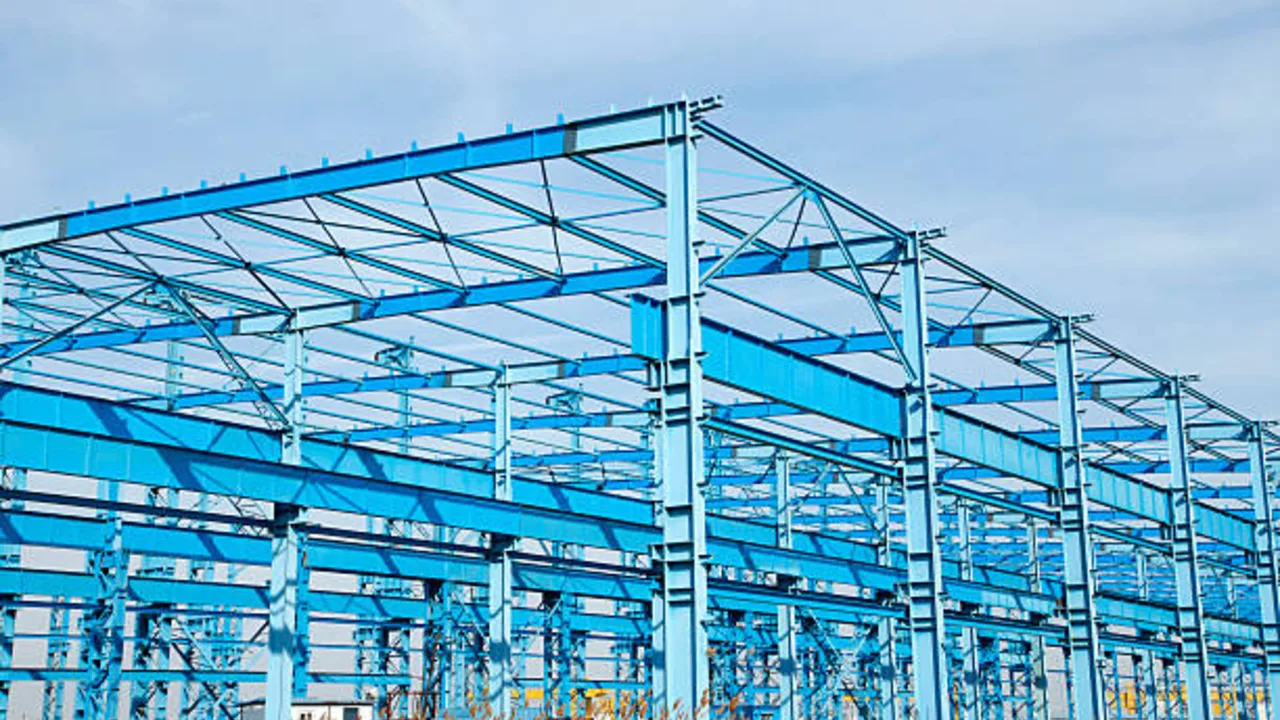
Installation sequencing directly affects interface accuracy and assembly efficiency.
Improper sequencing may create:
- Restricted crane access
- Unstable temporary conditions
- Connection accessibility problems
- Excessive module movement
- Alignment difficulties
Well-planned sequencing improves installation flow and reduces operational conflicts.
Effective prefab module interface coordination therefore includes detailed assembly planning long before site installation begins.
Pre-Installation Verification
Before modules are lifted into final position, installation teams often perform verification procedures to confirm interface readiness.
These checks may include:
- Dimensional confirmation
- Connection inspections
- Survey alignment checks
- Temporary support validation
- Utility interface preparation
Pre-installation verification reduces the likelihood of major field conflicts during assembly.
Use of Temporary Guides and Supports
Temporary alignment systems help improve installation precision during module positioning.
These systems may involve:
- Guide pins
- Positioning brackets
- Temporary frames
- Alignment wedges
- Controlled locking systems
Temporary supports improve assembly stability and reduce cumulative alignment errors during installation.
Site Communication Between Crews
Interface coordination depends heavily on communication between installation teams.
Structural crews, crane operators, surveyors, utility specialists, and safety managers must coordinate continuously during assembly.
Poor communication can create:
- Installation conflicts
- Unsafe lifting conditions
- Connection delays
- Incorrect sequencing
- Rework operations
Strong site coordination improves overall installation efficiency and safety.
Managing Corrective Actions Efficiently
Even with careful planning, some interface issues may still arise during installation.
Efficient projects establish predefined procedures for:
- Issue reporting
- Engineering review
- Correction approvals
- Field modification controls
- Documentation management
Fast and organized corrective action systems help minimize disruption when interface adjustments become necessary.
Real-World Scenario: Coordinated vs Uncoordinated Modules
Consider two modular industrial projects with similar structural complexity.
In the first project, module interfaces were coordinated early using integrated BIM workflows, fabrication verification procedures, and transportation simulations.
Connection tolerances were carefully monitored throughout production, and installation sequencing was planned before modules arrived on site.
As installation progressed, modules aligned efficiently with minimal field adjustments. Crane operations remained stable, utility reconnections proceeded smoothly, and installation productivity remained high.
In the second project, interface coordination between structural, mechanical, and logistics teams remained fragmented. Tolerance management was inconsistent across fabrication facilities, and transportation impacts were not fully evaluated.
When modules arrived on site, several connection fit problems emerged:
- Misaligned bolt holes
- Utility connection interference
- Temporary instability during assembly
- Unexpected field welding requirements
- Installation sequencing conflicts
Corrective actions delayed installation and increased both labor costs and safety exposure.
This comparison demonstrates how effective prefab module interface coordination directly influences project predictability, installation efficiency, and construction quality.
Best Practices for Prefab Module Interface Coordination
| Best Practice | Application | Project Benefit |
|---|---|---|
| Integrate multidisciplinary engineering early | Coordinate structural, mechanical, and logistics workflows together | Reduces interface conflicts during installation |
| Standardize interface systems | Use repetitive connection details where possible | Improves assembly speed and consistency |
| Implement strict tolerance management | Monitor dimensional accuracy throughout fabrication | Reduces cumulative alignment errors |
| Use digital coordination workflows | Apply BIM and clash detection systems before production | Improves interface predictability |
| Synchronize logistics and installation planning | Align transportation, lifting, and assembly sequencing | Improves site efficiency and safety |
These strategies strengthen overall prefab module interface coordination and improve project execution reliability across the entire modular construction process.
Future Trends in Prefab Interface Engineering
Modern modular construction continues evolving toward greater automation and digital integration.
Future developments in prefab module interface coordination may include:
- AI-assisted clash detection
- Digital twin installation monitoring
- Robotic alignment systems
- Automated tolerance verification
- Smart logistics tracking platforms
- Real-time installation analytics
These technologies are expected to improve installation precision, reduce field uncertainty, and accelerate modular project execution.
As industrialized construction expands globally, interface engineering will likely become an even more specialized discipline within modular project delivery.
Conclusion
Modern modular construction depends on far more than manufacturing speed alone. Successful project execution requires precise alignment between structural, mechanical, architectural, and logistical systems.
Effective prefab module interface coordination improves connection fit, installation efficiency, safety performance, and long-term structural reliability.
By integrating engineering, fabrication, transportation, and installation planning into a unified workflow, modular projects can reduce operational conflicts and improve construction predictability.
As prefab systems continue advancing toward larger and more complex industrial applications, interface coordination will remain a critical factor in achieving scalable, efficient, and high-quality modular construction.
For developers and contractors seeking reliable modular solutions, working with an experienced prefabricated steel structure building manufacturer with strong interface engineering capabilities can significantly improve project performance.