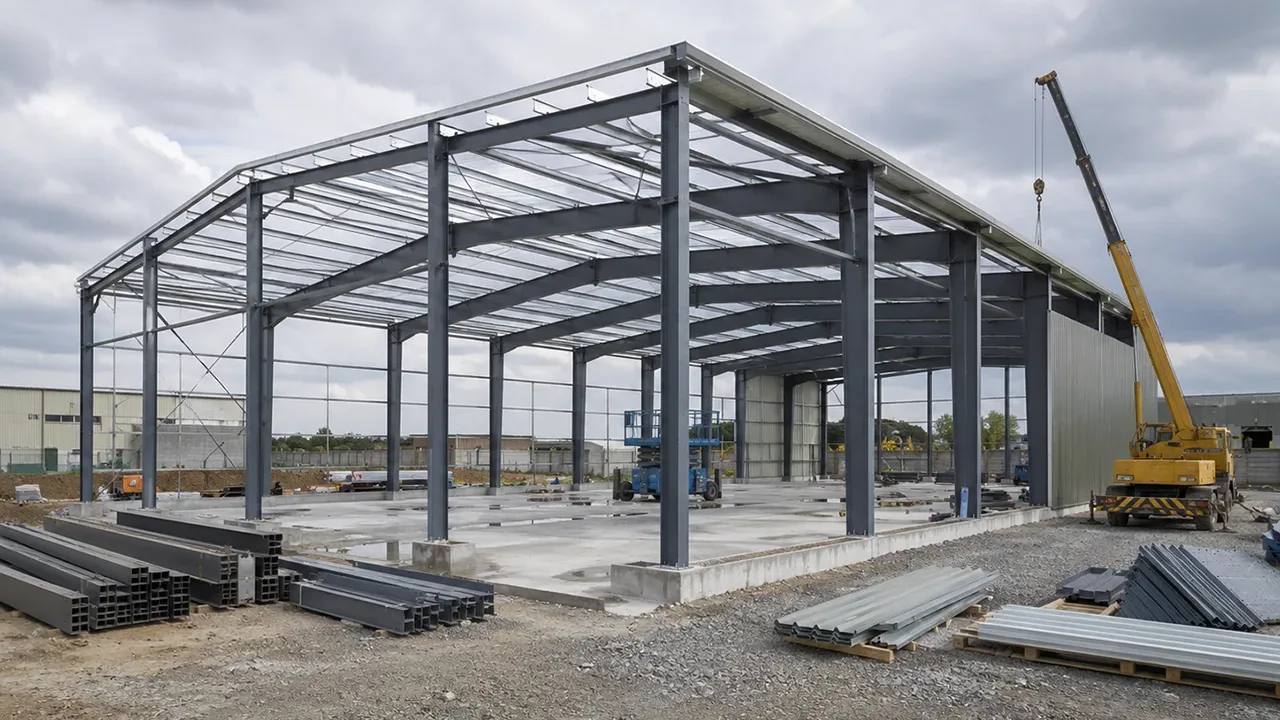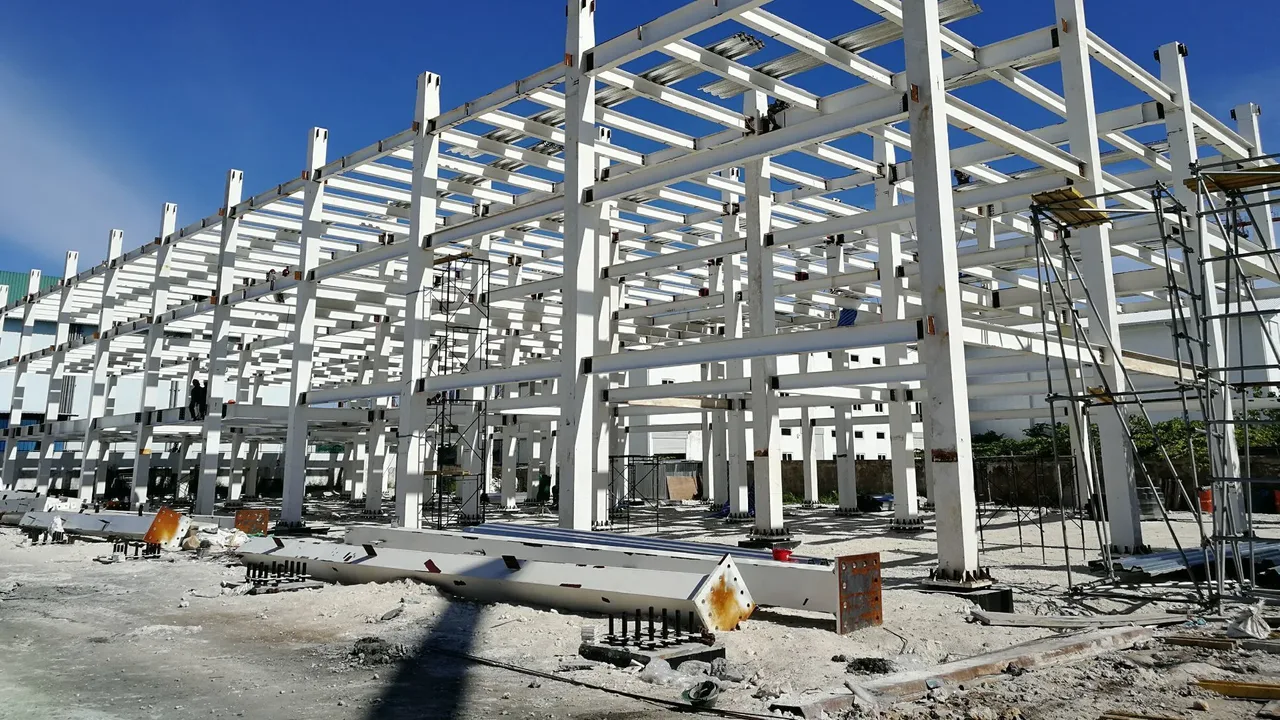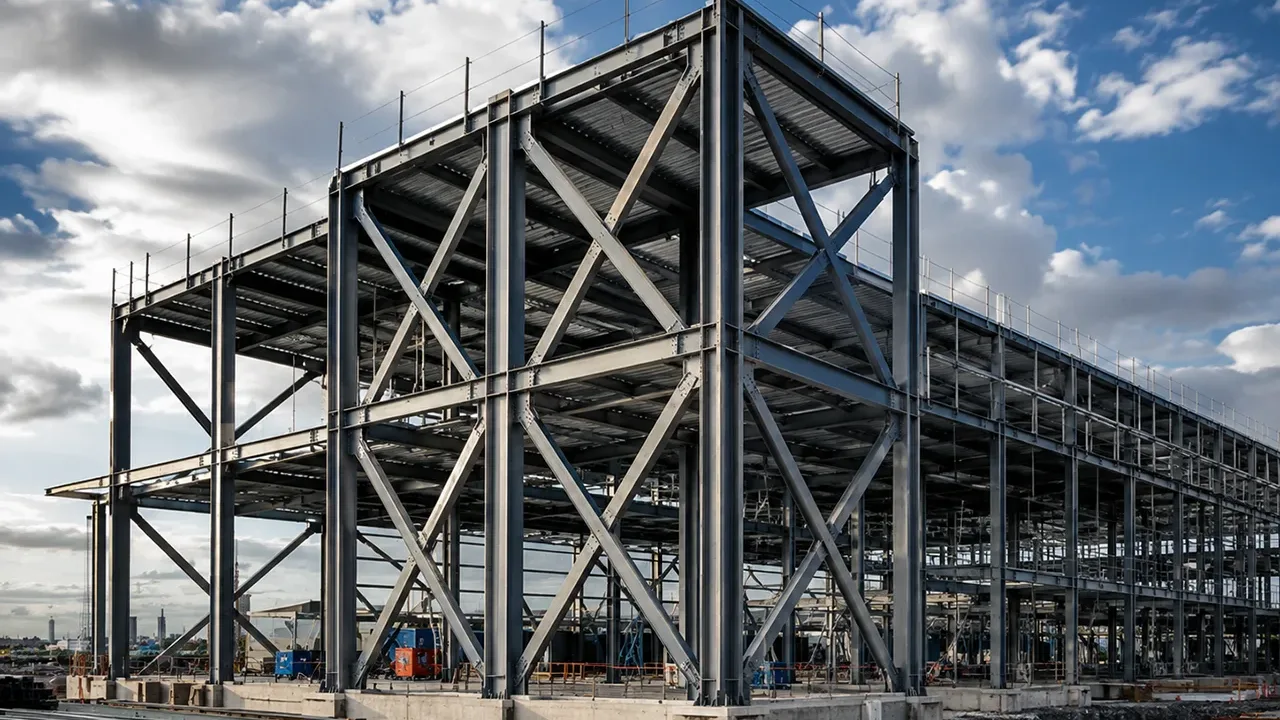
Modern modular construction increasingly relies on large prefabricated steel assemblies to accelerate project timelines and improve construction efficiency. However, as modular systems become larger and more complex, maintaining proper prefab module weight distribution becomes one of the most critical engineering and logistical challenges in the entire construction process.
Unlike conventional construction where structural elements are assembled piece by piece on-site, prefab steel modules are often manufactured as large integrated units. These modules may already contain floors, walls, roofs, mechanical systems, piping, equipment, and utility infrastructure before transportation and installation even begin.
As a result, the total module mass can become highly uneven if not carefully coordinated during design and fabrication. Poor weight distribution can create instability during lifting, transportation, temporary staging, and final erection. In severe situations, improper balance may lead to structural deformation, unsafe lifting conditions, transportation damage, or even catastrophic installation failures.
The challenge becomes even greater for oversized industrial and commercial modules where crane capacities, road transport regulations, and temporary structural behavior must all be considered simultaneously. Managing the center of gravity of each module is therefore essential to maintaining stability throughout the entire modular construction lifecycle.
Today, advanced engineering teams use digital modeling, structural simulation, lifting analysis, and transport coordination systems to optimize prefab module weight distribution from the earliest design stages. This integrated approach helps improve safety, reduce installation risks, and increase project efficiency across modern modular steel construction projects.
Understanding Weight Distribution in Prefab Steel Modules
What Is Prefab Module Weight Distribution
Prefab module weight distribution refers to how structural mass, equipment loads, and material weights are balanced throughout a prefabricated steel module.
A properly balanced module ensures that:
- Loads transfer evenly through structural members
- Lifting points remain stable during hoisting
- Transportation loads stay within safe limits
- Modules resist excessive rotation or deformation
- Installation remains predictable and controlled
In modular steel construction, weight distribution is not limited to the permanent building condition. Engineers must also evaluate temporary conditions during:
- Fabrication
- Storage
- Transportation
- Lifting
- Temporary staging
- Final installation
Each stage introduces different support conditions and load paths that may affect structural behavior.
As modular systems continue increasing in scale, effective prefab module weight distribution planning becomes essential for maintaining both structural safety and construction efficiency.
Why Center of Gravity Is Critical
The center of gravity is one of the most important factors in modular steel engineering.
The center of gravity determines:
- How the module behaves during lifting
- Whether rotation occurs during hoisting
- How loads transfer into transport trailers
- How temporary supports react during installation
If the center of gravity is poorly positioned, modules may:
- Rotate unexpectedly during lifting
- Create unbalanced crane loads
- Generate torsional stresses
- Overload temporary support points
- Experience structural distortion
Large industrial modules containing heavy mechanical equipment are particularly sensitive to center of gravity issues.
For this reason, accurate center of gravity calculations are fundamental to safe prefab module weight distribution management.
Common Sources of Uneven Weight Distribution
Several conditions commonly create uneven module balance.
Heavy mechanical zones are one of the primary causes. Mechanical rooms, generators, HVAC systems, tanks, and industrial processing equipment can significantly shift the center of gravity away from the geometric center of the module.
Other common causes include:
- Asymmetrical framing layouts
- Concentrated utility systems
- Irregular floor systems
- Uneven cladding weight
- Localized storage loads
- Temporary fabrication supports
Even relatively small asymmetrical loads may create major lifting challenges when modules become extremely large.
As a result, engineers must continuously evaluate prefab module weight distribution throughout both design and fabrication.
Engineering Principles Behind Prefab Module Weight Distribution
Load Path Analysis
Understanding load paths is essential for modular steel engineering.
Load path analysis identifies how gravity forces and temporary construction loads travel through the module structure under various support conditions.
Unlike permanent building conditions, prefab modules experience constantly changing support arrangements during:
- Lifting
- Transportation
- Temporary storage
- Installation sequencing
These temporary conditions may create structural demands that differ significantly from final operational loads.
Proper load path analysis helps engineers:
- Prevent localized overstressing
- Reduce structural deformation
- Optimize lifting locations
- Improve trailer support configurations
- Enhance temporary stability
Accurate structural modeling therefore plays a major role in maintaining reliable prefab module weight distribution.
Torsional Stability Considerations
Torsional instability is a major concern in modular steel systems with uneven mass distribution.
When the center of gravity becomes offset from lifting points or support reactions, rotational forces can develop during lifting and transportation.
This may cause:
- Module twisting
- Connection overstressing
- Uneven support reactions
- Temporary instability
- Crane load imbalance
Long-span steel modules are especially vulnerable to torsional behavior due to their flexibility and geometric proportions.
To reduce these risks, engineers often use:
- Balanced framing layouts
- Temporary bracing systems
- Controlled lifting sequences
- Multi-point lifting systems
Managing torsional stability is therefore a central component of prefab module weight distribution planning.
Dynamic Forces During Transportation
Transportation introduces dynamic loading conditions that differ greatly from static structural analysis.
During road transportation, modules may experience:
- Braking forces
- Acceleration forces
- Road vibration
- Wind loads
- Trailer movement
- Uneven support reactions
These dynamic effects may temporarily amplify structural stresses beyond normal service conditions.
Improperly balanced modules are particularly vulnerable to transportation-induced deformation and fatigue damage.
For this reason, transportation engineering must be integrated directly into prefab module weight distribution planning.
Temporary Structural Conditions
Prefab steel modules experience numerous temporary structural conditions before becoming part of the final building system.
These temporary phases include:
- Lifting from fabrication supports
- Transport trailer loading
- Temporary storage
- Sequential installation
- Partial structural connection stages
During these phases, modules may lack full structural continuity or final diaphragm behavior.
As a result, temporary load paths may become significantly different from the final building condition.
Engineers must therefore design temporary support systems carefully to maintain safe prefab module weight distribution throughout installation.
Design Strategies for Optimizing Weight Distribution
Early Structural Coordination
Successful modular projects begin with early coordination between structural engineers, fabricators, transportation specialists, and installation teams.
Early collaboration allows teams to:
- Identify heavy zones
- Optimize framing layouts
- Reduce eccentric loading
- Coordinate lifting requirements
- Improve transportation feasibility
Digital coordination through BIM systems also helps teams evaluate module balance before fabrication begins.
This integrated workflow significantly improves overall prefab module weight distribution control.
Balancing Structural Components
Structural framing layouts strongly influence module balance.
Engineers often attempt to:
- Distribute heavy steel members evenly
- Reduce concentrated structural mass
- Create symmetrical framing systems
- Minimize torsional eccentricities
Balanced framing helps stabilize modules during lifting and transportation while reducing temporary structural stresses.
In some cases, even small framing modifications can dramatically improve prefab module weight distribution efficiency.
Equipment and MEP Coordination
Mechanical, electrical, and plumbing systems frequently create significant weight imbalances in prefab modules.
Heavy equipment such as:
- HVAC units
- Generators
- Water tanks
- Industrial machinery
- Process piping systems
may shift the center of gravity substantially.
Coordinating MEP placement early in design helps reduce structural imbalance and improve lifting stability.
This coordination is essential for maintaining reliable prefab module weight distribution in complex industrial projects.
Modular Segmentation Planning
Some oversized modules may simply become too heavy or geometrically unstable for safe transportation and lifting.
In these situations, engineers often divide larger assemblies into smaller modular segments.
Segmentation planning helps:
- Reduce transportation weight
- Improve crane feasibility
- Minimize torsional instability
- Improve road transport compliance
- Simplify installation sequencing
However, excessive segmentation may reduce modular efficiency and increase field connection work.
For this reason, segmentation strategies must balance logistical practicality with construction productivity.
Well-planned segmentation significantly improves overall prefab module weight distribution management.
Lifting and Rigging Considerations
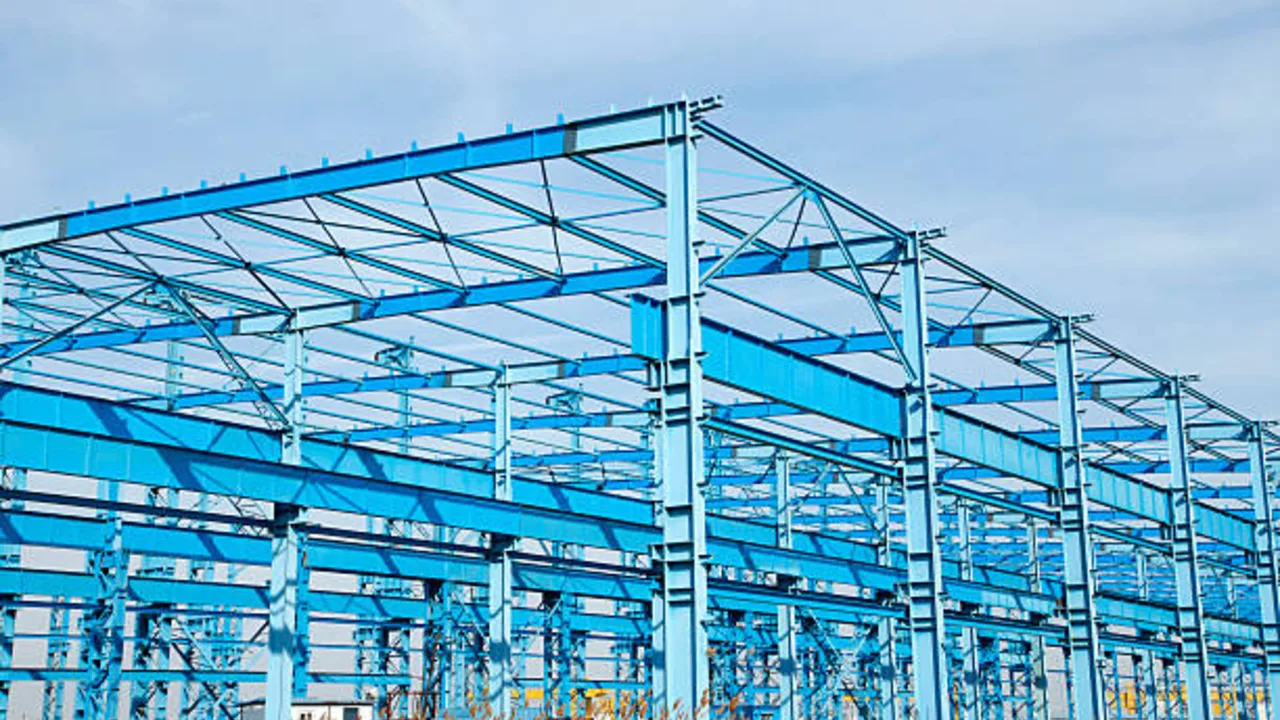
Determining Safe Lifting Points
Selecting safe lifting points is one of the most important aspects of modular steel installation.
Lifting points must:
- Maintain module balance
- Prevent excessive deflection
- Reduce torsional rotation
- Distribute lifting forces evenly
- Protect structural connections
Engineers calculate lifting reactions using structural analysis software and temporary condition simulations.
Improper lifting point placement may create severe instability during hoisting.
Accurate lifting analysis therefore plays a major role in maintaining safe prefab module weight distribution.
Crane Coordination
Crane selection and coordination directly affect modular installation safety.
Engineers must evaluate:
- Crane lifting radius
- Module weight
- Wind conditions
- Boom configuration
- Ground bearing capacity
Large prefab modules often require extremely precise crane coordination due to their irregular geometry and shifting center of gravity.
In some projects, multi-crane lifting operations become necessary.
These operations require highly synchronized lifting procedures to maintain stable prefab module weight distribution during installation.
Rigging System Design
Rigging systems strongly influence how lifting forces transfer into modular structures.
Important rigging considerations include:
- Sling angles
- Load equalization
- Spreader beam configuration
- Lifting frame stability
- Temporary connection reinforcement
Poor rigging design may introduce localized overstressing or rotational instability.
Advanced lifting systems often use specialized spreader frames to improve force distribution and minimize structural distortion.
Proper rigging design is therefore essential for preserving safe prefab module weight distribution throughout hoisting operations.
Preventing Rotation During Hoisting
Uncontrolled rotation is one of the most dangerous risks during modular lifting.
Rotation may occur when:
- The center of gravity is offset
- Lifting points are improperly positioned
- Uneven sling forces develop
- Wind loads act on the module
To reduce rotation risks, installation teams often use:
- Guide ropes
- Temporary bracing
- Multi-point lifting systems
- Controlled crane synchronization
These stabilization methods help maintain safe alignment during lifting and installation.
Proper anti-rotation planning is therefore essential to maintaining stable prefab module weight distribution.
Transportation Challenges for Heavy Prefab Modules
Road Transport Weight Restrictions
Transportation regulations often create major limitations for modular construction.
Heavy prefab steel modules must comply with:
- Axle load restrictions
- Bridge weight limits
- Road geometry constraints
- Oversized cargo regulations
- Permitting requirements
These restrictions frequently influence module size and segmentation decisions early in design.
Modules with poor weight distribution may create uneven trailer reactions that exceed legal transportation limits.
As a result, transportation logistics are directly connected to effective prefab module weight distribution planning.
Trailer Support Configuration
Trailer support layouts strongly affect structural behavior during shipping.
Improper support spacing may create:
- Excessive deflection
- Local structural overstressing
- Torsional twisting
- Connection damage
Transportation engineers carefully position support locations to distribute module weight evenly across trailer systems.
Large modules may require:
- Multi-axle transporters
- Hydraulic trailers
- Custom support frames
- Temporary reinforcement systems
Proper trailer support planning is therefore essential for maintaining safe prefab module weight distribution during shipping.
Vibration and Fatigue Concerns
Road transportation exposes modules to repeated dynamic vibration cycles.
Over long transport distances, these vibrations may create:
- Fatigue stresses
- Connection loosening
- Structural distortion
- Equipment damage
Modules with uneven weight distribution are more vulnerable to dynamic amplification effects.
To reduce transportation fatigue risks, engineers often use:
- Temporary bracing
- Vibration isolation systems
- Additional structural reinforcement
- Controlled transport speeds
Transportation fatigue analysis therefore plays a growing role in prefab module weight distribution engineering.
International Shipping Considerations
Global modular projects frequently require overseas transportation of steel modules.
International shipping introduces additional challenges including:
- Port handling limitations
- Marine motion forces
- Container restrictions
- Heavy-lift vessel coordination
- Customs logistics
Marine transportation may expose modules to severe dynamic forces caused by wave motion and vessel acceleration.
For oversized industrial modules, transport engineering becomes highly specialized.
Companies involved in large-scale prefabricated steel structure projects often integrate shipping analysis directly into modular engineering workflows to improve overall stability and transport safety.
Site Installation and Stability Management
Temporary Stability During Placement
Modules may remain temporarily unstable before permanent structural connections are completed.
Temporary instability risks are particularly high during:
- Initial placement
- Sequential installation
- Partial bracing conditions
- Multi-story modular stacking
Installation teams often use:
- Temporary braces
- Guide frames
- Stabilization cables
- Temporary supports
These systems help maintain safe alignment and reduce movement during erection.
Temporary stability engineering is therefore closely linked to safe prefab module weight distribution management.
Foundation Alignment
Foundation tolerances significantly influence modular installation success.
Even small foundation deviations may:
- Create uneven support conditions
- Shift module reactions
- Introduce structural distortion
- Complicate connection alignment
Precise surveying and foundation verification are therefore essential before module installation begins.
Maintaining accurate support geometry helps preserve proper prefab module weight distribution throughout erection.
Managing Uneven Settlement Risks
Large modular projects may experience differential foundation settlement during installation.
Uneven settlement can create:
- Support reaction imbalance
- Module distortion
- Connection overstressing
- Structural misalignment
To reduce these risks, engineers may use:
- Settlement monitoring systems
- Temporary leveling supports
- Adjustable bearing systems
- Continuous alignment verification
Settlement control is therefore another important aspect of prefab module weight distribution management.
Real-Time Monitoring During Erection
Modern modular projects increasingly use digital monitoring technologies during installation.
These systems may include:
- Load sensors
- Tilt monitoring devices
- GPS tracking systems
- Laser alignment equipment
- Wireless structural monitoring sensors
Real-time monitoring allows engineers to identify unexpected movement, excessive rotation, or load imbalance before major problems develop.
This technology significantly improves installation safety while enhancing overall prefab module weight distribution control.
Digital Technology for Weight Distribution Analysis
BIM-Based Weight Coordination
Building Information Modeling (BIM) has become a critical tool in modern modular construction.
BIM systems allow project teams to:
- Coordinate structural components
- Analyze equipment placement
- Track module weight changes
- Identify balance conflicts
- Improve installation sequencing
Digital coordination helps reduce unexpected center of gravity shifts during fabrication and installation.
As modular construction complexity increases, BIM-driven coordination becomes increasingly important for reliable prefab module weight distribution planning.
For additional information on BIM technology and digital construction workflows, refer to this overview from Autodesk BIM Solutions.
Structural Simulation Tools
Modern structural simulation software allows engineers to analyze temporary modular conditions with high precision.
Simulation tools may evaluate:
- Lifting behavior
- Transportation loading
- Torsional response
- Temporary support reactions
- Dynamic vibration effects
Finite element analysis (FEA) is frequently used to predict localized stress concentrations and deformation behavior during transportation and installation.
These simulation systems help optimize structural safety while improving prefab module weight distribution efficiency.
Digital Twin Applications
Digital twin technology is becoming increasingly important in advanced modular construction projects.
A digital twin creates a real-time digital representation of the physical module during fabrication, transportation, and installation.
This allows engineers to:
- Monitor structural movement
- Track temporary loading behavior
- Verify alignment conditions
- Predict instability risks
As digital twin technology continues evolving, it may significantly improve future prefab module weight distribution management and modular installation safety.
AI and Automation in Modular Logistics
Artificial intelligence and automation are beginning to influence modular transport and lifting coordination.
AI-assisted systems may help optimize:
- Transport routes
- Trailer support layouts
- Crane coordination
- Lifting sequences
- Dynamic load balancing
Automation may also improve fabrication consistency, reducing dimensional variability that affects module balance.
These emerging technologies are expected to further improve prefab module weight distribution reliability in future modular construction projects.
Common Problems Caused by Poor Weight Distribution
Structural Distortion
Improper module balance may create excessive deflection or twisting during transportation and lifting.
These distortions can affect:
- Connection alignment
- Cladding systems
- Mechanical equipment positioning
- Structural integrity
In severe cases, permanent deformation may occur.
Transportation Damage
Uneven support reactions during shipping may damage:
- Structural members
- Connection plates
- Interior systems
- Mechanical equipment
Long transport distances amplify these risks.
Crane Overloading Risks
Improper center of gravity calculations may create unbalanced crane reactions during lifting.
This can:
- Overload lifting equipment
- Increase boom instability
- Create dangerous rotational behavior
- Threaten worker safety
Accurate lifting analysis is therefore essential for safe modular installation.
Installation Delays
Modules with poor balance often require:
- Additional temporary bracing
- Repeated alignment adjustments
- Modified lifting procedures
- Unexpected field corrections
These disruptions may significantly delay project schedules.
Safety Hazards During Lifting
Unstable modules create serious installation hazards.
Unexpected movement during lifting may cause:
- Falling components
- Rigging failure
- Crane instability
- Personnel injury risks
For this reason, maintaining stable prefab module weight distribution is directly related to construction safety performance.
Best Practices for Managing Prefab Module Weight Distribution
Early Planning and Coordination
Successful modular projects prioritize weight management from the earliest design stages.
Integrated collaboration between:
- Structural engineers
- Fabricators
- Transportation specialists
- Rigging engineers
- Installation teams
helps reduce future coordination problems.
Accurate Center of Gravity Calculation
Precise center of gravity analysis is essential before fabrication begins.
Engineers must continuously update calculations as:
- Equipment changes
- Structural revisions occur
- Temporary supports change
- Fabrication progresses
Accurate calculations improve both lifting safety and transport stability.
Continuous Quality Verification
Regular dimensional inspections help ensure actual module conditions remain consistent with engineering assumptions.
Quality verification may include:
- Laser scanning
- Dimensional surveys
- Weight confirmation
- Connection inspection
These inspections help reduce unexpected balance problems during installation.
Transport and Installation Simulation
Advanced simulation systems allow engineers to test transportation and erection conditions before actual construction begins.
Simulation helps identify:
- Instability risks
- Overstressed areas
- Torsional behavior
- Trailer support problems
These predictive analyses greatly improve prefab module weight distribution reliability.
Collaboration Between All Project Teams
Successful modular construction requires continuous communication between all project participants.
Close coordination improves:
- Design consistency
- Transport feasibility
- Installation safety
- Temporary stability
- Overall project efficiency
Integrated teamwork remains one of the most important factors in successful prefab module weight distribution management.
How Experienced Manufacturers Improve Module Weight Control

Experienced modular steel manufacturers use advanced engineering workflows to maintain precise module balance throughout fabrication and installation.
These companies often integrate:
- Digital fabrication systems
- BIM coordination
- Transportation engineering
- Lifting analysis
- Temporary stability planning
This integrated approach helps reduce installation risks while improving project efficiency.
Companies involved in large-scale prefabricated steel structure projects often rely on highly coordinated engineering systems to optimize module balance and transportation stability.
Future Trends in Prefab Module Weight Distribution
The future of modular steel construction will likely rely even more heavily on intelligent engineering systems.
Emerging technologies include:
- AI-assisted load balancing
- Smart lifting sensors
- Automated transport planning
- Robotics-assisted installation
- Real-time digital coordination
As modular construction projects continue increasing in scale and complexity, these technologies may significantly improve installation safety, transportation efficiency, and structural reliability.
In the coming years, advanced digital engineering will likely become a standard component of prefab module weight distribution management across global modular steel construction projects.