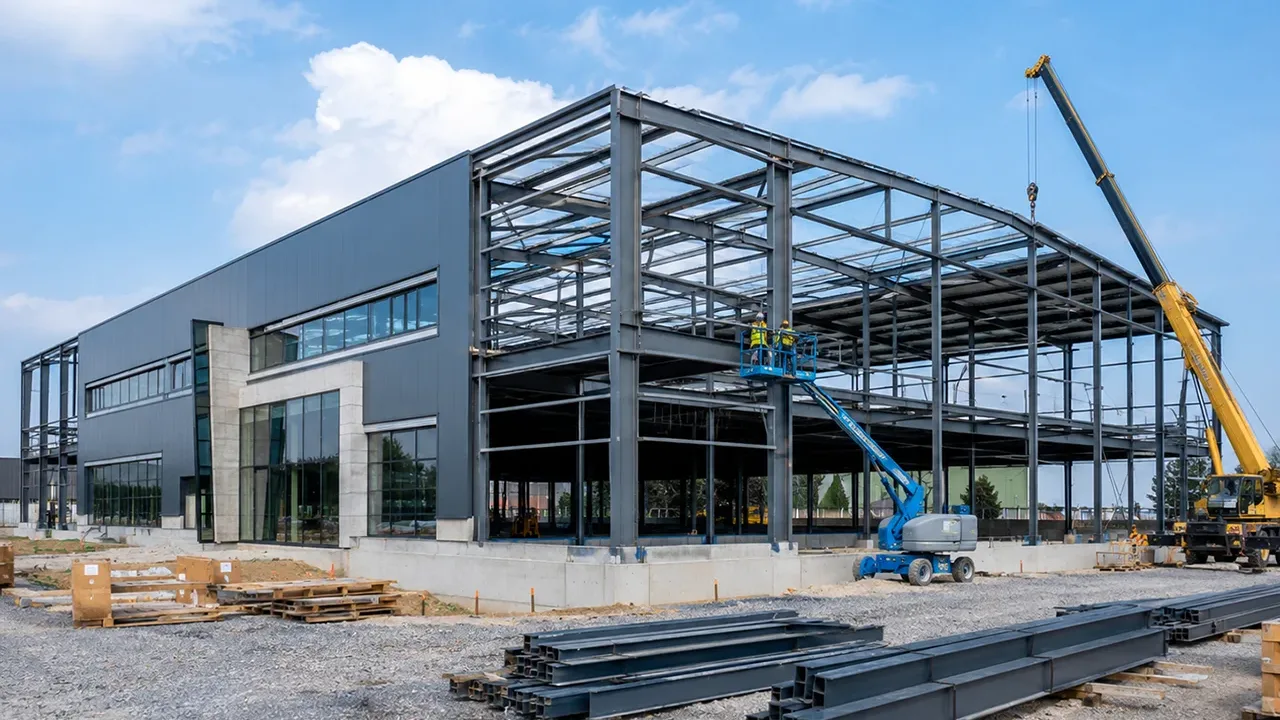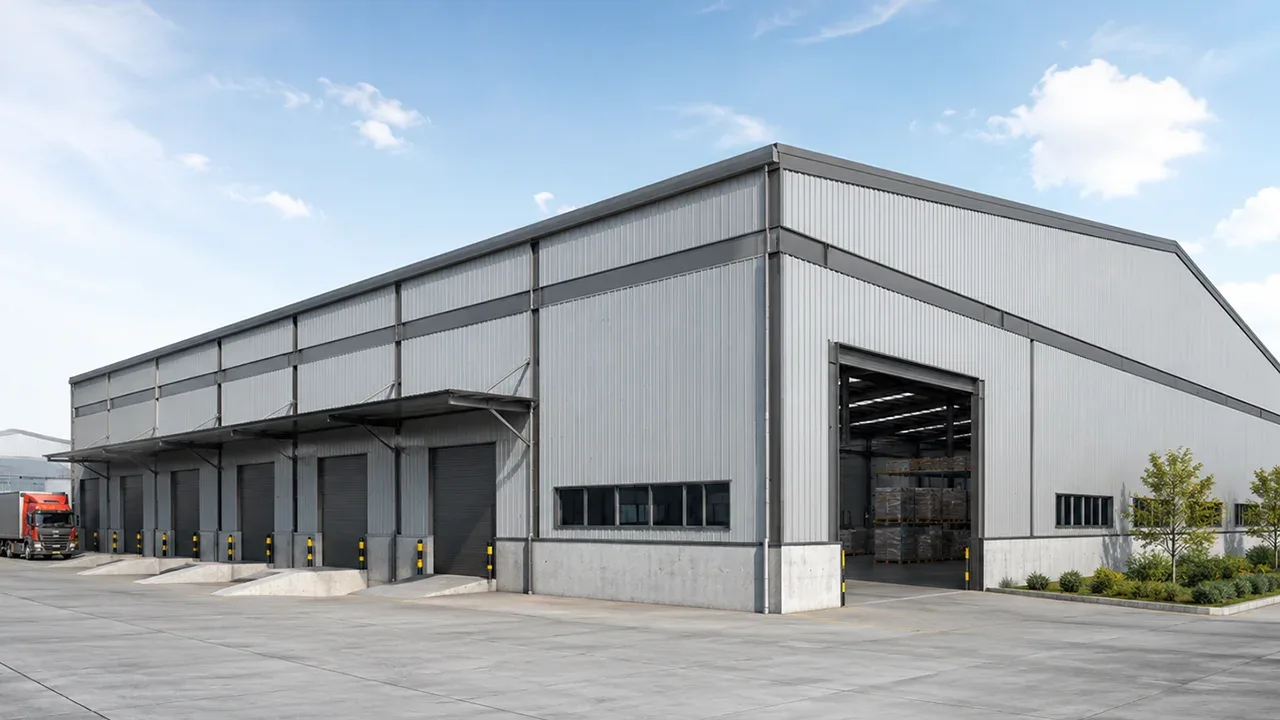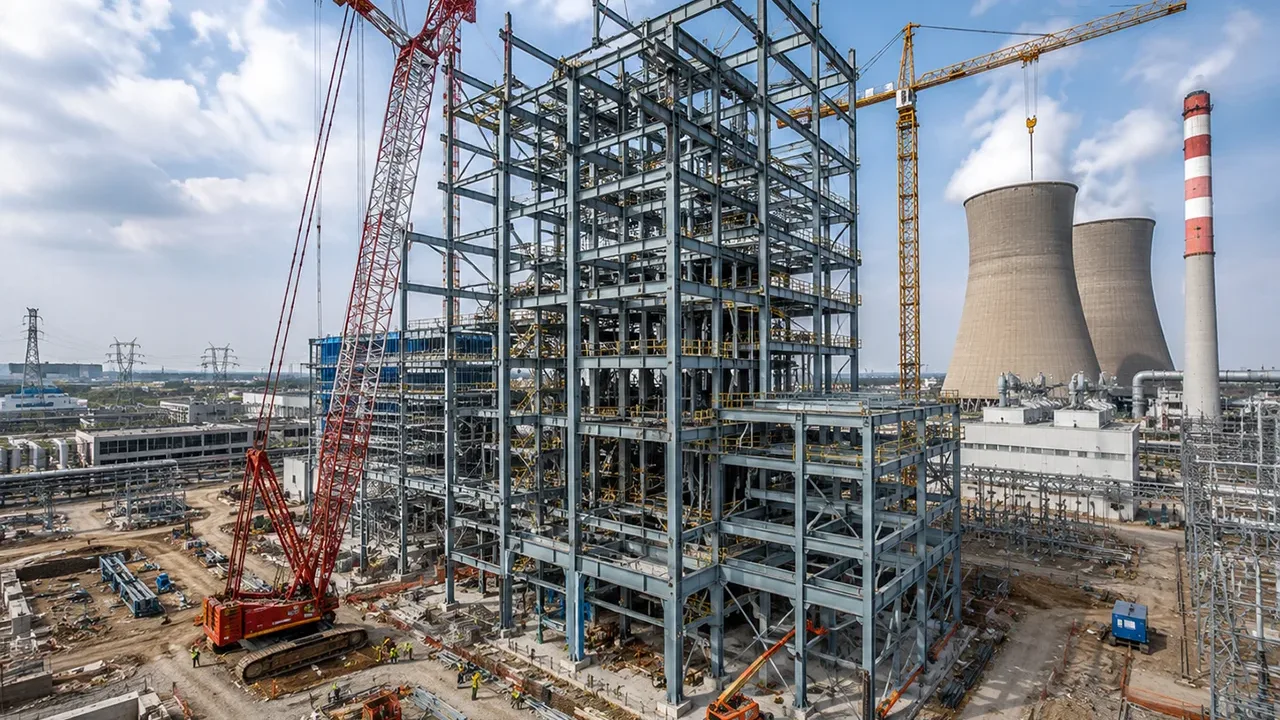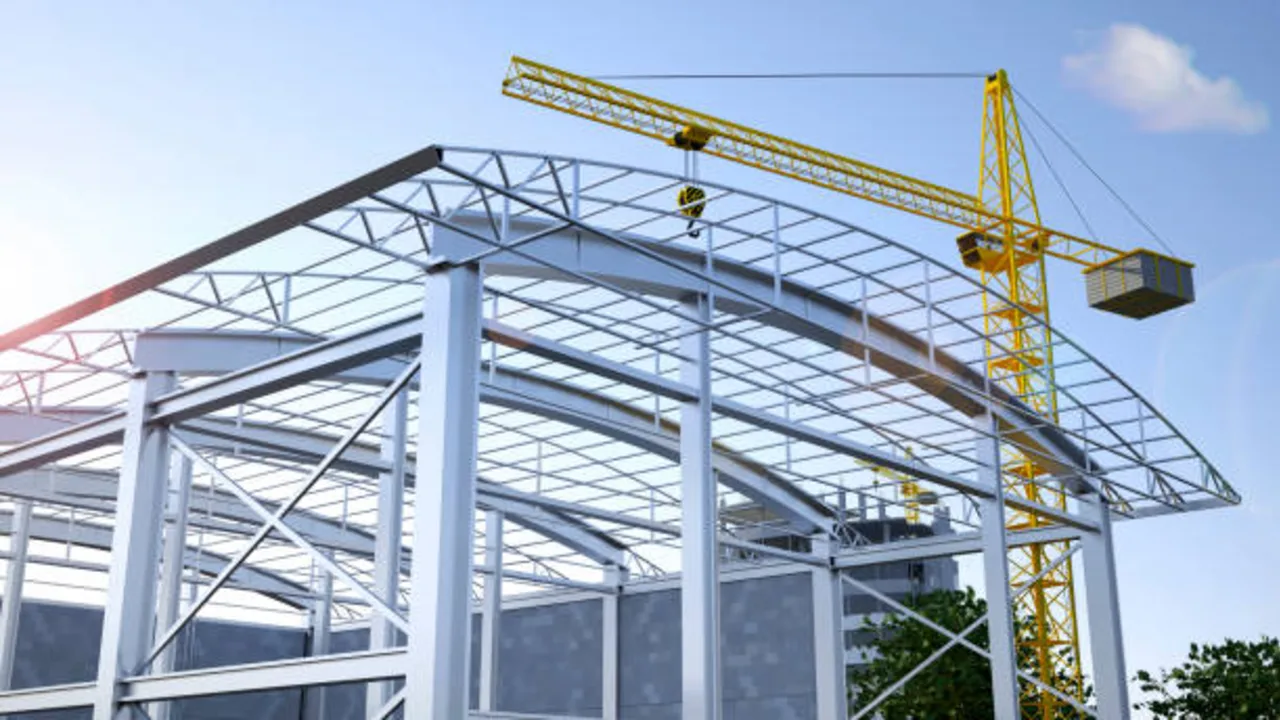
Modern modular construction depends heavily on coordination, timing, and manufacturing precision. In large industrial and commercial developments, steel modules are often fabricated simultaneously across multiple production zones before being transported to site for assembly. As project complexity increases, managing prefab production sequencing becomes one of the most important factors affecting schedule reliability, installation efficiency, and overall project success.
Unlike conventional steel construction where fabrication may occur in a relatively linear workflow, multi-module prefab projects involve interconnected production activities, overlapping fabrication stages, transportation constraints, and site-driven installation priorities. Hundreds or even thousands of steel members may need to be manufactured, coated, labeled, stored, shipped, and erected in a carefully coordinated order.
If sequencing is poorly managed, the consequences can quickly escalate. Modules may arrive on site too early or too late, fabrication bottlenecks may disrupt downstream activities, storage areas may become congested, and installation crews may experience costly delays waiting for critical structural components.
For this reason, modern manufacturers increasingly rely on integrated digital systems, advanced planning methods, and factory-to-site coordination strategies to optimize prefab production sequencing throughout the entire project lifecycle.
In industrialized steel construction, sequencing is no longer just a scheduling task — it is a critical operational strategy that directly influences productivity, logistics performance, installation safety, and project profitability.
Understanding Prefab Production Sequencing
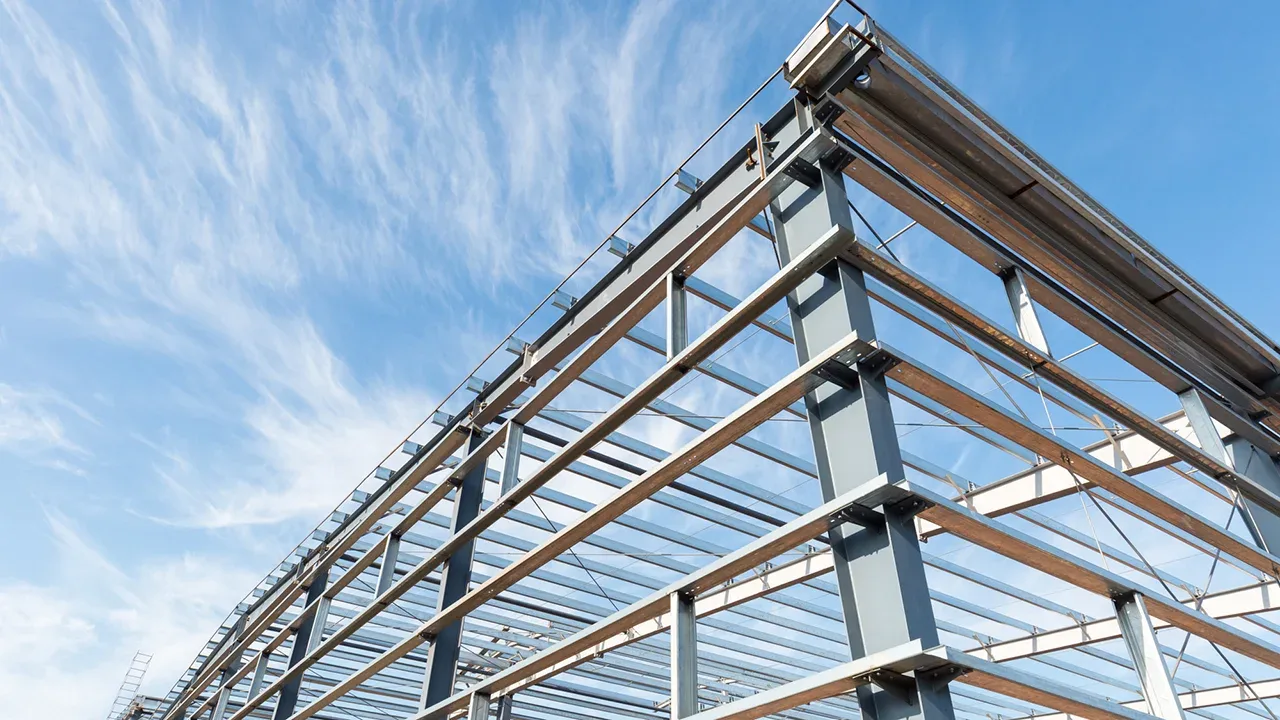
What prefab production sequencing means
Prefab production sequencing refers to the planned coordination of fabrication activities for modular steel components based on project priorities, installation requirements, logistics constraints, and manufacturing capacity.
Instead of fabricating components randomly or solely based on drawing release order, sequencing organizes production according to how modules will eventually be transported and erected on site.
This process typically includes:
- Engineering release coordination
- Material procurement timing
- CNC processing schedules
- Welding workflows
- Coating operations
- Assembly staging
- Shipping preparation
- Site delivery timing
Effective prefab production sequencing ensures that all project phases remain synchronized from factory fabrication through final installation.
Why sequencing matters in modular steel construction
In modular steel projects, installation activities are highly dependent on proper delivery order and fabrication readiness.
For example:
- Primary structural frames may need to be erected before roof modules
- Core support systems may be required before secondary modules arrive
- Certain connection assemblies may control the entire installation sequence
If production sequencing does not align with site erection logic, installation crews may be forced to stop work while waiting for missing components.
At the same time, fabricating modules too early can also create problems:
- Storage congestion
- Additional handling damage risks
- Inventory confusion
- Logistics inefficiencies
Proper prefab production sequencing helps balance manufacturing efficiency with construction-site requirements.
Connection between sequencing and project coordination
Sequencing impacts nearly every department involved in prefab steel projects.
The engineering team must release drawings in the correct order.
Procurement teams must coordinate steel material arrivals according to fabrication schedules.
Production managers must balance fabrication capacity across workshops.
Logistics teams must coordinate transportation windows.
Site teams must synchronize crane operations with incoming deliveries.
Because all these activities are interconnected, prefab production sequencing functions as a central coordination framework across the entire project lifecycle.
Challenges in Multi-Module Prefab Steel Projects
High component volume and coordination complexity
Large prefab steel projects often involve:
- Thousands of structural members
- Hundreds of connection assemblies
- Multiple transportation batches
- Interdependent installation zones
Managing such complexity requires highly organized sequencing systems.
Without proper coordination:
- Critical modules may be delayed
- Fabrication queues may become overloaded
- Installation priorities may become unclear
- Material tracking may fail
As project size increases, sequencing complexity grows exponentially.
Batch fabrication risks
Many factories use batch fabrication to improve manufacturing efficiency. However, batch production can introduce sequencing risks if not carefully managed.
Common problems include:
- Producing non-priority modules too early
- Combining incompatible assemblies in the same batch
- Excessive temporary storage
- Repeated material re-handling
Improper batch fabrication often creates factory congestion and reduces overall workflow efficiency.
Balancing batch efficiency with installation priorities is a major challenge in prefab production sequencing.
Delivery and installation dependencies
Installation schedules are tightly linked to delivery coordination.
Factors influencing delivery sequencing include:
- Crane availability
- Site access restrictions
- Road transportation permits
- Weather conditions
- Temporary storage limitations
Even when fabrication is completed on time, poor delivery sequencing can still disrupt installation progress.
This makes transportation planning a critical component of prefab production sequencing.
Design revisions and engineering changes
Engineering revisions frequently affect prefab steel projects.
Changes may involve:
- Connection details
- Member dimensions
- Coating specifications
- Module interfaces
- Installation procedures
When revisions occur after production has started, sequencing plans may require rapid adjustments.
Without proper revision control systems, fabrication teams may accidentally produce outdated components, leading to costly rework and installation conflicts.
Core Principles of Effective Prefab Production Sequencing
Prioritizing critical path modules
Not all modules carry equal importance within the installation schedule.
Certain structural components directly control downstream erection activities. These modules typically include:
- Main support frames
- Core stability systems
- Primary trusses
- Central modular interfaces
Effective prefab production sequencing prioritizes these critical-path components to prevent installation bottlenecks.
Many manufacturers now use installation-driven fabrication strategies rather than purely factory-driven production logic.
Balancing fabrication workloads
Steel fabrication facilities contain multiple production resources:
- CNC cutting lines
- Drilling stations
- Welding areas
- Painting booths
- Assembly zones
Poor sequencing may overload specific departments while leaving others underutilized.
Balanced sequencing helps:
- Reduce idle equipment time
- Prevent production bottlenecks
- Improve labor utilization
- Maintain steady production flow
Optimizing factory resource allocation is a major objective of modern prefab production sequencing.
Coordinating material availability
Fabrication schedules depend heavily on material readiness.
Projects often require:
- Structural steel sections
- Connection plates
- High-strength bolts
- Specialized coatings
- Custom fabricated assemblies
Delays in procurement can disrupt entire sequencing plans.
Advanced sequencing systems therefore integrate procurement tracking directly into fabrication scheduling workflows.
Aligning production with transportation planning
Fabrication sequencing must also consider transportation constraints.
Certain modules may require:
- Oversized transport permits
- Special lifting frames
- Night transportation scheduling
- Multi-stage shipping coordination
Producing modules without considering shipping logistics can create severe delivery disruptions.
Modern prefab production sequencing increasingly integrates logistics planning into manufacturing coordination.
Batch Fabrication Strategies in Prefab Steel Manufacturing
Sequential batch fabrication
Sequential batch fabrication organizes production according to installation order.
Under this strategy:
- Early installation modules are fabricated first
- Shipping follows erection priorities
- Temporary storage is minimized
This method improves installation coordination but may reduce certain factory efficiency opportunities.
Parallel fabrication systems
Large factories often use parallel production systems to accelerate project schedules.
Parallel fabrication may involve:
- Multiple fabrication lines
- Independent assembly zones
- Simultaneous module production
- Distributed welding operations
While this increases throughput, it also increases coordination complexity.
Maintaining synchronization between parallel production areas is essential for successful prefab production sequencing.
Balancing efficiency and flexibility
One of the biggest challenges in prefab steel manufacturing is balancing factory efficiency with site flexibility.
Highly optimized batch production may maximize fabrication output but reduce adaptability when project conditions change.
Conversely, highly flexible sequencing may reduce manufacturing efficiency by increasing:
- Frequent equipment changeovers
- Smaller production batches
- Additional material handling
- Complex scheduling requirements
Experienced manufacturers carefully balance these competing priorities to maintain stable project performance.
Successful prefab production sequencing requires both operational efficiency and responsiveness to changing site conditions.
Managing shared components across modules
Many modular steel projects use shared structural components across multiple modules.
Examples include:
- Standardized beam sections
- Common connection plates
- Repeated bracing assemblies
- Uniform modular interfaces
While standardization improves fabrication efficiency, it also increases the importance of accurate tracking systems.
Incorrectly allocating shared components can disrupt multiple installation zones simultaneously.
For this reason, advanced tracking procedures are essential in large-scale prefab production sequencing systems.
Digital Tools Supporting Prefab Production Sequencing
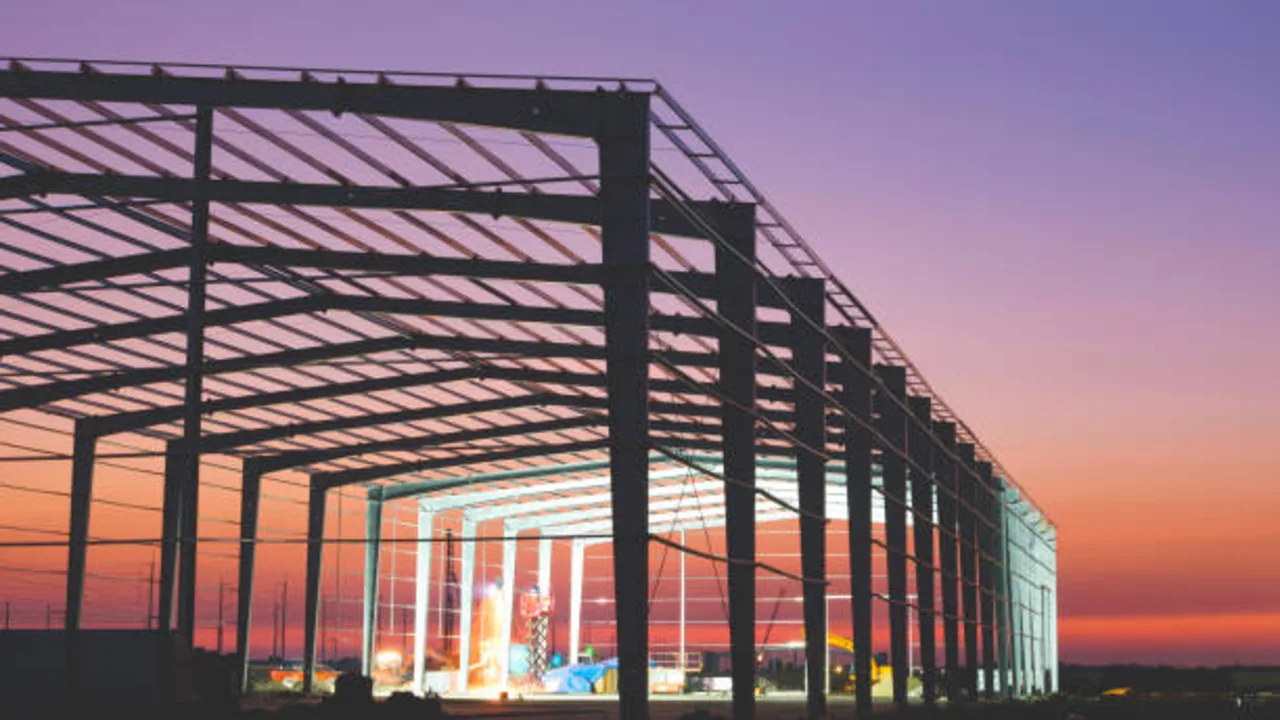
BIM integration for production coordination
Building Information Modeling (BIM) has become one of the most important tools supporting modern prefab steel projects.
BIM systems allow teams to:
- Visualize installation sequences
- Coordinate fabrication priorities
- Detect clashes before production
- Track module progress digitally
- Improve interdisciplinary coordination
By integrating fabrication sequencing directly into digital project models, manufacturers can significantly improve scheduling accuracy.
To better understand how BIM supports industrialized construction workflows, refer to this overview of Building Information Modeling (BIM).
ERP and manufacturing execution systems
Enterprise Resource Planning (ERP) systems and Manufacturing Execution Systems (MES) help factories manage complex production operations in real time.
These systems support:
- Inventory tracking
- Production scheduling
- Material allocation
- Labor management
- Quality documentation
When integrated with sequencing workflows, ERP systems improve visibility across fabrication activities and reduce coordination errors.
Digital production monitoring is now a central component of advanced prefab production sequencing.
Digital twin applications
Digital twin technology creates virtual representations of fabrication and installation activities.
These systems allow project teams to:
- Monitor production progress
- Compare planned versus actual fabrication status
- Predict scheduling conflicts
- Optimize logistics coordination
As industrialized construction continues evolving, digital twin integration is becoming increasingly valuable for complex modular steel projects.
QR codes and RFID tracking systems
Modern prefab steel factories increasingly use digital identification systems to improve material traceability.
Common systems include:
- QR code labeling
- RFID tracking tags
- Digital shipping manifests
- Real-time logistics monitoring
These technologies help prevent sequencing confusion while improving delivery visibility throughout the supply chain.
Sequencing Coordination Between Factory and Site
Installation-driven production planning
Many successful prefab projects now use reverse scheduling methods.
Instead of planning fabrication independently, manufacturers start with:
- Target installation dates
- Crane schedules
- Site access windows
- Transportation timelines
Fabrication activities are then organized backward from erection priorities.
This installation-driven approach greatly improves overall coordination and reduces delivery disruptions.
Crane and erection coordination
Crane operations are among the most expensive activities on prefab steel job sites.
Poor delivery timing can result in:
- Idle crane time
- Site congestion
- Re-handling operations
- Installation delays
Proper prefab production sequencing minimizes these inefficiencies by synchronizing fabrication output with erection activities.
Some projects now integrate crane utilization models directly into production planning systems.
Temporary storage management
Improper sequencing often creates excessive temporary storage requirements.
Storage congestion can lead to:
- Component damage
- Tracking confusion
- Additional lifting operations
- Reduced site safety
Well-organized sequencing reduces unnecessary storage by aligning deliveries closely with installation timing.
Adjusting sequencing for weather and site conditions
Weather conditions can significantly impact erection schedules.
Strong winds, heavy rain, or extreme temperatures may delay:
- Crane operations
- High-elevation assembly
- Transportation activities
Flexible sequencing strategies allow project teams to adapt fabrication priorities when site conditions change unexpectedly.
This adaptability is increasingly important in large-scale modular steel construction.
Quality Control in Prefab Production Sequencing
Inspection checkpoints for each batch
Quality inspections should occur throughout every production stage.
Typical checkpoints include:
- Material verification
- Dimensional inspections
- Weld quality testing
- Coating inspections
- Assembly fit-up verification
By integrating inspections directly into sequencing workflows, manufacturers can identify problems before modules reach the construction site.
Preventing sequencing-related fabrication errors
Incorrect labeling or tracking can create major installation problems.
Factories therefore use:
- Barcode systems
- Digital fabrication records
- Batch verification procedures
- Automated tracking systems
These controls improve production accuracy while reducing the risk of shipping incorrect components.
Managing revisions during active production
Engineering changes frequently occur while fabrication is already underway.
Without proper revision management:
- Outdated drawings may remain in circulation
- Incorrect components may be fabricated
- Installation conflicts may occur
Modern sequencing systems increasingly integrate revision-control software directly into fabrication workflows to reduce these risks.
Common Sequencing Failures in Prefab Steel Projects
Producing non-priority modules too early
Factories sometimes maximize production efficiency by fabricating whichever components are easiest to process first.
However, this may create:
- Storage congestion
- Inventory confusion
- Delayed critical-path modules
Installation-driven sequencing helps avoid these issues.
Shipping incomplete assemblies
Poor coordination may result in incomplete modules being shipped to site.
Missing connection components can delay:
- Structural erection
- Module integration
- Crane operations
Accurate shipment verification is essential for maintaining installation continuity.
Poor communication between departments
Sequencing failures often originate from communication gaps between:
- Engineering teams
- Fabrication departments
- Logistics coordinators
- Site erection managers
Integrated project management systems help improve cross-functional coordination.
Limited production visibility
Without real-time production monitoring, managers may struggle to identify fabrication delays before they affect installation schedules.
Limited visibility can create:
- Unexpected delivery disruptions
- Poor labor allocation
- Inventory imbalances
- Reactive scheduling decisions
Modern digital manufacturing systems greatly improve sequencing transparency and operational forecasting.
Misalignment between fabrication and erection teams
Even when factory production progresses efficiently, poor alignment with site installation teams can create major disruptions.
Differences between fabrication assumptions and field realities may result in:
- Incorrect delivery timing
- Site congestion
- Temporary instability risks
- Reduced installation productivity
Successful prefab production sequencing requires continuous communication between factory operations and site erection management.
How Experienced Manufacturers Improve Prefab Production Sequencing
Experienced prefab steel manufacturers use integrated planning systems to coordinate engineering, fabrication, logistics, and installation activities across the entire project lifecycle.
Advanced manufacturers typically implement:
- Installation-driven scheduling
- Digital production tracking
- Automated material management
- Cross-department coordination systems
- Real-time logistics monitoring
These capabilities help reduce bottlenecks, improve delivery reliability, and maintain stable installation progress.
Companies working with experienced prefabricated steel structure workshop suppliers often achieve faster project completion, lower rework costs, and improved construction efficiency.
Future Trends in Prefab Production Sequencing
As industrialized construction continues evolving, sequencing systems are becoming increasingly intelligent and data-driven.
Emerging technologies include:
- AI-assisted scheduling optimization
- Predictive logistics coordination
- Fully automated fabrication lines
- Real-time project synchronization
- Smart factory integration
Artificial intelligence may soon help manufacturers dynamically adjust fabrication priorities based on:
- Weather forecasts
- Transportation conditions
- Installation progress
- Material availability
As digital integration expands, prefab production sequencing will become increasingly automated, predictive, and interconnected across entire construction ecosystems.
Conclusion
Efficient sequencing is one of the most important success factors in modern modular steel construction.
Large prefab projects require precise coordination between engineering, procurement, fabrication, logistics, and site installation activities. Without structured sequencing systems, projects face increased risks of delays, congestion, rework, and installation inefficiencies.
Modern prefab production sequencing combines digital technology, manufacturing coordination, logistics planning, and installation-driven scheduling to optimize overall project performance.
As industrialized construction technologies continue advancing, sequencing systems will play an even greater role in improving productivity, reducing project risk, and supporting the future growth of modular steel construction worldwide.